
Related News
- 00
0000-00
How Battery-Swapping Networks Reduce Downtime in Shared Fleet Scooter Operations - 00
0000-00
What Is the Intellectualization of Mobility Platform and How Is It Applied in Shared Fleets? - 00
0000-00
Where LED Urban Visibility Safety Systems Fit Best in Shared Scooters and City E-bikes - 00
0000-00
Green Transport Scooters for Urban Fleets: Which Specs Matter Most in Daily Use? - 00
0000-00
Micro-Mobility Solutions for Campuses: How to Choose the Right Fleet Model
Urban Transit Fellow
Weekly Insights
Stay ahead with our curated technology reports delivered every Monday.
How Battery-Swapping Networks Reduce Downtime in Shared Fleet Scooter Operations





Why uptime pressure is pushing fleets toward battery-swapping networks
In shared scooter operations, downtime rarely comes from one dramatic failure. It usually grows from small delays across charging, collection, rebalancing, and maintenance scheduling.
That is why battery-swapping networks matter. They turn energy replenishment from a static depot activity into a distributed field process with shorter service interruptions.
For urban micro-mobility systems, the value is not only faster battery replacement. It is better vehicle availability during peak demand, tighter labor planning, and less idle inventory.
UMMS has long tracked this shift across smart e-scooters and high-speed e-motorcycles. The common thread is clear: battery architecture now shapes operating economics as much as vehicle design does.
In practice, battery-swapping networks reduce downtime when the operating model, battery management logic, and city deployment pattern are aligned. That alignment changes by scenario.
Actual operating conditions change what “reduced downtime” really means
Not every fleet loses time in the same place. Some networks struggle with charging bottlenecks. Others lose hours through scattered collection routes or poor battery health visibility.
A dense city center, a university district, and a tourism-heavy waterfront can show similar trip volume yet require different battery-swapping networks.
The reason is simple. Ride frequency, parking discipline, curb access, and technician travel time influence downtime as much as battery capacity does.
More importantly, swap performance depends on what happens before and after the swap. Battery state prediction, inventory positioning, and connector reliability all affect the result.
A fleet that only compares nominal range may miss the real issue. In many cities, the bigger constraint is how quickly energy can be restored without removing vehicles for long charging cycles.
Dense commuter corridors usually benefit first
High-turnover commuter zones are often the clearest fit for battery-swapping networks. Vehicles there cycle through energy faster and generate downtime quickly when charging remains centralized.
In these corridors, the priority is not maximum battery size. It is rapid return to service between morning and evening peaks.
A practical deployment usually places swap inventory near demand clusters, transit interchanges, and service access points. This reduces technician detours and keeps scooters in circulation.
The judgment point here is utilization volatility. If trip demand spikes sharply within narrow windows, battery-swapping networks create more value than overnight charging alone.
However, this scenario also punishes weak telemetry. If battery data lags, field teams may replace packs too early or too late, creating invisible efficiency losses.
What matters most in commuter-heavy operations
- Real-time state-of-charge accuracy, not only dashboard averages
- Fast pack access with minimal enclosure opening time
- Swap inventory staged near rush-hour demand pockets
- Battery authentication and lock integrity to prevent field mismatches
Campus and semi-closed zones need control more than scale
Battery-swapping networks also work well in campuses, industrial parks, and residential compounds, but the logic changes. These are controlled geographies with predictable routes and return patterns.
Here, downtime often comes from operational friction rather than raw energy shortage. Fleets may have enough batteries, yet vehicles sit idle because service cycles are poorly synchronized.
In this setting, smaller swap hubs can outperform large centralized depots. The shorter travel radius makes it easier to standardize procedures and maintain battery rotation discipline.
Battery-swapping networks in these zones should emphasize traceability. Knowing which pack served which vehicle, under what load, and for how many cycles helps prevent uneven degradation.
This is where UMMS-style intelligence becomes useful. Battery management is no longer just hardware handling; it is an information problem tied to service cadence and lifecycle cost.
Tourism districts and event areas create a different stress pattern
Some fleets operate in seasonal or event-driven districts. Demand can surge suddenly, then drop for hours. Battery-swapping networks help, but only when deployment remains flexible.
In these zones, the challenge is not only energy turnover. It is uncertainty. Parking conditions change, curb access may tighten, and service windows can shrink during crowded periods.
A fixed swap strategy often underperforms here. Mobile swap teams, temporary staging points, and short-cycle forecasting usually matter more than a large battery stock.
Another overlooked issue is battery temperature exposure. Scooters parked under direct sun or in wet coastal conditions may require stricter inspection before packs re-enter circulation.
So, battery-swapping networks reduce downtime in these districts only when they connect energy logistics with environmental checks and localized traffic rules.
Different scenarios change the operating requirements
The same battery-swapping networks can perform very differently depending on route density, labor structure, and battery standardization. A quick comparison makes the differences easier to judge.
This is why broad claims about battery-swapping networks can be misleading. The network matters, but the fit between energy logistics and street-level operations matters more.
Where fleets often misread the value of battery-swapping networks
One common mistake is treating swap speed as the whole business case. A ten-second battery exchange means little if technicians still spend excessive time locating vehicles.
Another mistake is focusing on battery quantity without auditing battery circulation quality. Spare packs that sit too long, charge unevenly, or lack health tracking introduce new downtime later.
Compatibility is another frequent blind spot. Battery-swapping networks work best when pack interfaces, locking systems, firmware, and charging rules stay consistent across the active fleet.
There is also a cost illusion. Fleets sometimes compare swap systems only against charger hardware, ignoring labor hours, van routing, depot space, and vehicle unavailability.
In micro-mobility, downtime is an ecosystem metric. It reflects batteries, vehicles, software, maintenance practice, and city regulation at the same time.
Practical adaptation choices before deployment expands
A useful next step is to map where downtime starts, not just where charging ends. That usually reveals whether battery-swapping networks should be citywide or limited to selected zones.
It is also worth separating technical readiness from operational readiness. A swappable battery platform may be mature, while field procedures remain unstable.
Before scaling, check these points carefully:
- Whether battery data supports accurate swap timing at vehicle level
- Whether local rules allow efficient service access in high-demand zones
- Whether spare battery inventory can rotate without excessive aging
- Whether connectors, seals, and enclosures tolerate repeated field handling
- Whether maintenance workflows can separate battery faults from vehicle faults quickly
In many cases, a phased rollout works better than full conversion. Start where utilization is high, logistics are measurable, and battery-swapping networks can prove operational gains clearly.
Battery-swapping networks work best when the operating model is equally modular
The larger lesson goes beyond scooters. Across e-bikes, smart e-scooters, and electric two-wheelers, modular energy systems are reshaping how uptime is planned and monetized.
Battery-swapping networks reduce downtime most effectively when fleets match them to real operating geography, service timing, and battery intelligence capabilities.
For that reason, the strongest evaluation starts with scenario mapping. Compare commuter peaks, controlled zones, and volatile districts before locking in network scale.
Then define measurable thresholds for swap efficiency, battery health visibility, access constraints, and maintenance response. Those indicators make adaptation decisions far more reliable.
In a market shaped by electrification, carbon pressure, and tighter urban circulation, battery-swapping networks are less a feature than an operating discipline. The right fit is always scenario-specific.
Related News
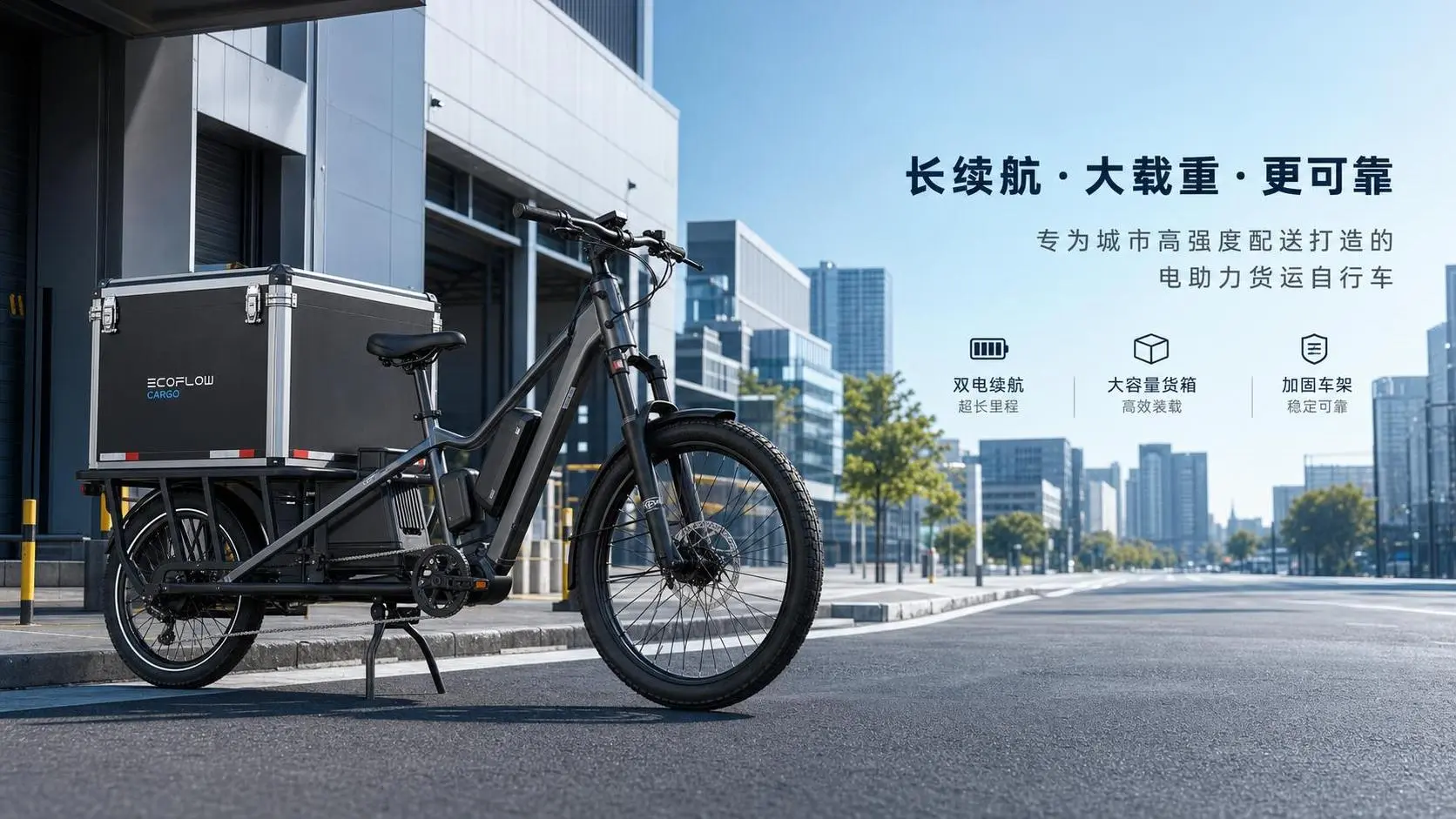
How to Choose a Long-Range Commercial Cargo E-Bike for Delivery Operations
Commercial cargo e-bike long range buying guide: learn how to assess battery, payload, route fit, and uptime support to choose a reliable delivery model with lower operating costs.

How to Select the Right E-Bike Battery Components for Range, Safety, and Fit?
E-bike component selection battery guide: learn how to choose the right battery components for better range, stronger safety, and perfect fit across modern e-bike platforms.

How to Evaluate Core Component Suppliers for Electric Motorcycles Before Sourcing?
Core component suppliers for electric motorcycles can make or break safety, compliance, and delivery. Learn how to assess technical strength, certifications, quality control, and hidden sourcing risks before you buy.

E-Bike Incentives Explained: How Riders Can Find Local Rebates and Tax Credits
E bike incentives explained: learn how to find local rebates, tax credits, and utility offers, avoid common mistakes, and cut the real cost of your next e-bike.

How to Choose Lightweight Scooter Frames in Europe: Materials, Standards, and Use Cases
Lightweight scooter frames Europe buyers need should balance materials, EN standards, durability, and real use cases. Discover how to choose safer, smarter, compliant frames.

What Is the Intellectualization of Mobility Platform and How Is It Applied in Shared Fleets?
Intellectualization of mobility platform is reshaping shared fleets with real-time data, predictive maintenance, and smarter compliance—learn how it boosts safety, uptime, and urban mobility efficiency.
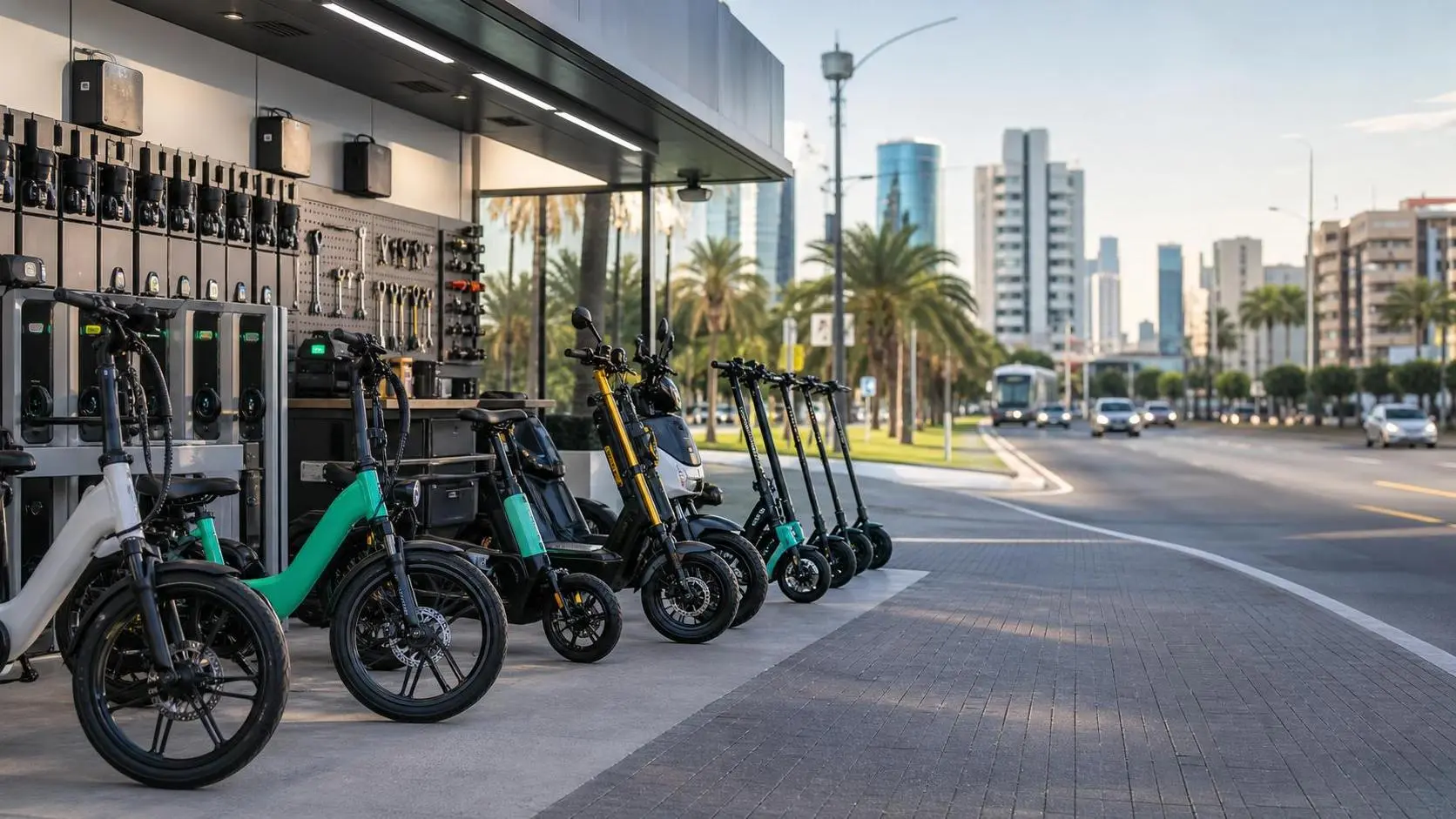
Urban Micro-Mobility Systems in Latin America: Key Market Drivers, Barriers, and Growth Segments
Urban micro-mobility systems Latin America are reshaping city transport. Explore key drivers, barriers, and high-growth segments to spot the region’s most investable opportunities.

Electric Motorcycle Systems Price Breakdown: What Affects Cost From Battery to Controller?
Electric motorcycle systems price explained: see how battery, controller, motor, BMS, and wiring affect total cost, reliability, and sourcing value before you buy.

72V Electric Motorcycle Technology Explained: Motors, Controllers, Range, and Charging
Electric motorcycle technology 72V explained clearly: compare motors, controllers, range, battery design, and charging to choose a smoother, stronger, and smarter electric ride.