
Related News
- 00
0000-00
How to Choose a Long-Range Commercial Cargo E-Bike for Delivery Operations - 00
0000-00
Electric Mobility for Logistics: How to Choose the Right Vehicle for Last-mile Delivery - 00
0000-00
Electric Torque for Ebikes Explained: What Power Delivery Means for Climbing and Cargo - 00
0000-00
Electric Powertrain vs Hub Motor: Which Setup Fits Cargo E-bikes Better? - 00
0000-00
What last mile logistics needs from electric fleets
Micro-Mobility Strategist
Weekly Insights
Stay ahead with our curated technology reports delivered every Monday.
How to Choose a Long-Range Commercial Cargo E-Bike for Delivery Operations





A commercial cargo e-bike long range platform can look similar on a spec sheet, yet perform very differently in daily delivery work. Real value depends on how battery capacity, payload, drivetrain efficiency, route design, and service support work together. For operations facing tighter city access rules, rising fuel costs, and stronger decarbonization targets, the right model is less about headline range and more about dependable all-shift performance.
That is why the buying conversation has shifted. In the wider micro-mobility market tracked by UMMS, electric cargo bikes sit at the intersection of battery management, urban regulation, and last-mile productivity. A good procurement decision should reflect all three, especially when delivery fleets need predictable uptime rather than trial-and-error deployment.
What long range really means in delivery operations
In practice, long range is not the maximum distance claimed under ideal test conditions. It is the usable distance a loaded vehicle can complete while maintaining safe speed, stable handling, and enough reserve energy for delays.
For a commercial cargo e-bike long range assessment, the key question is simple: how far can the bike travel in the actual delivery window, on the actual route, with the actual payload?
This immediately changes the evaluation method. Flat-road range, light rider tests, and low-assist demonstrations are useful reference points, but they are not decision points for urban logistics.
The variables that reduce real-world range
- Frequent stop-and-go riding in dense urban zones
- Heavy or uneven cargo loads
- Hills, ramps, bridges, and rough pavement
- Cold weather, wind, and rain exposure
- High assist modes used to keep schedule pressure
- Battery aging after repeated charge cycles
A serious range evaluation should therefore use loaded test rides, route simulation, and battery performance data after several months of use. That is where many advertised range claims begin to separate from commercial reality.
Why the category matters now
Urban delivery networks are changing quickly. Cities are restricting combustion vehicles, labor costs are rising, and same-day service is pushing operators toward smaller, more agile fleet assets.
Within that environment, a commercial cargo e-bike long range solution is attractive because it can reduce parking friction, shorten curbside dwell time, and keep deliveries moving through congested areas.
The wider significance goes beyond one vehicle type. UMMS has highlighted how the electrification of two-wheelers is reshaping urban micro-circulation, from e-bikes and smart e-scooters to high-speed electric motorcycles. Cargo e-bikes stand out because they combine low operating cost with direct usefulness in dense last-mile routes.
This also explains why buyers increasingly compare them against vans, scooters, and even pedestrian couriers, rather than only against other bicycles.
Start with the delivery profile, not the brochure
The first step is defining the mission profile. Without that, the wrong bike can appear cost-effective during sourcing and become expensive after deployment.
Key route and load questions
- Average daily distance per vehicle
- Peak shift distance during seasonal surges
- Average cargo weight and peak payload
- Box volume, temperature needs, or parcel mix
- Road gradient and surface quality
- Charging opportunities between shifts
- Legal speed class and lane access in target markets
A long-range platform for food delivery may need fast battery swaps and weather protection. A parcel route may need larger rear cargo architecture, stronger brakes, and higher frame stiffness.
Simple range numbers cannot answer those differences. The bike has to match route rhythm, not just route length.
The technical factors that decide performance
Battery size matters, but battery size alone does not create a reliable commercial cargo e-bike long range result. Efficiency comes from the entire system.
Battery architecture and management
Look beyond watt-hours. Battery chemistry, thermal stability, enclosure protection, charging time, cycle life, and battery management logic all affect operational continuity.
Dual-battery systems can improve route flexibility, but they also add weight, cost, and replacement planning. The better option depends on whether the fleet uses mid-day charging, spare packs, or overnight depot charging.
Motor and drivetrain efficiency
A powerful motor is not automatically an efficient motor. Mid-drive systems often perform better on loaded, hilly routes because they use gearing more effectively. Hub motors may suit flatter routes with lower maintenance complexity.
Drivetrain quality also matters. In delivery use, poor chainline design, weak derailleurs, or underbuilt transmission components can increase wear and energy loss. UMMS often links drivetrain architecture to broader micro-mobility efficiency because power transfer is where operating cost quietly accumulates.
Frame, brakes, and cargo integration
A long-range cargo bike must remain controllable when loaded near capacity. That means checking wheelbase stability, center of gravity, brake rotor size, suspension relevance, and cargo box integration.
If the frame flexes under load or braking performance drops in wet conditions, range becomes less valuable because the bike cannot sustain safe commercial use.
Comparing options through total operating value
A lower purchase price can hide a weaker operating case. The better comparison method is total cost of ownership over a defined service period.
This approach usually produces better decisions than comparing battery capacity alone. It also creates a cleaner business case when several models seem close on paper.
Where commercial risk usually hides
Some of the most expensive mistakes appear after launch. A commercial cargo e-bike long range platform can pass pilot testing, then struggle once the fleet scales.
Common blind spots
- Testing with light loads instead of full delivery weight
- Ignoring winter battery performance
- Underestimating rider turnover and training needs
- Choosing proprietary batteries without supply security
- Skipping spare parts planning for brakes and drivetrains
- Failing to map charging workflow at depot level
More mature buyers now ask for degradation curves, service documentation, telematics compatibility, and evidence from comparable route environments. That is a healthier standard, especially in a market where range claims can still be inconsistent.
A practical shortlist framework
An effective shortlist normally balances technical fit, operating cost, and expansion potential. The aim is to narrow choices using measurable route outcomes.
Useful scoring criteria
- Loaded range across a full shift
- Payload stability and cargo ergonomics
- Charging or swap efficiency
- Maintenance time per 1,000 kilometers
- Battery replacement exposure over contract life
- Availability of certified local service support
- Compatibility with evolving city regulations
It is also useful to compare the bike against adjacent two-wheeler categories. In some routes, a smart e-scooter lacks payload. In others, a high-speed e-motorcycle adds unnecessary cost and compliance burden. The cargo e-bike often wins because it sits in the most efficient middle ground.
Turning evaluation into a better next step
Choosing a commercial cargo e-bike long range platform should end with a route-based trial plan, not a showroom decision. Build the comparison around payload, terrain, weather, recharge windows, and expected battery aging.
A useful next move is to define a scorecard before vendor discussions begin. That keeps the process grounded in delivery performance, service resilience, and lifetime economics.
As UMMS continues to track battery logic, drivetrain evolution, and urban mobility regulation, the strongest choices will come from buyers who treat the vehicle as part of a wider operating system. In long-range delivery work, the best bike is the one that still performs when the route gets difficult, the shift runs late, and the business needs consistency more than promises.
Related News
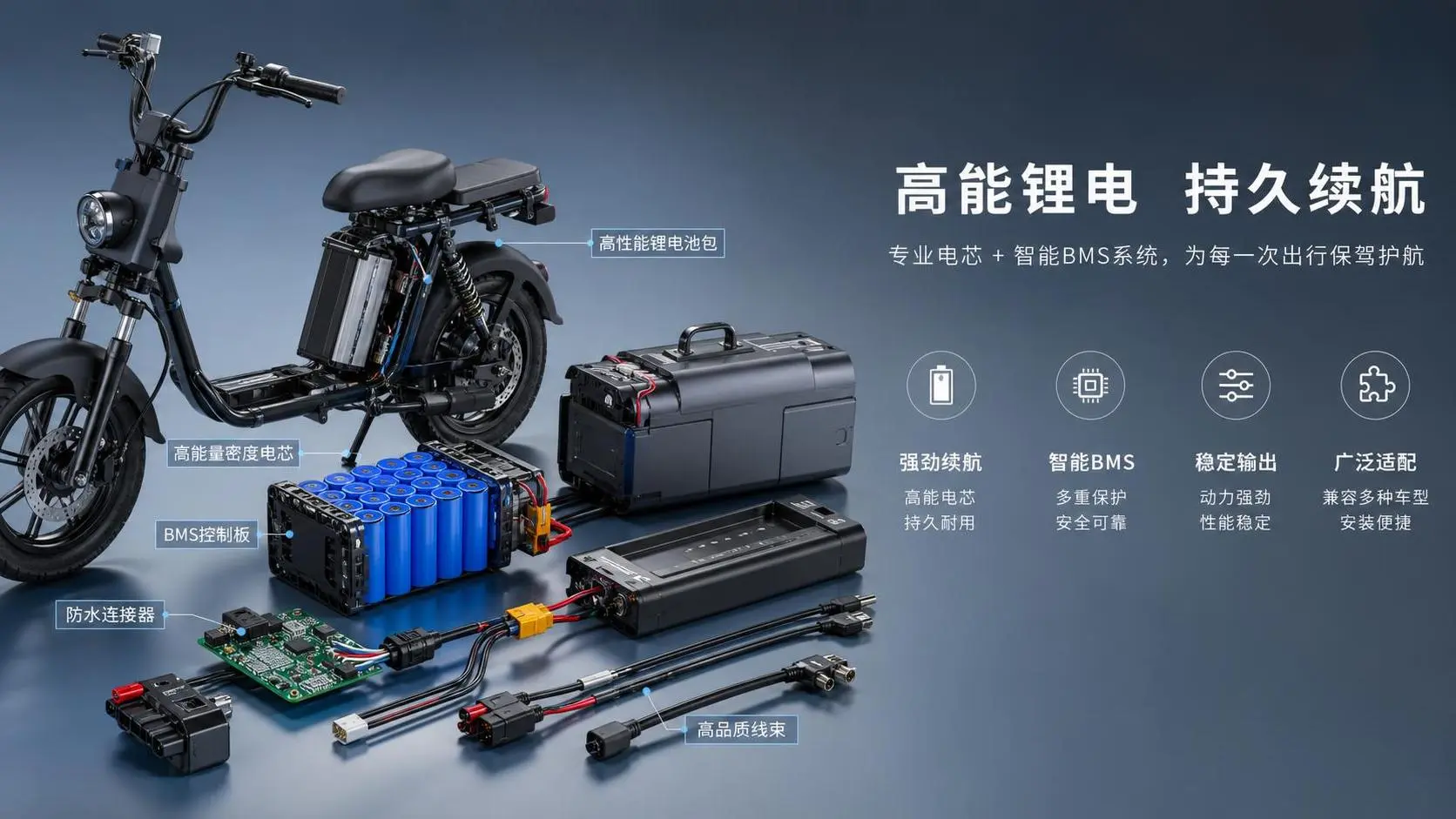
How to Select the Right E-Bike Battery Components for Range, Safety, and Fit?
E-bike component selection battery guide: learn how to choose the right battery components for better range, stronger safety, and perfect fit across modern e-bike platforms.
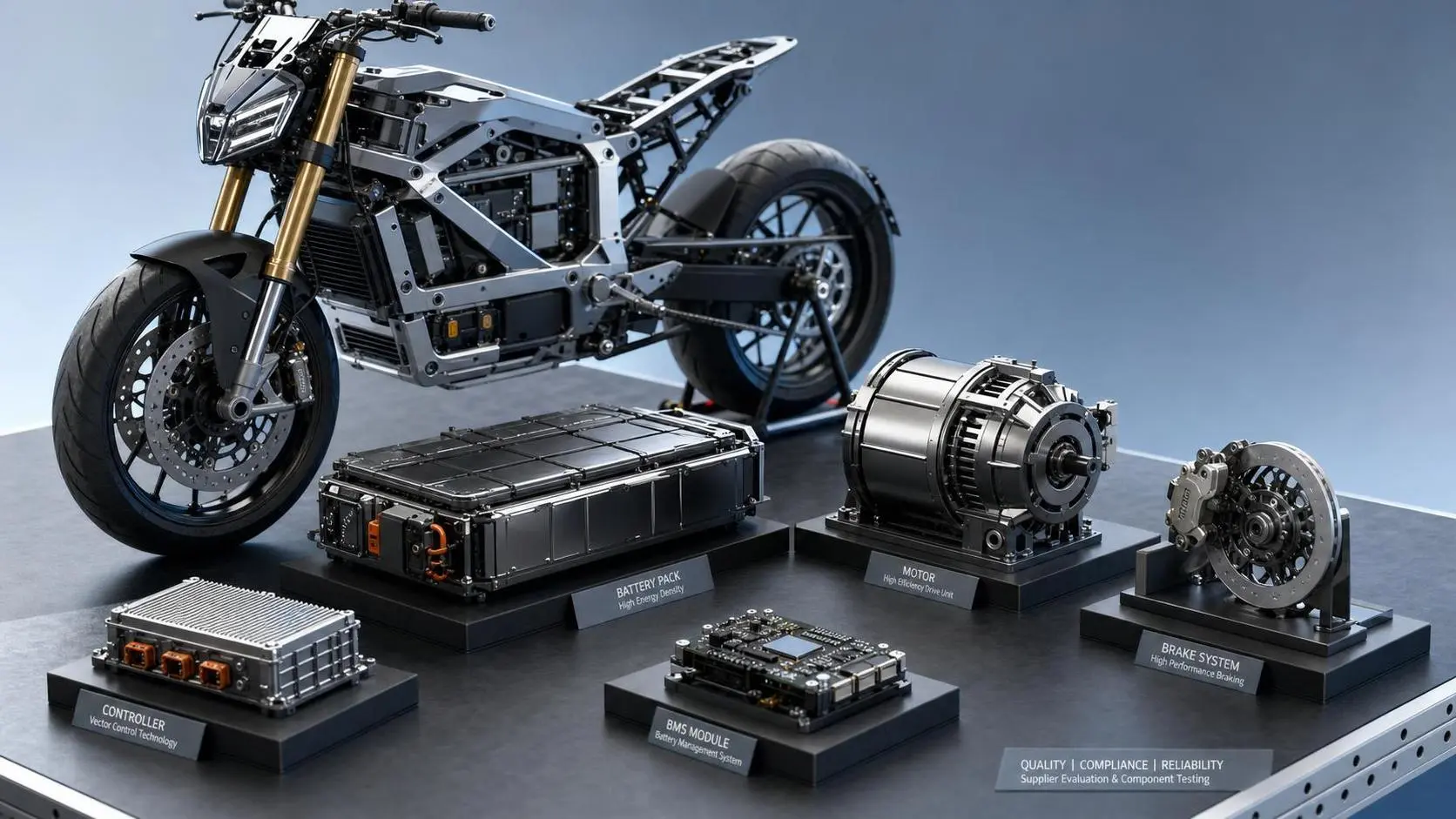
How to Evaluate Core Component Suppliers for Electric Motorcycles Before Sourcing?
Core component suppliers for electric motorcycles can make or break safety, compliance, and delivery. Learn how to assess technical strength, certifications, quality control, and hidden sourcing risks before you buy.
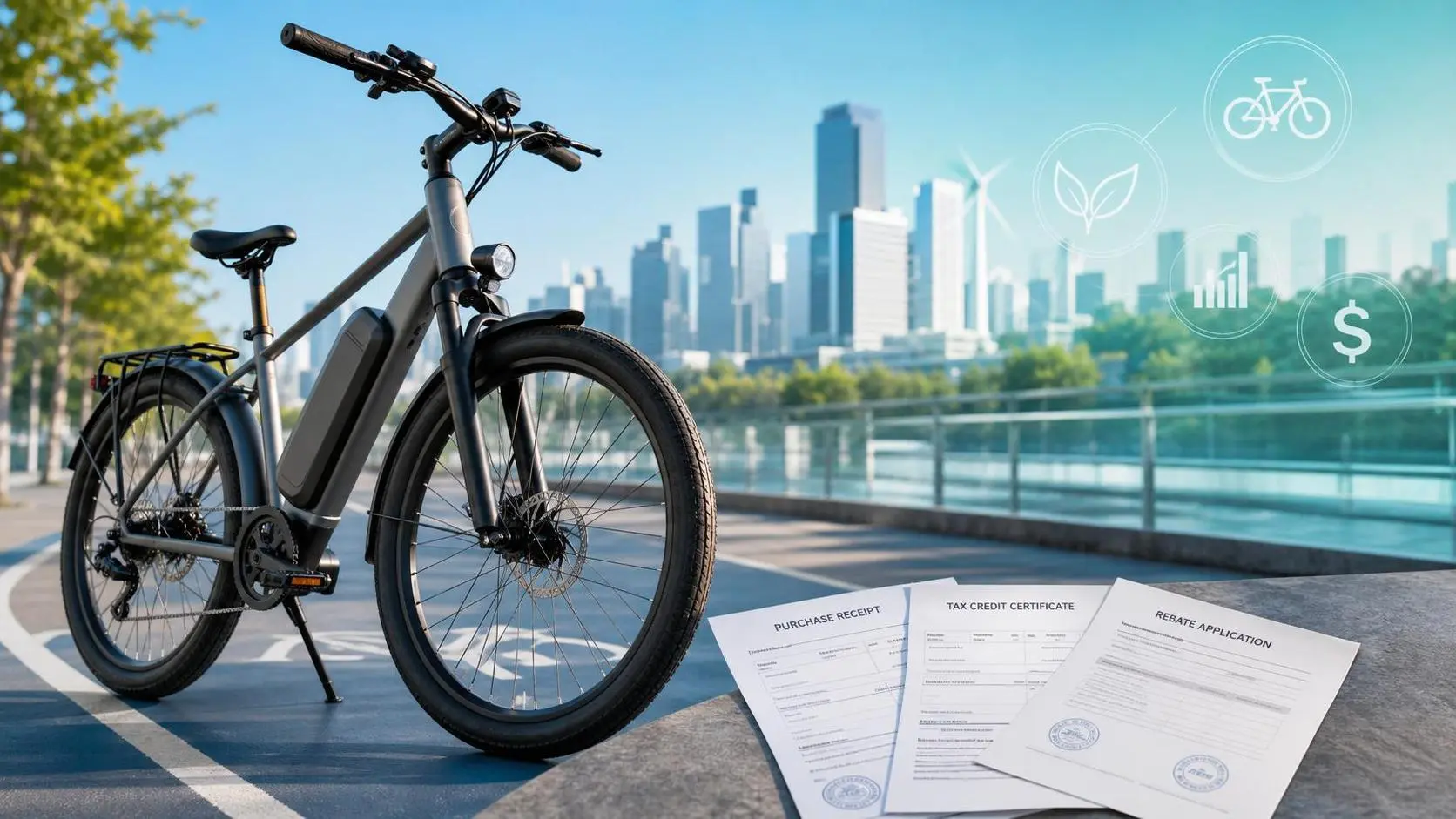
E-Bike Incentives Explained: How Riders Can Find Local Rebates and Tax Credits
E bike incentives explained: learn how to find local rebates, tax credits, and utility offers, avoid common mistakes, and cut the real cost of your next e-bike.
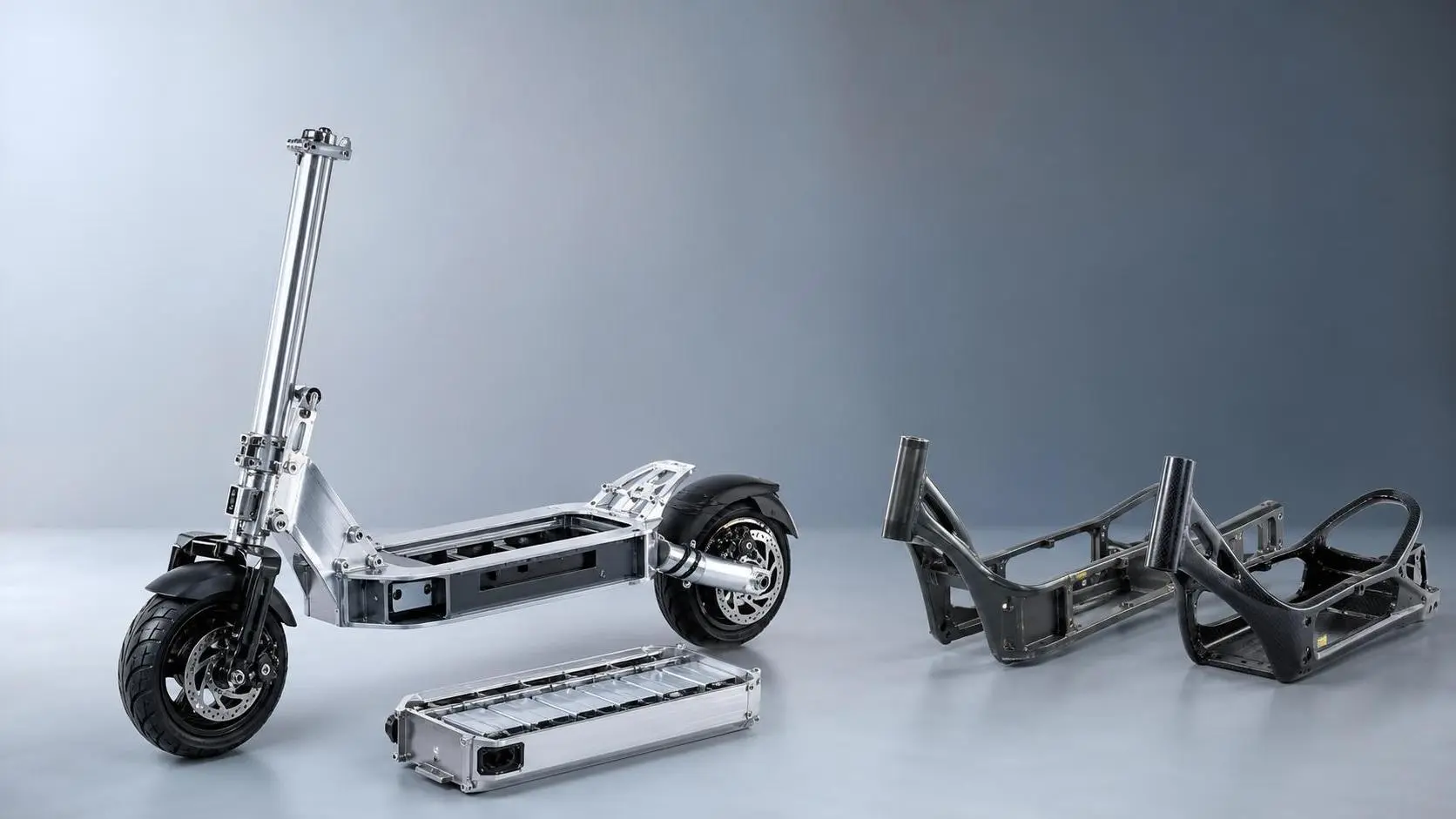
How to Choose Lightweight Scooter Frames in Europe: Materials, Standards, and Use Cases
Lightweight scooter frames Europe buyers need should balance materials, EN standards, durability, and real use cases. Discover how to choose safer, smarter, compliant frames.
What Is the Intellectualization of Mobility Platform and How Is It Applied in Shared Fleets?
Intellectualization of mobility platform is reshaping shared fleets with real-time data, predictive maintenance, and smarter compliance—learn how it boosts safety, uptime, and urban mobility efficiency.
Urban Micro-Mobility Systems in Latin America: Key Market Drivers, Barriers, and Growth Segments
Urban micro-mobility systems Latin America are reshaping city transport. Explore key drivers, barriers, and high-growth segments to spot the region’s most investable opportunities.
Electric Motorcycle Systems Price Breakdown: What Affects Cost From Battery to Controller?
Electric motorcycle systems price explained: see how battery, controller, motor, BMS, and wiring affect total cost, reliability, and sourcing value before you buy.
72V Electric Motorcycle Technology Explained: Motors, Controllers, Range, and Charging
Electric motorcycle technology 72V explained clearly: compare motors, controllers, range, battery design, and charging to choose a smoother, stronger, and smarter electric ride.
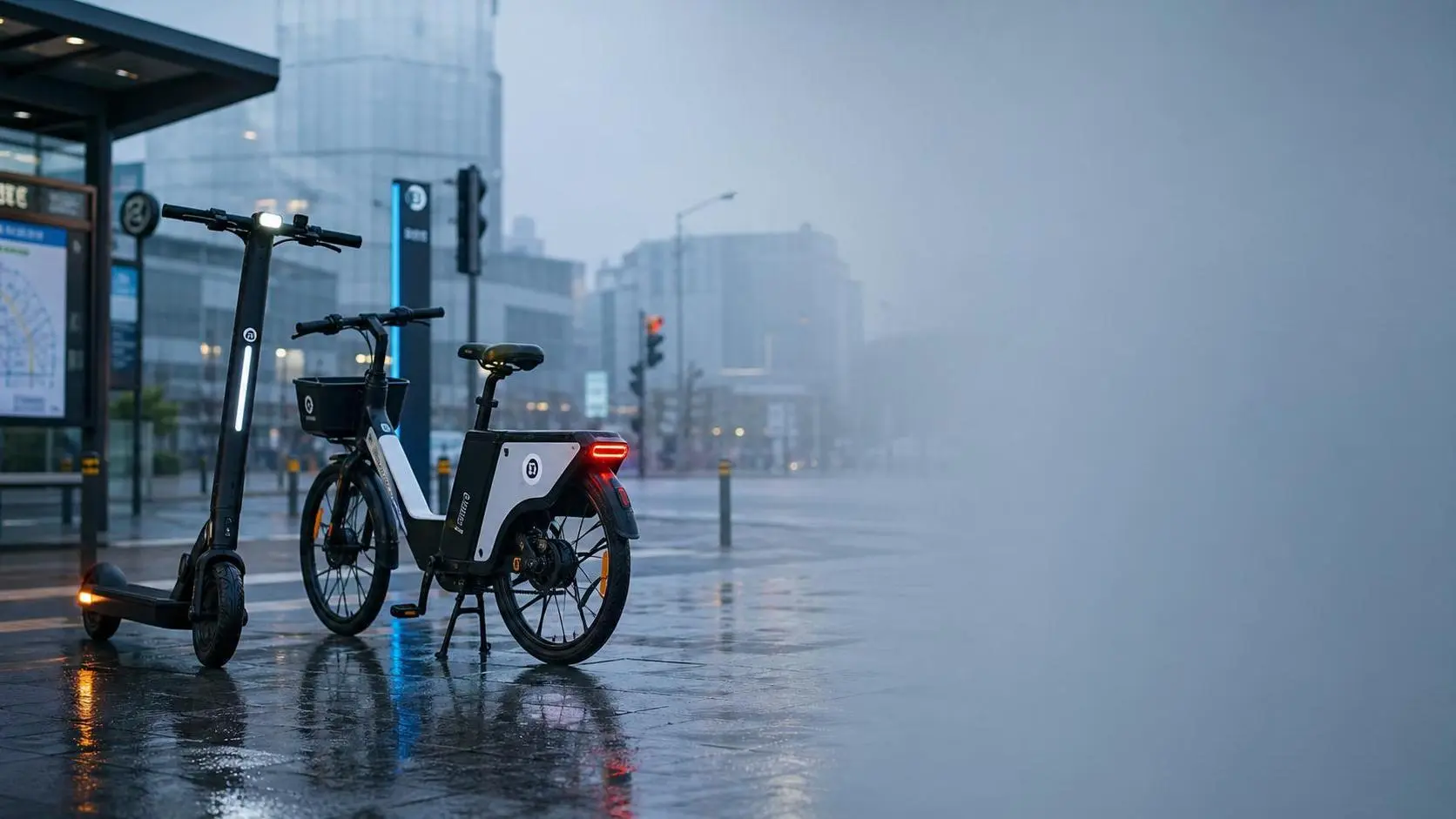
Where LED Urban Visibility Safety Systems Fit Best in Shared Scooters and City E-bikes
LED urban visibility safety systems deliver the most value in shared scooters and city e-bikes by improving multi-angle safety, fleet durability, and urban compliance across real-world routes.