
Related News
- 00
0000-00
E-Bike Incentives Explained: How Riders Can Find Local Rebates and Tax Credits - 00
0000-00
How to Choose Urban Commuting E-bikes for Rental Fleets by Range, Durability, and Serviceability - 00
0000-00
E-Bike Component Selection: How to Evaluate a Torque Sensor for Commuting and Cargo Use - 00
0000-00
What Drives Low Carbon E-bike Price: Materials, Battery Specs, and Compliance Costs - 00
0000-00
Utility Maximization in E-bikes: Which Motor, Battery, and Range Trade-offs Matter Most?
Micro-Mobility Strategist
Weekly Insights
Stay ahead with our curated technology reports delivered every Monday.
E-Bike Incentives Explained: How Riders Can Find Local Rebates and Tax Credits





E bike incentives often decide whether an electric bicycle remains a plan or becomes a practical daily vehicle. In many markets, rebates, tax credits, and utility offers reduce the upfront cost enough to make a cleaner commute realistic. The challenge is that these programs are fragmented, local, and often time-sensitive. Understanding where to look, what qualifies, and how incentives interact is now part of buying wisely in the wider micro-mobility economy.
Why e-bike incentives matter now
Electric bicycles sit at the center of a broader shift in urban travel. Cities are dealing with congestion, rising fuel costs, limited parking, and stricter climate targets. E-bikes answer several of those pressures at once.
That is why public agencies, utilities, and local governments are funding e bike incentives. They are not simply discounts. They are policy tools designed to reduce emissions, cut short car trips, and expand access to efficient transport.
This trend also fits the market view tracked by UMMS. Across the last-mile mobility sector, subsidy policy has become a major signal, alongside battery performance, drivetrain efficiency, and urban right-of-way rules.
For buyers, that means the purchase decision is no longer just about motor power or range. It also includes timing, program rules, and the local policy environment.
What counts as an e-bike incentive
The phrase covers several different forms of savings. Some lower the purchase price immediately. Others return money later through tax filing or reimbursement.
Common program types
- Point-of-sale rebates applied by approved retailers.
- Post-purchase rebates requiring receipts and application forms.
- State or municipal tax credits claimed during tax season.
- Utility-backed clean transportation incentives.
- Income-qualified grants for lower-cost access.
- Trade-in bonuses tied to replacing a car or older vehicle use.
Not every program uses the same definition of an e-bike. One rebate may cover Class 1 and Class 2 models only. Another may include cargo bikes, adaptive bikes, or even certain folding models.
That detail matters because e bike incentives usually depend on vehicle class, battery certification, top assisted speed, and retailer participation.
Where local rebates and tax credits usually come from
Savings opportunities rarely live in one place. A buyer may qualify for city support, a state-level credit, and a utility rebate, but only if each program allows stacking.
The most reliable starting points are local government transportation pages, state energy offices, utility clean mobility portals, and approved retailer lists.
UMMS regularly highlights how these policy channels affect two-wheeler adoption. That broader view matters because local incentives tend to appear first in places already investing in bike lanes, charging access, and shared mobility rules.
How to judge whether a program is worth pursuing
A large advertised rebate does not always produce the best outcome. Some programs are narrow, slow, or tied to restrictive purchase conditions.
Key checks before buying
- Whether the incentive applies before or after tax.
- Whether only certain retailers can process the claim.
- Whether used, refurbished, or online purchases are excluded.
- Whether the bike price must stay below a program ceiling.
- Whether cargo accessories or safety gear are included.
- Whether funding is first-come, first-served.
This is where many buyers miss value. A smaller incentive with a simple point-of-sale process may be more useful than a larger tax credit paid months later.
Another practical issue is compliance. Programs may require UL-certified batteries, serial number registration, proof of residence, and a purchase date within a narrow window.
Typical scenarios behind the numbers
E bike incentives are not equally valuable in every situation. Their impact depends on how the bicycle will actually replace travel.
Short urban commuting
For daily trips under ten miles, a rebate can shift the comparison away from car ownership costs and toward total monthly savings. Parking, fuel, and transit overlap start to matter.
Family and cargo use
Cargo e-bikes often have higher sticker prices. Incentives become more meaningful here, especially when they support child-carrying accessories or broaden class eligibility.
Hilly or longer routes
Where terrain and distance make regular cycling difficult, e bike incentives improve access to stronger assist systems without pushing buyers into car dependence.
Low-emission lifestyle upgrades
Some households treat an e-bike as part of a wider electrification strategy. Utility-backed offers become more relevant in these cases because they align with clean energy goals.
How to find legitimate e bike incentives efficiently
The best search process is structured. Random web searching often surfaces expired programs, promotional pages, or retailer claims that leave out restrictions.
A practical search sequence
- Check city transportation and sustainability pages first.
- Review state energy, revenue, and mobility program sites.
- Search the local utility for electrification incentives.
- Confirm eligible retailers and model lists.
- Read application deadlines and funding status carefully.
- Keep screenshots or PDFs of terms before purchase.
A useful rule is to trust primary sources first. If a retailer advertises e bike incentives, confirm the same program on the agency or utility site before paying.
This matters especially because funding windows can close suddenly. Some popular rebate programs pause once annual budgets are exhausted.
Mistakes that reduce the benefit
Most missed savings come from timing errors rather than bad intent. Buyers often purchase first and read the rules later.
- Buying a model that exceeds the program’s price cap.
- Choosing a retailer outside the approved network.
- Missing documentation such as invoices or serial numbers.
- Assuming tax credits and rebates automatically stack.
- Ignoring battery or safety certification language.
Another mistake is focusing only on the headline discount. The better question is whether the final bike still matches the intended route, storage space, maintenance expectations, and local riding rules.
A smarter way to compare offers
In practice, e bike incentives work best when compared against the whole ownership picture. A modest rebate on a reliable commuter can outperform a larger subsidy on a poorly matched bike.
Look at net purchase cost, battery quality, service support, carrying capacity, and local eligibility together. That is the same systems view shaping today’s micro-mobility intelligence market.
For anyone following the sector through UMMS, this is also where consumer decisions connect to industry signals. Incentive design influences adoption rates, retailer strategies, and even which bike categories gain traction in specific cities.
Before making a purchase, map local programs, confirm the latest rules, and compare the net cost of two or three realistic models. That simple discipline usually reveals whether available e bike incentives create a genuine value opportunity or only an appealing headline.
Related News
How to Choose Lightweight Scooter Frames in Europe: Materials, Standards, and Use Cases
Lightweight scooter frames Europe buyers need should balance materials, EN standards, durability, and real use cases. Discover how to choose safer, smarter, compliant frames.
What Is the Intellectualization of Mobility Platform and How Is It Applied in Shared Fleets?
Intellectualization of mobility platform is reshaping shared fleets with real-time data, predictive maintenance, and smarter compliance—learn how it boosts safety, uptime, and urban mobility efficiency.
Urban Micro-Mobility Systems in Latin America: Key Market Drivers, Barriers, and Growth Segments
Urban micro-mobility systems Latin America are reshaping city transport. Explore key drivers, barriers, and high-growth segments to spot the region’s most investable opportunities.
Electric Motorcycle Systems Price Breakdown: What Affects Cost From Battery to Controller?
Electric motorcycle systems price explained: see how battery, controller, motor, BMS, and wiring affect total cost, reliability, and sourcing value before you buy.
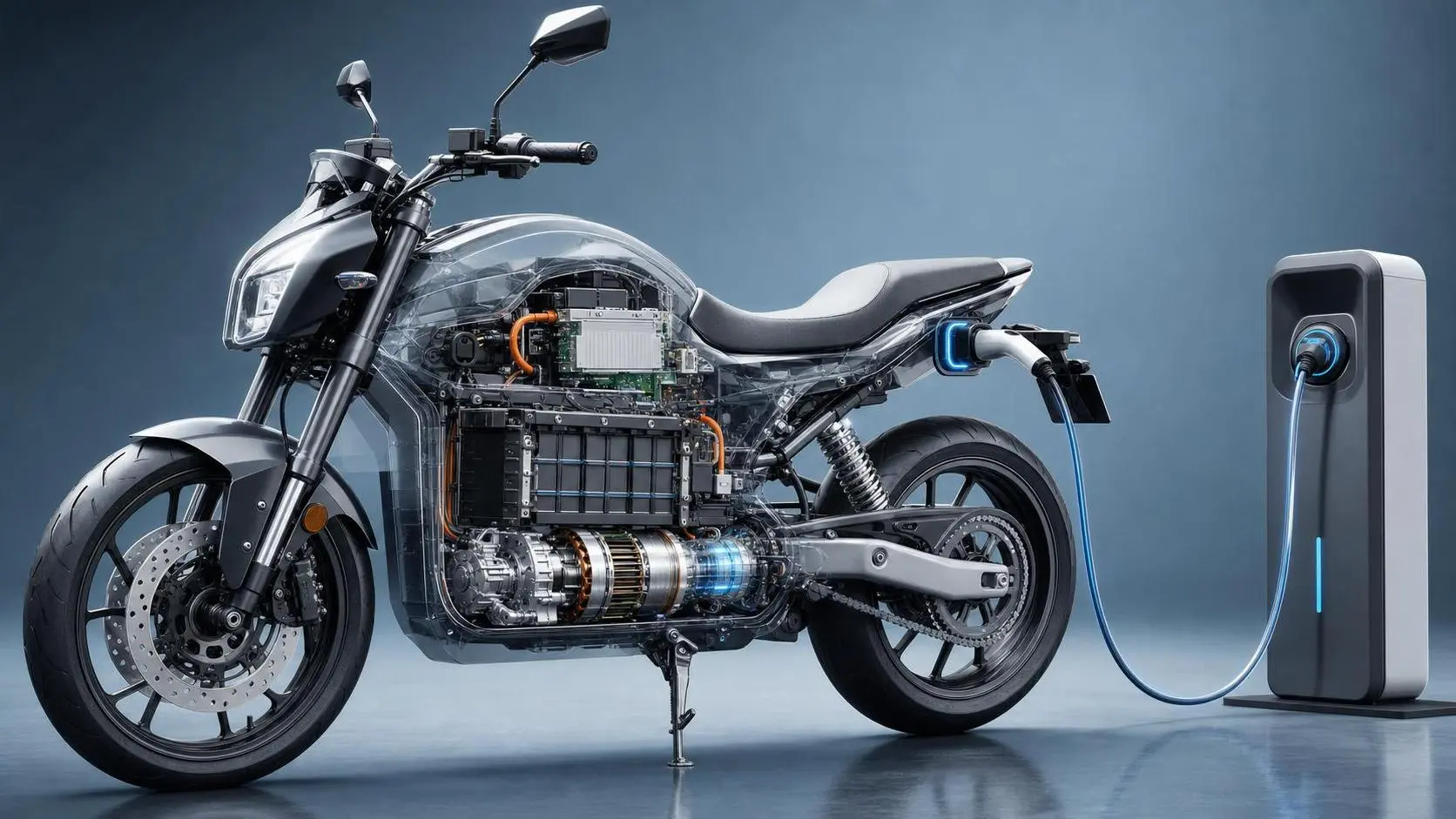
72V Electric Motorcycle Technology Explained: Motors, Controllers, Range, and Charging
Electric motorcycle technology 72V explained clearly: compare motors, controllers, range, battery design, and charging to choose a smoother, stronger, and smarter electric ride.
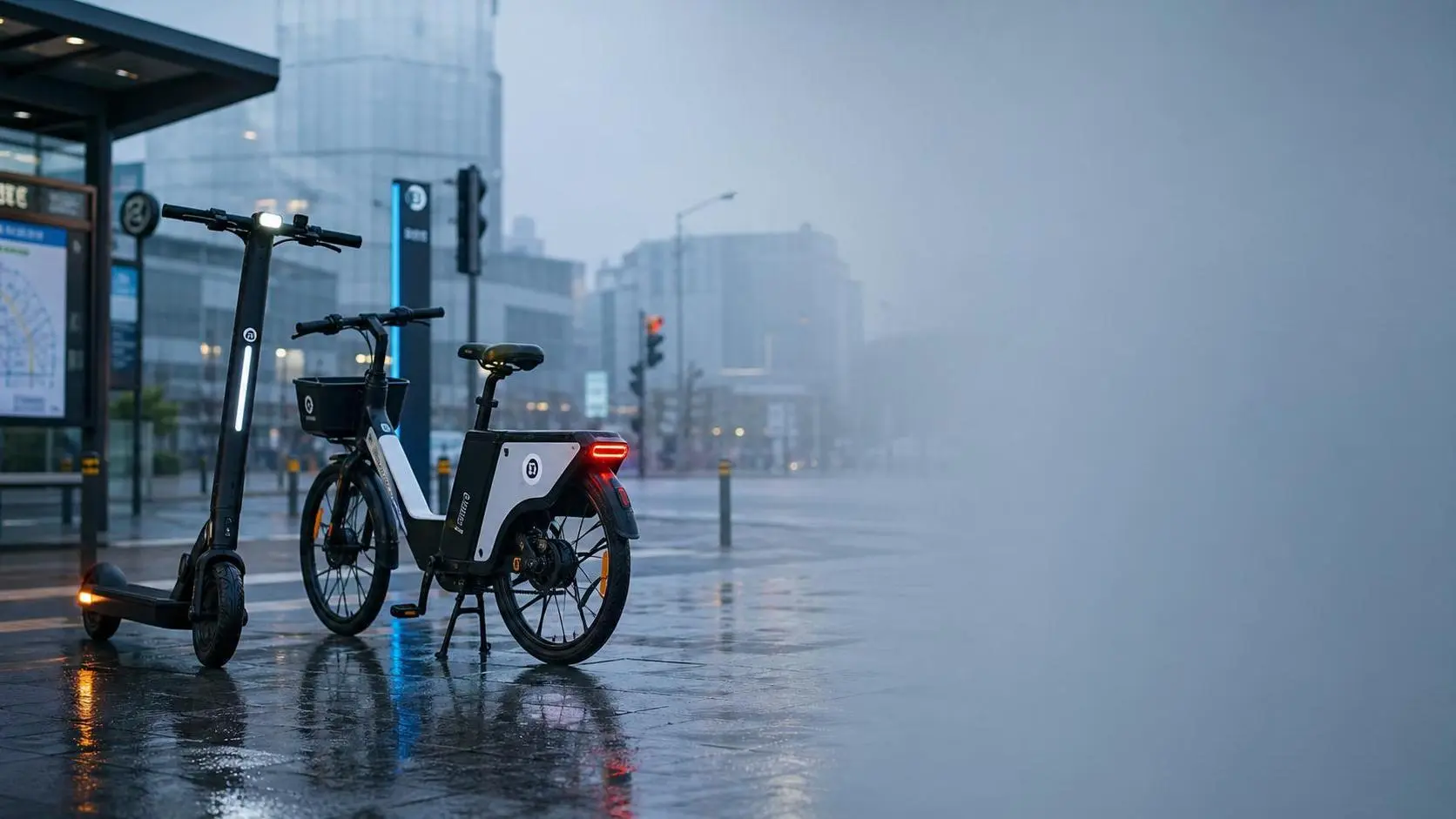
Where LED Urban Visibility Safety Systems Fit Best in Shared Scooters and City E-bikes
LED urban visibility safety systems deliver the most value in shared scooters and city e-bikes by improving multi-angle safety, fleet durability, and urban compliance across real-world routes.
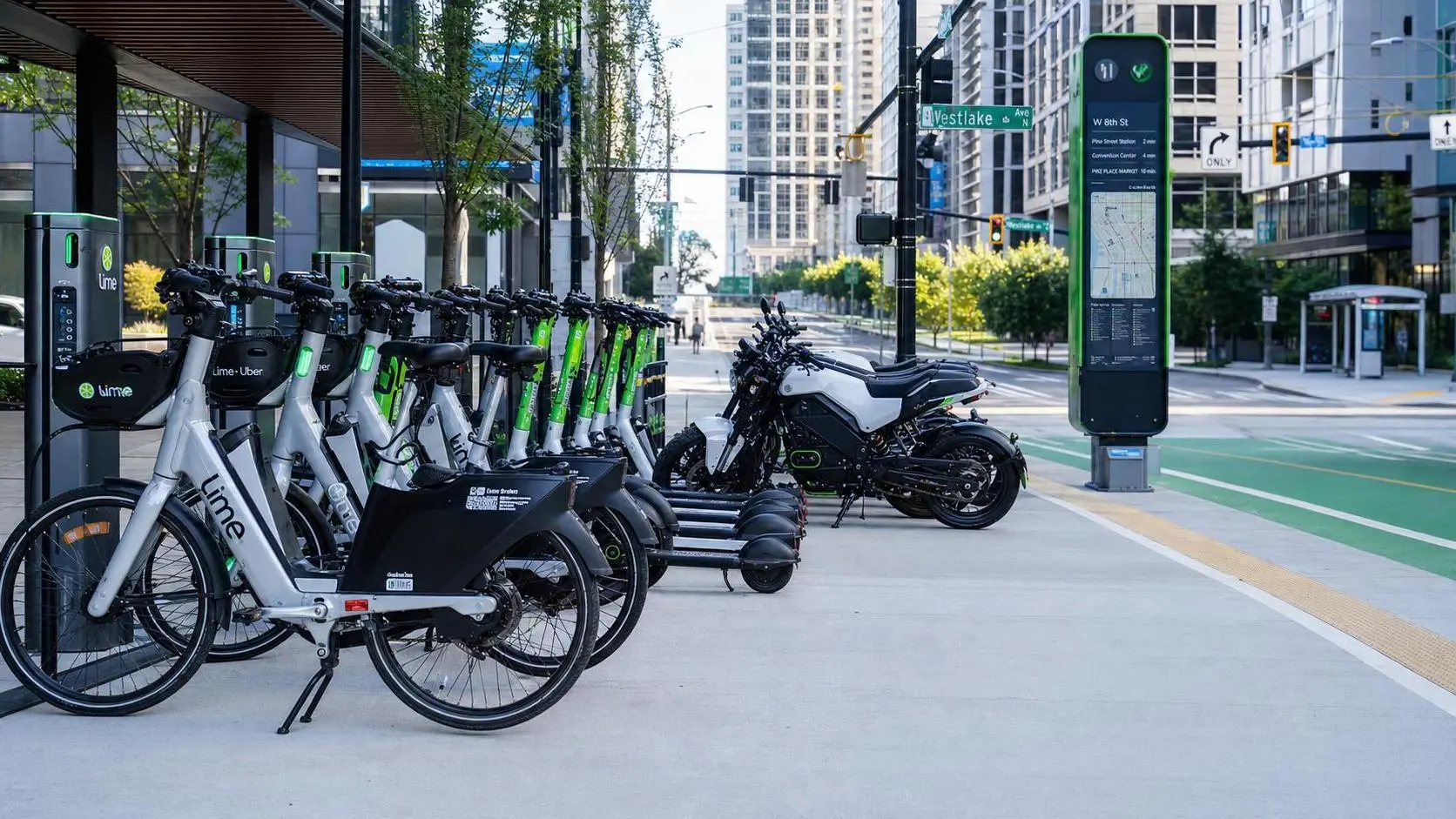
Intellectualization of Mobility in North America: What Is Driving Adoption Across Urban Transport?
Intellectualization of mobility North America is reshaping urban transport through data, smart fleets, and battery intelligence. Explore what is driving adoption and why cities and operators are accelerating now.
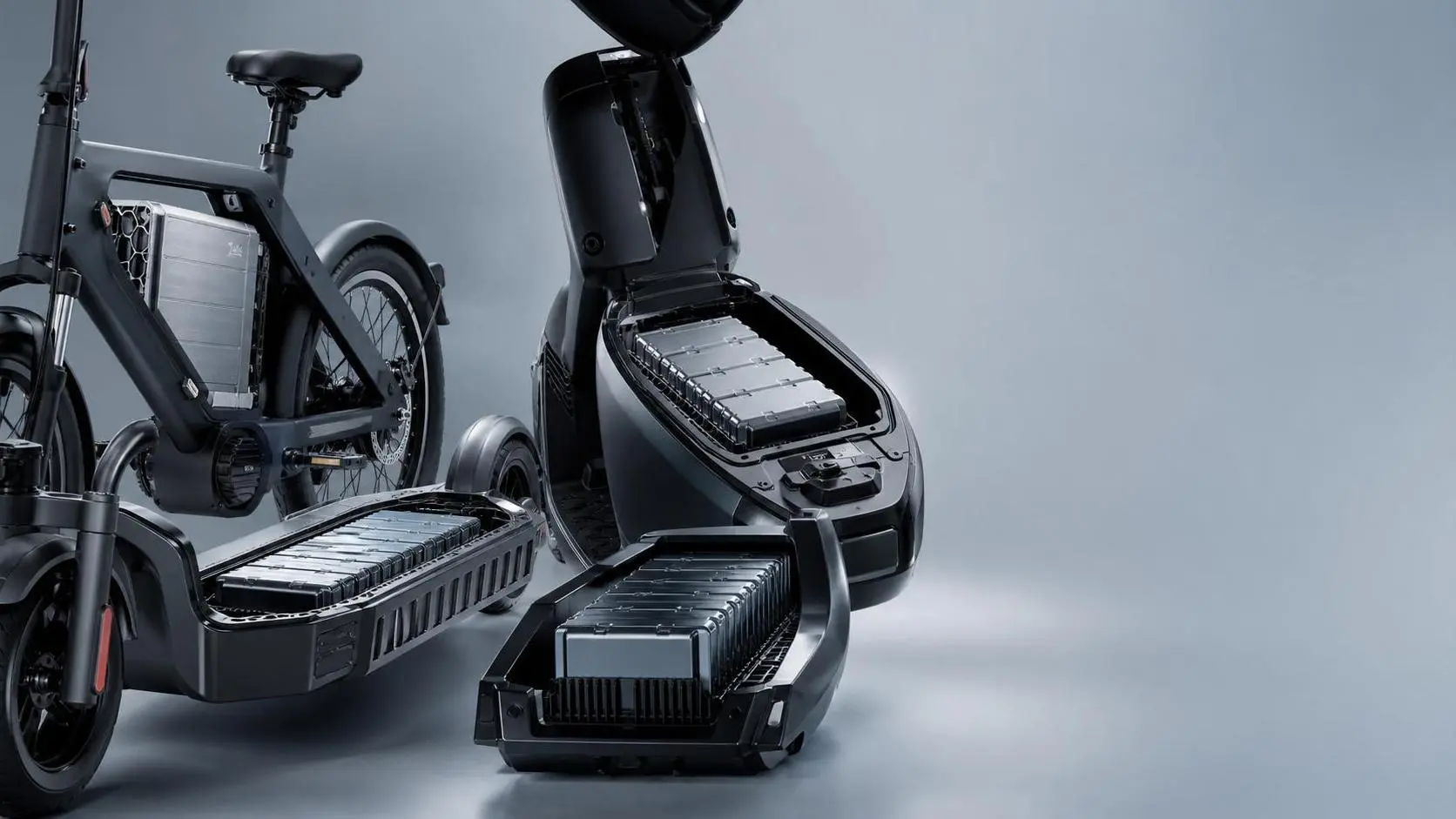
How to Choose a Compact Battery Pack: Size, Energy Density, Thermal Design, and Cycle Life
Compact battery pack selection starts with more than size. Learn how energy density, thermal design, and cycle life shape range, safety, and long-term value.
What Is Driving Green Two-wheelers Demand in Europe? Policy, Fuel Costs, and Buyer Segments
Green two-wheelers demand Europe is rising as policy support, fuel cost pressure, and diverse buyer segments reshape urban mobility. Explore the trends driving the next growth wave.