
Related News
- 00
0000-00
How to Evaluate Core Component Suppliers for Electric Motorcycles Before Sourcing? - 00
0000-00
Electric Motorcycle Systems Price Breakdown: What Affects Cost From Battery to Controller? - 00
0000-00
Micro-mobility Systems Explained: Core Components, Operating Models, and City Use Cases - 00
0000-00
Electrification Strategies in Europe: Policy, Charging, and ROI Factors for Fleet Planning - 00
0000-00
OEM Market Share in Electric Motorcycles: What It Reveals About Brand Positioning
Ms. Elena Rodriguez
Weekly Insights
Stay ahead with our curated technology reports delivered every Monday.
How to Evaluate Core Component Suppliers for Electric Motorcycles Before Sourcing?





Choosing core component suppliers for electric motorcycles is rarely about unit price alone. The real decision sits between safety, compliance, delivery stability, and future warranty exposure.
In practical sourcing work, batteries, motors, controllers, braking systems, and BMS architecture shape the entire vehicle outcome. A weak supplier can damage homologation plans, launch timing, and after-sales credibility.
That is why experienced teams evaluate core component suppliers for electric motorcycles as system partners, not just vendors. The better question is not who can quote fastest, but who can support scale without creating hidden risk.
UMMS follows this shift closely across e-bikes, smart e-scooters, high-speed e-motorcycles, and precision drivetrain components. In the broader micro-mobility market, the same pattern keeps repeating: technical consistency usually matters more than an attractive first offer.
What should be checked first when screening core component suppliers for electric motorcycles?
Start with product criticality. Not every part carries the same sourcing risk. Battery packs, cells, motors, controllers, chargers, and brake assemblies directly affect vehicle safety and regulatory acceptance.
A fast first screen usually covers five points: manufacturing capability, engineering depth, certification status, process control, and supply continuity. If one of these is weak, later negotiations become expensive.
It also helps to separate trading strength from technical ownership. Some suppliers present polished catalogs but control little of the real process. More reliable partners can explain design margins, failure modes, and traceability logic in detail.
For electric motorcycles, ask early whether the supplier supports high-voltage architecture, thermal management, vibration resistance, and long-cycle durability. Those answers quickly reveal whether the company is built for serious road use or light-duty applications.
A quick judgment table for early-stage comparison
This kind of table does not replace a factory audit. It helps eliminate weak candidates before engineering, quality, and logistics teams spend weeks on them.
How can you tell whether a supplier is technically reliable, not just commercially polished?
The simplest sign is how they answer difficult questions. Reliable core component suppliers for electric motorcycles explain limitations as clearly as strengths. They do not hide behind generic brochures.
For battery suppliers, ask about cell grading, pack sealing, thermal runaway mitigation, BMS balancing logic, and field failure history. For motor suppliers, review torque curves, efficiency maps, ingress protection, and heat dissipation under real load.
Controller suppliers should be able to discuss firmware revision control, communication protocols, fault diagnostics, and compatibility with regenerative braking. If answers stay vague, the technical foundation may be thin.
In actual programs, sample consistency matters as much as impressive specifications. One prototype that performs well proves little. Three or five sample sets from different batches tell a much more useful story.
- Request test reports with date, batch number, and method details.
- Compare drawing revision control with actual delivered samples.
- Check whether software and hardware versions are locked clearly.
- Ask how nonconforming units are isolated and traced.
UMMS often highlights this issue across micro-mobility categories. Whether the product is a smart e-scooter controller or an e-motorcycle battery pack, disciplined engineering records usually separate scalable suppliers from opportunistic ones.
Which certifications and compliance signals actually matter before sourcing?
Compliance should be judged by target market, not by a random bundle of certificates. A supplier may show several documents and still fail your destination requirements.
For batteries, UN38.3 is often non-negotiable for transport. Depending on the region, you may also need IEC-related test alignment, CE declarations, RoHS compliance, or local recycling obligations.
For braking systems, lighting electronics, and some vehicle subsystems, road-use regulations can become more complex. Market entry for high-speed electric motorcycles often requires tighter homologation coordination than lower-speed micro-mobility products.
A useful check is whether the supplier understands why a certificate exists, not just where the PDF file is stored. If the compliance team cannot explain scope, validity, and update timing, document control may be weak.
Another important detail is configuration linkage. Certification belongs to a defined design state. If casing material, cell source, firmware, or connector type changes, previous approvals may no longer fully apply.
Price looks attractive, but where do hidden sourcing costs usually appear?
This is where many sourcing plans drift off course. Low quoted prices often move cost into later stages: rework, delayed launch, extra incoming inspection, field claims, and emergency air shipments.
With core component suppliers for electric motorcycles, hidden cost tends to show up in four places. First, technical mismatch. Second, unstable quality. Third, poor documentation. Fourth, weak delivery planning.
A controller priced a few dollars lower can become expensive if firmware debugging takes two extra months. A battery pack with unclear traceability can cost far more once returns and transport restrictions begin.
More mature sourcing teams compare total landed and operating cost, not just ex-works price. That means adding packaging, duty exposure, compliance maintenance, failure analysis support, and warranty reserve assumptions.
Questions that expose real cost structure
- What is included in the sample and validation cost?
- How often are key materials repriced?
- Who pays for tooling correction after pilot testing?
- What failure rate triggers supplier-side compensation?
- Can the supplier support buffer stock or local service inventory?
These questions are not aggressive. They simply make the sourcing model more realistic before volume commitments are made.
How much should delivery, scale, and supply-chain resilience influence the final choice?
Usually more than expected. A technically strong supplier can still become a poor fit if capacity planning is fragile. Electric motorcycle programs often ramp unevenly, especially when policy shifts or channel demand changes suddenly.
Ask for evidence of production planning, not just promises. This includes standard lead times, peak monthly output, critical material sourcing, and contingency plans for cells, semiconductors, magnets, and cast parts.
The broader UMMS view is helpful here. Across micro-mobility, supply bottlenecks often begin upstream, then appear downstream as quality drift or delivery misses. A supplier that understands strategic risk usually monitors both.
It is also worth asking whether the supplier has experience supporting different vehicle classes. A company serving e-bikes and smart e-scooters may still need stronger process discipline before supporting high-speed electric motorcycles.
When comparing core component suppliers for electric motorcycles, the most useful delivery indicators are simple:
- On-time delivery by quarter, not by one selected month.
- Capacity utilization during peak season.
- Approved backup sources for critical materials.
- Response time when engineering changes affect orders.
What mistakes are most common before locking in a supplier?
One common mistake is validating components separately but ignoring system interaction. Motors, controllers, battery packs, and charging systems can each pass their own tests, then fail as a combined platform.
Another mistake is over-trusting certifications without verifying current configuration. A document from last year may not match this year’s material source or firmware baseline.
Some teams also move too fast after a good prototype ride. Ride feel matters, but long-term reliability depends on process repeatability, environmental stress testing, and disciplined corrective action.
The final trap is evaluating core component suppliers for electric motorcycles in isolation from market strategy. If the product targets premium urban performance, the supplier must support that positioning with traceable quality and consistent field service.
A more dependable path is to align supplier choice with intended markets, certification routes, target service life, and after-sales expectations before price negotiation closes the discussion.
So what is the best next step before sourcing at scale?
Build a short evaluation framework and apply it consistently. Keep it practical: technical fit, compliance fit, quality control, delivery resilience, and total cost exposure.
Then run the same questions across all shortlisted core component suppliers for electric motorcycles. Patterns become visible quickly, especially when quotes, reports, and sample performance are reviewed side by side.
In a market shaped by electrification, urban mobility policy, and fast-changing component ecosystems, supplier selection is no longer a back-office task. It is a product strategy decision with direct commercial consequences.
A disciplined review now usually prevents expensive corrections later. Clarify the target vehicle architecture, define must-have compliance items, test batch consistency, and confirm capacity assumptions before volume commitments are signed.
That approach gives sourcing decisions a stronger technical foundation and a better chance of supporting durable electric motorcycle growth.
Related News
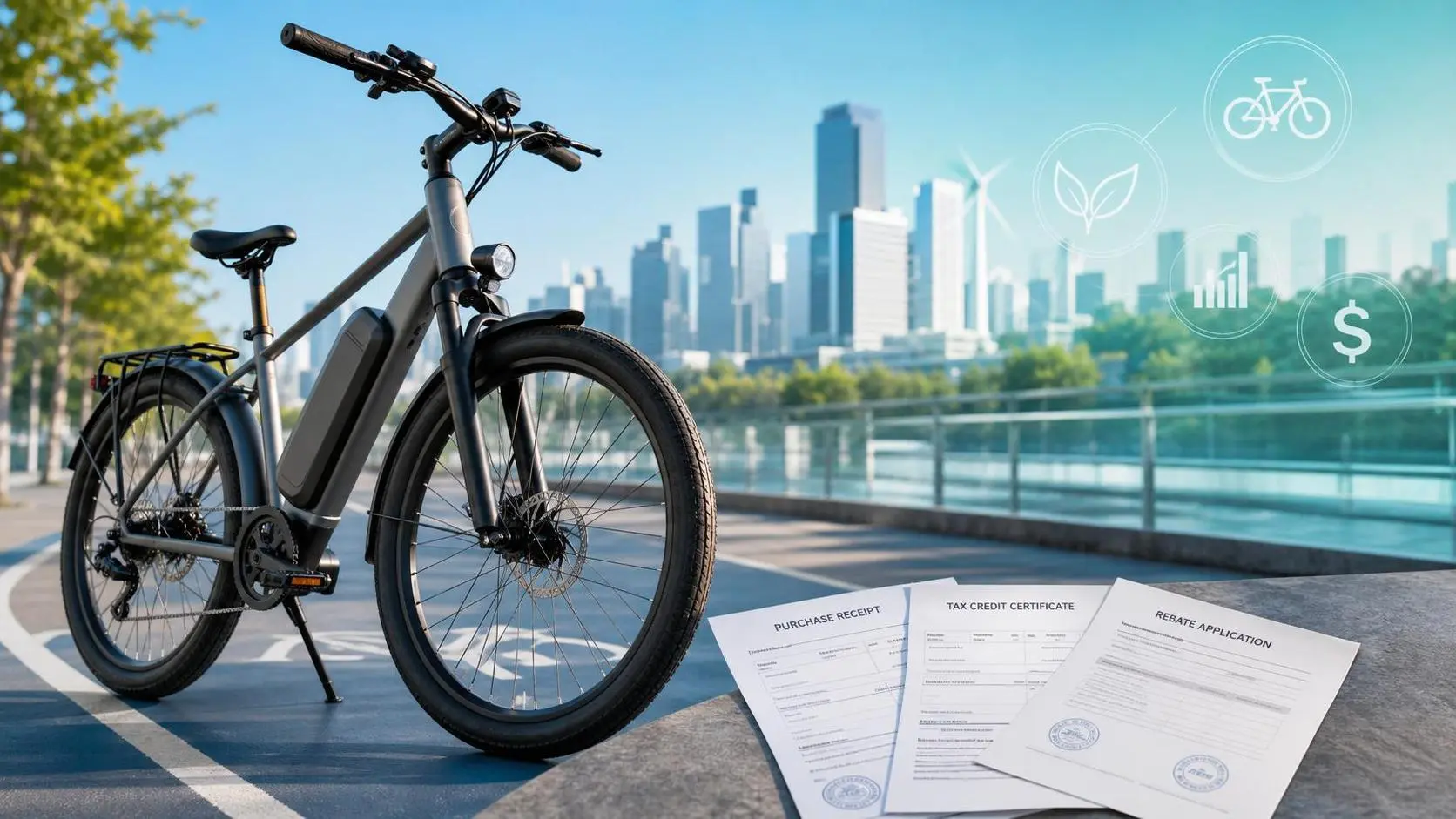
E-Bike Incentives Explained: How Riders Can Find Local Rebates and Tax Credits
E bike incentives explained: learn how to find local rebates, tax credits, and utility offers, avoid common mistakes, and cut the real cost of your next e-bike.
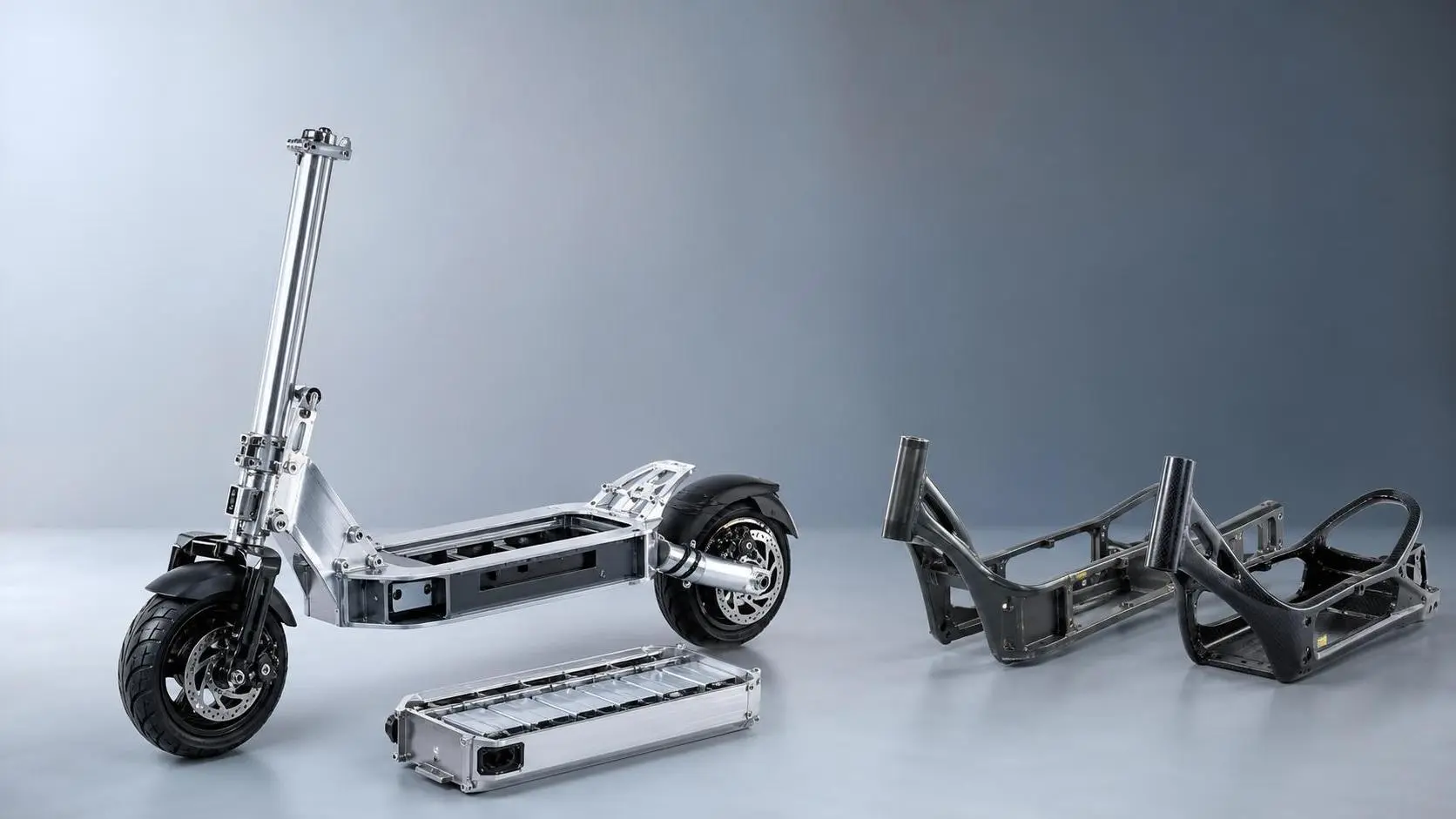
How to Choose Lightweight Scooter Frames in Europe: Materials, Standards, and Use Cases
Lightweight scooter frames Europe buyers need should balance materials, EN standards, durability, and real use cases. Discover how to choose safer, smarter, compliant frames.
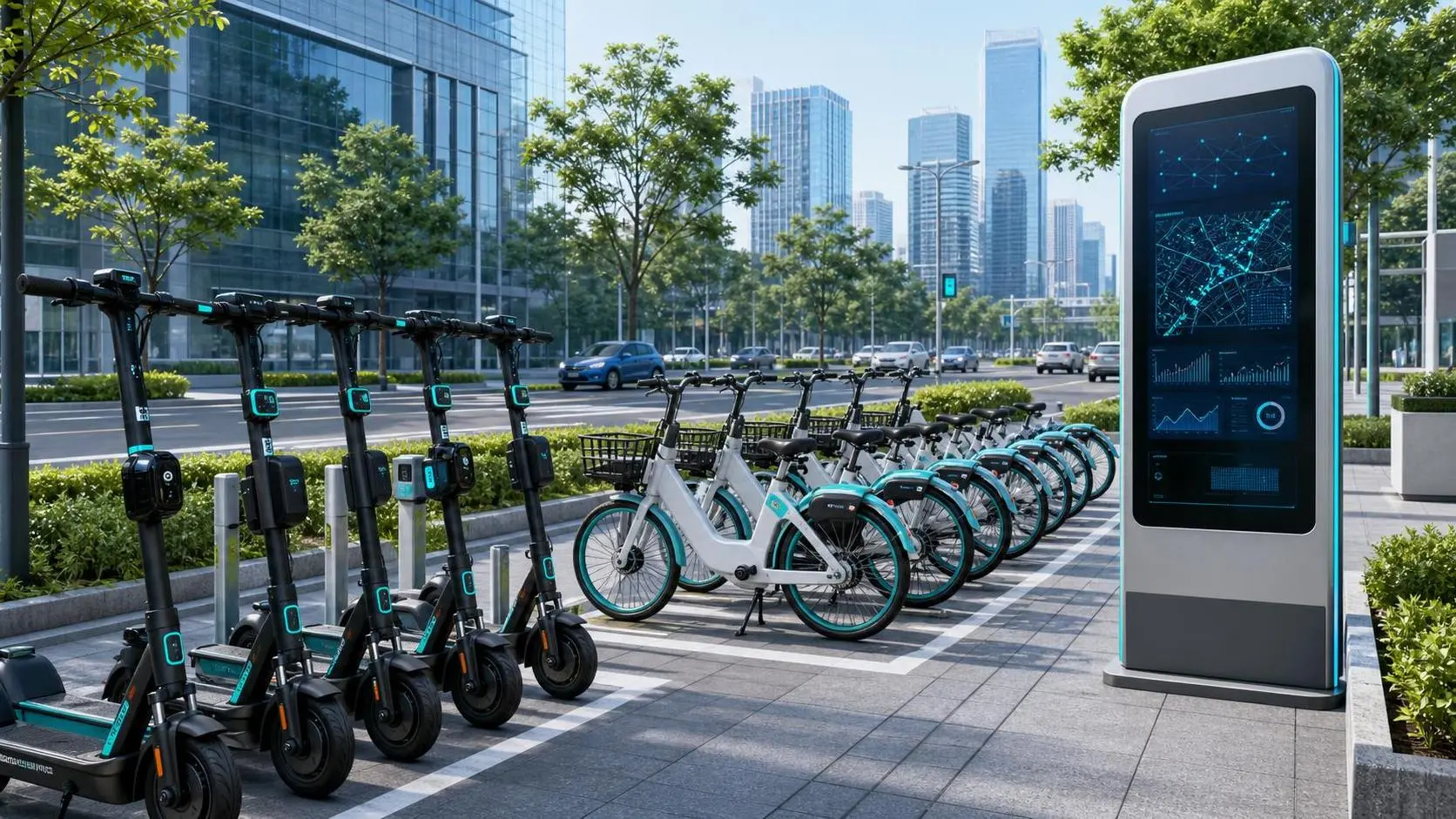
What Is the Intellectualization of Mobility Platform and How Is It Applied in Shared Fleets?
Intellectualization of mobility platform is reshaping shared fleets with real-time data, predictive maintenance, and smarter compliance—learn how it boosts safety, uptime, and urban mobility efficiency.
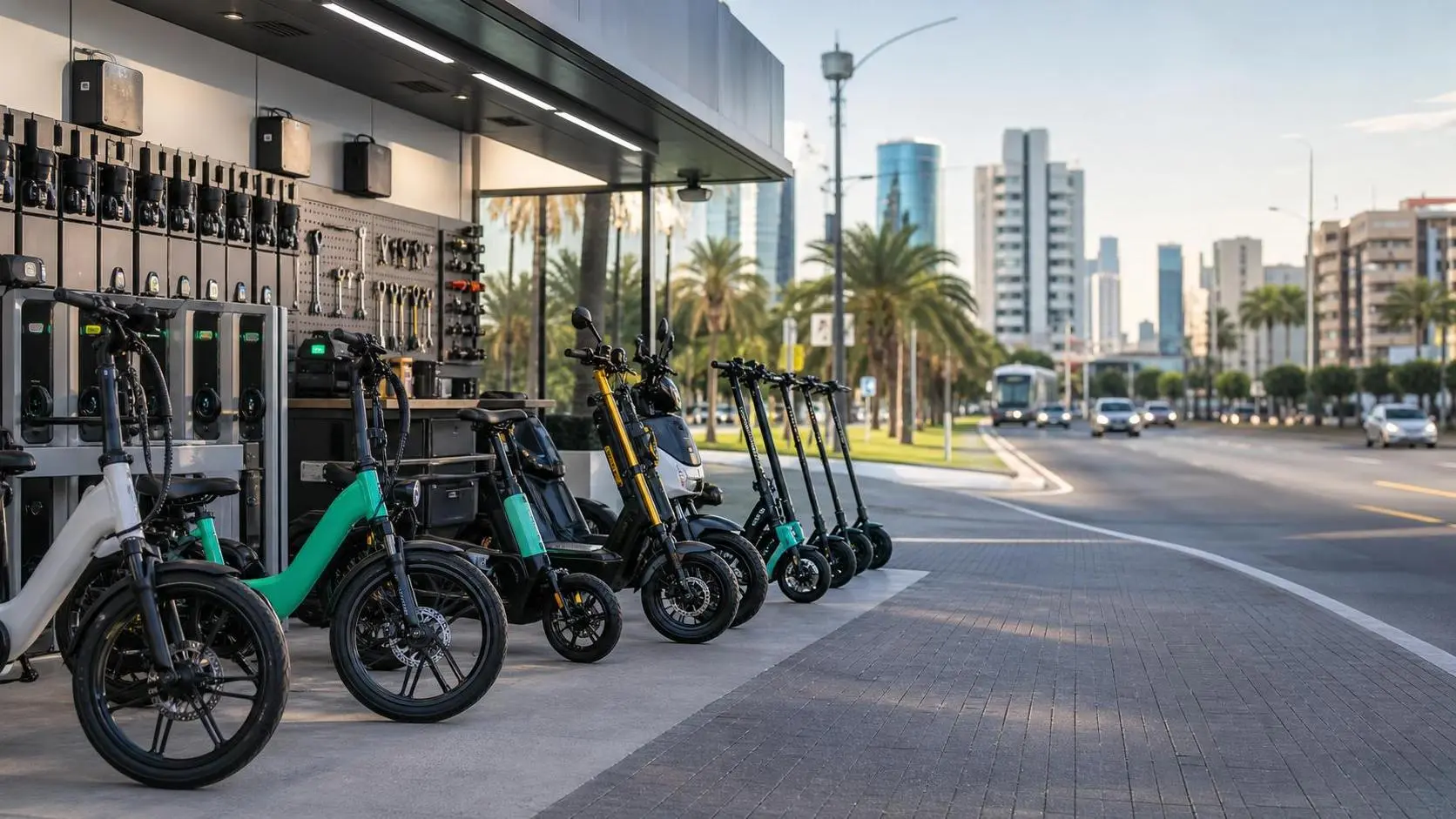
Urban Micro-Mobility Systems in Latin America: Key Market Drivers, Barriers, and Growth Segments
Urban micro-mobility systems Latin America are reshaping city transport. Explore key drivers, barriers, and high-growth segments to spot the region’s most investable opportunities.
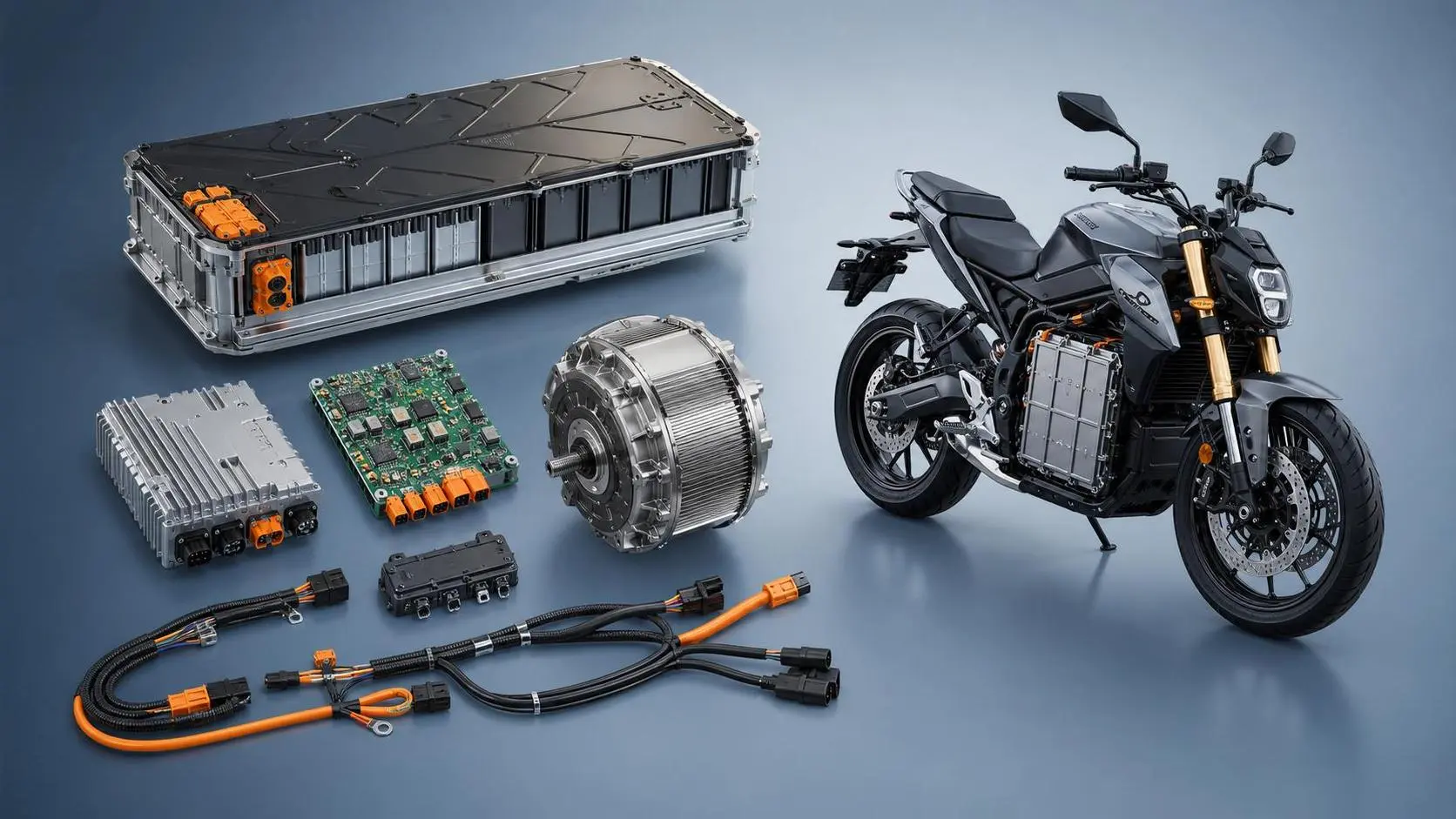
Electric Motorcycle Systems Price Breakdown: What Affects Cost From Battery to Controller?
Electric motorcycle systems price explained: see how battery, controller, motor, BMS, and wiring affect total cost, reliability, and sourcing value before you buy.
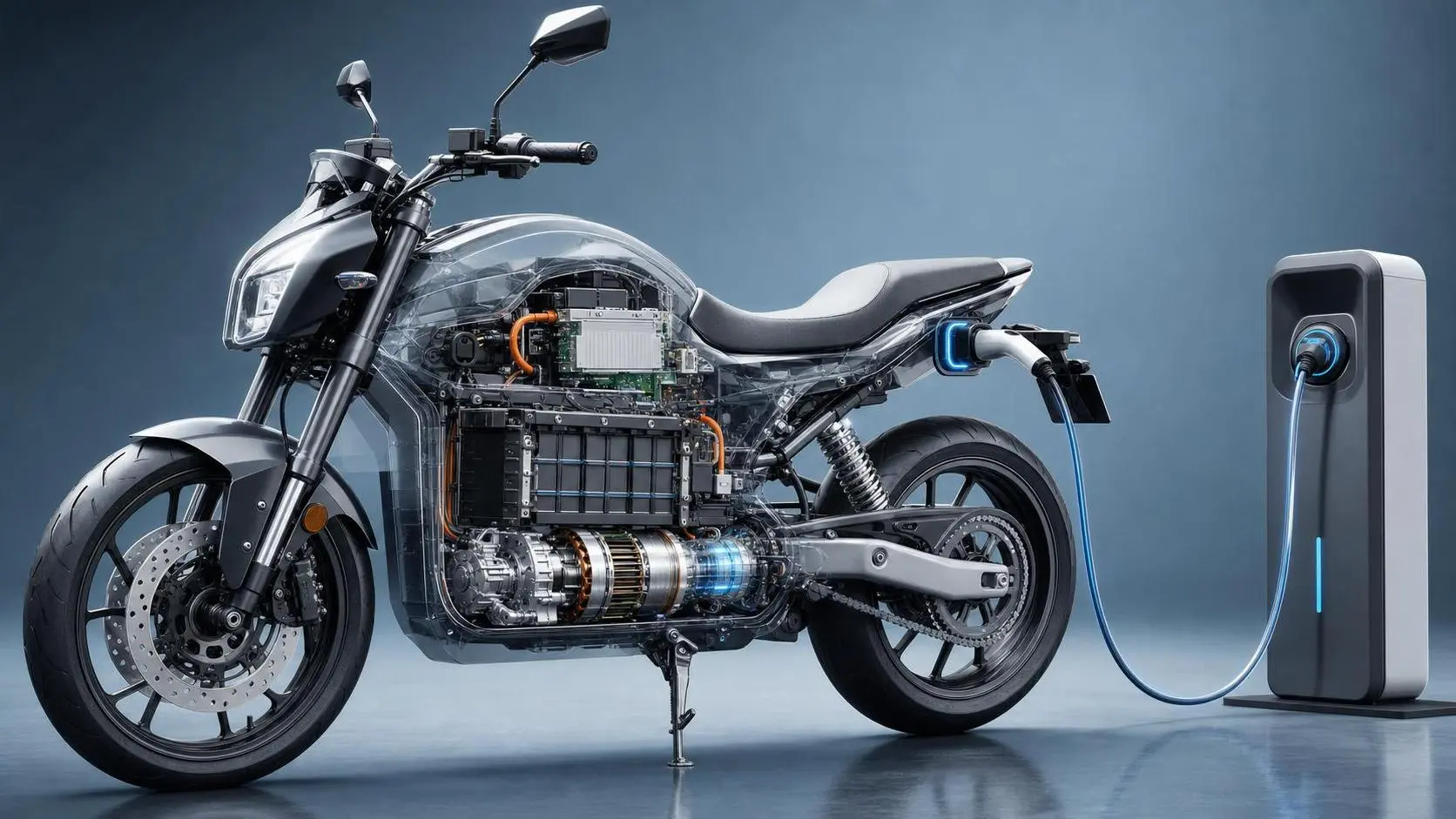
72V Electric Motorcycle Technology Explained: Motors, Controllers, Range, and Charging
Electric motorcycle technology 72V explained clearly: compare motors, controllers, range, battery design, and charging to choose a smoother, stronger, and smarter electric ride.

Where LED Urban Visibility Safety Systems Fit Best in Shared Scooters and City E-bikes
LED urban visibility safety systems deliver the most value in shared scooters and city e-bikes by improving multi-angle safety, fleet durability, and urban compliance across real-world routes.

Intellectualization of Mobility in North America: What Is Driving Adoption Across Urban Transport?
Intellectualization of mobility North America is reshaping urban transport through data, smart fleets, and battery intelligence. Explore what is driving adoption and why cities and operators are accelerating now.
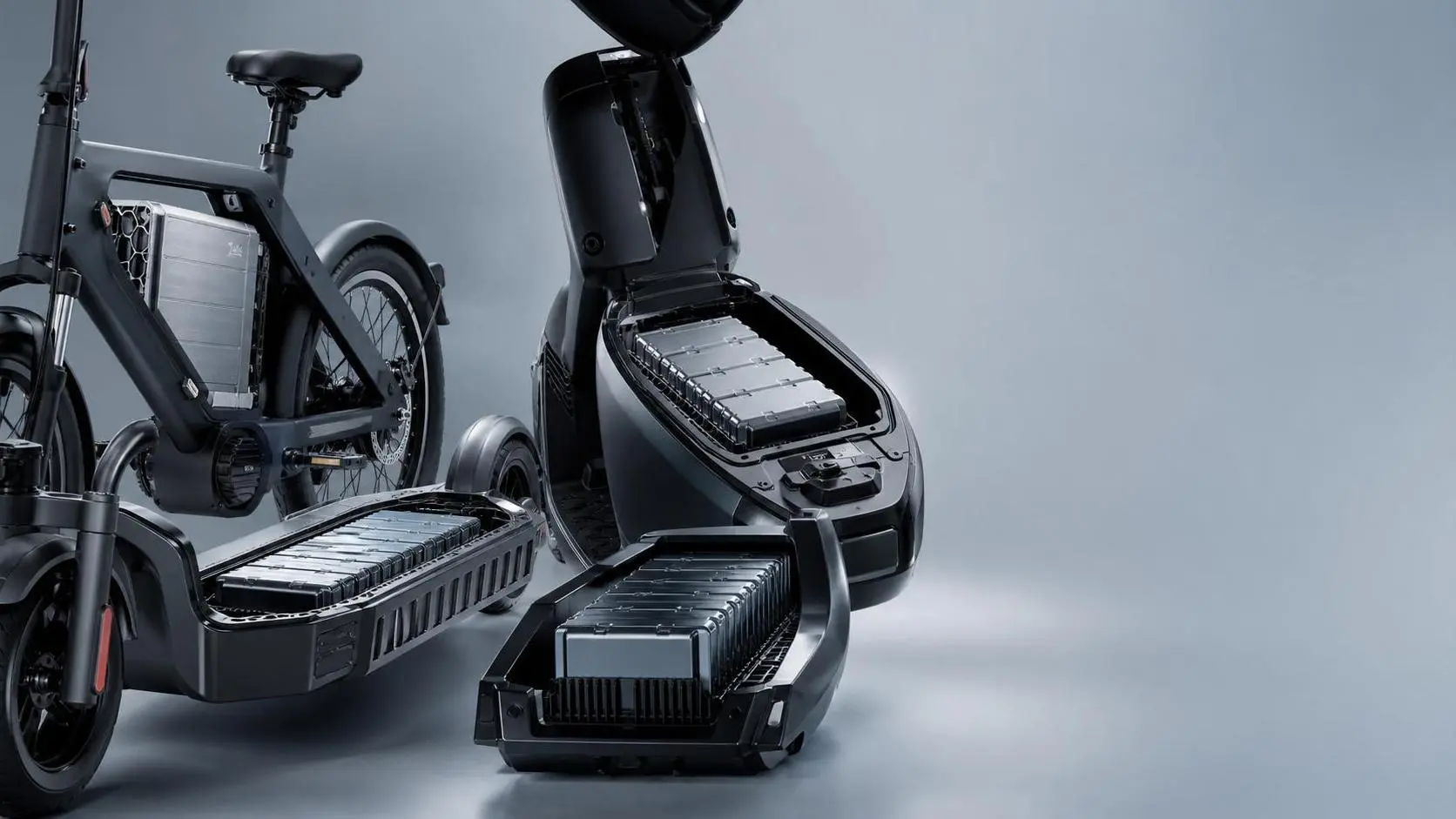
How to Choose a Compact Battery Pack: Size, Energy Density, Thermal Design, and Cycle Life
Compact battery pack selection starts with more than size. Learn how energy density, thermal design, and cycle life shape range, safety, and long-term value.