
Related News
- 00
0000-00
How to Select the Right E-Bike Battery Components for Range, Safety, and Fit? - 00
0000-00
E-Bike Incentives Explained: How Riders Can Find Local Rebates and Tax Credits - 00
0000-00
How to Choose Urban Commuting E-bikes for Rental Fleets by Range, Durability, and Serviceability - 00
0000-00
E-Bike Component Selection: How to Evaluate a Torque Sensor for Commuting and Cargo Use - 00
0000-00
What Drives Low Carbon E-bike Price: Materials, Battery Specs, and Compliance Costs
Micro-Mobility Strategist
Weekly Insights
Stay ahead with our curated technology reports delivered every Monday.
How to Select the Right E-Bike Battery Components for Range, Safety, and Fit?





Range claims often attract the first comparison, yet battery selection decides far more than distance. In e-bike component selection battery work, the real task is balancing usable energy, thermal behavior, electrical compatibility, and physical integration inside a constrained vehicle platform.
That balance matters even more in today’s micro-mobility market. Urban fleets, commuter models, cargo bikes, and premium sport e-bikes all face tighter safety expectations, stricter compliance checks, and stronger pressure to deliver reliable low-carbon transport without service-heavy battery failures.
From the broader UMMS perspective, battery architecture sits at the junction of powertrain efficiency, thermal management, and commercial credibility. A battery pack is not an isolated part. It is the energy core that shapes ride behavior, warranty risk, and long-term platform viability.
Battery component selection starts with system intent
The most common mistake is evaluating cells first and the application later. Good e-bike component selection battery practice begins with the vehicle duty cycle, not with a catalog of cell formats.
A city commuter typically values moderate weight, daily charging convenience, and stable cycle life. A cargo e-bike may tolerate higher mass, but needs stronger discharge performance and better thermal resilience under repeated load peaks.
A trekking or touring model shifts attention again. Extended range, weather sealing, removable pack handling, and charging availability become central. In each case, the same nominal voltage can lead to very different component choices.
What the battery system actually includes
Battery selection is often reduced to amp-hours and watt-hours. That view is too narrow. The battery system includes the cells, pack configuration, BMS, enclosure, thermal path, fuse strategy, connectors, wiring harness, and charging interface.
Each element affects performance and risk. High energy density may improve range, but it can complicate cooling. A strong enclosure may improve impact resistance, but it can reduce packaging flexibility inside slim frame tubes.
This is why e-bike component selection battery decisions should be reviewed as a complete subsystem. Local optimization at one component level can create problems elsewhere in the platform.
Cells define the starting envelope
Cell chemistry and format set the baseline for energy density, discharge capability, cycle life, and safety margin. Most e-bike packs rely on lithium-ion cylindrical cells, although pouch and prismatic formats appear in specialized designs.
The right cell is not always the one with the highest published capacity. Higher-capacity cells may carry lower continuous discharge ratings or tighter thermal constraints, especially in compact enclosed packs.
The BMS determines control quality
The battery management system protects the pack and stabilizes real-world behavior. Cell balancing, overcurrent protection, temperature monitoring, state-of-charge estimation, and communication logic all affect how trustworthy the battery feels in service.
A weak BMS can undermine a good cell set. In field conditions, inaccurate estimation or uneven balancing often shows up before pure cell failure does.
Range is more than a watt-hour number
Published range figures are shaped by rider weight, terrain, assist mode, ambient temperature, and drivetrain efficiency. Even so, battery component choices still determine how much of the rated energy is realistically usable.
Voltage sag under load is one key issue. Packs with weak discharge behavior may deliver acceptable lab capacity but lose practical range during climbs, cold starts, or stop-and-go acceleration.
Internal resistance matters here. Lower resistance generally improves power delivery, reduces heat, and preserves usable capacity under dynamic riding conditions. That can be more valuable than chasing the largest nominal watt-hour figure.
Pack aging also changes the picture. A battery should be judged not only on day-one range, but on range retention after hundreds of cycles and seasonal temperature shifts.
Safety depends on architecture, not a single feature
Battery safety is often discussed in broad terms, but practical evaluation should be specific. Thermal propagation resistance, abuse tolerance, short-circuit protection, charging behavior, and connector robustness all deserve separate attention.
For e-bike component selection battery reviews, thermal sensing placement is frequently underrated. A pack may carry temperature monitoring, yet poor sensor location can delay response to real hotspots near current bottlenecks or dense cell clusters.
Mechanical safety also deserves closer scrutiny. Vibration, drop events, and water ingress can degrade insulation, loosen interconnects, and trigger latent failures that only appear after months of operation.
In many markets, compliance is no longer a box-checking exercise. Standards such as UN38.3, IEC-related requirements, and regional transport or consumer safety rules directly influence qualification timelines and market access.
- Check cell traceability and supplier process stability, not only certification copies.
- Review fuse strategy at pack and cell-group level where applicable.
- Verify ingress protection against realistic rain, wash, and storage conditions.
- Confirm charger and BMS communication logic under fault scenarios.
- Request thermal and abuse test evidence on the final pack, not on cells alone.
Fit is an engineering issue, not a packaging afterthought
Frame integration often decides whether an otherwise capable battery becomes practical. Tube geometry, mount position, lock mechanism, service access, cable routing, and center-of-gravity impact all shape the final decision.
An integrated downtube pack may improve aesthetics and theft resistance, but it can complicate service removal and heat release. Rear rack batteries simplify access, yet they affect vehicle balance and may limit premium design targets.
Connector placement deserves detailed review. Tight bends, exposed terminals, or high-mating-force designs can create avoidable service failures. In e-bike component selection battery work, fit should include human handling, not only CAD clearance.
Questions that reveal integration quality
- Can the pack be removed without stressing wiring or paint surfaces?
- Does the enclosure tolerate vibration at mounting interfaces?
- Is there enough clearance for thermal expansion and seal durability?
- Will charging access remain convenient in urban storage environments?
- How easily can failed connectors or locks be replaced in service?
Why current market conditions raise the bar
The e-bike market is no longer defined by simple electrification. It now sits inside a wider micro-mobility ecosystem that includes shared scooters, connected vehicle modules, high-speed electric two-wheelers, and tighter urban transport policy frameworks.
That broader context is where UMMS adds useful perspective. Battery choices increasingly interact with subsidy criteria, shipping restrictions, service network design, and platform data strategies. A pack that works technically may still struggle commercially if logistics and compliance are weak.
More attention is also moving toward long-term reliability analytics. Thermal management logic, communication stability, and pack aging behavior are becoming competitive differentiators, not just technical details hidden behind the frame.
A practical evaluation framework for better decisions
A useful e-bike component selection battery review compares options across five linked dimensions: energy performance, safety architecture, integration quality, compliance readiness, and lifecycle economics.
That framework helps prevent one-dimensional choices. The lowest-cost pack may increase field returns. The highest-energy pack may create thermal or fit compromises. The most robust enclosure may slow assembly and maintenance.
A balanced review usually includes bench data, pack teardown evidence, charger interaction checks, fit validation, and a clear mapping between expected use cases and electrical stress profiles.
Where to focus next
The strongest battery choice usually comes from narrowing the decision with real operating assumptions. Daily mileage, peak assist demand, climate exposure, charging rhythm, and frame constraints should be documented before comparing suppliers.
From there, the next step is to build a short evaluation matrix for e-bike component selection battery options. Include cell provenance, BMS logic, enclosure durability, thermal evidence, connector design, and certification status in the same view.
That approach creates a more reliable basis for decision-making than headline capacity alone. In a market shaped by electrification, urban regulation, and rising quality expectations, better battery judgment is increasingly a strategic capability.
Related News
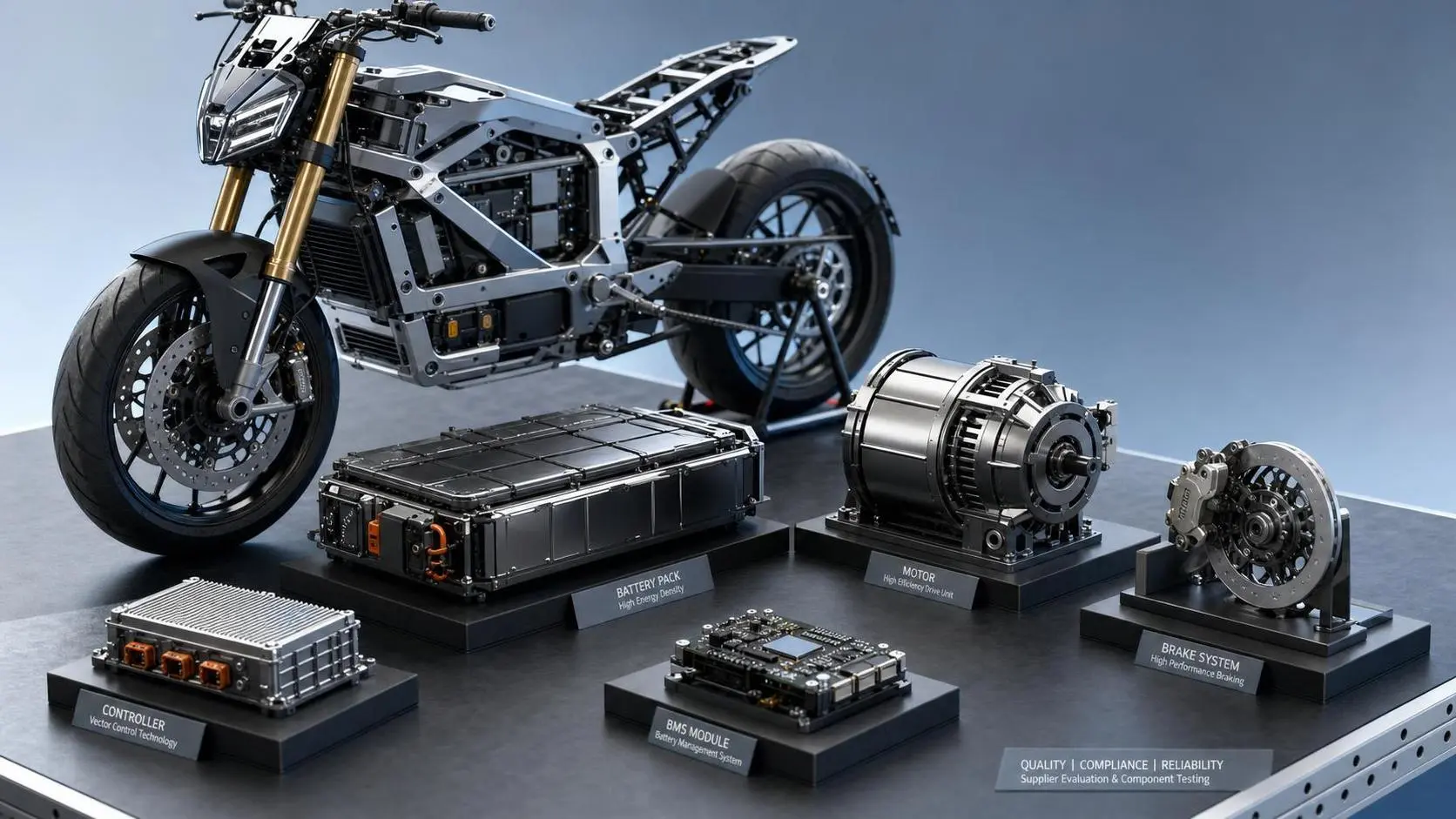
How to Evaluate Core Component Suppliers for Electric Motorcycles Before Sourcing?
Core component suppliers for electric motorcycles can make or break safety, compliance, and delivery. Learn how to assess technical strength, certifications, quality control, and hidden sourcing risks before you buy.
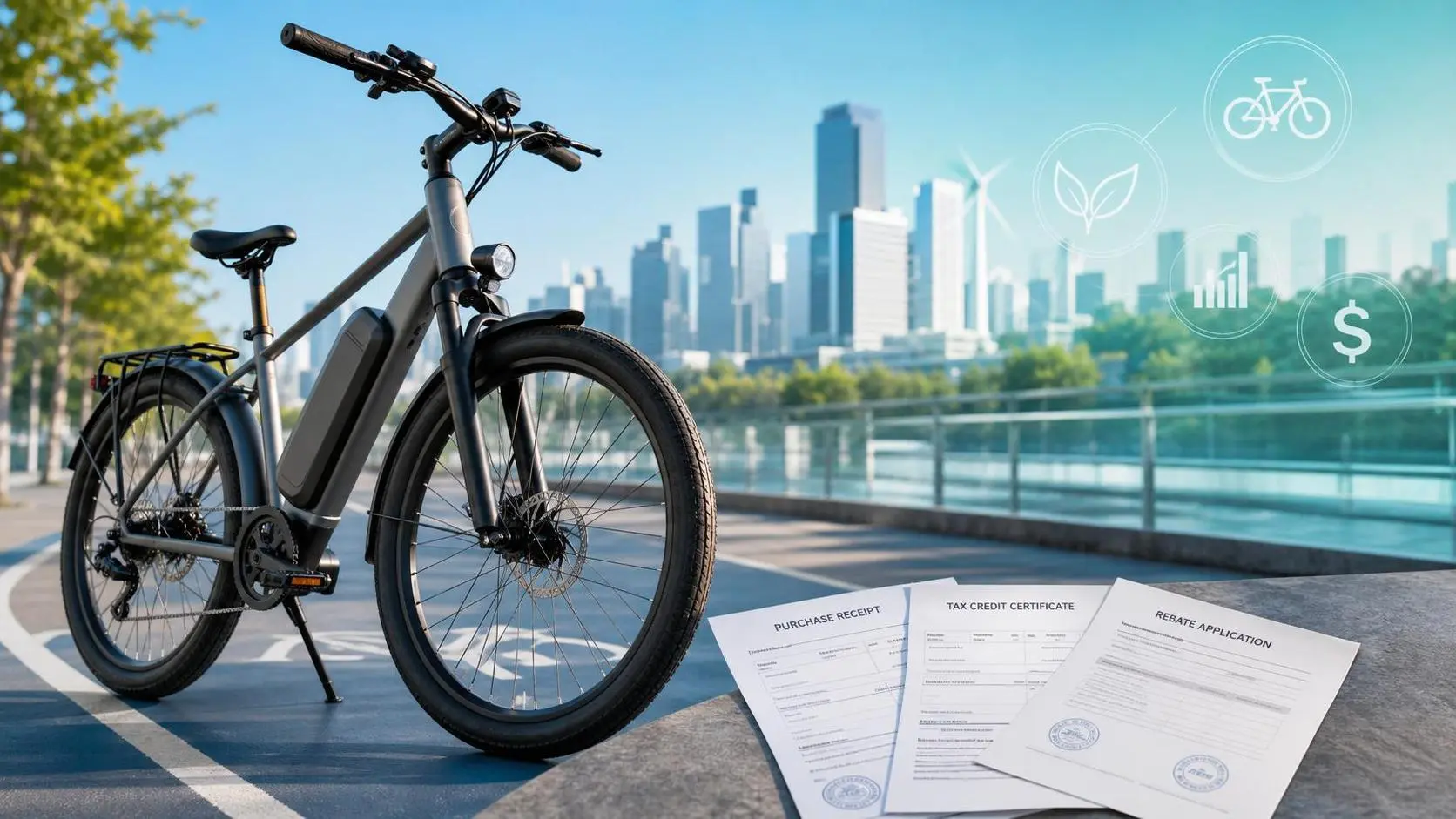
E-Bike Incentives Explained: How Riders Can Find Local Rebates and Tax Credits
E bike incentives explained: learn how to find local rebates, tax credits, and utility offers, avoid common mistakes, and cut the real cost of your next e-bike.
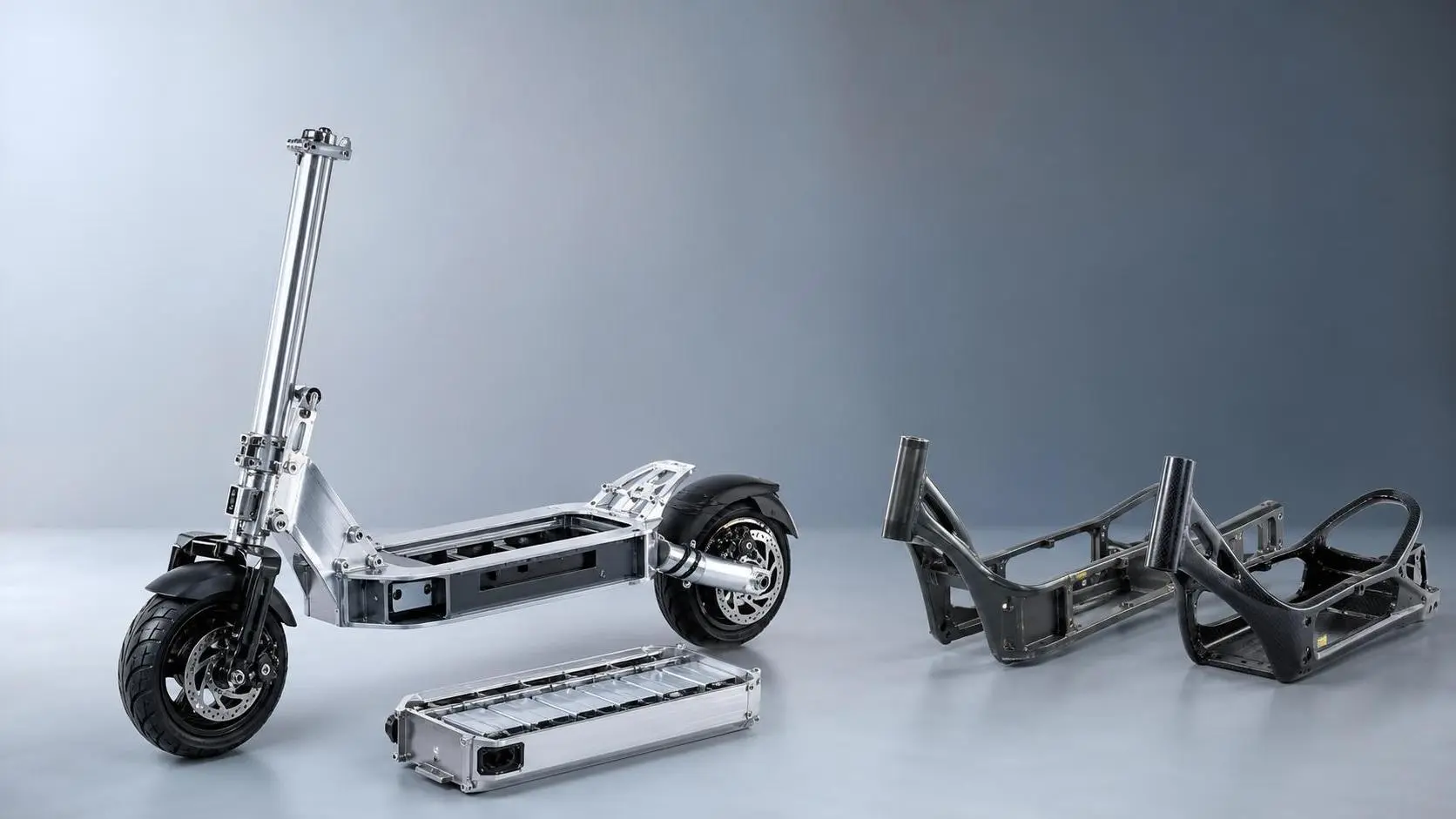
How to Choose Lightweight Scooter Frames in Europe: Materials, Standards, and Use Cases
Lightweight scooter frames Europe buyers need should balance materials, EN standards, durability, and real use cases. Discover how to choose safer, smarter, compliant frames.

What Is the Intellectualization of Mobility Platform and How Is It Applied in Shared Fleets?
Intellectualization of mobility platform is reshaping shared fleets with real-time data, predictive maintenance, and smarter compliance—learn how it boosts safety, uptime, and urban mobility efficiency.
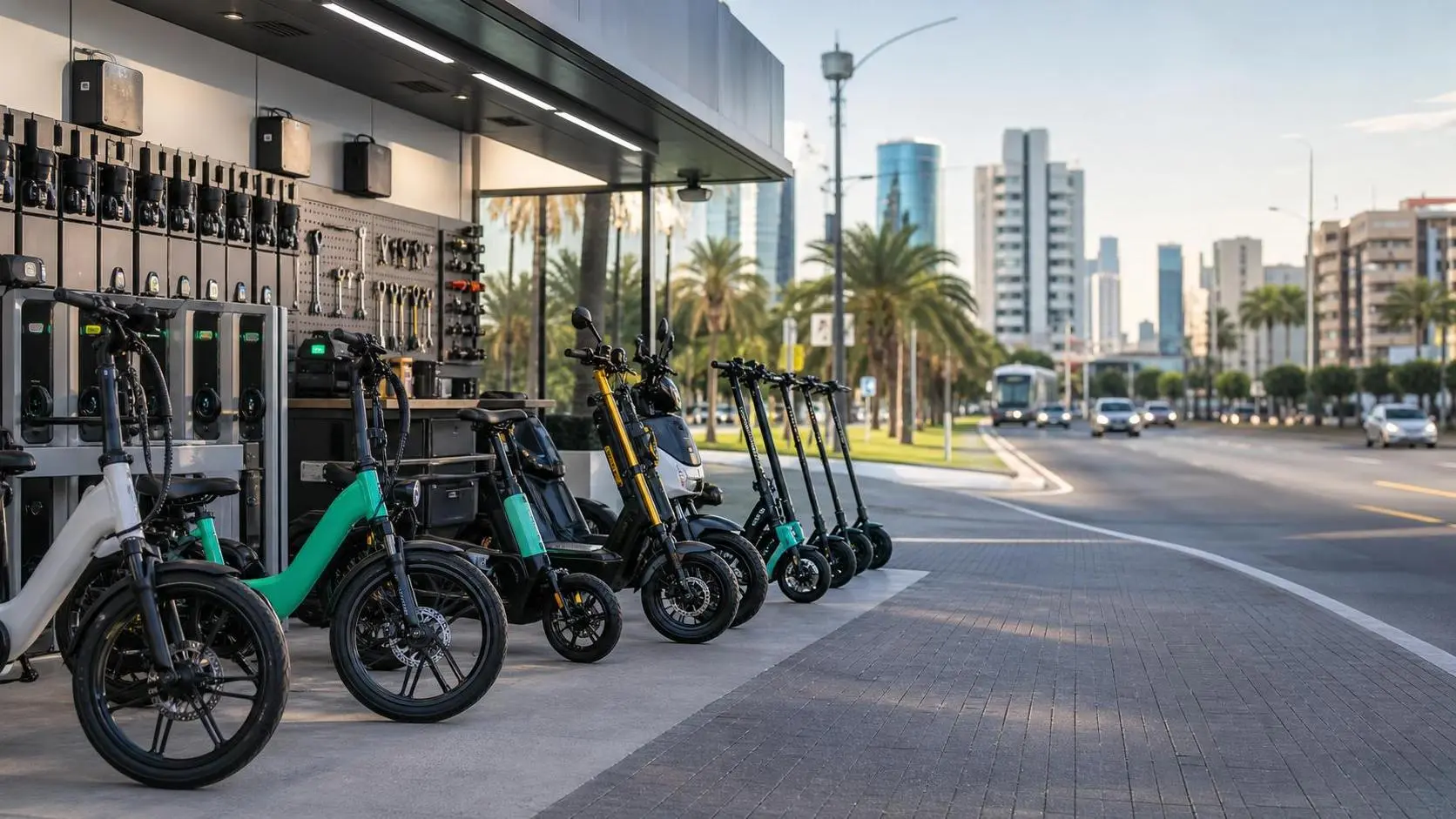
Urban Micro-Mobility Systems in Latin America: Key Market Drivers, Barriers, and Growth Segments
Urban micro-mobility systems Latin America are reshaping city transport. Explore key drivers, barriers, and high-growth segments to spot the region’s most investable opportunities.
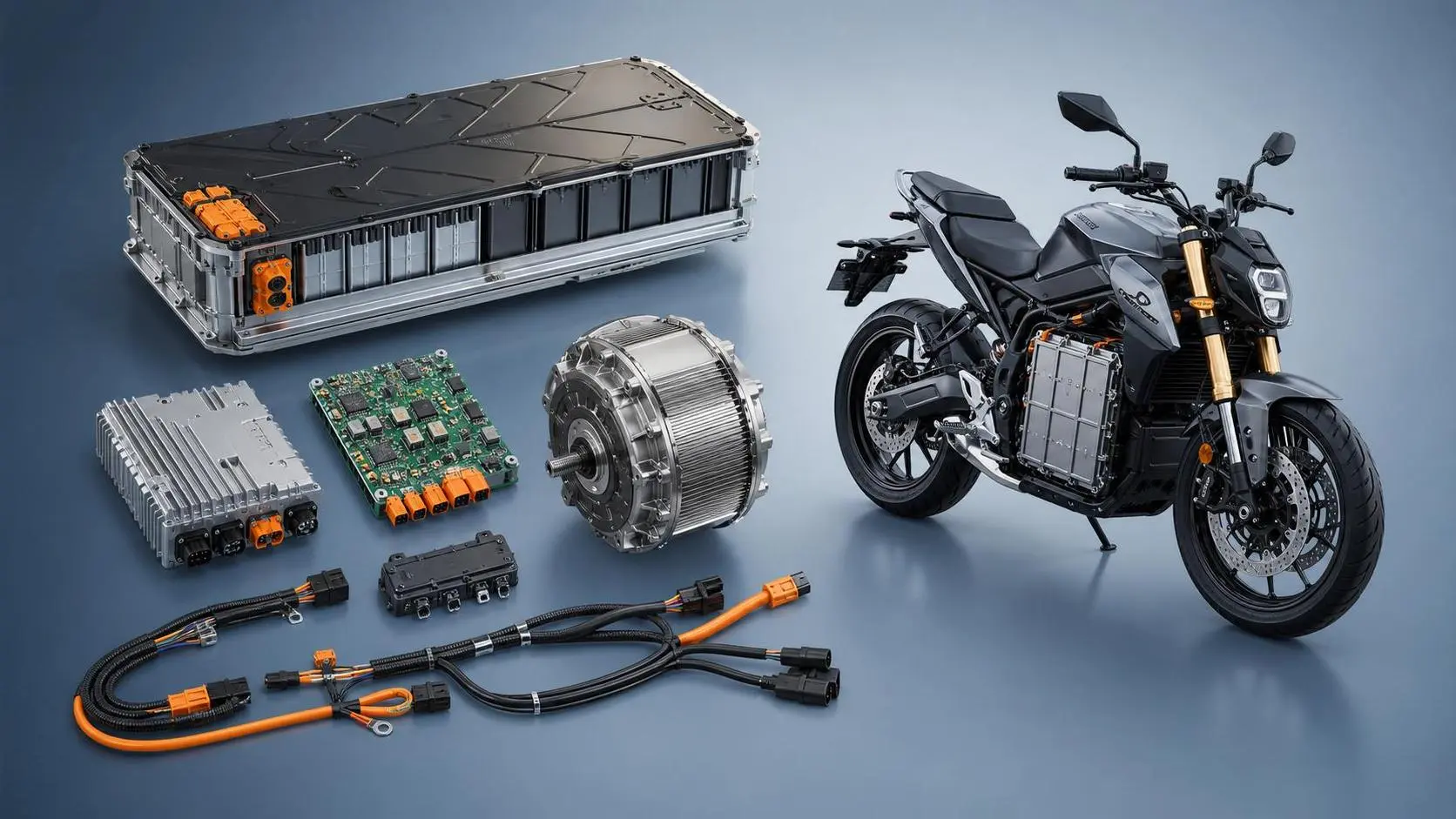
Electric Motorcycle Systems Price Breakdown: What Affects Cost From Battery to Controller?
Electric motorcycle systems price explained: see how battery, controller, motor, BMS, and wiring affect total cost, reliability, and sourcing value before you buy.
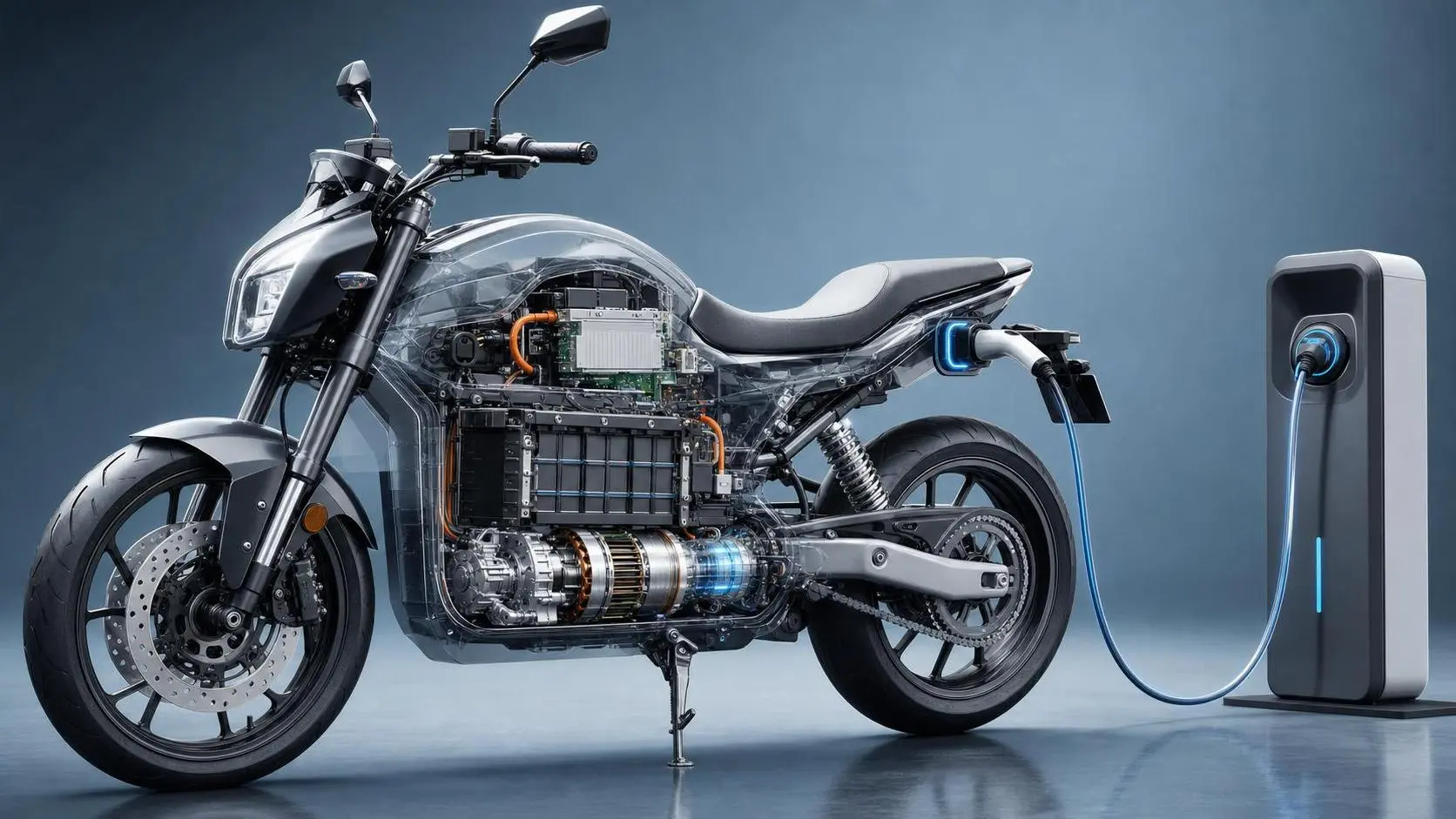
72V Electric Motorcycle Technology Explained: Motors, Controllers, Range, and Charging
Electric motorcycle technology 72V explained clearly: compare motors, controllers, range, battery design, and charging to choose a smoother, stronger, and smarter electric ride.
Where LED Urban Visibility Safety Systems Fit Best in Shared Scooters and City E-bikes
LED urban visibility safety systems deliver the most value in shared scooters and city e-bikes by improving multi-angle safety, fleet durability, and urban compliance across real-world routes.
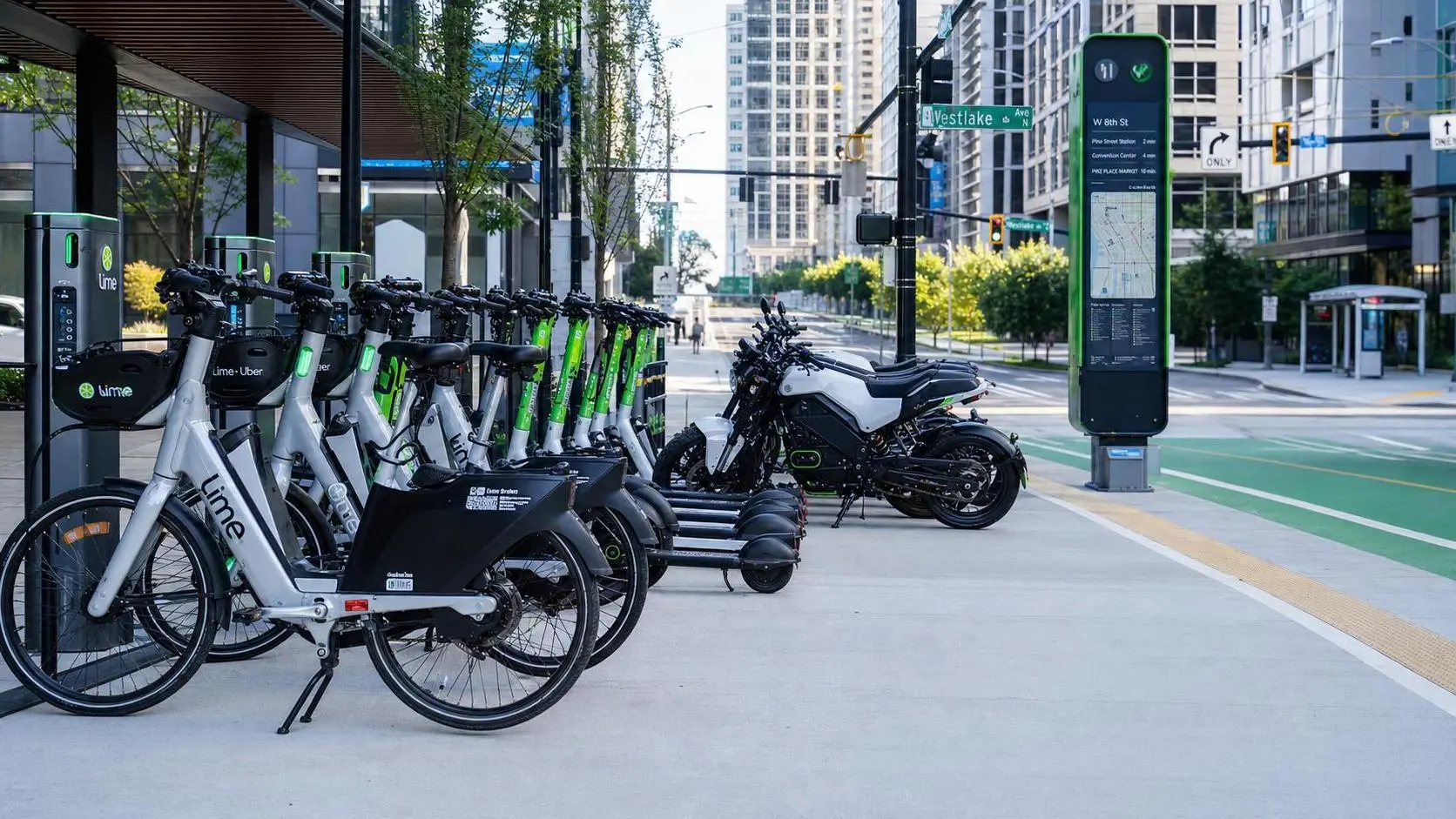
Intellectualization of Mobility in North America: What Is Driving Adoption Across Urban Transport?
Intellectualization of mobility North America is reshaping urban transport through data, smart fleets, and battery intelligence. Explore what is driving adoption and why cities and operators are accelerating now.