
Related News
- 00
0000-00
Mobility Efficiency Analysis: How to Measure Vehicle Use, Energy Cost, and Route Productivity - 00
0000-00
How to Evaluate a Brushless Wiper Motor Supplier for OEM Quality and Lead Time - 00
0000-00
How Do Photoelectric Wiper Sensors Work and Where Are They Most Effective? - 00
0000-00
How to Evaluate Core Component Suppliers for Electric Motorcycles Before Sourcing? - 00
0000-00
Electric Motorcycle Systems Price Breakdown: What Affects Cost From Battery to Controller?
Ms. Elena Rodriguez
Weekly Insights
Stay ahead with our curated technology reports delivered every Monday.
How to Evaluate a Bicycle Components Supplier for Quality, Lead Times, and MOQ





Why does choosing a bicycle components supplier require more than a price check?
A low quote can look attractive early on.
In practice, the real cost often appears later.
That cost may come from inconsistent tolerances, delayed shipments, or MOQ terms that lock cash into slow-moving stock.
For bicycle drivetrains, braking parts, hubs, and precision derailleur components, quality issues rarely stay isolated.
They affect assembly yield, warranty claims, rider experience, and brand credibility.
This matters even more in urban micro-mobility.
E-bikes, smart e-scooters, and connected two-wheel platforms depend on tighter system integration than traditional bicycle products.
A bicycle components supplier is no longer just a parts vendor.
It is part of a broader reliability chain that influences serviceability, electrification readiness, and market timing.
That is why industry platforms such as UMMS pay close attention to drivetrain precision, supply chain risk, and technology evolution across micro-mobility systems.
A better evaluation method starts with three linked questions.
Can the supplier build consistently, deliver predictably, and support order structures that fit demand reality?
What proves quality beyond the sample stage?
Samples can be misleading when they come from hand-picked production runs.
The stronger test is whether the same quality holds at scale.
When reviewing a bicycle components supplier, start with process evidence rather than marketing claims.
- Ask for material traceability records for aluminum, steel, polymers, bearings, or surface treatments.
- Review dimensional control methods, especially for mating parts and tolerance-critical assemblies.
- Check fatigue, corrosion, and life-cycle testing standards used for each component category.
- Confirm how nonconforming parts are quarantined, analyzed, and prevented from recurring.
For derailleur parts and transmission components, repeatability matters more than one perfect lot.
Small dimensional drift can create shifting noise, wear, or unstable alignment under real riding conditions.
For e-bike applications, that risk grows because torque loads are higher and usage cycles are more intense.
A useful question is not simply, “Do you inspect parts?”
A better question is, “Which process step controls the defect before final inspection catches it?”
That shift reveals whether the bicycle components supplier manages quality proactively or only sorts issues at the end.
A quick quality check table helps separate strong suppliers from risky ones
How should lead times be judged when market demand keeps shifting?
Quoted lead time is only the surface number.
The more revealing issue is lead time stability.
A bicycle components supplier that offers 30 days but often slips to 45 creates more planning damage than one quoting 40 consistently.
For urban mobility products, timing pressure is sharper because demand is shaped by weather, subsidy windows, retail campaigns, and regional regulation shifts.
UMMS often highlights how policy and electrification trends can quickly alter ordering patterns.
That means lead time evaluation should include capacity structure.
- Ask which processes are in-house and which rely on external machining, forging, coating, or heat treatment.
- Check whether tooling, fixtures, and key sub-suppliers are shared with other high-volume programs.
- Request recent on-time delivery data for similar part families, not just overall factory averages.
- Confirm how engineering changes affect delivery dates after order placement.
A dependable bicycle components supplier should explain lead time in stages.
Raw material booking, production slotting, finishing, inspection, packing, and export readiness should all be visible.
If every answer stays general, hidden bottlenecks probably exist.
When is MOQ reasonable, and when does it become a sourcing risk?
MOQ is often treated as a price issue.
It is really a cash flow and flexibility issue.
A bicycle components supplier may set MOQ based on tooling setup, plating batches, packaging format, or minimum material purchase.
Those reasons can be valid.
Still, valid for the factory does not always mean efficient for the buying side.
More common problems appear when MOQ exceeds forecast confidence.
That creates aged inventory, revision exposure, and slow response to product updates.
This is especially relevant for fast-evolving micro-mobility platforms, where geometry, electronics integration, and specification refreshes happen quickly.
A practical way to judge MOQ is to compare it with three internal numbers.
- Expected monthly consumption at a realistic sell-through level.
- The cost impact of carrying excess stock for one quarter.
- The probability of design, finish, or packaging changes within that period.
If MOQ stretches far beyond those limits, the lower unit price may not be a true saving.
In some cases, negotiating staggered releases against one production batch works better than pushing only for a lower MOQ number.
That preserves factory efficiency while reducing inventory pressure.
What differences separate a capable supplier from a scalable long-term partner?
Capability answers today’s order.
Scalability answers next year’s uncertainty.
A bicycle components supplier may perform well on one mature SKU but still struggle when volumes expand or technical requirements change.
That distinction becomes important in sectors linked to electrified commuting and premium mechanical systems.
The suppliers worth keeping close usually show four habits.
- They respond clearly to design tolerance discussions, not only commercial emails.
- They flag manufacturability risks early, before tooling or mass production begins.
- They understand compliance and testing needs across export markets.
- They share enough production data to support forecasting and replenishment decisions.
In other words, the bicycle components supplier should fit into a system view.
That system view is central in micro-mobility intelligence.
A drivetrain part does not exist alone.
It affects power transfer, service intervals, riding feel, and aftermarket reputation.
Suppliers that understand this broader role tend to support more stable growth.
Which warning signs usually appear before quality or delivery problems?
Most supply problems do not arrive without clues.
They usually show up as small inconsistencies first.
If a bicycle components supplier changes test language between meetings, avoids detail on subcontractors, or cannot explain defect trends, caution is justified.
The same applies when quotations stay vague on plating specs, bearing grades, surface hardness, or packaging protection.
Those details are often where later disputes begin.
Another warning sign is perfect flexibility with no operational boundaries.
A serious bicycle components supplier usually knows where customization, MOQ, and lead time constraints genuinely exist.
If every request gets an immediate yes, the risk may simply be pushed downstream.
The checklist below is helpful before final supplier selection.
So what is the smartest next step before placing an order?
The best next move is to build a short evaluation scorecard before negotiation becomes price-driven.
Keep it practical.
Score the bicycle components supplier on quality controls, lead time reliability, MOQ fit, technical communication, and change-management discipline.
Then compare that score with the true cost of risk.
That includes scrap, delays, emergency freight, inventory burden, and post-sale claims.
A supplier that looks slightly more expensive on paper may be the lower-cost choice across a full season.
For companies operating around e-bikes and advanced two-wheel systems, this wider view is increasingly necessary.
The market is moving toward tighter integration, faster product cycles, and greater technical accountability.
That is exactly why intelligence-led sourcing matters.
If the current supplier review process still centers on unit price alone, it is worth revising the checklist now.
Clarify the component requirements, test assumptions early, verify operational constraints, and align order structure with realistic demand.
That is usually where better supplier decisions begin.
Related News
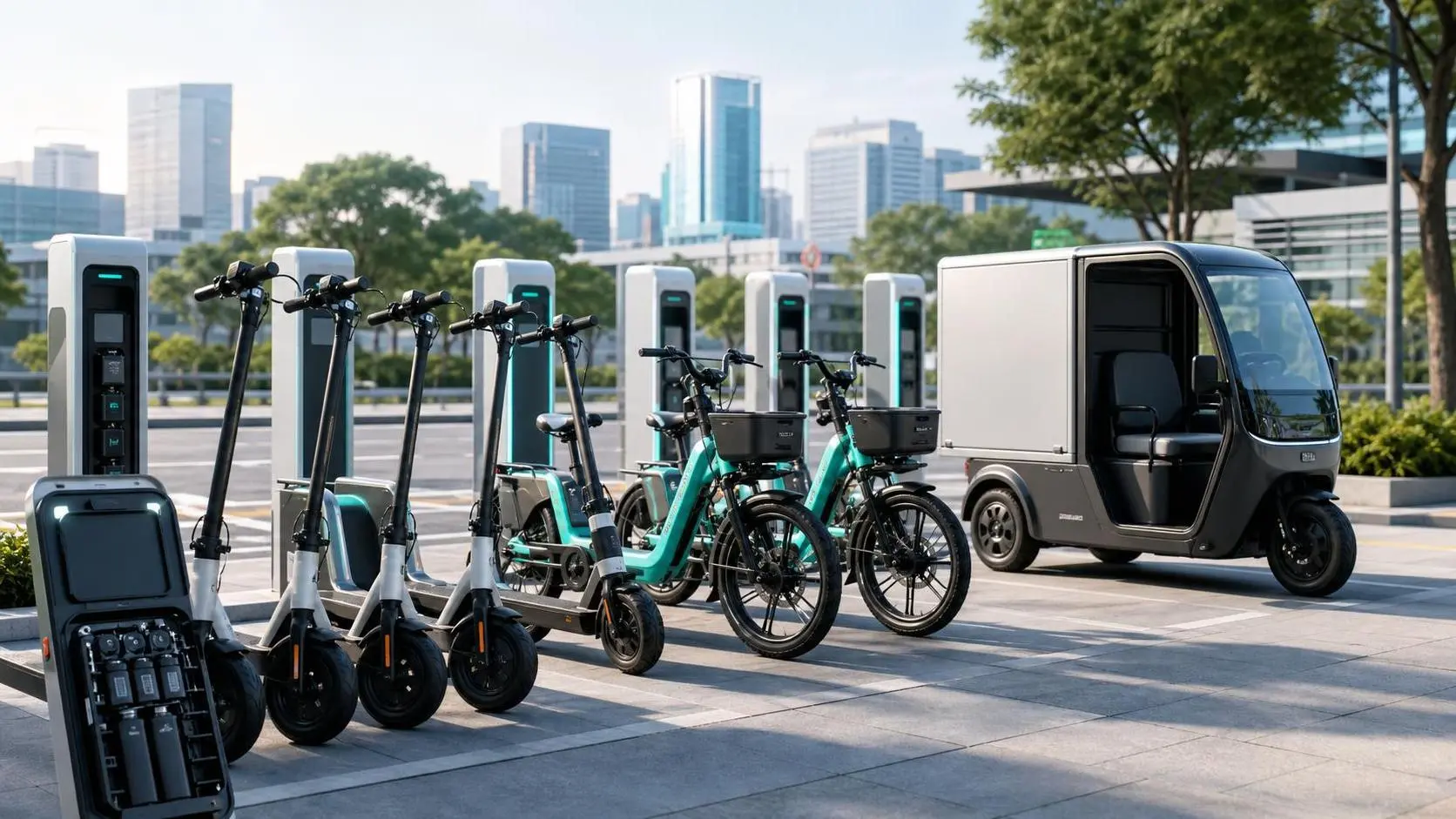
Micro-Mobility Trends Forecast: What Fleet Operators Should Watch Through 2030
Micro-mobility trends forecast for fleet operators through 2030: discover key shifts in batteries, regulation, durability, connectivity, and demand to reduce risk and scale smarter.
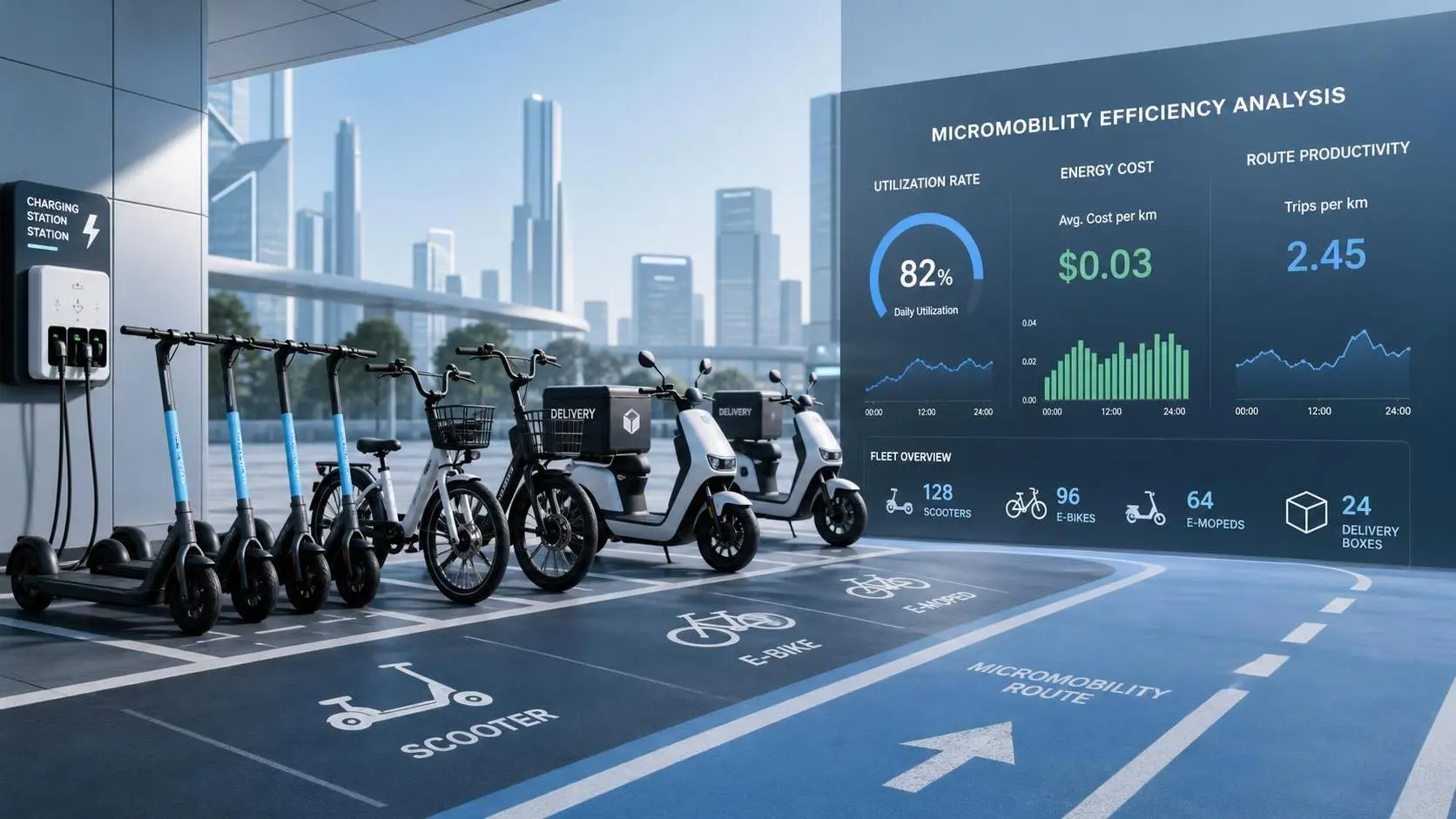
Mobility Efficiency Analysis: How to Measure Vehicle Use, Energy Cost, and Route Productivity
Mobility efficiency analysis reveals how to measure vehicle use, energy cost, and route productivity to cut waste, improve fleet performance, and make smarter urban mobility decisions.
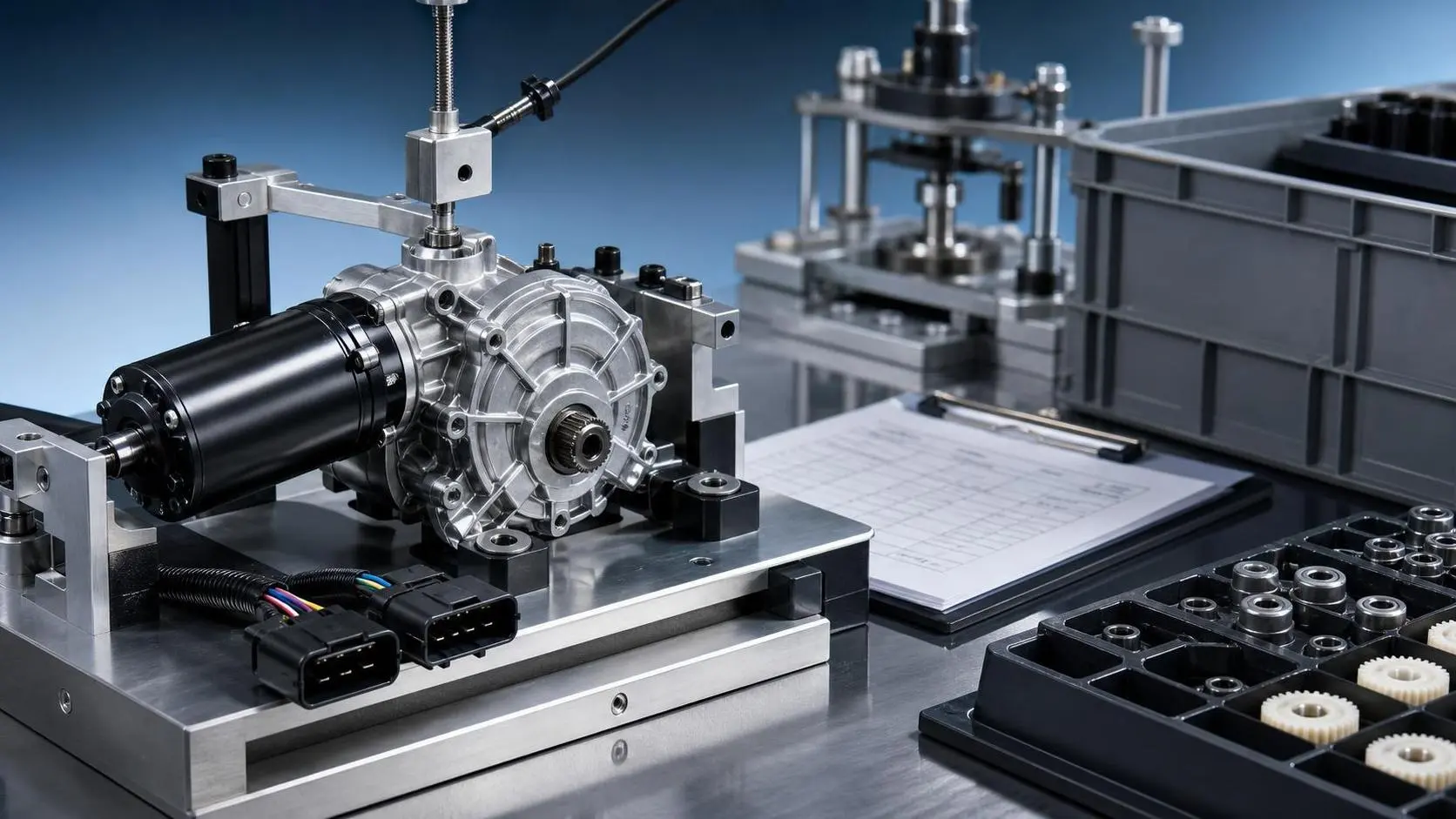
How to Evaluate a Brushless Wiper Motor Supplier for OEM Quality and Lead Time
Brushless wiper motor supplier selection made easier: learn how to assess OEM quality, engineering support, compliance, and lead time to reduce sourcing risk.
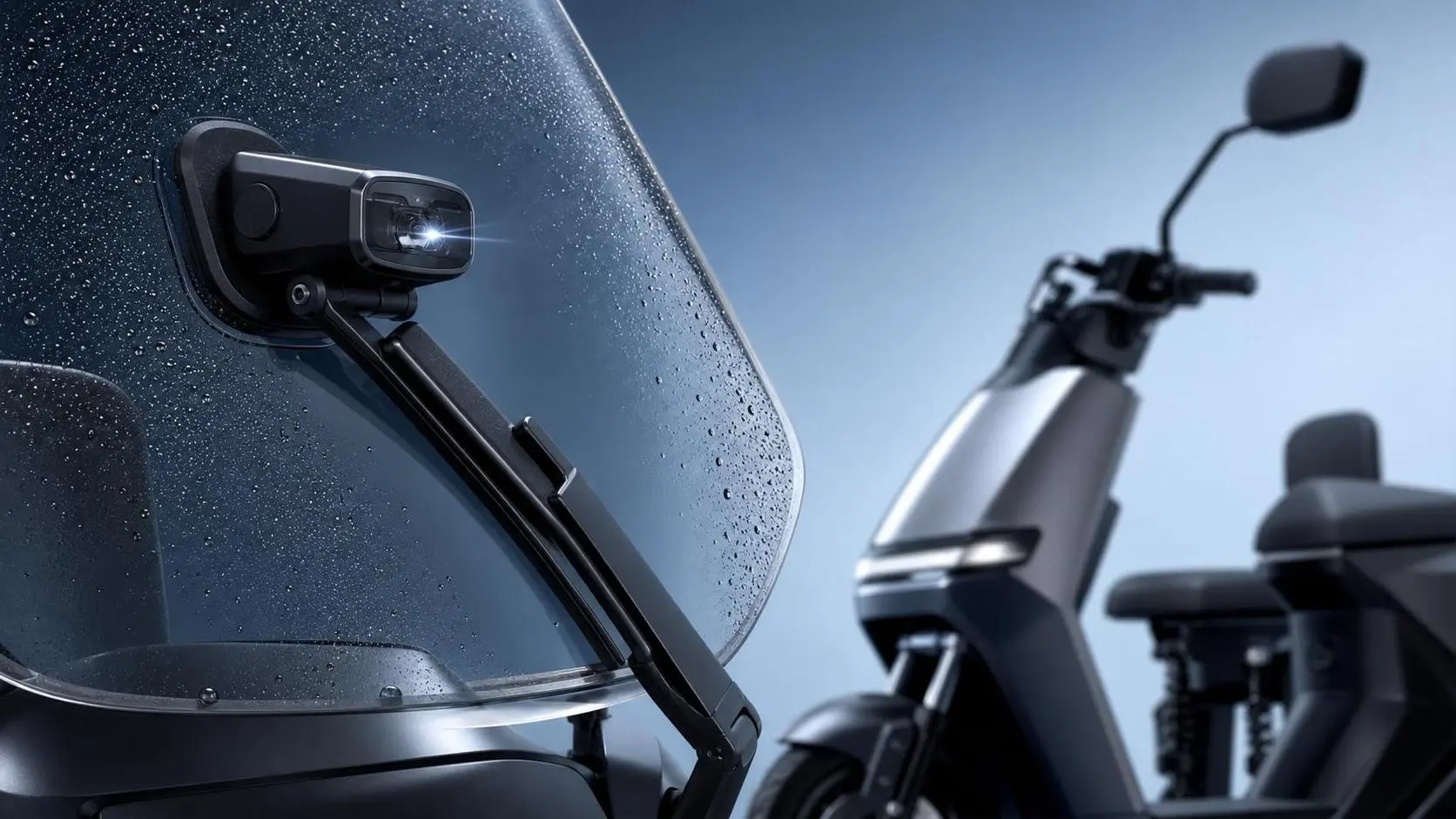
How Do Photoelectric Wiper Sensors Work and Where Are They Most Effective?
Photoelectric wiper sensors explained: learn how they detect rain, reduce false triggers, and deliver the best visibility gains in urban EVs, e-bikes, fleets, and smart mobility.

How Battery-Swapping Networks Reduce Downtime in Shared Fleet Scooter Operations
Battery-swapping networks cut scooter fleet downtime by speeding field turnaround, improving uptime in peak zones, and helping operators optimize labor, battery rotation, and service efficiency.
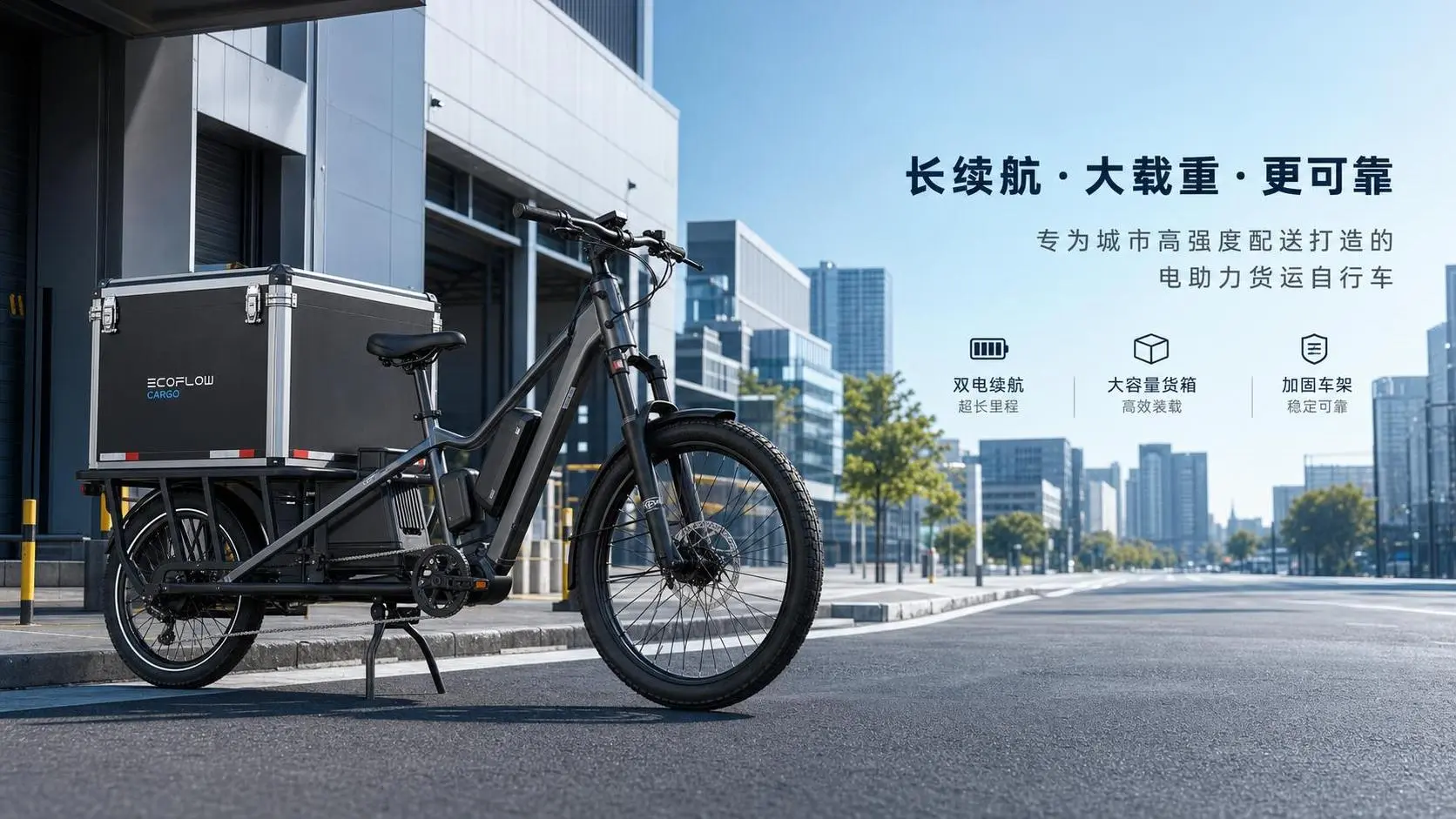
How to Choose a Long-Range Commercial Cargo E-Bike for Delivery Operations
Commercial cargo e-bike long range buying guide: learn how to assess battery, payload, route fit, and uptime support to choose a reliable delivery model with lower operating costs.
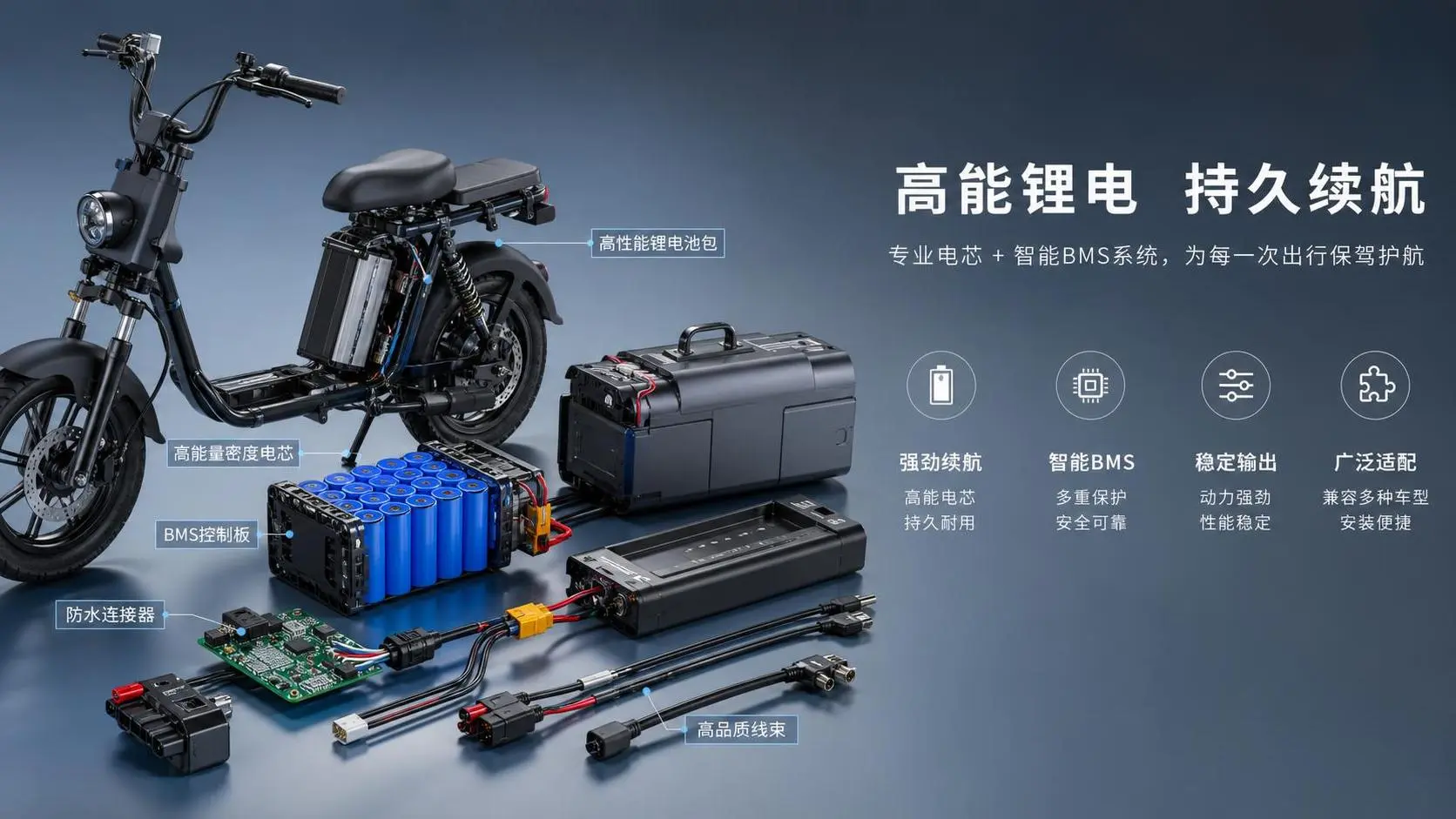
How to Select the Right E-Bike Battery Components for Range, Safety, and Fit?
E-bike component selection battery guide: learn how to choose the right battery components for better range, stronger safety, and perfect fit across modern e-bike platforms.
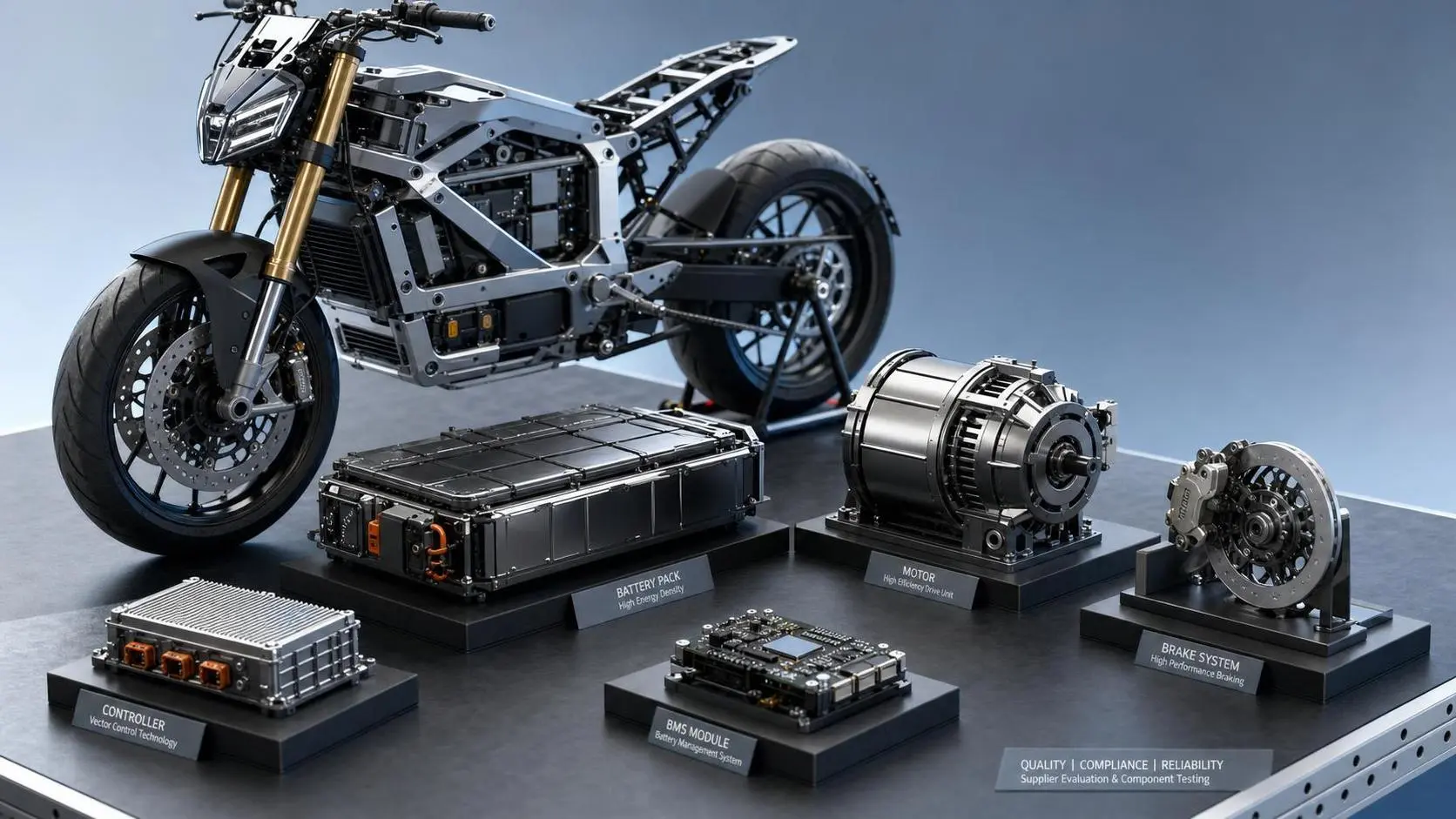
How to Evaluate Core Component Suppliers for Electric Motorcycles Before Sourcing?
Core component suppliers for electric motorcycles can make or break safety, compliance, and delivery. Learn how to assess technical strength, certifications, quality control, and hidden sourcing risks before you buy.
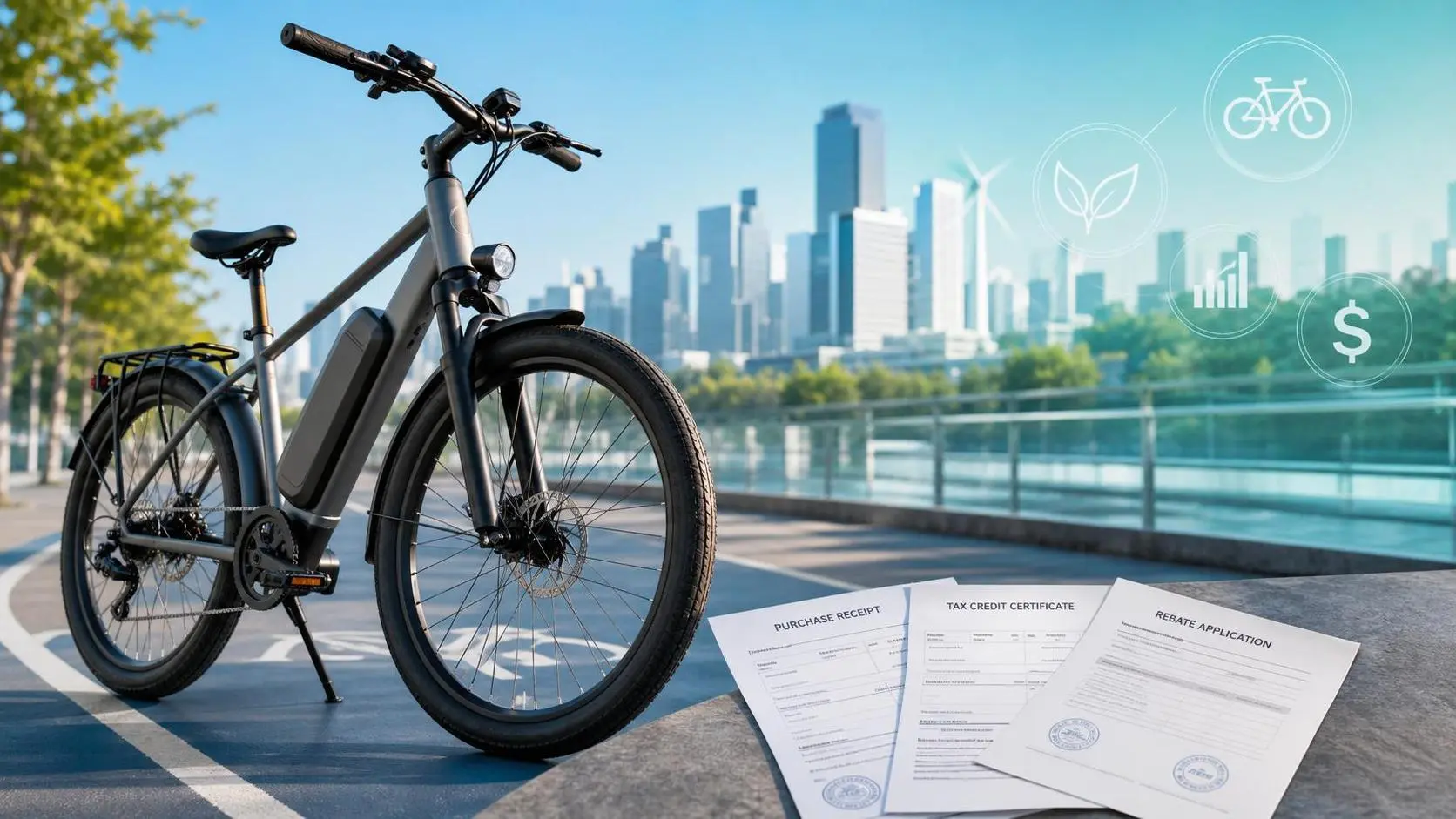
E-Bike Incentives Explained: How Riders Can Find Local Rebates and Tax Credits
E bike incentives explained: learn how to find local rebates, tax credits, and utility offers, avoid common mistakes, and cut the real cost of your next e-bike.