
Related News
- 00
0000-00
How to Evaluate Low-Maintenance Gearing Options for Europe’s Urban and Utility E-Bikes - 00
0000-00
Electric Drivetrain Systems Factory Audit Checklist: Key Quality Points Before Sourcing - 00
0000-00
Electric Drivetrain Components Explained: Key Parts, Functions, and Failure Points - 00
0000-00
How to Evaluate a Drivetrain Architecture Provider for E-bike and Scooter Programs - 00
0000-00
Precision Drivetrain Tuning Explained: Key Adjustments for Smoother Shifting
Precision Drivetrain Architect
Weekly Insights
Stay ahead with our curated technology reports delivered every Monday.
Derailleur Skipping Gears: 7 Common Causes and How to Fix Each One





When derailleur skipping gears becomes more than a minor annoyance
Derailleur skipping gears rarely stays a small problem for long.
On an urban e-bike, it interrupts cadence and wastes assist efficiency.
On a fitness bike, it breaks rhythm under load.
On a fleet vehicle, it quickly becomes a maintenance pattern.
That is why derailleur skipping gears matters across micro-mobility systems, not only in workshop settings.
At UMMS, drivetrain behavior is usually read as a system signal.
A skipping chain can point to setup drift, wear, compatibility issues, or riding conditions that changed faster than maintenance habits.
The practical goal is not just to stop the noise.
It is to restore consistent shifting, preserve component life, and keep power transfer predictable.
Different riding conditions create different shifting demands
The same symptom does not always come from the same cause.
Derailleur skipping gears during a calm weekday commute often traces back to cable tension or indexing drift.
Under higher torque, the pattern changes.
Mid-drive e-bikes and hard accelerations expose chain wear, cassette wear, and hanger alignment faster than casual riding does.
Wet routes create another layer.
Road grit, contamination, and corrosion reduce shifting precision even when parts still look serviceable.
In real use, the smarter approach is to judge skipping by timing, load, and gear position.
That shortens diagnosis and avoids replacing healthy parts.
Seven common causes and how to fix each one
1. Cable tension drift after normal use
This is one of the most common reasons for derailleur skipping gears.
It often appears after new cables bed in or after several weeks of commuting.
If the bike hesitates climbing to larger cogs, add tension gradually with the barrel adjuster.
If it overshifts toward smaller cogs, reduce tension in small steps.
2. A bent derailleur hanger after impact or transport
A minor parking knock can create major indexing errors.
Derailleur skipping gears in only a few cogs often points here.
Look from the rear and compare pulley alignment to the cassette.
If the hanger is not straight, use an alignment tool or replace it.
Trying to compensate with tension alone usually fails.
3. Worn chain links under rising torque demand
Chain wear is easy to miss because it develops gradually.
On e-bikes, the process can accelerate because assist multiplies load cycles.
If derailleur skipping gears happens during hard pedaling, measure chain stretch first.
Replace the chain before it damages the cassette and chainrings.
That single check often saves a more expensive drivetrain refresh.
4. Cassette teeth that no longer match the chain
A fresh chain on a worn cassette can trigger immediate skipping.
The symptom is strongest under pressure in the gears used most often.
Inspect for hooked teeth, uneven profiles, or polished wear on favorite cogs.
If wear is visible, replace the cassette with the chain, not after repeated slipping.
5. Dirty pulleys, sticky housing, or contaminated drivetrain parts
This cause is more common in mixed-weather city riding than many expect.
Debris increases drag and slows derailleur return.
That delay feels like derailleur skipping gears, especially during quick multi-gear shifts.
Clean the cassette, chain, jockey wheels, and housing entry points.
Then lubricate correctly instead of applying excess oil that traps more dirt.
6. Limit screws or B-tension set outside real riding needs
Setup values that look acceptable in a stand may fail on the road.
If the derailleur sits too close or too far from the cassette, shift quality suffers.
Check high and low limit screws for safe range control.
Then verify B-tension against the largest cog.
This matters even more on wide-range cassettes used in urban climbs.
7. Mismatched or partially upgraded drivetrain components
Not every skipping issue is wear or adjustment.
Derailleur skipping gears can appear after mixing shifters, cassettes, chains, and derailleurs from different speeds or pull ratios.
This is a frequent oversight during piecemeal repairs.
Confirm speed compatibility, chain width, and derailleur capacity before chasing fine adjustments.
What changes between commuter bikes, e-bikes, and performance setups
Different platforms make derailleur skipping gears show up in different ways.
A standard commuter bike usually rewards simple tuning and cleaning.
An e-bike with mid-drive assist needs closer attention to wear intervals.
A performance-oriented build exposes tiny alignment errors faster because shifts happen under sharper cadence changes.
- For urban commuting, inspect monthly and retune before symptoms worsen.
- For e-bikes, shorten chain inspection intervals and ease pedal pressure during shifts.
- For mixed-terrain or sport use, prioritize hanger alignment and cassette condition.
- For shared or high-use systems, standardize wear checks to prevent repeat failures.
In the broader UMMS view, these differences matter because transmission efficiency affects range, user confidence, and lifecycle cost together.
Where people often misread the problem
A common mistake is assuming derailleur skipping gears always means the derailleur itself is defective.
Very often, the real issue sits upstream in the chain, cassette, or cable path.
Another misread is focusing only on replacement cost.
If a worn chain is ignored, the final repair bill expands to several components.
It is also easy to treat similar vehicles as identical.
Yet a light analog bike and a torque-heavy e-bike do not age the same way.
In practical diagnosis, load pattern matters as much as component model.
A practical repair path that avoids repeat skipping
When derailleur skipping gears appears, work from the fastest checks to the deeper ones.
- Test when the skip happens: climbing, accelerating, or only in certain cogs.
- Check cable tension and indexing before replacing parts.
- Inspect hanger alignment after any fall, bump, or transport event.
- Measure chain wear, then inspect cassette wear patterns.
- Clean the drivetrain and verify pulley movement.
- Confirm compatibility if the bike has mixed or recently changed parts.
That order reflects real workshop efficiency.
It also fits the way micro-mobility systems are maintained in the field, where uptime matters as much as mechanical perfection.
Use the symptom to improve long-term drivetrain decisions
Derailleur skipping gears is best treated as a maintenance clue, not just a repair task.
It reveals whether the current setup matches the bike’s torque, terrain, service interval, and component mix.
Before making changes, map the real riding pattern.
Then compare wear rate, adjustment stability, and compatibility limits.
That is usually the cleanest way to stop repeat skipping and keep shifting sharp over time.
If the goal is better reliability, start with the actual use case, not the loudest symptom.
Related News
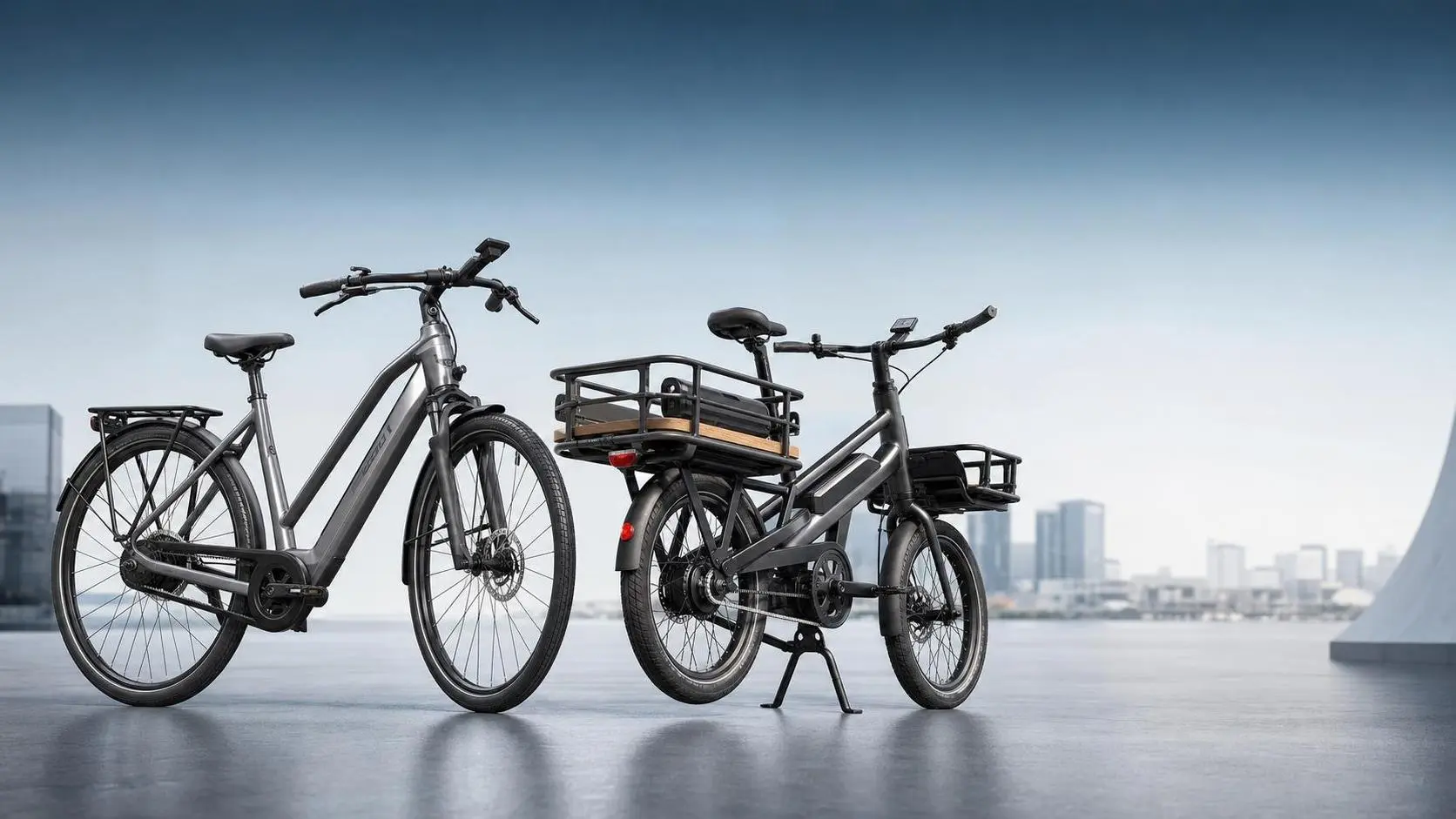
How to Evaluate Low-Maintenance Gearing Options for Europe’s Urban and Utility E-Bikes
low-maintenance gearing Europe explained: compare hub, belt, chain, and protected systems for urban and utility e-bikes to cut service needs, improve uptime, and choose the right setup.
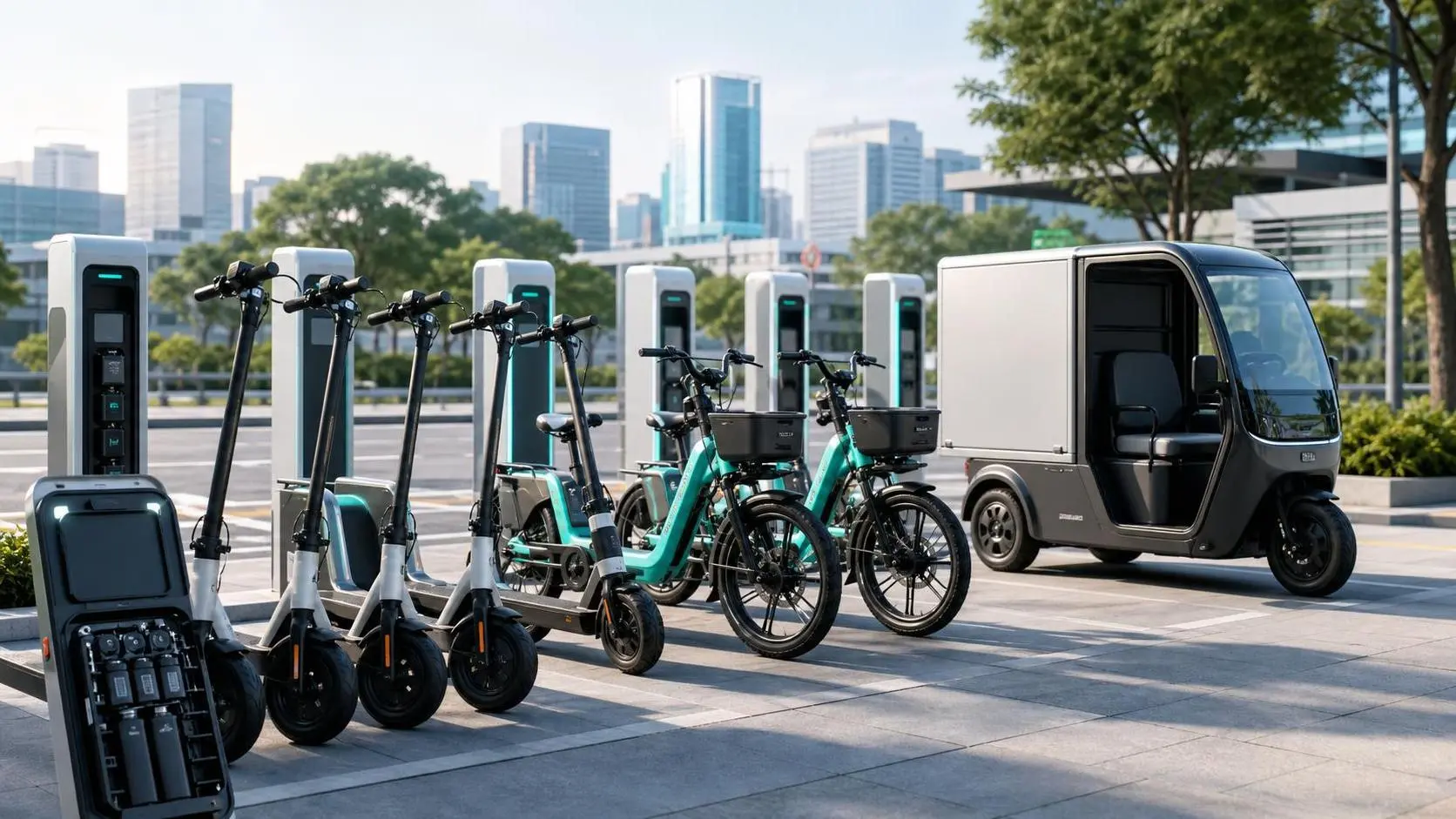
Micro-Mobility Trends Forecast: What Fleet Operators Should Watch Through 2030
Micro-mobility trends forecast for fleet operators through 2030: discover key shifts in batteries, regulation, durability, connectivity, and demand to reduce risk and scale smarter.

Mobility Efficiency Analysis: How to Measure Vehicle Use, Energy Cost, and Route Productivity
Mobility efficiency analysis reveals how to measure vehicle use, energy cost, and route productivity to cut waste, improve fleet performance, and make smarter urban mobility decisions.
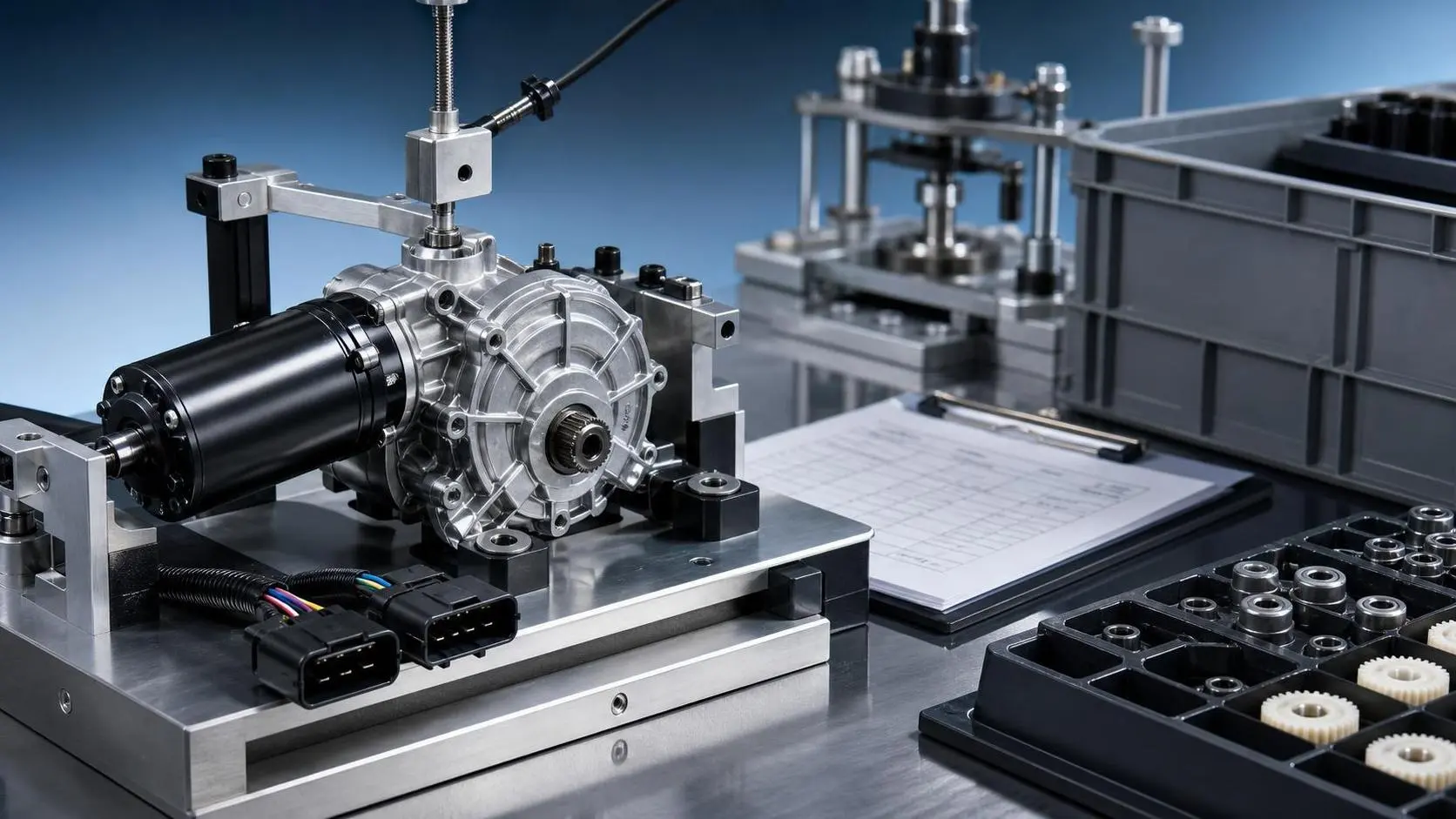
How to Evaluate a Brushless Wiper Motor Supplier for OEM Quality and Lead Time
Brushless wiper motor supplier selection made easier: learn how to assess OEM quality, engineering support, compliance, and lead time to reduce sourcing risk.
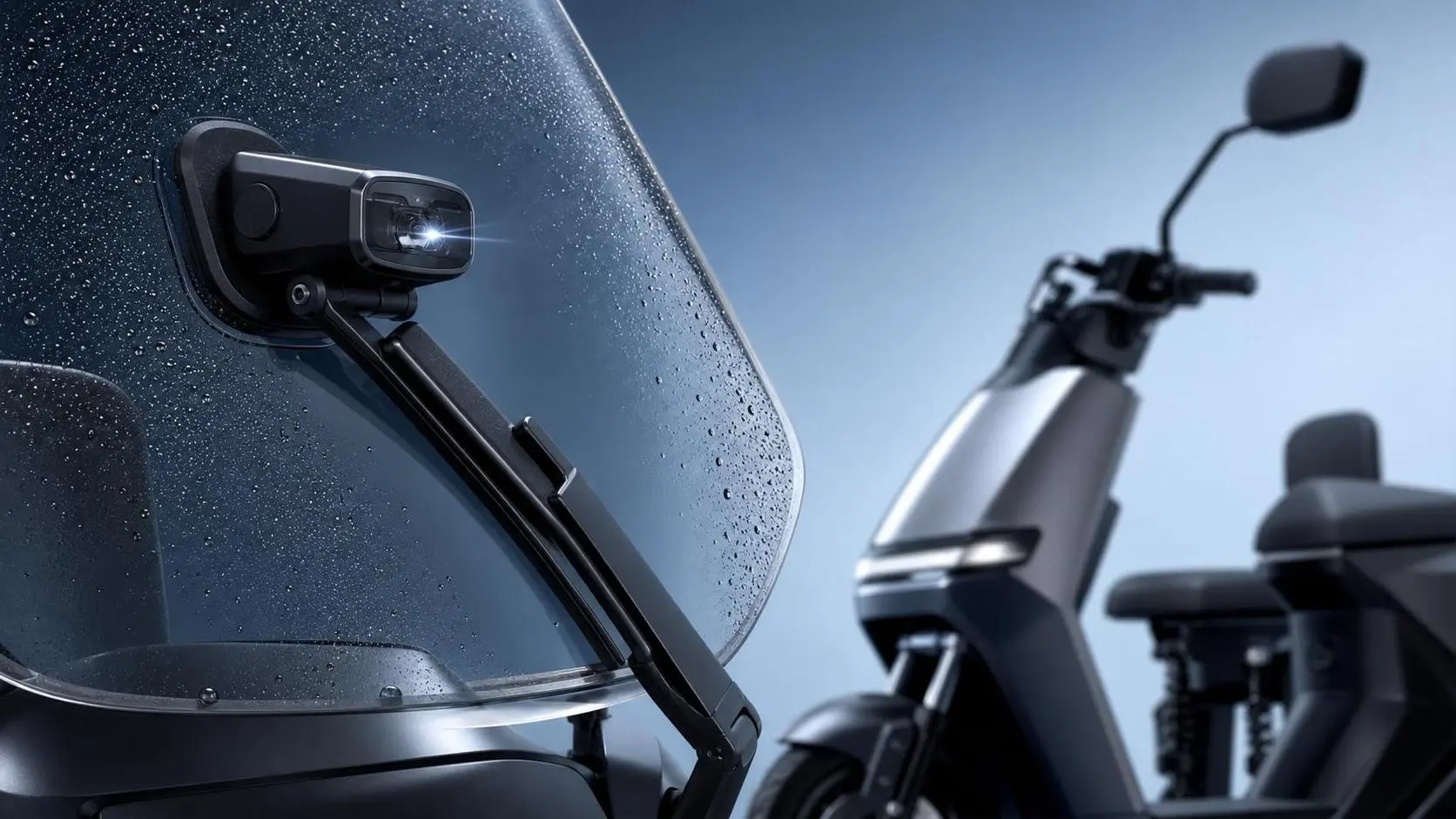
How Do Photoelectric Wiper Sensors Work and Where Are They Most Effective?
Photoelectric wiper sensors explained: learn how they detect rain, reduce false triggers, and deliver the best visibility gains in urban EVs, e-bikes, fleets, and smart mobility.

How Battery-Swapping Networks Reduce Downtime in Shared Fleet Scooter Operations
Battery-swapping networks cut scooter fleet downtime by speeding field turnaround, improving uptime in peak zones, and helping operators optimize labor, battery rotation, and service efficiency.
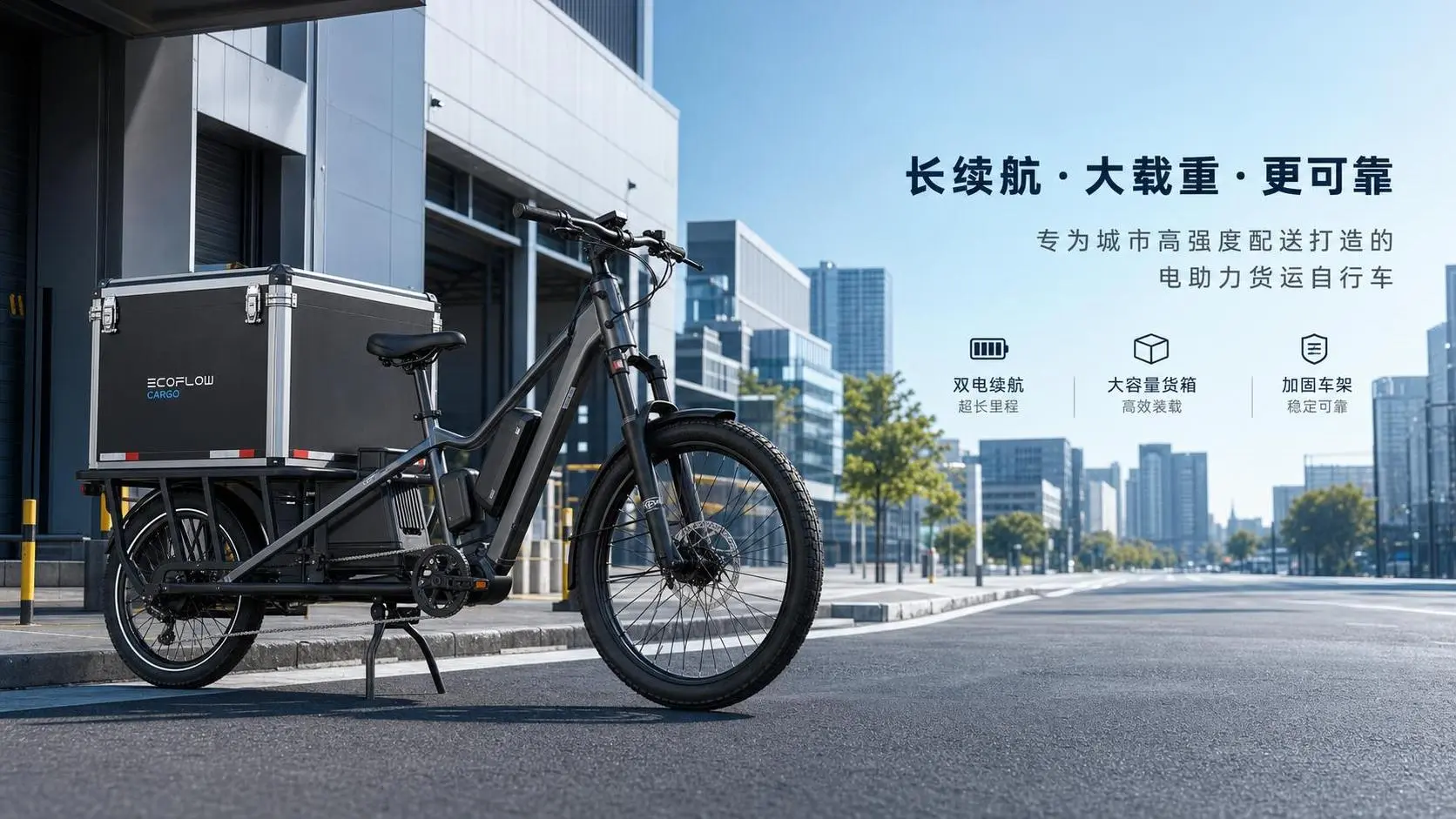
How to Choose a Long-Range Commercial Cargo E-Bike for Delivery Operations
Commercial cargo e-bike long range buying guide: learn how to assess battery, payload, route fit, and uptime support to choose a reliable delivery model with lower operating costs.
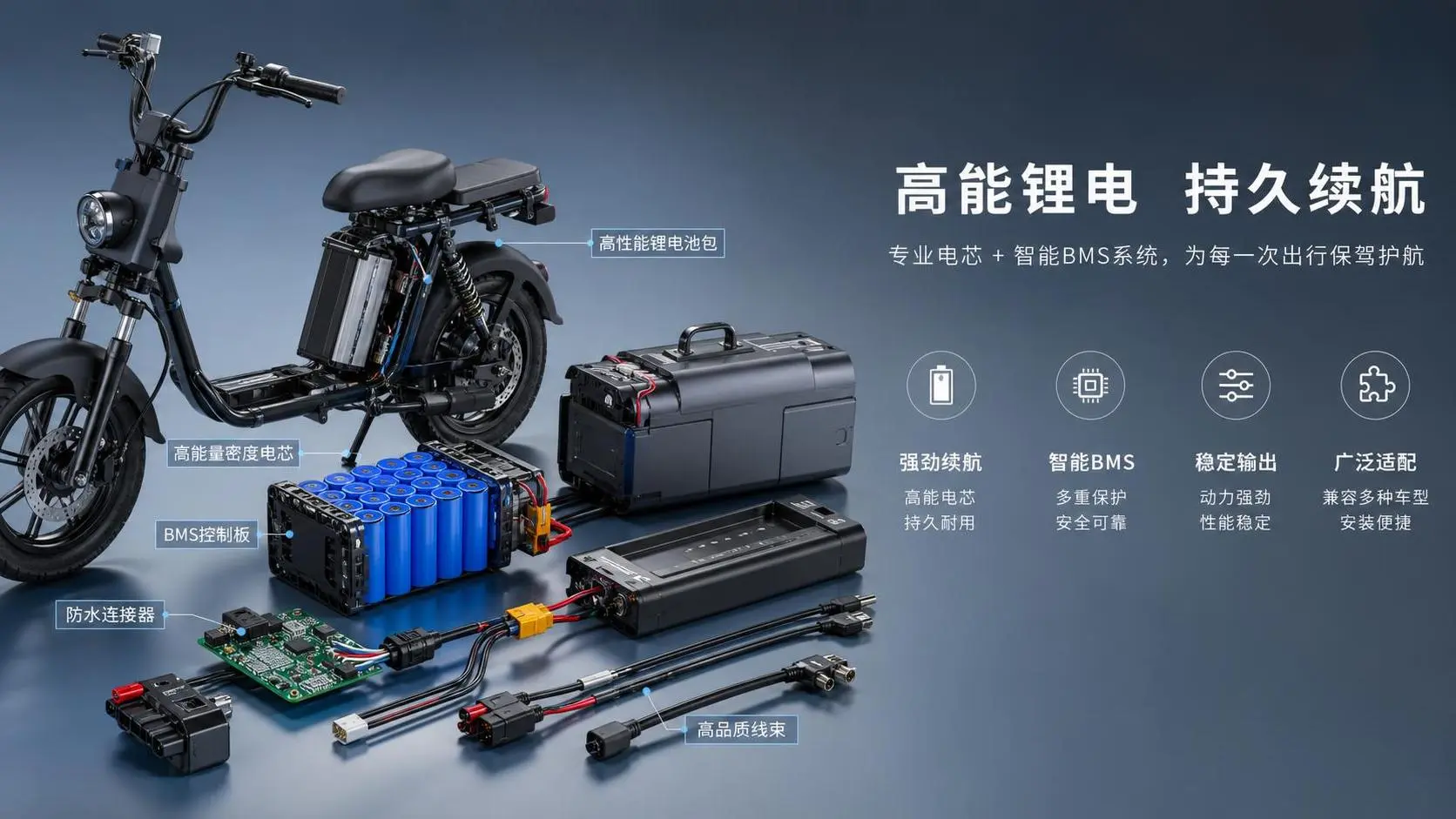
How to Select the Right E-Bike Battery Components for Range, Safety, and Fit?
E-bike component selection battery guide: learn how to choose the right battery components for better range, stronger safety, and perfect fit across modern e-bike platforms.
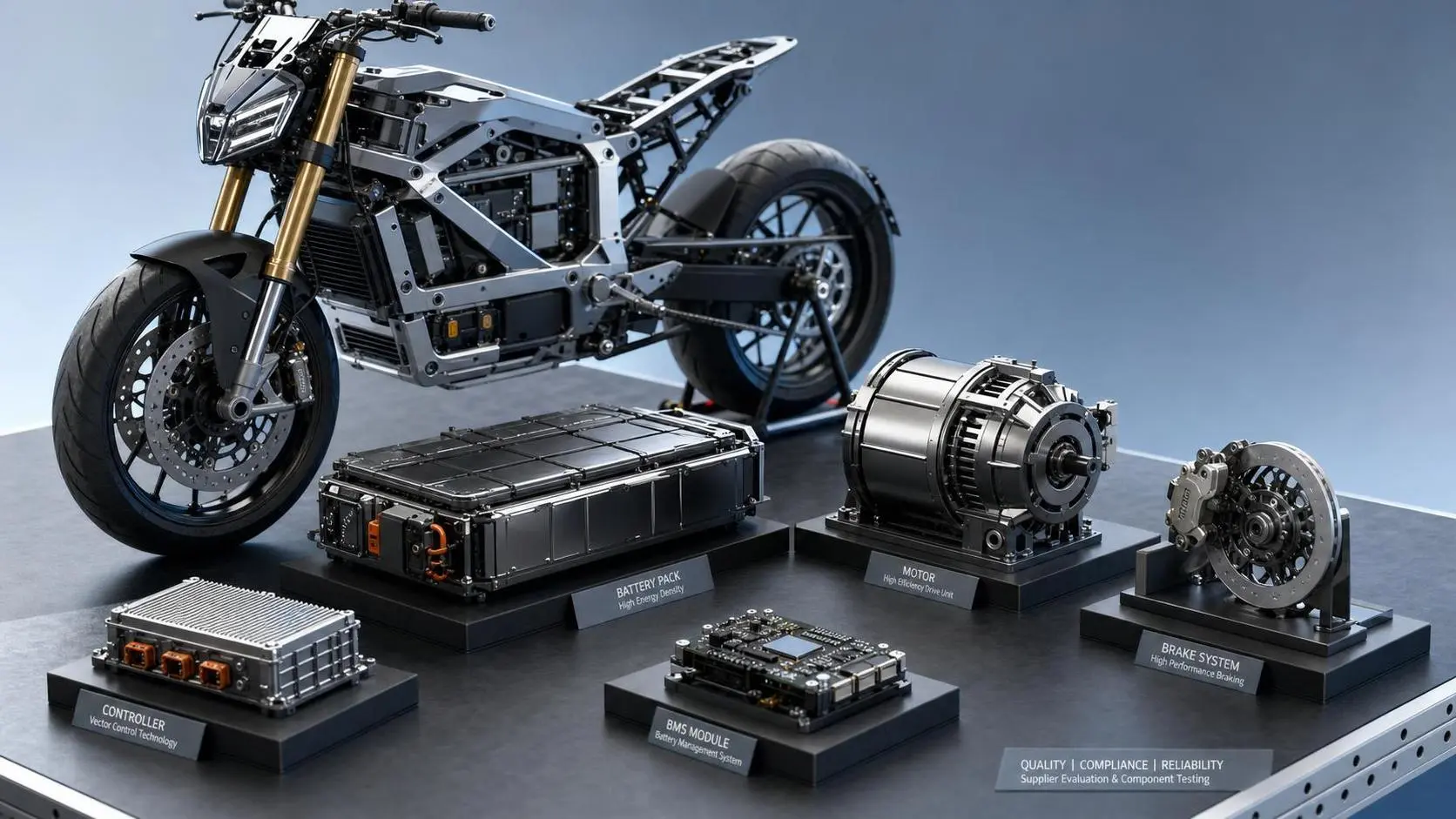
How to Evaluate Core Component Suppliers for Electric Motorcycles Before Sourcing?
Core component suppliers for electric motorcycles can make or break safety, compliance, and delivery. Learn how to assess technical strength, certifications, quality control, and hidden sourcing risks before you buy.