
Related News
- 00
0000-00
Mobility Efficiency Analysis: How to Measure Vehicle Use, Energy Cost, and Route Productivity - 00
0000-00
How to Evaluate a Brushless Wiper Motor Supplier for OEM Quality and Lead Time - 00
0000-00
How Do Photoelectric Wiper Sensors Work and Where Are They Most Effective? - 00
0000-00
How to Evaluate Core Component Suppliers for Electric Motorcycles Before Sourcing? - 00
0000-00
Electric Motorcycle Systems Price Breakdown: What Affects Cost From Battery to Controller?
Ms. Elena Rodriguez
Weekly Insights
Stay ahead with our curated technology reports delivered every Monday.
Mobility Energy Efficiency Explained: Which Metrics Matter for E-bikes and Scooters?





Mobility energy efficiency has become one of the clearest ways to compare e-bikes and smart scooters beyond headline range claims. In micro-mobility, the real question is not only how far a vehicle can go, but how effectively it converts stored electricity into useful urban movement under realistic loads, speeds, and traffic conditions.
That matters because cities, fleet operators, component suppliers, and product planners are all under pressure to reduce operating cost and carbon impact at the same time. For a platform like UMMS, which tracks electric drivetrains, battery logic, connected scooter systems, and precision bicycle components, mobility energy efficiency is a practical lens for understanding which technologies actually improve last-mile performance.
Why energy efficiency now shapes micro-mobility decisions
Urban transport is moving from novelty to infrastructure. As e-bikes and scooters become regular commuting tools, efficiency stops being a marketing phrase and becomes a business variable.
A vehicle with better mobility energy efficiency can deliver more usable kilometers from the same battery capacity. That influences charging frequency, battery replacement cycles, service uptime, and total cost of ownership.
It also affects policy and market positioning. In regions where subsidies, right-of-way rules, or fleet permits are tightening, efficient vehicles are easier to justify as low-carbon transport assets.
From an industry intelligence perspective, efficiency connects several disciplines at once: motor control, power electronics, battery management, frame design, aerodynamics, tire rolling resistance, and digital usage data.
What mobility energy efficiency actually means
In simple terms, mobility energy efficiency describes how much movement a vehicle generates from a given amount of energy. For e-bikes and scooters, it is usually discussed as energy consumed per kilometer or per mile.
Yet that basic ratio is only the starting point. Two vehicles can post similar range figures while achieving them for very different reasons.
One may rely on a large battery and average drivetrain efficiency. Another may use a smaller pack but lose less energy through the motor, controller, transmission, tires, and thermal stress.
For that reason, good evaluation combines direct consumption data with context. Speed profile, rider input, payload, terrain, stop frequency, and software calibration all change the picture.
The most useful baseline metric
The most common starting point is Wh/km. This shows how many watt-hours are needed to move one kilometer.
Lower Wh/km usually means better mobility energy efficiency, assuming test conditions are comparable. Without comparable conditions, the number can mislead more than it informs.
Which metrics matter most for e-bikes and scooters
A reliable assessment uses several metrics together. Each one captures a different source of loss or value.
For e-bikes, pedal assistance adds another layer. Human input can dramatically improve apparent efficiency, but only if the assist logic and gearing are well matched.
For scooters, there is no human drivetrain contribution, so battery discharge behavior, controller tuning, and wheel torque management carry more weight.
Battery utilization deserves more attention
Battery size alone does not define performance. What matters is how much of that capacity remains usable across temperature swings, partial charge cycles, and aging.
This is where UMMS-style analysis becomes valuable. High-density battery management logic can preserve mobility energy efficiency by limiting thermal losses and preventing excessive voltage sag during acceleration.
Why published range figures often fail
Range is easy to market because it is intuitive. It is also easy to distort.
Manufacturers may test under low speeds, light rider mass, flat roads, warm weather, and conservative acceleration. Those conditions can make two products look closer than they are in real service.
Mobility energy efficiency offers a better comparison because it asks how energy is spent, not just how far a full battery lasts once.
This is especially important for shared scooters, commuter e-bikes, and premium performance models. Different use cycles create different loss patterns, so one headline number cannot describe all cases.
The main factors behind efficiency gaps
Several design choices explain why one platform uses less energy than another in the same city.
- Motor operating zone: peak efficiency only appears within certain torque and speed windows.
- Controller calibration: smoother current delivery reduces waste during starts and low-speed traffic.
- Vehicle mass: heavier frames demand more energy during repeated acceleration.
- Tire and bearing resistance: small mechanical losses accumulate over daily urban use.
- Transmission quality: for e-bikes, chainline, gear ratio, and derailleur precision influence output efficiency.
- Connectivity loads: IoT modules, displays, sensors, and always-on communication consume auxiliary power.
Even weather-linked systems can matter indirectly. In broader urban mobility ecosystems, visibility technology, sensor modules, and low-power controls contribute to safer operation without overloading the electrical architecture.
How the right metrics change business interpretation
The value of mobility energy efficiency shifts slightly by scenario, but the discipline of comparison remains the same.
Commuter e-bikes
Here, efficiency affects daily charging convenience, battery lifespan, and rider confidence. Mid-drive systems may perform well if software, cadence support, and gearing stay optimized across mixed terrain.
Shared and personal e-scooters
Efficiency determines fleet uptime and charging labor. Stop-start traffic, curb climbs, and rough surfaces make controller strategy more important than brochure range.
High-speed electric two-wheelers
As speed rises, aerodynamic drag and thermal management become stronger variables. Lessons from this category often trickle down into premium micro-mobility platforms.
How to evaluate efficiency claims more accurately
A useful review process starts with the claimed Wh/km figure, then checks the surrounding test logic.
- Check rider weight, payload, route grade, average speed, and ambient temperature.
- Separate nominal battery capacity from usable battery capacity.
- Look for steady-state and stop-start data, not only one idealized cycle.
- Compare efficiency at different assist modes or power settings.
- Review battery aging assumptions if long-term operating cost matters.
- Treat software updates as performance variables, not minor details.
This approach avoids one of the biggest mistakes in the sector: comparing energy systems by battery size alone. Bigger packs can hide inefficient powertrains for a while, but they do not solve the underlying problem.
Where market intelligence adds context
Efficiency metrics become more meaningful when connected to policy, component evolution, and market direction. That is why intelligence platforms such as UMMS matter in this field.
A change in subsidy rules may reward lighter, more efficient e-bikes. New right-of-way rules can favor scooters with stronger real-world range stability. Advances in wireless shifting, thermal models, or battery swapping may reshape how energy efficiency is judged across product classes.
In other words, mobility energy efficiency is not only an engineering number. It is also a market signal that links technical credibility with commercial readiness.
A practical next step for better comparison
The most useful next move is to build a small comparison framework before reviewing any e-bike or scooter data. Focus on Wh/km, usable battery capacity, drivetrain losses, payload sensitivity, and performance under repeated stops.
Once those metrics are organized, product claims become easier to interpret and technology trade-offs become much clearer. In a market defined by electrification, congestion, and carbon pressure, mobility energy efficiency is one of the few indicators that remains relevant from engineering detail to strategic decision.
- e-bikes
- battery management
- shared scooters
- thermal management
- IoT modules
- aerodynamics
- high-density battery
- electric two-wheelers
- shared mobility
- technical credibility
- bicycle components
- battery swapping
- micro-mobility
- mobility energy efficiency
- connected scooter systems
- drivetrain losses
- wireless shifting
Related News
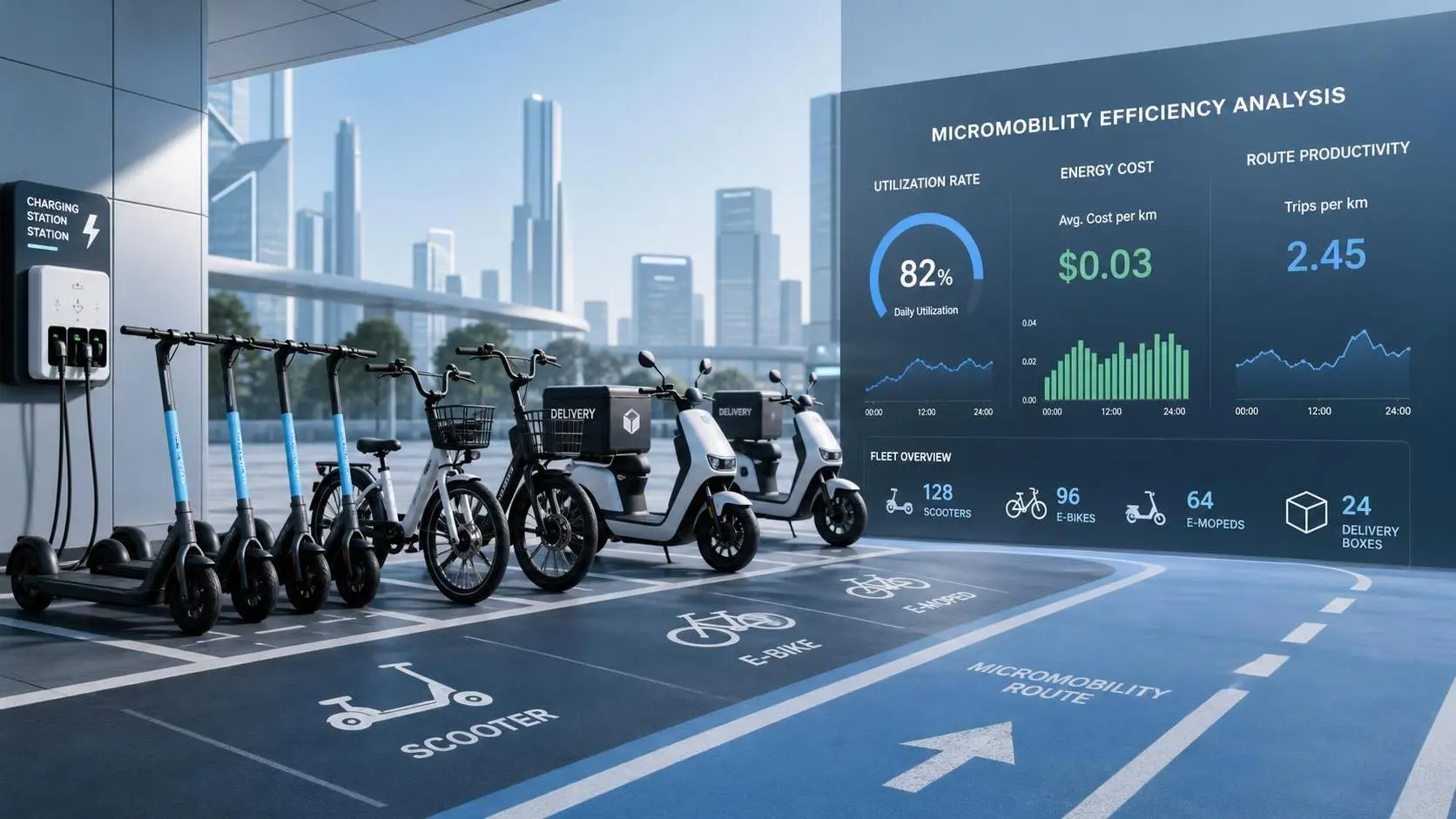
Mobility Efficiency Analysis: How to Measure Vehicle Use, Energy Cost, and Route Productivity
Mobility efficiency analysis reveals how to measure vehicle use, energy cost, and route productivity to cut waste, improve fleet performance, and make smarter urban mobility decisions.

How to Evaluate a Brushless Wiper Motor Supplier for OEM Quality and Lead Time
Brushless wiper motor supplier selection made easier: learn how to assess OEM quality, engineering support, compliance, and lead time to reduce sourcing risk.
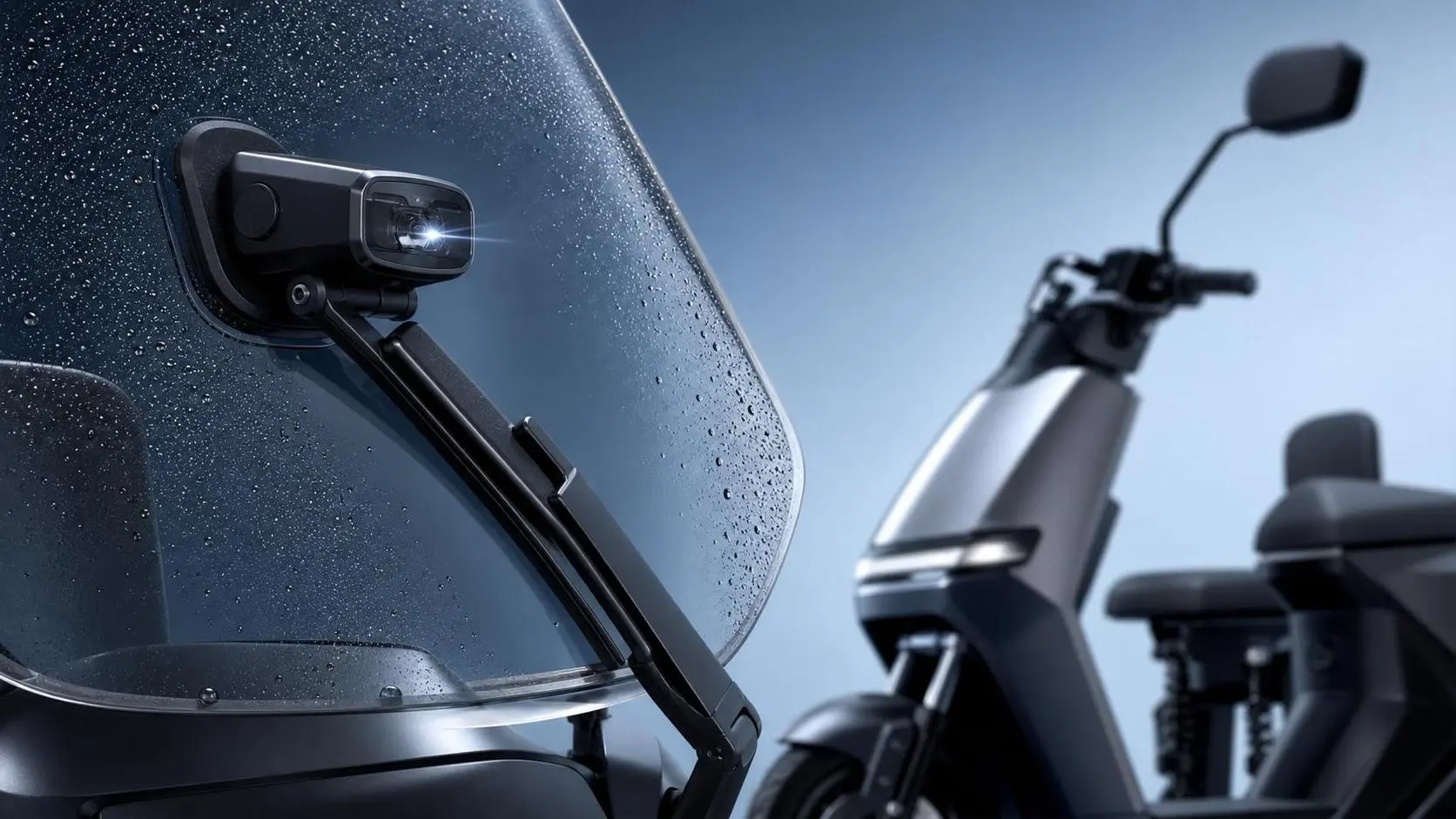
How Do Photoelectric Wiper Sensors Work and Where Are They Most Effective?
Photoelectric wiper sensors explained: learn how they detect rain, reduce false triggers, and deliver the best visibility gains in urban EVs, e-bikes, fleets, and smart mobility.
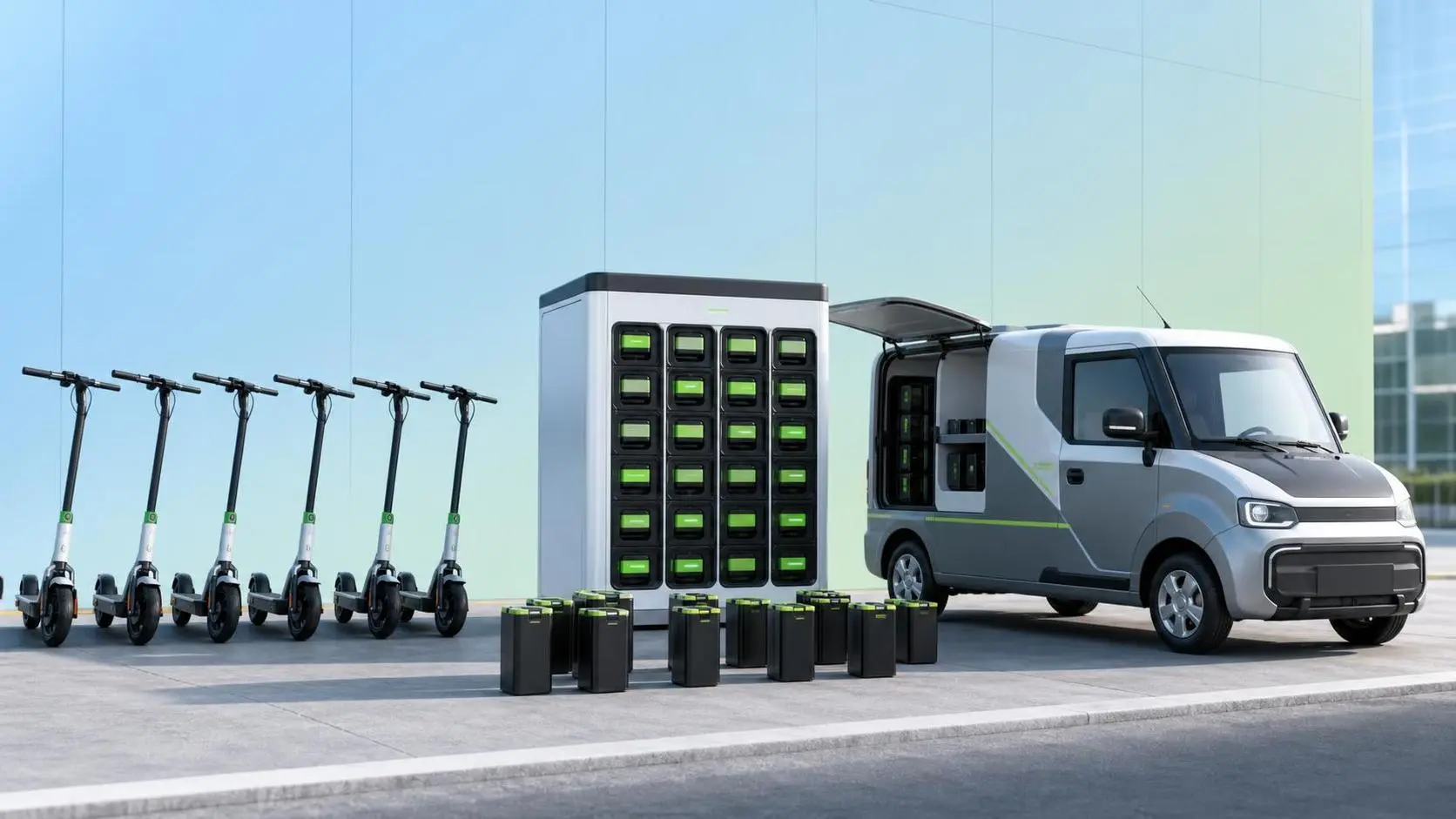
How Battery-Swapping Networks Reduce Downtime in Shared Fleet Scooter Operations
Battery-swapping networks cut scooter fleet downtime by speeding field turnaround, improving uptime in peak zones, and helping operators optimize labor, battery rotation, and service efficiency.
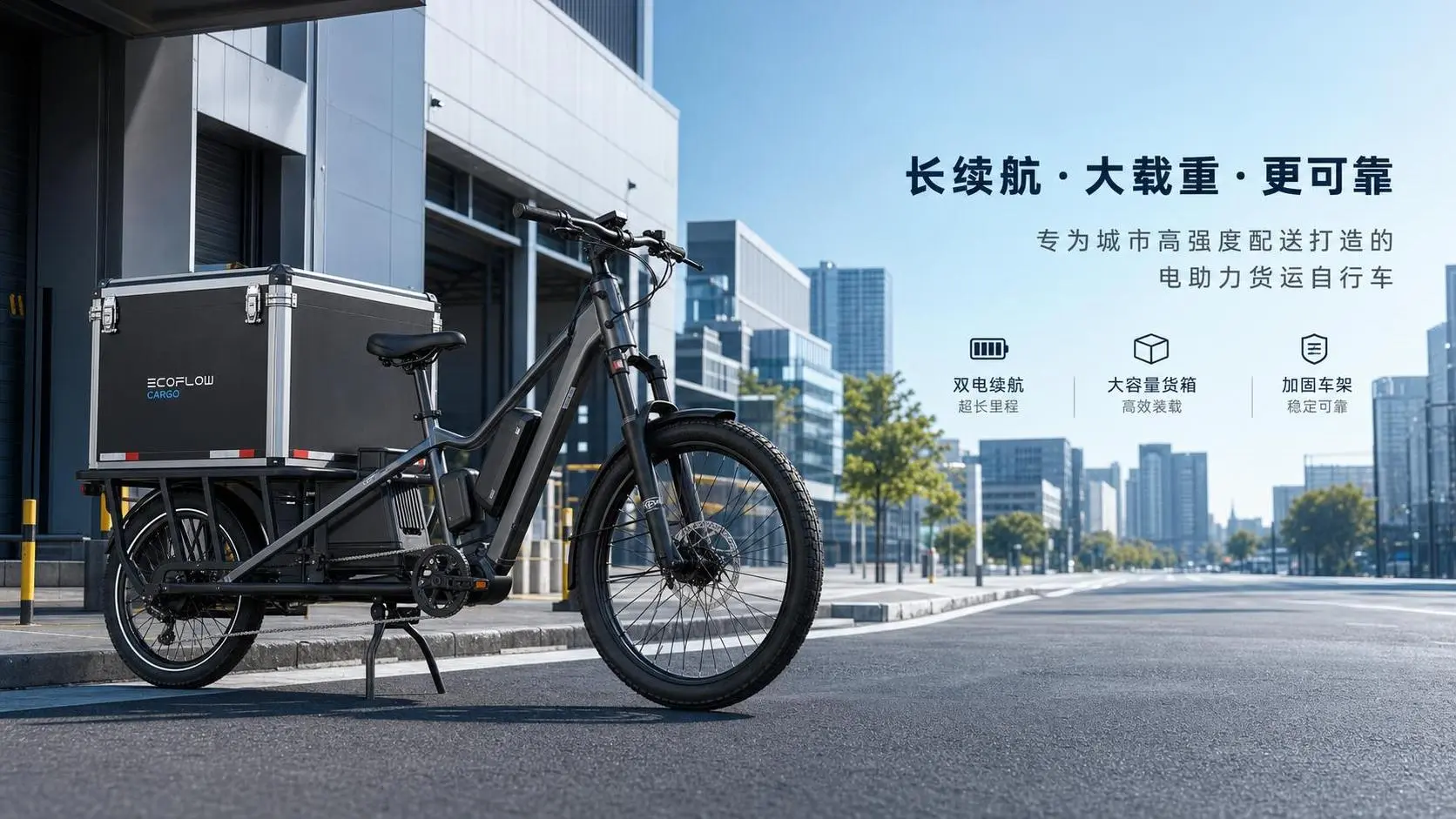
How to Choose a Long-Range Commercial Cargo E-Bike for Delivery Operations
Commercial cargo e-bike long range buying guide: learn how to assess battery, payload, route fit, and uptime support to choose a reliable delivery model with lower operating costs.
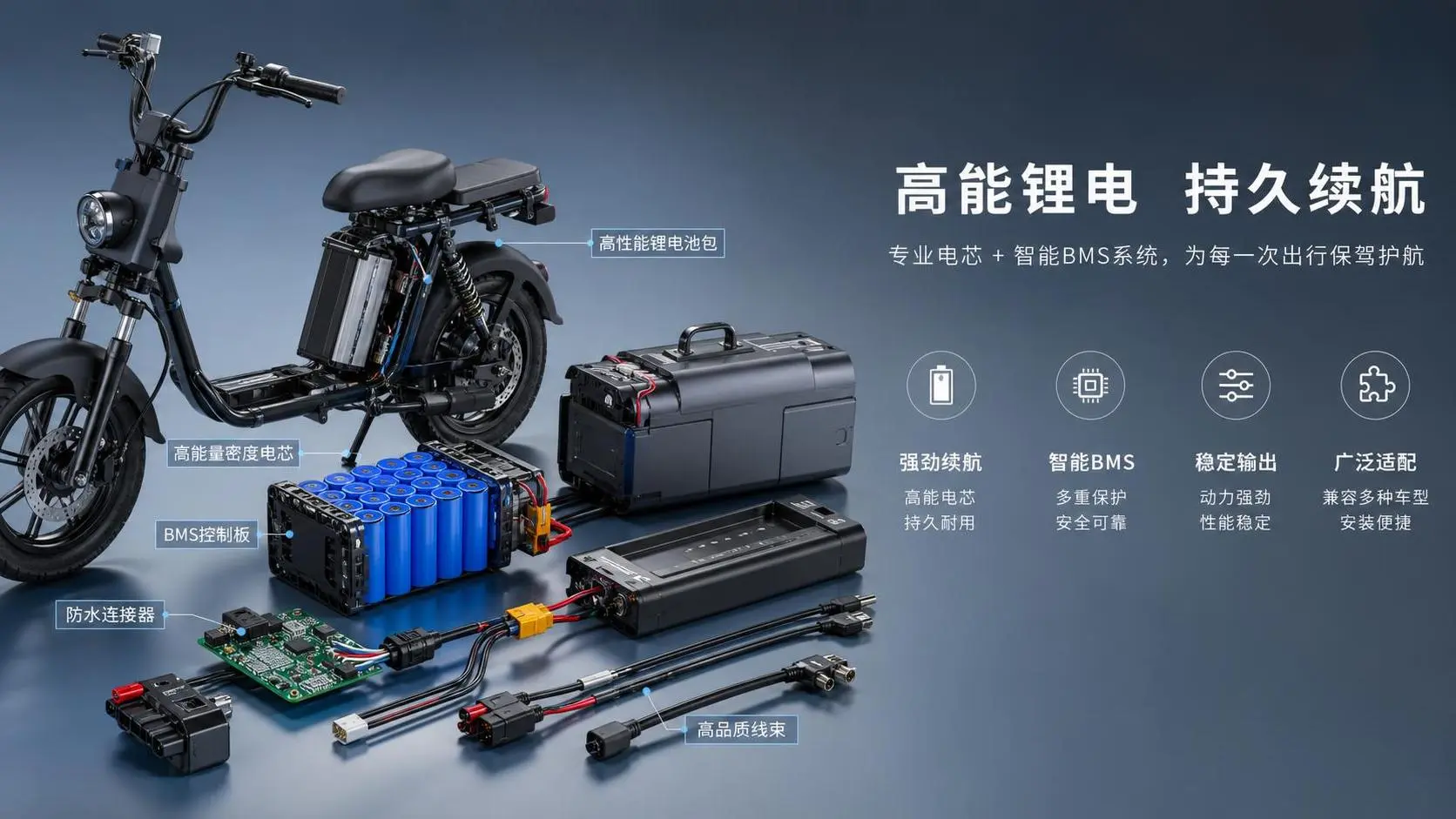
How to Select the Right E-Bike Battery Components for Range, Safety, and Fit?
E-bike component selection battery guide: learn how to choose the right battery components for better range, stronger safety, and perfect fit across modern e-bike platforms.
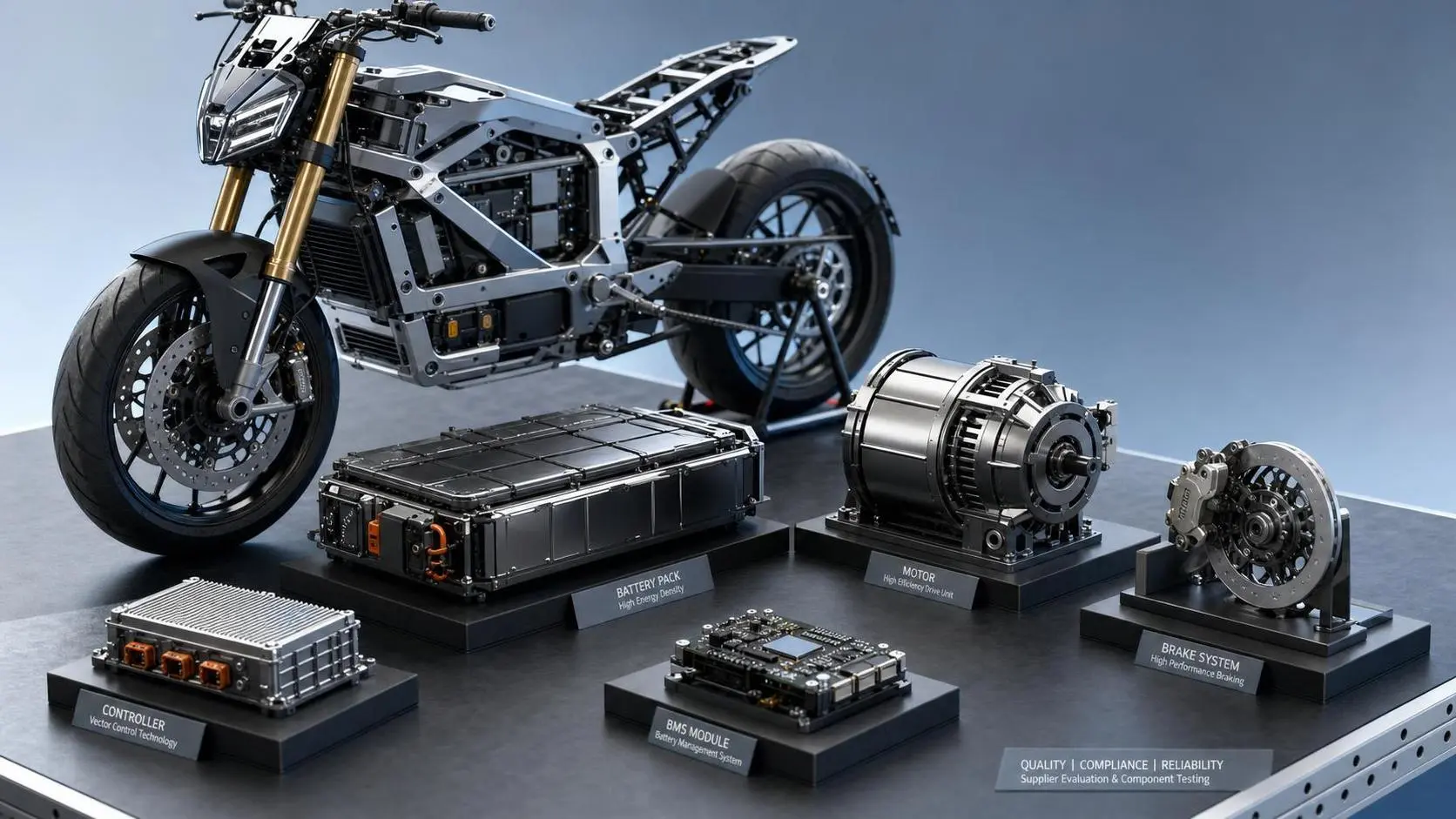
How to Evaluate Core Component Suppliers for Electric Motorcycles Before Sourcing?
Core component suppliers for electric motorcycles can make or break safety, compliance, and delivery. Learn how to assess technical strength, certifications, quality control, and hidden sourcing risks before you buy.
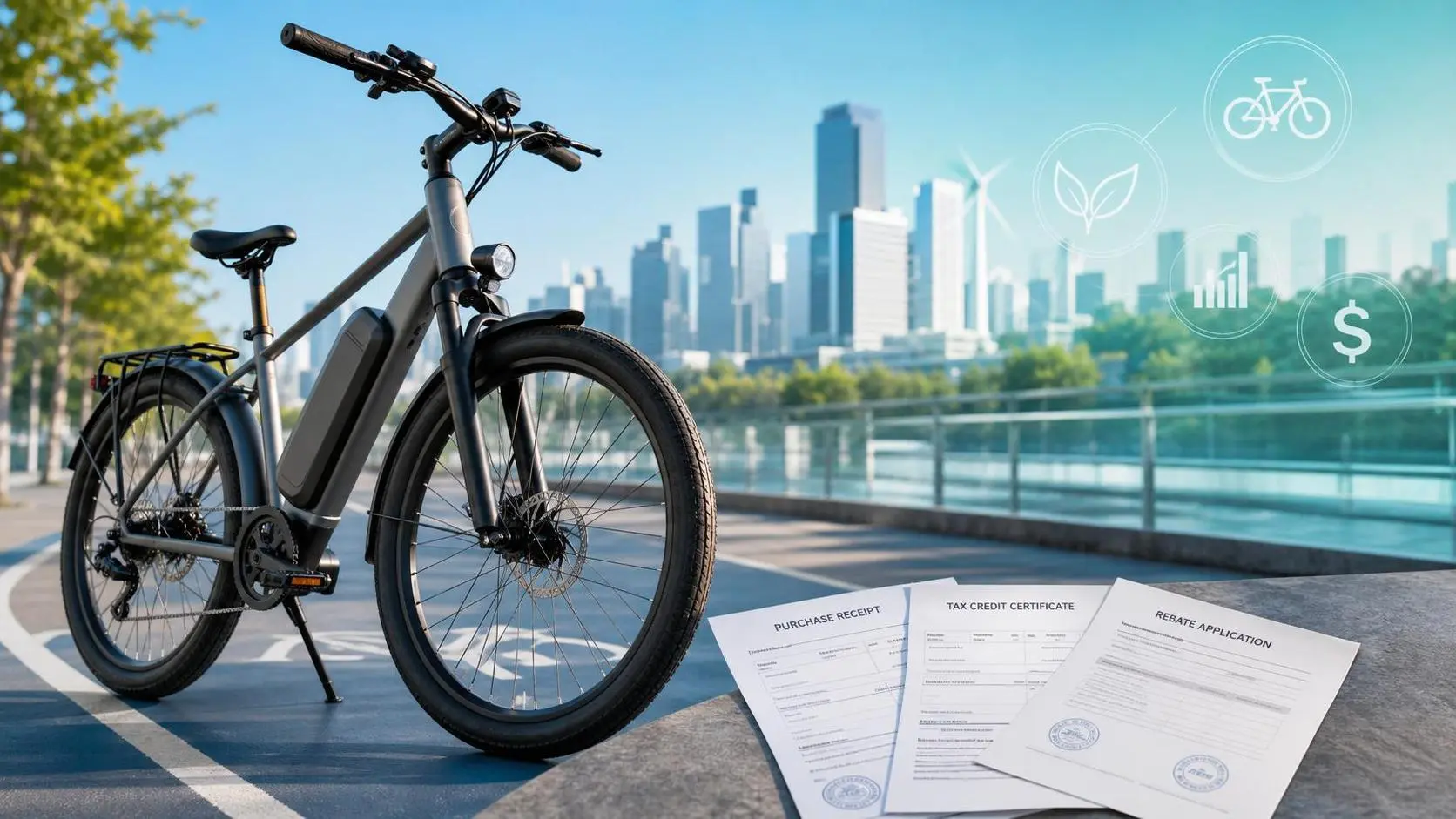
E-Bike Incentives Explained: How Riders Can Find Local Rebates and Tax Credits
E bike incentives explained: learn how to find local rebates, tax credits, and utility offers, avoid common mistakes, and cut the real cost of your next e-bike.
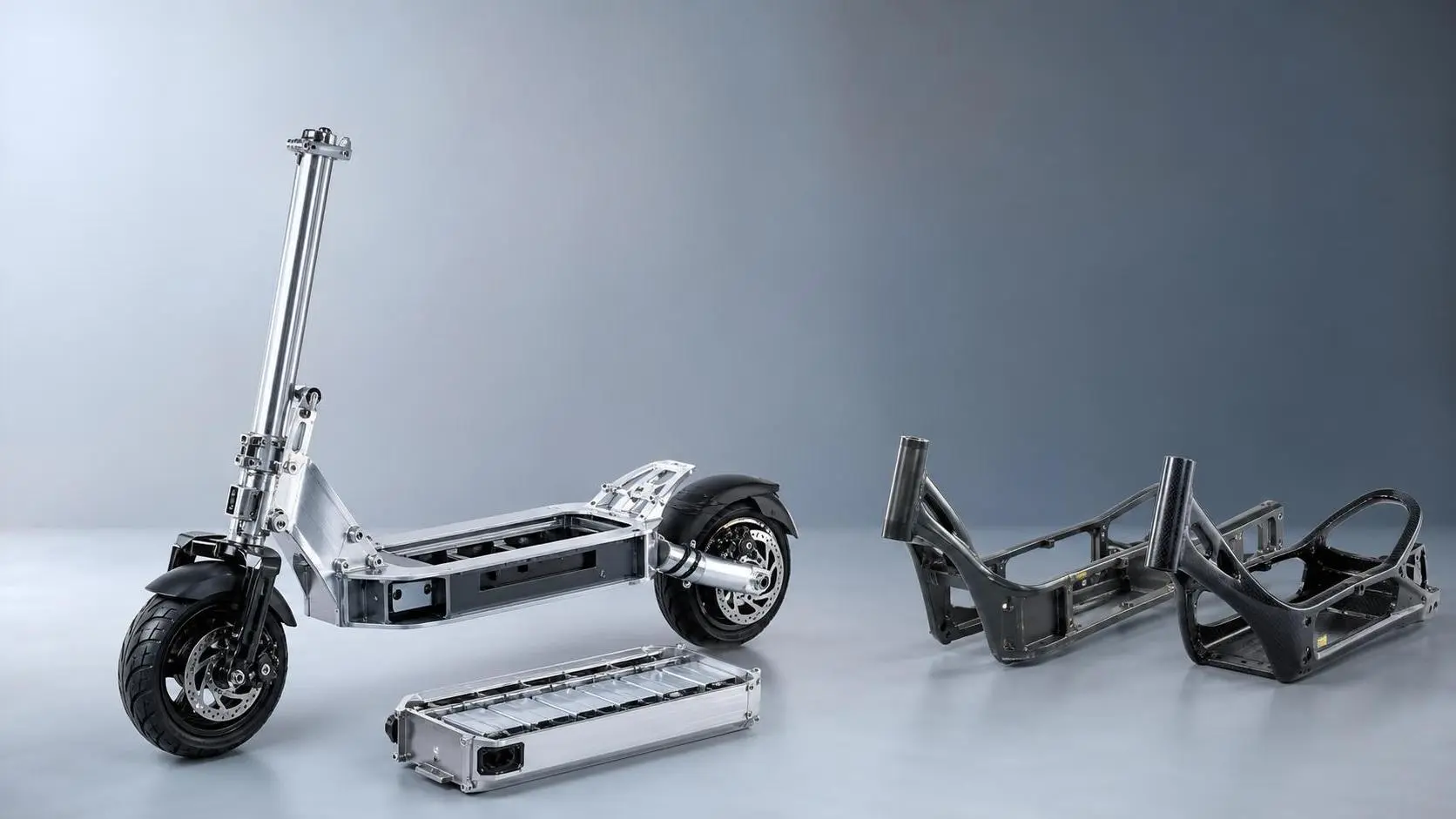
How to Choose Lightweight Scooter Frames in Europe: Materials, Standards, and Use Cases
Lightweight scooter frames Europe buyers need should balance materials, EN standards, durability, and real use cases. Discover how to choose safer, smarter, compliant frames.