
Related News
- 00
0000-00
72V Electric Motorcycle Technology Explained: Motors, Controllers, Range, and Charging - 00
0000-00
High-speed Electric Motorcycles with Swappable Battery: What to Check Before Commercial Deployment - 00
0000-00
Urban Electric Motorcycle Buying Guide: Range, Top Speed, Licensing, and Daily Use - 00
0000-00
Electric Motorcycle Battery Trends: Cell Chemistry, Fast Charging, and Pack Design Shifts - 00
0000-00
What Causes Torque Lag in Electric Two-Wheelers and How Can Engineers Reduce It?
Electric Powertrain Analyst
Weekly Insights
Stay ahead with our curated technology reports delivered every Monday.
Swappable Battery Motorcycle vs Fixed Battery Models: Which Setup Fits Daily Use?





Swappable Battery Motorcycle vs Fixed Battery Models: Which Setup Fits Daily Use?
Choosing between a swappable battery motorcycle and a fixed-battery model affects daily life more than many buyers expect.
The real difference is not only range.
It also shapes charging habits, apartment use, long-term costs, battery aging, and how flexible your commute feels every week.
A swappable battery motorcycle often sounds ideal for city riding.
You remove the pack, charge indoors, or exchange it at a station.
A fixed-battery model feels simpler in another way.
The battery stays built into the bike, which can improve structure, packaging, and sometimes total capacity.
So which setup works better for everyday riding?
The answer depends on where you live, how far you ride, and how easy charging is around your home and workplace.
This guide breaks the decision into practical factors, so you can choose with fewer surprises later.
Start With Your Daily Charging Reality
Daily charging convenience usually matters more than peak performance.
If you live in a house with private parking, a fixed-battery model can be easy to manage.
You park, plug in, and wake up ready to ride.
That routine feels seamless when charging access is stable.
But apartment life changes the equation.
No elevator, limited sockets, shared parking, or building restrictions can make fixed charging inconvenient fast.
This is where a swappable battery motorcycle gains a real edge.
You can carry the battery upstairs, charge at your desk, or swap it without waiting.
From a daily-use perspective, that flexibility can be more valuable than extra horsepower.
Still, removable packs are not automatically effortless.
Some battery units are bulky and heavy.
If carrying 10 to 20 kilograms upstairs sounds annoying, the convenience may shrink in real life.
Quick charging reality check
- Choose a swappable battery motorcycle if home charging is difficult.
- Choose a fixed-battery bike if plug-in parking is always available.
- Check battery weight before buying any removable system.
- Confirm workplace charging rules, not just outlet availability.
Range, Speed, and Real-World Use
Many buyers focus first on range figures.
That makes sense, but lab numbers rarely match daily traffic, weather, hills, and riding style.
A fixed-battery model often has room for a larger integrated pack.
That can support longer rides, stronger sustained output, and fewer charge cycles each week.
For suburban commutes or mixed urban-highway routes, this can matter a lot.
A swappable battery motorcycle usually targets flexibility over maximum battery size.
Individual packs may be smaller because they must stay portable.
That sounds like a drawback, but it depends on your routine.
If your daily round trip is 20 to 40 miles, swapping or carrying a second battery may solve the issue cleanly.
This setup is especially useful for delivery riders, dense urban commuters, and people with unpredictable schedules.
In other words, usable range is about your system, not just the bike’s brochure.
Ask these range questions
- How far do you ride on your busiest day?
- Can you charge during work hours?
- Do winter temperatures reduce usable range in your area?
- Would carrying a spare pack feel practical or frustrating?
Cost Over Time: Purchase Price, Battery Access, and Replacement
Upfront pricing can be misleading.
Some fixed-battery motorcycles look more affordable because everything is bundled into one package.
Some swappable battery motorcycle options separate the vehicle from battery subscription or swap service fees.
That lowers the entry price, but monthly costs may continue.
This is not automatically bad.
In some markets, battery-as-a-service reduces replacement risk and makes budgeting more predictable.
That matters because battery replacement is one of the biggest long-term ownership costs.
With a fixed-battery model, replacement can be expensive and more service-dependent.
With a swappable battery motorcycle, the operator may manage battery health across the network.
That can protect users from sudden aging concerns, but only if the network is reliable and transparent.
Always compare total ownership cost over three to five years, not just the sticker price.
Compare these cost items
- Vehicle purchase price
- Battery purchase or subscription fee
- Home charger installation cost
- Replacement battery pricing
- Service labor and software support
- Energy cost per mile
Battery Lifespan, Reliability, and Everyday Stress
Battery health is where daily ownership becomes very real.
A fixed-battery motorcycle may benefit from tighter thermal management and better integration with the chassis.
That can support stable performance and cleaner packaging.
It may also reduce connector wear caused by frequent battery removal.
A swappable battery motorcycle introduces extra handling, transport, and repeated insertion cycles.
Well-designed systems manage this safely, but cheap designs can feel loose over time.
The stronger signal is network quality.
If the swapping ecosystem tracks battery health, balances inventory, and removes weak packs early, reliability can be excellent.
If not, convenience disappears quickly.
For daily use, dependable access often matters more than theoretical battery chemistry advantages.
Watch for these reliability signals
- Clear warranty terms for battery capacity retention
- Consistent swap station uptime
- Weather-resistant battery locking systems
- Easy access to service parts and diagnostics
Best Fit by Rider Type
If your routine is stable, your choice becomes easier.
A swappable battery motorcycle is usually the better fit for dense city riders.
It works well for apartment residents, commercial riders, and anyone who cannot guarantee overnight charging.
It also suits riders who value zero waiting more than maximum pack size.
A fixed-battery model often fits suburban commuters and owners with private charging access.
It can be the smarter choice for longer rides, weekend trips, and riders who prefer one integrated system.
From recent market shifts, the clearer trend is convenience-led adoption.
That means the winning setup is usually the one that removes friction from your week.
How to Make the Right Decision
The best choice is usually less emotional than people expect.
Write down your weekly mileage, charging options, parking situation, and tolerance for battery handling.
Then compare that list against actual infrastructure, not marketing promises.
If charging access is uncertain, a swappable battery motorcycle can make electric riding feel dramatically easier.
If charging is easy and your rides are longer, a fixed-battery bike may deliver better simplicity over time.
Neither setup is universally better.
The smarter decision is the one that matches your real routine, your local infrastructure, and your ownership horizon.
Before buying, test the battery removal process, verify replacement policy details, and check charging or swap access during your normal route.
That small step can prevent the biggest ownership regrets.
When daily convenience leads the decision, the right electric motorcycle setup becomes much easier to see.
Related News
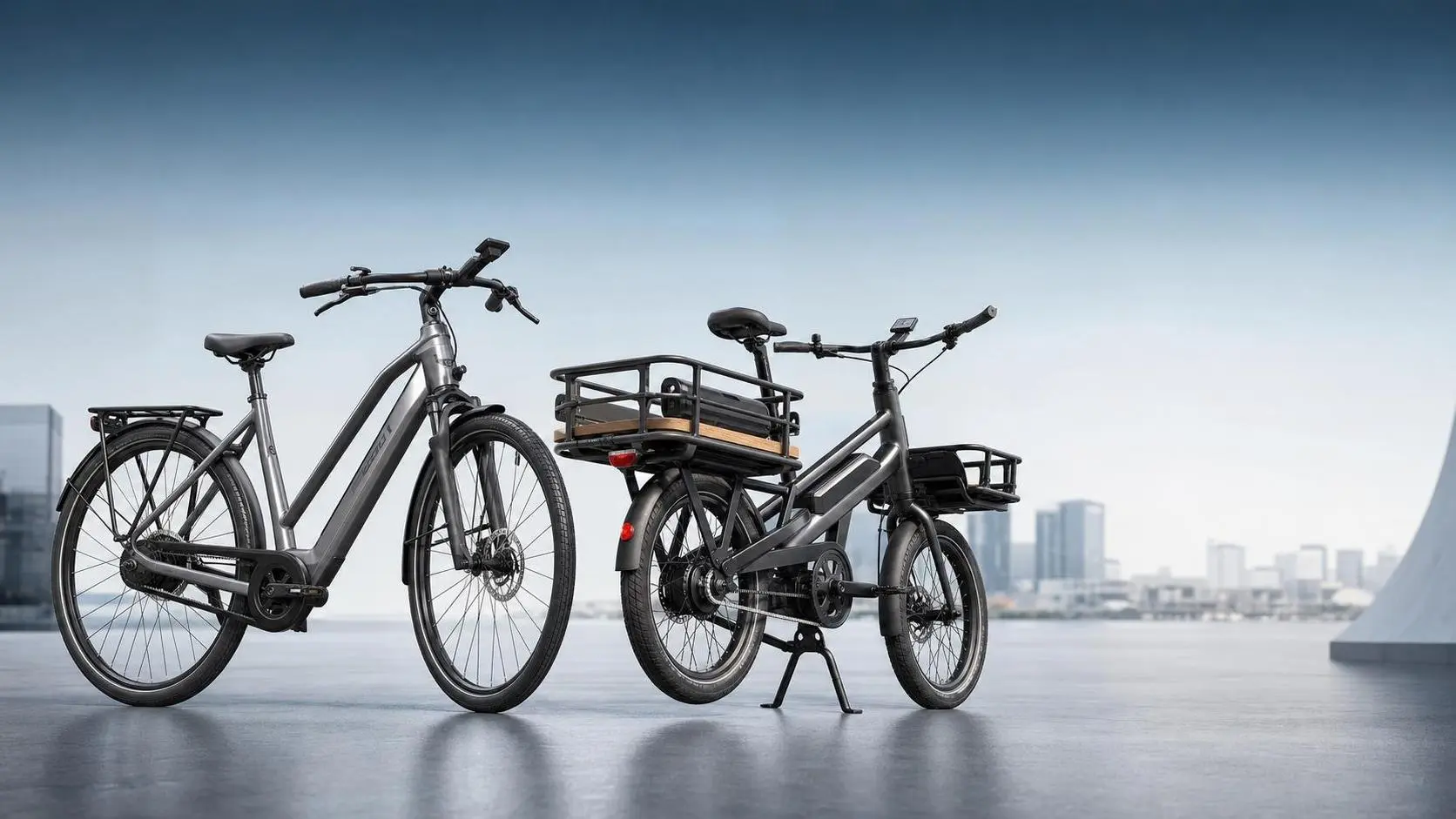
How to Evaluate Low-Maintenance Gearing Options for Europe’s Urban and Utility E-Bikes
low-maintenance gearing Europe explained: compare hub, belt, chain, and protected systems for urban and utility e-bikes to cut service needs, improve uptime, and choose the right setup.
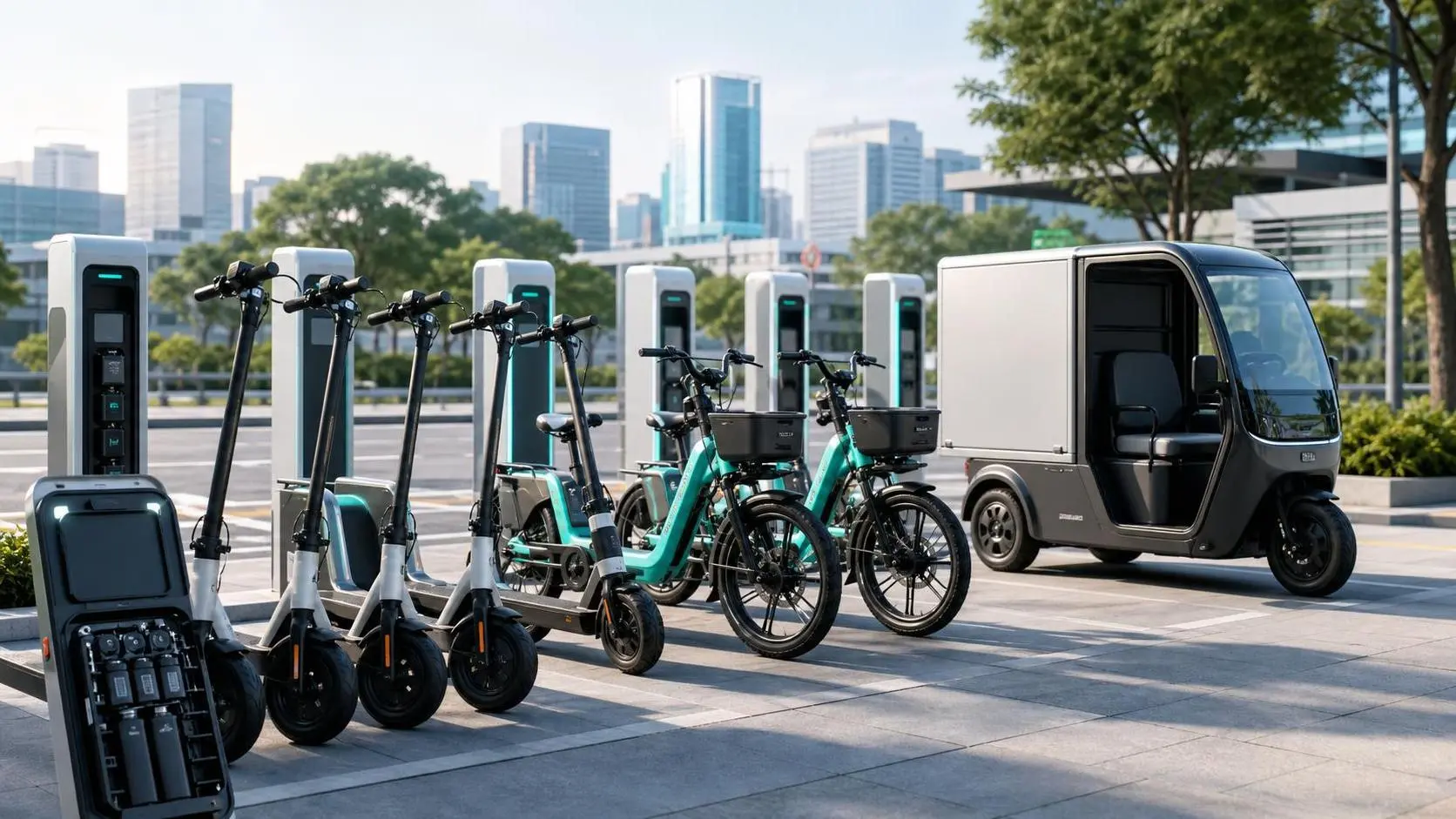
Micro-Mobility Trends Forecast: What Fleet Operators Should Watch Through 2030
Micro-mobility trends forecast for fleet operators through 2030: discover key shifts in batteries, regulation, durability, connectivity, and demand to reduce risk and scale smarter.
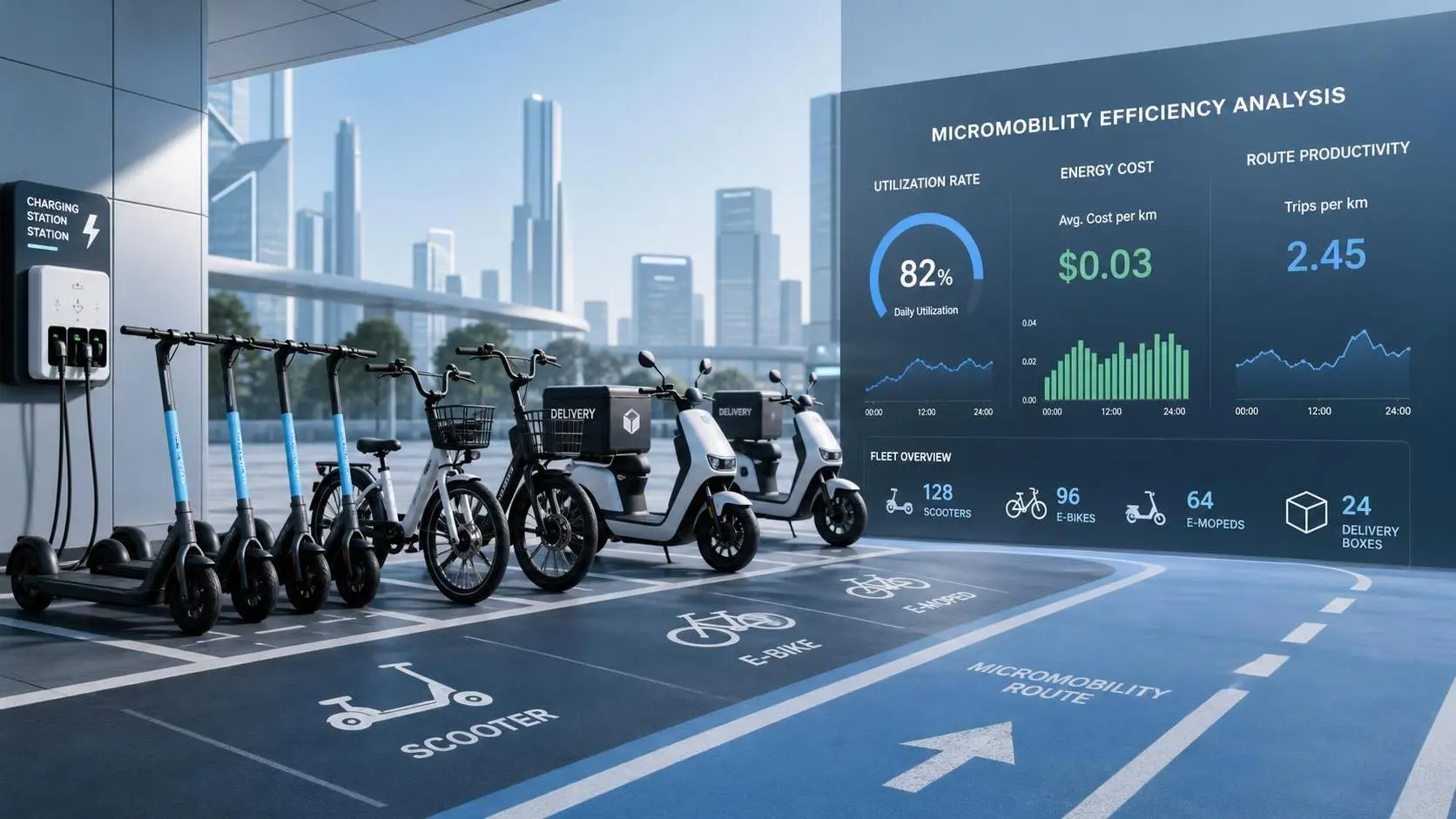
Mobility Efficiency Analysis: How to Measure Vehicle Use, Energy Cost, and Route Productivity
Mobility efficiency analysis reveals how to measure vehicle use, energy cost, and route productivity to cut waste, improve fleet performance, and make smarter urban mobility decisions.
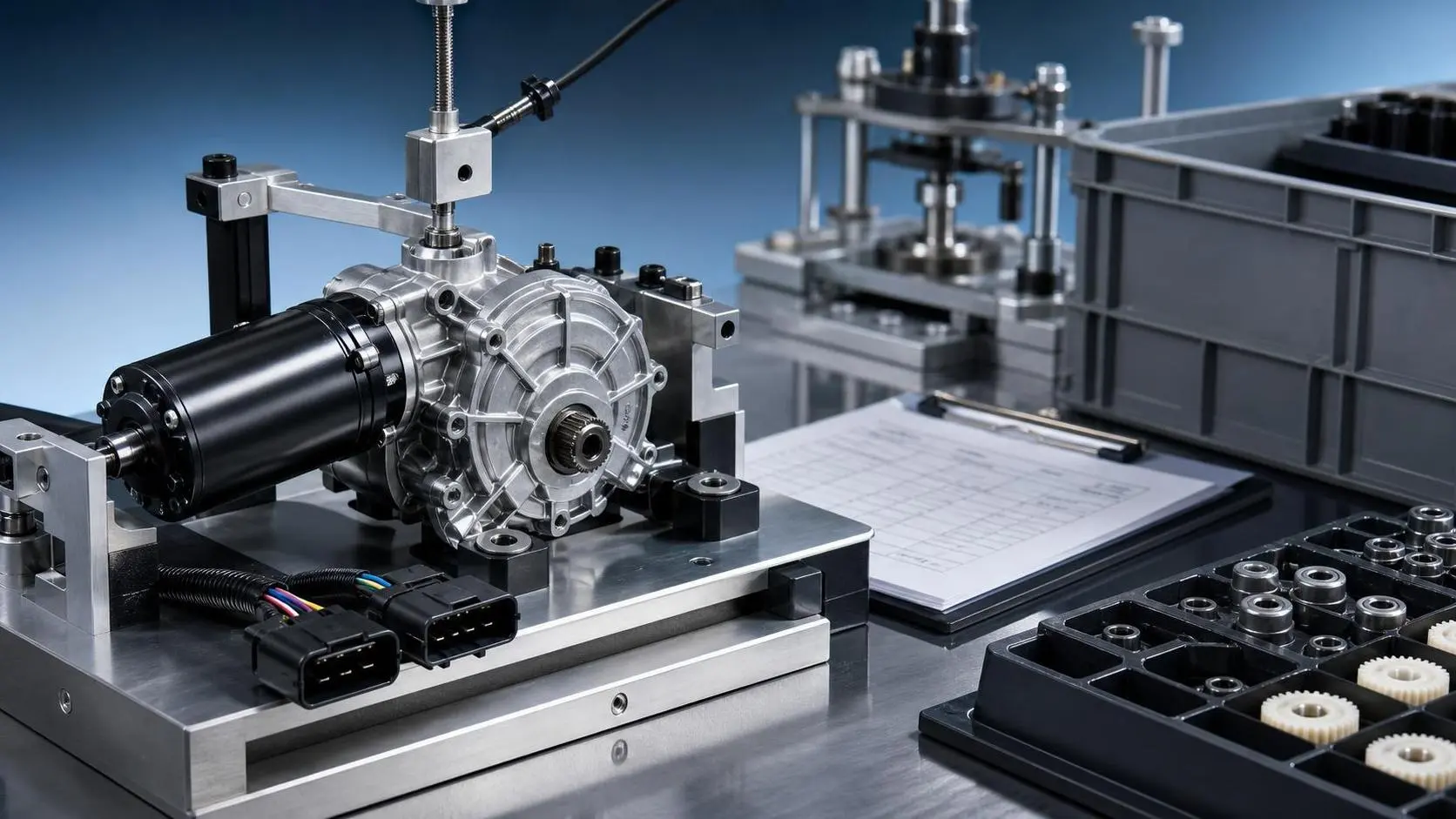
How to Evaluate a Brushless Wiper Motor Supplier for OEM Quality and Lead Time
Brushless wiper motor supplier selection made easier: learn how to assess OEM quality, engineering support, compliance, and lead time to reduce sourcing risk.
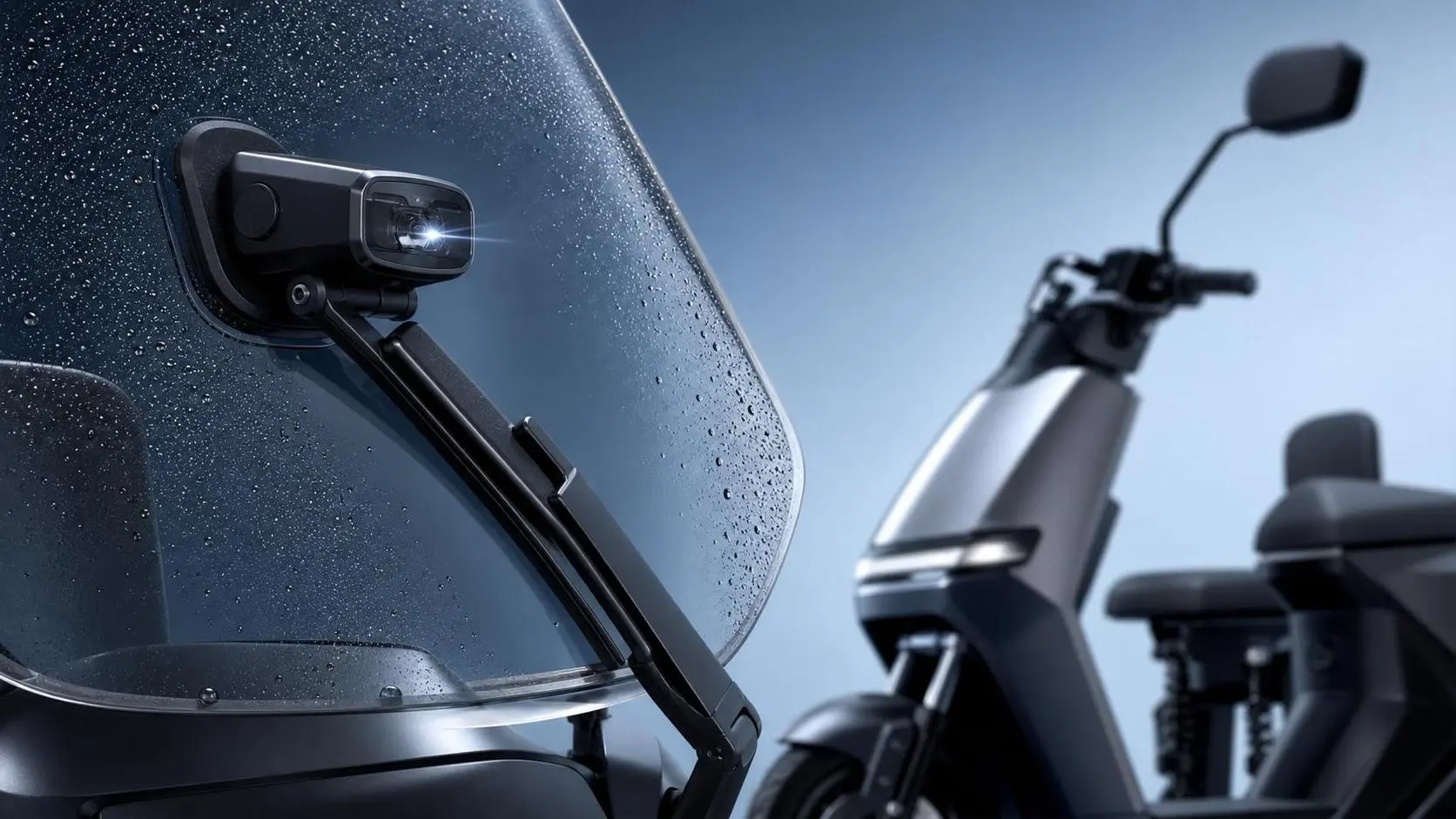
How Do Photoelectric Wiper Sensors Work and Where Are They Most Effective?
Photoelectric wiper sensors explained: learn how they detect rain, reduce false triggers, and deliver the best visibility gains in urban EVs, e-bikes, fleets, and smart mobility.
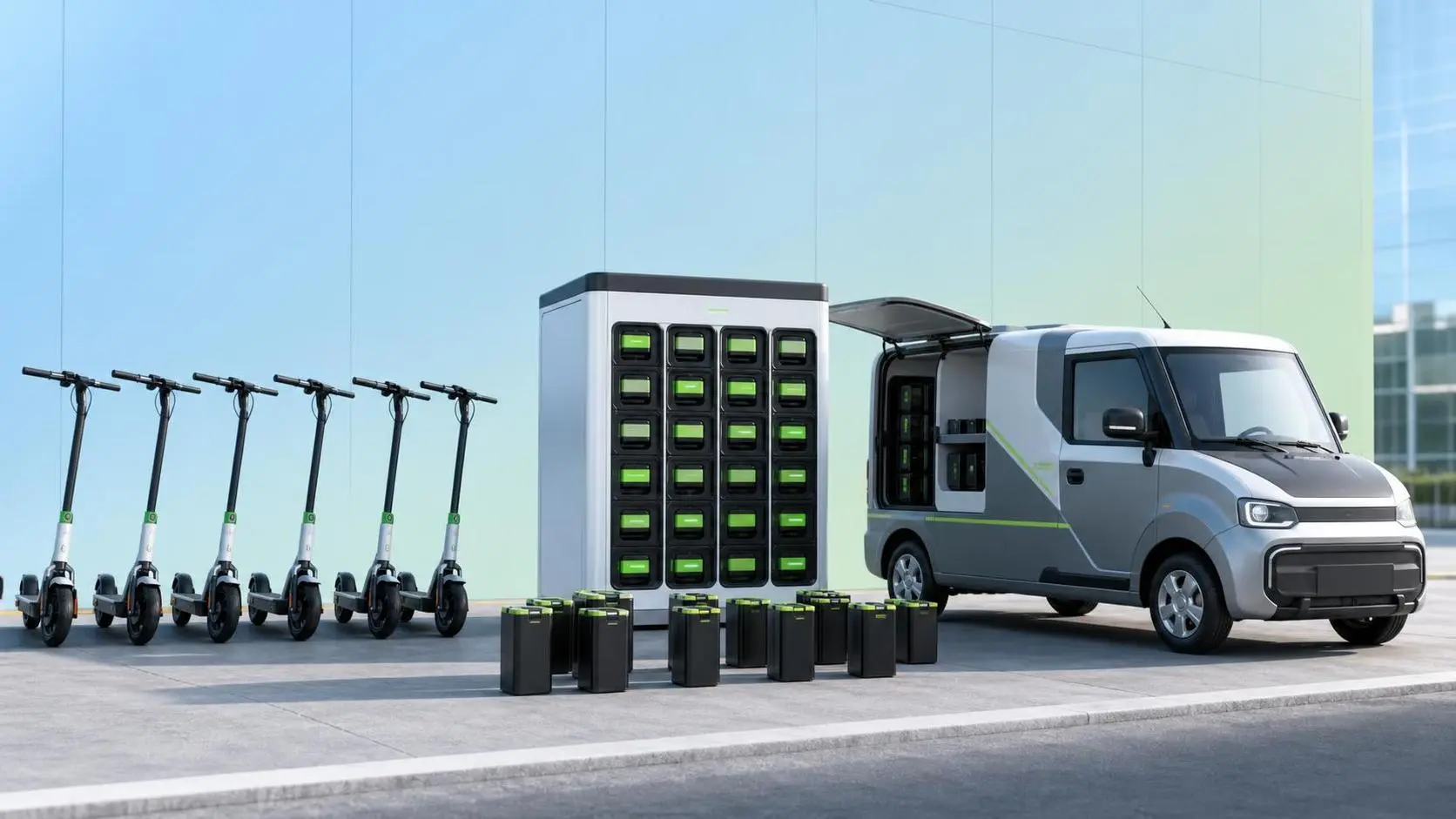
How Battery-Swapping Networks Reduce Downtime in Shared Fleet Scooter Operations
Battery-swapping networks cut scooter fleet downtime by speeding field turnaround, improving uptime in peak zones, and helping operators optimize labor, battery rotation, and service efficiency.
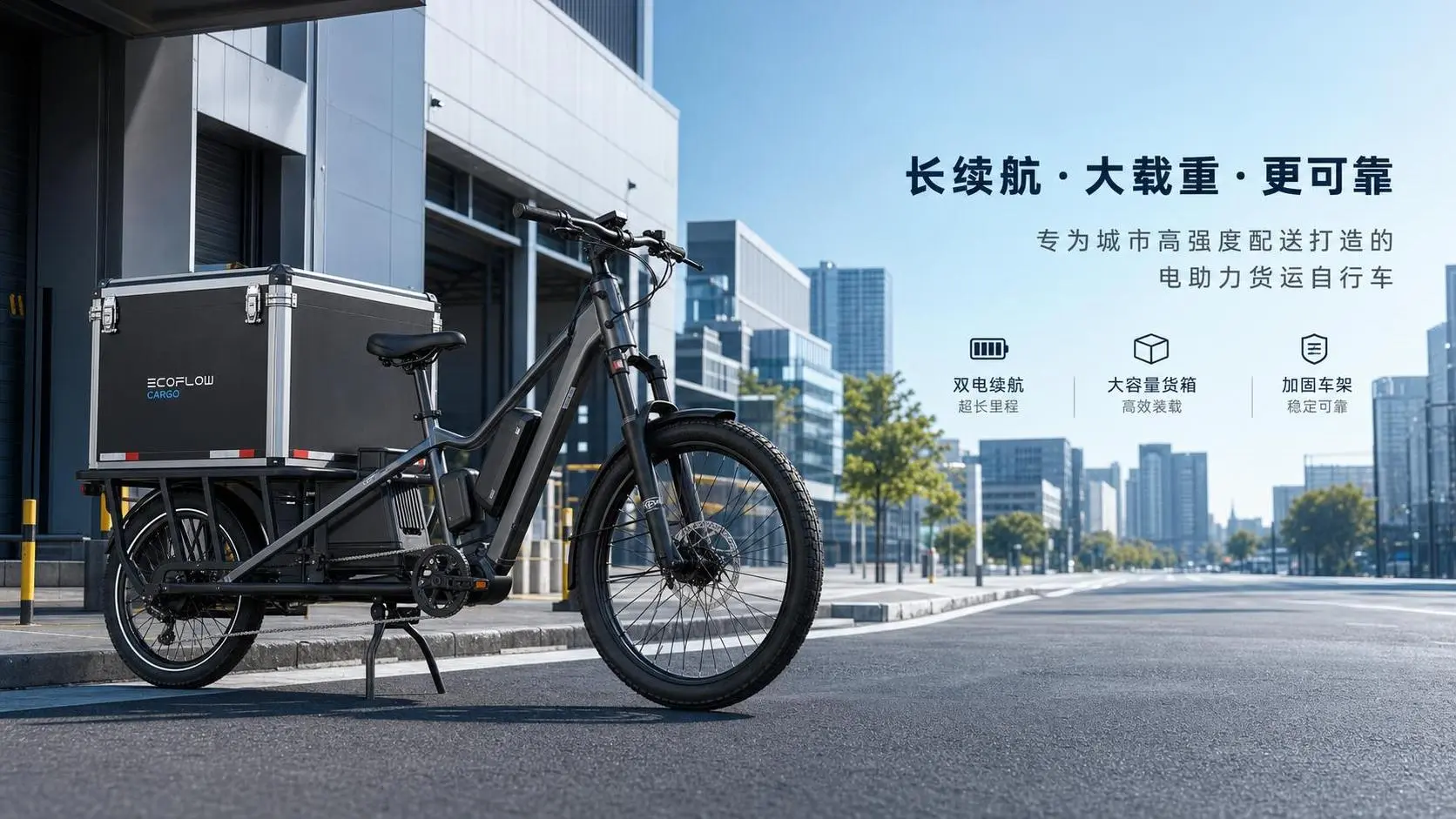
How to Choose a Long-Range Commercial Cargo E-Bike for Delivery Operations
Commercial cargo e-bike long range buying guide: learn how to assess battery, payload, route fit, and uptime support to choose a reliable delivery model with lower operating costs.
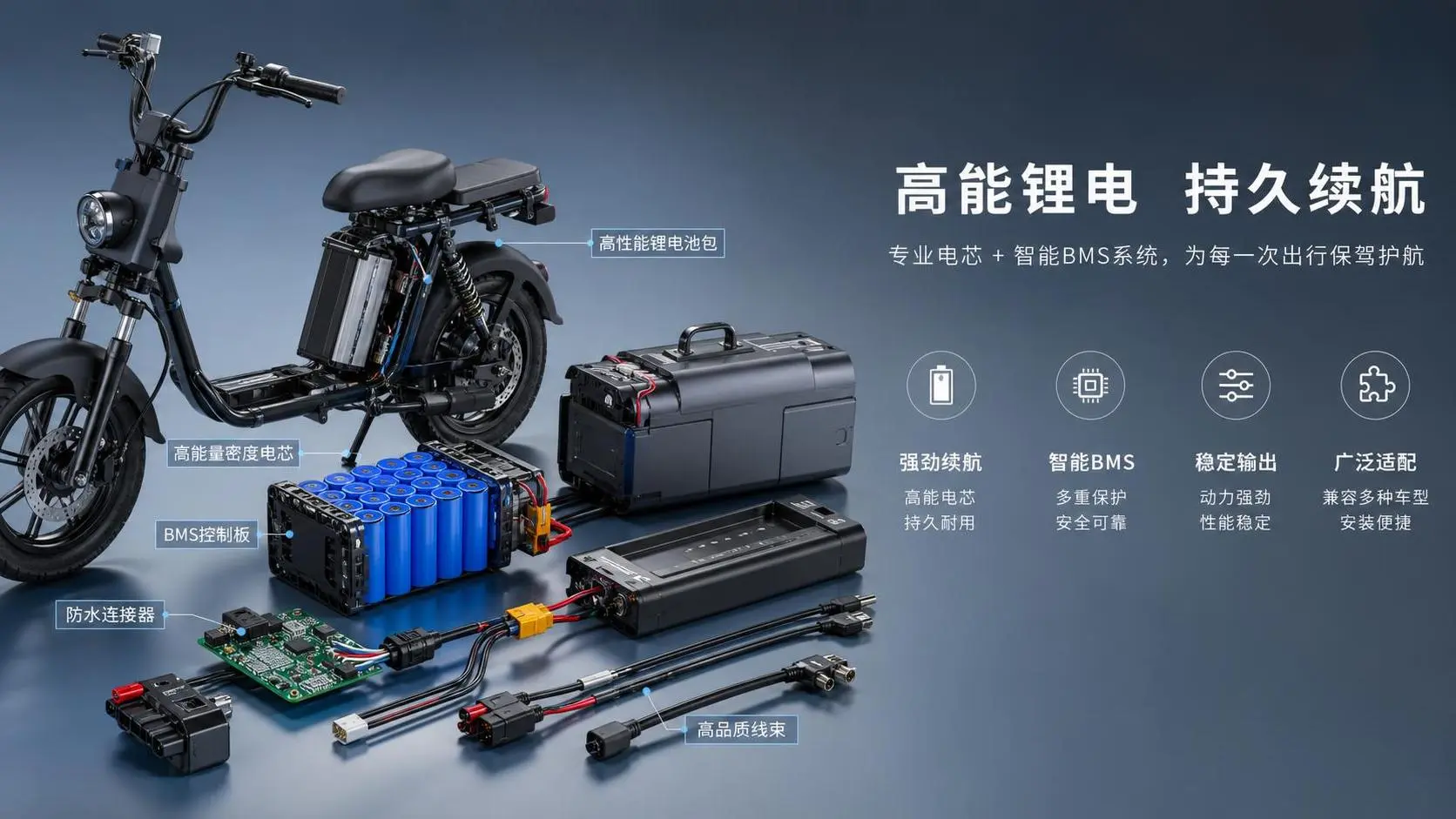
How to Select the Right E-Bike Battery Components for Range, Safety, and Fit?
E-bike component selection battery guide: learn how to choose the right battery components for better range, stronger safety, and perfect fit across modern e-bike platforms.
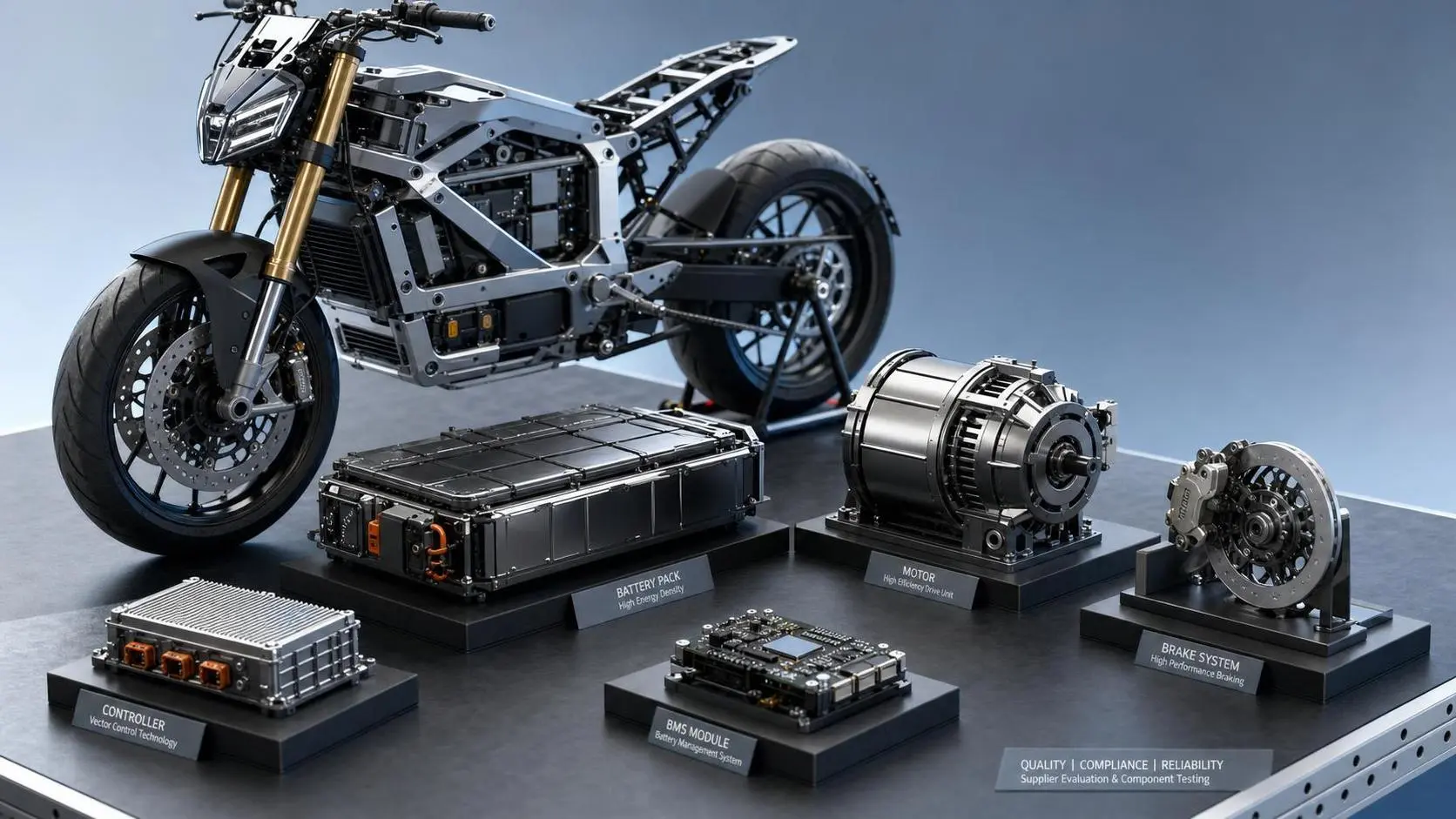
How to Evaluate Core Component Suppliers for Electric Motorcycles Before Sourcing?
Core component suppliers for electric motorcycles can make or break safety, compliance, and delivery. Learn how to assess technical strength, certifications, quality control, and hidden sourcing risks before you buy.