
Related News
- 00
0000-00
How Battery-Swapping Networks Reduce Downtime in Shared Fleet Scooter Operations - 00
0000-00
What Is the Intellectualization of Mobility Platform and How Is It Applied in Shared Fleets? - 00
0000-00
Where LED Urban Visibility Safety Systems Fit Best in Shared Scooters and City E-bikes - 00
0000-00
Green Transport Scooters for Urban Fleets: Which Specs Matter Most in Daily Use? - 00
0000-00
Micro-Mobility Solutions for Campuses: How to Choose the Right Fleet Model
Urban Transit Fellow
Weekly Insights
Stay ahead with our curated technology reports delivered every Monday.
How to Choose a Shared Scooters Supplier for Fleet Scale, Parts Supply, and After-Sales





How to Choose a Shared Scooters Supplier for Fleet Scale, Parts Supply, and After-Sales
Choosing the right shared scooters supplier can determine whether your fleet scales smoothly or stalls under parts shortages, service delays, and rising operating costs.
For procurement teams, the real decision goes far beyond unit price. It includes manufacturing depth, spare parts continuity, warranty execution, software support, and service responsiveness.
In practice, a low quoted price can hide expensive downtime later. A reliable shared scooters supplier helps protect uptime, rider safety, and total cost of ownership.
This guide breaks down how to assess supplier fit for fleet growth, parts planning, and after-sales resilience in a competitive shared mobility market.
Start with Fleet Scale, Not Just Sample Quality
A polished demo unit proves very little. The real question is whether the shared scooters supplier can deliver consistent quality across hundreds or thousands of vehicles.
Ask about monthly production capacity, lead times, and current factory utilization. A supplier already operating near its limit may struggle during seasonal demand spikes.
It is also worth checking supply chain concentration. If one battery vendor, motor source, or controller partner creates a bottleneck, expansion risk rises fast.
From a procurement perspective, scalability means repeatability. You want stable specifications, clear quality control records, and the ability to reproduce the same scooter across batches.
- Confirm annual and monthly production output.
- Review past fleet delivery volumes by region.
- Ask how component substitutions are approved.
- Check whether firmware stays consistent across batches.
Evaluate Spare Parts Supply as a Core Risk Area
For any shared mobility operator, spare parts continuity is often more important than initial hardware cost. A scooter parked for lack of parts generates zero revenue.
A dependable shared scooters supplier should provide a formal parts strategy. That includes wear parts, electronics, battery components, brake assemblies, tires, stems, fenders, and IoT modules.
Recent market shifts make this even more important. Freight volatility and compliance changes can quickly disrupt replacement cycles if the supplier has weak inventory planning.
Look for evidence of minimum stock commitments, regional warehousing, and parts forecasting support. Those details matter more than promises made during early negotiations.
Questions That Reveal Parts Reliability
- How many months of critical parts inventory are maintained?
- Which parts are stocked locally versus shipped internationally?
- What is the average parts lead time during peak season?
- Are parts standardized across multiple scooter models?
- Can the supplier share a recommended parts consumption model?
A strong shared scooters supplier treats parts planning as an uptime system, not a side business. That mindset usually shows up in better documentation and faster field recovery.
Look Beyond Hardware to Technical Service Depth
Shared scooter fleets are operating systems on wheels. Hardware, firmware, telematics, batteries, and repair workflows all interact in the field.
That is why technical support should be part of supplier scoring. A shared scooters supplier with strong engineering backup can shorten failure diagnosis and reduce repeat maintenance events.
In real operations, common issues involve controller behavior, battery communication, GPS accuracy, throttle faults, brake sensor alerts, and water ingress after heavy use.
When these problems appear, response speed matters. A slow support loop can leave a city launch underperforming for weeks.
- Ask for issue escalation workflows.
- Check whether remote diagnostics are available.
- Verify service manuals and repair videos.
- Review average response time for warranty claims.
- Confirm software and firmware update procedures.
The best shared scooters supplier is not simply a manufacturer. It acts like a long-term operating partner with the systems to support field performance.
Compare Total Cost of Ownership, Not Unit Price
This is where many procurement decisions go off track. The cheapest scooter may become the most expensive option once failures, labor, shipping, and downtime are counted.
A better approach is to compare total cost of ownership over twelve to twenty-four months. That creates a clearer picture of supplier value.
A capable shared scooters supplier usually wins on lifecycle economics. Better frame durability and stronger parts support can lower service cost every month.
This also means procurement teams should request field performance data, not just product brochures. Real operating data tells a much better story.
Review Warranty Terms with a Field Operations Lens
Warranty language can look impressive on paper but fail in practice. The details behind claim approval and replacement timing matter most.
A serious shared scooters supplier should define coverage by component, failure mode, documentation requirement, and response time. Ambiguity usually leads to disputes later.
Pay special attention to batteries, IoT hardware, controllers, and structural parts. These categories often carry the highest operational and financial impact.
What Strong After-Sales Usually Includes
- Clear component warranty periods.
- Defined turnaround times for claims.
- Root cause analysis for repeated failures.
- Advance replacement options for critical parts.
- Training for local maintenance teams.
If a shared scooters supplier cannot explain its after-sales workflow clearly, expect friction once the fleet is deployed at scale.
Check Compliance, Localization, and Market Readiness
Supplier selection also depends on where the fleet will operate. Safety rules, battery transport requirements, and road-use regulations vary across markets.
A qualified shared scooters supplier should understand local certification needs, charging standards, connectivity requirements, and component traceability expectations.
More importantly, localization should not stop at compliance documents. Spare parts labels, repair guides, dashboards, and support channels should also match the operating market.
This is often the difference between a smooth rollout and an expensive, slow-moving launch.
Build a Practical Supplier Scorecard
A structured scorecard helps turn supplier selection into a repeatable procurement decision. It also reduces the risk of choosing based on sales presentation alone.
Score each shared scooters supplier across capacity, parts continuity, service capability, warranty execution, compliance readiness, and lifecycle cost.
Then compare evidence, not claims. Factory audits, reference accounts, pilot results, and service records should carry more weight than pricing slides.
- Shortlist suppliers with proven shared fleet experience.
- Run a pilot with measurable uptime targets.
- Validate spare parts response during the pilot.
- Review after-sales performance before scaling orders.
- Negotiate service levels into the final contract.
In today’s market, the best shared scooters supplier is the one that protects uptime, supports expansion, and keeps operating cost predictable.
If the goal is long-term fleet performance, choose the partner that can deliver scooters, parts, and after-sales support with equal consistency. That is what truly scales.
Related News
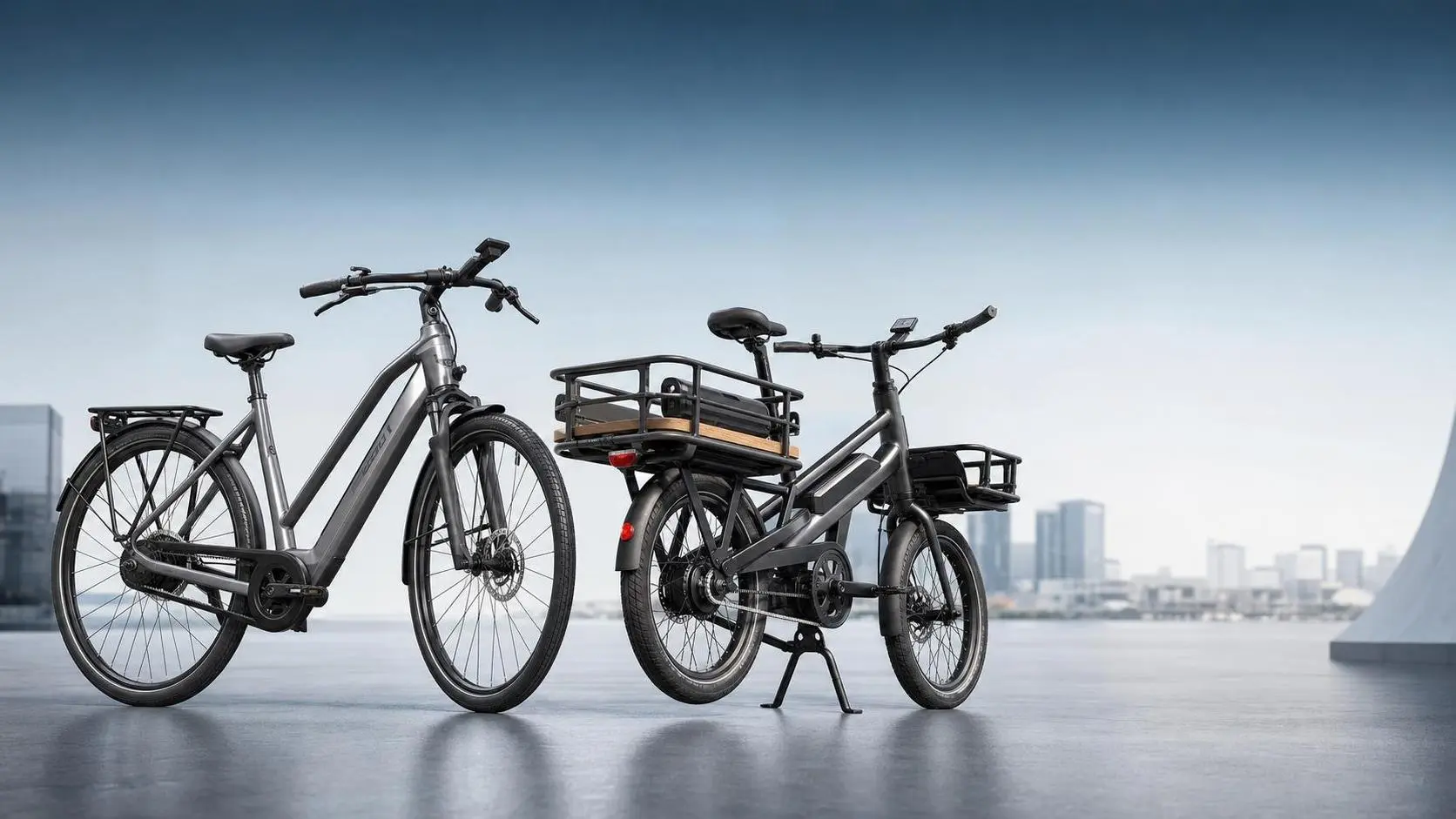
How to Evaluate Low-Maintenance Gearing Options for Europe’s Urban and Utility E-Bikes
low-maintenance gearing Europe explained: compare hub, belt, chain, and protected systems for urban and utility e-bikes to cut service needs, improve uptime, and choose the right setup.
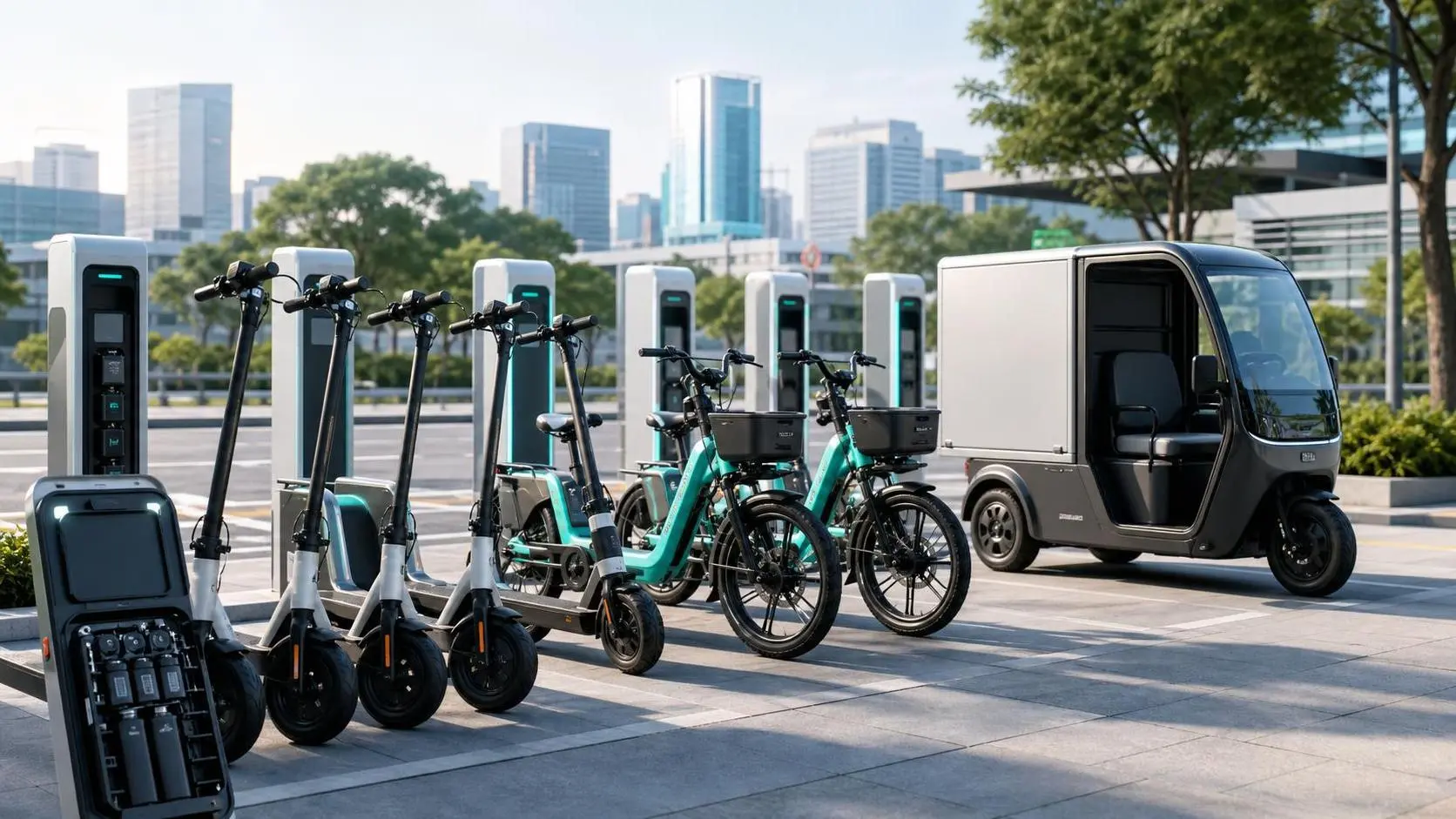
Micro-Mobility Trends Forecast: What Fleet Operators Should Watch Through 2030
Micro-mobility trends forecast for fleet operators through 2030: discover key shifts in batteries, regulation, durability, connectivity, and demand to reduce risk and scale smarter.
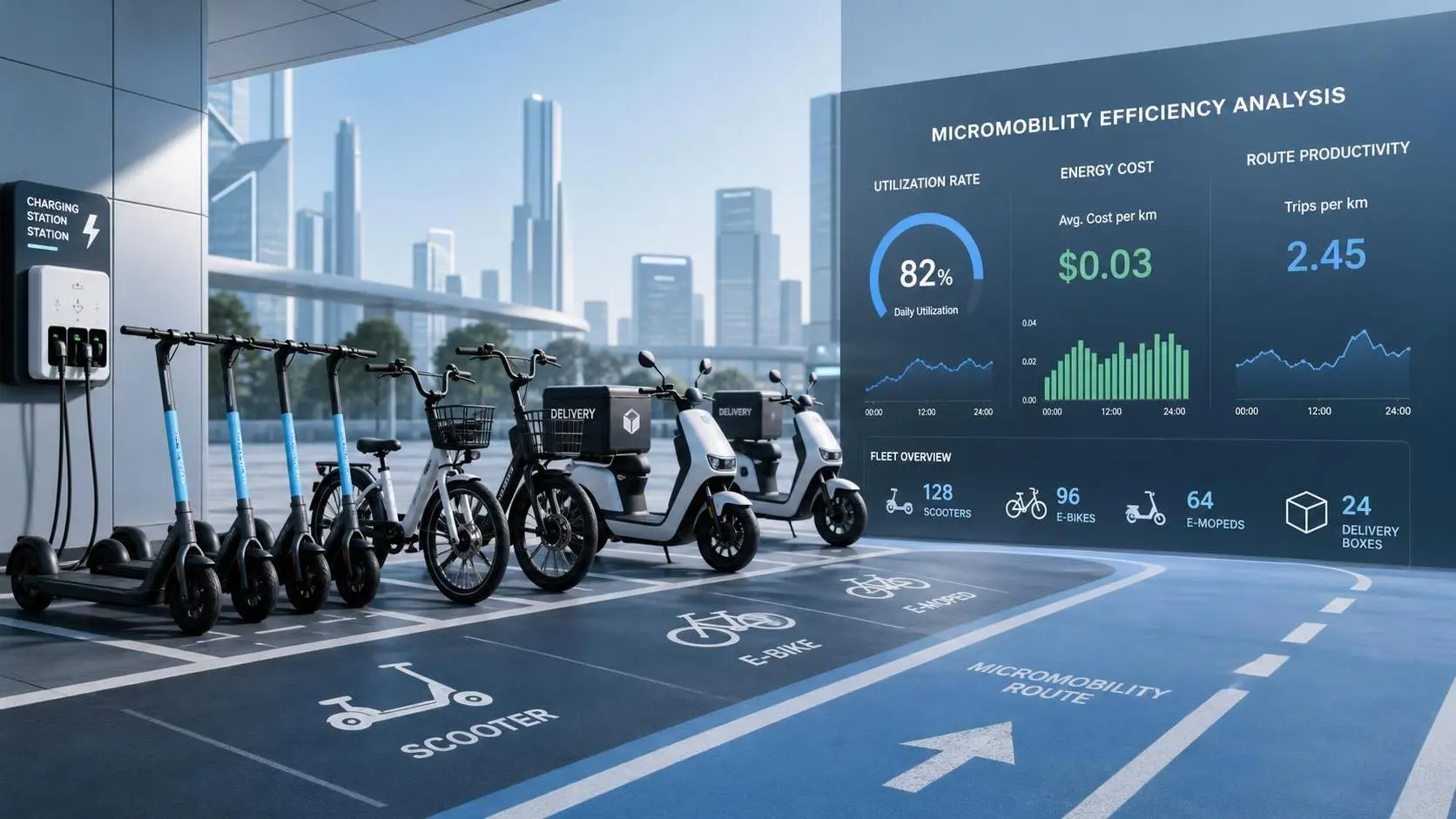
Mobility Efficiency Analysis: How to Measure Vehicle Use, Energy Cost, and Route Productivity
Mobility efficiency analysis reveals how to measure vehicle use, energy cost, and route productivity to cut waste, improve fleet performance, and make smarter urban mobility decisions.
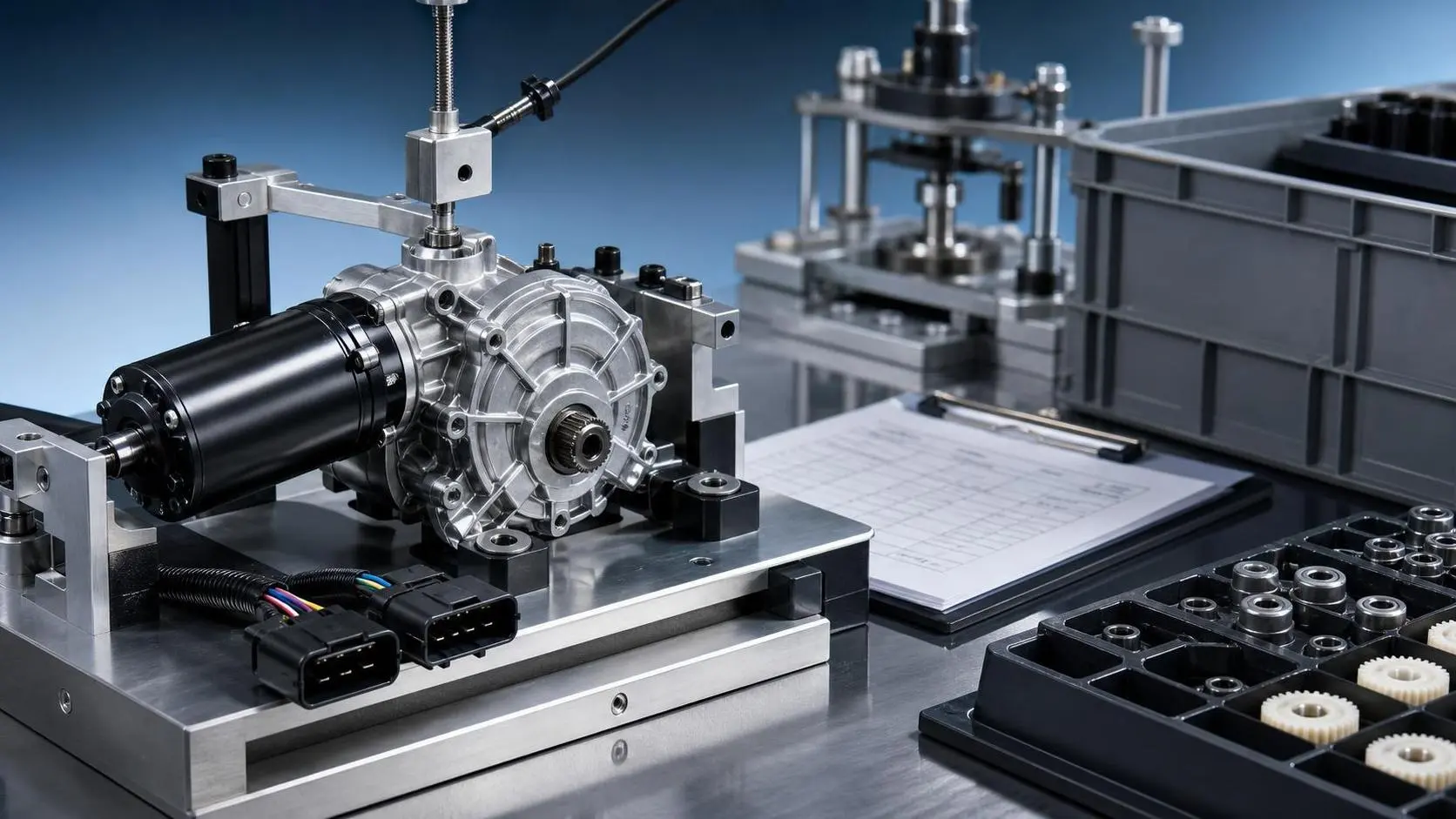
How to Evaluate a Brushless Wiper Motor Supplier for OEM Quality and Lead Time
Brushless wiper motor supplier selection made easier: learn how to assess OEM quality, engineering support, compliance, and lead time to reduce sourcing risk.

How Do Photoelectric Wiper Sensors Work and Where Are They Most Effective?
Photoelectric wiper sensors explained: learn how they detect rain, reduce false triggers, and deliver the best visibility gains in urban EVs, e-bikes, fleets, and smart mobility.

How Battery-Swapping Networks Reduce Downtime in Shared Fleet Scooter Operations
Battery-swapping networks cut scooter fleet downtime by speeding field turnaround, improving uptime in peak zones, and helping operators optimize labor, battery rotation, and service efficiency.
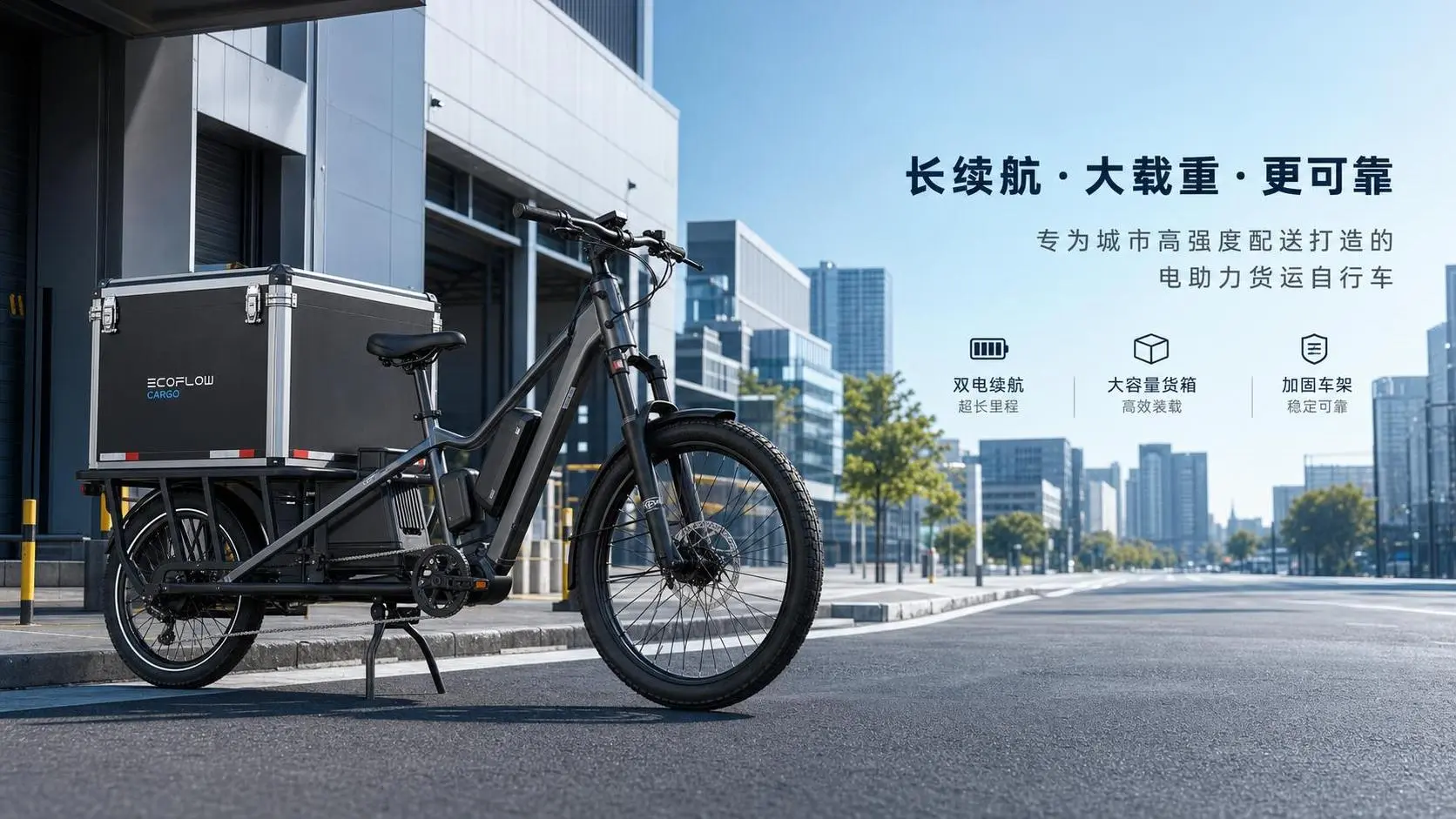
How to Choose a Long-Range Commercial Cargo E-Bike for Delivery Operations
Commercial cargo e-bike long range buying guide: learn how to assess battery, payload, route fit, and uptime support to choose a reliable delivery model with lower operating costs.
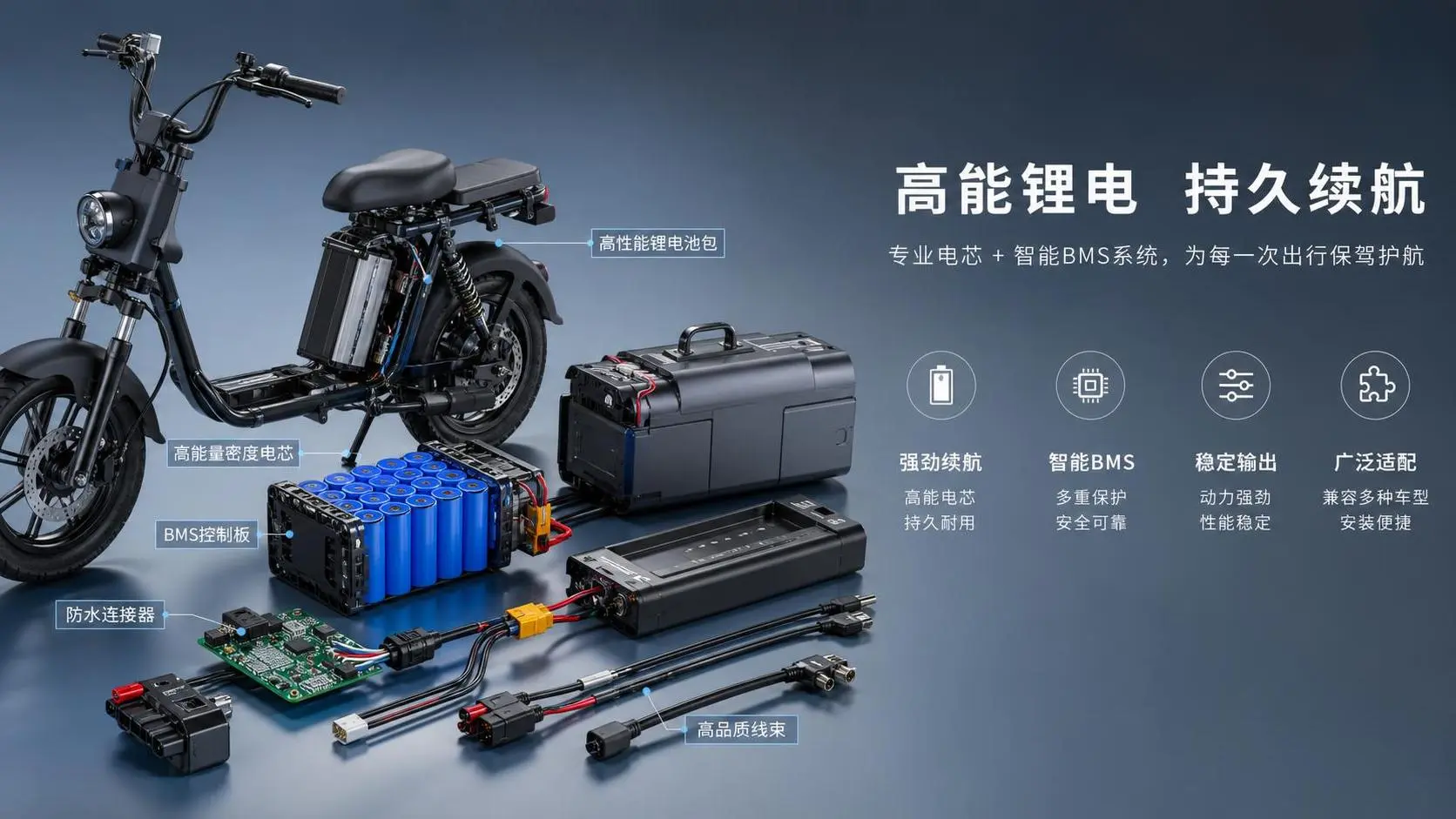
How to Select the Right E-Bike Battery Components for Range, Safety, and Fit?
E-bike component selection battery guide: learn how to choose the right battery components for better range, stronger safety, and perfect fit across modern e-bike platforms.
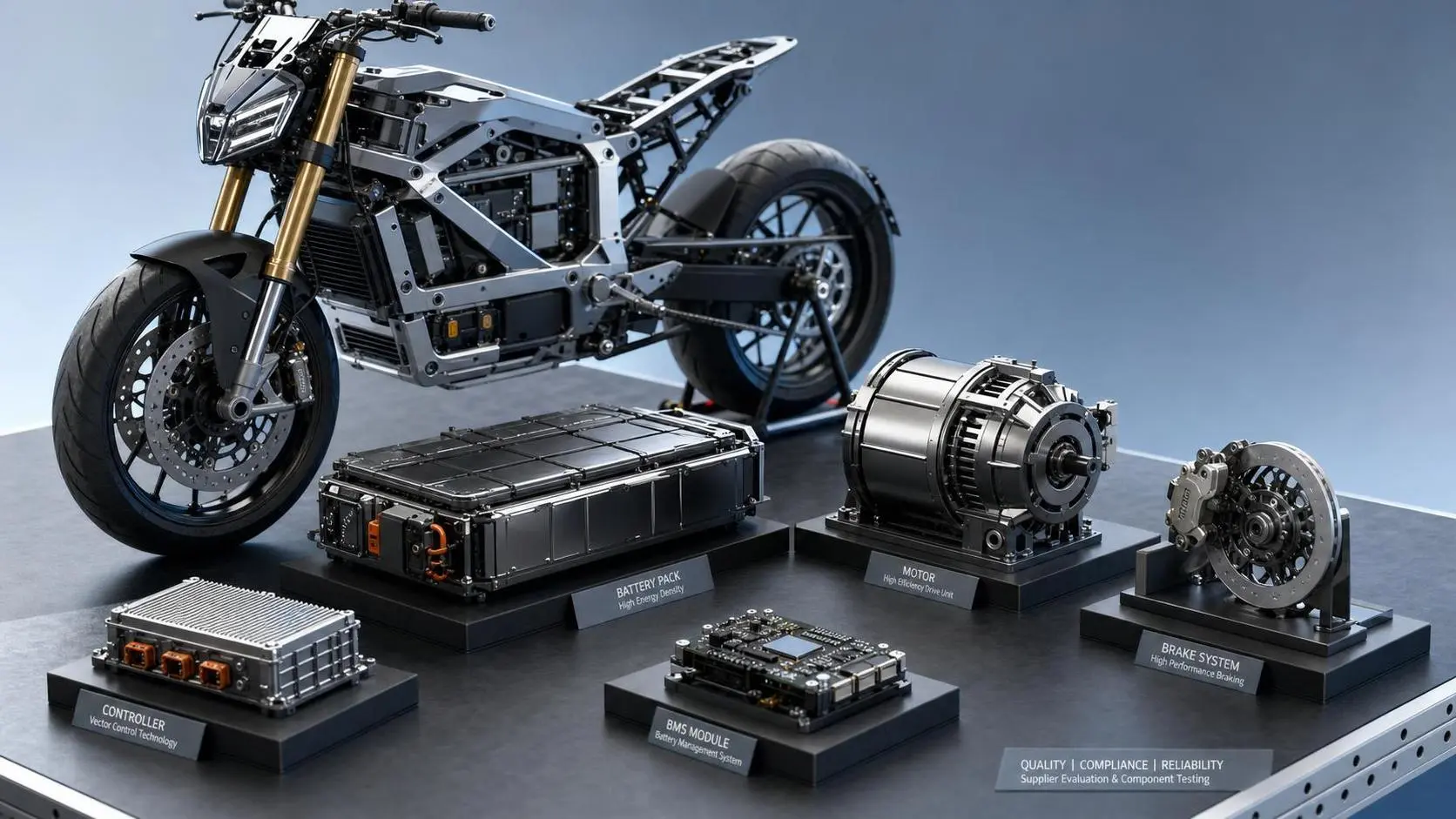
How to Evaluate Core Component Suppliers for Electric Motorcycles Before Sourcing?
Core component suppliers for electric motorcycles can make or break safety, compliance, and delivery. Learn how to assess technical strength, certifications, quality control, and hidden sourcing risks before you buy.