
Related News
- 00
0000-00
How to Evaluate a Brushless Wiper Motor Supplier for OEM Quality and Lead Time - 00
0000-00
How Do Photoelectric Wiper Sensors Work and Where Are They Most Effective? - 00
0000-00
How to Evaluate Core Component Suppliers for Electric Motorcycles Before Sourcing? - 00
0000-00
Electric Motorcycle Systems Price Breakdown: What Affects Cost From Battery to Controller? - 00
0000-00
Micro-mobility Systems Explained: Core Components, Operating Models, and City Use Cases
Ms. Elena Rodriguez
Weekly Insights
Stay ahead with our curated technology reports delivered every Monday.
How to Evaluate a Brushless Wiper Motor Supplier for OEM Quality and Lead Time





How to Evaluate a Brushless Wiper Motor Supplier for OEM Quality and Lead Time
Choosing the right brushless wiper motor supplier can directly affect OEM product reliability, compliance, and delivery performance. For procurement teams balancing cost, quality, and lead time, a structured evaluation process is essential. This guide explains how to assess manufacturing capability, quality control, engineering support, and supply chain responsiveness so you can reduce sourcing risk and secure a supplier that supports long-term production goals.
If you are sourcing for OEM programs, the mistake is usually not picking the highest-priced supplier or the cheapest one. It is buying from a supplier that looks capable in a quotation sheet but falls apart when drawings change, validation starts, or delivery ramps. A brushless wiper motor is not just a motor. It sits inside a visibility safety system, often with tight packaging limits, noise targets, duty-cycle requirements, and weather exposure concerns. That means supplier evaluation has to go beyond price and sample performance.
What follows is the checklist most buyers end up building after one difficult launch.
Start with application fit, not the catalog
Before comparing suppliers, lock down your own use case. Procurement teams often send RFQs with only voltage, torque, and annual volume. That is not enough for a useful comparison.
- Vehicle type or platform: passenger car, commercial vehicle, specialty equipment, or micro-mobility-adjacent weather protection module.
- Operating voltage and current limits.
- Required torque across wet, dry, icing, or contaminated windshield conditions.
- Duty cycle, sweep angle, parking accuracy, and expected service life.
- Environmental exposure: water ingress, salt spray, vibration, low temperature start-up, EMC expectations.
- Interface needs: LIN, CAN, hall sensing, controller integration, connector type, bracket geometry.
A credible brushless wiper motor supplier will ask for these details early. If they do not, that is usually a warning sign. Either they are quoting a standard part and hoping it works, or the sales side is disconnected from engineering.
Check whether they actually build brushless systems, not just assemble motors
For OEM sourcing, “brushless motor supplier” can mean several very different businesses. Some wind stators and assemble motors in-house. Some buy the motor core and add gearbox, housing, and connectors. Some are mainly traders with good English communication and weak factory control.
Ask directly what is made in-house and what is outsourced. You want clarity on rotor balancing, stator winding, magnet sourcing, controller integration, gear train assembly, end-of-line testing, and potting or sealing processes where applicable. A supplier with partial outsourcing is not automatically a bad choice, but the risk profile changes. More outsourced steps usually mean longer engineering loops and less control over lead time recovery when something slips.
One practical check: ask them to walk through their process from incoming material to shipment. People who own the process can explain bottlenecks in plain language. People who do not usually stay vague.
Quality systems matter, but only if they show up on the shop floor
Procurement teams often start with certification filters. That is reasonable, but certificates are only a screening step. For automotive or near-automotive programs, buyers commonly look for IATF 16949 and ISO 9001 depending on the target market and product category. Environmental compliance paperwork such as RoHS or REACH may also matter, depending on where the finished product is sold. UL, CE, or other marks may be relevant for the final system, but not every motor component carries a standalone mark, so verify the exact compliance boundary instead of assuming it.
Then go one level deeper. Ask for the control plan, PFMEA status, incoming inspection standards, traceability method, and end-of-line test coverage. You do not need every confidential detail, but you do need evidence that the supplier controls the failure modes that usually hurt brushless wiper motor programs:
- Noise and vibration drift after endurance testing
- Water ingress at connectors, seals, or housing joints
- Parking position inconsistency
- Controller overheating or unstable commutation
- Gear wear, backlash growth, or torque loss over life
- Lot-to-lot variation in magnets, bearings, or electronics
If the supplier says “we test 100%” but cannot say what parameters are measured and what the reject criteria are, treat that as incomplete, not reassuring.
Look at engineering response time before you look at unit price too closely
A low quoted price is easy to lose back during development. If your supplier takes ten days to answer a tolerance question, or three weeks to return a revised drawing, your launch cost goes up even if the part price looks good.
In early evaluation, watch how they handle basic engineering interactions:
- Do they review your specifications and point out missing inputs?
- Can they discuss trade-offs between torque, noise, current draw, and package size without defaulting to “customizable”?
- Will they support DFM, DFMEA input, and validation planning?
- Can they provide 2D and 3D data quickly enough for bracket and packaging checks?
This is where experienced buyers separate a usable OEM supplier from a sample-friendly one. For programs with changing geometry or controller logic, engineering response time can matter more than a small difference in ex-works price.
Audit lead time by component chain, not by the promise on the quote
Every supplier says lead time is stable until one of three things breaks: magnets, semiconductors, or tooling capacity. With brushless assemblies, electronics and magnetic materials can change the whole schedule.
Ask for a lead-time breakdown. Not a single number. You want to see raw material, key component, assembly, testing, and buffer assumptions. If they cannot show the path, they probably cannot manage the path.
If the supplier serves both automotive and industrial customers, ask how your orders are prioritized during shortages. Buyers often skip this question and discover later that a “strategic account” somewhere else gets the first allocation.
Ask for evidence from testing, not just claims from sales
For a brushless wiper motor supplier, sample approval should not stop at “it runs.” Ask what validation data is available and what still needs to be confirmed for your use case. Typical evidence may include endurance testing, temperature cycling, ingress testing, vibration testing, and electrical performance checks. Exact test methods and pass criteria should match your program specification or agreed standards, not generic internal labels.
Be careful with borrowed test reports. It is common for suppliers to show data from a similar platform. That can be useful directionally, but it is not proof for your configuration, especially when bracket loads, linkage geometry, controller tuning, or sealing details differ.
A practical sourcing habit: ask for the latest 8D example or customer complaint closure format with confidential details removed. You are not looking for a perfect history. You are looking for whether they diagnose root cause properly and whether corrective action stays at the process level instead of “operator retraining” every time.
Cost comparison needs a full landed view
This is where procurement decisions often drift. A supplier can look 6% cheaper on unit price and still cost more over twelve months.
When comparing offers, include:
- Tooling charges and amortization terms
- Validation sample cost and re-sample cost after design changes
- Packaging method and damage risk in transit
- Incoterms, freight volatility, customs duties, and local compliance handling
- Warranty exposure and field return process
- Cost of line stoppage if delivery performance slips
For international programs, regional differences matter. A supplier that is competitive for Europe may be slower or costlier for North America once logistics and regulatory paperwork are included. For some markets, local warehousing or consignment support can outweigh a slightly higher ex-factory price.
Do not skip change-control discipline
This is a quiet risk, but it causes expensive problems. Ask how the supplier manages engineering changes, sub-supplier changes, firmware revisions if applicable, and material substitutions. If magnets, bearings, grease, connectors, or MOSFETs change without formal notification, your approved sample can drift away from production reality.
You want a documented process for change notice timing, revalidation triggers, and traceability by production lot. If your OEM program requires PPAP or a similar approval flow, confirm whether the supplier has worked within that discipline before. If not, budget extra time. The learning curve is real.
Factory visit signals are still hard to fake
A site audit still tells you things a presentation deck will not. Even a short visit can reveal whether the operation is organized, whether traceability is live or staged for visitors, and whether production and engineering actually talk to each other.
During the visit, pay attention to simple details: labeled WIP, calibration status, segregation of rejected parts, ESD control where electronics are handled, test station repeatability, and whether operators know what critical characteristics they are controlling. None of this is glamorous, but it is usually where delivery and quality outcomes start.
If an on-site visit is not feasible, request a live remote audit with real-time walkthroughs. Edited factory videos are useful marketing, not process evidence.
A short decision filter that works
When the long list becomes hard to manage, narrow the decision to a few questions:
- Can this supplier explain my application risks better than I can?
- Do they control the critical parts of quality, or mostly coordinate others?
- Have they shown enough evidence that their lead time is engineered, not optimistic?
- If demand doubles or a component goes short, do I know what happens next?
If two suppliers are close, the better choice is usually the one with clearer process control, faster engineering feedback, and fewer hidden dependencies. In OEM sourcing, those factors age better than a narrow price win.
A good brushless wiper motor supplier is not simply one that can ship parts. It is one that can hold performance through validation, communicate honestly when assumptions break, and recover fast when the supply chain gets messy. That is what procurement should be buying.
Related News
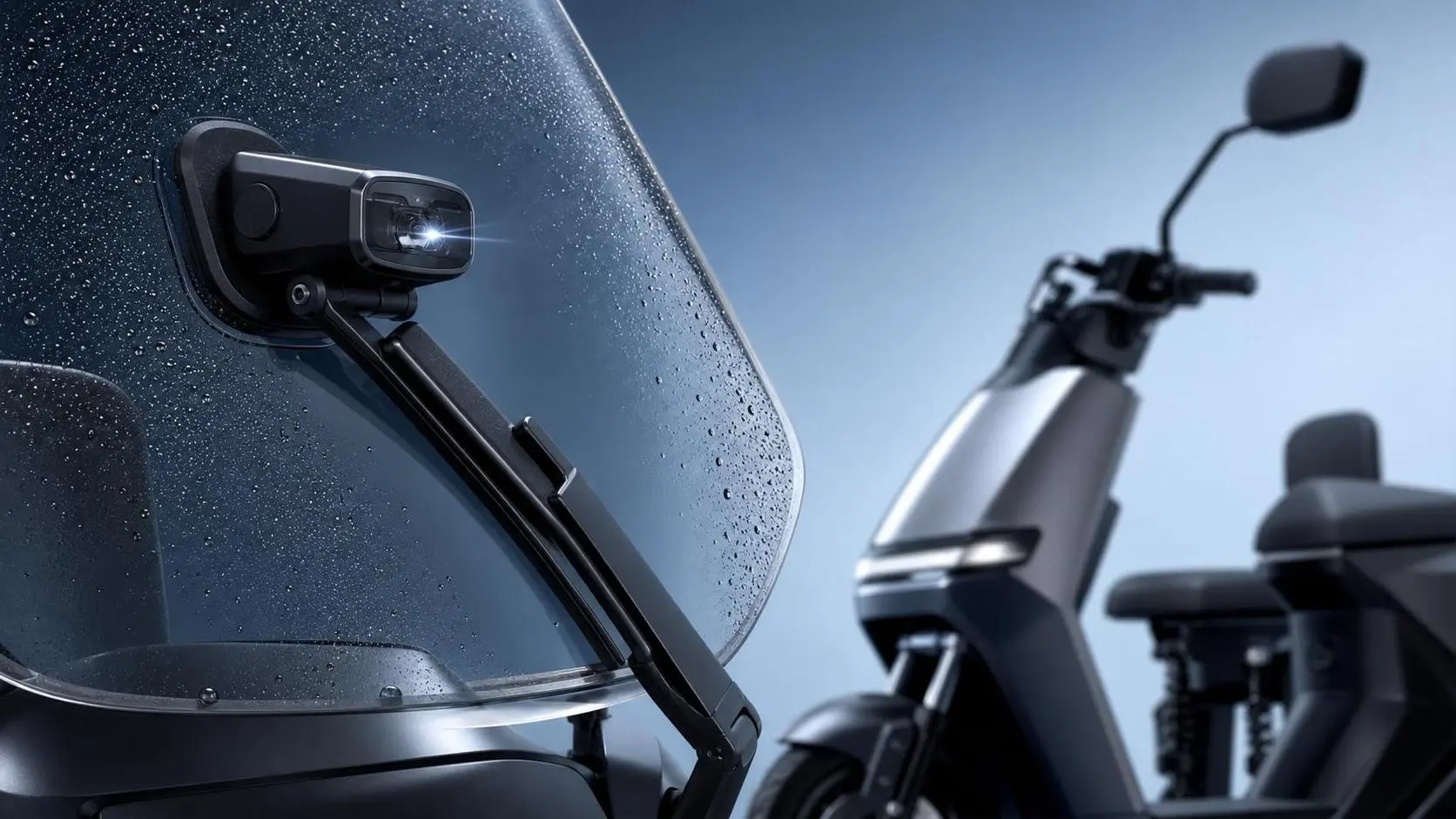
How Do Photoelectric Wiper Sensors Work and Where Are They Most Effective?
Photoelectric wiper sensors explained: learn how they detect rain, reduce false triggers, and deliver the best visibility gains in urban EVs, e-bikes, fleets, and smart mobility.
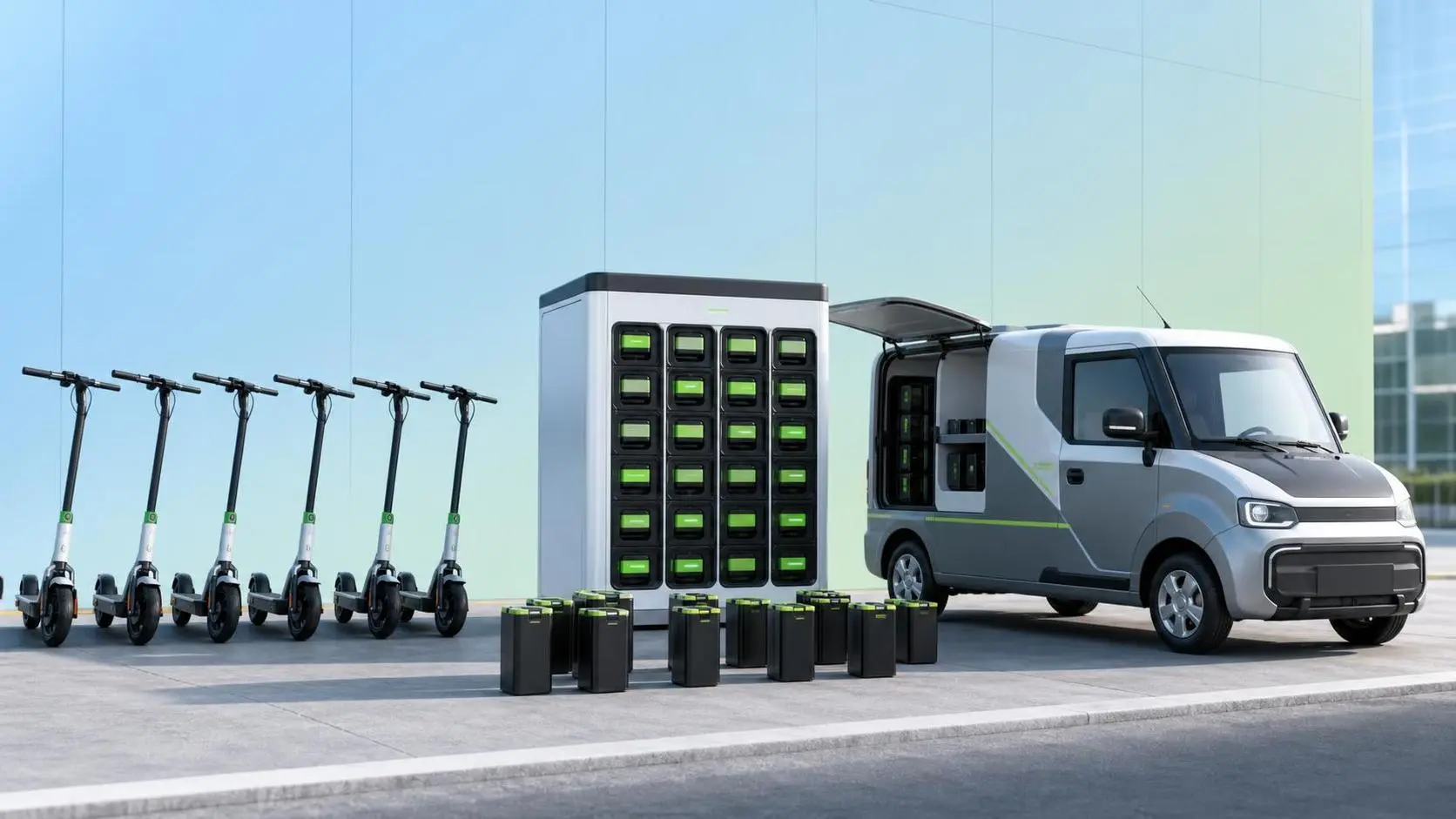
How Battery-Swapping Networks Reduce Downtime in Shared Fleet Scooter Operations
Battery-swapping networks cut scooter fleet downtime by speeding field turnaround, improving uptime in peak zones, and helping operators optimize labor, battery rotation, and service efficiency.
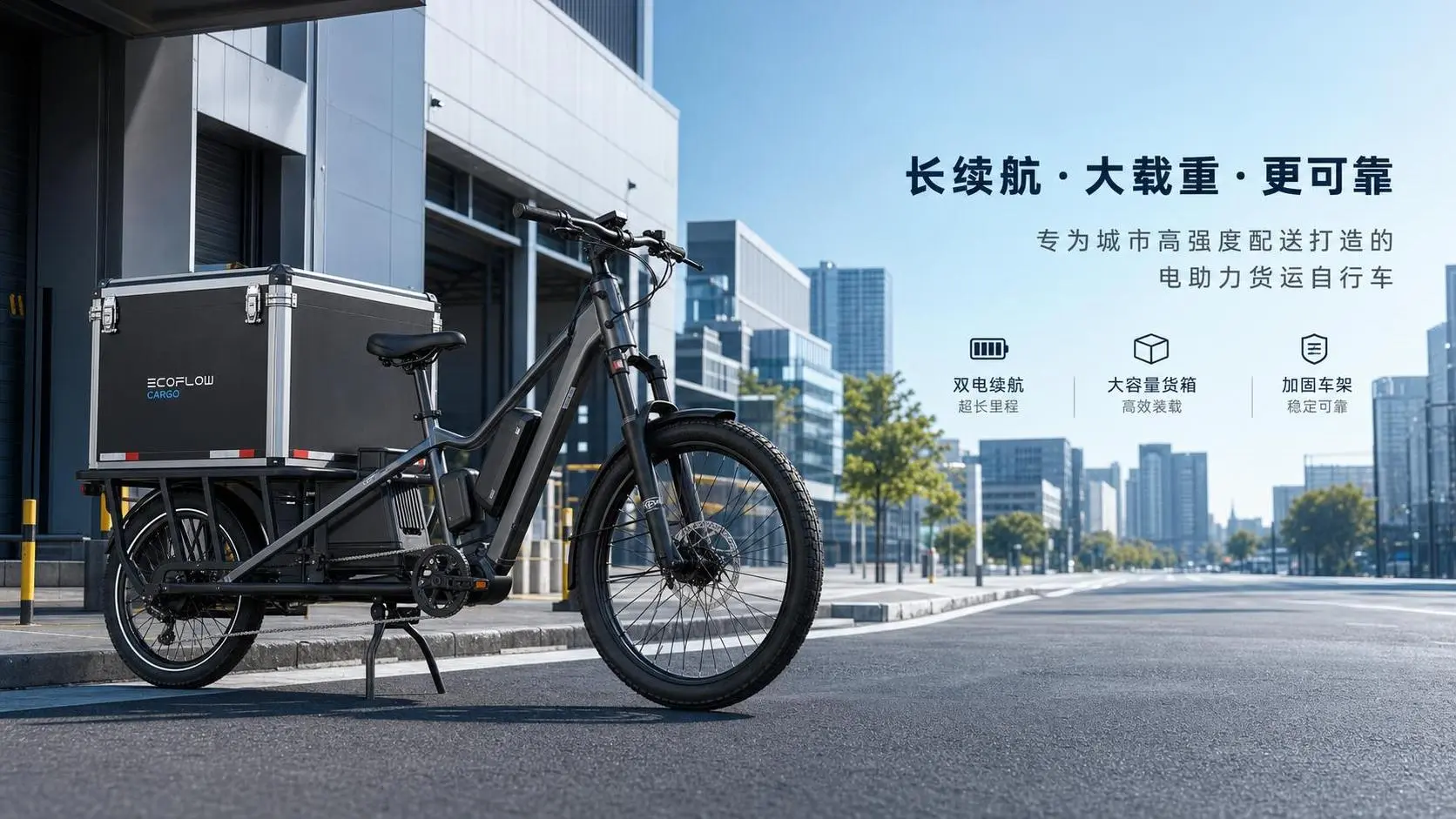
How to Choose a Long-Range Commercial Cargo E-Bike for Delivery Operations
Commercial cargo e-bike long range buying guide: learn how to assess battery, payload, route fit, and uptime support to choose a reliable delivery model with lower operating costs.
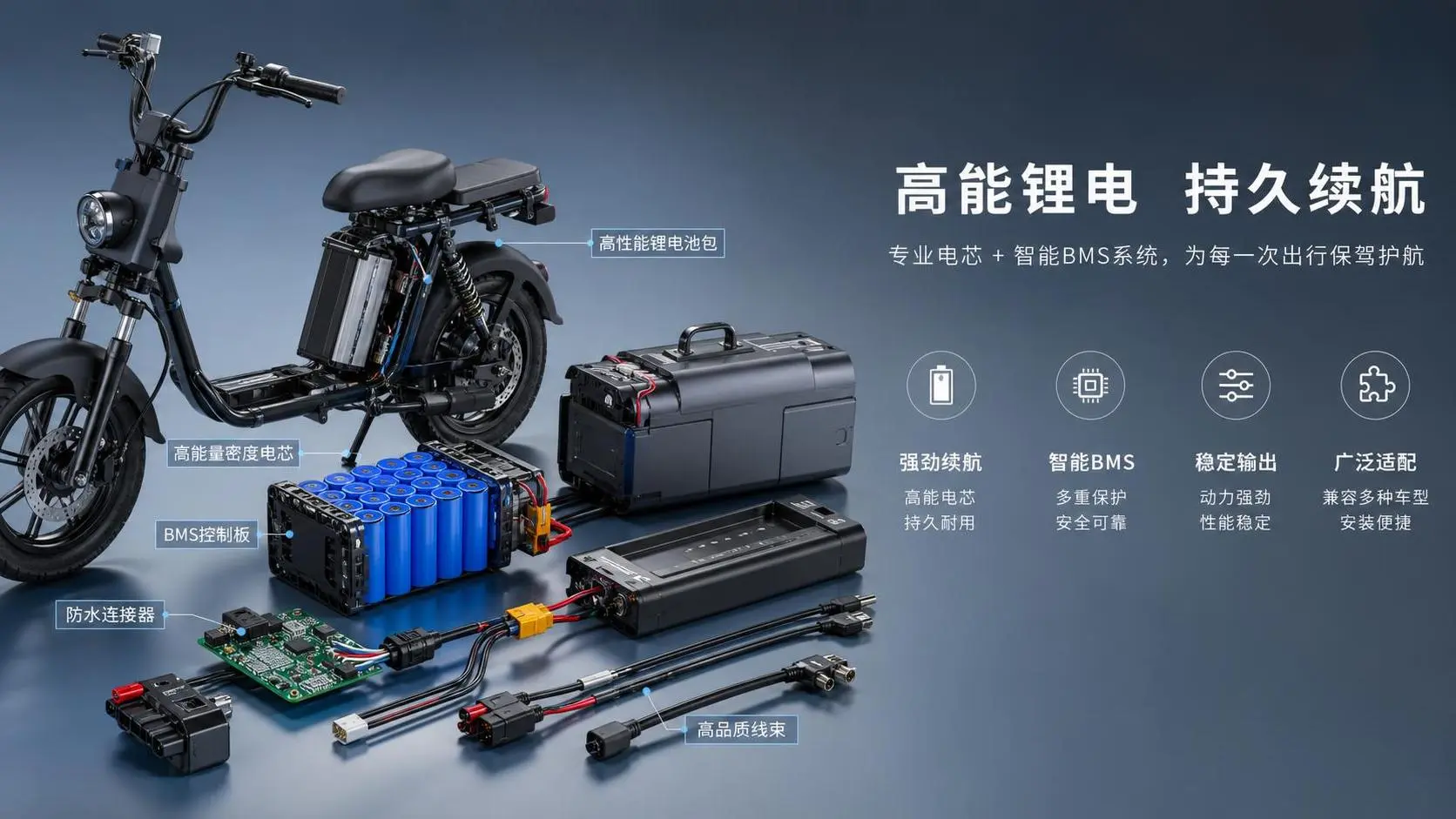
How to Select the Right E-Bike Battery Components for Range, Safety, and Fit?
E-bike component selection battery guide: learn how to choose the right battery components for better range, stronger safety, and perfect fit across modern e-bike platforms.
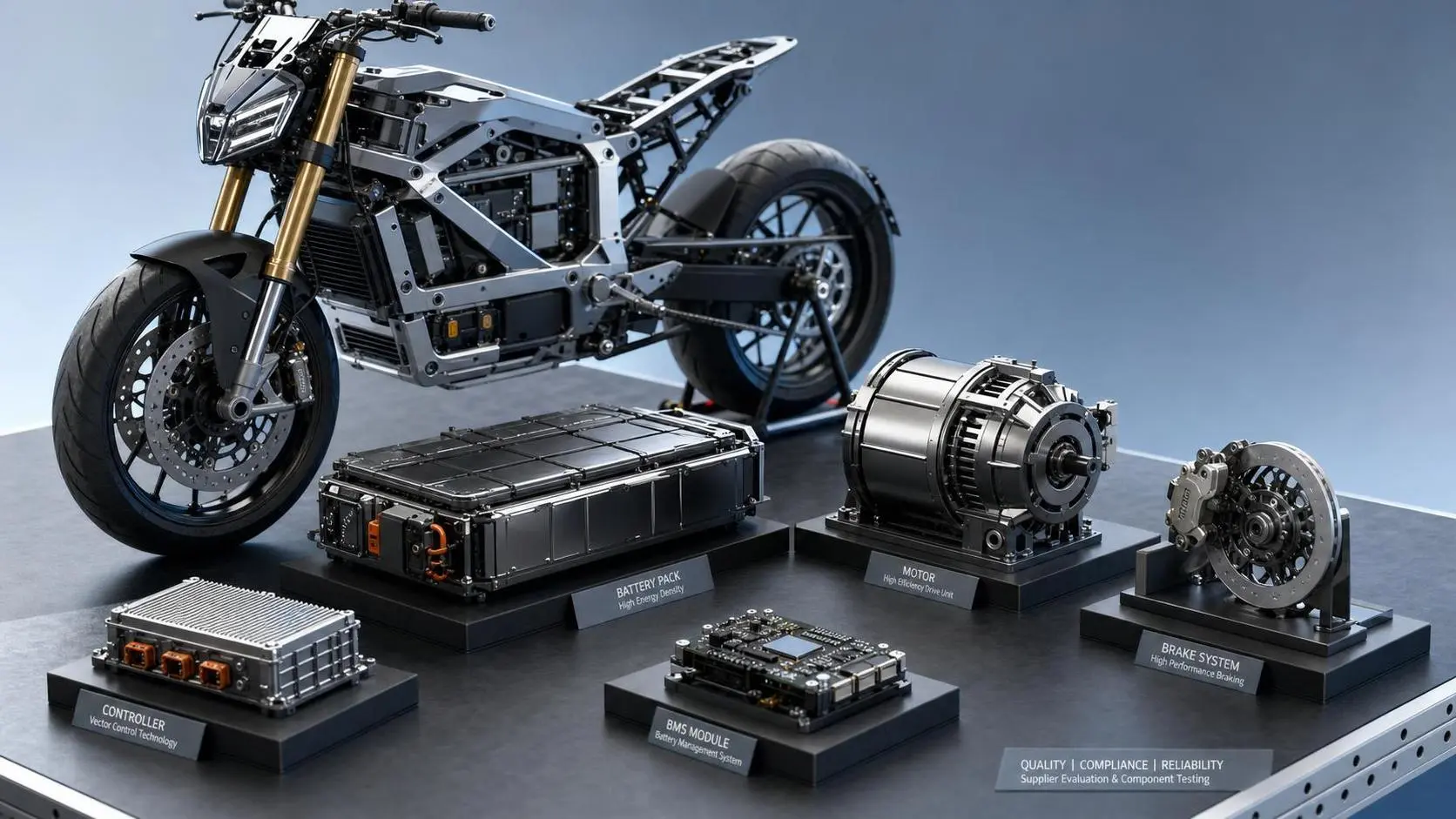
How to Evaluate Core Component Suppliers for Electric Motorcycles Before Sourcing?
Core component suppliers for electric motorcycles can make or break safety, compliance, and delivery. Learn how to assess technical strength, certifications, quality control, and hidden sourcing risks before you buy.
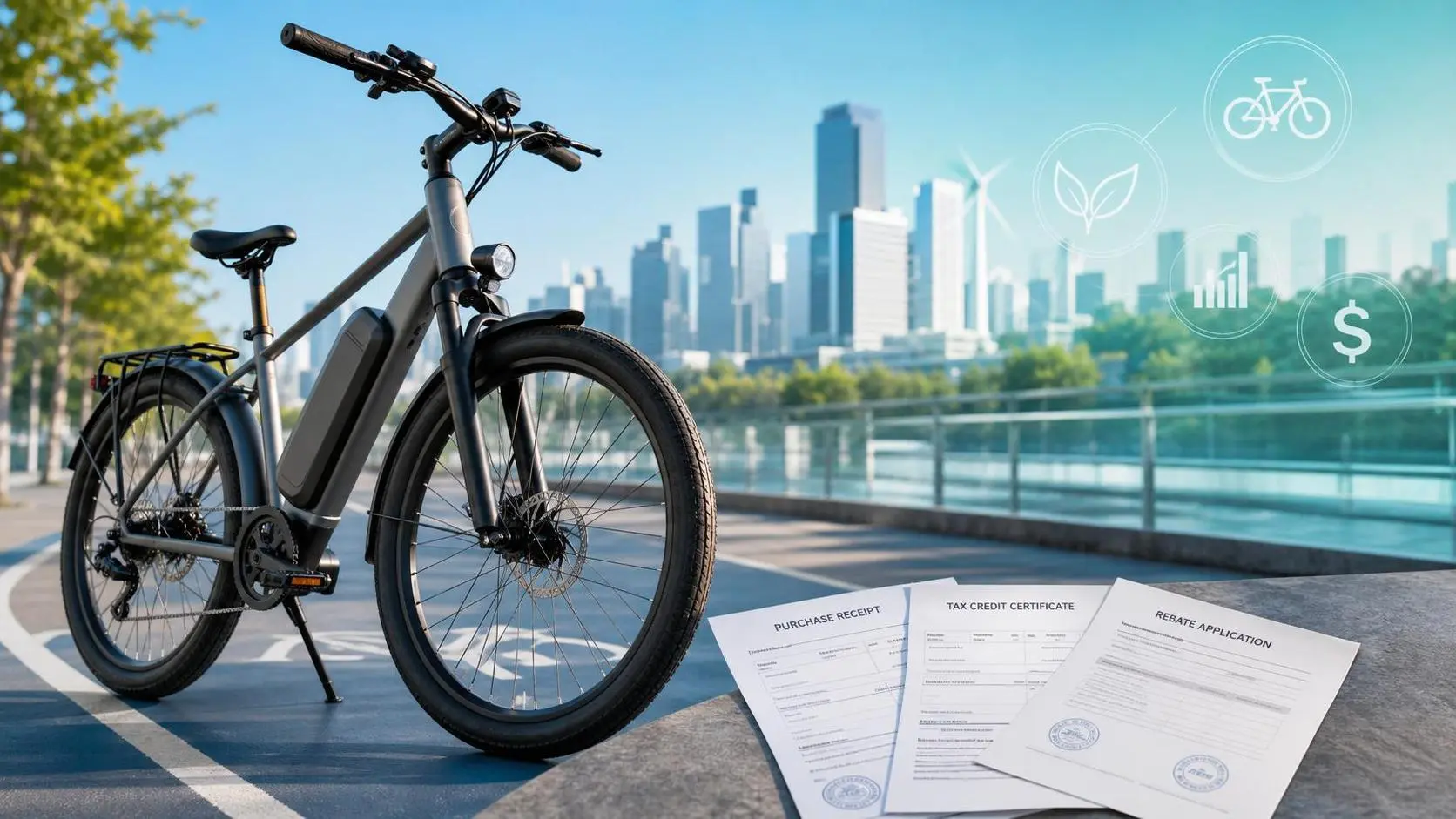
E-Bike Incentives Explained: How Riders Can Find Local Rebates and Tax Credits
E bike incentives explained: learn how to find local rebates, tax credits, and utility offers, avoid common mistakes, and cut the real cost of your next e-bike.
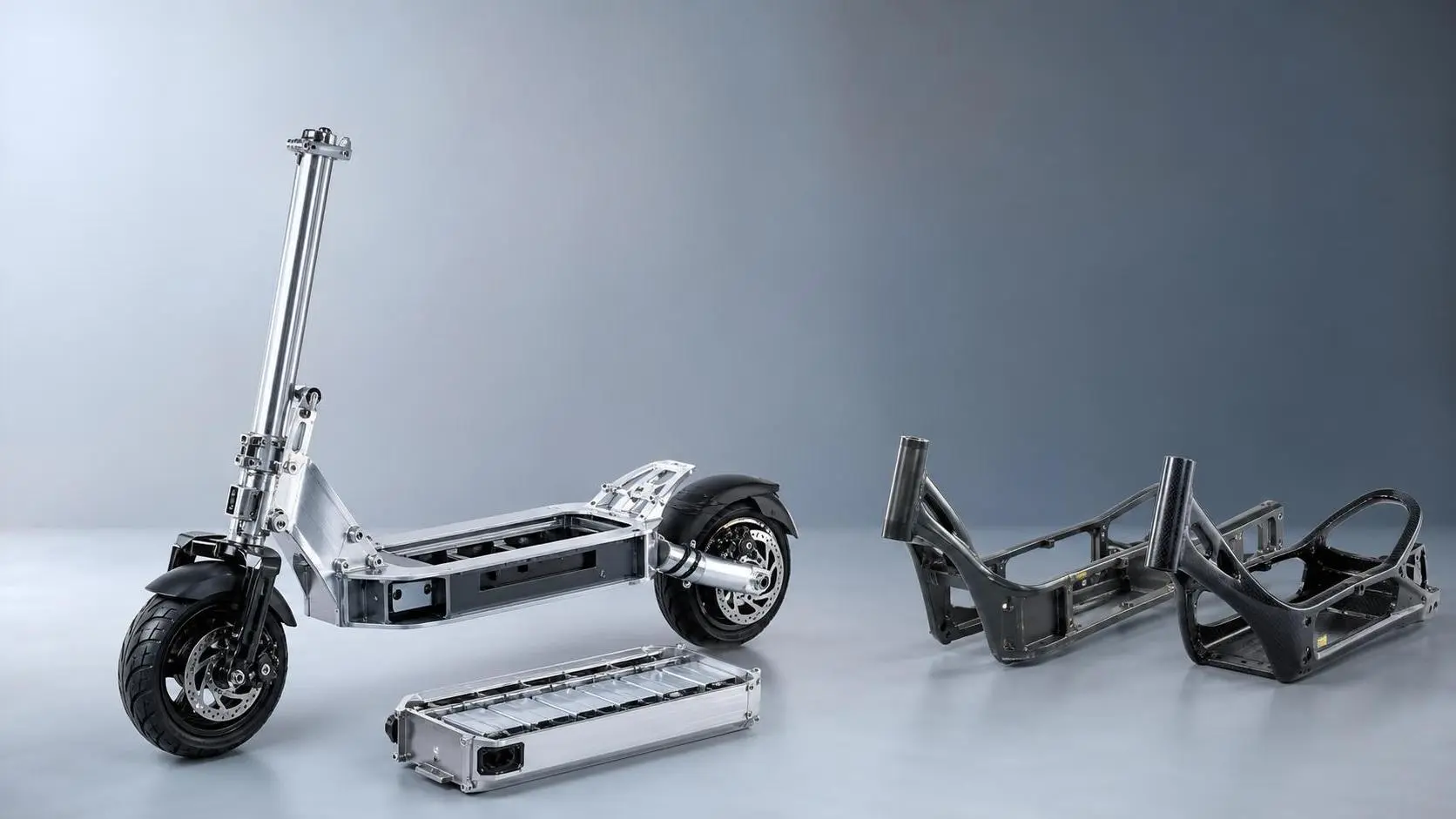
How to Choose Lightweight Scooter Frames in Europe: Materials, Standards, and Use Cases
Lightweight scooter frames Europe buyers need should balance materials, EN standards, durability, and real use cases. Discover how to choose safer, smarter, compliant frames.
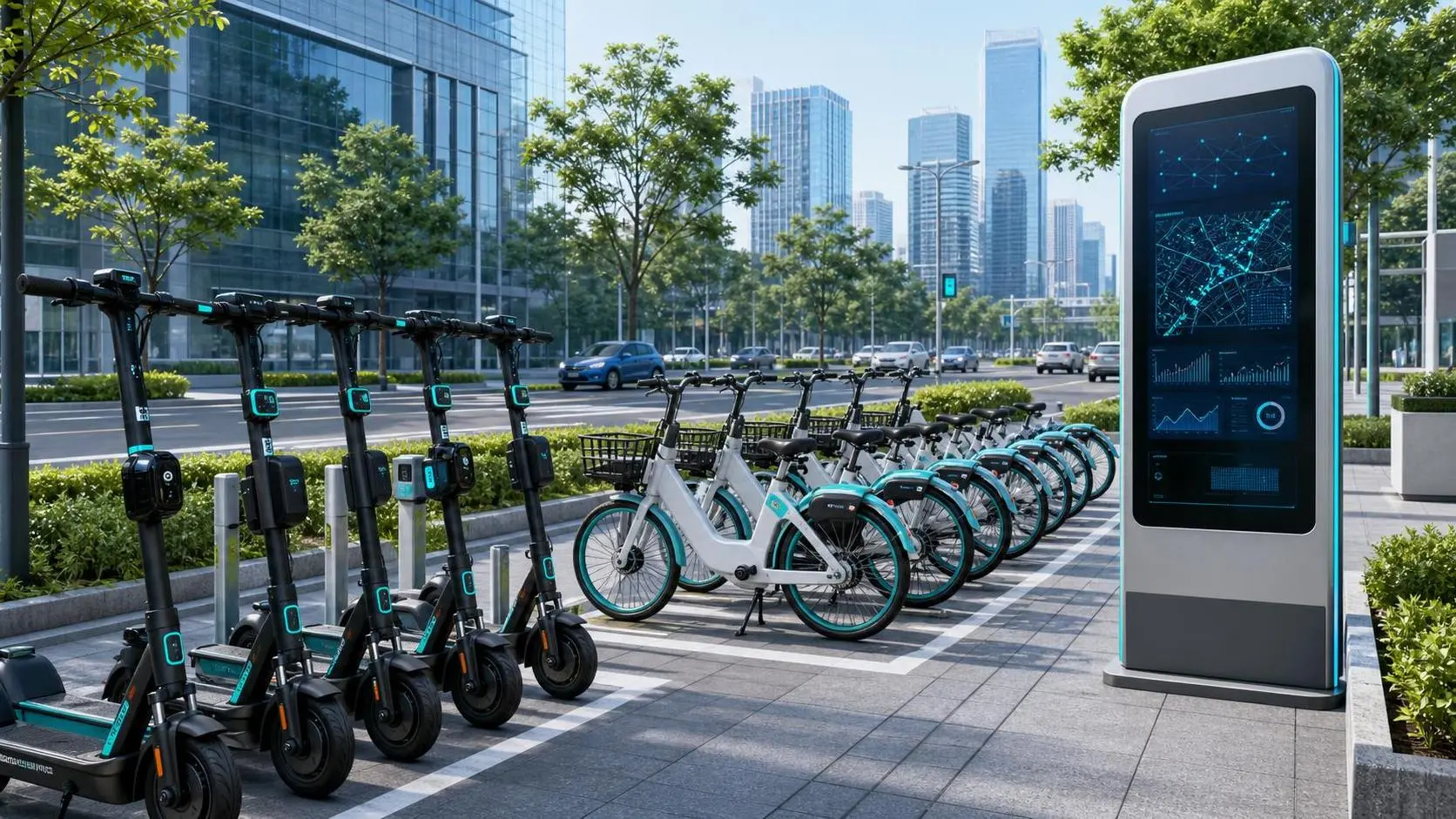
What Is the Intellectualization of Mobility Platform and How Is It Applied in Shared Fleets?
Intellectualization of mobility platform is reshaping shared fleets with real-time data, predictive maintenance, and smarter compliance—learn how it boosts safety, uptime, and urban mobility efficiency.
Urban Micro-Mobility Systems in Latin America: Key Market Drivers, Barriers, and Growth Segments
Urban micro-mobility systems Latin America are reshaping city transport. Explore key drivers, barriers, and high-growth segments to spot the region’s most investable opportunities.