
Related News
- 00
0000-00
Common Scooter Battery Issues and How to Troubleshoot Range Drop, Heat, and Charging Faults - 00
0000-00
How Battery-Swapping Networks Work for Shared Fleet Scooters - 00
0000-00
Shared Scooters Supplier Checklist: What to Compare Before Fleet Procurement - 00
0000-00
How to Choose Urban Mobility Devices for Shared Use, Campus Travel, or Delivery - 00
0000-00
How a Camera Recognition System Improves Detection Accuracy in Shared Fleet Scooters
Urban Transit Fellow
Weekly Insights
Stay ahead with our curated technology reports delivered every Monday.
Common Scooter Battery Issues and How to Troubleshoot Range Drop, Heat, and Charging Faults





When scooter battery issues start with rider complaints, context matters first
Scooter battery issues rarely appear as isolated battery failures. In urban micro-mobility, they often emerge from usage patterns, charging habits, thermal exposure, and BMS response.
A scooter used for short private trips behaves differently from one serving repeated stop-start rental cycles. The symptom may look similar, but the root cause often changes.
That is why range drop, heat buildup, and charging faults should be judged as system events. Cells, harnesses, chargers, firmware logic, and environmental stress all interact.
For a platform such as UMMS, which tracks electrified two-wheel mobility across e-bikes, smart e-scooters, and high-speed e-motorcycles, this system view is essential.
The practical goal is simple. Diagnose faster, avoid repeat service visits, and separate normal aging from preventable scooter battery issues.
Different operating scenes change how scooter battery issues should be judged
In actual service work, identical voltage readings can mean different things. A commuter scooter stored indoors tells a different story than a shared unit parked outdoors.
Weather exposure matters. So does daily depth of discharge, rider weight, route grade, regen behavior, and whether the charger matches the BMS profile.
More importantly, battery complaints often arrive late. By the time range loss is obvious, imbalance, connector resistance, or heat stress may already be established.
A useful first split is not by model name, but by operating pattern. That makes later testing far more precise.
When the main complaint is range drop, test under load instead of at rest
Range-related scooter battery issues are commonly misread because open-circuit voltage still looks acceptable. A pack can appear healthy while collapsing during acceleration or hill climbing.
In commuter applications, gradual capacity fade is common. Riders usually notice shorter distance in winter first, because low temperature increases internal resistance and exposes weak cells.
Fleet applications are harsher. Repeated fast turnarounds and mixed chargers can create imbalance long before the pack reaches official end of life.
What to confirm before replacing the pack
- Measure voltage sag during a controlled load, not only after charging.
- Compare cell group balance through the BMS, especially near low state of charge.
- Check tire pressure, brake drag, and drivetrain resistance.
- Review charger output accuracy and charge termination behavior.
- Confirm whether recent firmware changes altered discharge limits.
In practice, some scooter battery issues labeled as weak packs are actually vehicle efficiency losses. That is especially true in systems with aging motors or poor rolling condition.
If the battery runs hot, the real question is when the heat appears
Heat-related scooter battery issues should never be treated as a generic warning. The timing of temperature rise usually points toward the fault path.
If heat appears during charging, attention should move toward charger mismatch, overcurrent, poor ventilation, or abnormal cell resistance. If heat appears only during riding, load demand becomes central.
On steep urban routes or under delivery-style operation, sustained current can push borderline packs into thermal stress. This does not always mean catastrophic failure, but it accelerates aging quickly.
Outdoor parking adds another layer. Dark enclosures under summer sun can raise pack temperature before the scooter even starts moving, leaving little thermal headroom.
Useful heat troubleshooting sequence
- Record ambient temperature and enclosure temperature separately.
- Identify whether heat begins during charge, discharge, or idle storage.
- Inspect connectors for discoloration, looseness, or melted insulation.
- Compare thermal readings across cell groups, not only the pack average.
- Check whether the BMS sensor placement hides localized hot spots.
This matters across the UMMS mobility spectrum. Thermal management lessons seen in higher-power e-motorcycles often help explain smaller scooter battery issues earlier.
Charging faults often sit outside the cells themselves
When a scooter will not charge, many teams jump straight to pack replacement. That is one of the most expensive misjudgments in battery service.
A charging fault may come from port contamination, damaged pins, charger drift, relay failure, BMS lockout, or low-voltage protection after prolonged storage.
Shared scooters are especially vulnerable because charge ports face repeated physical stress. Private scooters more often show faults linked to off-brand chargers or long idle periods.
Signs that narrow the fault faster
- No charger indicator response usually suggests input path or port issues.
- Immediate stop after brief charging often points to BMS protection logic.
- Slow charging with excess warmth can indicate rising resistance.
- Normal charger output with no pack acceptance may signal sleeping BMS status.
In these cases, scooter battery issues are often electrical path problems disguised as battery failure. Separating those two saves time and inventory.
Similar symptoms, different priorities across micro-mobility use cases
The same complaint should not trigger the same service action across all two-wheeler categories. Smart e-scooters, e-bikes, and compact high-speed platforms share principles but not stress profiles.
In lighter e-bike systems, rider input can mask early scooter battery issues equivalents. In scooter platforms, motor demand is less forgiving and faults appear sooner in ride feel.
That broader industry view is useful. UMMS often frames reliability as a link between energy density, control logic, and actual urban duty cycles rather than a single component metric.
The most common misreads happen when service only looks at specifications
Many scooter battery issues are prolonged by good-looking specifications. Rated capacity, nominal voltage, and advertised cycle life do not describe real urban stress by themselves.
Another blind spot is treating summer and winter complaints as unrelated. Seasonal variation often reveals an existing weakness rather than creating a new one.
It is also easy to overlook implementation cost. A cheap replacement pack may create repeat charging faults if connector standards, firmware handshake, or enclosure cooling remain unchanged.
- Do not judge battery health from static voltage alone.
- Do not assume similar scooters share the same charger behavior.
- Do not ignore moisture, vibration, and impact history.
- Do not separate BMS software events from hardware inspection.
A practical path to reduce repeat scooter battery issues
The most effective approach is to build a scene-based diagnostic routine. Start from actual duty cycle, then move to electrical testing, then decide on repair or replacement.
For range complaints, collect route, temperature, payload, and charge pattern before opening the pack. For heat complaints, document when the rise begins and how fast protection activates.
For charging faults, verify the entire path from AC source to port, charger, harness, BMS gate, and cell acceptance. This sequence catches many non-cell scooter battery issues early.
If repeated faults appear across a fleet, compare failure timing, storage conditions, and charger batches. That often exposes the pattern faster than unit-by-unit repair notes.
The next useful step is to formalize a small checklist by operating scene. That helps define limits, reduce false replacements, and improve battery system reliability over time.
Related News
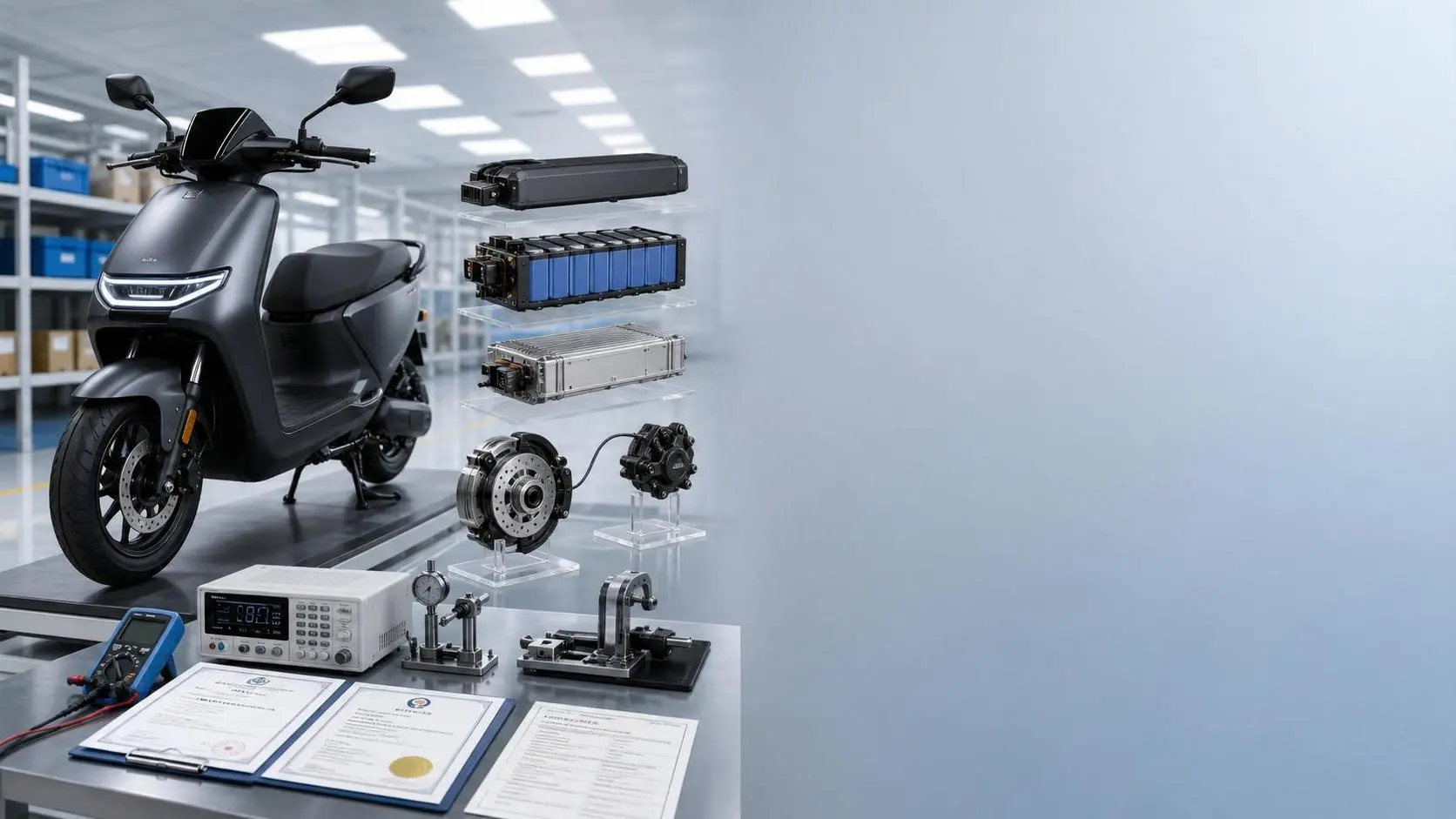
How to Evaluate an Electric Two-Wheeler Market Manufacturer for Supply and Compliance
Electric two-wheeler market manufacturer evaluation guide: learn how to assess supply stability, compliance systems, quality risk, and total cost to choose a reliable partner.
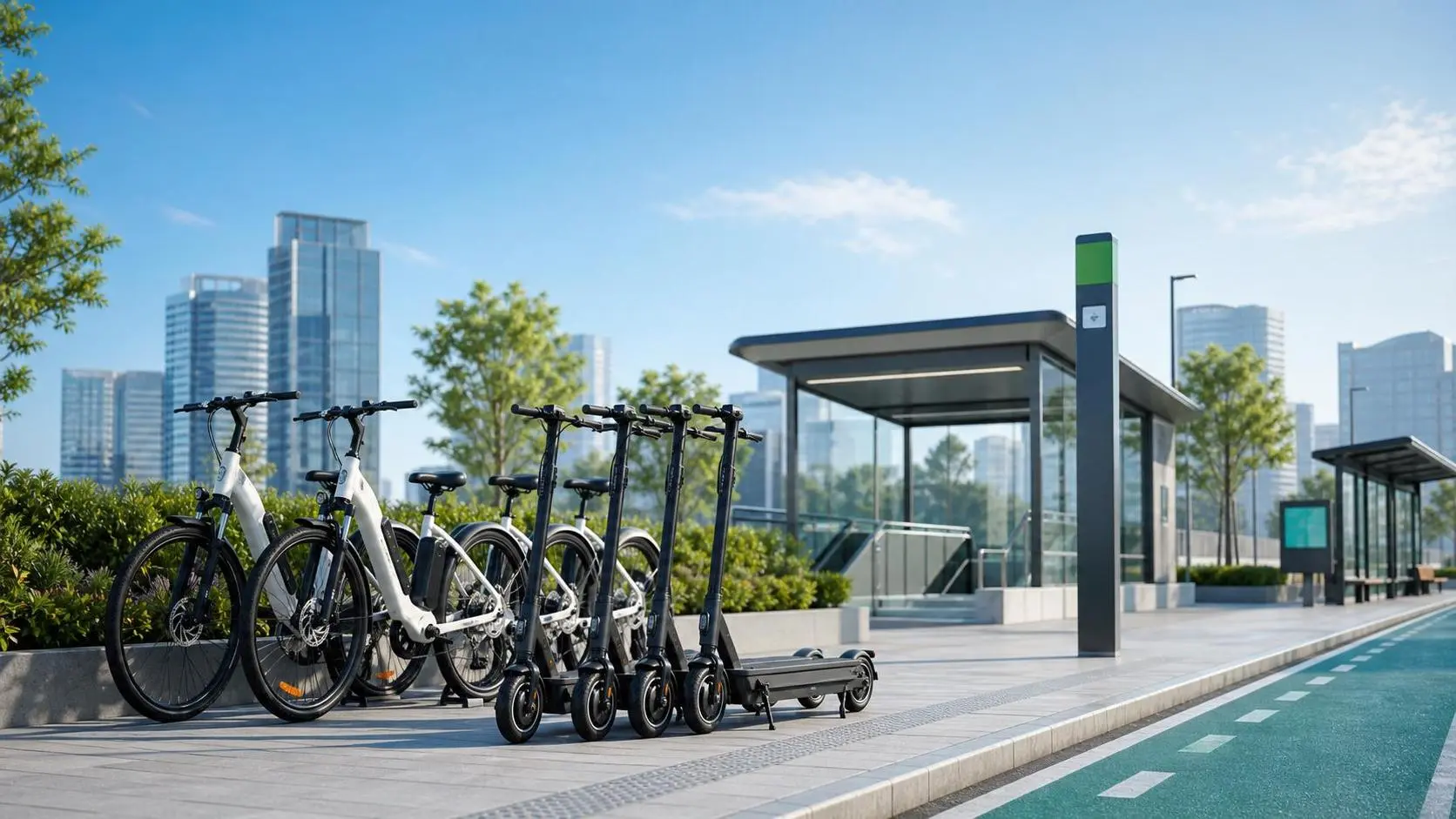
Low Carbon Commuting Options: E-bikes, Foldable Scooters, and Public Transit Compared
Low carbon commuting compared: discover how e-bikes, foldable scooters, and public transit differ in cost, flexibility, range, and last-mile convenience for smarter daily travel.
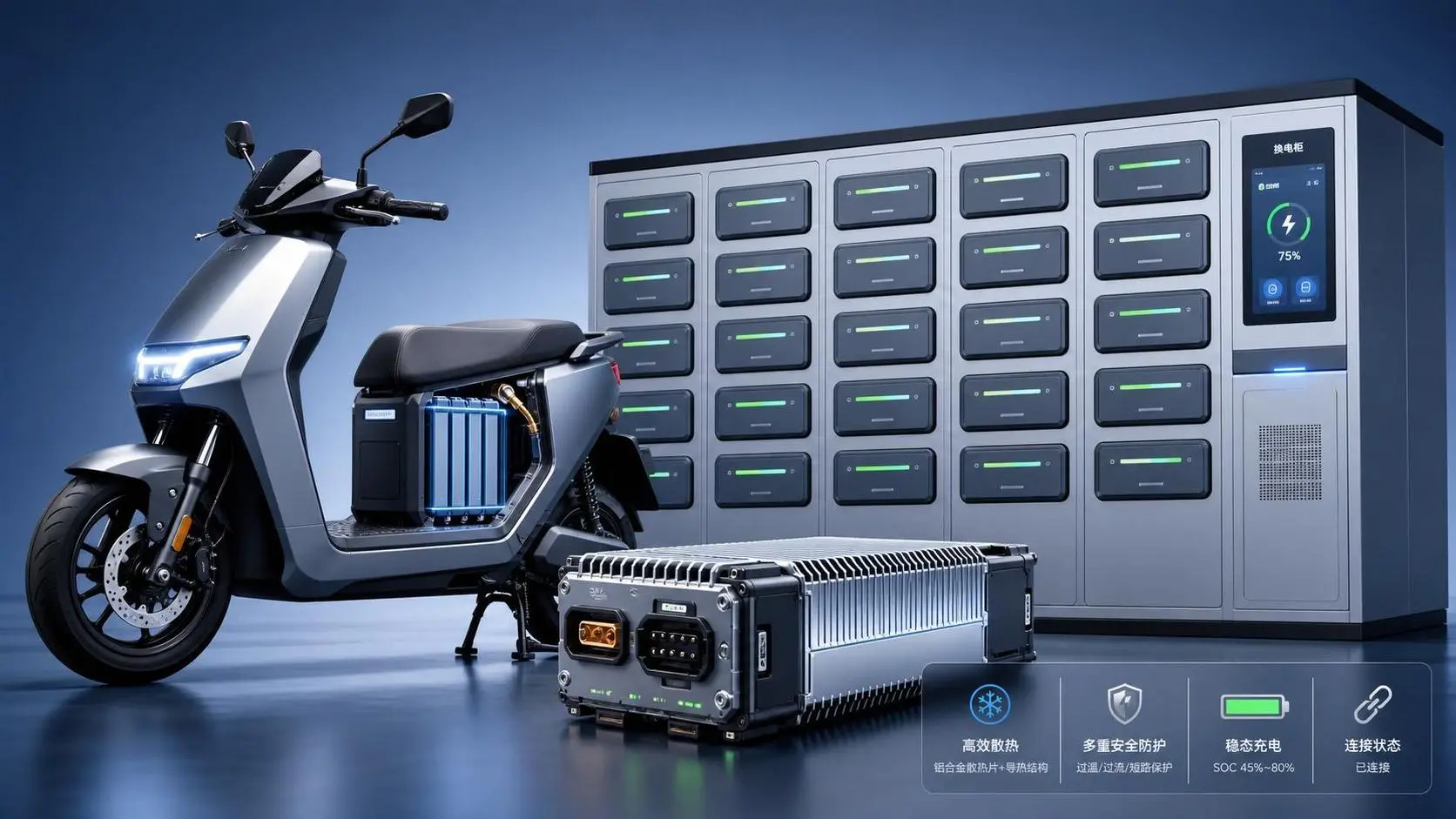
Thermal Management for Swappable Battery Scooters: Key Design Factors to Compare
Thermal management is the key factor when comparing swappable battery scooters. Discover how cooling, BMS logic, charging behavior, and pack design impact safety, uptime, and fleet ROI.
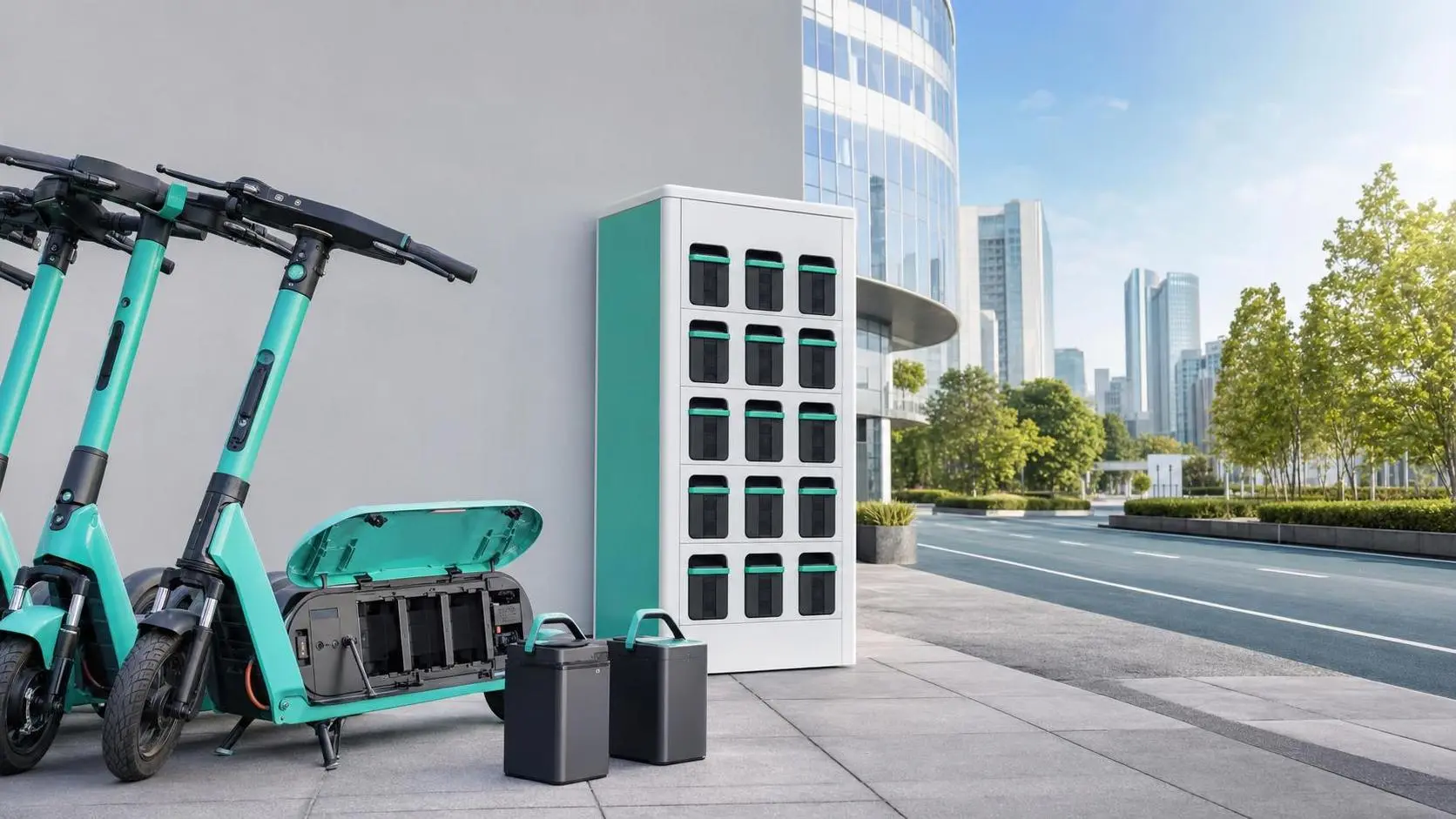
How Battery-Swapping Networks Work for Shared Fleet Scooters
Battery-swapping networks keep shared fleet scooters running with less downtime, smarter dispatch, and safer battery management. See how they boost uptime and urban fleet efficiency.
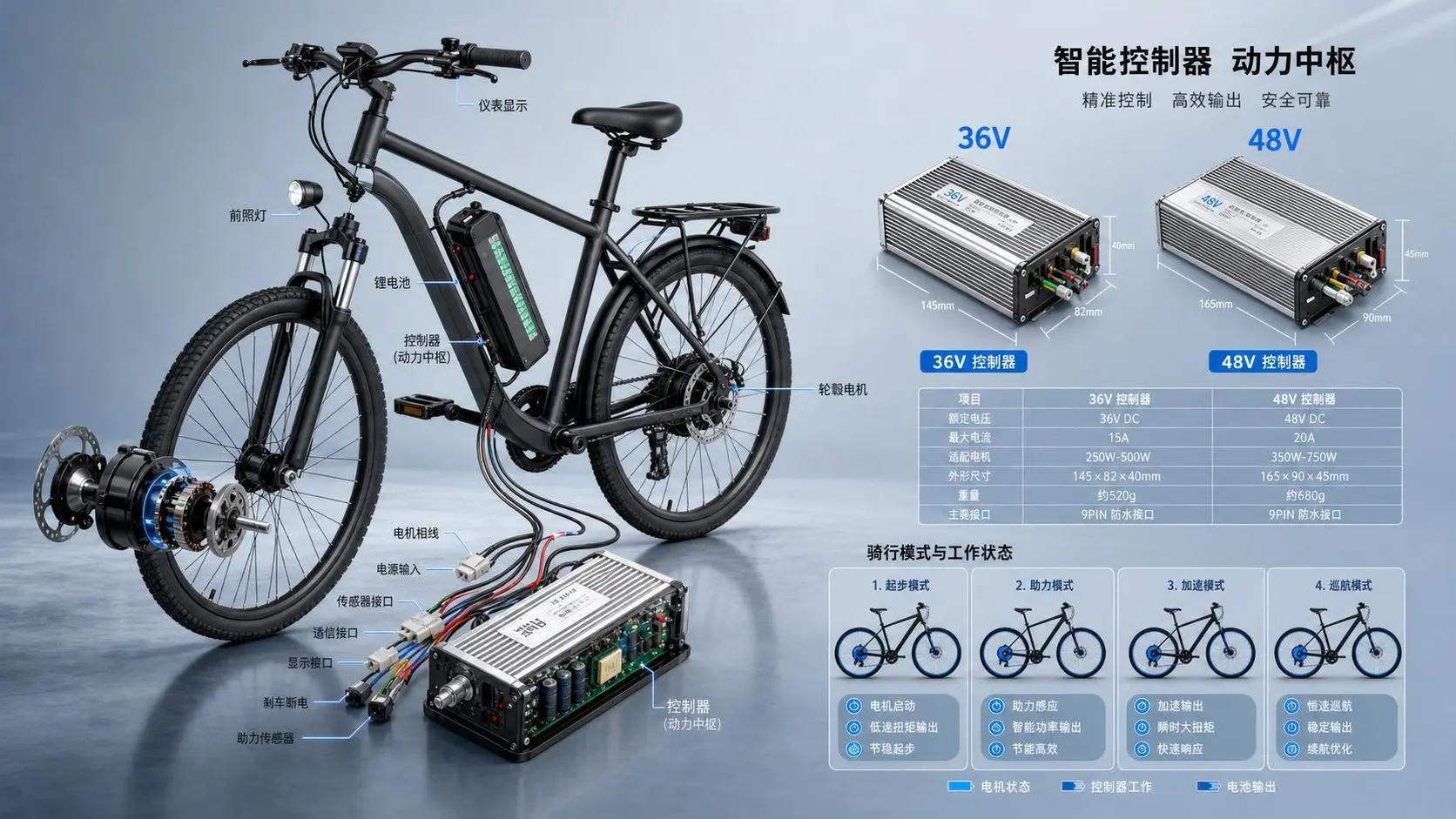
E Bike Controllers Explained: How to Match Voltage, Current, and Riding Mode
E bike controllers explained: learn how to match voltage, current, and riding mode for smoother power, safer compatibility, better efficiency, and more confident e-bike upgrades.
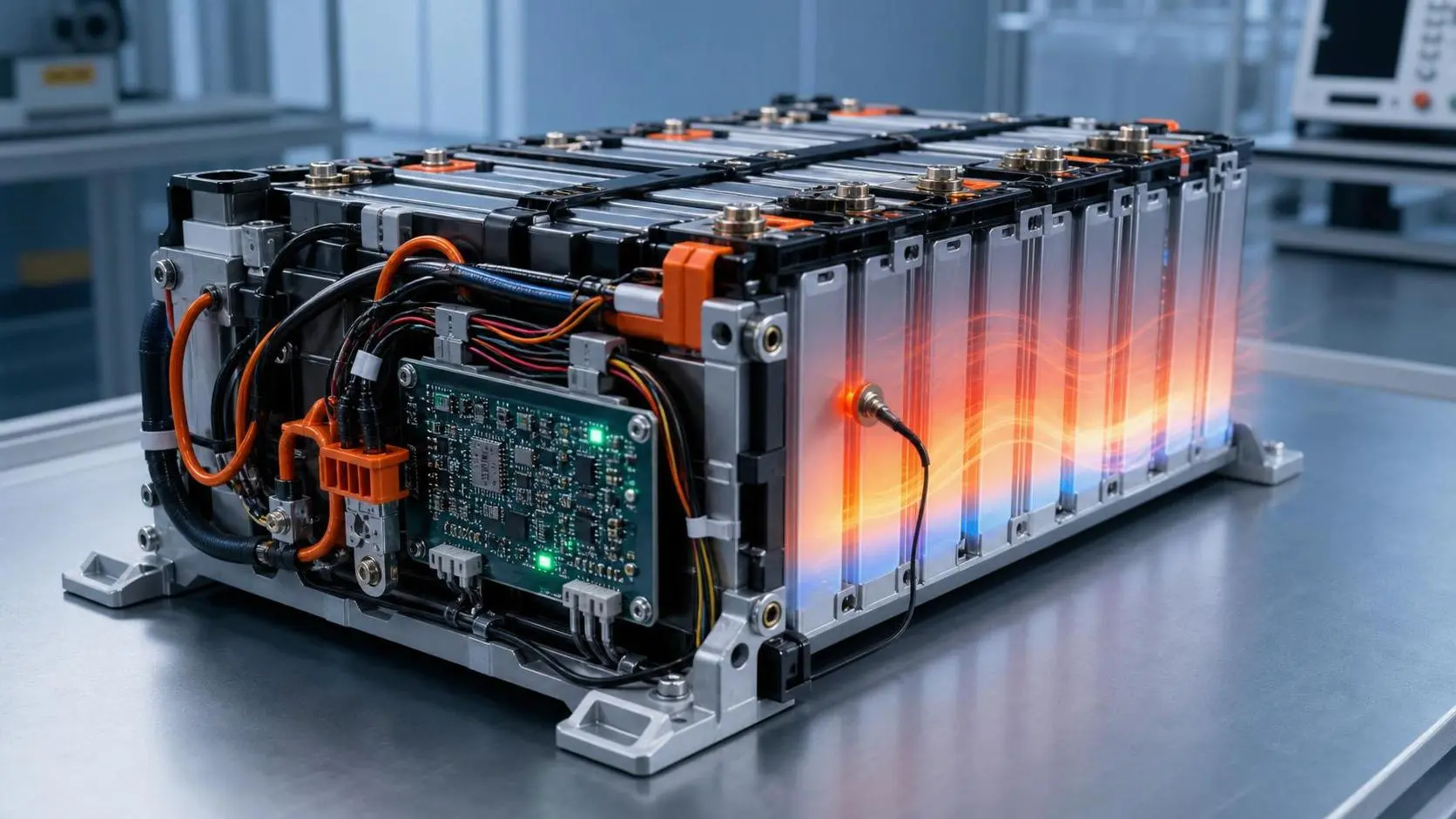
Battery Overheating Management in Light EVs: Causes, Sensors, and Control Strategies
Battery overheating management in light EVs: learn the main causes, key sensors, and proven control strategies to improve safety, reliability, and thermal compliance.
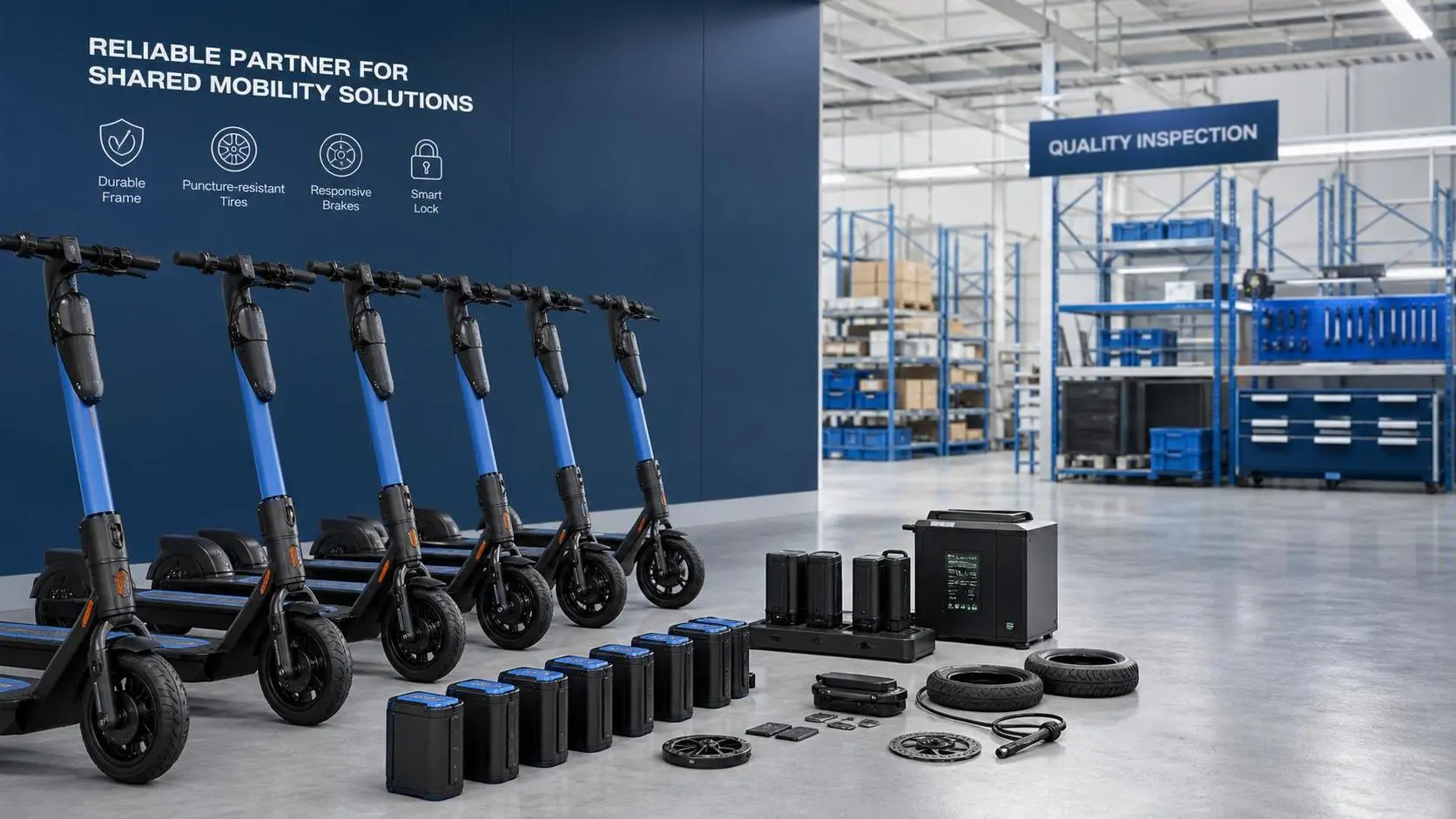
Shared Scooters Supplier Checklist: What to Compare Before Fleet Procurement
Shared scooters supplier checklist: compare total cost, durability, battery strategy, IoT, compliance, and support before fleet procurement to reduce risk and improve long-term ROI.
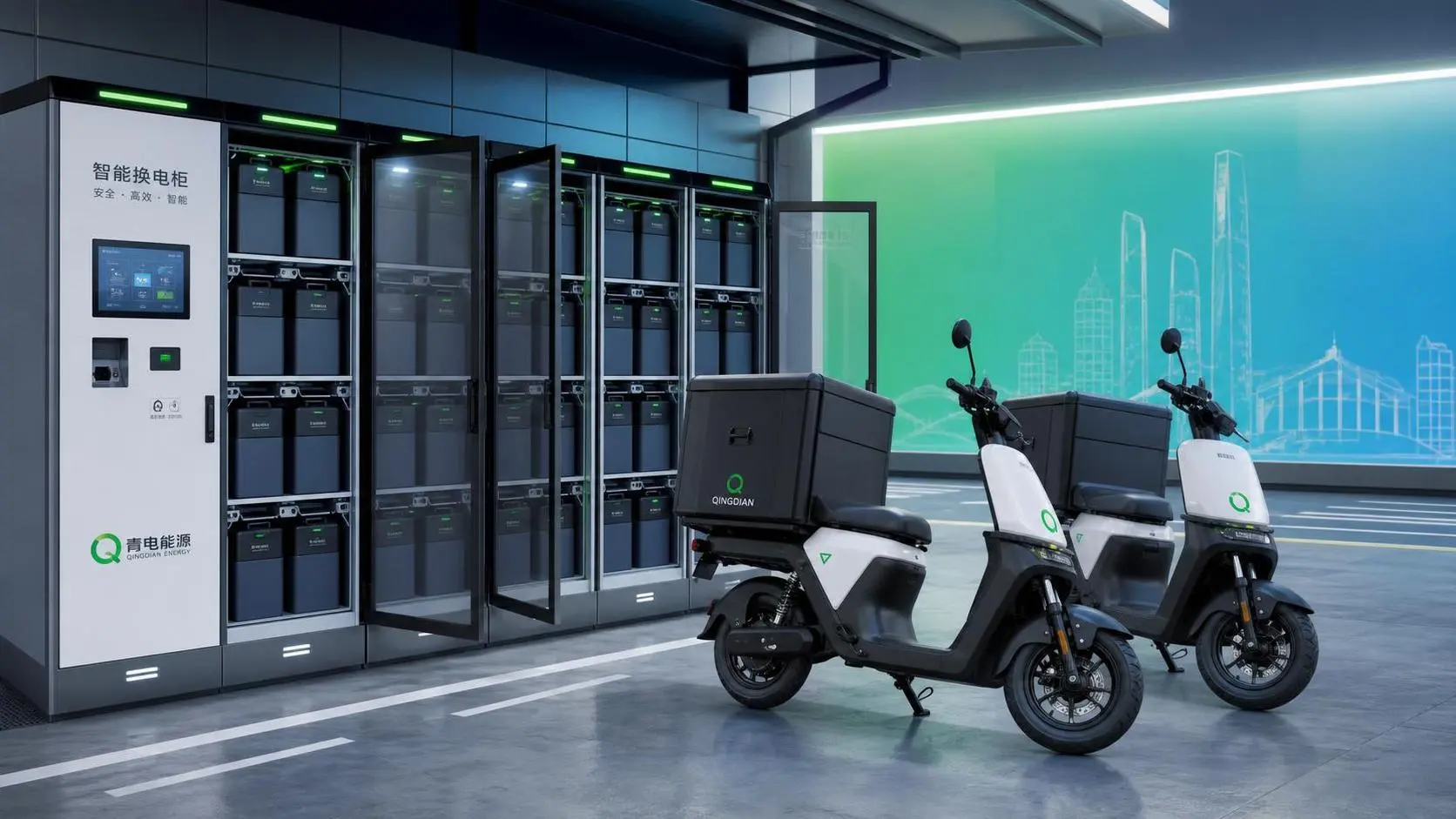
Battery-Swapping Networks for Motorcycles: Key Cost Drivers and Deployment Models
Battery-swapping networks motorcycles explained: explore key cost drivers, utilization risks, and deployment models shaping profitable electric two-wheeler infrastructure.
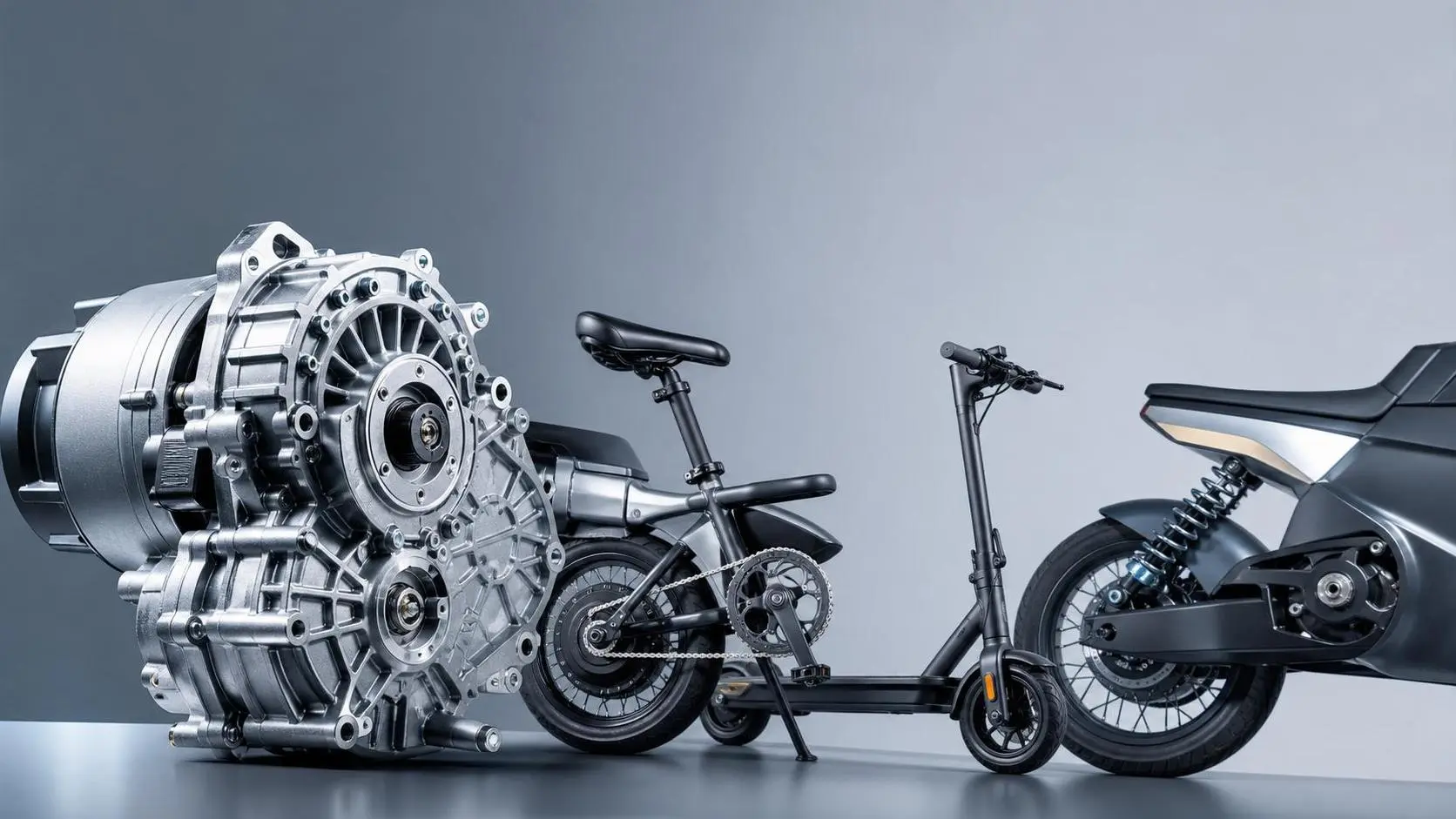
How to Choose an Electromechanical Transmission Manufacturer for E-Mobility Projects
Electromechanical transmission manufacturer selection can make or break e-mobility projects. Learn how to compare suppliers for performance, quality, compliance, and long-term value.