
Related News
- 00
0000-00
Common Scooter Battery Issues and How to Troubleshoot Range Drop, Heat, and Charging Faults - 00
0000-00
How Battery-Swapping Networks Work for Shared Fleet Scooters - 00
0000-00
Shared Scooters Supplier Checklist: What to Compare Before Fleet Procurement - 00
0000-00
How to Choose Urban Mobility Devices for Shared Use, Campus Travel, or Delivery - 00
0000-00
How a Camera Recognition System Improves Detection Accuracy in Shared Fleet Scooters
Urban Transit Fellow
Weekly Insights
Stay ahead with our curated technology reports delivered every Monday.
How Battery-Swapping Networks Work for Shared Fleet Scooters





Battery-swapping networks are becoming a practical backbone for shared fleet scooters in dense cities. They reduce idle time, simplify energy replenishment, and help operators keep more vehicles available during peak demand.
That matters far beyond charging convenience. In the broader micro-mobility economy, battery-swapping networks connect vehicle design, IoT visibility, labor planning, battery safety, and urban deployment strategy into one operating system.
For platforms tracking the last-mile transition, including UMMS and its focus on electrified two-wheel systems, the topic sits at the intersection of technical efficiency and scalable low-carbon mobility.
What battery-swapping networks actually do
In simple terms, battery-swapping networks replace a depleted pack with a charged one instead of waiting for the scooter to recharge in place. The scooter returns to service quickly, often within minutes.
This model works best when scooters use removable, standardized batteries. It also depends on software that can track pack status, vehicle location, charging cycles, and service urgency across the fleet.
Unlike plug-in charging, battery-swapping networks separate the charging process from the vehicle. That shift changes the economics of operations, because energy handling moves from the street to managed swap and charging points.
Why shared scooter fleets are moving in this direction
Shared scooter fleets live or fail by utilization. A scooter that sits uncharged on a sidewalk produces no trips, while a scooter returned to service faster can generate more daily revenue from the same asset.
Battery-swapping networks also reduce some of the friction tied to overnight collection. Instead of transporting entire scooters for charging, teams may only move energy packs or service vehicles on site.
This is especially relevant in cities where curb space is tight, labor costs are rising, and authorities want cleaner, more orderly shared mobility operations. Battery-swapping networks support those goals when executed with discipline.
UMMS often frames micro-mobility through system efficiency rather than isolated hardware. That perspective fits here, because swapping is not only about batteries. It is about uptime logic across smart e-scooters and connected energy assets.
How the network works in daily operations
Vehicle-side design
The scooter needs a battery compartment that is secure, weather-resistant, and easy to access. A poor enclosure design slows field swaps and increases risk of connector damage or water ingress.
The battery itself usually includes a Battery Management System. It monitors temperature, state of charge, cell balance, and abnormal events that could affect safety or pack life.
Data and dispatch layer
Shared fleet scooters continuously send telematics data. Operators use this feed to see which vehicles are approaching low charge, which areas need rebalancing, and where swap crews should go first.
Good battery-swapping networks rely on predictive dispatch. Instead of reacting after scooters go offline, the system forecasts depletion based on trip frequency, terrain, weather, and time of day.
Charging and staging layer
Charged packs are stored at depots, micro-hubs, or automated cabinets. Depleted packs return there for controlled charging, inspection, and health analysis before they re-enter circulation.
This is where network quality becomes visible. Charging throughput, inventory accuracy, thermal control, and spare battery ratios determine whether a swap model feels seamless or constantly constrained.
The operational value behind the concept
The main advantage is uptime. Battery-swapping networks let operators keep more scooters available during commuting peaks, weekend spikes, and event traffic, without expanding the fleet at the same rate.
The second advantage is labor structure. Swapping can reduce heavy vehicle collection workflows, although it does not remove labor. It changes labor from retrieval-focused work to targeted energy servicing.
The third advantage is battery stewardship. Centralized charging makes it easier to manage temperature, charging speed, pack rotation, and maintenance records. That can improve battery life when operating rules are strict.
There is also a network effect. As operators gain more route data, battery-swapping networks can become more precise, reducing unnecessary swaps and improving the match between battery availability and actual demand.
Where battery-swapping networks face pressure
The model is attractive, but it is not automatically efficient. Standardization is a recurring issue. If pack formats vary too much across vehicle generations, the network becomes harder to scale.
Safety is another constant concern. Large numbers of lithium batteries require disciplined charging protocols, thermal monitoring, quarantine procedures, and traceable maintenance records.
Urban policy also matters. Some cities welcome micro-hubs and service cabinets, while others restrict curbside infrastructure. Battery-swapping networks need to fit local rules on storage, fire compliance, and public space use.
Economics can be misunderstood as well. Faster turnaround sounds efficient, but the network still requires spare batteries, charging assets, routing software, field teams, and inventory controls.
Common pressure points
- Battery compatibility across scooter models and upgrade cycles
- Connector durability under repeated field handling
- Pack theft prevention and authentication controls
- Charging site permits, fire standards, and insurance requirements
- Data accuracy for state-of-health and remaining useful life
Typical deployment models in the field
Not every operator uses the same structure. Some battery-swapping networks are depot-centered, while others rely on distributed cabinets or mobile service vans for dense urban coverage.
The best option depends on trip density, parking rules, fleet spread, and battery standardization. In practice, many operators blend two models rather than relying on one structure alone.
How to evaluate a battery-swapping network realistically
A useful evaluation starts with operational questions, not marketing claims. The right battery-swapping network should improve availability without creating hidden costs in safety, logistics, or battery degradation.
- Measure swap time per vehicle, not only theoretical charging speed
- Track battery health drift across seasons and route types
- Check whether telematics data supports predictive servicing
- Review spare battery ratios during peak and off-peak periods
- Confirm local compliance for storage, transport, and charging infrastructure
From an intelligence perspective, this is where UMMS-style analysis becomes useful. Battery logic, drivetrain efficiency, policy conditions, and fleet economics should be read together rather than as separate topics.
What to watch next in the shared scooter ecosystem
The next phase of battery-swapping networks will likely be shaped by stronger battery passports, better pack interoperability, and more automated health diagnostics. Software quality will matter as much as mechanical design.
There is also growing overlap with other two-wheeler categories. Lessons from e-motorcycle swap systems, thermal management practices, and connected component monitoring can influence shared scooter operations.
For anyone assessing this space, the most useful next step is to compare network design against real operating conditions. Look at service radius, swap frequency, compliance burden, and battery life impact before judging scalability.
Battery-swapping networks are not a universal answer, but they are an important operating model for shared fleet scooters. When the hardware, data layer, and city context align, they can turn energy replenishment into a strategic advantage.
Related News

How to Evaluate an Electric Two-Wheeler Market Manufacturer for Supply and Compliance
Electric two-wheeler market manufacturer evaluation guide: learn how to assess supply stability, compliance systems, quality risk, and total cost to choose a reliable partner.
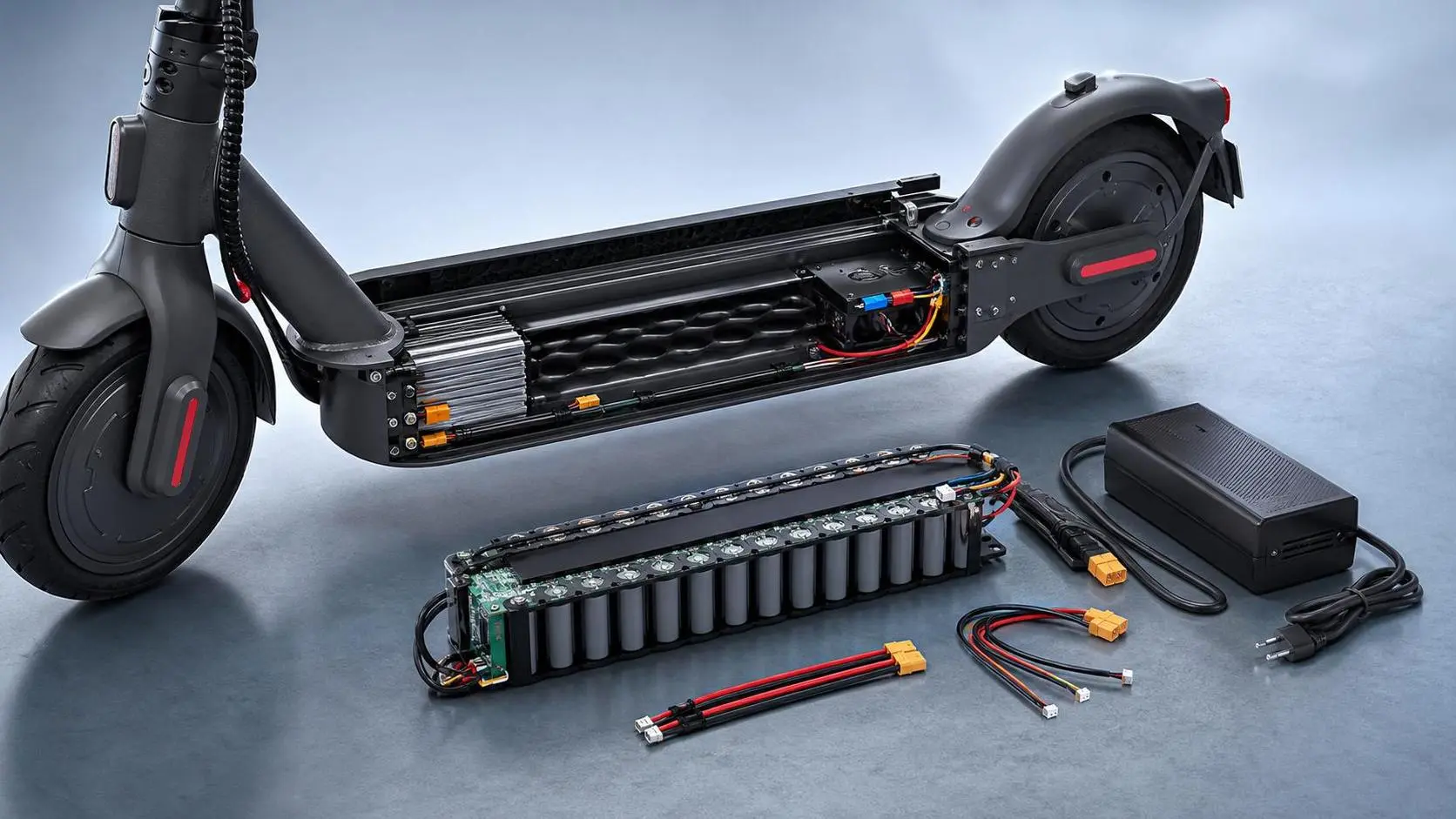
Common Scooter Battery Issues and How to Troubleshoot Range Drop, Heat, and Charging Faults
Scooter battery issues explained: learn how to troubleshoot range drop, overheating, and charging faults with practical checks that help riders and fleets diagnose faster and avoid costly replacements.

Low Carbon Commuting Options: E-bikes, Foldable Scooters, and Public Transit Compared
Low carbon commuting compared: discover how e-bikes, foldable scooters, and public transit differ in cost, flexibility, range, and last-mile convenience for smarter daily travel.
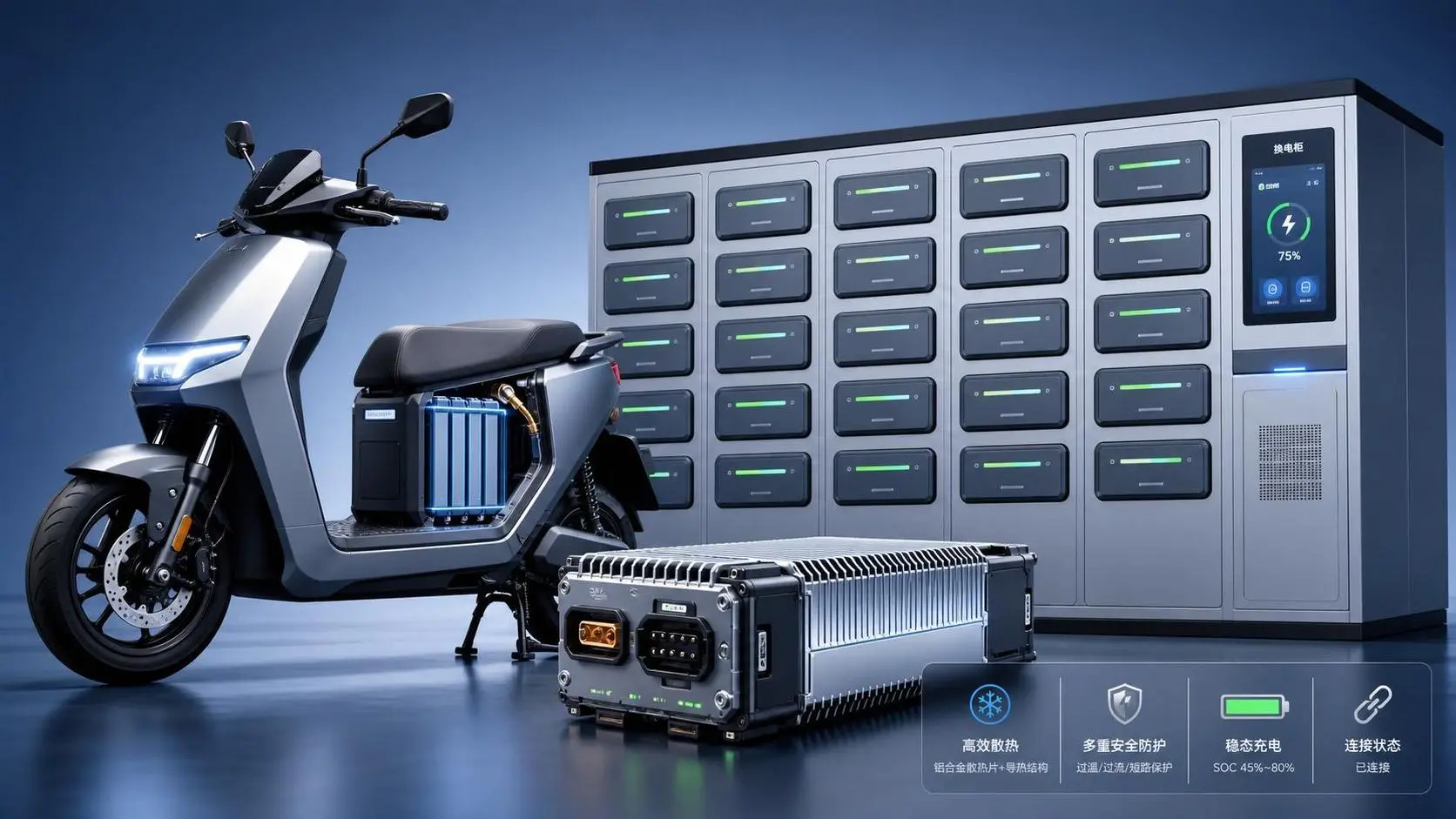
Thermal Management for Swappable Battery Scooters: Key Design Factors to Compare
Thermal management is the key factor when comparing swappable battery scooters. Discover how cooling, BMS logic, charging behavior, and pack design impact safety, uptime, and fleet ROI.
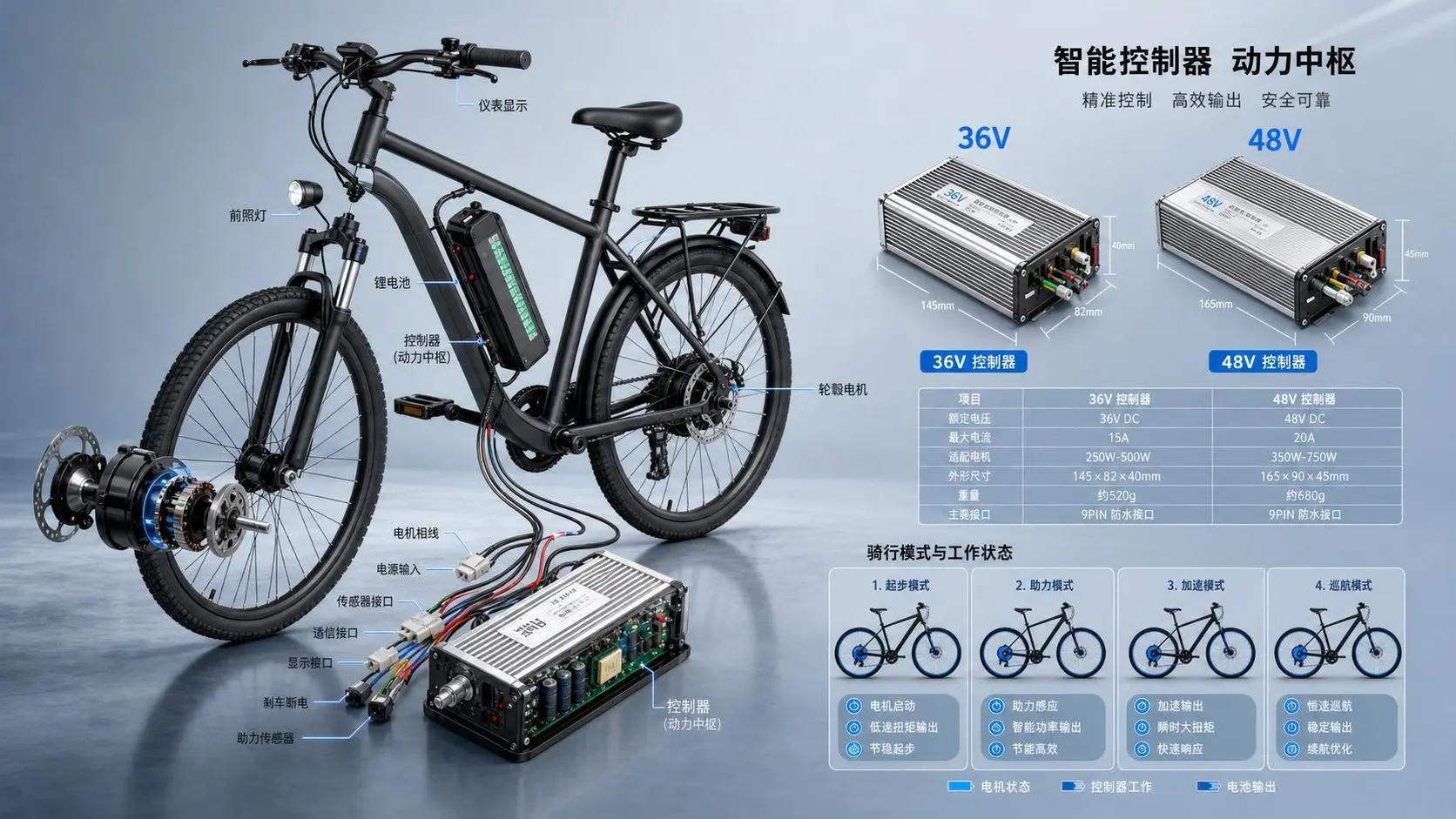
E Bike Controllers Explained: How to Match Voltage, Current, and Riding Mode
E bike controllers explained: learn how to match voltage, current, and riding mode for smoother power, safer compatibility, better efficiency, and more confident e-bike upgrades.
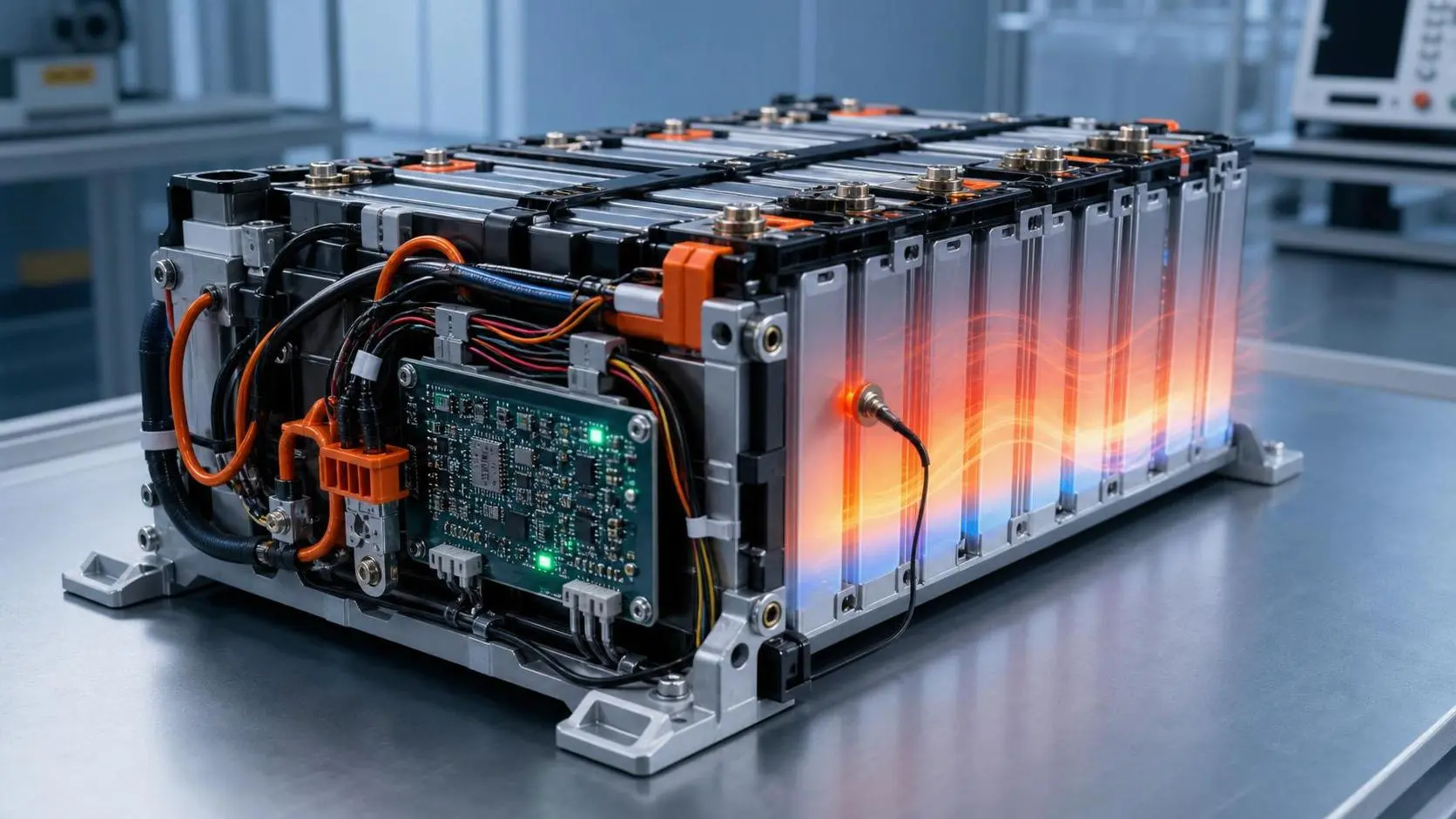
Battery Overheating Management in Light EVs: Causes, Sensors, and Control Strategies
Battery overheating management in light EVs: learn the main causes, key sensors, and proven control strategies to improve safety, reliability, and thermal compliance.
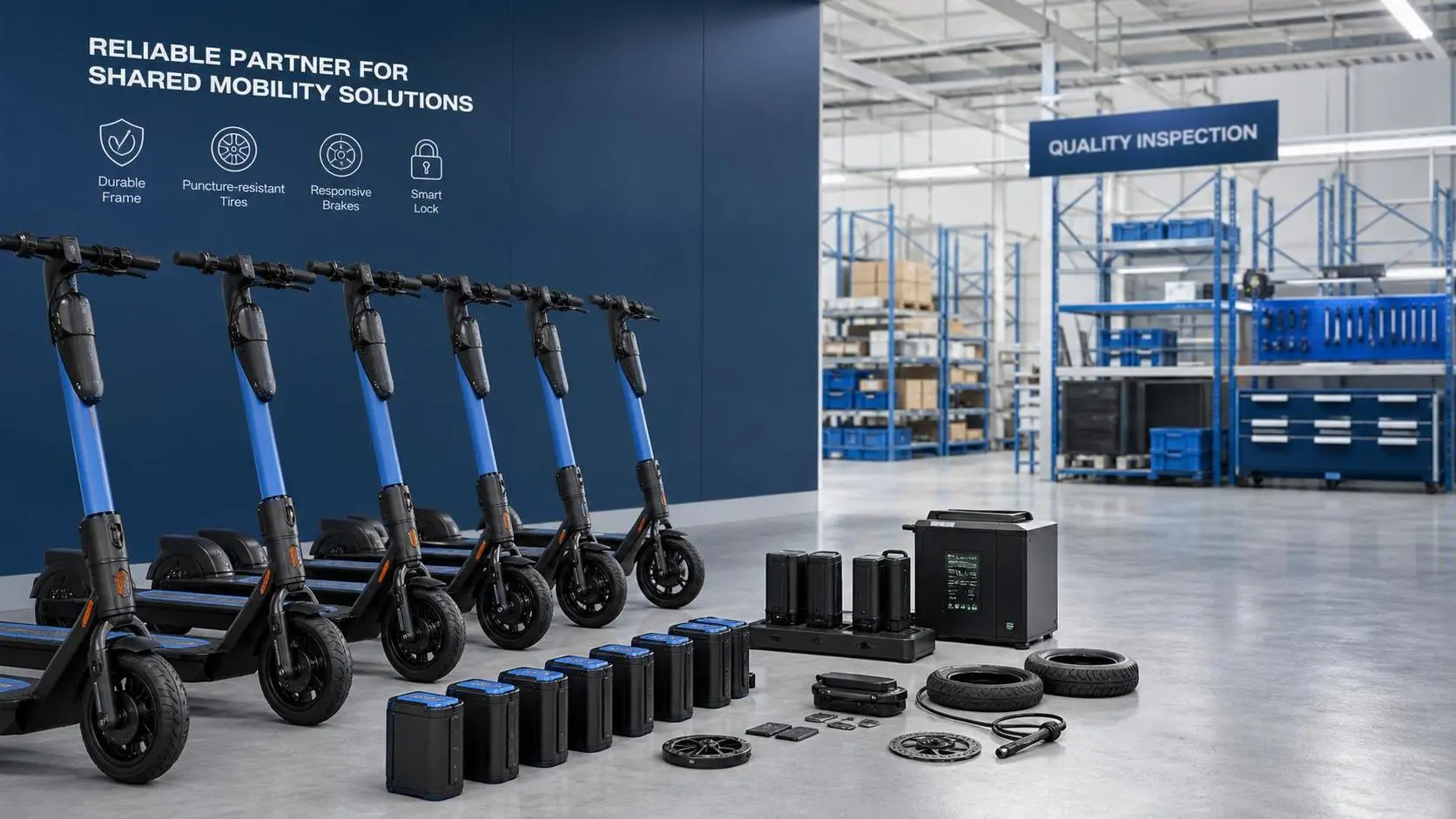
Shared Scooters Supplier Checklist: What to Compare Before Fleet Procurement
Shared scooters supplier checklist: compare total cost, durability, battery strategy, IoT, compliance, and support before fleet procurement to reduce risk and improve long-term ROI.
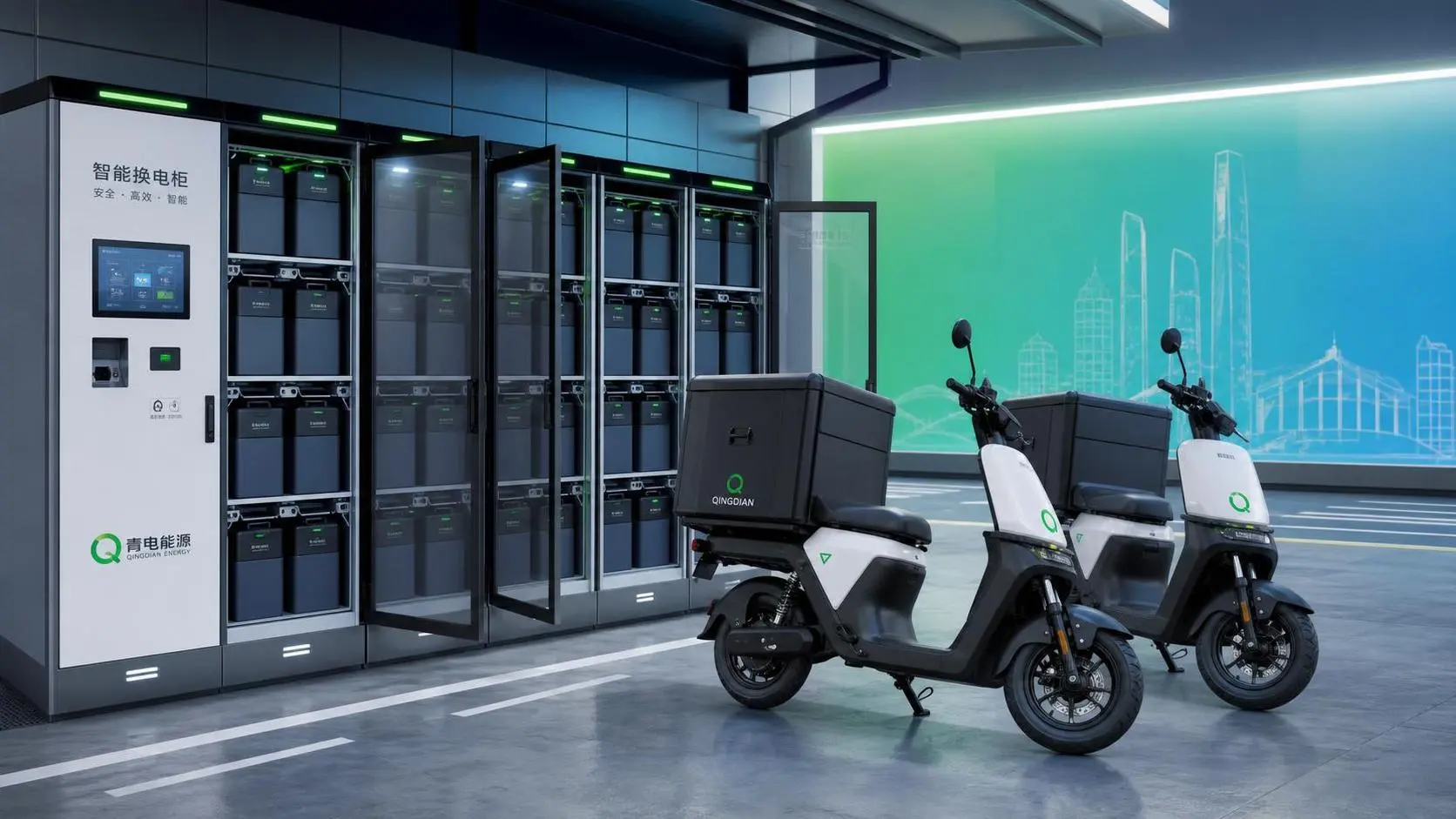
Battery-Swapping Networks for Motorcycles: Key Cost Drivers and Deployment Models
Battery-swapping networks motorcycles explained: explore key cost drivers, utilization risks, and deployment models shaping profitable electric two-wheeler infrastructure.

How to Choose an Electromechanical Transmission Manufacturer for E-Mobility Projects
Electromechanical transmission manufacturer selection can make or break e-mobility projects. Learn how to compare suppliers for performance, quality, compliance, and long-term value.