
Related News
- 00
0000-00
Thermal Management for Swappable Battery Scooters: Key Design Factors to Compare - 00
0000-00
Battery-Swapping Networks for Motorcycles: Key Cost Drivers and Deployment Models - 00
0000-00
Battery Swapping Cost Breakdown: Station CapEx, Pack Pricing, and Operating Fees - 00
0000-00
Battery Swapping vs Fast Charging: Which Lowers Fleet Downtime and Operating Costs? - 00
0000-00
Battery Technology Trends for Swappable Scooters: Energy Density, Charging Speed, and Cycle Life
Electric Powertrain Analyst
Weekly Insights
Stay ahead with our curated technology reports delivered every Monday.
Thermal Management for Swappable Battery Scooters: Key Design Factors to Compare





Thermal Management for Swappable Battery Scooters: Key Design Factors to Compare
For swappable battery scooters, thermal management is not a background issue. It sits at the center of safety, uptime, charging speed, pack life, and fleet reliability.
That matters even more when packs move between vehicles, swap cabinets, and charging stations many times each day.
A pack may be electrically healthy on paper, yet still fail in service because heat is uneven, trapped, or badly monitored.
In practice, good thermal management is a system decision. It starts at the cell, then extends through the module, enclosure, connector, vehicle bay, and software logic.
When comparing platforms, the goal is not only lower peak temperature. The better question is whether heat stays predictable across urban duty cycles.
That is the point where thermal management shifts from a design feature to a business advantage.
Why Thermal Management Matters More in Swappable Systems
Swappable scooters face a harsher operating pattern than many fixed-pack vehicles. The battery is handled more often and exposed to more thermal transitions.
A shared or commercial scooter may accelerate hard, stop often, fast charge between runs, and sit in outdoor cabinets under direct sun.
Each event adds thermal stress. Together, they create a repeated heat cycle that can age cells faster than nominal lab conditions suggest.
This is why thermal management should be reviewed as a total operating loop, not only as an in-vehicle cooling topic.
- Vehicle discharge creates internal cell heat during acceleration and hill climbing.
- Swap handling changes ambient exposure and may interrupt natural cooling patterns.
- Cabinet charging adds another heat source near neighboring packs.
- Frequent high state of charge storage can amplify temperature-related aging.
Start with Cell Chemistry and Layout
Every thermal management strategy begins with chemistry choice. Different cells generate, store, and tolerate heat in very different ways.
NMC may support higher energy density, but it often requires tighter temperature control. LFP can offer better thermal stability, though packaging trade-offs remain.
Cell format also matters. Cylindrical, pouch, and prismatic cells spread heat differently and need different compression, spacing, and venting strategies.
Comparisons should go beyond chemistry labels. Ask how the pack designer manages heat paths inside the actual mechanical layout.
- What is the cell-to-cell spacing?
- Are thermal pads or conductive fillers used?
- Is there a direct path from hot cells to the enclosure surface?
- Do structural parts block airflow or trap heat pockets?
A compact pack may look efficient. But if thermal management relies on tightly packed hot zones, long-term durability can suffer.
Compare Cooling Pathways, Not Just Cooling Claims
Many scooter platforms describe their thermal management as passive, intelligent, or optimized. Those terms mean little without a visible heat pathway.
For most swappable battery scooters, passive cooling remains the dominant approach. That makes enclosure conductivity and vent strategy even more important.
The real question is simple. Where does the heat go during discharge, charging, and post-charge soak?
Look for designs that move heat out in a controlled way, rather than letting temperature build until software cuts performance.
- Map the main heat sources, including cells, busbars, connectors, and charger interfaces.
- Identify conductive paths to metal shells or heat spreaders.
- Check whether the vehicle battery bay allows air exchange or creates thermal insulation.
- Review cabinet charging conditions, where adjacent packs may raise ambient pack temperature.
Thermal management should be assessed across the whole operating environment, not from the pack alone on a test bench.
BMS Logic Is a Thermal Management Layer
Hardware gets most of the attention, but software often decides whether heat remains manageable. This is where BMS design becomes critical.
A solid BMS does more than stop charging at a high temperature. It predicts risk early and responds gradually.
For technical comparison, temperature sensor count and placement deserve close review. Two packs can share the same cells but behave very differently.
That difference often comes from sensing blind spots and weak control logic.
- How many temperature sensors are installed per module or pack?
- Are sensors placed near the hottest likely regions?
- Does the BMS derate current in steps or only trigger hard cutoffs?
- Can it separate discharge limits from charge limits by thermal condition?
- Does it log thermal events for field diagnostics?
The stronger platforms use thermal management logic to protect performance consistency, not just to avoid visible failure.
Enclosure Design, Sealing, and Heat Rejection
Swappable packs must survive rain, dust, vibration, curb impacts, and repeated insertion cycles. Those needs can conflict with thermal management.
A highly sealed enclosure improves environmental protection, but it may also hold heat. A vented design may cool better, yet raise contamination risk.
That trade-off should be visible in the design review. If it is hidden, thermal management has likely been treated too late.
Material choice also shapes outcomes. Aluminum housings can improve heat spreading, while some polymer-heavy shells may need extra internal conduction measures.
Pay attention to connector zones as well. High-current terminals can become local hot spots under repeated fast charging and discharge peaks.
In short, enclosure engineering is thermal management engineering when packs are removable and heavily cycled.
Charging Behavior Often Reveals the Real Thermal Design Quality
Discharge heat matters, but charging heat often reveals more. That is especially true in swap ecosystems where turnaround time drives economics.
A platform may advertise fast charging. The deeper question is whether charging speed remains stable across high ambient temperature and dense cabinet loading.
Thermal management should support charging without forcing frequent throttling, imbalance growth, or excessive aging near full charge.
Recent market changes make this even more important. Operators increasingly demand predictable charging windows rather than headline peak rates.
- Compare charge acceptance at different pack temperatures.
- Review how long a pack stays hot after charge completion.
- Check whether adjacent charging slots create thermal stacking.
- Look for balancing strategies that avoid late-stage overheating.
If thermal management breaks down during charging, scale-up will usually expose it quickly.
Test Data to Request During Technical Evaluation
Marketing summaries are not enough. The most useful comparisons come from repeatable thermal management evidence under realistic duty conditions.
Ask for data that connects temperature behavior with performance, safety margin, and degradation.
- Peak and average cell temperature during urban stop-start discharge.
- Temperature spread across the pack at identical load.
- Charge-time temperature curves at low, medium, and high ambient conditions.
- Thermal derating thresholds and recovery behavior.
- Cycle life results under elevated temperature operation.
- Thermal propagation mitigation and abuse test results.
It also helps to request field logs, not only controlled lab reports. Real fleets reveal thermal management issues that standard validation may miss.
More importantly, compare the same test protocol across candidate platforms. Otherwise, thermal claims will not be directly comparable.
Red Flags That Should Change a Buying Decision
Some warning signs appear early if the review is structured well. These are often stronger signals than a polished specification sheet.
- Large temperature spread between cells under moderate load.
- Fast charge claims without stable hot-weather data.
- Minimal sensor coverage in a dense pack layout.
- Frequent software cutoffs used to mask weak heat rejection.
- No clear thermal strategy for swap cabinets or storage conditions.
- Poor documentation on connector heating and insertion-cycle durability.
When several of these appear together, thermal management risk is usually systemic rather than incidental.
How to Compare Platforms More Effectively
The best evaluations translate thermal management into operational outcomes. That makes the comparison clearer for engineering, procurement, and long-term service planning.
A practical review framework can stay simple.
- Review cell chemistry, format, and thermal layout together.
- Trace heat paths through the pack, bay, and cabinet.
- Examine BMS thermal management logic and data logging depth.
- Validate charging performance under hot, dense, repeated use.
- Link temperature behavior to cycle life and maintenance cost.
This approach keeps thermal management anchored to real service value. It also reduces the chance of selecting a platform that performs well only in ideal conditions.
As urban micro-mobility scales, that distinction becomes more important. Fleets need predictable thermal behavior, not just acceptable peak numbers.
The stronger designs usually show balance. They combine safe cell temperatures, manageable gradients, stable charging, and clear control logic.
That balance is what turns thermal management into a reliable platform capability.
When comparing swappable battery scooters, focus on evidence, heat pathways, and behavior over time. That is where the most durable decision will come from.
Related News
How to Evaluate an Electric Two-Wheeler Market Manufacturer for Supply and Compliance
Electric two-wheeler market manufacturer evaluation guide: learn how to assess supply stability, compliance systems, quality risk, and total cost to choose a reliable partner.
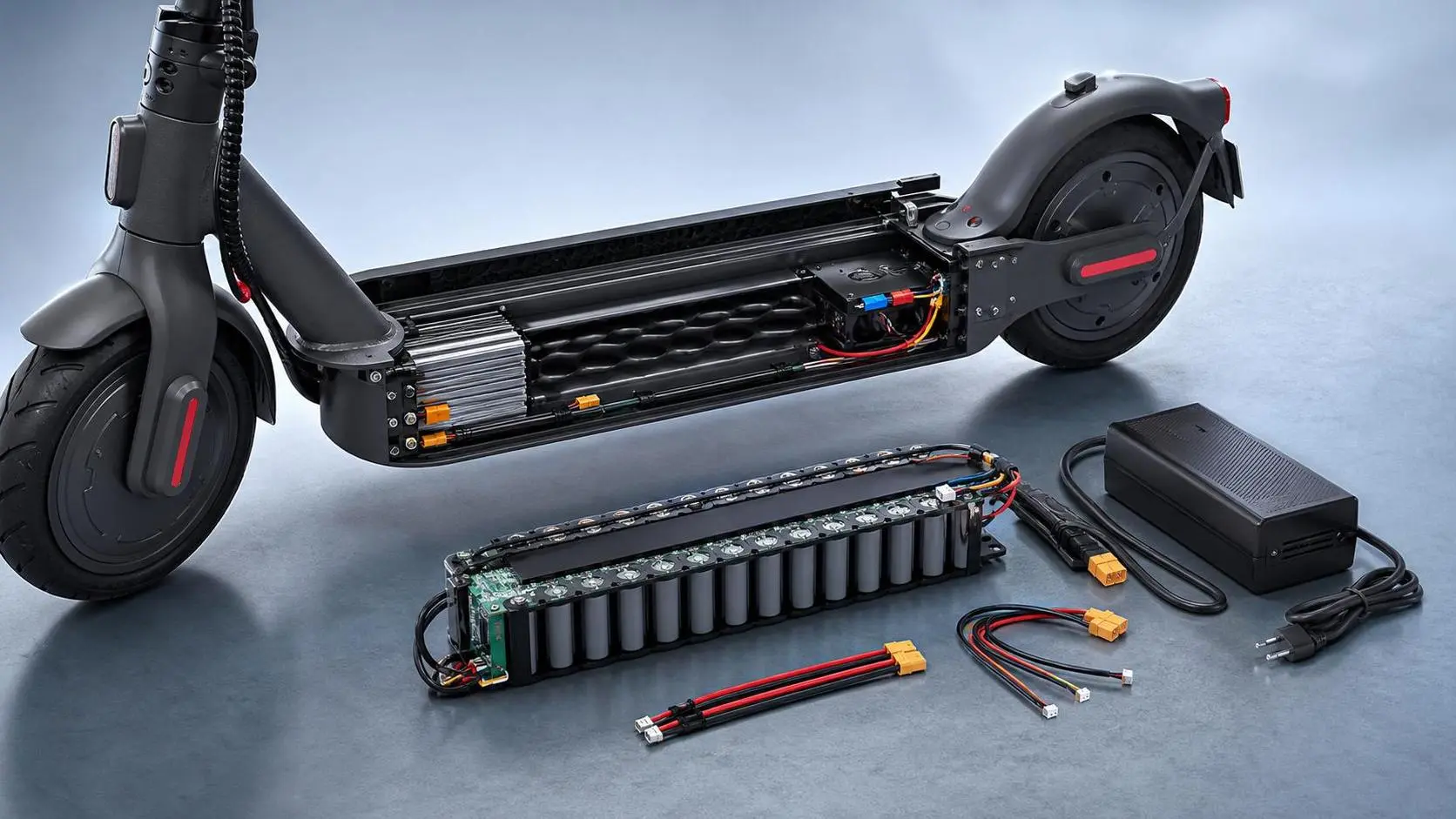
Common Scooter Battery Issues and How to Troubleshoot Range Drop, Heat, and Charging Faults
Scooter battery issues explained: learn how to troubleshoot range drop, overheating, and charging faults with practical checks that help riders and fleets diagnose faster and avoid costly replacements.

Low Carbon Commuting Options: E-bikes, Foldable Scooters, and Public Transit Compared
Low carbon commuting compared: discover how e-bikes, foldable scooters, and public transit differ in cost, flexibility, range, and last-mile convenience for smarter daily travel.
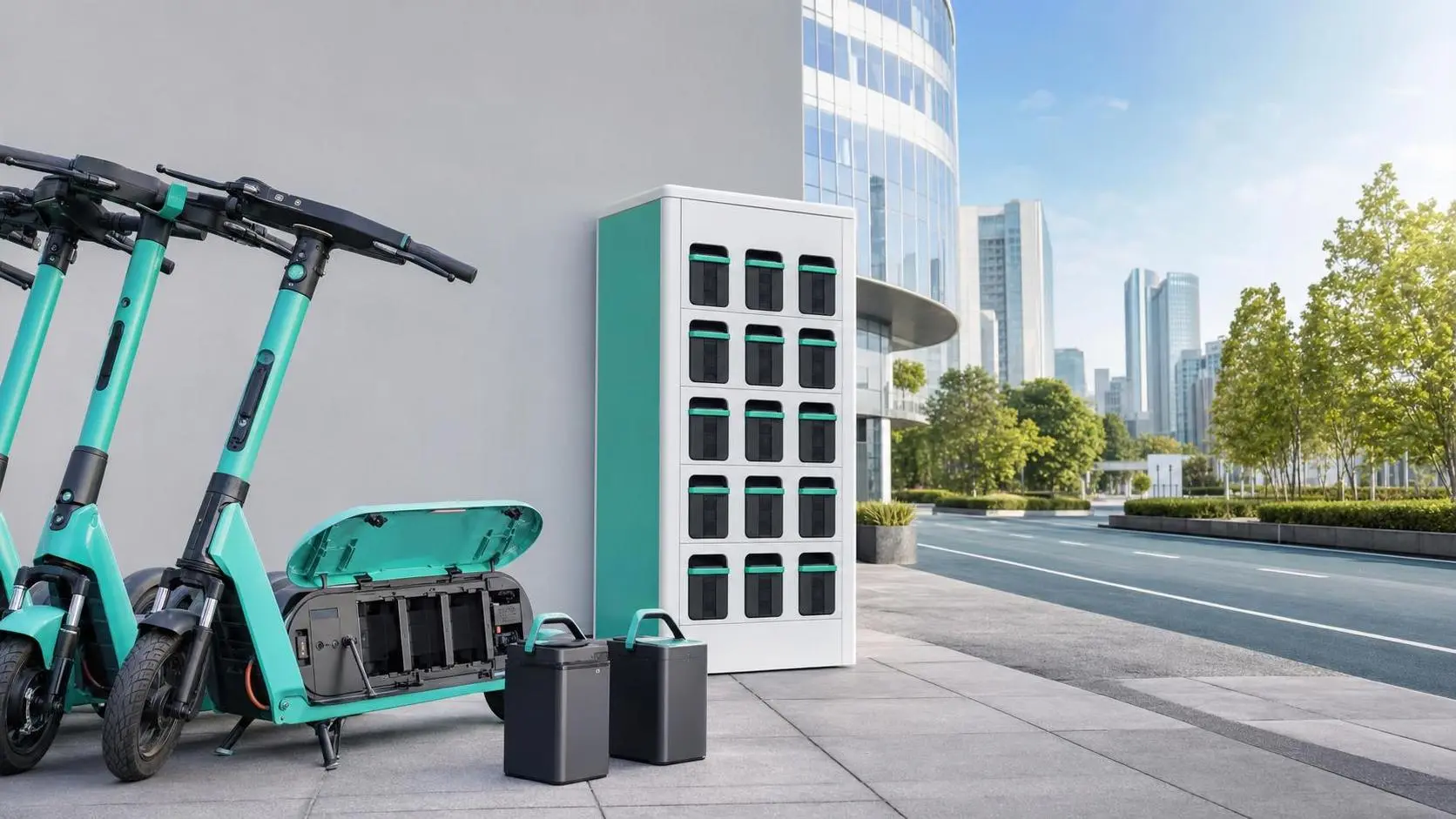
How Battery-Swapping Networks Work for Shared Fleet Scooters
Battery-swapping networks keep shared fleet scooters running with less downtime, smarter dispatch, and safer battery management. See how they boost uptime and urban fleet efficiency.
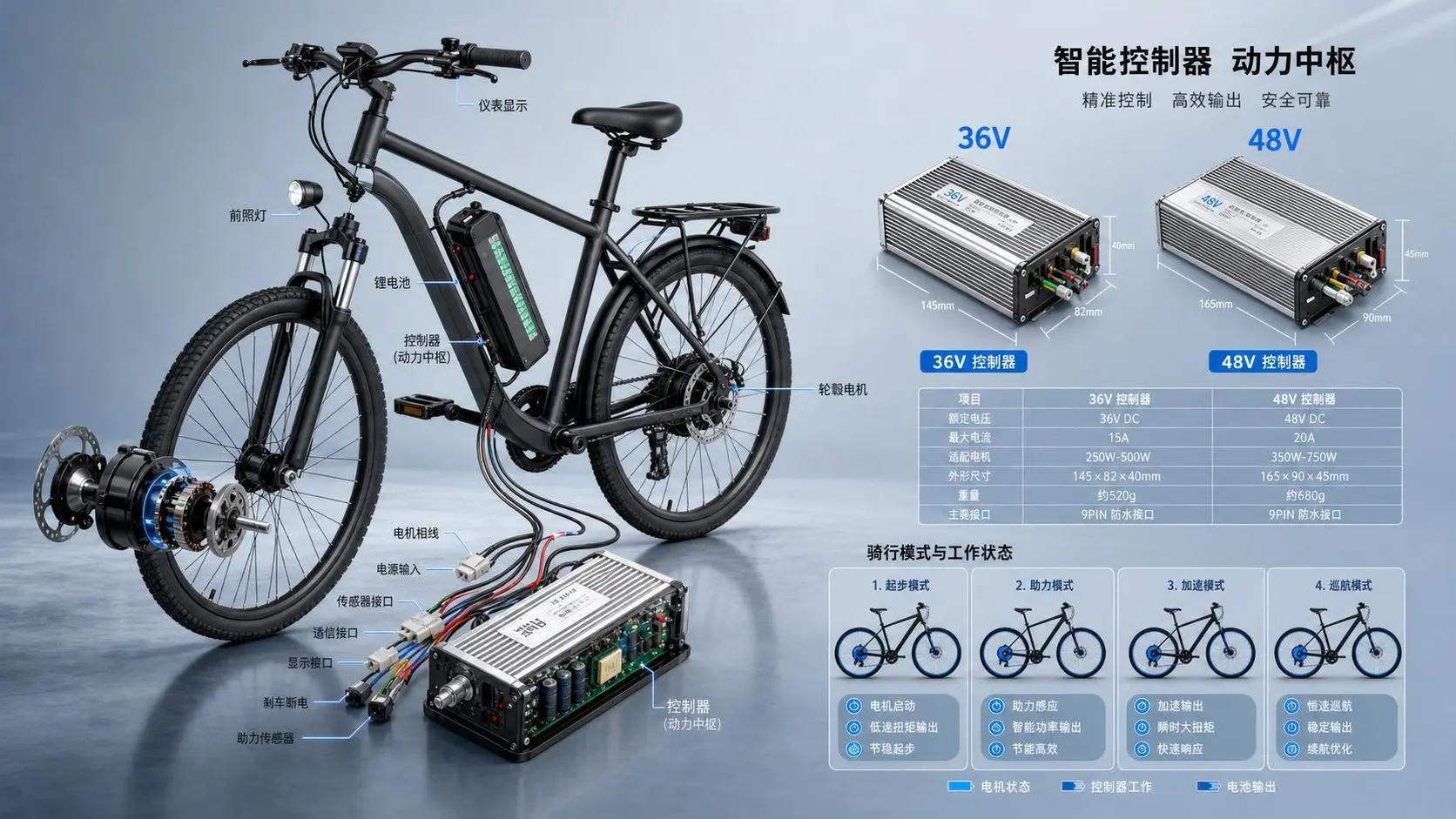
E Bike Controllers Explained: How to Match Voltage, Current, and Riding Mode
E bike controllers explained: learn how to match voltage, current, and riding mode for smoother power, safer compatibility, better efficiency, and more confident e-bike upgrades.
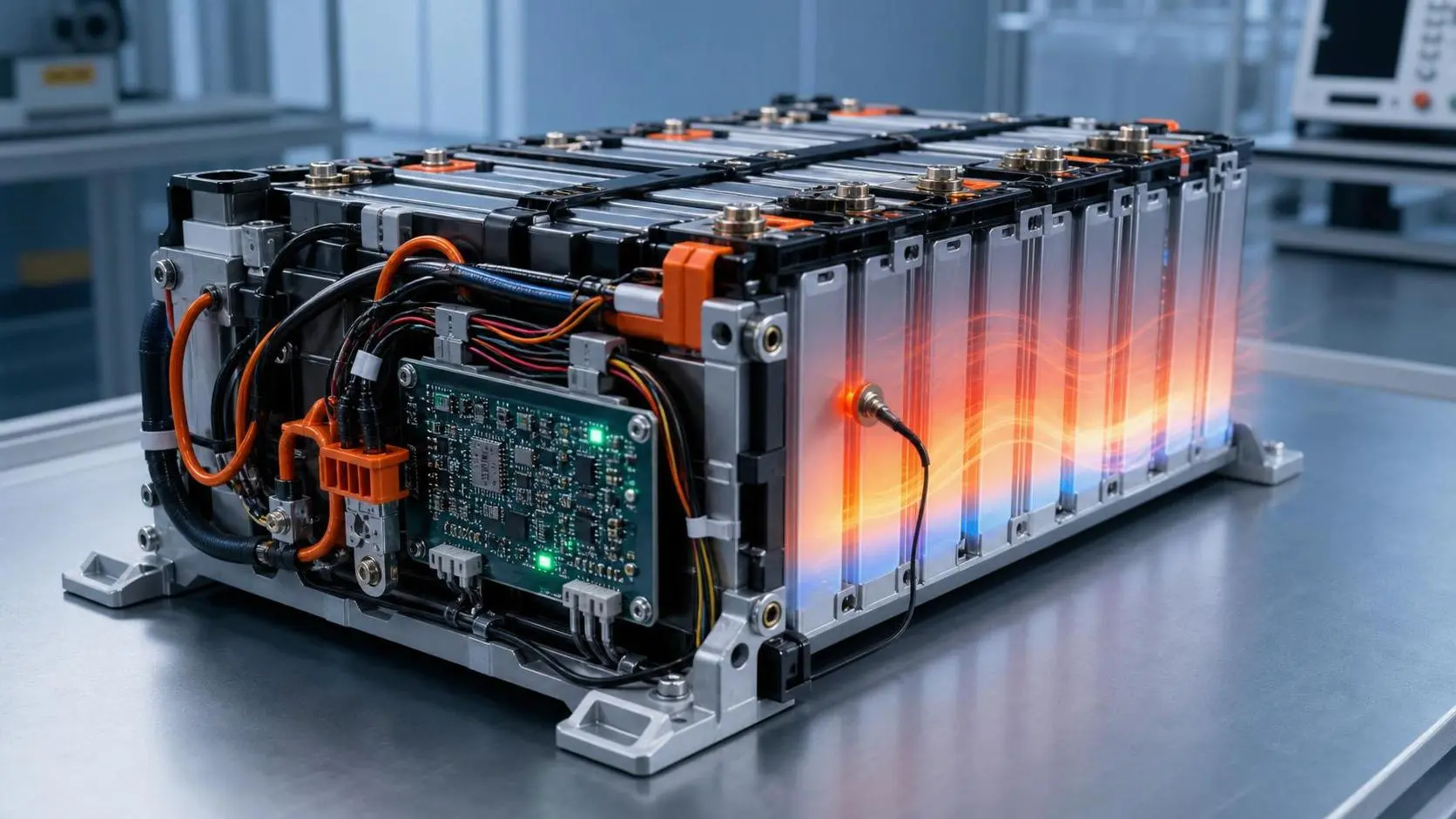
Battery Overheating Management in Light EVs: Causes, Sensors, and Control Strategies
Battery overheating management in light EVs: learn the main causes, key sensors, and proven control strategies to improve safety, reliability, and thermal compliance.
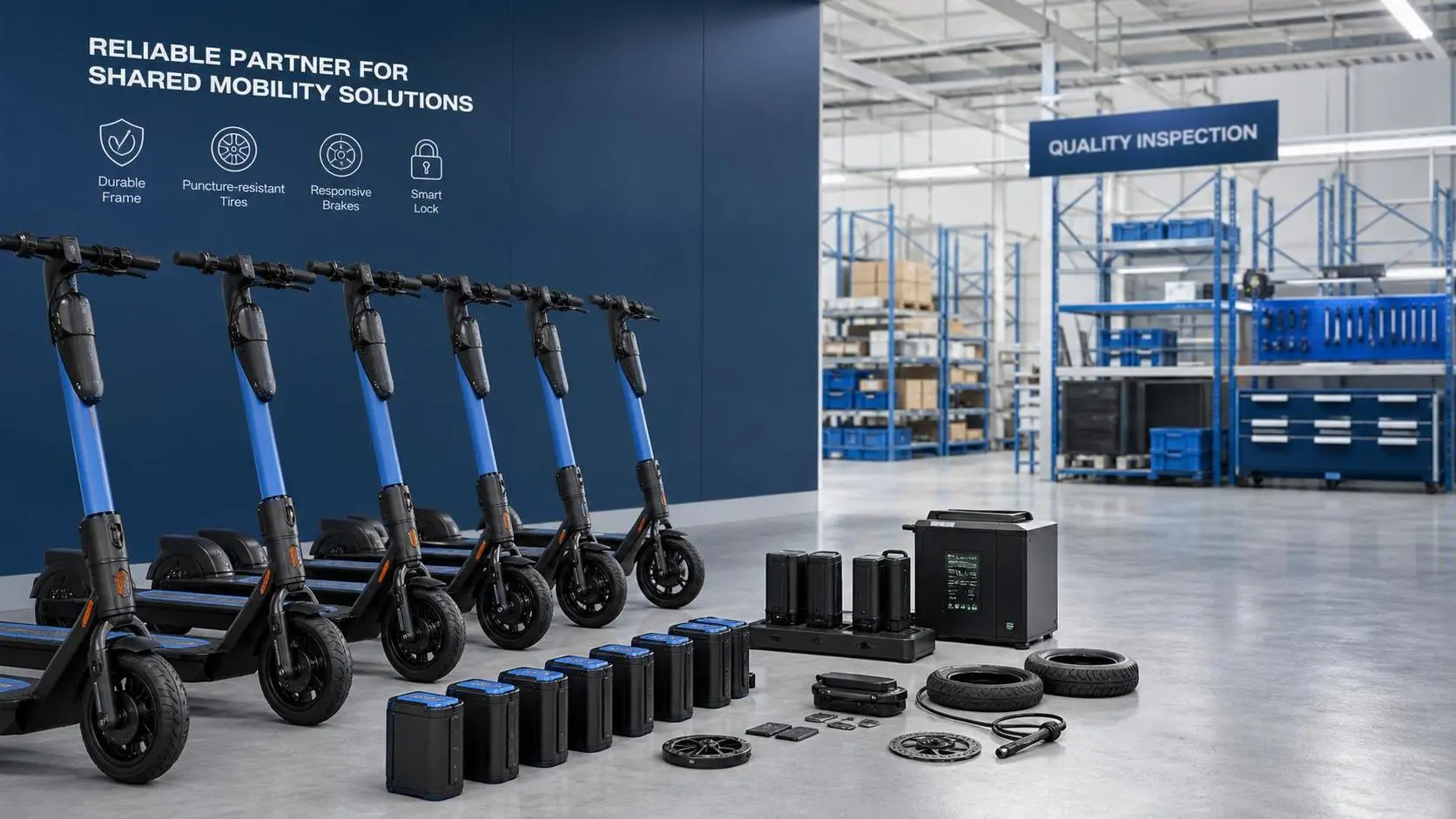
Shared Scooters Supplier Checklist: What to Compare Before Fleet Procurement
Shared scooters supplier checklist: compare total cost, durability, battery strategy, IoT, compliance, and support before fleet procurement to reduce risk and improve long-term ROI.
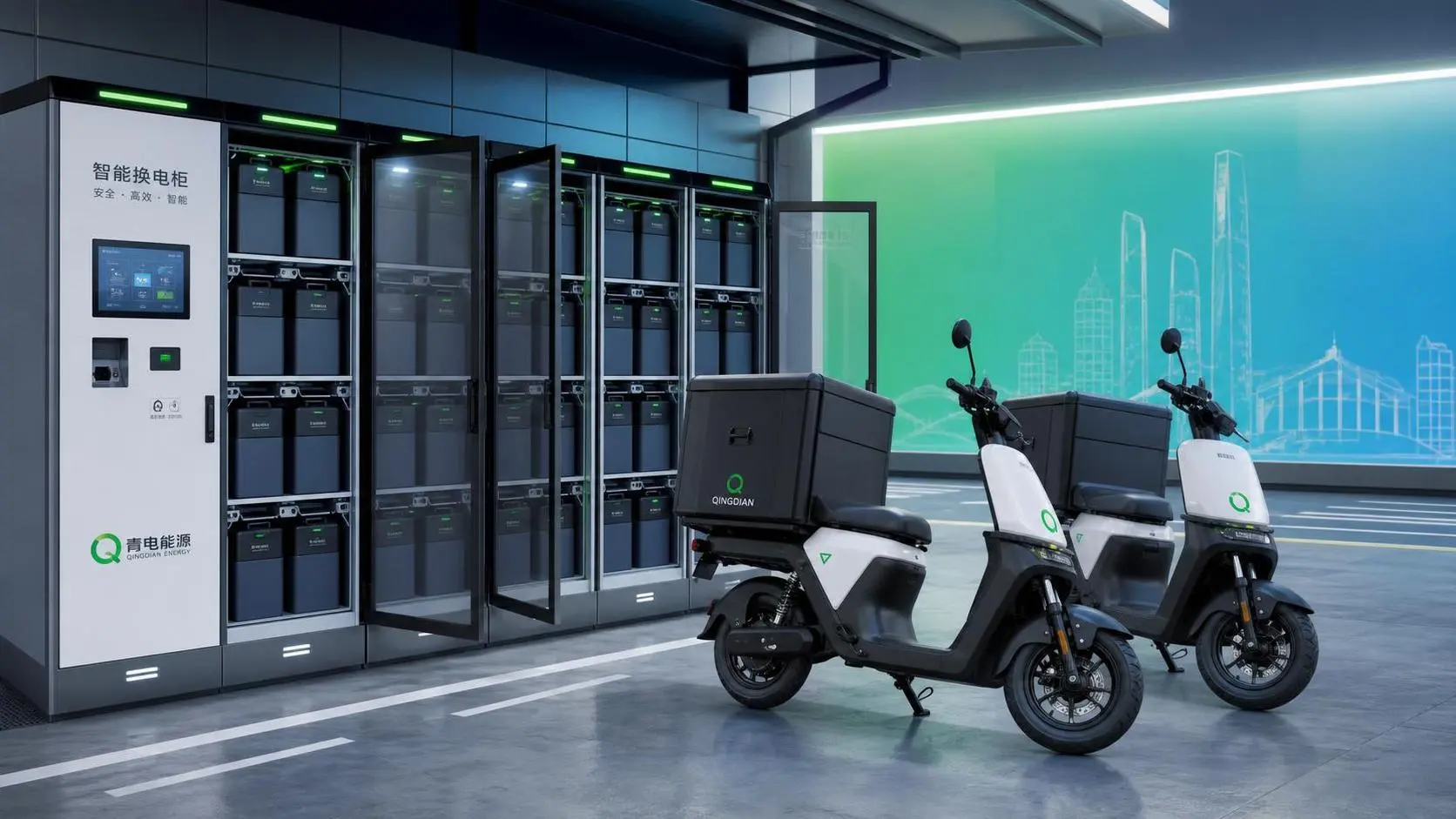
Battery-Swapping Networks for Motorcycles: Key Cost Drivers and Deployment Models
Battery-swapping networks motorcycles explained: explore key cost drivers, utilization risks, and deployment models shaping profitable electric two-wheeler infrastructure.
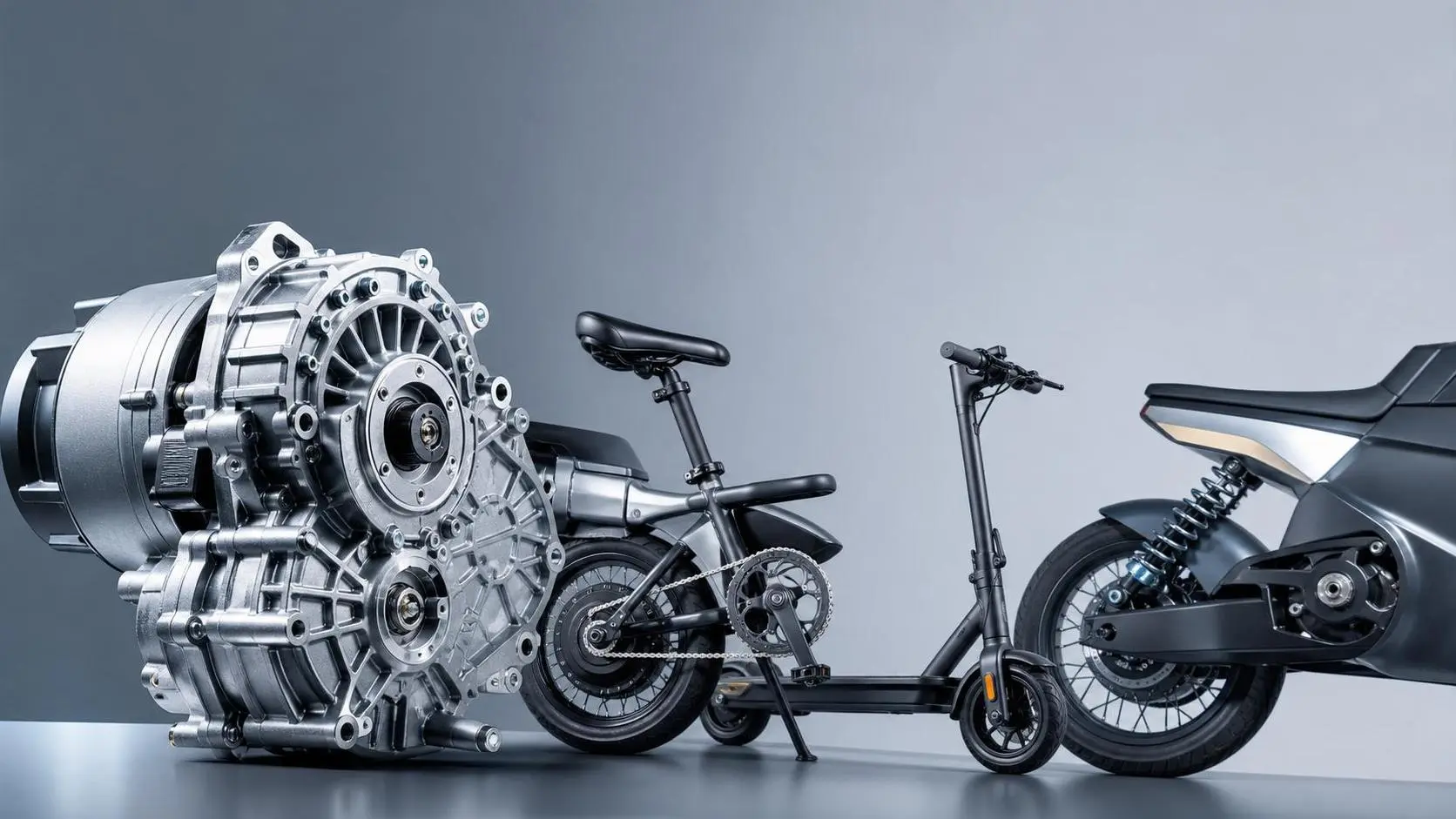
How to Choose an Electromechanical Transmission Manufacturer for E-Mobility Projects
Electromechanical transmission manufacturer selection can make or break e-mobility projects. Learn how to compare suppliers for performance, quality, compliance, and long-term value.