
Related News
- 00
0000-00
Shared Scooters Supplier Checklist: What to Compare Before Fleet Procurement - 00
0000-00
How to Choose Urban Mobility Devices for Shared Use, Campus Travel, or Delivery - 00
0000-00
How a Camera Recognition System Improves Detection Accuracy in Shared Fleet Scooters - 00
0000-00
Shared Scooters China: Operating Models, Policy Risks, and Expansion Lessons - 00
0000-00
How to Choose a Shared Scooters Supplier for Fleet Scale, Parts Supply, and After-Sales
Urban Transit Fellow
Weekly Insights
Stay ahead with our curated technology reports delivered every Monday.
How a Camera Recognition System Improves Detection Accuracy in Shared Fleet Scooters





How a Camera Recognition System Improves Detection Accuracy in Shared Fleet Scooters
In shared fleet scooters, a camera recognition system does much more than capture images. It turns visual data into fast operational insight.
That matters because scooter fleets operate in crowded streets, changing light, and unpredictable rider behavior. Small detection errors can quickly become expensive.
A stronger camera recognition system helps fleets detect obstacles, parking violations, road conditions, rider misuse, and maintenance signals with higher confidence.
It also reduces false alerts, which is often the hidden cost in shared mobility operations. Better detection accuracy means fewer wasted dispatches and fewer missed risks.
For urban micro-mobility operators, that improvement supports safer rides, cleaner compliance workflows, and more efficient fleet management at scale.
From a delivery perspective, the value is practical. A camera recognition system helps teams make better decisions with clearer evidence and faster response loops.
Why Detection Accuracy Is a Core Fleet Problem
Shared scooter programs face a difficult operating environment. Streets are dynamic, sidewalks are crowded, and parking behavior varies block by block.
Traditional sensor logic alone can struggle with edge cases. A curb, plastic bag, shadow, or reflective surface may trigger the wrong response.
This is where a camera recognition system creates an advantage. It adds context, not just signal detection.
Instead of only asking whether something is present, the system can assess what it is, where it is, and whether action is necessary.
That shift improves object classification, scene understanding, and event validation. In real operations, those three gains drive better detection accuracy.
More importantly, they help teams prioritize actual risk instead of chasing noise across the network.
How a Camera Recognition System Improves Detection Accuracy
The biggest improvement comes from visual context. A camera recognition system sees patterns that simpler detection methods often miss.
For example, it can distinguish a pedestrian from a pole, or a legal parking zone from a blocked sidewalk edge.
This matters because not every detected object requires the same action. Better classification leads to better fleet decisions.
Key accuracy improvements
- Improves object recognition in dense urban traffic.
- Reduces false positives from shadows, reflections, and street clutter.
- Supports real-time detection of unsafe parking behavior.
- Identifies road hazards such as potholes, debris, or blocked lanes.
- Improves rider behavior detection for tandem riding or sidewalk riding.
- Strengthens maintenance alerts through visual wear analysis.
A well-trained camera recognition system also improves over time. As local data grows, the model learns region-specific street conditions and usage patterns.
That is especially useful for operators expanding across cities with different curb rules, weather profiles, and rider habits.
Where It Creates Immediate Operational Value
In practice, a camera recognition system delivers value when it connects detection accuracy to measurable operating outcomes.
The strongest use cases usually appear in safety, parking compliance, maintenance, and incident review.
1. Safer riding environments
A camera recognition system can detect pedestrians, lane intrusions, sudden obstacles, and dangerous surface changes with more precision.
This supports warning logic, speed intervention, or post-event review. Each action depends on local rules and platform design.
2. Better parking compliance
Parking is one of the biggest friction points in shared fleet scooters. Users may leave vehicles near ramps, bus stops, or narrow sidewalks.
With a camera recognition system, the platform can verify whether the scooter is positioned within a compliant zone before ride closure.
That reduces manual audits and improves municipal trust. It also prevents disputes caused by weak evidence.
3. Faster maintenance detection
Visual recognition can flag cracked housings, damaged reflectors, loose accessories, or repeated tire-condition anomalies.
This makes maintenance planning more proactive. Instead of waiting for rider complaints, teams can intervene earlier.
4. Stronger incident documentation
When a detection event is tied to image-based evidence, investigations move faster. Teams can classify incidents with less guesswork.
That improves internal reporting, insurer communication, and public accountability without relying only on rider statements.
What Project Teams Should Evaluate First
Not every camera recognition system fits every fleet. The right design depends on city conditions, use cases, and system integration goals.
A common mistake is focusing only on camera hardware. Detection accuracy depends just as much on data quality and operational workflow.
Priority evaluation areas
- Define the detection task clearly, such as parking, hazard recognition, or rider behavior analysis.
- Check image performance under low light, glare, rain, dust, and vibration.
- Review model accuracy by scenario, not only by overall average score.
- Confirm edge processing capacity and cloud response limits.
- Verify integration with telematics, IoT modules, and maintenance platforms.
- Set privacy controls, retention rules, and compliance logic early.
These checks keep the conversation grounded in outcomes. A camera recognition system should solve a fleet problem, not just add a new sensor layer.
From recent market shifts, this is becoming a bigger differentiator. Cities increasingly expect operators to prove safety and compliance performance with real data.
Common Risks That Reduce Detection Accuracy
Even a strong camera recognition system can underperform if deployment conditions are ignored. Accuracy problems usually come from a few repeat issues.
- Training data that does not reflect local street reality.
- Poor camera placement that creates blind spots or unstable angles.
- Low-quality image capture during vibration or night operation.
- Weak event thresholds that trigger too many alerts.
- Disconnected workflows that leave alerts unverified or unresolved.
The more obvious signal is that technical accuracy alone is not enough. Operational response design matters just as much.
If alerts do not map to action, the fleet gains little value. Detection quality must connect directly to dispatch, review, or automation rules.
A Practical Rollout Path for Shared Fleet Scooters
A phased rollout usually works better than a full-scale launch. It lowers risk and reveals where the camera recognition system performs best.
Recommended rollout sequence
- Start with one city zone and one clear use case.
- Measure false positives, missed events, and intervention speed.
- Refine thresholds using real operational feedback.
- Expand to adjacent scenarios such as parking and hazard detection.
- Build reporting dashboards around action rates, not only detections.
This also helps internal teams align. Engineering, operations, compliance, and city partnership functions often use the same detection data differently.
A camera recognition system becomes more valuable when those teams share definitions, review rules, and response priorities from the start.
Why This Matters for the Next Stage of Micro-Mobility
Shared fleet scooters are moving into a more regulated and performance-driven phase. Operators now need better proof of safety, control, and street compatibility.
That is why a camera recognition system is becoming strategically important. It supports detection accuracy where manual oversight cannot scale.
For platforms shaped by urban density and low-carbon transport goals, better visual intelligence is no longer a future add-on. It is an operating requirement.
In the UMMS view of the market, the strongest fleets will combine efficient hardware, connected software, and reliable recognition logic into one system strategy.
When deployed well, a camera recognition system improves detection accuracy, sharpens response quality, and supports safer shared mobility at city scale.
The practical next step is simple. Define one priority detection problem, test the system in live streets, and scale only after the data proves operational value.
Related News
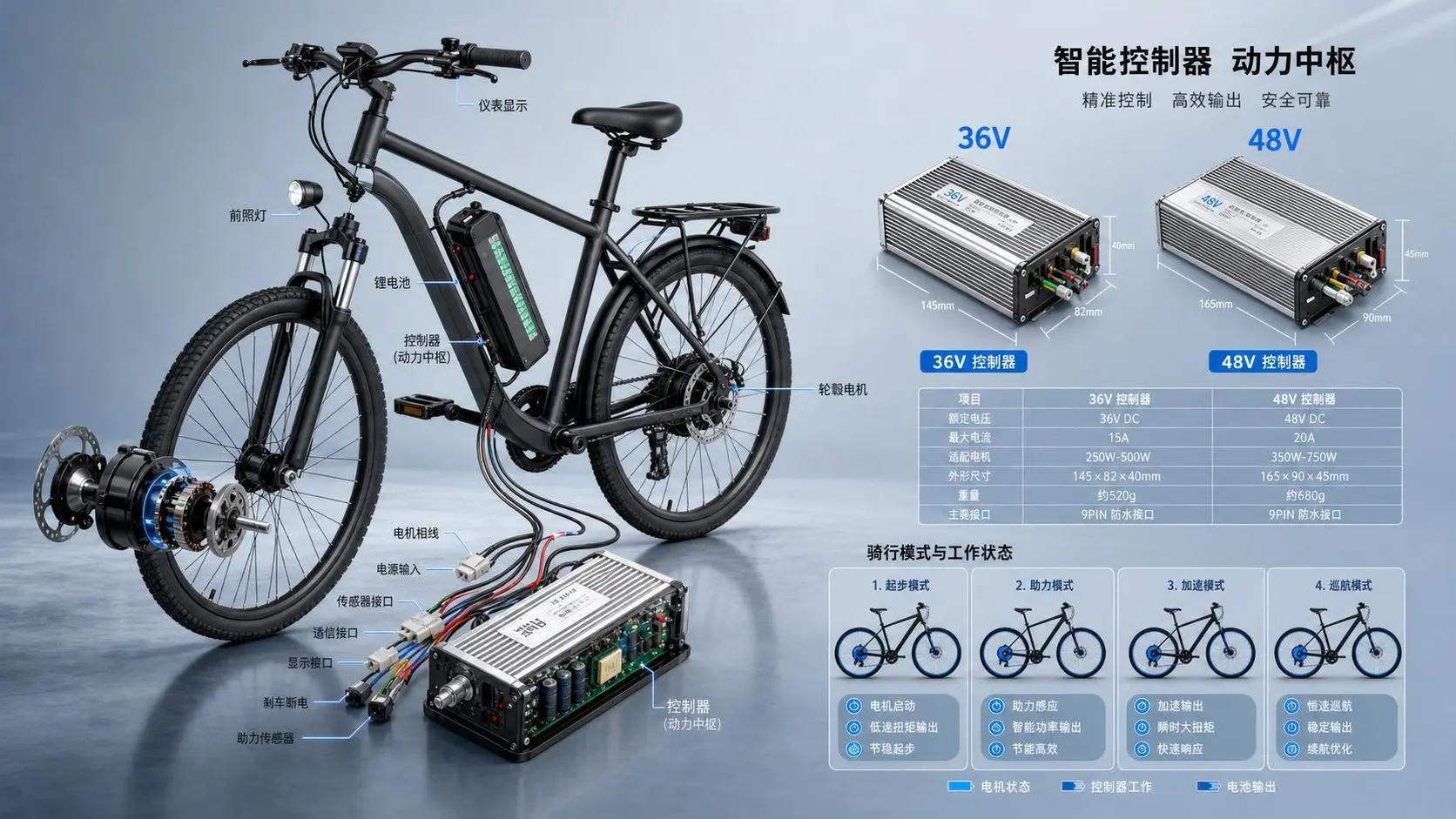
E Bike Controllers Explained: How to Match Voltage, Current, and Riding Mode
E bike controllers explained: learn how to match voltage, current, and riding mode for smoother power, safer compatibility, better efficiency, and more confident e-bike upgrades.
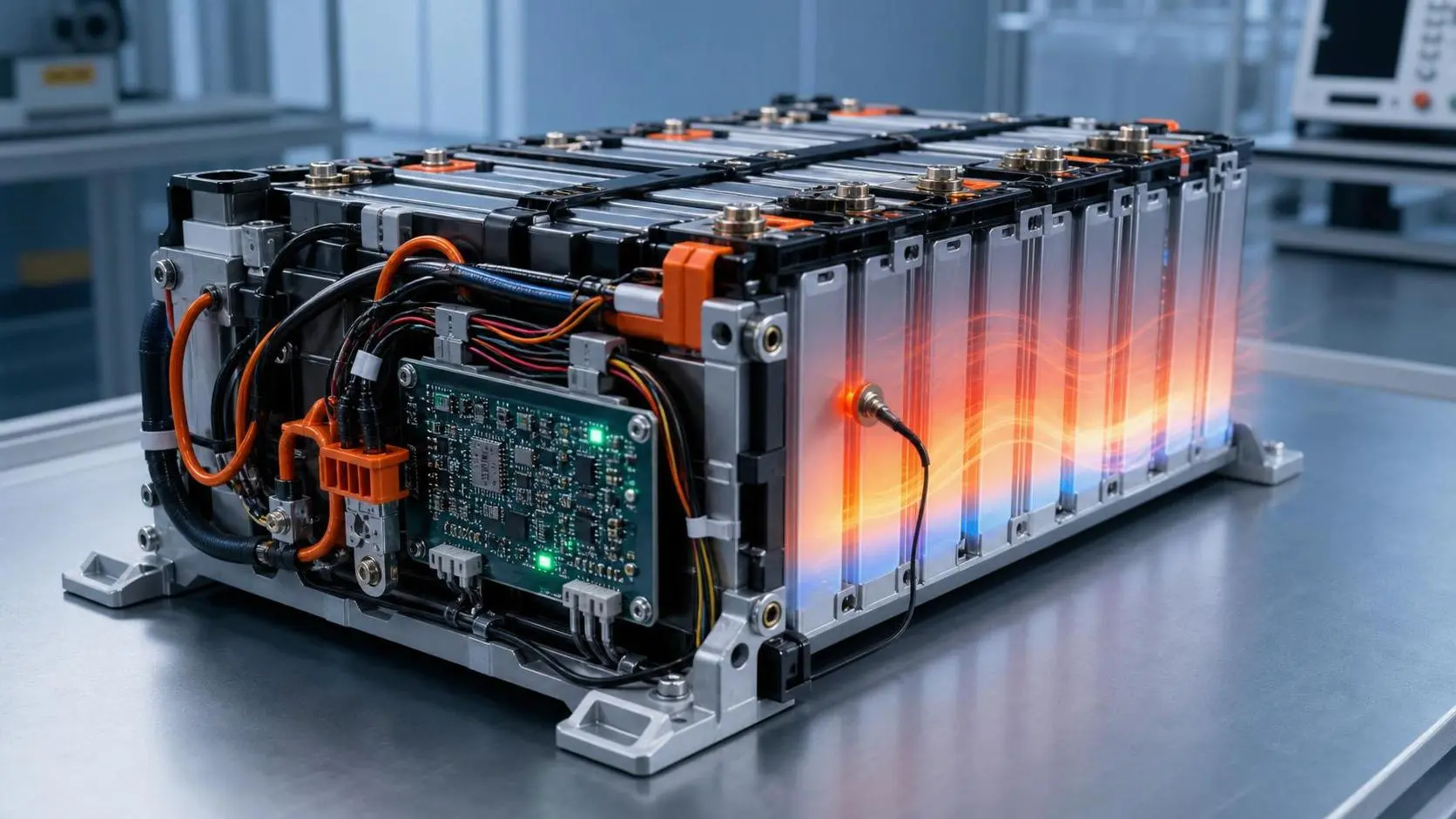
Battery Overheating Management in Light EVs: Causes, Sensors, and Control Strategies
Battery overheating management in light EVs: learn the main causes, key sensors, and proven control strategies to improve safety, reliability, and thermal compliance.
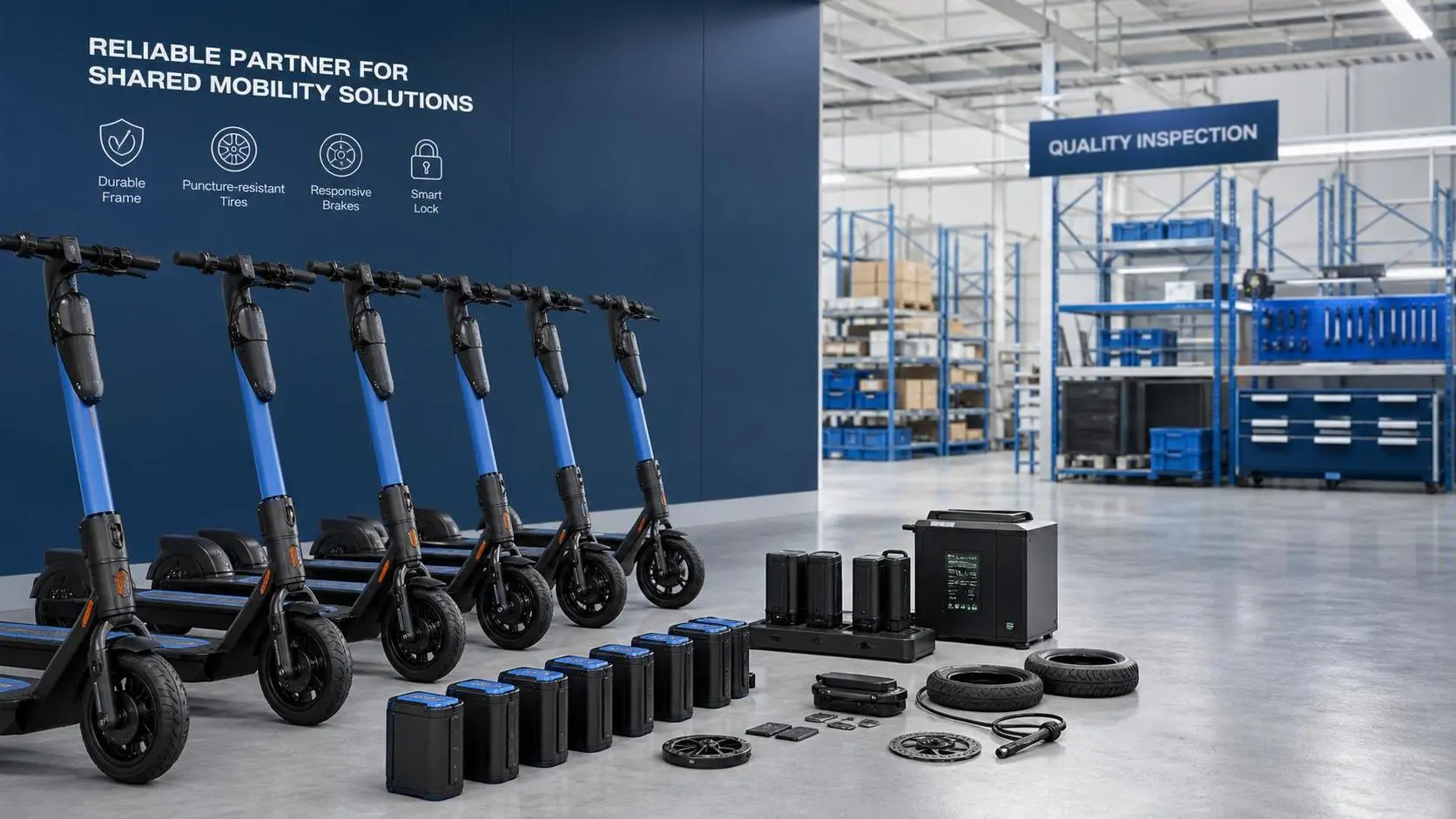
Shared Scooters Supplier Checklist: What to Compare Before Fleet Procurement
Shared scooters supplier checklist: compare total cost, durability, battery strategy, IoT, compliance, and support before fleet procurement to reduce risk and improve long-term ROI.
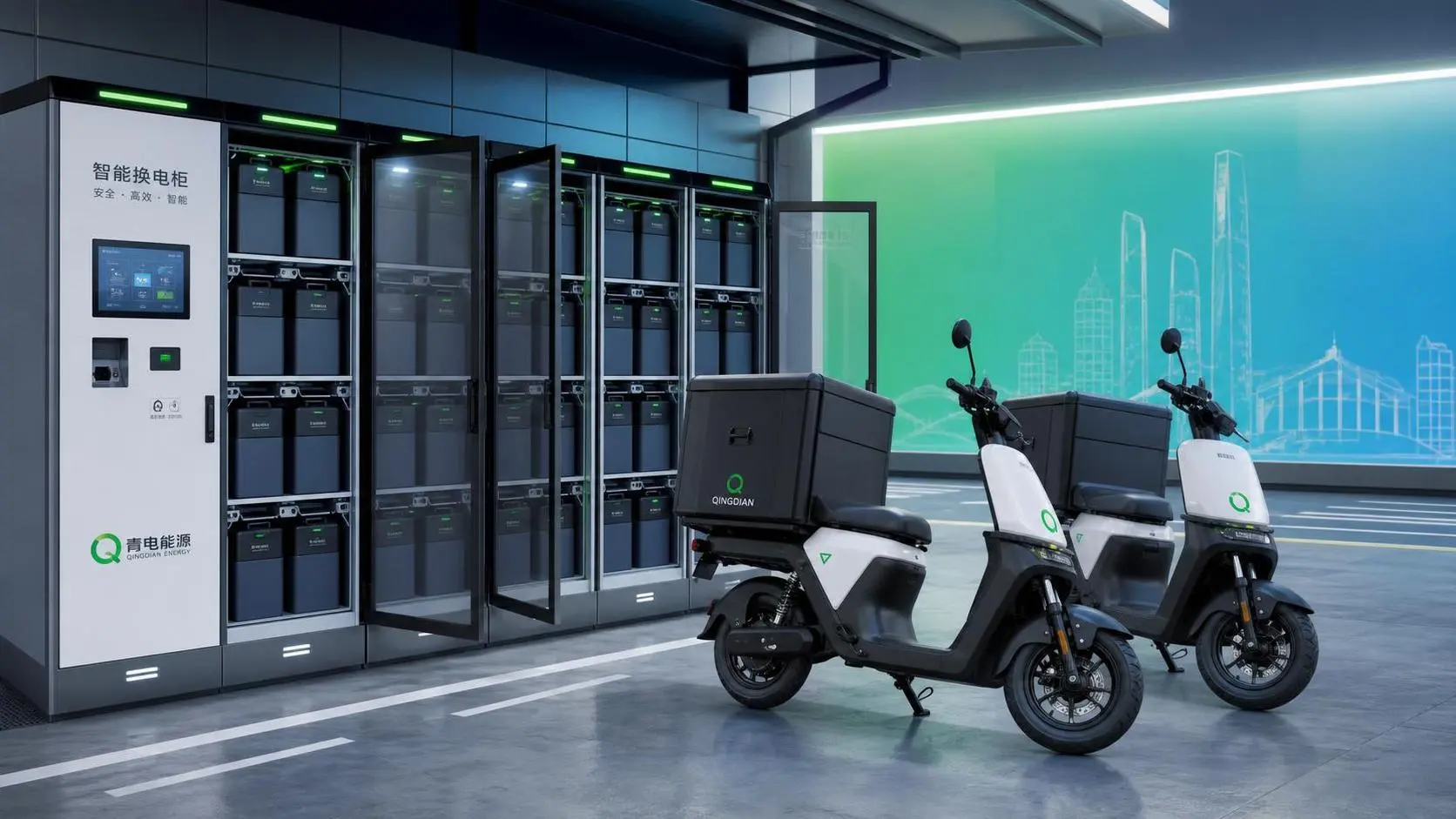
Battery-Swapping Networks for Motorcycles: Key Cost Drivers and Deployment Models
Battery-swapping networks motorcycles explained: explore key cost drivers, utilization risks, and deployment models shaping profitable electric two-wheeler infrastructure.
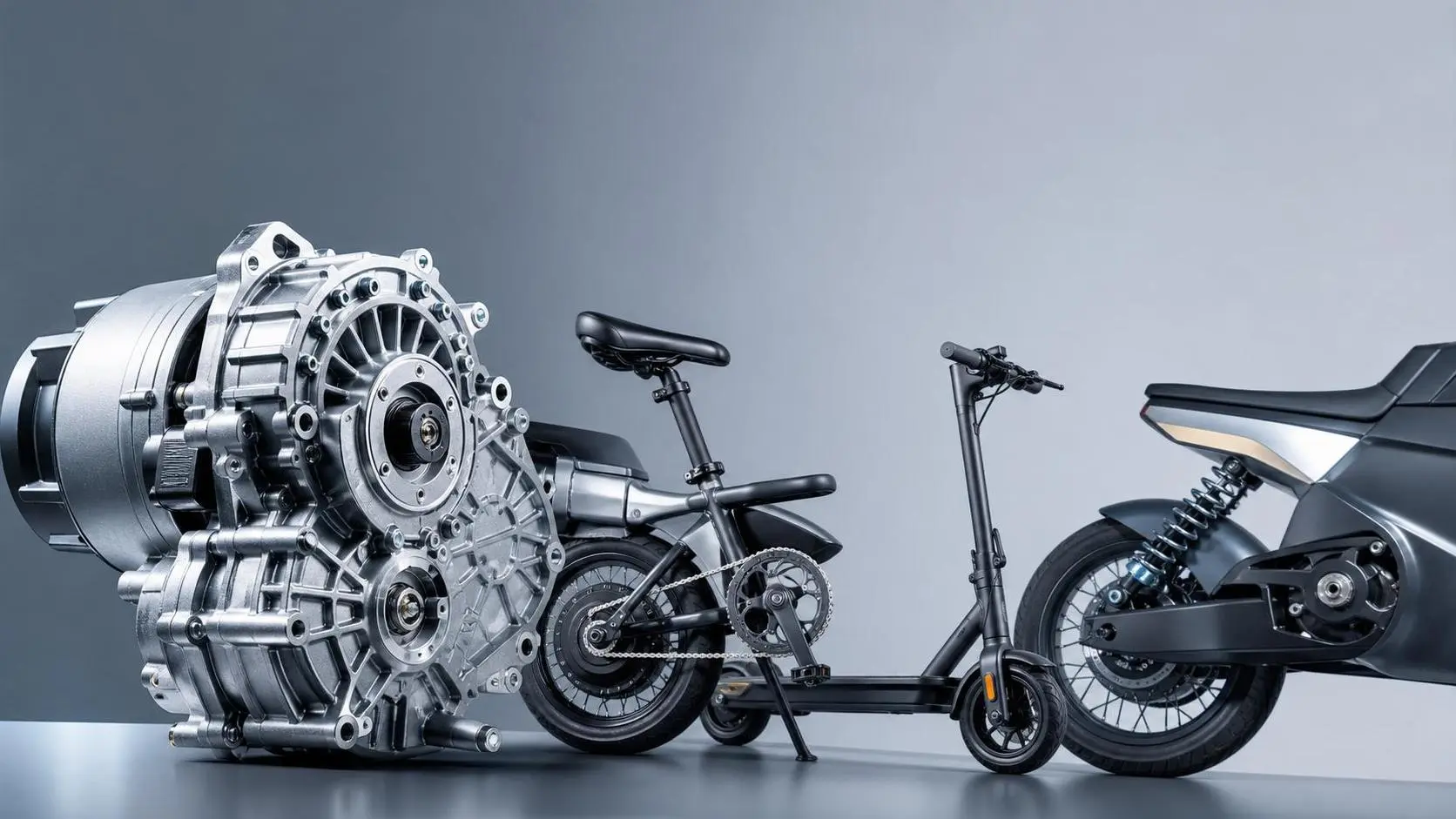
How to Choose an Electromechanical Transmission Manufacturer for E-Mobility Projects
Electromechanical transmission manufacturer selection can make or break e-mobility projects. Learn how to compare suppliers for performance, quality, compliance, and long-term value.
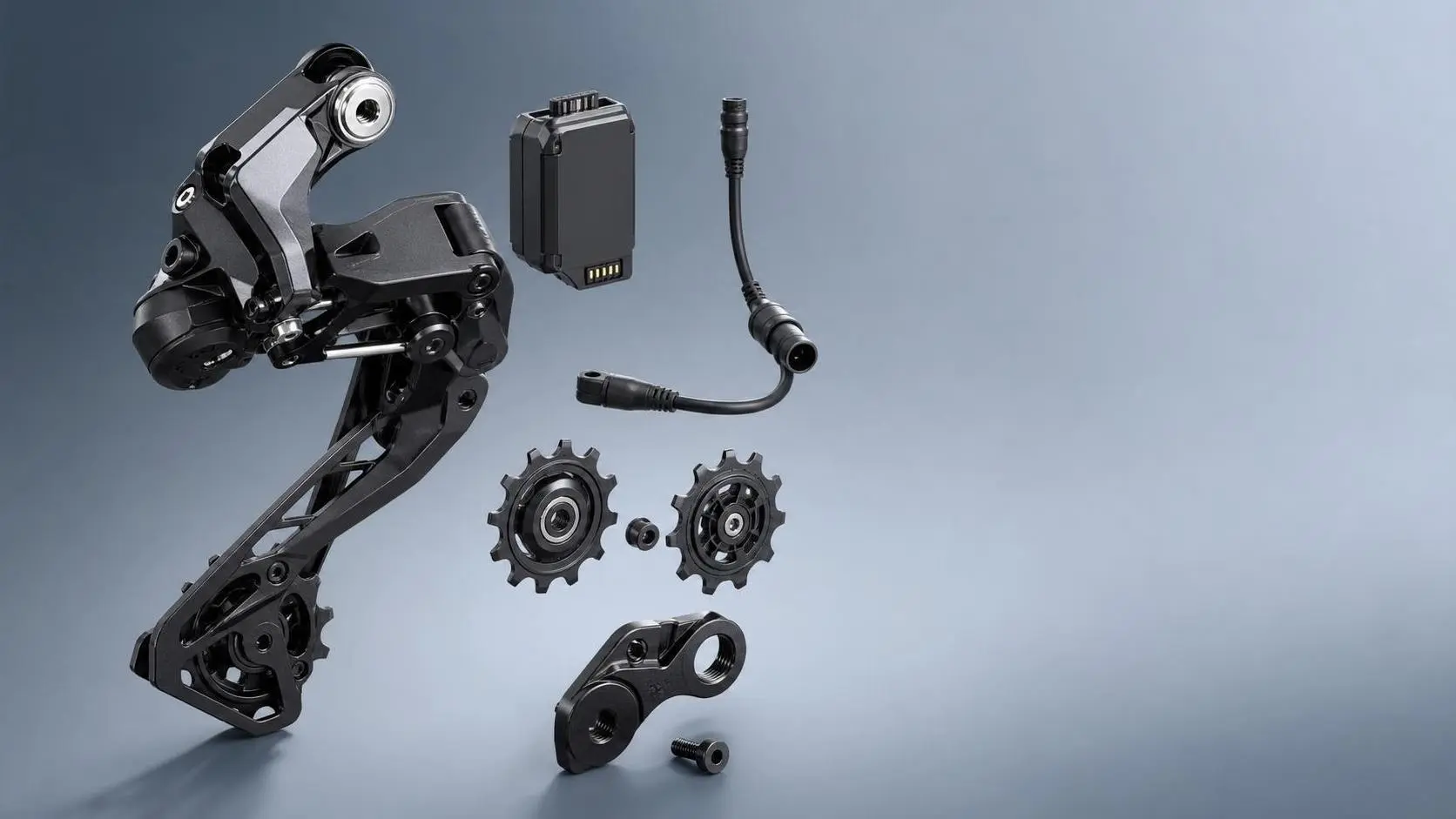
Electronic Derailleur Parts Guide: Compatibility, Wear Points, and Replacement Tips
Electronic derailleur parts guide covering compatibility, common wear points, and smart replacement tips. Learn how to diagnose issues faster, avoid mismatch errors, and improve shifting reliability.
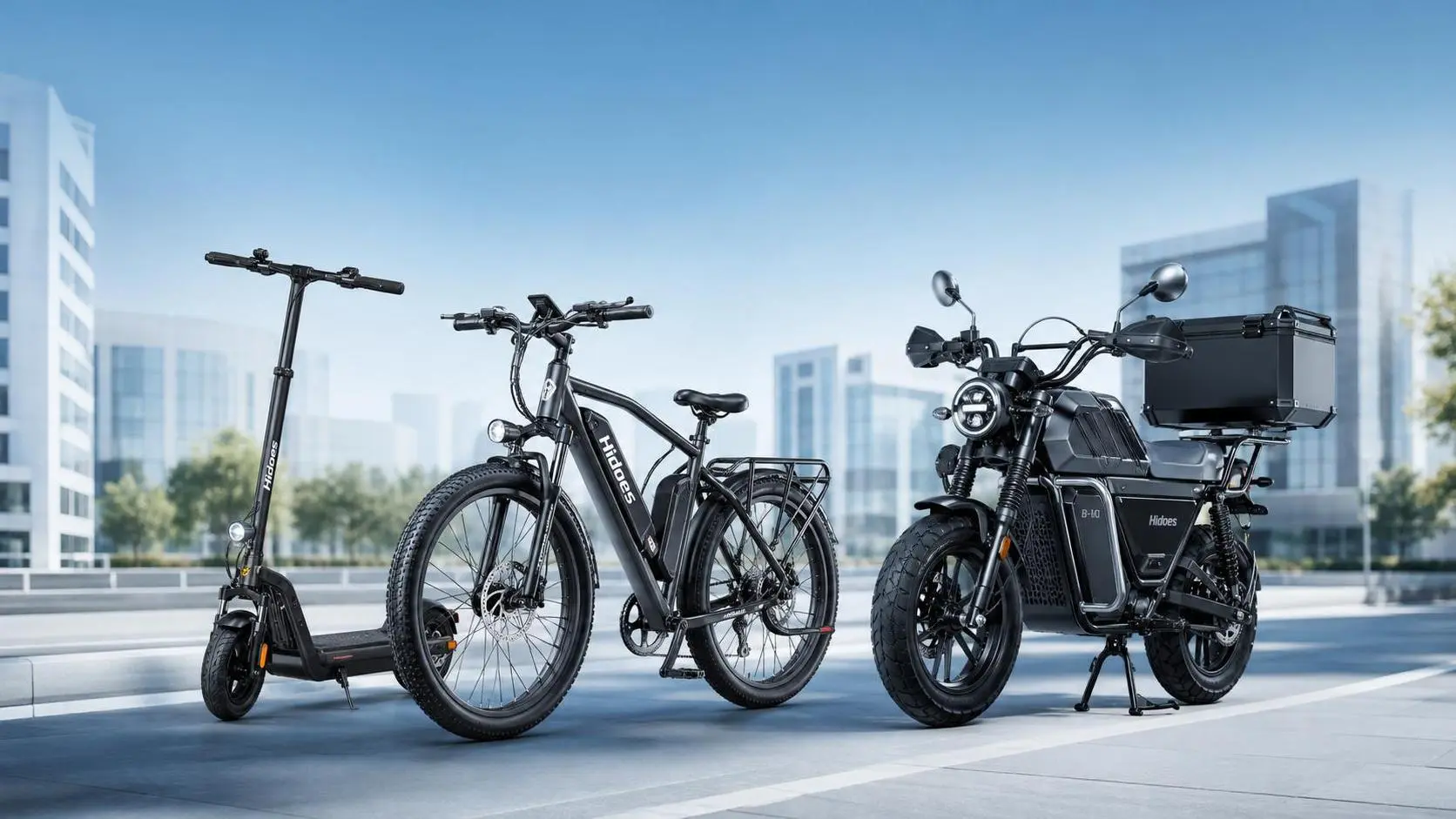
How to Choose Urban Mobility Devices for Shared Use, Campus Travel, or Delivery
Urban mobility devices for shared fleets, campus travel, or delivery require the right mix of safety, uptime, battery strategy, and serviceability—discover how to choose smarter.
Micro Mobility USA Market: Key Regulations, Demand Signals, and Growth Segments
Micro mobility USA is entering a regulation-led growth phase. Explore key rules, demand signals, and top segments shaping e-bikes, scooters, and electric two-wheel opportunities.
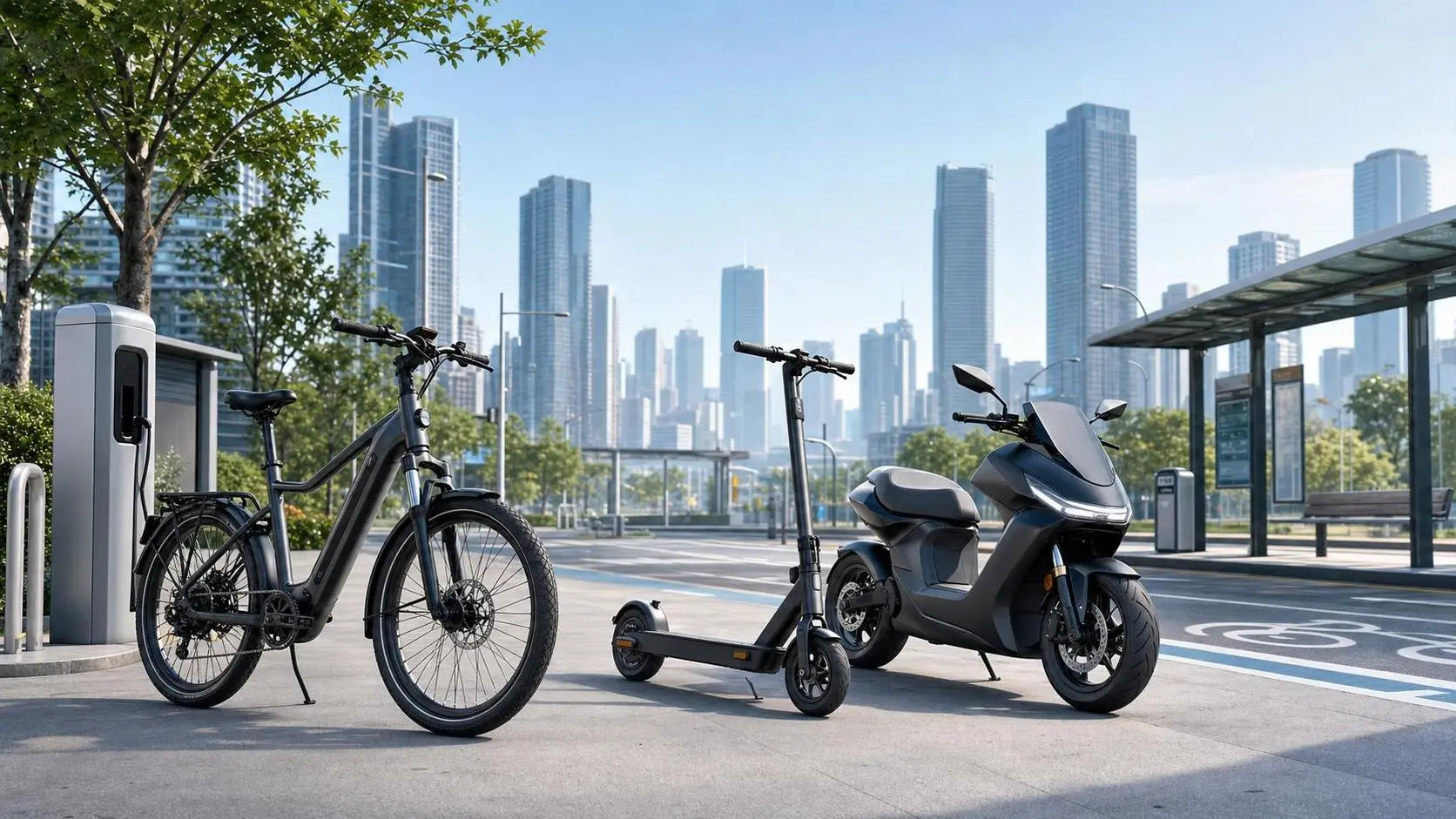
Clean Urban Transport Options Explained: Which Modes Fit Dense City Routes?
Clean urban transport explained for dense city routes—compare e-bikes, smart e-scooters, and e-motorcycles to find the best fit for speed, comfort, range, and city compliance.