
Related News
- 00
0000-00
Wiper Systems ECE Compliance: Which Tests, Marks, and Documents Matter for Approval? - 00
0000-00
Automatic Smart Wiper Systems Explained: Sensors, Control Logic, and Failure Points - 00
0000-00
Wiper Systems for Scooters: Common Failure Points, Maintenance Tips, and Replacement Signs - 00
0000-00
How to Choose a Brushless Wiper Motor: Voltage, Torque, IP Rating, and Duty Cycle - 00
0000-00
Wiper Sensor Technology: How Rain Detection Works and What Affects Response Accuracy
Visibility Safety Expert
Weekly Insights
Stay ahead with our curated technology reports delivered every Monday.
Do brushless motors really need less maintenance?





For after-sales maintenance teams working across e-bikes, smart e-scooters, wiper systems, and other electric mobility platforms, the promise of lower service workload is a major selling point. Brushless motors are often promoted as cleaner, longer-lasting, and more efficient than brushed alternatives—but does that mean they are truly maintenance-free? This article examines what actually changes in daily inspection, fault diagnosis, and lifecycle service when brushless motors are used, helping technicians separate marketing claims from practical maintenance realities.
For service managers, the real question is not whether brushless motors eliminate maintenance. It is whether they shift maintenance from mechanical wear tasks to electrical diagnostics, software checks, sealing control, and thermal management.
Why Brushless Motors Reduce Some Service Work, but Not All
Brushless motors remove the physical brush and commutator contact found in brushed DC units. That single design change can remove 2 common failure points: brush wear and carbon dust contamination.
In e-bikes, smart scooters, compact wiper drives, and light electric motorcycles, this usually means fewer routine replacements. A technician may no longer inspect brushes every 1,000–3,000 operating hours.
The maintenance burden moves from friction parts to electronic control
A brushless motor depends on a controller, phase wiring, sensors, firmware logic, and battery supply quality. When problems occur, they often appear as intermittent faults rather than visible wear.
- Mechanical checks decrease because there are no brushes to inspect, clean, or replace.
- Electrical checks increase because phase imbalance, Hall signal errors, and connector resistance become more important.
- Environmental checks remain critical, especially for wheel hub motors exposed to rain, salt, dust, and vibration.
- Software checks become part of service when controllers store error codes or support parameter calibration.
For after-sales teams, this means fewer dirty mechanical tasks but a higher need for multimeters, diagnostic interfaces, insulation testing, and structured fault logs.
The comparison below shows where service effort typically changes when fleets or OEM platforms adopt brushless motors across urban mobility applications.
The key conclusion is straightforward: brushless motors reduce scheduled mechanical servicing, but they do not remove the need for disciplined electrical and environmental inspection.
Where Maintenance Still Matters in Micro-Mobility Platforms
In the field, brushless motors fail for different reasons depending on application. An e-bike hub motor faces different stress than a wiper motor or high-speed electric motorcycle drive.
E-bikes and hub-drive scooters
Hub-drive e-bikes and scooters operate close to road spray, curb impacts, and brake heat. Technicians should inspect cable exits, axle nuts, bearings, and phase connectors every 3–6 months.
A typical 250W–750W e-bike motor may run quietly for years, but water ingress can corrode terminals within weeks if sealing is damaged after tire service.
Wiper systems using compact BLDC drives
In vehicle wiper systems, brushless motors can improve low-speed control, reverse positioning, and noise performance. However, linkage resistance and blade drag still overload the drive.
For service teams, a current draw test over 2–3 wiping cycles can reveal binding linkages, weak pivots, or excessive windshield friction before motor replacement is considered.
High-speed e-motorcycles
High-speed electric motorcycles place heavier demand on thermal paths, controller calibration, insulation integrity, and battery current delivery. Service intervals may be every 5,000–10,000 km.
For these platforms, brushless motors are part of a complete powertrain. A motor fault may actually originate from battery sag, controller derating, or cooling degradation.
Six inspection points technicians should not skip
- Check phase wire insulation for cuts, heat hardening, or abrasion near frame exits.
- Measure connector resistance and look for discoloration caused by local heating.
- Inspect bearings for play, roughness, and water contamination after wheel removal.
- Read controller error codes before disconnecting components or clearing faults.
- Verify sensor signals if startup vibration, jerking, or phase loss is reported.
- Record operating temperature after load testing for 5–10 minutes under controlled conditions.
These checks help avoid the most expensive mistake in after-sales work: replacing the motor when the root cause is wiring, controller logic, or mechanical drag.
How to Diagnose Brushless Motor Faults Without Guesswork
Because brushless motors rely on synchronized electronic commutation, symptoms can mislead inexperienced technicians. Noise, no-start conditions, and overheating do not always mean motor failure.
A structured 5-step diagnostic workflow reduces unnecessary part replacement, shortens service time, and creates comparable records across branches or authorized repair partners.
A practical 5-step diagnostic workflow
- Confirm customer complaint, including speed, load, weather, mileage, and battery state when the fault appeared.
- Perform visual inspection before powering the vehicle, focusing on connectors, water marks, impact damage, and cable routing.
- Check battery voltage under load, not only open-circuit voltage, because voltage sag can mimic motor weakness.
- Measure phase continuity and sensor outputs according to the platform service guide.
- Run a controlled load test for 5–15 minutes and record current, temperature, noise, and fault codes.
This process is slower than guesswork at the first visit, but it often saves 1–2 return repairs and prevents warranty disputes.
The following table maps common symptoms to likely causes and field actions for brushless motors used in urban mobility and compact electromechanical systems.
The lesson for after-sales teams is to diagnose the system, not only the motor. Brushless motors are reliable, but their reliability depends on the surrounding architecture.
Preventive Maintenance Intervals for Real-World Service Teams
A maintenance-free claim can create bad habits. Even when brushless motors are sealed, the vehicle still experiences vibration, thermal cycling, connector aging, and occasional improper washing.
For shared scooter fleets, checks may be weekly. For private e-bikes, a 3–6 month inspection interval is often practical. For high-power platforms, mileage-based service is safer.
Recommended service levels
- Level 1, every 30 days: visual inspection, cable strain relief, connector seating, abnormal noise, and error code scan.
- Level 2, every 3–6 months: phase resistance comparison, bearing condition, brake drag, waterproofing, and controller mounting.
- Level 3, every 12 months: deeper inspection, firmware review, thermal performance check, and replacement of aging seals or connectors.
These intervals should be adjusted for climate, payload, road quality, and duty cycle. A delivery e-bike running 40 km daily needs different care than a weekend commuter.
Environmental risk factors
Water is the most underestimated risk. Pressure washing can push moisture past seals within seconds, especially near hub exits, controller housings, and low-mounted scooter connectors.
Heat is another critical factor. Operating near the upper thermal limit for repeated 10–20 minute climbs can accelerate insulation aging and controller derating.
Vibration also matters. Loose mounting bolts or poor harness support can create intermittent faults after only a few hundred kilometers on rough urban routes.
Procurement and After-Sales Criteria for Brushless Motor Platforms
For OEMs, distributors, and repair networks, maintenance workload is strongly influenced before the first vehicle is sold. Component selection defines future warranty risk.
After-sales teams should be involved in procurement reviews, especially when evaluating brushless motors for export e-bikes, fleet scooters, wiper systems, and high-speed two-wheelers.
Four selection standards that affect serviceability
- Connector standardization: fewer connector types reduce training time and spare parts complexity.
- Diagnostic access: fault codes, test points, and controller logs reduce blind replacement.
- Ingress protection design: sealing must match market exposure, from dry commuting to winter road salt.
- Parts strategy: decide whether bearings, sensors, harnesses, or complete assemblies are field-replaceable.
A low purchase price can become expensive if the motor lacks service documentation, spare harnesses, or stable controller compatibility over 2–3 product generations.
What after-sales teams should request from suppliers
Service documentation should include wiring diagrams, torque specifications, fault code definitions, acceptable resistance ranges, seal replacement guidance, and firmware compatibility notes.
A useful supplier package also includes exploded drawings, recommended diagnostic tools, packing requirements for returned parts, and warranty evaluation steps within 7–15 working days.
For international distribution, multilingual service manuals and standardized training videos can reduce technician onboarding time from several weeks to a few focused sessions.
Common Misconceptions About Brushless Motors
Many service errors begin with oversimplified assumptions. Brushless motors are robust, but they are not immune to poor installation, incorrect controller settings, or unsuitable duty cycles.
Misconception 1: No brushes means no maintenance
No brushes means fewer friction-related tasks. It does not remove inspection needs for bearings, seals, connectors, harness routing, cooling surfaces, and controller communication.
Misconception 2: Any controller can drive any motor
Motor and controller matching involves phase sequence, sensor type, voltage, current limit, thermal protection, and acceleration profile. A mismatch may cause noise or early failure.
Misconception 3: Silent operation means healthy operation
A motor can sound normal while running hot, drawing excessive current, or suffering insulation degradation. Load testing and temperature tracking remain necessary.
FAQ for maintenance teams
Do brushless motors need lubrication? The electromagnetic section does not, but bearings may be sealed or serviceable depending on design. Always follow the platform service guide.
Can a wet motor be dried and reused? Sometimes, but corrosion and insulation damage must be checked. Immediate power-on after water exposure can worsen the failure.
Should technicians open sealed hub motors? Only if trained and authorized. Improper opening can damage seals, magnets, wiring, and warranty traceability.
Practical Takeaway for After-Sales Operations
Brushless motors really do need less maintenance in the traditional sense. They remove brush replacement, reduce carbon dust, improve efficiency, and often extend service life.
However, they require a different maintenance culture: cleaner diagnostics, better records, stronger environmental protection, and closer coordination between motor, controller, battery, and mechanical load.
For after-sales teams supporting e-bikes, smart e-scooters, high-speed e-motorcycles, wiper systems, and precision mobility components, the best strategy is not “less inspection.”
The better strategy is “smarter inspection,” built around 5-step diagnosis, 3-level preventive service, and procurement standards that make field repair predictable.
UMMS connects technical intelligence with real maintenance realities across the micro-mobility value chain. To refine your service process, evaluate component choices, or build a practical maintenance framework, contact us now to get a tailored solution or learn more about our technical insights.
Related News
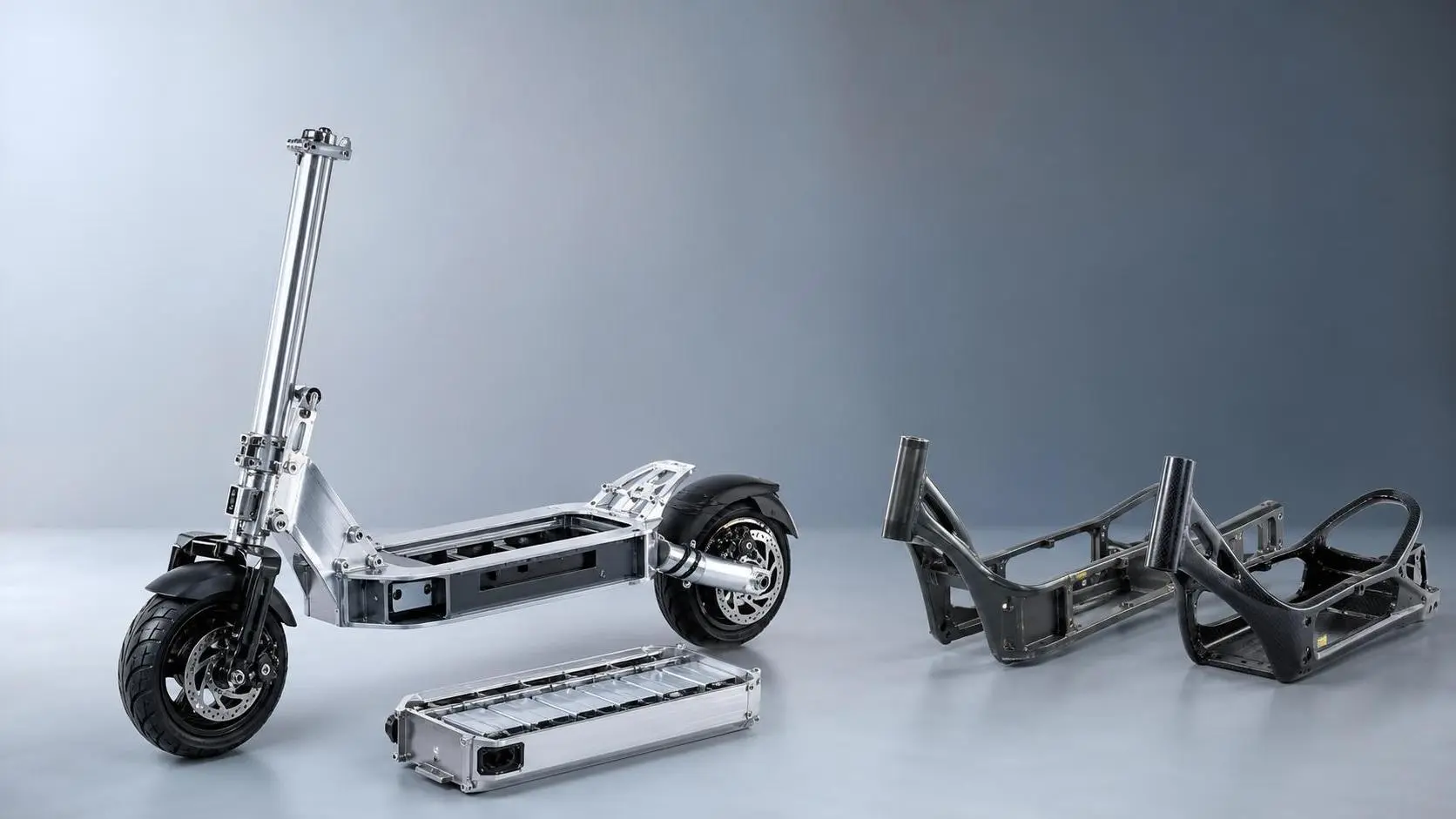
How to Choose Lightweight Scooter Frames in Europe: Materials, Standards, and Use Cases
Lightweight scooter frames Europe buyers need should balance materials, EN standards, durability, and real use cases. Discover how to choose safer, smarter, compliant frames.
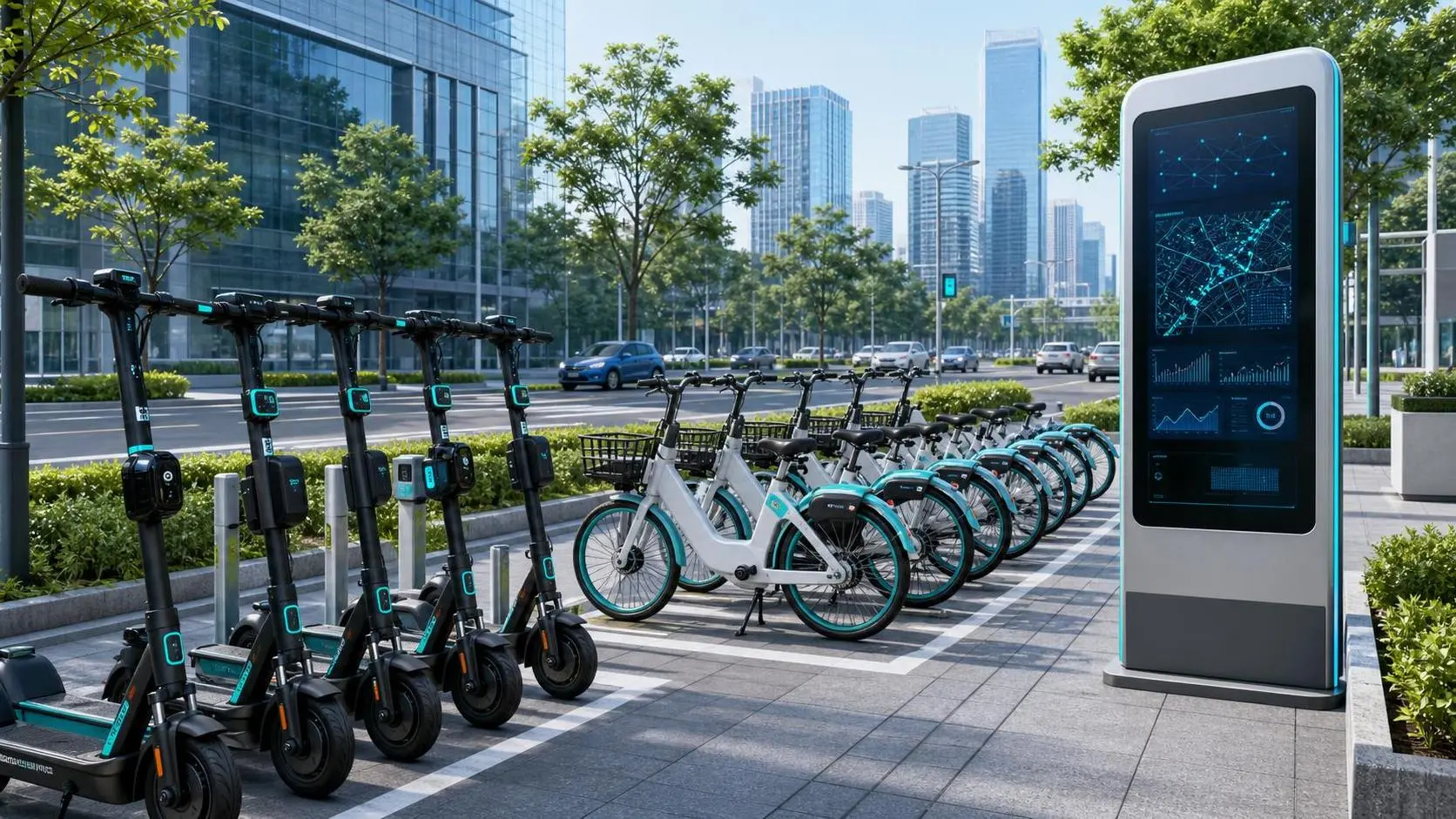
What Is the Intellectualization of Mobility Platform and How Is It Applied in Shared Fleets?
Intellectualization of mobility platform is reshaping shared fleets with real-time data, predictive maintenance, and smarter compliance—learn how it boosts safety, uptime, and urban mobility efficiency.
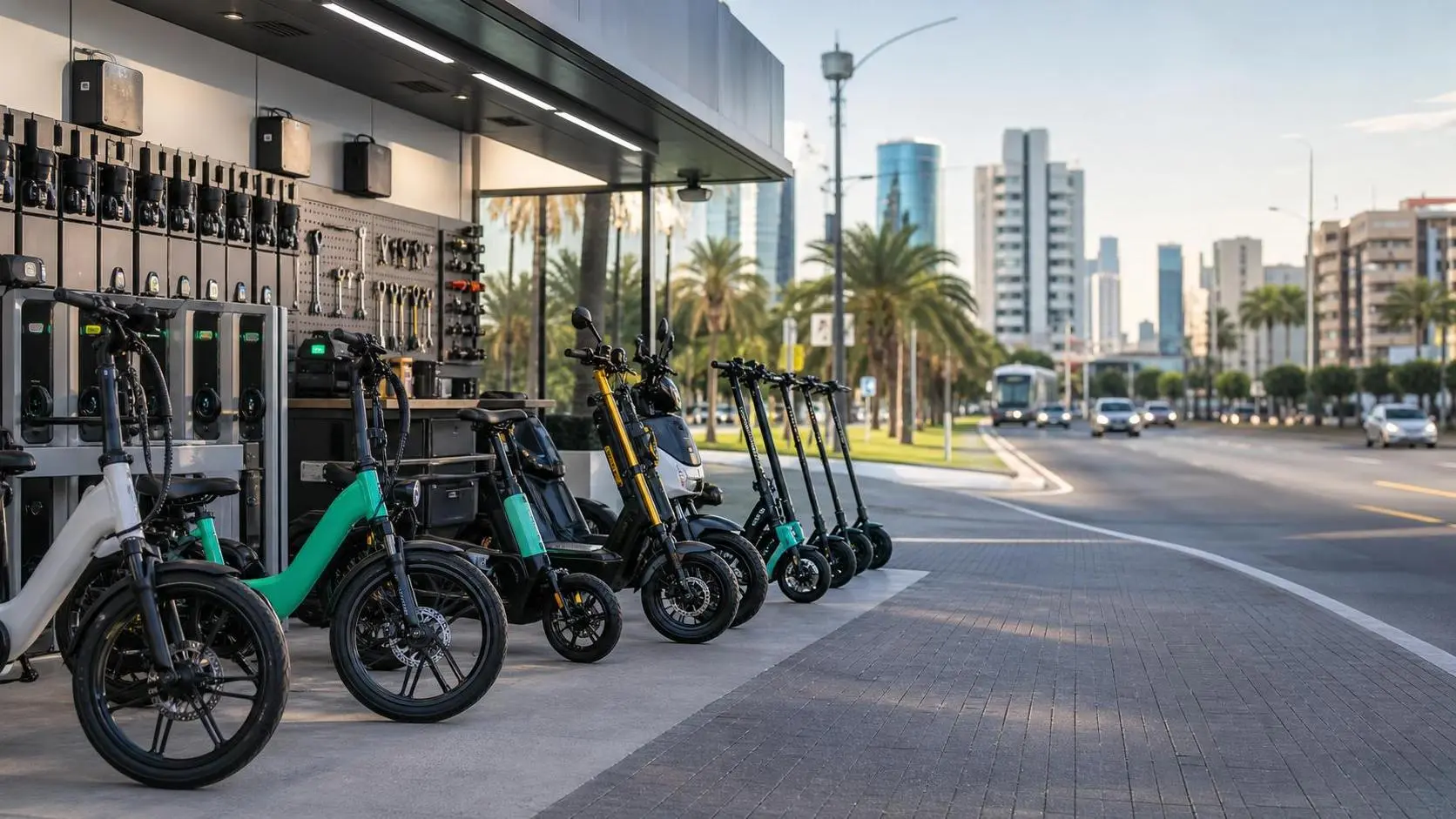
Urban Micro-Mobility Systems in Latin America: Key Market Drivers, Barriers, and Growth Segments
Urban micro-mobility systems Latin America are reshaping city transport. Explore key drivers, barriers, and high-growth segments to spot the region’s most investable opportunities.
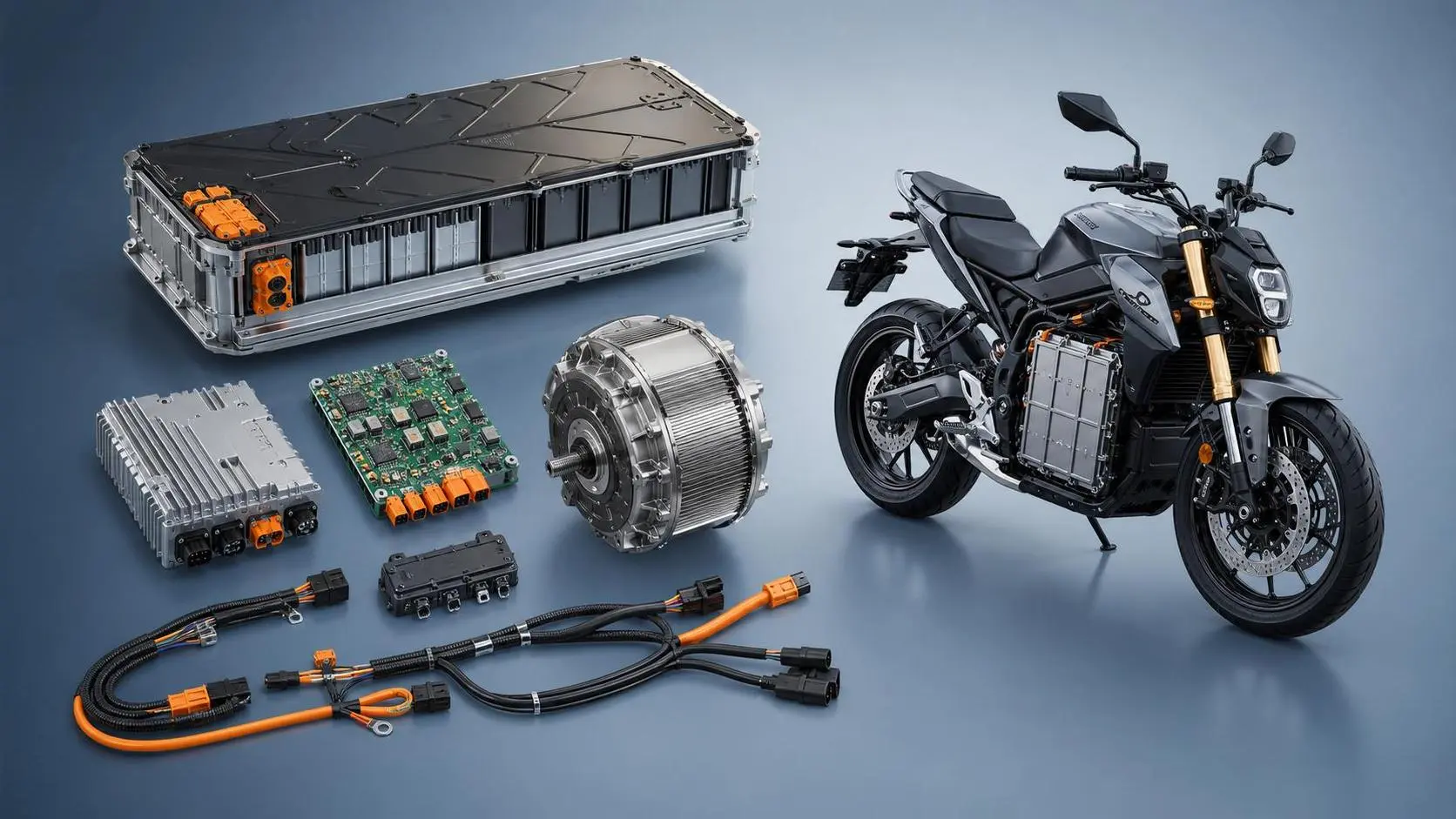
Electric Motorcycle Systems Price Breakdown: What Affects Cost From Battery to Controller?
Electric motorcycle systems price explained: see how battery, controller, motor, BMS, and wiring affect total cost, reliability, and sourcing value before you buy.
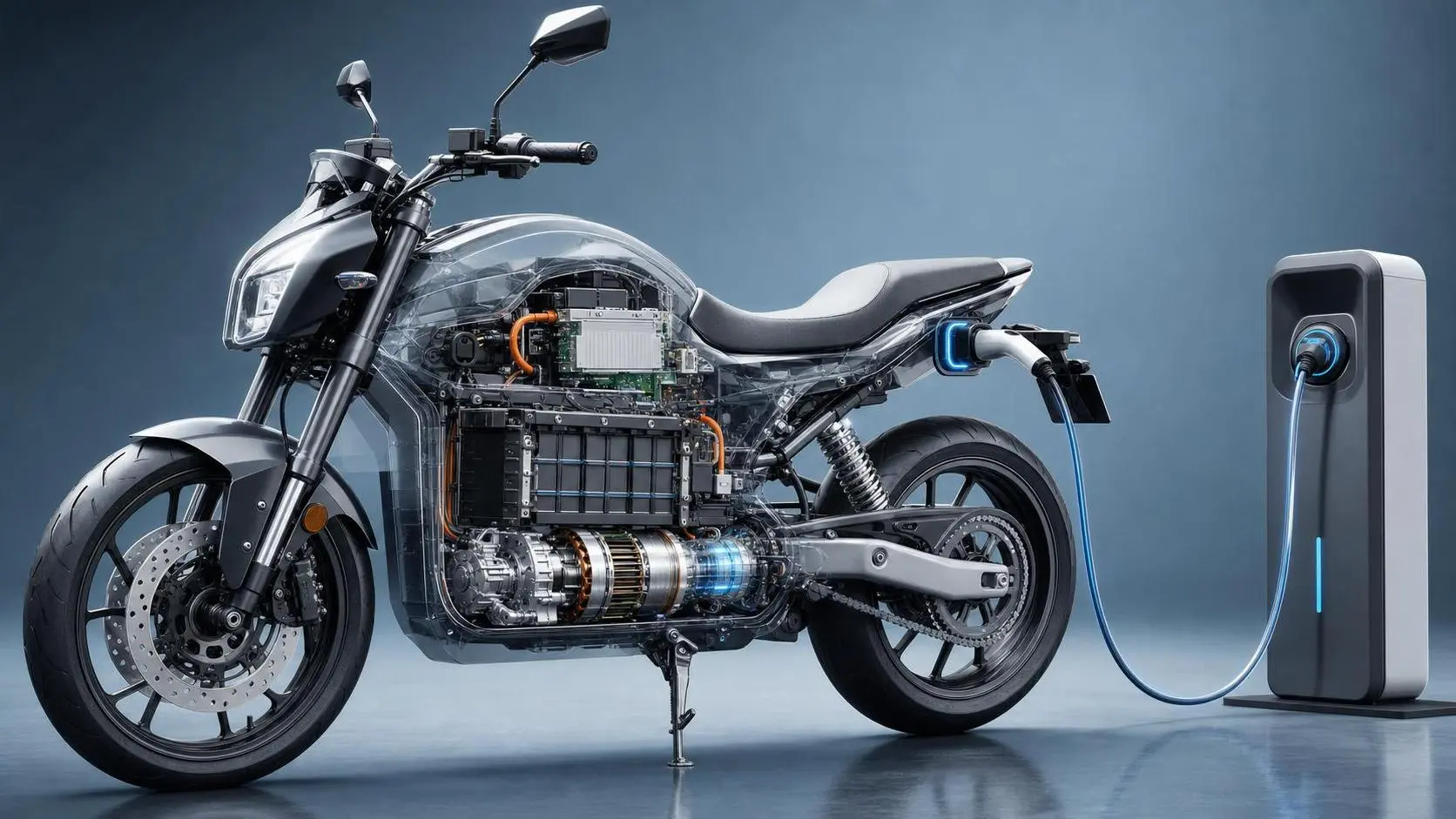
72V Electric Motorcycle Technology Explained: Motors, Controllers, Range, and Charging
Electric motorcycle technology 72V explained clearly: compare motors, controllers, range, battery design, and charging to choose a smoother, stronger, and smarter electric ride.

Where LED Urban Visibility Safety Systems Fit Best in Shared Scooters and City E-bikes
LED urban visibility safety systems deliver the most value in shared scooters and city e-bikes by improving multi-angle safety, fleet durability, and urban compliance across real-world routes.
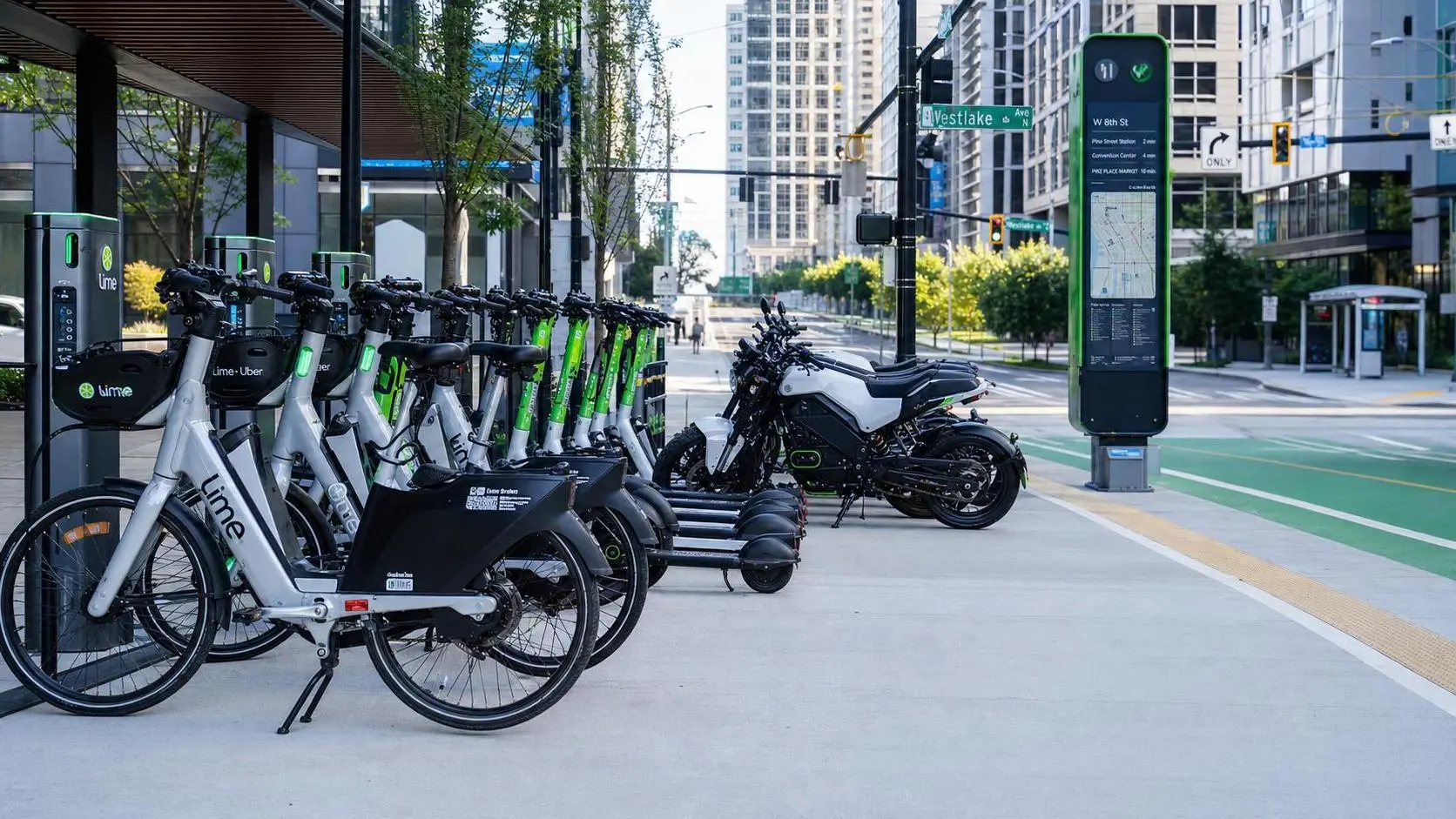
Intellectualization of Mobility in North America: What Is Driving Adoption Across Urban Transport?
Intellectualization of mobility North America is reshaping urban transport through data, smart fleets, and battery intelligence. Explore what is driving adoption and why cities and operators are accelerating now.
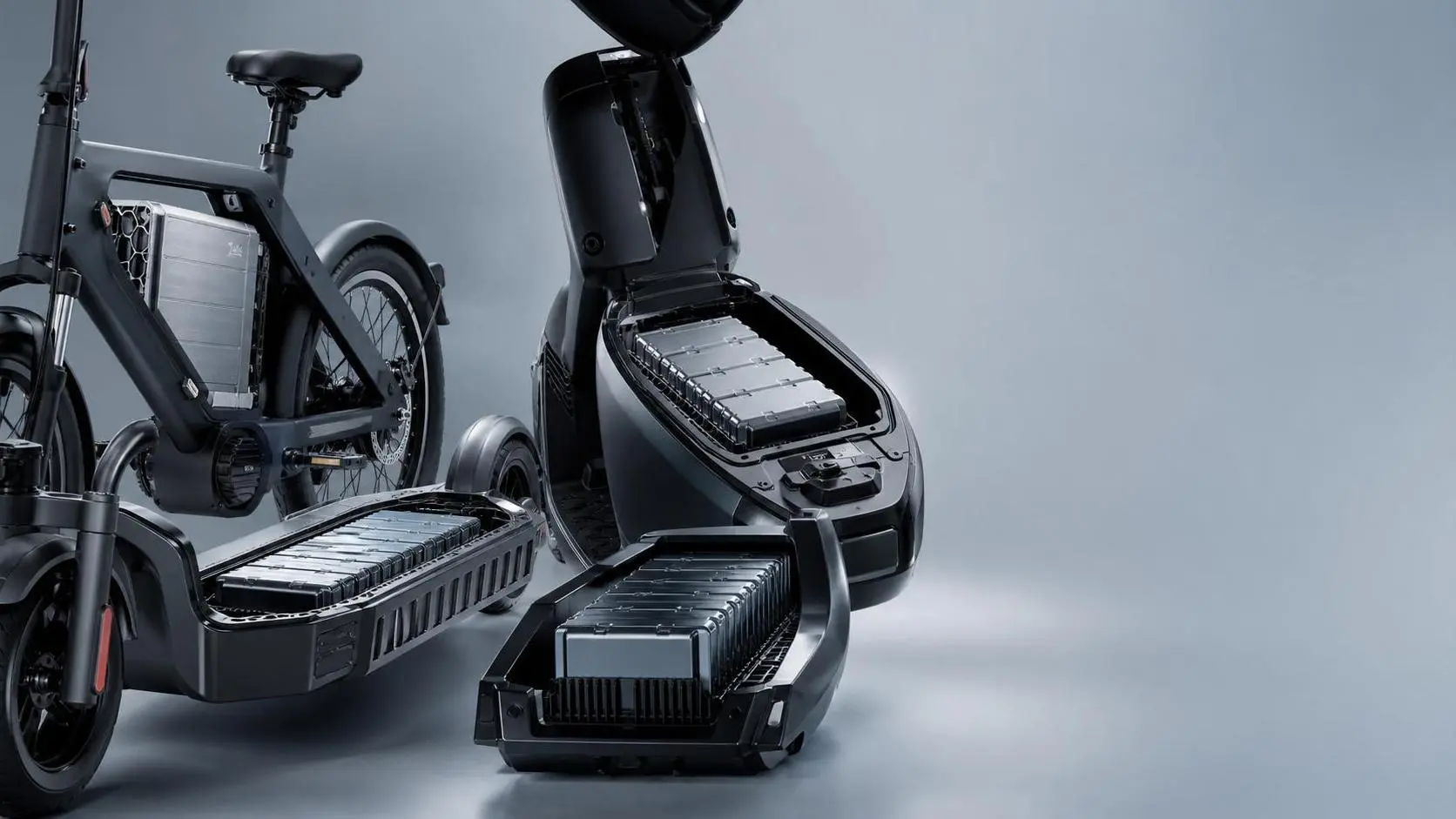
How to Choose a Compact Battery Pack: Size, Energy Density, Thermal Design, and Cycle Life
Compact battery pack selection starts with more than size. Learn how energy density, thermal design, and cycle life shape range, safety, and long-term value.
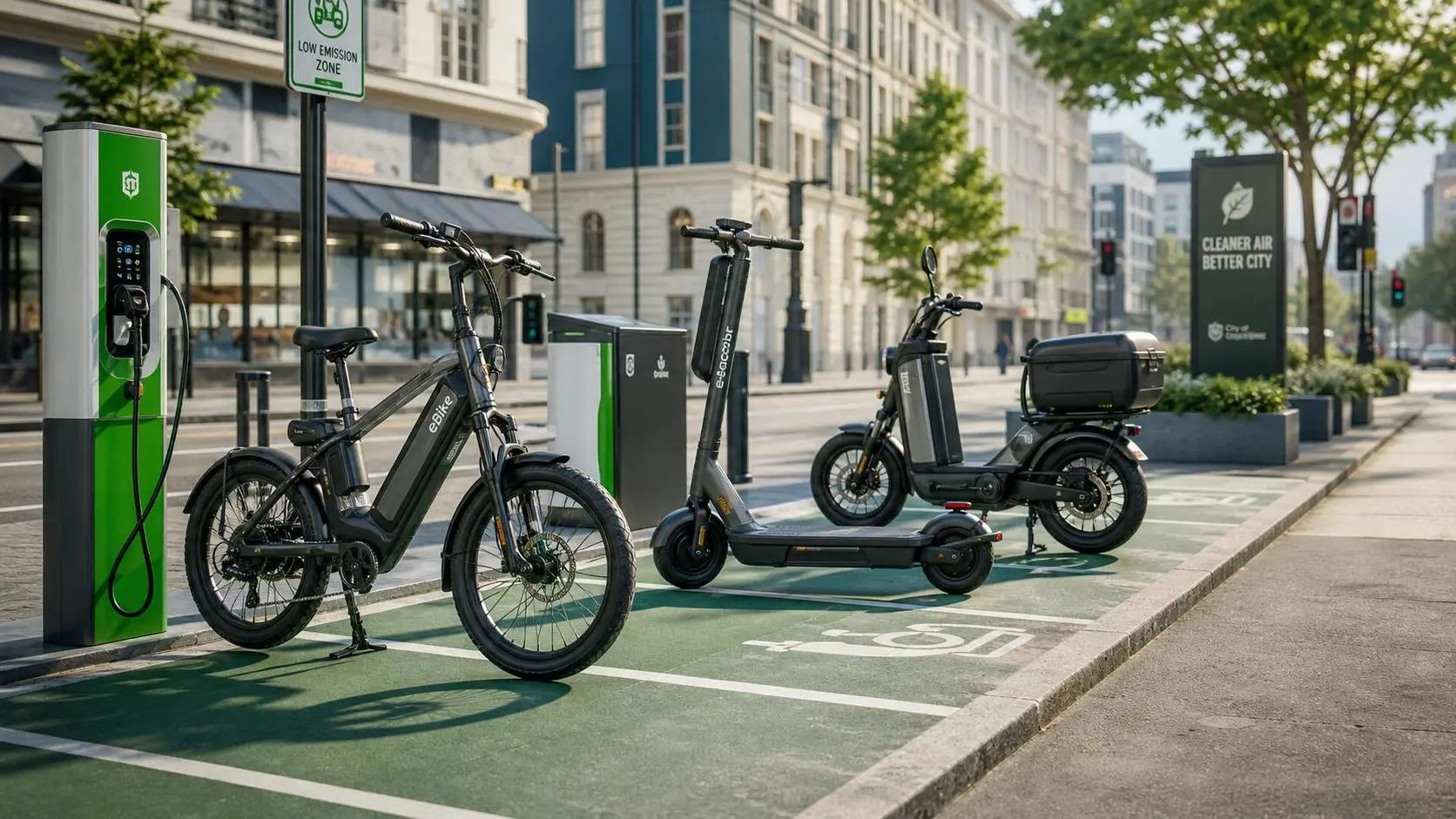
What Is Driving Green Two-wheelers Demand in Europe? Policy, Fuel Costs, and Buyer Segments
Green two-wheelers demand Europe is rising as policy support, fuel cost pressure, and diverse buyer segments reshape urban mobility. Explore the trends driving the next growth wave.