
Related News
- 00
0000-00
Battery Overheating Management in Light EVs: Causes, Sensors, and Control Strategies - 00
0000-00
Vehicle Electrification Strategy: How to Prioritize Fleets, Charging, and ROI - 00
0000-00
How to Choose a Wiper Sensor Supplier: Key Specs, Testing Standards, and OEM Risks - 00
0000-00
EMI Interference Mitigation Methods: Shielding, Grounding, and Filter Selection Explained - 00
0000-00
Wiper System Market Analysis: Demand Drivers, OEM Trends, and Aftermarket Opportunities
Ms. Elena Rodriguez
Weekly Insights
Stay ahead with our curated technology reports delivered every Monday.
Vehicle Electrification Strategy: How to Prioritize Fleets, Charging, and ROI





A practical vehicle electrification strategy is rarely about replacing every vehicle at once.
The better question is where electrification creates measurable value first.
That means matching fleet duty cycles, charging realities, and payback windows.
In micro-mobility especially, this discipline matters.
E-bikes, smart e-scooters, and high-speed e-motorcycles operate under tight utilization, service, and regulatory constraints.
UMMS has tracked this shift closely through its intelligence work on batteries, drivetrains, thermal management, and urban access rules.
So the real decision is not whether to electrify.
It is how to sequence fleets, charging, and ROI without creating new bottlenecks.
What does a strong vehicle electrification strategy actually include?
At a minimum, it connects three layers.
First is vehicle selection.
Second is charging or battery-swapping readiness.
Third is financial timing.
A weak plan focuses only on vehicle acquisition cost.
A stronger vehicle electrification strategy measures total operating impact.
That includes energy cost per kilometer, downtime, maintenance, battery life, software support, and compliance risk.
For urban micro-mobility fleets, two variables dominate early decisions.
One is route predictability.
The other is asset turnover.
Vehicles with repeatable daily distance and central parking usually electrify faster.
Vehicles with irregular range, remote parking, or unmanaged charging often create hidden cost.
This is why UMMS often frames electrification around system efficiency, not just product substitution.
Which fleets should move first, and which should wait?
The first candidates are usually not the largest fleets.
They are the most predictable fleets.
Delivery e-bikes, shared e-scooters, service two-wheelers, and campus mobility vehicles often rank high.
Their routes are short, stop frequency is high, and fuel savings are visible quickly.
High-speed e-motorcycles can also be strong candidates.
That is especially true where battery-swapping networks already exist.
What should wait?
Usually fleets with volatile routes, weak grid access, seasonal overuse, or unclear service ownership.
If operating data is poor, electrification can still work.
But the pilot must come before the scale-up.
A useful vehicle electrification strategy treats this table as a starting filter, not a final answer.
How do charging and battery decisions affect fleet ROI?
Charging is where many plans slow down.
Vehicles may be ready, yet site power, charger availability, and dwell time are not.
For compact urban fleets, slow and scheduled charging often beats overspending on fast chargers.
In contrast, high-utilization motorcycles may justify swapping or rapid top-up models.
Battery management also changes the business case.
A low-cost battery with poor thermal control can reduce uptime and resale value.
That is why UMMS pays attention to battery density, management logic, and thermal models.
These details are not engineering side notes.
They directly shape charge cycles, safety exposure, and warranty confidence.
- Check whether charging happens during natural idle time or added downtime.
- Model battery replacement timing, not just initial battery capacity.
- Compare charger utilization rates before expanding hardware count.
- Review local subsidy rules and right-of-way policies together.
In practice, infrastructure efficiency often decides whether vehicle electrification strategy delivers a good ROI or just a good presentation.
What is the fastest way to estimate ROI without oversimplifying it?
The fastest method is a staged business case.
Start with one route cluster, one charging model, and one maintenance assumption.
Then test sensitivity.
A serious vehicle electrification strategy should ask how ROI changes when battery degradation is faster, energy tariffs rise, or fleet utilization drops.
Many two-wheeler operators find savings in three places.
- Lower energy cost compared with fuel.
- Fewer moving parts and reduced mechanical service.
- Better data visibility from connected vehicles and batteries.
Still, those gains disappear if utilization assumptions are weak.
For example, smart e-scooter fleets may show attractive per-unit savings.
Yet retrieval, redistribution, and charging labor can widen the real cost base.
The smarter approach is to calculate ROI at system level.
That means vehicle, battery, software, charging, labor, and local policy all belong in the model.
Where do vehicle electrification strategies usually go wrong?
Most mistakes are sequencing mistakes.
The fleet is purchased before infrastructure is confirmed.
Or charging is installed before route data is understood.
Another common error is treating all electric vehicles as operationally similar.
An e-bike program does not scale like a high-speed e-motorcycle network.
The battery, safety, software, and service logic are different.
The same goes for adjacent systems.
Precision drivetrain components, sensor systems, and weather-exposed hardware affect uptime more than many planners expect.
UMMS covers these details because urban mobility performance is cumulative.
Small technical weaknesses become commercial weaknesses at scale.
- Do not assume subsidy support will remain unchanged across markets.
- Do not ignore weather, terrain, and payload effects on range.
- Do not separate procurement decisions from data and service ownership.
- Do not scale before pilot data confirms charging behavior.
So what should the next decision cycle look like?
A solid vehicle electrification strategy moves in layers.
Begin with the fleets that have repeatable routes and visible energy spend.
Map charging around operating reality, not brochure speed.
Then build ROI using real utilization and battery assumptions.
For micro-mobility and two-wheeler ecosystems, this discipline is especially important.
Regulation, urban access, electromechanical efficiency, and battery intelligence all shape the outcome.
That is where informed market tracking becomes useful.
UMMS follows the policy, component, and performance signals that help refine these decisions over time.
If the next step is unclear, start by auditing route patterns, parking windows, power access, and battery service assumptions.
Those four checks usually reveal whether the best move is a pilot, a phased rollout, or a pause for better data.
Related News
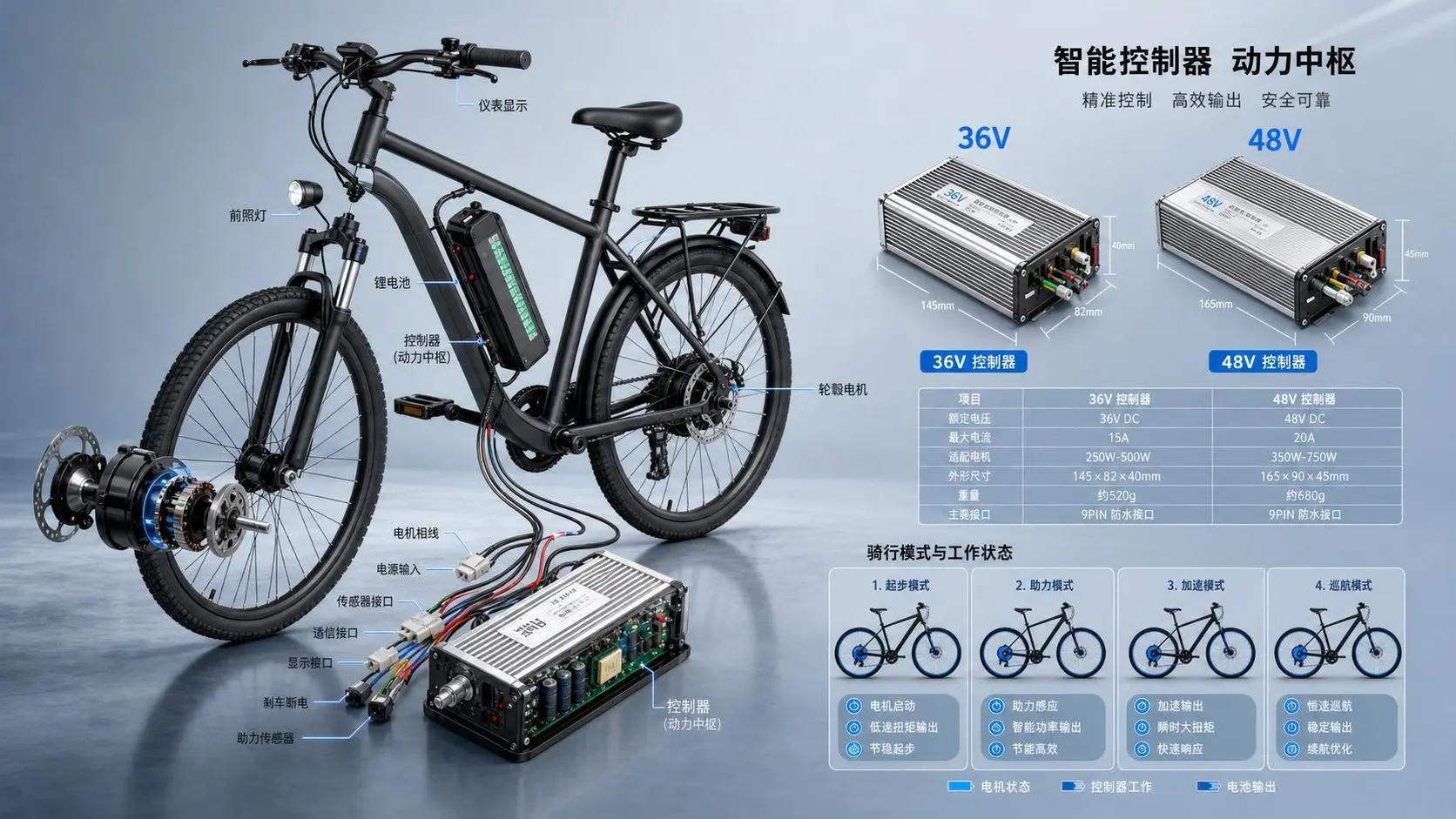
E Bike Controllers Explained: How to Match Voltage, Current, and Riding Mode
E bike controllers explained: learn how to match voltage, current, and riding mode for smoother power, safer compatibility, better efficiency, and more confident e-bike upgrades.

Battery Overheating Management in Light EVs: Causes, Sensors, and Control Strategies
Battery overheating management in light EVs: learn the main causes, key sensors, and proven control strategies to improve safety, reliability, and thermal compliance.
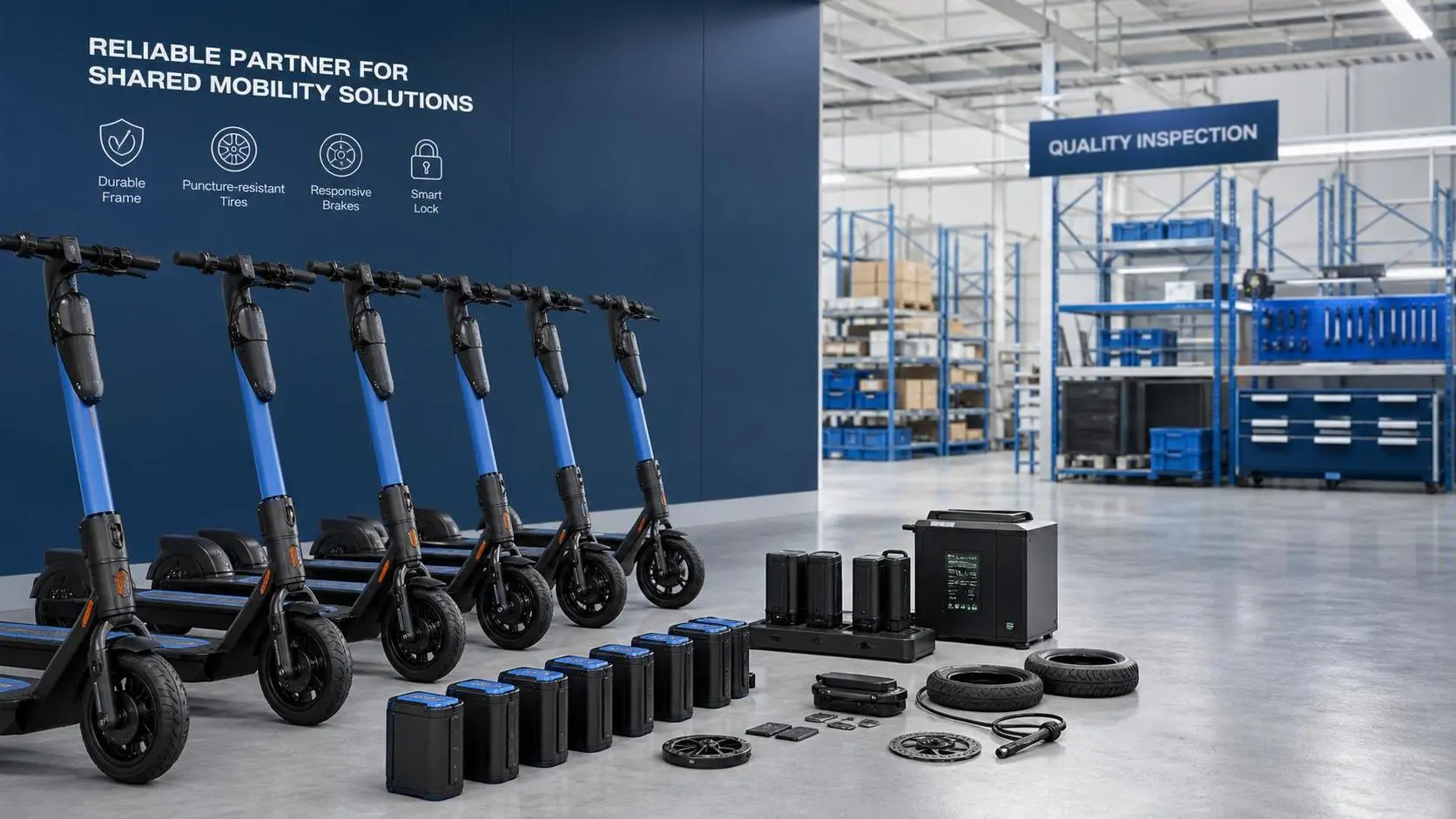
Shared Scooters Supplier Checklist: What to Compare Before Fleet Procurement
Shared scooters supplier checklist: compare total cost, durability, battery strategy, IoT, compliance, and support before fleet procurement to reduce risk and improve long-term ROI.
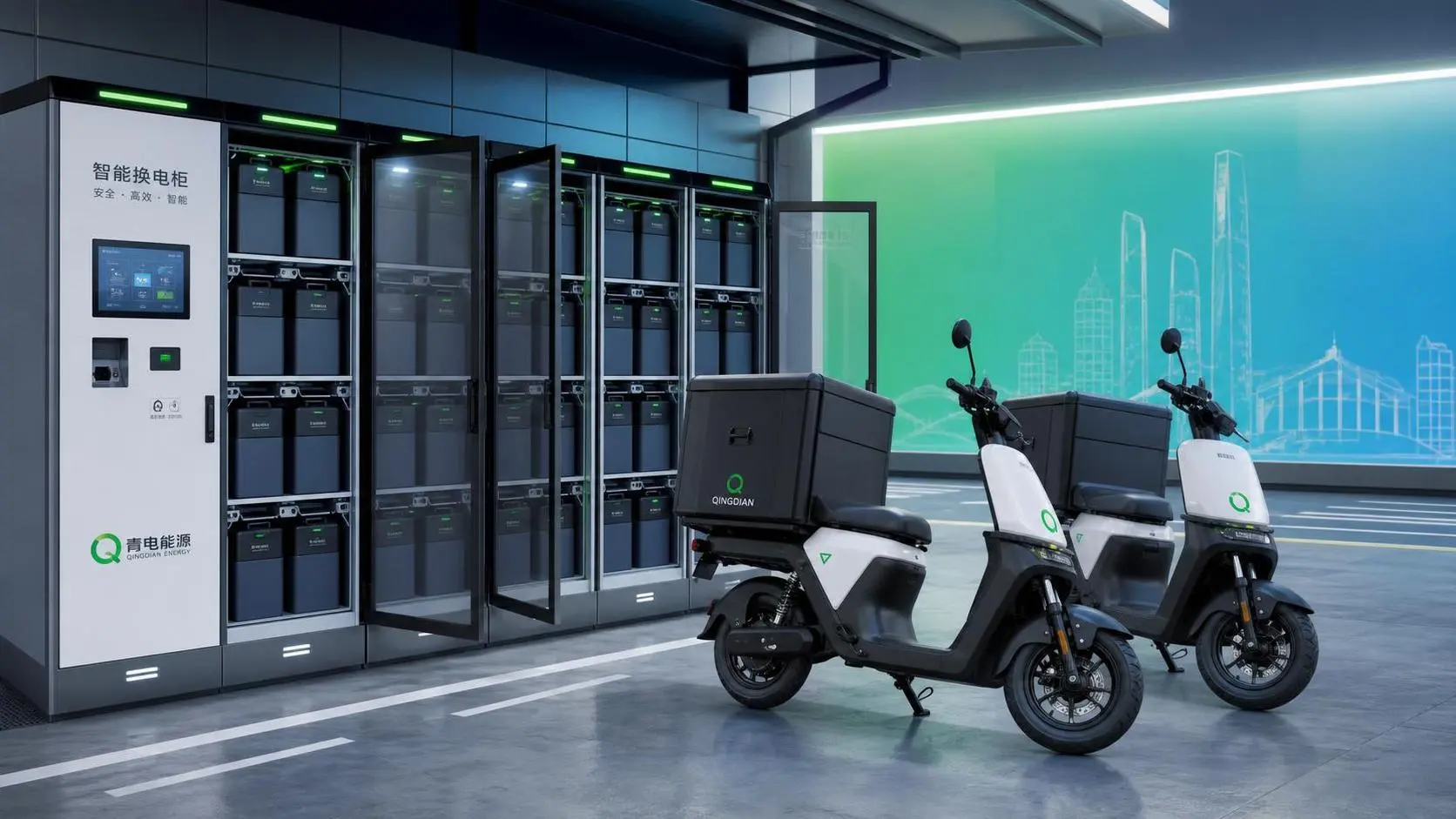
Battery-Swapping Networks for Motorcycles: Key Cost Drivers and Deployment Models
Battery-swapping networks motorcycles explained: explore key cost drivers, utilization risks, and deployment models shaping profitable electric two-wheeler infrastructure.
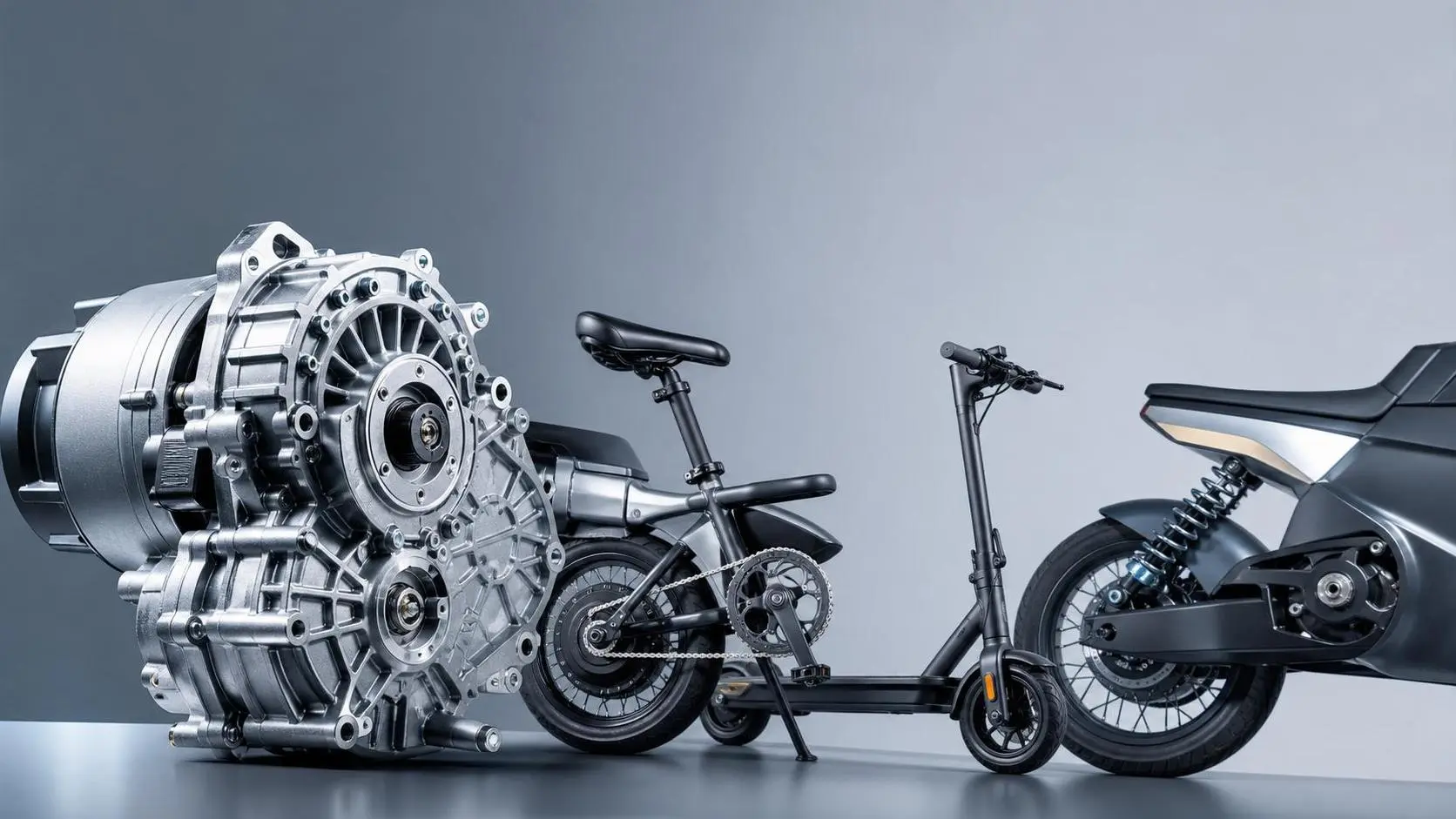
How to Choose an Electromechanical Transmission Manufacturer for E-Mobility Projects
Electromechanical transmission manufacturer selection can make or break e-mobility projects. Learn how to compare suppliers for performance, quality, compliance, and long-term value.
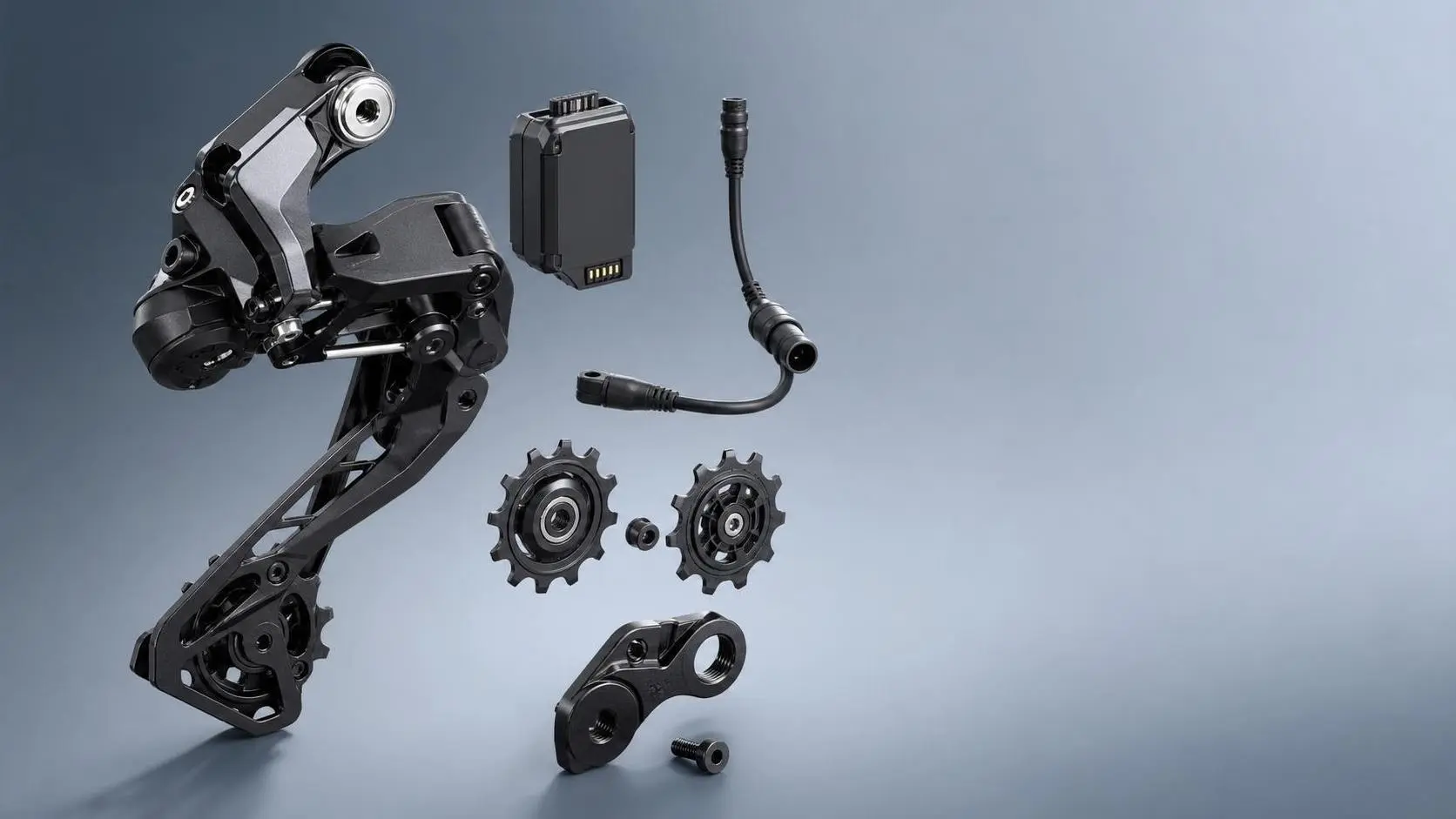
Electronic Derailleur Parts Guide: Compatibility, Wear Points, and Replacement Tips
Electronic derailleur parts guide covering compatibility, common wear points, and smart replacement tips. Learn how to diagnose issues faster, avoid mismatch errors, and improve shifting reliability.
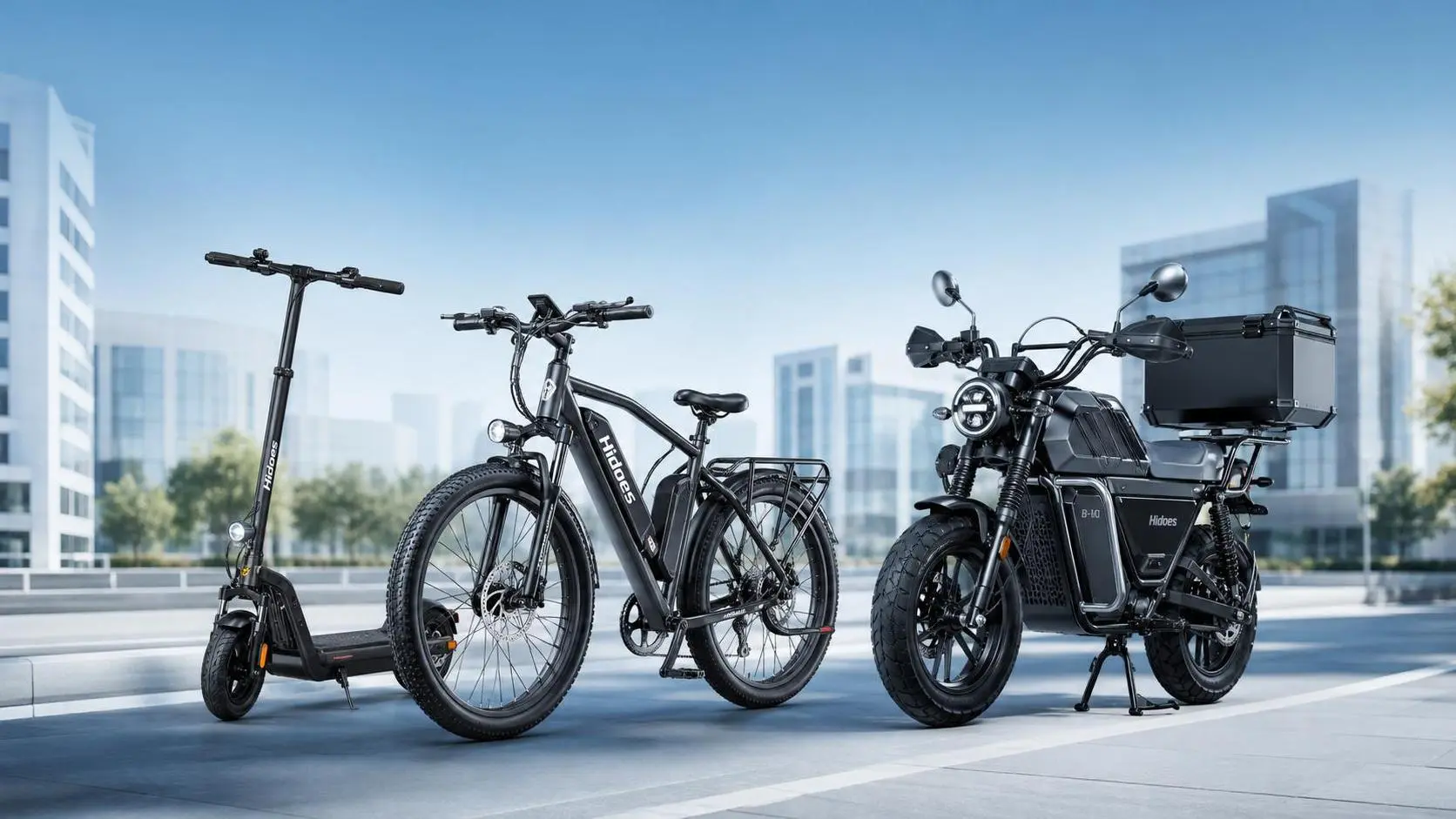
How to Choose Urban Mobility Devices for Shared Use, Campus Travel, or Delivery
Urban mobility devices for shared fleets, campus travel, or delivery require the right mix of safety, uptime, battery strategy, and serviceability—discover how to choose smarter.
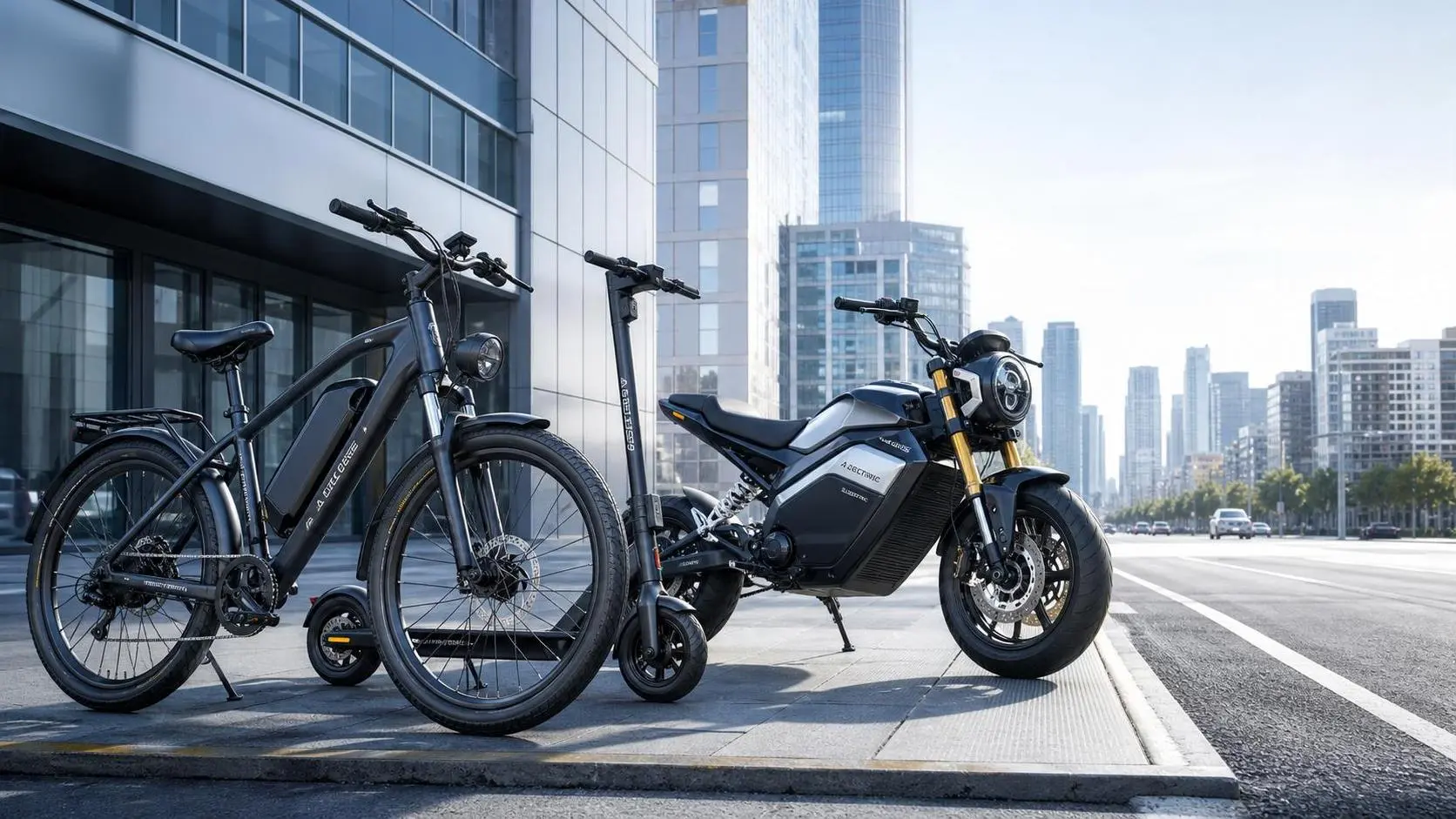
Micro Mobility USA Market: Key Regulations, Demand Signals, and Growth Segments
Micro mobility USA is entering a regulation-led growth phase. Explore key rules, demand signals, and top segments shaping e-bikes, scooters, and electric two-wheel opportunities.
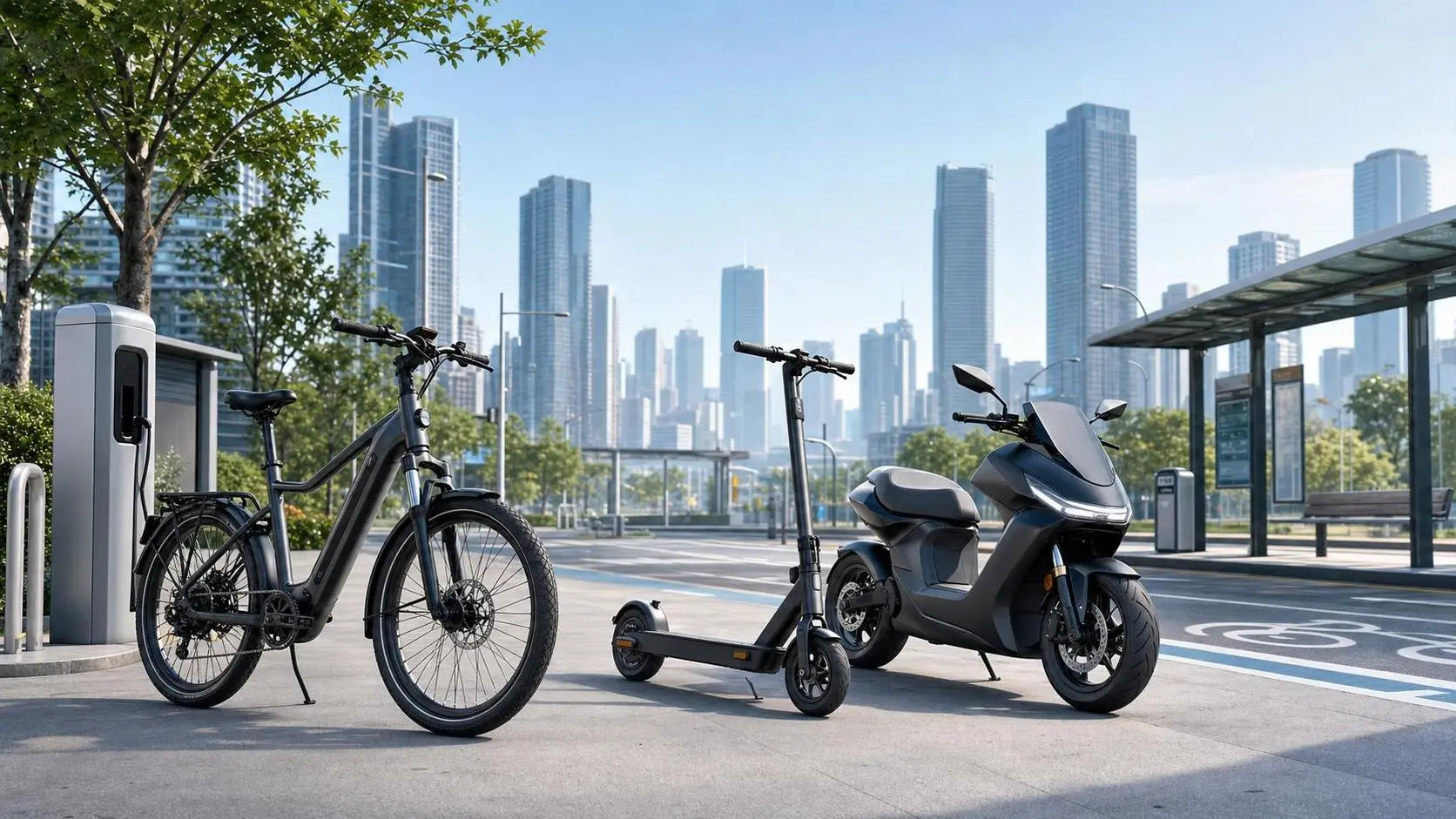
Clean Urban Transport Options Explained: Which Modes Fit Dense City Routes?
Clean urban transport explained for dense city routes—compare e-bikes, smart e-scooters, and e-motorcycles to find the best fit for speed, comfort, range, and city compliance.