
Related News
- 00
0000-00
How to Evaluate Low-Maintenance Gearing Options for Europe’s Urban and Utility E-Bikes - 00
0000-00
Electric Drivetrain Systems Factory Audit Checklist: Key Quality Points Before Sourcing - 00
0000-00
Electric Drivetrain Components Explained: Key Parts, Functions, and Failure Points - 00
0000-00
How to Evaluate a Drivetrain Architecture Provider for E-bike and Scooter Programs - 00
0000-00
Precision Drivetrain Tuning Explained: Key Adjustments for Smoother Shifting
Precision Drivetrain Architect
Weekly Insights
Stay ahead with our curated technology reports delivered every Monday.
How to Evaluate Low-Maintenance Gearing Options for Europe’s Urban and Utility E-Bikes





How to Evaluate Low-Maintenance Gearing Options for Europe’s Urban and Utility E-Bikes
The phrase low-maintenance gearing Europe is often used too loosely. In technical evaluation, it does not simply mean a drivetrain that needs less cleaning than a conventional derailleur bike. It usually refers to a transmission package that can tolerate frequent stop-start riding, poor weather, year-round commuting, infrequent user care, and long service intervals without creating unacceptable efficiency losses, warranty exposure, or rider complaints. That distinction matters in Europe’s urban and utility e-bike market, where the duty cycle is different from sport cycling and where fleet operators, retailers, and OEMs are often solving for uptime rather than enthusiast performance.
For city and cargo-oriented e-bikes, the gearing decision sits at the intersection of mechanical design, service logistics, and rider expectation. A system that looks attractive on a spec sheet can become expensive if it requires frequent adjustment by dealer networks already stretched during peak season. Equally, a rugged drivetrain may still be the wrong choice if it feels inefficient under assist cut-off conditions or if replacement parts are difficult to source in regional aftersales channels. The right evaluation frame is therefore broader than “what lasts longest.” It is closer to “what keeps the bike usable, quiet, predictable, and economical over its actual operating life in Europe.”
Why urban e-bikes change the gearing conversation
Urban and utility e-bikes impose stresses that are easy to underestimate if the benchmark is still the analog commuter bicycle. Mid-drive motors increase torque passing through the drivetrain. Delivery riders and cargo users start under load more often. Shared or family bikes are used by people who rarely monitor chain wear, indexing accuracy, or lubrication condition. Add rain, road salt, curb impacts, and frequent parking outdoors, and the value of a sealed or simplified transmission rises quickly.
This is why internal gear hubs, belt-drive combinations, and enclosed chain systems come up so often in European procurement and platform planning. They reduce exposure to contamination and misadjustment, but they do so with tradeoffs. Some add weight. Some narrow the practical gear range for hilly cities or heavy cargo applications. Some require specific frame interfaces or dropout designs. A sound decision depends less on category labels and more on whether the drivetrain architecture matches the motor, use case, and service model.
The main options, and what “low-maintenance” really means in each case
Conventional derailleur systems remain common because they are efficient, familiar, and cost-effective. They also offer wide gearing options and easy wheel removal procedures on many bicycle platforms. But in urban e-bike use, their maintenance burden is not theoretical. Exposed cassettes and chains collect dirt, indexing drifts, hangers bend, and consumables wear faster under electric-assist torque. For riders who store indoors and maintain their bikes properly, that may be acceptable. For municipal fleets, lease programs, or high-mileage utility bikes, it often is not.
Internal gear hubs solve a different problem. By moving the shifting mechanism inside a sealed hub shell, they reduce contamination risk and protect critical components from impact and neglect. In practice, that means fewer adjustment events and a drivetrain that behaves more consistently through winter and wet-weather use. The evaluator should not assume all hub gears are equivalent, though. Their torque limits, shift feel under load, range, weight, and maintenance intervals vary by model family. Some are well suited to daily urban riding with moderate loads. Others are intended for heavier duty cycles or stronger motor pairings.
Belt-drive systems are often presented as the low-maintenance answer, but that is only half true. A belt can eliminate chain lubrication, reduce rust issues, and stay cleaner in commuter use. It also changes the noise profile and user perception of refinement. Yet the belt is only one part of the transmission. Its value depends heavily on the rest of the system, especially whether it is paired with an internal gear hub and whether the frame is designed for correct belt line, tension, and split-rear-triangle assembly. A poorly integrated belt platform can become less service-friendly than a standard chain drivetrain.
There is also a middle ground that gets less attention: chain-based city drivetrains with chaincases or partially enclosed systems. These do not achieve the cleanliness or visual simplicity of a belt, but in some markets they offer a practical balance between cost, weather protection, and familiar service procedures. For value-oriented utility bikes, this category remains relevant, especially where dealer capability is uneven and drivetrain replacement cost is tightly controlled.
A practical comparison framework
This comparison only becomes useful when tied to actual operating assumptions. In flat cities with moderate rider loads, a narrower hub range may be completely acceptable. In hilly regions or on long-tail cargo bikes, range and torque handling become central. The evaluator should also separate consumer convenience from workshop convenience. Some systems are nearly invisible to the rider but more time-consuming for technicians during wheel removal, tension setup, or parts replacement.
Criteria that matter more than brochure language
Torque compatibility comes first, especially for mid-drive urban e-bikes. Many drivetrain problems blamed on “poor durability” are actually specification mismatches between motor output characteristics and transmission limits. Hub gear suppliers and motor suppliers publish technical guidance, but the evaluator still needs to examine real loading conditions: rider mass, cargo, start frequency, gradient, wheel size, and software tuning all matter.
Shifting behavior under load is another point that is often underweighted. In city riding, users shift late and inconsistently. Internal hubs can be forgiving in stop-and-go traffic because some designs allow shifting while stationary, which improves restart usability at intersections. That benefit is operational, not just ergonomic. It reduces strain from poor rider timing. But not every hub responds the same way to torque during shifts, and some motor control strategies handle shift interruption better than others. For OEM-level selection, transmission evaluation should be paired with motor software behavior, not treated as an isolated hardware decision.
Service interval claims also need careful reading. “Maintenance-free” usually means lower routine attention, not zero maintenance over the life of the bike. Oil-change requirements, belt inspection, sprocket wear, tension checks, and wheel service procedures still exist. What changes is the frequency and predictability of interventions. That distinction matters when building total cost of ownership models.
Parts availability across Europe is another decisive factor. A technically elegant drivetrain can become a liability if replacement cogs, shifters, seals, or service-trained dealers are sparse in target markets. For fleet and B2B programs, local service competence is often as important as theoretical component life. A system that every workshop can troubleshoot may outperform a more advanced alternative when uptime is the priority.
Common misunderstandings in low-maintenance drivetrain selection
One common mistake is assuming that lower maintenance always means lower lifecycle cost. Premium hub-and-belt systems often reduce routine service, but they also increase initial bill of materials and can raise replacement component cost. Whether that premium pays back depends on mileage, labor rates, rider behavior, and warranty structure. For a lightly used consumer bike, the economics may be weaker than for a heavily used subscription fleet.
Another misunderstanding is treating efficiency as a single fixed number. Derailleur systems are generally favored when peak mechanical efficiency is the sole metric, but urban e-bike efficiency in real use includes contamination, misalignment, neglected lubrication, and suboptimal shifting habits. Under those conditions, the gap between idealized lab behavior and street performance narrows. That does not automatically make internal systems more efficient overall, but it does change how efficiency should be interpreted in practical fleet or commuter scenarios.
A third mistake is overlooking integration cost. Belts require frame openings, alignment discipline, and compatible dropout or tensioning solutions. Internal hubs affect wheel build, spoke strategy, and dropout architecture. If the platform was originally designed around a derailleur, converting it to a low-maintenance concept may introduce engineering compromises that offset the intended benefit.
How experienced evaluators usually narrow the field
In practice, the decision often becomes clearer when the bike is assigned to one of three roles. For a price-sensitive urban commuter sold through broad retail, a robust chain-based solution may still be the best answer if service parts and mechanic familiarity dominate. For premium daily commuting, where cleanliness, weather resilience, and quiet operation are central to the user experience, hub-and-belt systems deserve serious consideration. For cargo and utility platforms, the question shifts again: drivetrain choice must be validated against torque, hill-start behavior, gross vehicle weight, and anticipated maintenance regime, not just city-bike assumptions.
That is the useful meaning of low-maintenance gearing Europe in an evaluation context. It is not a fashionable label for any enclosed drivetrain. It is a selection logic grounded in use profile, integration discipline, and support infrastructure. The better question is not “Which gearing option needs the least attention?” but “Which gearing architecture keeps this specific urban or utility e-bike dependable under European operating conditions, with service demands the channel can realistically absorb?” Once the question is framed that way, the shortlist usually becomes much more defensible.
Related News
Micro-Mobility Trends Forecast: What Fleet Operators Should Watch Through 2030
Micro-mobility trends forecast for fleet operators through 2030: discover key shifts in batteries, regulation, durability, connectivity, and demand to reduce risk and scale smarter.
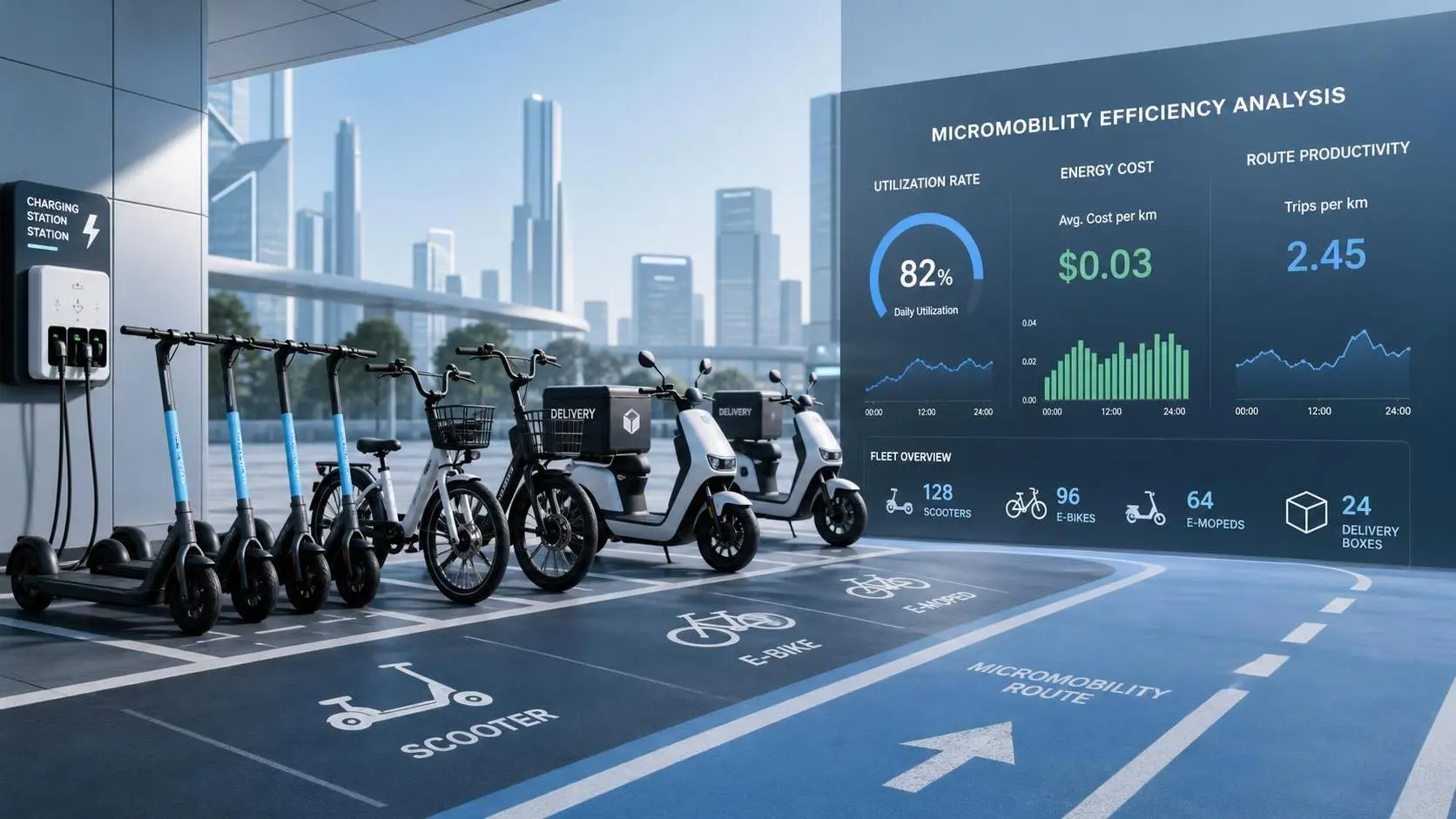
Mobility Efficiency Analysis: How to Measure Vehicle Use, Energy Cost, and Route Productivity
Mobility efficiency analysis reveals how to measure vehicle use, energy cost, and route productivity to cut waste, improve fleet performance, and make smarter urban mobility decisions.
How to Evaluate a Brushless Wiper Motor Supplier for OEM Quality and Lead Time
Brushless wiper motor supplier selection made easier: learn how to assess OEM quality, engineering support, compliance, and lead time to reduce sourcing risk.
How Do Photoelectric Wiper Sensors Work and Where Are They Most Effective?
Photoelectric wiper sensors explained: learn how they detect rain, reduce false triggers, and deliver the best visibility gains in urban EVs, e-bikes, fleets, and smart mobility.
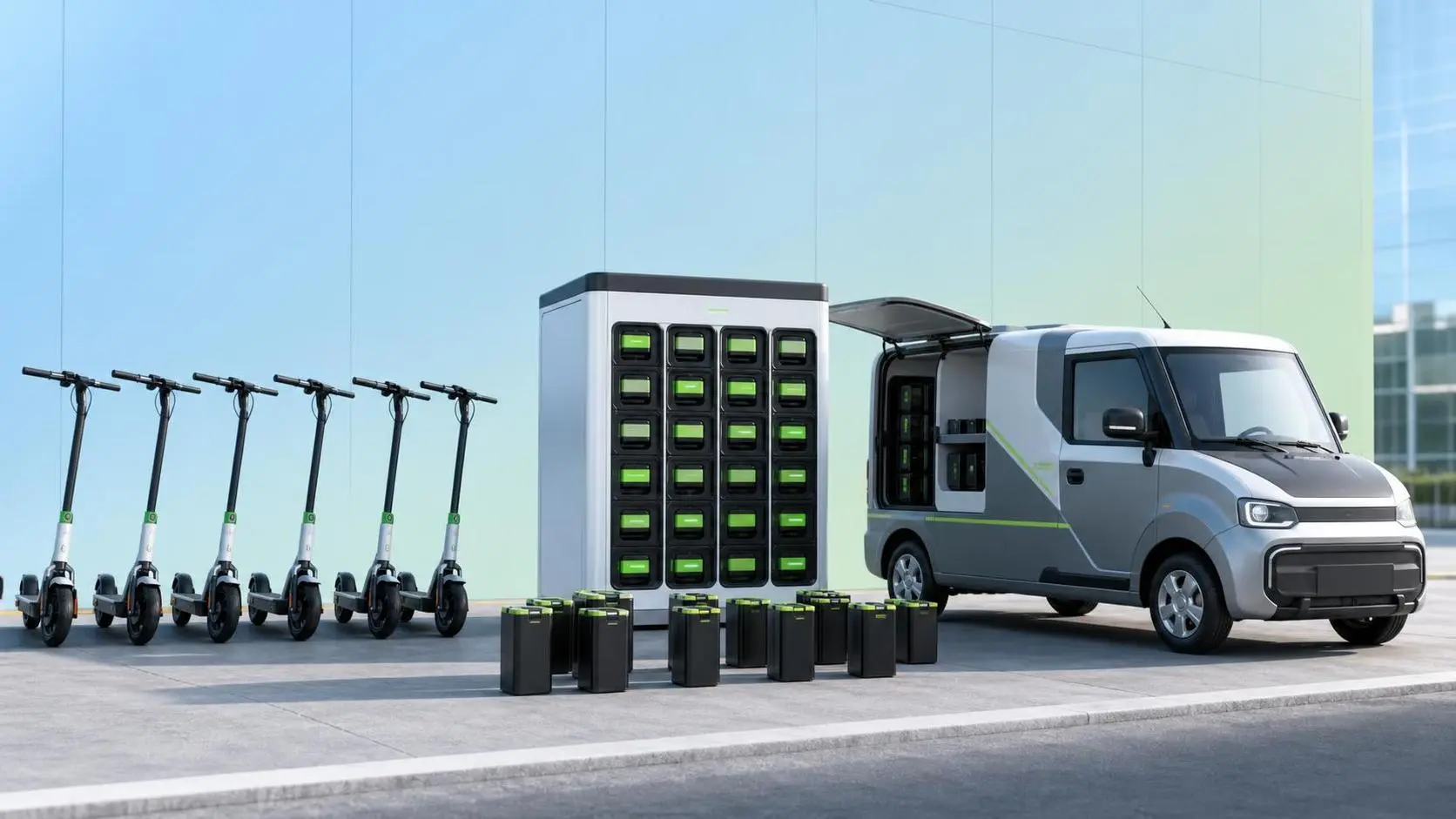
How Battery-Swapping Networks Reduce Downtime in Shared Fleet Scooter Operations
Battery-swapping networks cut scooter fleet downtime by speeding field turnaround, improving uptime in peak zones, and helping operators optimize labor, battery rotation, and service efficiency.
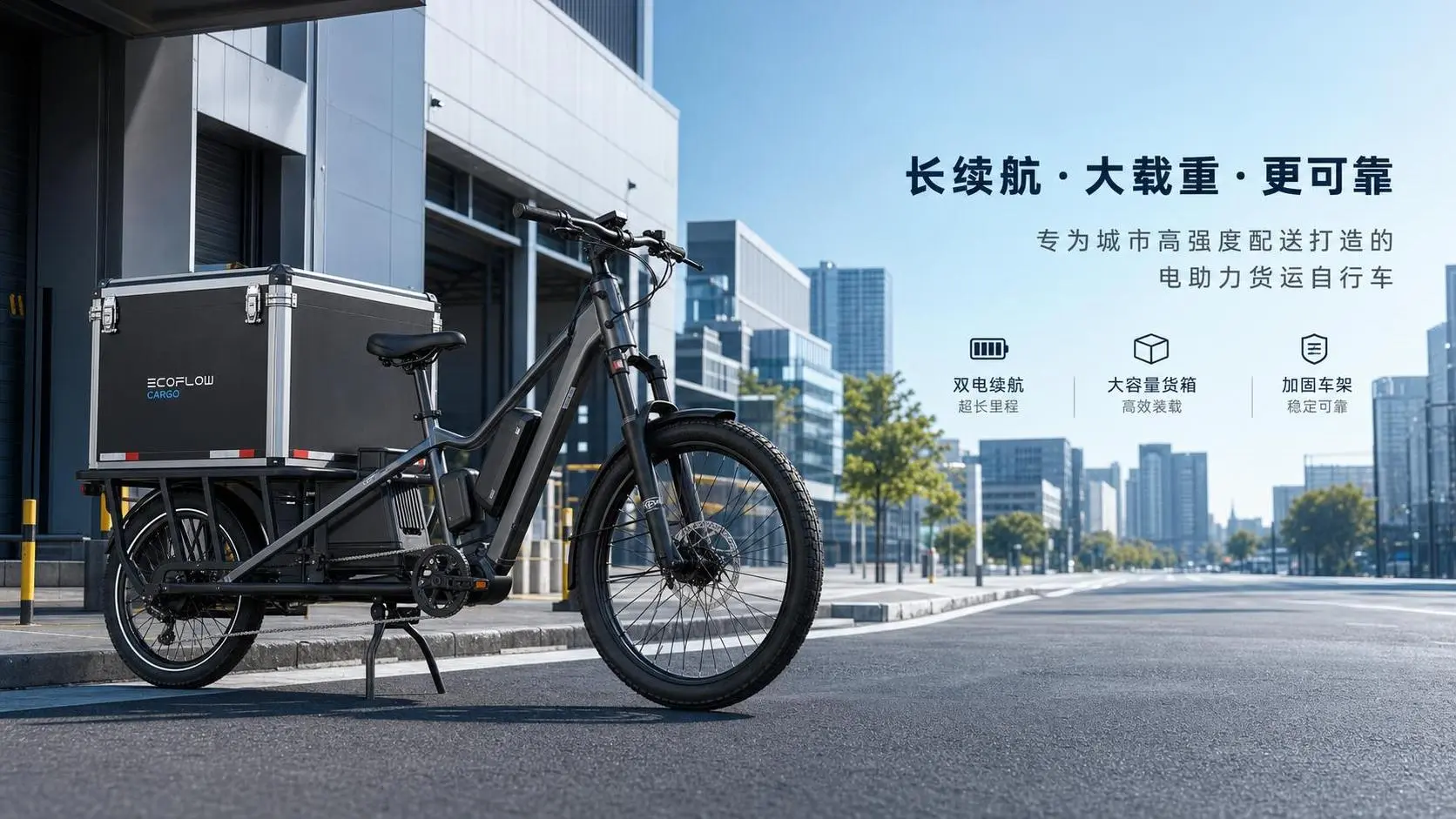
How to Choose a Long-Range Commercial Cargo E-Bike for Delivery Operations
Commercial cargo e-bike long range buying guide: learn how to assess battery, payload, route fit, and uptime support to choose a reliable delivery model with lower operating costs.
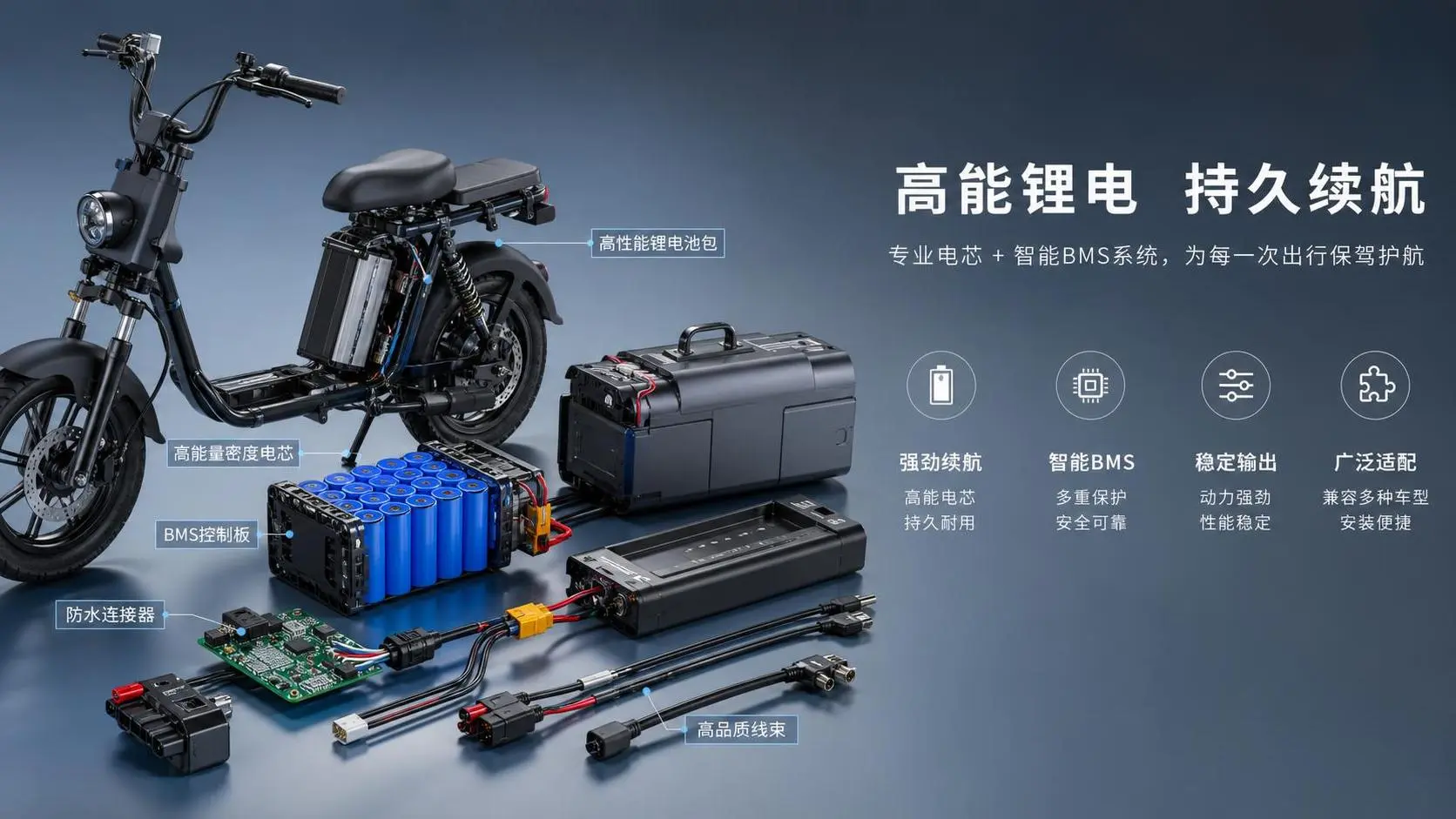
How to Select the Right E-Bike Battery Components for Range, Safety, and Fit?
E-bike component selection battery guide: learn how to choose the right battery components for better range, stronger safety, and perfect fit across modern e-bike platforms.
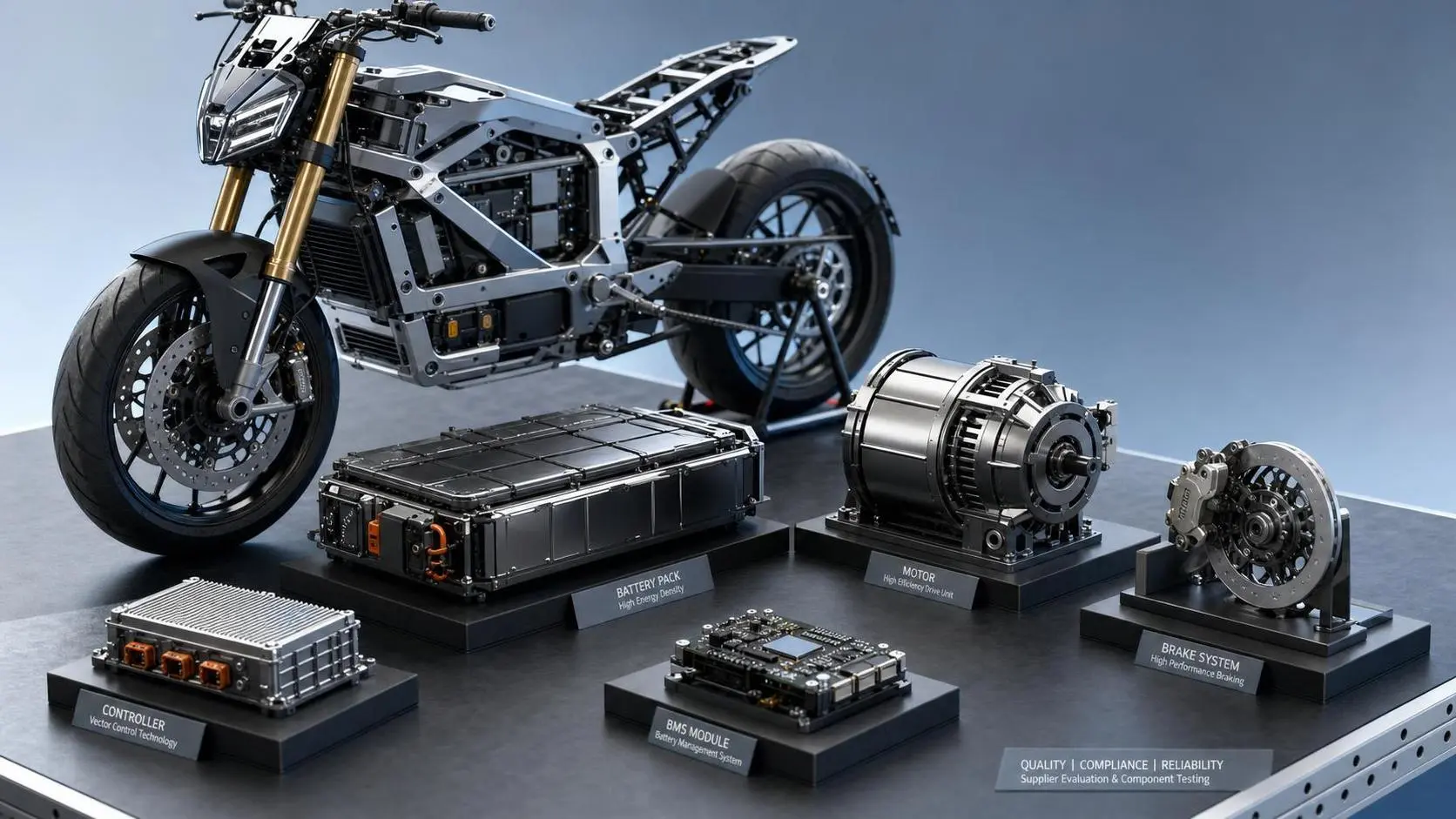
How to Evaluate Core Component Suppliers for Electric Motorcycles Before Sourcing?
Core component suppliers for electric motorcycles can make or break safety, compliance, and delivery. Learn how to assess technical strength, certifications, quality control, and hidden sourcing risks before you buy.
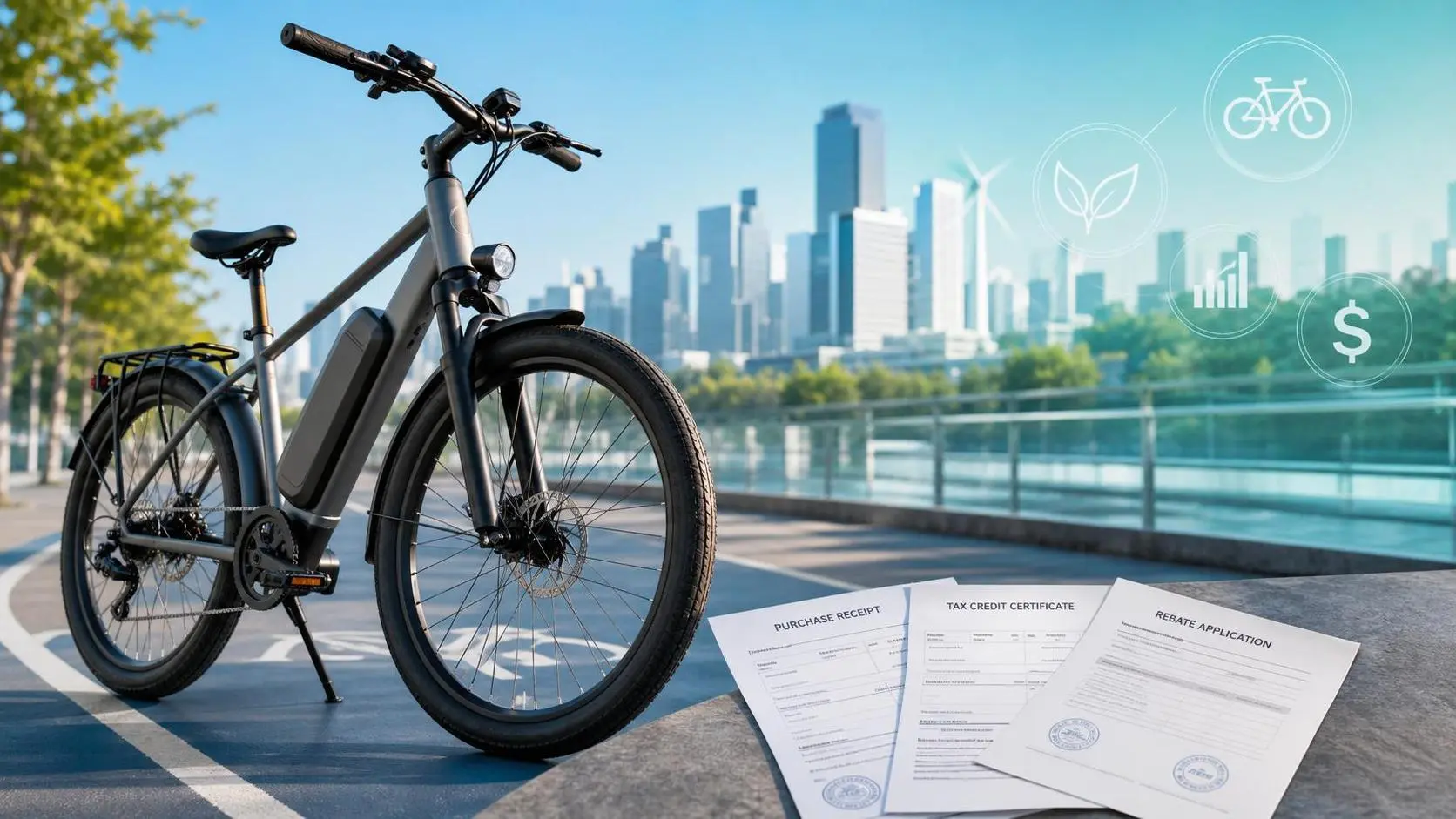
E-Bike Incentives Explained: How Riders Can Find Local Rebates and Tax Credits
E bike incentives explained: learn how to find local rebates, tax credits, and utility offers, avoid common mistakes, and cut the real cost of your next e-bike.