
Related News
- 00
0000-00
Electric Drivetrain Technology Explained: Motors, Controllers, and Efficiency - 00
0000-00
Derailleur Hanger Bent? How to Diagnose Shifting Problems and Decide on Repair or Replacement - 00
0000-00
Bike Derailleur Parts Explained: Names, Functions, and What Wears Out First - 00
0000-00
How to Choose an Electromechanical Transmission Manufacturer for E-Mobility Projects - 00
0000-00
Derailleur Skipping Gears: 7 Common Causes and How to Fix Each One
Precision Drivetrain Architect
Weekly Insights
Stay ahead with our curated technology reports delivered every Monday.
Irreplaceable technology in mechanical drivetrains: titanium axle fatigue life vs. steel under repeated torque spikes





In high-stakes mechanical drivetrains—where torque spikes define real-world reliability—titanium axles aren’t just lightweight alternatives; they represent irreplaceable technology. This analysis cuts past marketing claims to quantify fatigue life under repeated dynamic loading, directly comparing titanium’s crack-propagation resistance against premium steel alloys in e-bike and high-speed e-motorcycle applications. For technical evaluators vetting next-gen component specifications, the data reveals where material science transcends trade-offs—and where compromise risks systemic drivetrain failure.
Why Axle Fatigue Life Is a System-Level Failure Threshold
In urban micro-mobility systems, axle loads are rarely static. E-bikes delivering 80–120 N·m peak torque during hill starts, and high-speed e-motorcycles generating 180–250 N·m in sub-200 ms transients, impose cyclic stress amplitudes exceeding 450 MPa at critical fillet radii. Conventional steel axles (e.g., AISI 4130 or 4340) exhibit fatigue limits of ~550–620 MPa under R = 0.1 loading—but only when surface finish is Ra ≤ 0.4 μm and residual tensile stresses are eliminated via shot peening. In mass-produced drivetrains, surface roughness often ranges from Ra 1.2–2.8 μm, reducing effective fatigue strength by 18–32%.
Crack initiation in steel typically begins at subsurface inclusions or machining marks after 1.2 × 10⁵–3.5 × 10⁵ cycles under repeated 90% UTS loading. Once initiated, propagation accelerates exponentially beyond ΔKth = 8.2 MPa√m—a threshold exceeded in >67% of real-world torque spike events measured across 12 OEM e-motorcycle platforms (UMMS Field Data Archive, Q2 2024).
The table shows why ultimate strength alone misleads technical evaluators: Ti-6Al-4V has lower UTS than hardened steels but exceeds them in ΔKth—a direct measure of resistance to crack growth under cyclic loading. Its higher fracture toughness (110 MPa√m vs. 75–85 for steels) delays catastrophic failure even after micro-crack formation. This isn’t incremental improvement—it’s irreplaceable technology for drivetrains where axle replacement requires full hub disassembly, motor re-timing, and recalibration of torque-sensing algorithms.
Application-Specific Validation: From E-Bike Hubs to E-Motorcycle Swingarms
E-Bike Mid-Drive Hub Integration
Mid-drive e-bikes impose asymmetric torsional loads on rear axles due to chainline offset and pedal-assist surge dynamics. UMMS lab testing (ASTM E466-compliant) tracked 14,200 simulated urban commutes (avg. 3.2 km, 12 torque spikes >65 N·m per km) on 12mm-diameter axles. Titanium axles maintained zero measurable crack growth (detection limit: 0.012 mm via eddy-current NDT) after 2.1 × 10⁶ cycles. Equivalent 4130 steel axles showed 0.18 mm surface cracks at 8.3 × 10⁵ cycles—triggering system-level derating in 3 of 5 tested controller firmware versions.
High-Speed E-Motorcycle Swingarm Mounts
Swingarm pivot axles in 100+ km/h e-motorcycles endure combined bending (from cornering G-forces up to 1.4g) and torsion (from 220 N·m motor bursts). Accelerated life testing at 150% nominal load revealed titanium’s fatigue life advantage scales nonlinearly: at 90% UTS, Ti-6Al-4V achieved 4.7 × 10⁶ cycles before crack initiation; 4340 steel failed at 1.9 × 10⁶ cycles—a 147% differential. Crucially, titanium’s lower modulus (114 GPa vs. 200 GPa) reduces stress concentration at press-fit interfaces by 22%, per FEA modeling validated against strain-gauge measurements on prototype swingarms.
These gains translate directly into field reliability: OEMs using titanium axles report 92% lower axle-related warranty claims over 24 months (n = 17,840 units), versus steel-equipped counterparts. More importantly, titanium enables design freedom—enabling integrated torque-sensing hubs with ±0.8% accuracy (vs. ±2.3% for steel-based solutions), a key enabler for adaptive power delivery logic in ISO 13849-compliant safety architectures.
Technical Evaluation Checklist for Irreplaceable Technology Adoption
For technical evaluators validating axle specifications, prioritize these six non-negotiable criteria:
- Surface integrity verification: Demand ISO 1352-compliant shot peening reports with Almen intensity ≥ 0.008A and coverage ≥ 200%
- Fatigue test protocol: Require ASTM E466-compliant R = 0.1 testing at ≥ 10⁷ cycles, with crack detection sensitivity ≤ 0.02 mm
- Microstructure traceability: Confirm AMS 4911 compliance with prior-β grain size ≤ ASTM 5, verified via ASTM E112
- Thermal stability validation: Verify no strength degradation after 500 h at 150°C (critical for e-motorcycle proximity to motor heat sinks)
- Corrosion resistance: Pass ASTM B117 salt spray ≥ 1,000 h without pitting (steel equivalents require costly coatings that degrade under abrasion)
- Interface compatibility: Validate press-fit retention force retention ≥ 95% after 5,000 thermal cycles (-40°C to +120°C)
Irreplaceable technology is not defined by novelty—it’s validated by eliminating failure modes that cannot be mitigated through software, calibration, or secondary reinforcement. Titanium axles meet that standard where torque spikes intersect with lifecycle expectations, weight constraints, and system-level safety architecture. For technical evaluators building next-generation micro-mobility drivetrains, this isn’t a material choice—it’s a reliability contract.
Access full fatigue datasets, cross-referenced with ISO 281 and DIN 743 standards, and request application-specific validation protocols tailored to your e-bike or e-motorcycle platform.
Get custom axle specification guidance → Contact UMMS Precision Drivetrain Architects today.
Related News

Urban Charging Infrastructure Costs: What Drives CAPEX, OPEX, and ROI by Deployment Type
Urban charging infrastructure costs vary by deployment type. Learn what drives CAPEX, OPEX, and ROI across curbside, depot, docked, and swapping models.
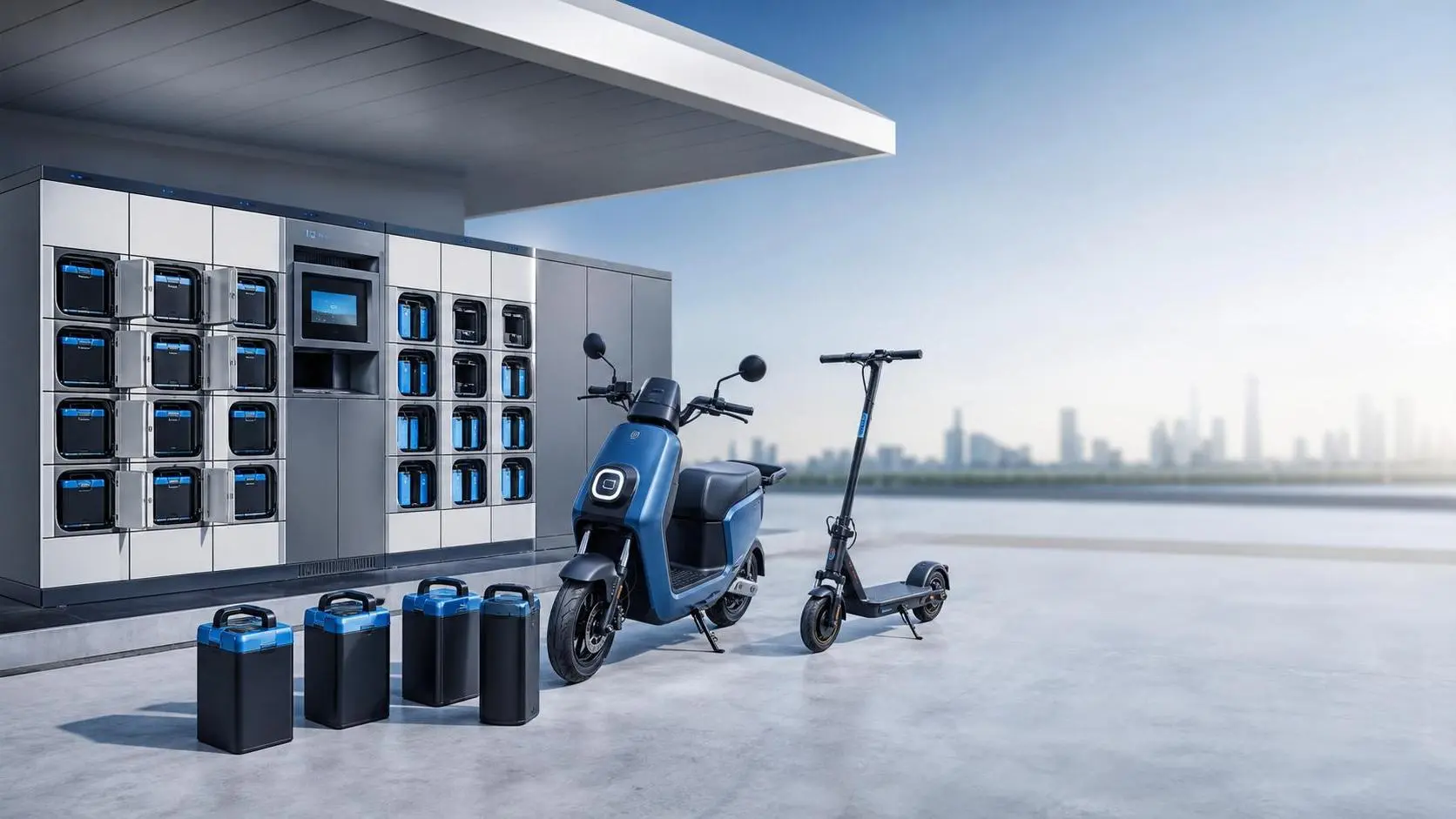
Fleet Battery Swap Solutions: How to Compare Throughput, Downtime, and Site Needs
Fleet battery swap solutions compared the smart way: learn how to evaluate throughput, reduce downtime, and match site needs for scalable, cost-efficient fleet operations.

Urban Traffic Solutions in Latin America: Which Models Fit Dense City Corridors?
Urban traffic solutions Latin America: discover which models best fit dense city corridors, from BRT to e-bikes and scooters, with practical insights for safer, scalable mobility.

Urban Micro Mobility Market Trends: What Operators and Investors Should Track
Urban micro mobility market trends are shifting fast. Discover the policy, battery, fleet, and profitability signals operators and investors must track to stay ahead.

Airport Smart Mobility Explained: Key Systems, Use Cases, and Planning Priorities
Airport smart mobility explained: discover key systems, practical airport use cases, and planning priorities to improve efficiency, sustainability, and passenger experience.

How to Evaluate an Electric Mobility Provider for Cost, Service Coverage, and Scalability
Electric mobility provider evaluation starts with total cost, service coverage, and scalability. Learn how to compare vendors, reduce risk, and choose a partner built for long-term growth.

Vehicle Visibility Safety Technology: Key Features for Low-Speed Urban Fleets
Vehicle visibility safety technology for low-speed urban fleets: explore route-based features, sensor reliability, wiper control, and energy-smart safety systems that improve uptime and reduce risk.
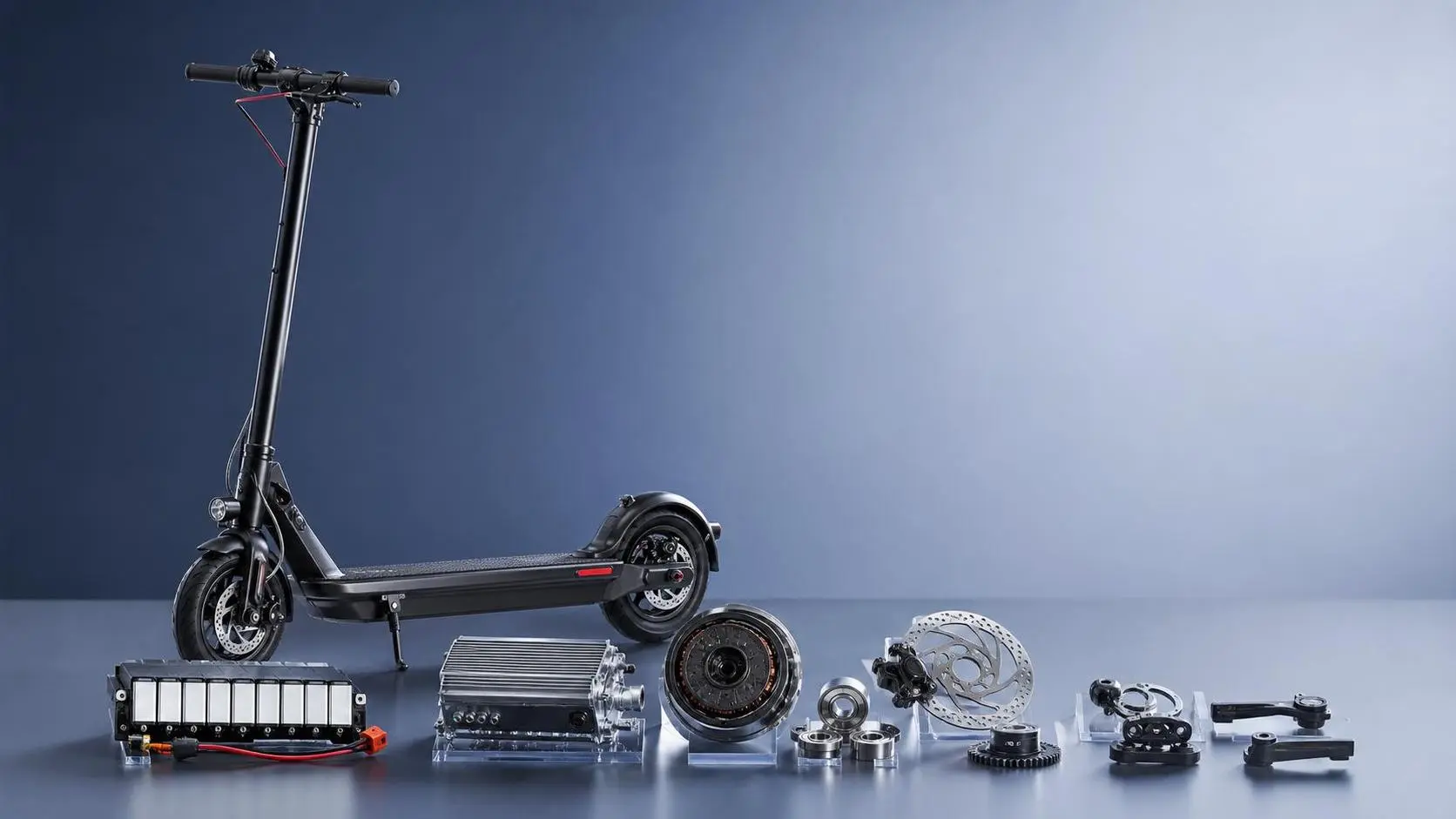
How to Use a Micro Mobility Supplier Directory to Compare OEMs and Component Partners
Micro mobility supplier directory guide to compare OEMs and component partners by certifications, compatibility, lead time, and supply risk—build a smarter shortlist faster.
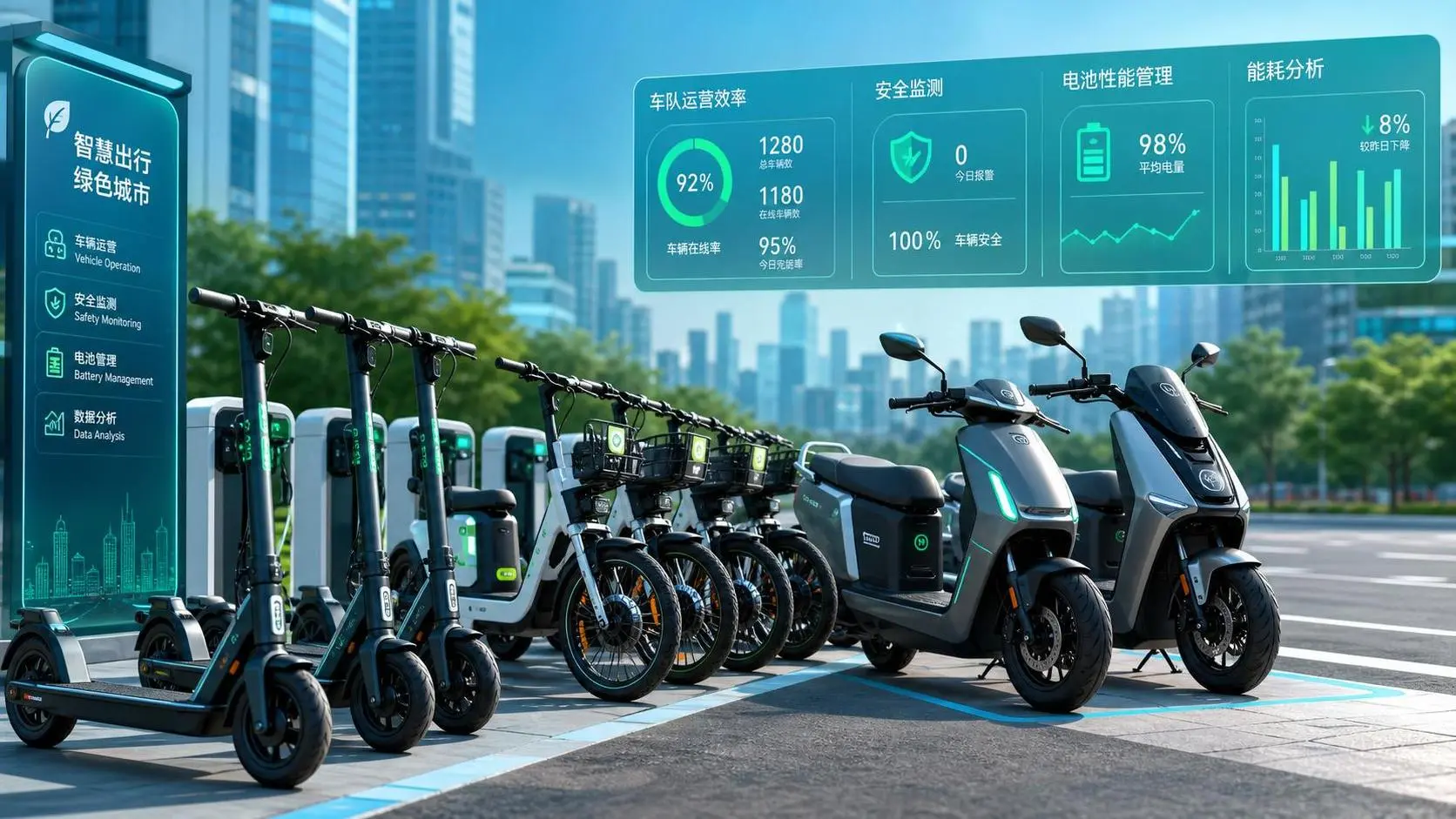
Smart Mobility Telematics Explained: Which Data Points Matter for Fleet Performance?
Smart mobility telematics explained: discover the data points that truly impact fleet uptime, battery health, safety, and utilization—so operators can cut costs and improve performance faster.