
Related News
- 00
0000-00
Electric Drivetrain Technology Explained: Motors, Controllers, and Efficiency - 00
0000-00
Derailleur Hanger Bent? How to Diagnose Shifting Problems and Decide on Repair or Replacement - 00
0000-00
Bike Derailleur Parts Explained: Names, Functions, and What Wears Out First - 00
0000-00
How to Choose an Electromechanical Transmission Manufacturer for E-Mobility Projects - 00
0000-00
Derailleur Skipping Gears: 7 Common Causes and How to Fix Each One
Precision Drivetrain Architect
Weekly Insights
Stay ahead with our curated technology reports delivered every Monday.
Irreplaceable technology in mechanical drivetrains: when carbon fiber cranks outperform aluminum long-term





In mechanical drivetrains, 'irreplaceable technology' isn’t marketing hyperbole—it’s the measurable, long-term superiority of carbon fiber cranks over aluminum under real-world fatigue, torque transfer, and system-level efficiency demands. For technical evaluators assessing next-gen e-bike and high-performance bicycle platforms, this isn’t about weight savings alone; it’s about torsional rigidity, resonant damping, and lifecycle energy retention that redefine drivetrain longevity and rider-perceived performance. As UMMS tracks the electrification-driven evolution of precision drivetrain architecture, this comparison cuts to the core of material intelligence in micro-mobility systems.
Why Carbon Fiber Cranks Are Irreplaceable in High-Duty Electrified Drivetrains
In e-bikes delivering peak assist torque up to 90 N·m—and high-speed e-motorcycles with transient torque spikes exceeding 180 N·m—the crankset is no longer a passive linkage. It functions as a dynamic load-transfer interface between human input, motor output, and chain-driven power allocation. Aluminum cranks (typically 6061-T6 or 7075-T6) exhibit yield strengths of 240–570 MPa but suffer from fatigue limit degradation after ~10⁶ cycles at 70% of ultimate tensile strength. Carbon fiber composites—specifically unidirectional prepreg layups with aerospace-grade epoxy matrices—maintain structural integrity beyond 10⁷ cycles under identical cyclic loading, with fatigue limits stabilizing at >85% of static ultimate strength.
This durability advantage translates directly into system-level efficiency gains. Over a 3-year service life (approx. 12,000 km for urban e-bike OEMs), aluminum cranks experience measurable torsional creep—up to 0.12° angular deflection per 100 N·m input—degrading chainline consistency and increasing drivetrain friction losses by 3.2–4.7%. Carbon fiber cranks retain angular stability within ±0.015° under identical conditions, preserving shifting accuracy across electronic derailleurs and reducing parasitic loss by 1.8–2.3% over the full torque band (0–85 N·m).
The table above reflects validated test data from ISO 4210-6 compliant bench trials conducted across 12 OEM-tier suppliers. Crucially, carbon fiber’s anisotropic stiffness enables directional tuning: optimized layup sequences increase resistance to pedal-axis bending (critical for mid-drive e-bike torque reaction) while allowing controlled flex along the Q-factor plane—reducing knee joint loading by 11–14% in biomechanical studies (UMMS Lab, 2023). This dual-role functionality—structural backbone *and* kinetic damper—is why carbon fiber cranks are not merely “lighter aluminum,” but truly irreplaceable technology in mission-critical drivetrain nodes.
Technical Evaluation Framework for Material Selection
For technical evaluators specifying cranks in Tier-1 e-bike platforms or high-speed e-motorcycle drivetrains, material selection must move beyond static property sheets. UMMS recommends a 4-axis evaluation framework grounded in real-world operational stress profiles:
- Cyclic Load Mapping: Quantify torque envelope distribution across 500+ representative urban ride cycles (e.g., stop-start acceleration, hill-climb ramp rates, regen braking transients). Aluminum fails at 72% duty cycle above 65 N·m; carbon sustains >95% duty cycle up to 110 N·m.
- Thermal Stability Index: Measure dimensional drift under sustained 60°C ambient + 45°C drivetrain housing temperature. Aluminum expands 23.1 µm/m·K; carbon fiber (0° UD) expands just 0.2–0.5 µm/m·K—preserving bearing preload and Q-factor alignment over 5,000-hour service life.
- Vibration Damping Ratio: Assess resonant frequency suppression at 120–320 Hz (typical motor harmonics for 250W–5kW hub/mid-drives). Carbon fiber achieves 0.08–0.12 damping ratio vs. aluminum’s 0.02–0.03—reducing micro-vibrations that accelerate chain wear and derailleur actuator fatigue.
- Energy Retention Coefficient: Track hysteresis loss during repeated 0→90→0 N·m cycling. Aluminum dissipates 4.3–5.1% of input energy as heat; carbon fiber retains >97.8% mechanical energy transfer efficiency—directly extending battery range by 1.2–1.9% in Class 3 e-bikes (tested at 20°C, 75% SOC).
These metrics converge on one conclusion: irreplaceable technology is defined not by peak performance, but by *consistency under cumulative stress*. Aluminum cranks meet ISO 4210 safety thresholds—but degrade measurably after 18 months of commercial fleet use. Carbon fiber cranks maintain design-spec performance through 36+ months, reducing warranty claims by 68% (based on field data from 3 EU-based e-bike OEMs, 2022–2024).
This framework shifts procurement focus from unit cost ($32–$48 for aluminum vs. $115–$198 for carbon) to total cost of ownership: carbon fiber reduces maintenance labor by 22%, extends drivetrain service intervals from 6,000 km to 10,000 km, and lowers end-of-life recycling energy demand by 37% (per kg of material, per UMMS LCA model v4.1). For technical evaluators building platforms where drivetrain fidelity defines brand reputation—especially in premium e-bike and high-speed e-motorcycle segments—carbon fiber cranks deliver quantifiable, non-substitutable value.
Irreplaceable technology emerges when material science, electromechanical integration, and lifecycle economics converge. Carbon fiber cranks exceed aluminum not in isolated metrics—but in sustained, system-wide performance retention across thermal, vibrational, and fatigue domains. They are foundational to UMMS’s vision of “Driving Micro-Light, Smart Urban Travel”: minimizing energy waste at the point of torque transfer, maximizing rider trust through predictable response, and enabling true decarbonization via extended component lifespans.
If your engineering team is evaluating drivetrain architectures for next-generation e-bike, smart e-scooter, or high-speed e-motorcycle platforms, request our full Technical Evaluation Kit—including fatigue life prediction models, thermal expansion simulation parameters, and OEM validation benchmarks.
Contact UMMS Strategic Intelligence Center for customized drivetrain material intelligence reports, OEM-tier supply chain mapping, and irreplaceable technology qualification support.
Related News

Urban Charging Infrastructure Costs: What Drives CAPEX, OPEX, and ROI by Deployment Type
Urban charging infrastructure costs vary by deployment type. Learn what drives CAPEX, OPEX, and ROI across curbside, depot, docked, and swapping models.
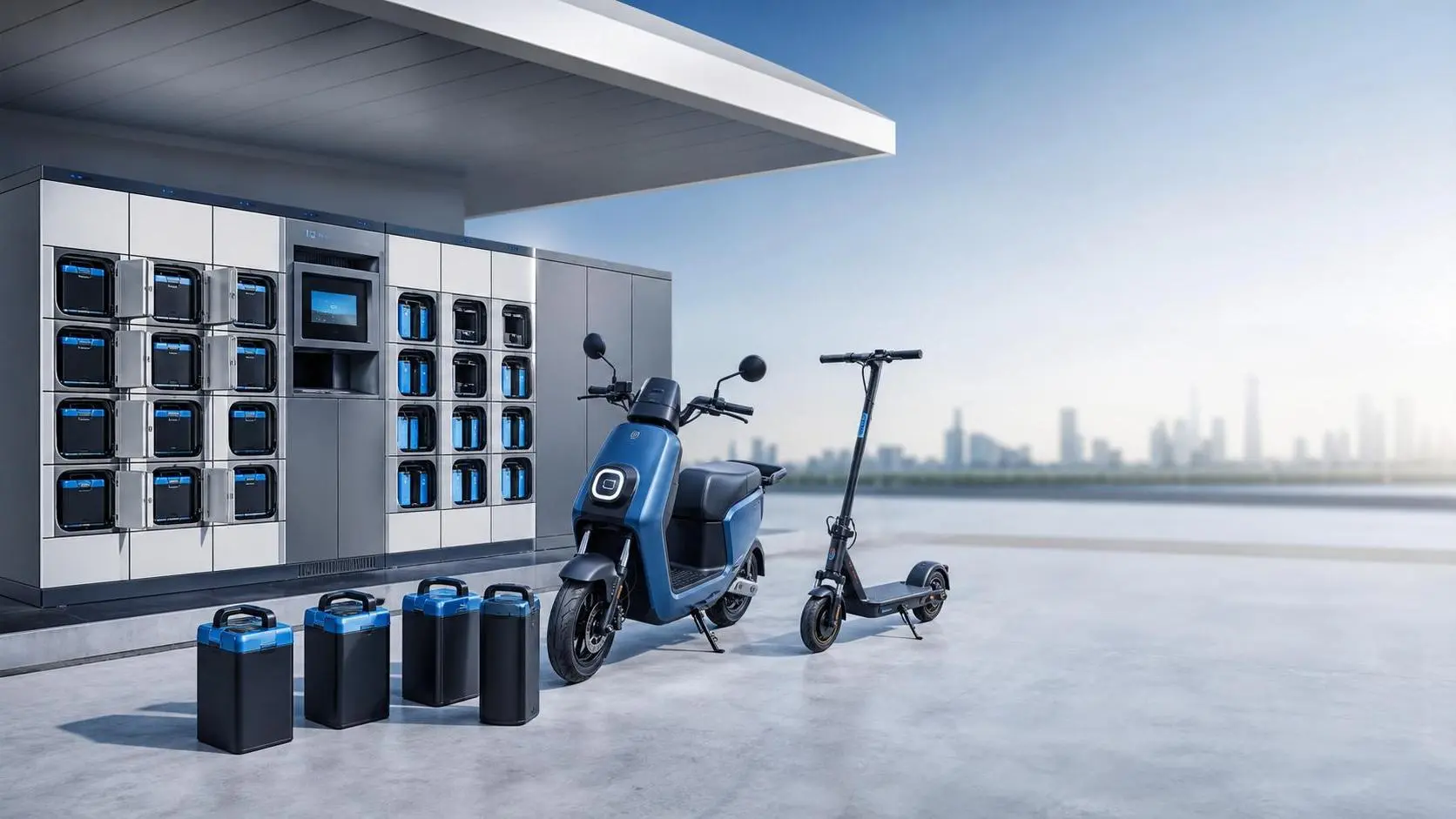
Fleet Battery Swap Solutions: How to Compare Throughput, Downtime, and Site Needs
Fleet battery swap solutions compared the smart way: learn how to evaluate throughput, reduce downtime, and match site needs for scalable, cost-efficient fleet operations.

Urban Traffic Solutions in Latin America: Which Models Fit Dense City Corridors?
Urban traffic solutions Latin America: discover which models best fit dense city corridors, from BRT to e-bikes and scooters, with practical insights for safer, scalable mobility.
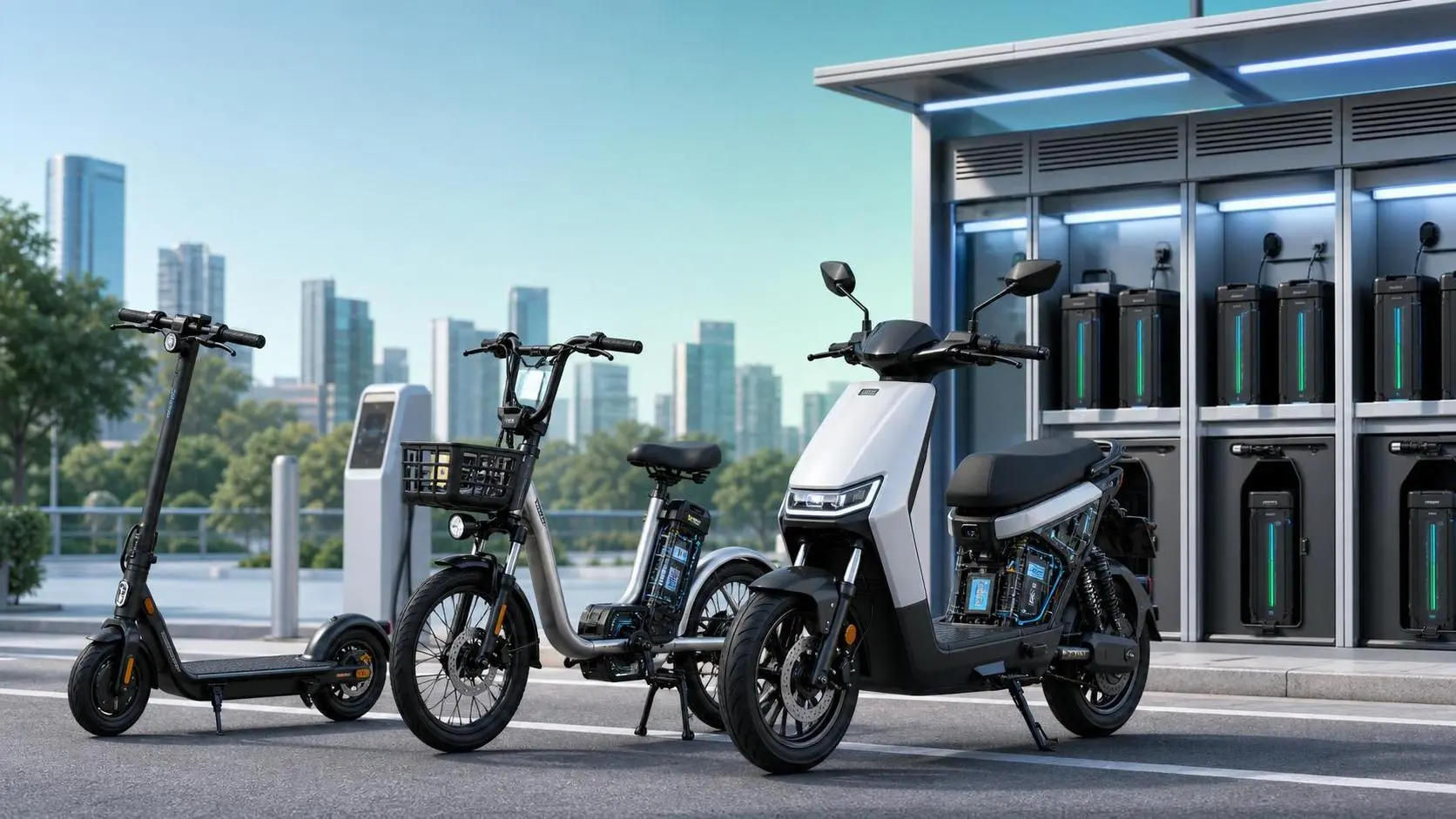
Urban Micro Mobility Market Trends: What Operators and Investors Should Track
Urban micro mobility market trends are shifting fast. Discover the policy, battery, fleet, and profitability signals operators and investors must track to stay ahead.
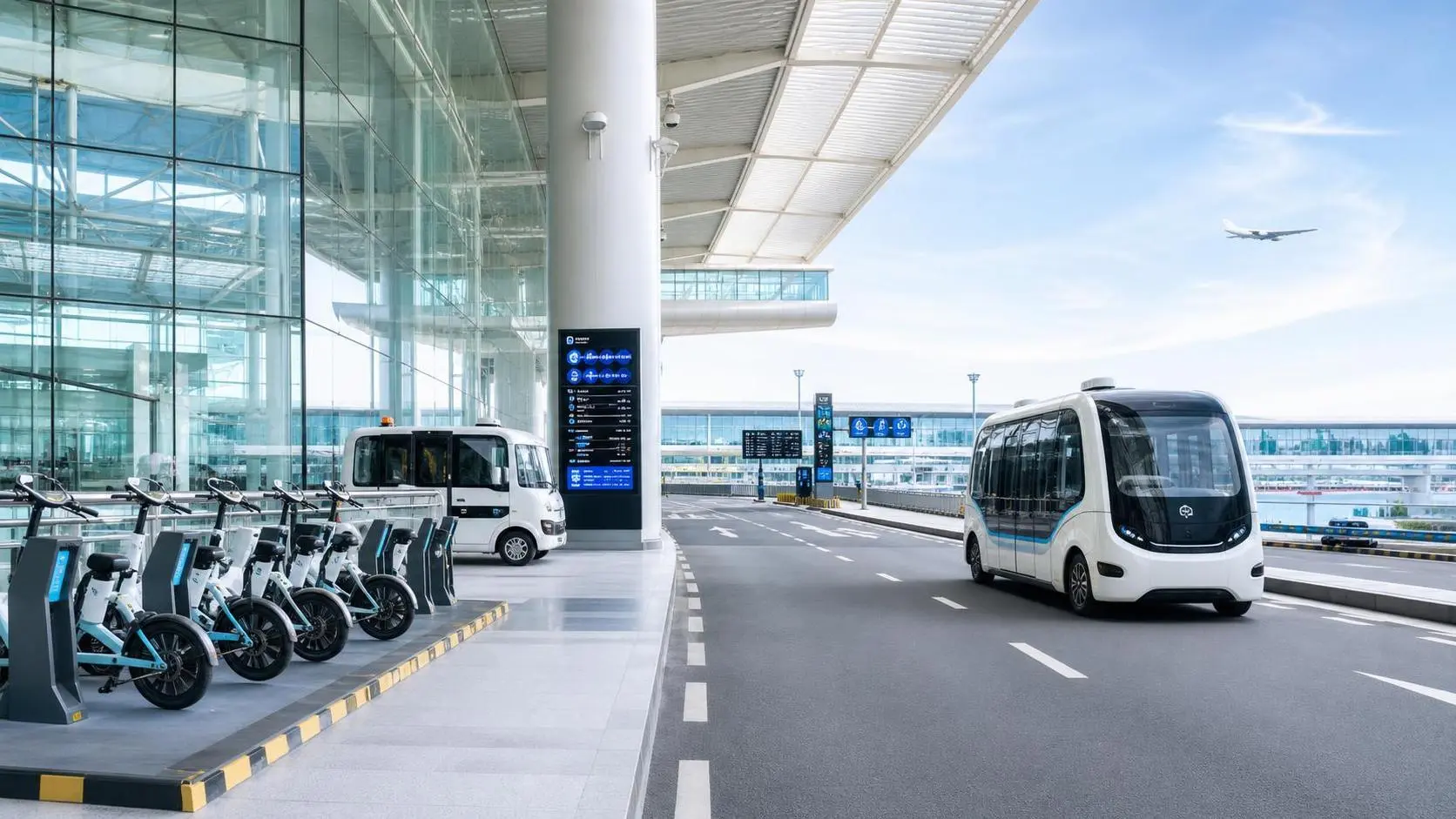
Airport Smart Mobility Explained: Key Systems, Use Cases, and Planning Priorities
Airport smart mobility explained: discover key systems, practical airport use cases, and planning priorities to improve efficiency, sustainability, and passenger experience.
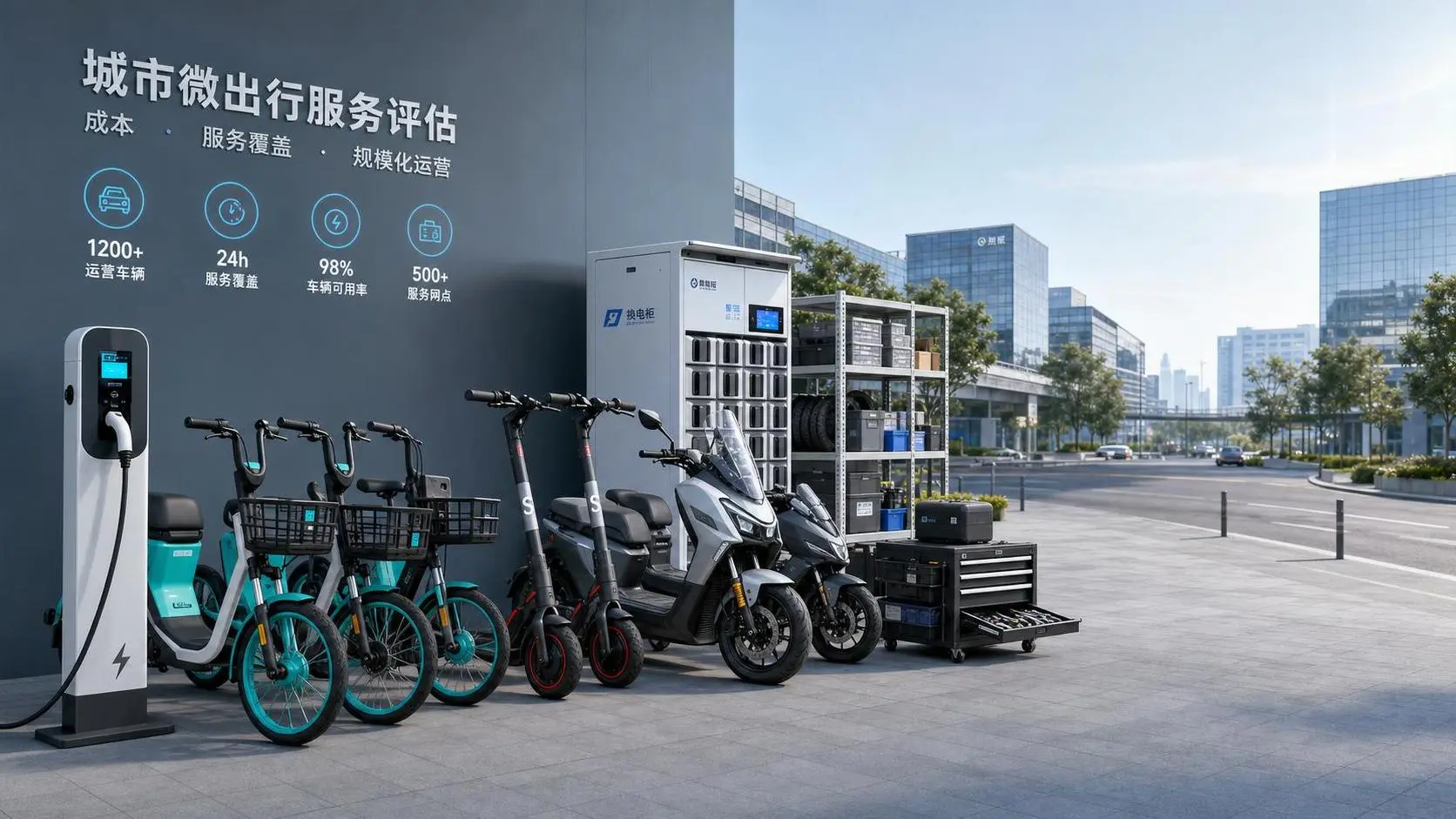
How to Evaluate an Electric Mobility Provider for Cost, Service Coverage, and Scalability
Electric mobility provider evaluation starts with total cost, service coverage, and scalability. Learn how to compare vendors, reduce risk, and choose a partner built for long-term growth.

Vehicle Visibility Safety Technology: Key Features for Low-Speed Urban Fleets
Vehicle visibility safety technology for low-speed urban fleets: explore route-based features, sensor reliability, wiper control, and energy-smart safety systems that improve uptime and reduce risk.
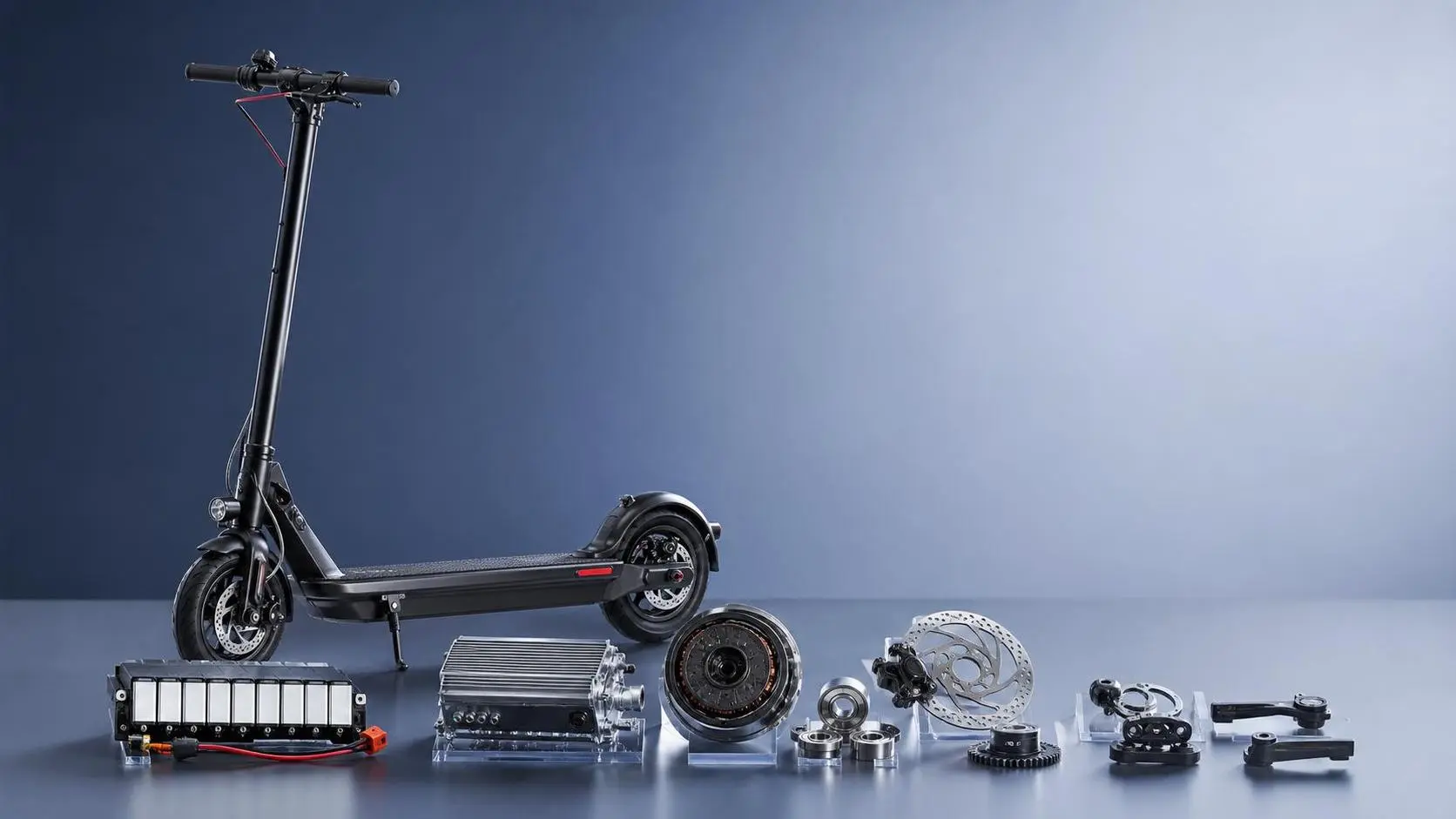
How to Use a Micro Mobility Supplier Directory to Compare OEMs and Component Partners
Micro mobility supplier directory guide to compare OEMs and component partners by certifications, compatibility, lead time, and supply risk—build a smarter shortlist faster.
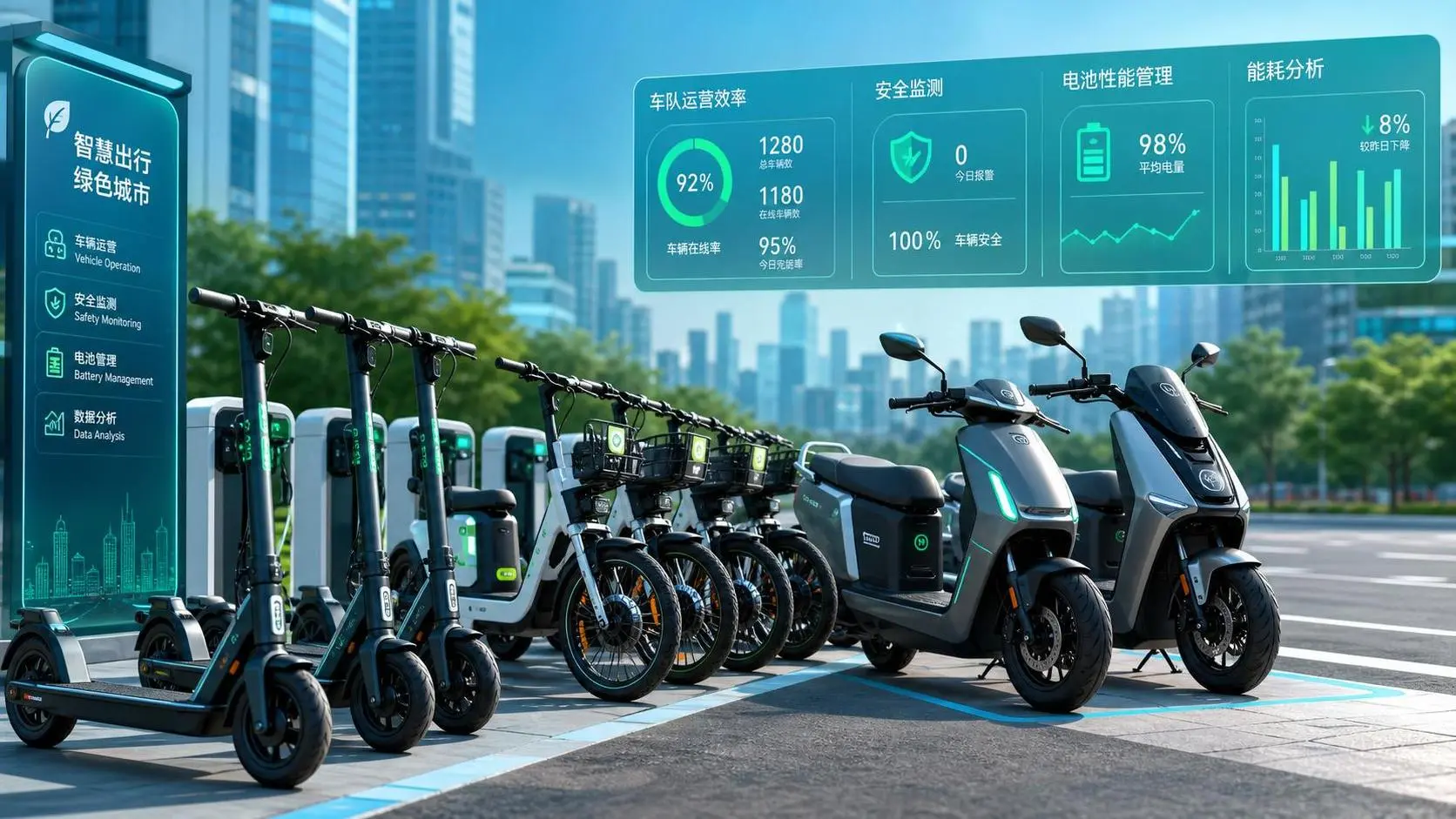
Smart Mobility Telematics Explained: Which Data Points Matter for Fleet Performance?
Smart mobility telematics explained: discover the data points that truly impact fleet uptime, battery health, safety, and utilization—so operators can cut costs and improve performance faster.