
Related News
- 00
0000-00
Electric Mobility for Logistics: How to Choose the Right Vehicle for Last-mile Delivery - 00
0000-00
Electric Torque for Ebikes Explained: What Power Delivery Means for Climbing and Cargo - 00
0000-00
Electric Powertrain vs Hub Motor: Which Setup Fits Cargo E-bikes Better? - 00
0000-00
What last mile logistics needs from electric fleets - 00
0000-00
High-Density Battery Trade-Offs for Cargo E-Bikes
Micro-Mobility Strategist
Weekly Insights
Stay ahead with our curated technology reports delivered every Monday.
High-Density Battery Trade-Offs for Cargo E-Bikes





For cargo e-bike buyers, choosing a high-density battery is not only about extending range—it also affects payload balance, thermal safety, charging strategy, lifecycle cost, and regulatory compliance. This article examines the core trade-offs behind high-density battery adoption, helping procurement teams compare performance, reliability, and total value before making sourcing decisions in a fast-evolving micro-mobility market.
Why is the high-density battery decision more complex for cargo e-bikes?
In cargo e-bikes, battery choice influences far more than nominal range. Buyers must evaluate how a high-density battery interacts with frame geometry, axle loading, braking behavior, motor output, delivery duty cycles, and local transport regulations.
Unlike commuter models, cargo platforms operate under heavier and more variable loads. A battery that performs well in a light urban bicycle may face different thermal stress, vibration exposure, and charge-discharge intensity in commercial delivery fleets.
This is where procurement errors become expensive. A battery pack with impressive energy density can still underperform if it creates service complexity, poor weight distribution, or faster degradation under stop-start logistics use.
- Higher energy density may reduce pack size, but it can also raise thermal management requirements.
- Lighter packs can improve handling, yet center-of-gravity placement remains critical for loaded stability.
- Extended range looks attractive on paper, but route patterns and recharge windows often matter more than peak battery capacity.
For procurement personnel, the best high-density battery is not the one with the highest specification sheet. It is the one that fits the fleet’s operating reality, support expectations, and long-term cost model.
What does a high-density battery really mean in cargo e-bike procurement?
A high-density battery generally refers to a pack designed to store more energy within a given weight or volume. In cargo e-bikes, that can translate into longer route coverage, smaller pack packaging, or improved payload flexibility.
However, procurement teams should separate cell-level density from system-level value. The practical result depends on pack enclosure design, battery management system quality, cooling strategy, connector durability, and integration with motor controllers.
Key metrics buyers should verify
- Wh capacity and usable energy, not only rated energy.
- Energy density by weight and by pack volume.
- Cycle life under realistic depth of discharge and operating temperature.
- Continuous and peak discharge capability for loaded starts and hills.
- Ingress protection, vibration resistance, and connector retention.
UMMS tracks these variables from a systems perspective. In micro-mobility, battery performance cannot be isolated from drivetrain efficiency, charging behavior, vehicle duty profile, and compliance demands across export markets.
Which trade-offs matter most when comparing battery options?
The table below helps procurement teams compare the most common trade-offs linked to a high-density battery in cargo e-bike programs. It is especially useful when vendors promote range gains without fully discussing operational consequences.
The main lesson is simple: a high-density battery creates value only when the entire vehicle system supports it. Buyers should test battery claims against route data, load conditions, ambient temperature, and charging infrastructure before approving volume orders.
How do operating scenarios change the right battery choice?
Cargo e-bike procurement becomes easier when teams map batteries to real applications instead of generic specifications. Delivery intensity, topography, climate, and charging windows all affect whether a high-density battery is the right fit.
Common cargo e-bike scenarios
- Urban parcel fleets with many short stops and frequent acceleration.
- Food delivery operations with narrow recharge windows and mixed rider behavior.
- Municipal or campus logistics where predictable routes favor lower-capacity modular packs.
- Suburban cargo use where longer distances make higher stored energy more valuable.
The following table shows how application scenarios can alter the battery decision. This helps sourcing teams avoid overbuying capacity or underestimating service risk in demanding logistics environments.
Scenario-based sourcing is often more reliable than specification-first sourcing. UMMS regularly highlights this systems thinking because route economics, drivetrain load, and local infrastructure together determine battery value.
What technical factors should buyers inspect beyond capacity?
Cell chemistry and pack architecture
Energy density may improve with specific cell formats or chemistries, but procurement should ask how those choices affect safety margin, aging behavior, and repairability. Higher density is not automatically better for rough commercial use.
Battery management system quality
A high-density battery depends heavily on BMS logic. Buyers should evaluate cell balancing, temperature sensing points, overcurrent protection, state-of-charge accuracy, and fault logging. Weak BMS design can turn a premium battery into a warranty burden.
Mechanical integration
Cargo e-bikes encounter shocks from curbs, potholes, and heavy loading. Pack mounting, enclosure rigidity, sealing, and connector strain relief are just as important as watt-hours. Service teams also need practical pack removal and replacement procedures.
Charging strategy
Fast charging can raise operational uptime, but it may also accelerate heat buildup and long-term degradation. Procurement should align charger power, route schedules, and battery warranty conditions before choosing a high-density battery platform.
How should procurement teams evaluate total cost instead of unit price?
Unit battery price is only one part of the decision. A more expensive high-density battery can still lower fleet cost if it reduces charging interruptions, labor handling, replacement frequency, or vehicle downtime.
At the same time, overspecifying battery performance can damage return on investment. If daily routes consume only a modest share of stored energy, procurement may be paying a premium for unused capacity and added compliance complexity.
A practical cost checklist
- Estimate daily usable energy demand by route, payload, and terrain rather than marketing range claims.
- Compare expected cycle life at the planned depth of discharge.
- Account for charger cost, spare pack inventory, and technician training.
- Review warranty triggers, diagnostic support, and replacement lead time.
- Include compliance costs for shipping, storage, and market entry documentation.
For international buyers, lifecycle cost often depends on supply-chain resilience as much as chemistry selection. UMMS monitors this intersection of technical architecture and market execution, which is increasingly important in cross-border micro-mobility sourcing.
Which standards and compliance issues should not be ignored?
A high-density battery for cargo e-bikes must be reviewed through a compliance lens, especially for fleets entering European or other regulated markets. Battery transport, electrical safety, and product-level conformity all affect procurement timelines and risk.
- UN 38.3 is commonly relevant for lithium battery transport testing.
- Market-specific electrical and vehicle safety requirements may apply depending on the cargo e-bike category.
- Documentation quality matters, including test reports, traceability records, and battery labeling.
- Warehousing and shipping partners may impose additional packaging and handling conditions.
Procurement teams should ask suppliers not only whether a battery is compliant, but also which exact pack configuration, charger pairing, and transport condition the documentation covers. Minor design changes can trigger major verification gaps.
What are the most common sourcing mistakes with high-density battery projects?
Mistake 1: Buying for headline range only
Many teams focus on the longest possible range. In practice, delivery operations often benefit more from reliable mid-shift charging, modular spares, or better drivetrain efficiency than from maximum battery size.
Mistake 2: Ignoring thermal and charging behavior
A compact, high-density battery can face more thermal stress in hot climates or enclosed cargo designs. If charging is also aggressive, degradation risk increases further.
Mistake 3: Underestimating service implications
If replacement packs, diagnostics, connectors, or firmware support are weak, the battery becomes a maintenance bottleneck. Procurement must involve after-sales and fleet operations early in the selection process.
Mistake 4: Treating all cargo e-bikes as one category
Front-loader family cargo bikes, urban logistics trikes, and rear-rack commercial bikes do not stress the battery system in the same way. Load distribution and ride pattern change the right sourcing decision.
FAQ: what do buyers ask most often about high-density battery options?
Is a high-density battery always better for cargo e-bikes?
No. It is better only when longer usable range, reduced pack volume, or lower pack weight creates measurable operational benefit. If routes are short or battery swapping is practical, a lower-density alternative may deliver better value.
What should procurement prioritize first: range, safety, or cycle life?
Start with the actual duty cycle. Then prioritize safety and thermal control, followed by cycle life under real usage, and only then surplus range. A battery that survives fleet reality is more useful than one that wins on brochure numbers.
How can buyers compare suppliers fairly?
Request the same reporting basis from all suppliers: usable energy, pack weight, charging time, cycle-life conditions, BMS functions, transport compliance, warranty terms, and sample lead time. Without aligned criteria, comparisons are misleading.
What is the biggest hidden cost in battery sourcing?
Downtime is often the hidden cost. A battery that is difficult to replace, diagnose, or ship can disrupt fleet utilization far more than its purchase price suggests. Support responsiveness matters as much as initial specification.
Why work with UMMS when assessing cargo e-bike battery choices?
UMMS approaches the high-density battery topic as part of the broader micro-mobility system. That means connecting battery logic with drivetrain efficiency, urban logistics use cases, platform architecture, and the commercial realities of global sourcing.
For procurement teams, this perspective reduces blind spots. Instead of evaluating a battery pack in isolation, you can compare technology direction, compliance exposure, route-fit logic, and supplier readiness across the full cargo e-bike value chain.
What you can consult with us
- Parameter confirmation for capacity, discharge rate, thermal controls, and pack integration.
- Product selection support based on route profile, payload, and vehicle architecture.
- Delivery-cycle discussion for samples, pilot batches, and commercial rollout planning.
- Certification and documentation review for transport and target-market compliance.
- Quotation communication with a clearer view of lifecycle cost, not just unit pricing.
If your team is comparing cargo e-bike battery options, preparing a new sourcing program, or validating whether a high-density battery is commercially justified, UMMS can help you structure the decision with sharper technical and market intelligence.
Related News
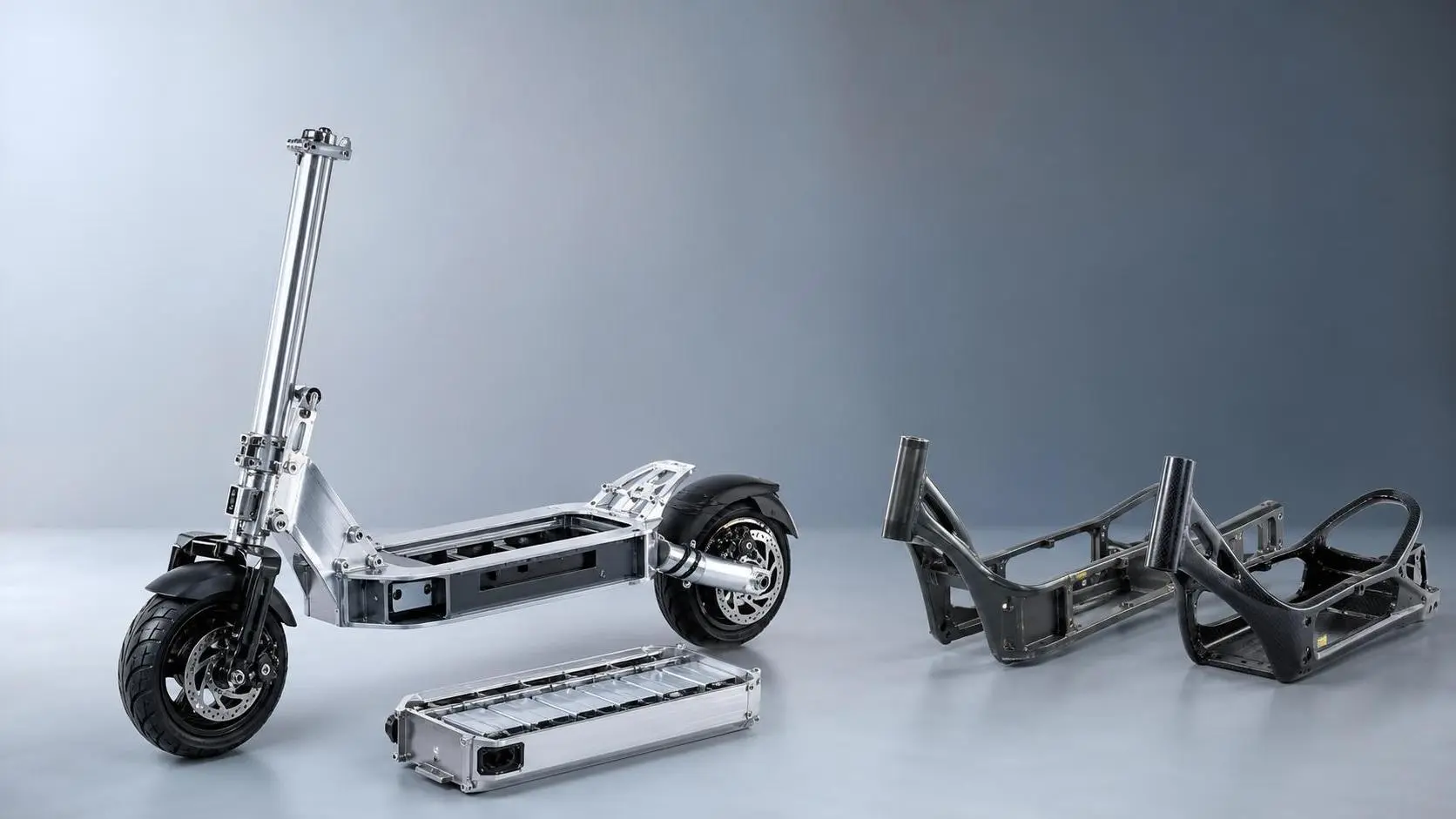
How to Choose Lightweight Scooter Frames in Europe: Materials, Standards, and Use Cases
Lightweight scooter frames Europe buyers need should balance materials, EN standards, durability, and real use cases. Discover how to choose safer, smarter, compliant frames.
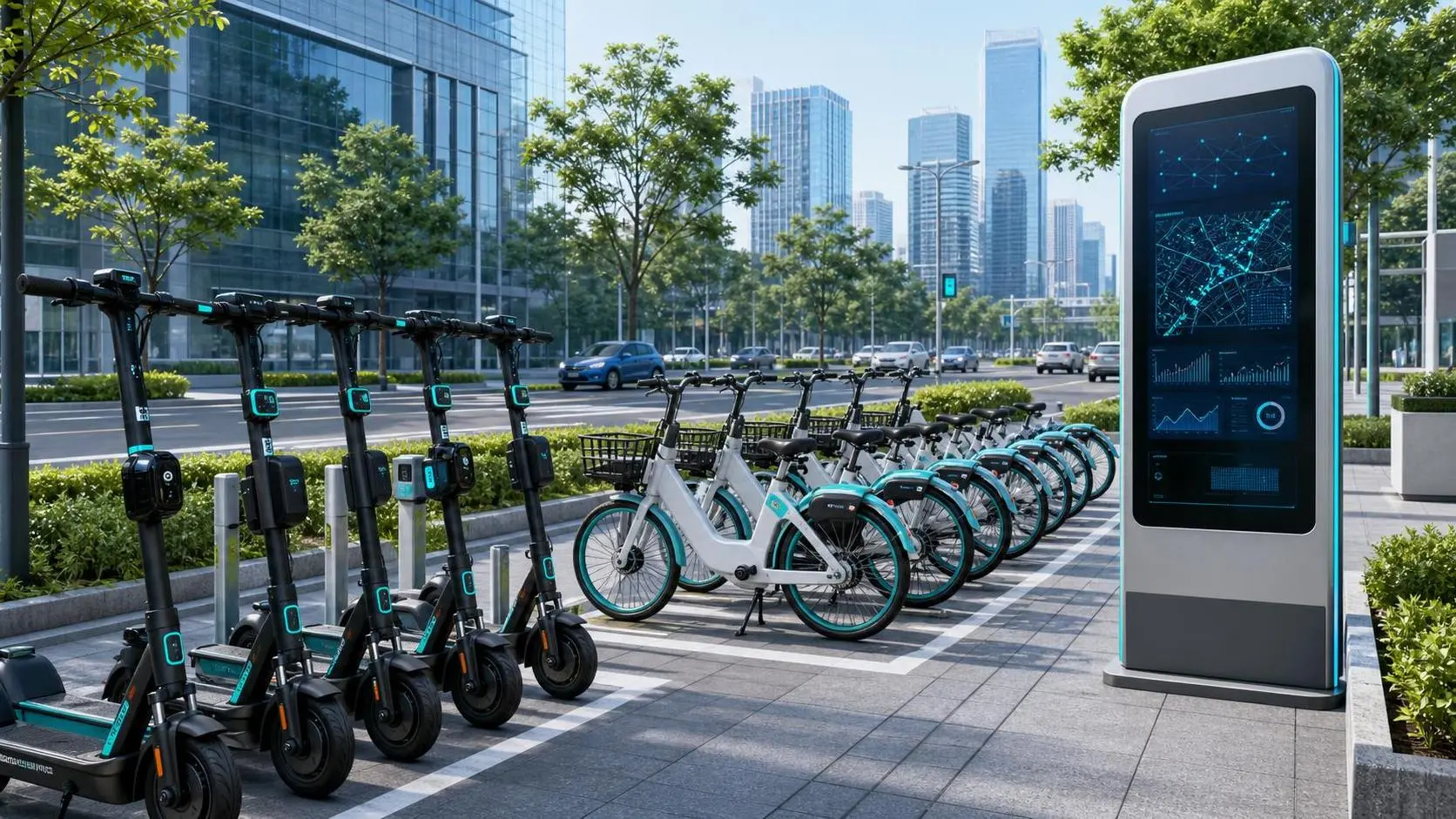
What Is the Intellectualization of Mobility Platform and How Is It Applied in Shared Fleets?
Intellectualization of mobility platform is reshaping shared fleets with real-time data, predictive maintenance, and smarter compliance—learn how it boosts safety, uptime, and urban mobility efficiency.
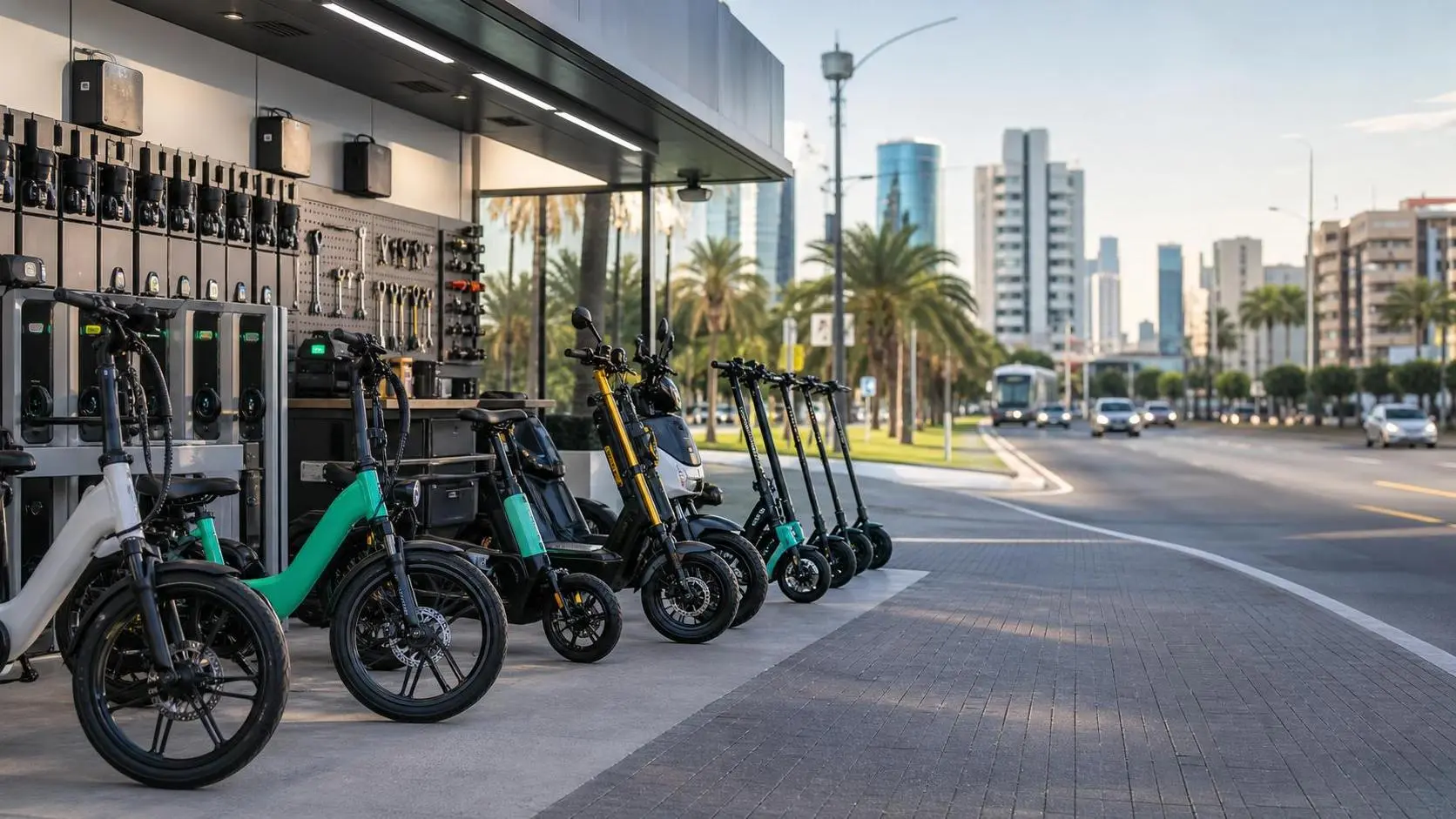
Urban Micro-Mobility Systems in Latin America: Key Market Drivers, Barriers, and Growth Segments
Urban micro-mobility systems Latin America are reshaping city transport. Explore key drivers, barriers, and high-growth segments to spot the region’s most investable opportunities.
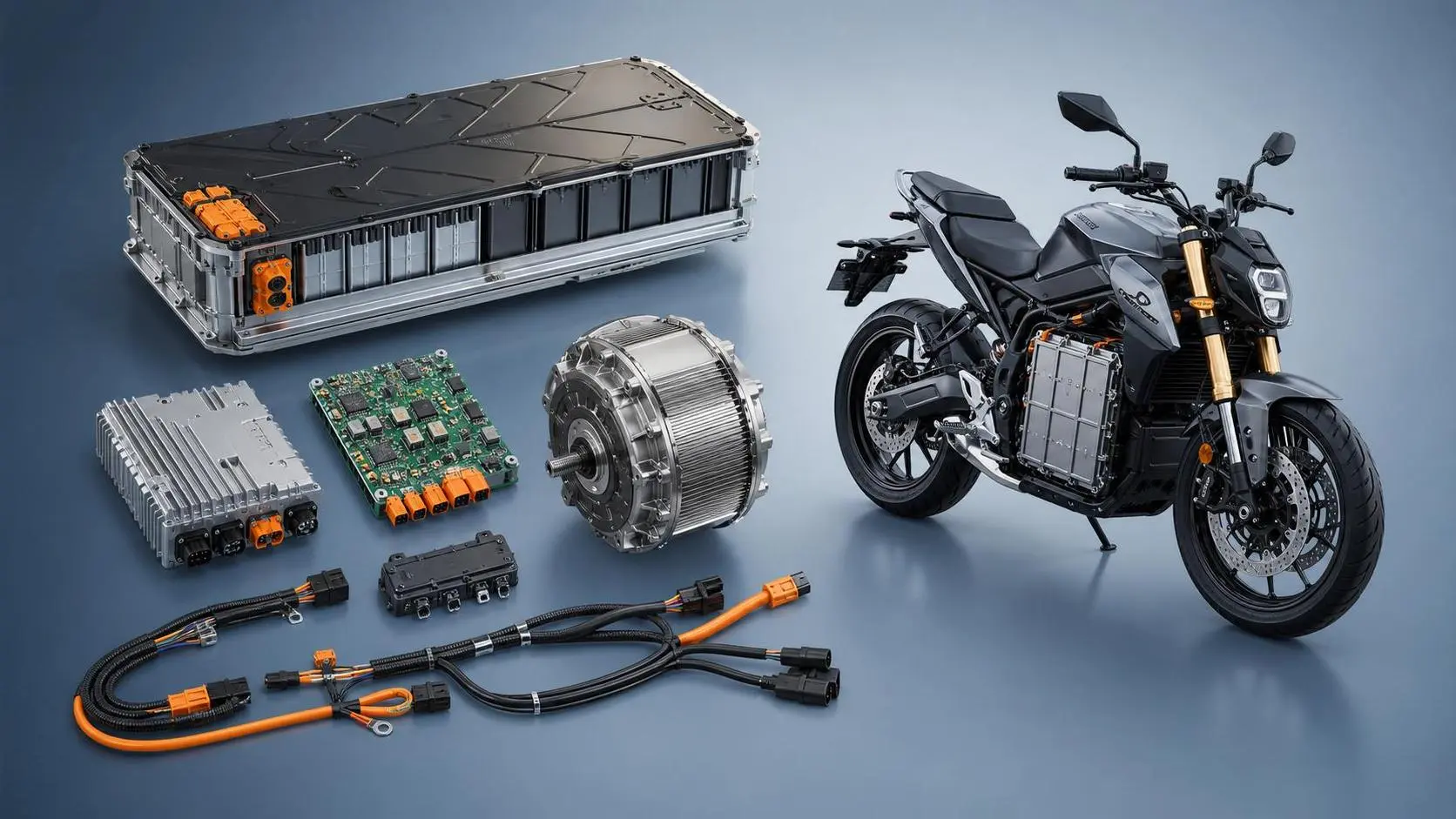
Electric Motorcycle Systems Price Breakdown: What Affects Cost From Battery to Controller?
Electric motorcycle systems price explained: see how battery, controller, motor, BMS, and wiring affect total cost, reliability, and sourcing value before you buy.
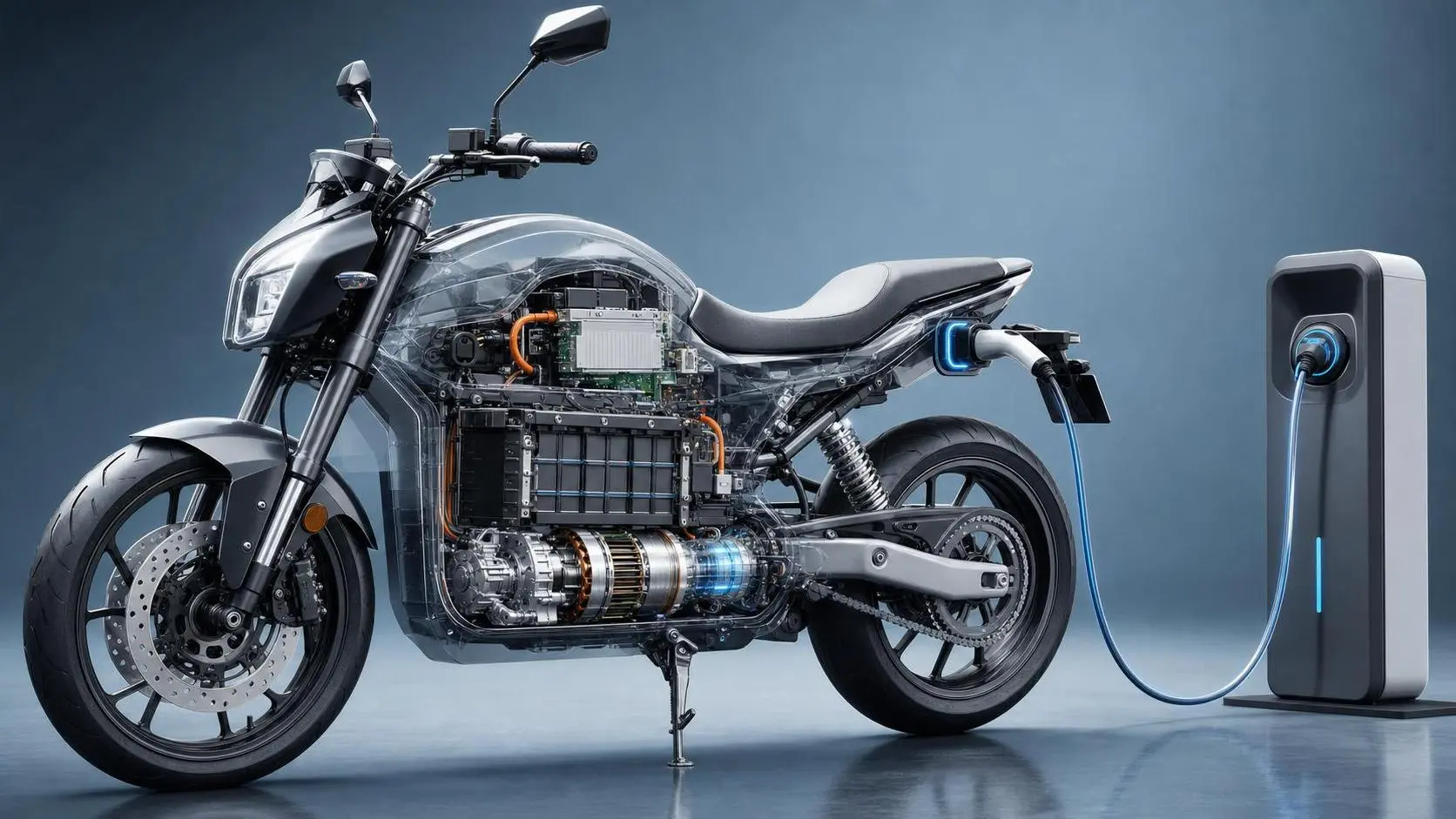
72V Electric Motorcycle Technology Explained: Motors, Controllers, Range, and Charging
Electric motorcycle technology 72V explained clearly: compare motors, controllers, range, battery design, and charging to choose a smoother, stronger, and smarter electric ride.
Where LED Urban Visibility Safety Systems Fit Best in Shared Scooters and City E-bikes
LED urban visibility safety systems deliver the most value in shared scooters and city e-bikes by improving multi-angle safety, fleet durability, and urban compliance across real-world routes.
Intellectualization of Mobility in North America: What Is Driving Adoption Across Urban Transport?
Intellectualization of mobility North America is reshaping urban transport through data, smart fleets, and battery intelligence. Explore what is driving adoption and why cities and operators are accelerating now.
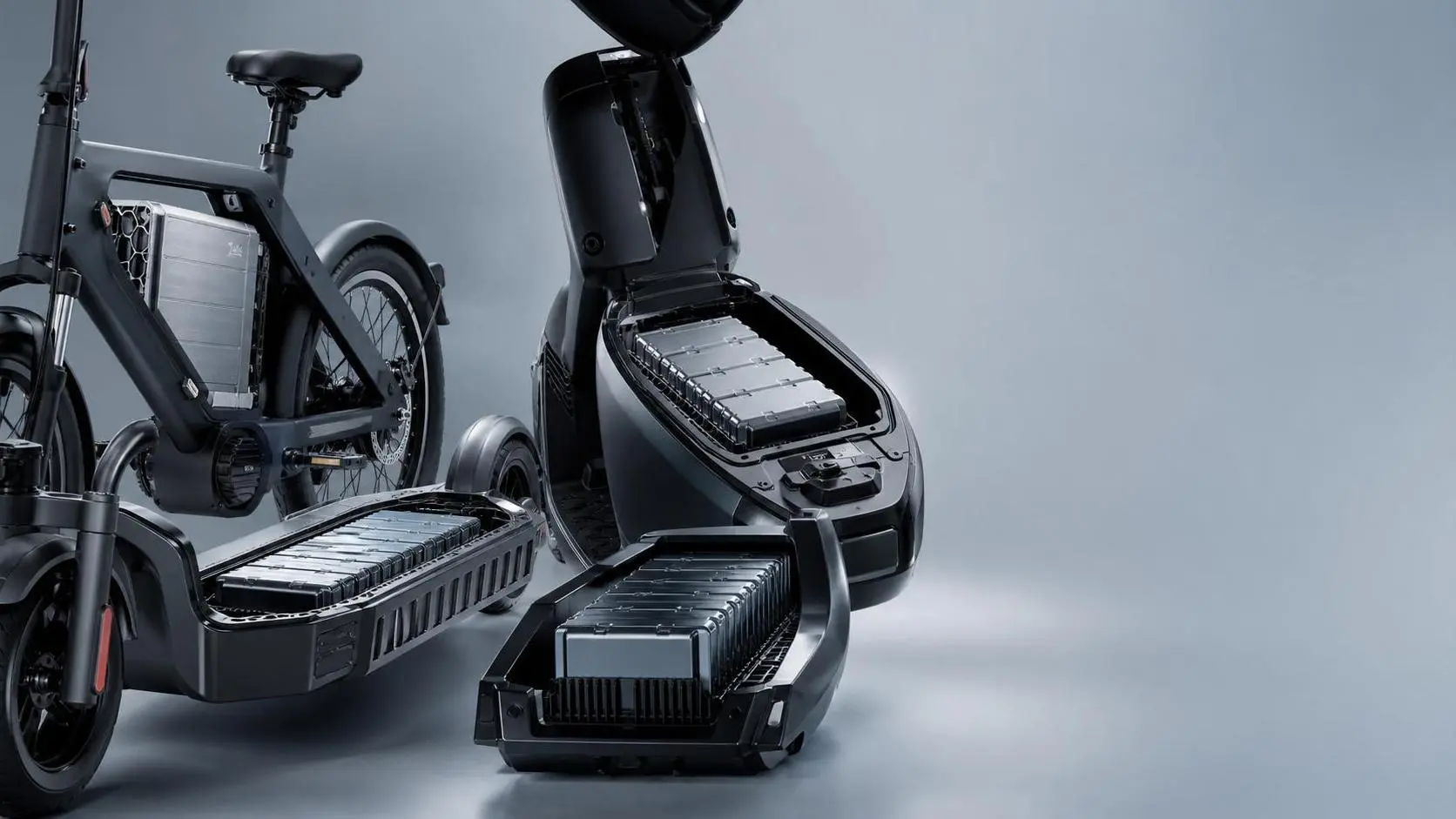
How to Choose a Compact Battery Pack: Size, Energy Density, Thermal Design, and Cycle Life
Compact battery pack selection starts with more than size. Learn how energy density, thermal design, and cycle life shape range, safety, and long-term value.
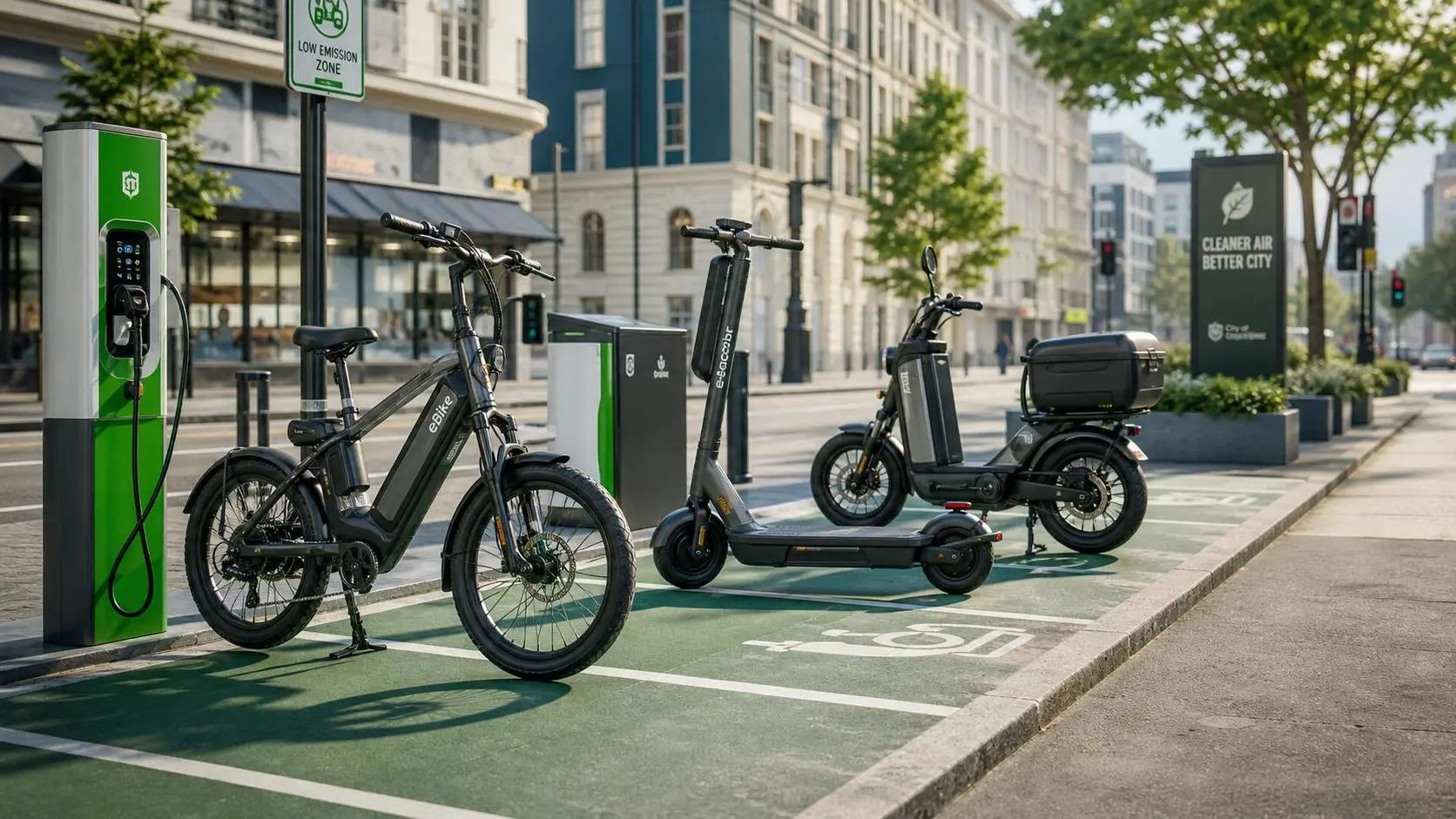
What Is Driving Green Two-wheelers Demand in Europe? Policy, Fuel Costs, and Buyer Segments
Green two-wheelers demand Europe is rising as policy support, fuel cost pressure, and diverse buyer segments reshape urban mobility. Explore the trends driving the next growth wave.