
Related News
- 00
0000-00
Electric Mobility for Logistics: How to Choose the Right Vehicle for Last-mile Delivery - 00
0000-00
Electric Torque for Ebikes Explained: What Power Delivery Means for Climbing and Cargo - 00
0000-00
Electric Powertrain vs Hub Motor: Which Setup Fits Cargo E-bikes Better? - 00
0000-00
What last mile logistics needs from electric fleets - 00
0000-00
High-Density Battery Trade-Offs for Cargo E-Bikes
Micro-Mobility Strategist
Weekly Insights
Stay ahead with our curated technology reports delivered every Monday.
Electric Powertrain vs Hub Motor: Which Setup Fits Cargo E-bikes Better?





For cargo e-bikes, the choice between an electric powertrain and a hub motor shapes far more than ride feel. It influences payload stability, hill-start behavior, battery draw, service routines, and the economics of daily urban delivery. In a micro-mobility market defined by tighter margins and heavier operating demands, this comparison has become a practical sourcing question rather than a purely technical debate.
Why this decision matters in today’s cargo e-bike market
Cargo e-bikes now serve parcel distribution, food logistics, municipal mobility, campus transport, and retail replenishment. Their workloads are no longer light-duty.
At the same time, cities are pushing low-emission transport, while operators want better uptime and lower fleet cost. That raises the importance of drivetrain architecture.
UMMS tracks this shift closely across the wider two-wheeler electrification landscape. In that context, the electric powertrain is not an isolated component choice.
It is part of a larger system decision involving motor efficiency, transmission logic, thermal control, battery management, and regulatory fit.
Two setups, two different operating philosophies
A hub motor places the motor in the wheel, usually the rear wheel. It drives the bike directly, without relying on the chain and gear system in the same way.
An electric powertrain for cargo e-bikes often refers to a mid-drive or central drive system. The motor works through the drivetrain and benefits from gear ratios.
That difference sounds simple, but it changes how torque is delivered under load. It also affects balance, maintenance access, and real-world efficiency.
What hub motors do well
Hub motors are mechanically straightforward. They are often easier to integrate, quieter in operation, and attractive when low upfront complexity matters.
For lighter cargo tasks on flatter routes, they can offer a clean solution with fewer moving interfaces between motor output and wheel rotation.
What an electric powertrain changes
A central electric powertrain uses the bike’s gears to multiply torque when needed. That is especially valuable during starts, steep climbs, and repeated stop-and-go delivery cycles.
Because the motor sits near the frame center, weight distribution is usually better. That matters when cargo boxes, front racks, or long-tail platforms are fully loaded.
Performance under load is where the gap becomes clear
Cargo e-bikes rarely operate in ideal conditions. They face curb ramps, mixed pavement, wet streets, delivery deadlines, and riders with varying habits.
Under these conditions, an electric powertrain often shows its strongest advantage in torque management. It can stay in a more efficient operating range.
A hub motor may feel smooth on level roads, but heavy loads on gradients can expose its limits. Continuous strain may also increase heat buildup.
This does not mean hub motors are unsuitable. It means route profile and load pattern should guide the decision, not headline watt figures alone.
Maintenance is not just about repair frequency
Many buyers assume hub motors automatically mean lower maintenance. That can be true in some fleets, but the full picture is more nuanced.
A hub motor reduces dependence on the chain for propulsion. That may lower wear on some drivetrain parts.
However, wheel service can become less convenient. Tire changes, spoke work, and cable handling may take more time, especially in high-use fleets.
An electric powertrain places more load through the chain, cassette, or belt-linked system. Wear parts may need closer monitoring.
Yet service access to the wheel is easier, and better torque control may reduce stress elsewhere if the system calibration is mature.
In practice, maintenance planning should include technician familiarity, spare parts availability, software diagnostics, and replacement lead times.
Total operating cost depends on route reality
Upfront price remains important, but cargo e-bike economics are decided over thousands of kilometers. Energy use and downtime often outweigh initial savings.
A hub motor may reduce acquisition cost and simplify entry-level fleet deployment. That can make sense for stable routes with lighter daily loads.
A higher-grade electric powertrain can cost more at the start. Still, it may return value through stronger climbing efficiency, fewer failed starts, and better battery utilization.
Where routes include hills, repeated acceleration, or seasonal weather stress, the electric powertrain often produces a better lifecycle equation.
This is why UMMS increasingly frames drivetrain choices within system intelligence, not isolated component pricing.
Cost questions worth testing early
- Average payload per trip, not just maximum payload.
- Percentage of routes with slopes, bridges, or ramps.
- Expected daily stop frequency and restart demands.
- Battery swap or charging window limitations.
- Local service network capability for each motor architecture.
Where each setup tends to fit best
The better option depends on duty cycle, not ideology. In real procurement, good matching beats broad assumptions.
An electric powertrain is usually stronger when
- The vehicle carries dense loads through mixed elevations.
- Acceleration from standstill is frequent and time-sensitive.
- Long-tail or front-loader stability is a priority.
- Battery range consistency matters more than lowest entry price.
- There is value in advanced system tuning and diagnostics.
A hub motor can be the better fit when
- Routes are flat and predictable.
- Payloads are moderate rather than consistently heavy.
- The priority is simpler packaging and lower initial system cost.
- Fleet operators want a familiar architecture for basic urban use.
Technical details that deserve closer attention
Motor position alone does not tell the whole story. The quality of the electric powertrain depends on controller logic, sensor response, and thermal strategy.
Battery management is equally important. A strong motor paired with weak thermal control or poor state-of-charge accuracy can underperform in fleet service.
Component ecosystem also matters. Brake integration, frame stiffness, transmission durability, and waterproofing affect reliability as much as motor type.
That systems perspective aligns with the UMMS approach to micro-mobility intelligence. Drivetrain decisions should connect engineering behavior with operational use cases.
A practical way to compare before committing
Shortlist two or three cargo e-bike platforms, then test them against the same route, payload, and charging schedule.
Record start performance on inclines, rider effort at low speed, battery drop across a full shift, and service time for routine repairs.
A well-specified electric powertrain often proves its value during these controlled comparisons. The benefit becomes visible in consistency, not just peak output.
If testing is limited, build a simple scoring model around route type, payload frequency, annual mileage, and acceptable downtime.
The better setup is the one that matches the workload
For light urban cargo on flatter networks, a hub motor can be an efficient and sensible choice. It keeps complexity in check and may support faster deployment.
For heavier logistics, steeper terrain, and demanding fleet use, an electric powertrain usually offers the stronger business case. It supports torque, balance, and route resilience more effectively.
The next step is not to ask which technology is universally better. It is to define the operating profile clearly, then compare each setup against measurable field requirements.
That approach leads to better sourcing decisions, stronger uptime, and a cargo e-bike platform that fits real urban work rather than brochure claims.
Related News
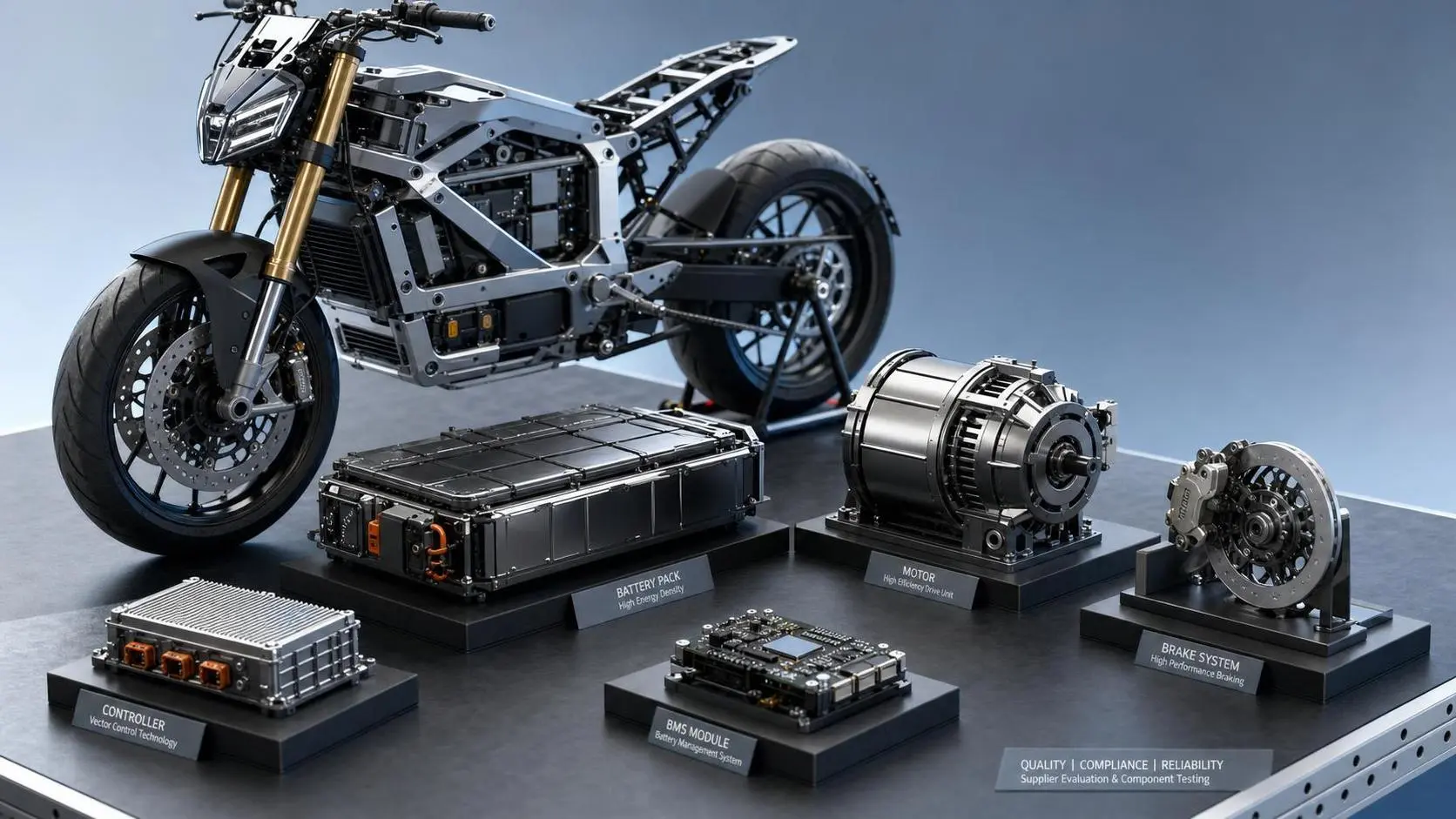
How to Evaluate Core Component Suppliers for Electric Motorcycles Before Sourcing?
Core component suppliers for electric motorcycles can make or break safety, compliance, and delivery. Learn how to assess technical strength, certifications, quality control, and hidden sourcing risks before you buy.
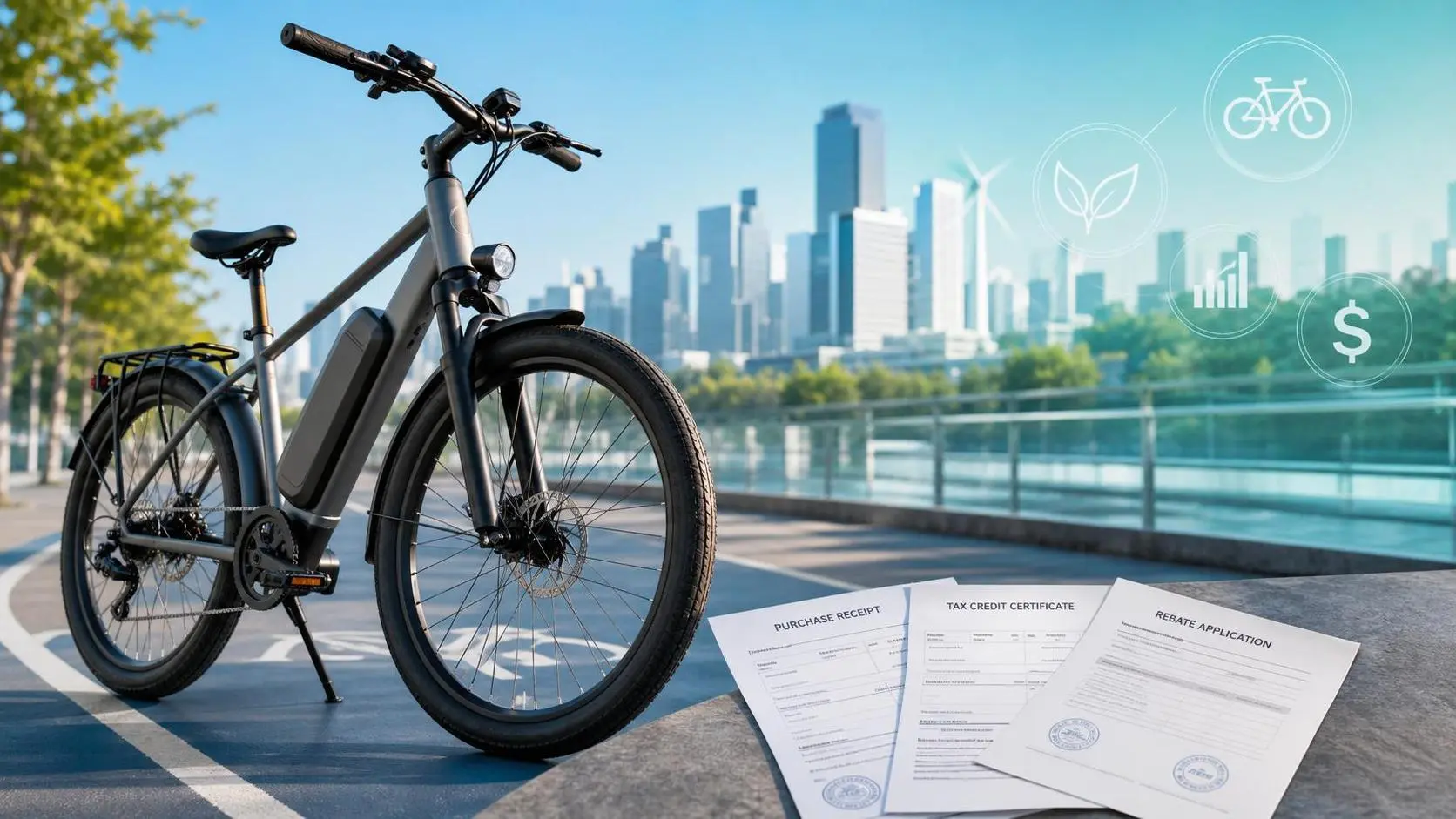
E-Bike Incentives Explained: How Riders Can Find Local Rebates and Tax Credits
E bike incentives explained: learn how to find local rebates, tax credits, and utility offers, avoid common mistakes, and cut the real cost of your next e-bike.
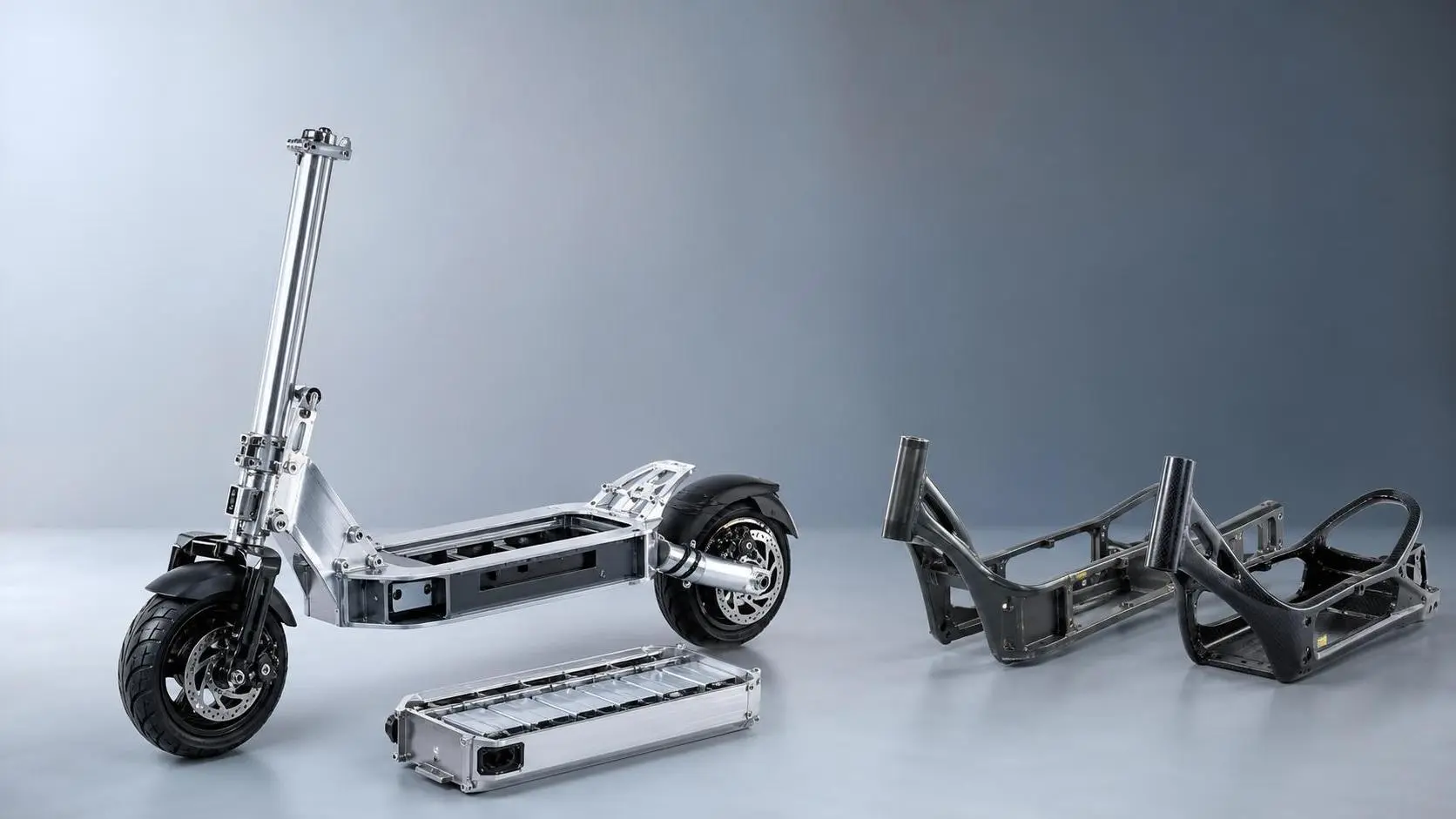
How to Choose Lightweight Scooter Frames in Europe: Materials, Standards, and Use Cases
Lightweight scooter frames Europe buyers need should balance materials, EN standards, durability, and real use cases. Discover how to choose safer, smarter, compliant frames.
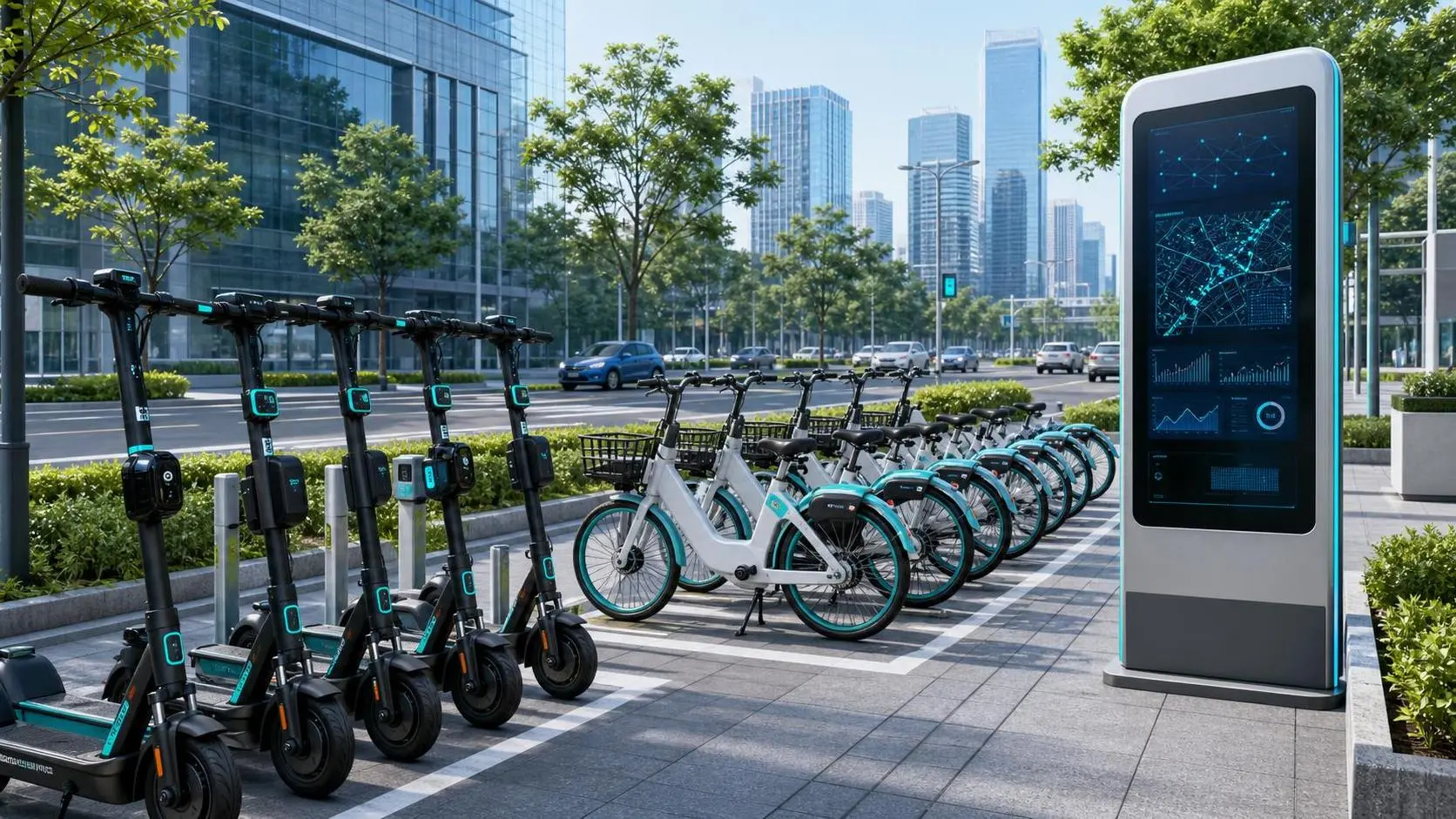
What Is the Intellectualization of Mobility Platform and How Is It Applied in Shared Fleets?
Intellectualization of mobility platform is reshaping shared fleets with real-time data, predictive maintenance, and smarter compliance—learn how it boosts safety, uptime, and urban mobility efficiency.
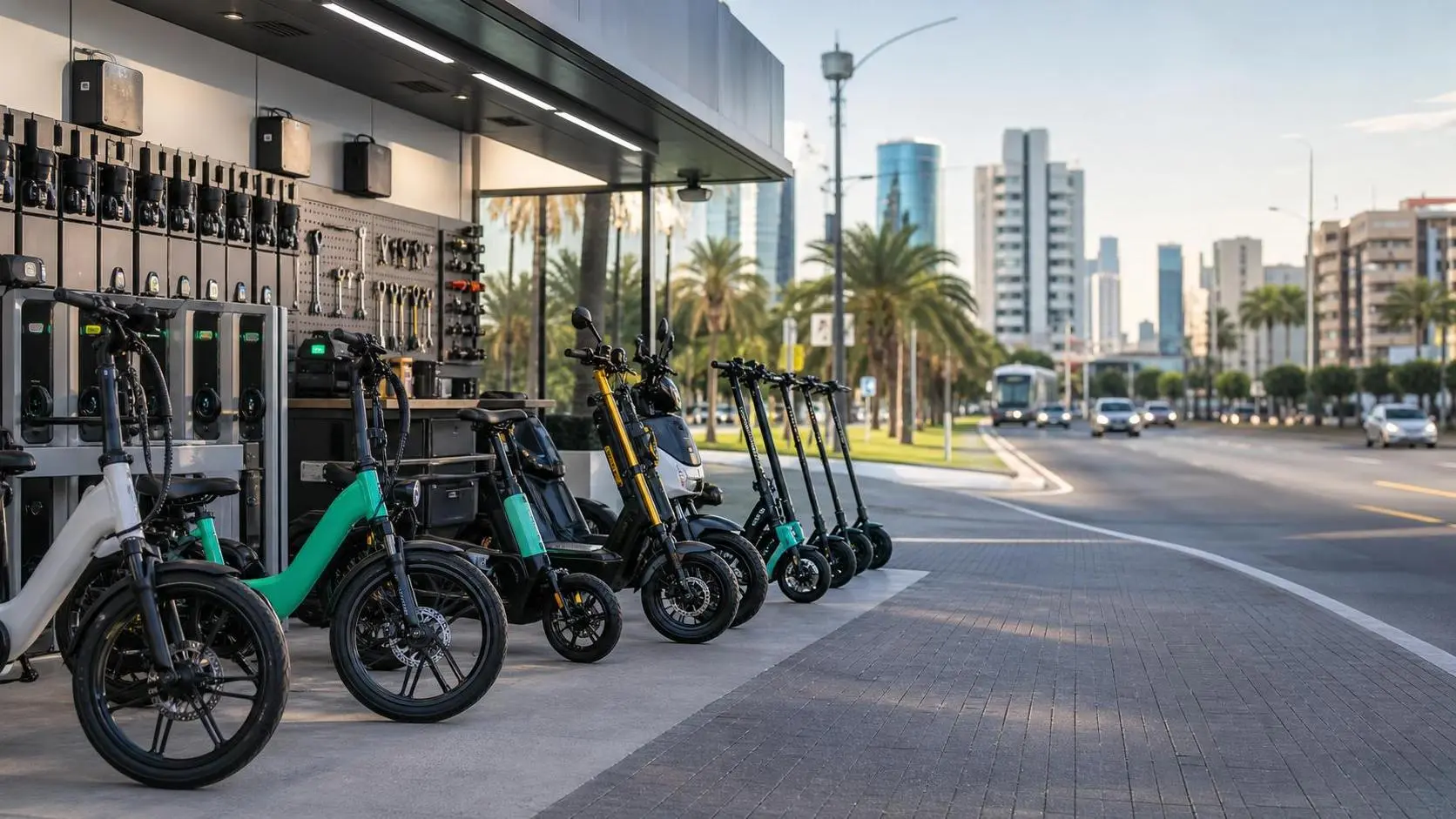
Urban Micro-Mobility Systems in Latin America: Key Market Drivers, Barriers, and Growth Segments
Urban micro-mobility systems Latin America are reshaping city transport. Explore key drivers, barriers, and high-growth segments to spot the region’s most investable opportunities.
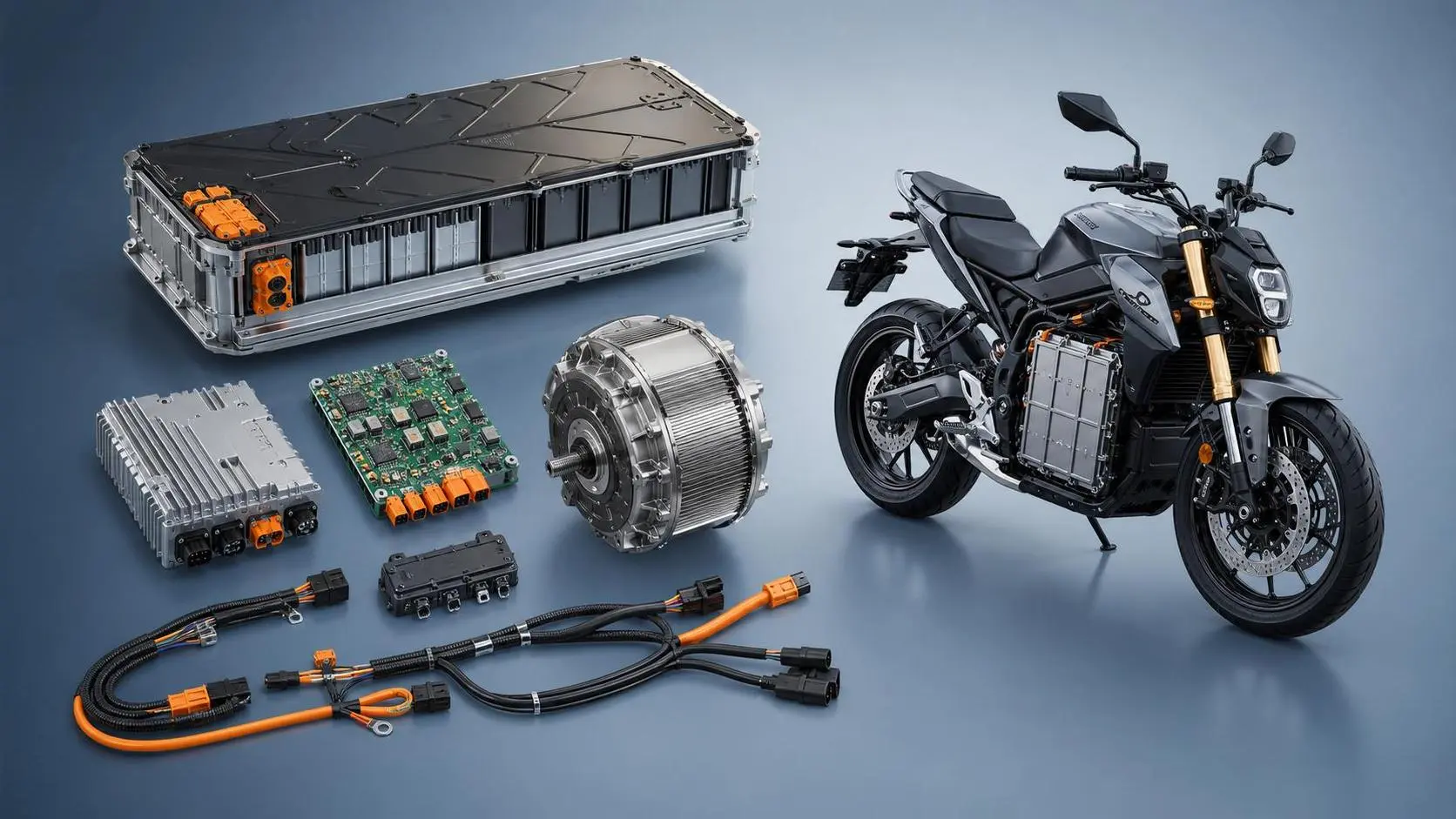
Electric Motorcycle Systems Price Breakdown: What Affects Cost From Battery to Controller?
Electric motorcycle systems price explained: see how battery, controller, motor, BMS, and wiring affect total cost, reliability, and sourcing value before you buy.
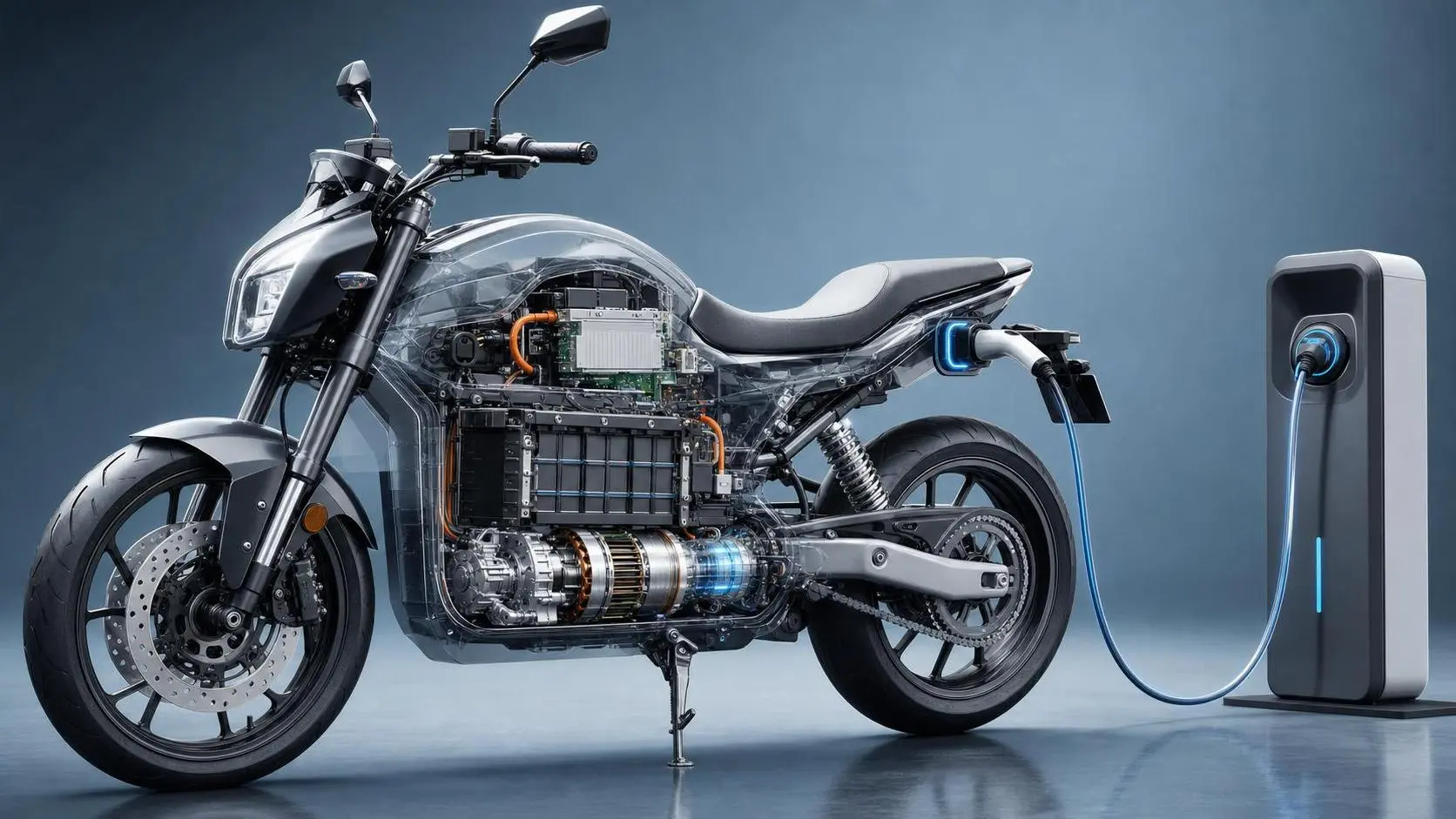
72V Electric Motorcycle Technology Explained: Motors, Controllers, Range, and Charging
Electric motorcycle technology 72V explained clearly: compare motors, controllers, range, battery design, and charging to choose a smoother, stronger, and smarter electric ride.

Where LED Urban Visibility Safety Systems Fit Best in Shared Scooters and City E-bikes
LED urban visibility safety systems deliver the most value in shared scooters and city e-bikes by improving multi-angle safety, fleet durability, and urban compliance across real-world routes.
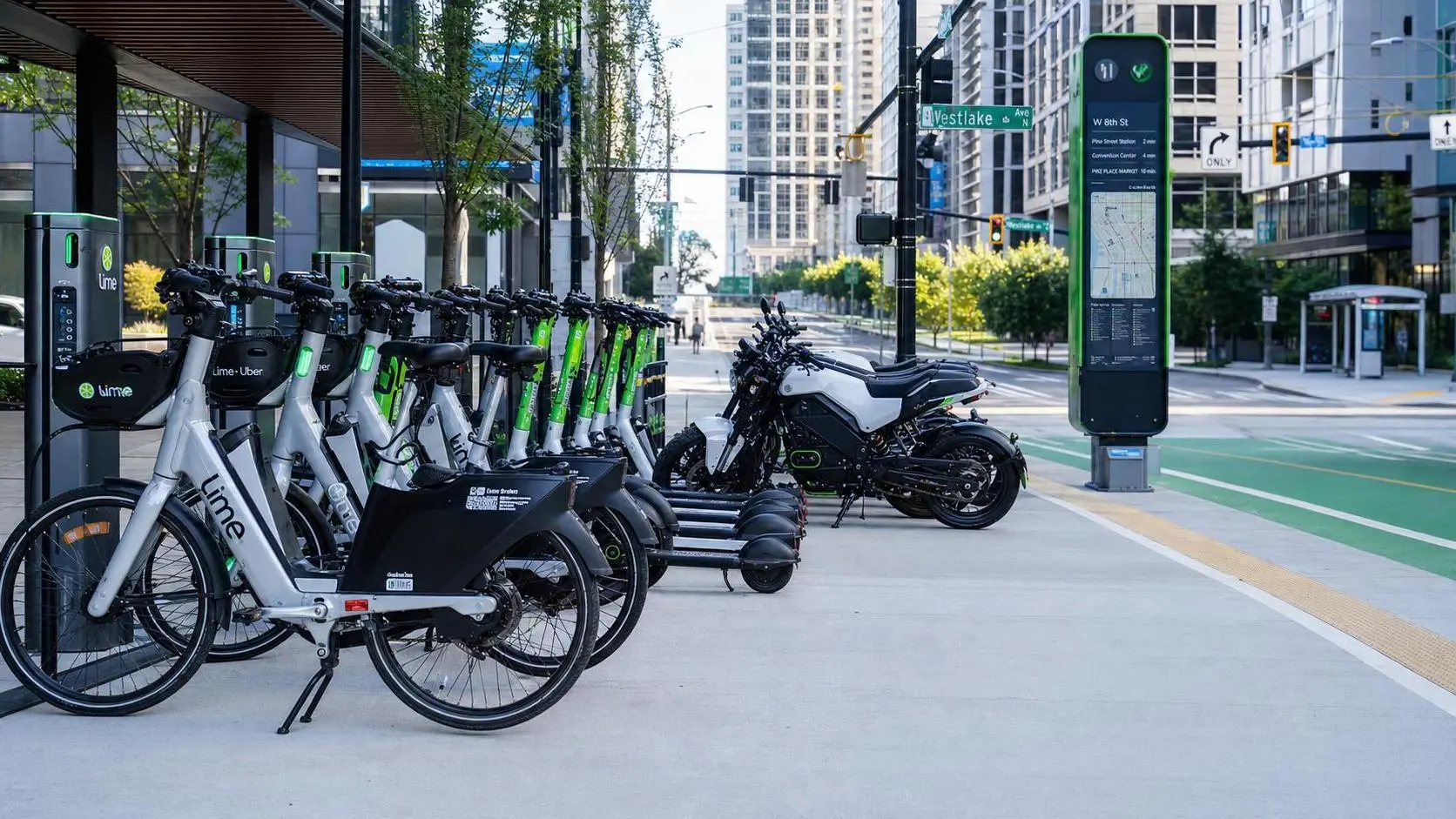
Intellectualization of Mobility in North America: What Is Driving Adoption Across Urban Transport?
Intellectualization of mobility North America is reshaping urban transport through data, smart fleets, and battery intelligence. Explore what is driving adoption and why cities and operators are accelerating now.