
Related News
- 00
0000-00
Electric Mobility for Logistics: How to Choose the Right Vehicle for Last-mile Delivery - 00
0000-00
Electric Torque for Ebikes Explained: What Power Delivery Means for Climbing and Cargo - 00
0000-00
Electric Powertrain vs Hub Motor: Which Setup Fits Cargo E-bikes Better? - 00
0000-00
What last mile logistics needs from electric fleets - 00
0000-00
High-Density Battery Trade-Offs for Cargo E-Bikes
Micro-Mobility Strategist
Weekly Insights
Stay ahead with our curated technology reports delivered every Monday.
What last mile logistics needs from electric fleets





As cities push for cleaner, faster delivery networks, last mile logistics needs more than simple vehicle electrification—it requires fleets built for uptime, data visibility, and cost control. For project managers and engineering leaders, electric fleets offer a strategic path to lower emissions, improve route efficiency, and support scalable urban operations in an increasingly demanding mobility environment.
What last mile logistics really needs from electric fleets
For project managers, the key question is not whether electric fleets look sustainable. It is whether they can deliver reliable operations, predictable costs, and measurable performance improvements in dense urban delivery environments.
That is the core search intent behind “what last mile logistics needs from electric fleets.” Readers want practical criteria for evaluating electric fleet readiness, not broad claims about decarbonization or generic mobility trends.
In last mile logistics, vehicle choice directly affects route completion, labor productivity, customer satisfaction, and operating margins. Electric fleets only create value when they are designed around delivery realities such as stop-start routes, narrow streets, parking pressure, and strict service windows.
For this reason, the discussion should move beyond battery range headlines. What matters more is uptime, charging fit, payload suitability, fleet management integration, maintenance workflows, and the ability to scale across changing urban delivery patterns.
Why electrification in last mile logistics is now an operational decision
Electric fleets are no longer a future-facing pilot topic. In many cities, they are becoming a direct response to emissions rules, congestion zones, fuel volatility, and customer pressure for greener delivery services.
For engineering leaders and project owners, this shift changes the evaluation framework. The decision is less about sustainability branding and more about whether electric assets can support service-level commitments with lower long-term operational friction.
Urban delivery is especially suited to electrification because routes are usually shorter, speeds are lower, and frequent stopping favors drivetrains that recover efficiency under start-and-stop conditions. Two-wheeled and light electric delivery vehicles can outperform larger conventional vans in crowded districts.
That said, successful adoption depends on system design. A poorly matched electric fleet can create charging bottlenecks, uneven asset utilization, or underperforming routes. The operational case is strong, but only when deployment aligns with actual delivery architecture.
Uptime matters more than headline range
One of the biggest mistakes in fleet planning is overemphasizing maximum range. In last mile logistics, the more important metric is usable uptime across a full operating day, including multiple trips, loading cycles, weather changes, and route disruptions.
Project managers should ask how often vehicles can complete planned routes without unplanned downtime. This includes battery depletion risk, charging turnaround, maintenance interruptions, and rider or driver delays linked to weak system design.
For e-bikes, smart e-scooters, or light electric cargo vehicles, uptime depends on more than battery size. It also depends on motor efficiency, thermal control, regenerative behavior, vehicle weight, terrain, payload profile, and software-based energy management.
A fleet that offers slightly lower nominal range but faster battery swapping or simpler turnaround may deliver better operational value than a longer-range model with slow charging and higher idle time. Last mile logistics needs reliability under pressure, not just impressive specification sheets.
Battery strategy must fit route design and depot reality
Battery planning is where many electrification projects succeed or fail. Last mile logistics needs battery systems that match route density, dwell time, shift structure, and available infrastructure rather than abstract assumptions about average daily mileage.
In dense urban environments, swappable battery systems can reduce downtime and increase asset utilization. They are particularly useful for e-bikes, e-scooters, and compact delivery vehicles serving multiple short loops with little idle time between assignments.
In other operations, fixed battery charging may still work well, especially when fleets return to a depot overnight and route scheduling is stable. The right choice depends on throughput needs, labor model, charger availability, and energy cost patterns.
Engineering teams should map real route data before procurement. They should analyze peak delivery windows, temperature effects, battery degradation risk, charging queue potential, and contingency requirements. Battery strategy is not a component decision alone. It is a network planning decision.
Vehicle design must reflect actual delivery work
Last mile logistics needs electric fleets built around delivery tasks, not consumer mobility assumptions. A vehicle that performs well for commuting may fail in parcel work, food delivery, service dispatch, or rapid urban replenishment.
Payload capacity is a starting point, but not the only issue. Fleet operators also need stable handling under load, easy mounting and dismounting, low step-through access, weather protection where needed, secure cargo integration, and braking systems suited to frequent urban stops.
For two-wheeled electric fleets, drivetrain durability and component quality are especially important. High duty cycles expose weaknesses in motors, connectors, controllers, and precision transmission components much faster than consumer use does.
Project leaders should also evaluate modularity. Can cargo boxes be swapped easily? Can vehicles be adapted for grocery, parcel, or maintenance operations? Can damaged parts be replaced quickly without taking the entire asset out of service for extended periods?
Data visibility is essential for managing electric fleet performance
Electrification without telemetry creates blind spots. Last mile logistics needs electric fleets that provide clear, actionable data on battery health, route efficiency, rider behavior, maintenance needs, and asset availability.
For project managers, this visibility supports better planning and faster issue resolution. It becomes easier to identify underused vehicles, charging inefficiencies, route designs that waste energy, and maintenance patterns that increase service interruptions.
Integrated fleet software should connect vehicle data with dispatch and operational systems. Ideally, managers can see state of charge, estimated route readiness, historical energy consumption, idle duration, geolocation, fault alerts, and utilization rates in one environment.
This is especially important for scaling. A pilot fleet can be managed manually, but a larger electric operation requires data-driven oversight. Without that, gains in fuel savings can be offset by weak scheduling, inconsistent charging discipline, and poor maintenance response.
Total cost of ownership matters more than purchase price
Many electric fleet discussions begin with sticker price concerns. But project managers responsible for delivery performance should focus on total cost of ownership, because purchase cost alone does not reflect the real economics of last mile logistics.
Electric fleets can reduce fuel expense, routine maintenance, and in some cases parking or access costs in regulated cities. They may also improve route productivity by making it easier to navigate congestion, use micro-hubs, or reach restricted urban zones.
However, these benefits depend on utilization. If vehicles are underused, charging infrastructure is poorly planned, or battery replacement cycles are ignored, projected savings may not materialize. Cost control depends on disciplined operational design.
A strong evaluation model should include vehicle lifespan, battery replacement assumptions, charger investment, software subscriptions, spare parts, technician training, insurance impacts, and downtime costs. Last mile logistics needs realistic business cases, not simplified savings claims.
Maintenance models must be redesigned for electric operations
Electric fleets often reduce mechanical complexity, but they do not eliminate maintenance risk. In fact, last mile logistics needs a new service model because electric delivery fleets concentrate failure points in batteries, electronics, connectivity, and high-use consumables.
For project teams, this means maintenance planning should begin before deployment. Who will service the fleet? How fast can damaged components be replaced? Are spare batteries and controllers stocked locally? Is there a field service process for vehicles that fail mid-route?
Preventive maintenance also changes. Brake wear, tire condition, connector quality, firmware updates, battery diagnostics, and charging hardware inspection become critical. For high-use e-bikes and scooters, exposure to weather and repeated impact cycles can accelerate deterioration.
The best electric fleet programs treat maintenance as a system capability, not an afterthought. Fast repair workflows, standardized parts, and remote diagnostics can have a larger impact on delivery continuity than small differences in advertised vehicle performance.
Charging infrastructure must support operations, not disrupt them
Charging is often discussed as a technical requirement, but for last mile logistics it is an operational workflow issue. Electric fleets need charging systems that fit route timing, space constraints, safety standards, and labor patterns.
Depot charging works best when vehicles return predictably and overnight dwell time is sufficient. But some urban operations need distributed charging, battery swap cabinets, or micro-hub energy access to avoid bottlenecks during peak demand periods.
Engineering leaders should evaluate electrical capacity, charger placement, cable management, fire safety, redundancy, and power availability during expansion. A charging layout that works for twenty vehicles may fail when the fleet scales to one hundred.
Charging design should also account for human behavior. If charging procedures are inconvenient or unclear, compliance drops. That can result in uneven readiness, route delays, and battery stress. Infrastructure must be simple enough to support repeatable field execution.
Electric fleets must fit the city, not just the company
Last mile logistics operates inside a changing urban policy environment. Electric fleet decisions should therefore reflect local regulations, curb access rules, bike-lane availability, low-emission zones, and public acceptance of delivery vehicle presence.
In many cities, compact electric vehicles gain practical advantages because they can move through restricted corridors, support hub-and-spoke logistics, and reduce delivery friction in neighborhoods where vans face growing limits. That creates a strategic mobility advantage.
At the same time, not every city offers the same conditions. Surface quality, weather, theft risk, parking infrastructure, and enforcement practices all influence fleet suitability. A solution proven in one market may require redesign in another.
For project managers leading rollout across regions, localization is essential. Vehicle configuration, battery strategy, safety equipment, and route planning should be adapted to municipal realities rather than copied from a central template without adjustment.
How project managers should evaluate electric fleet readiness
For readers responsible for implementation, the most useful approach is to treat electrification as a delivery system redesign project rather than a procurement exercise. That mindset improves both planning quality and stakeholder alignment.
Start with route segmentation. Identify which delivery flows are best suited to electric vehicles based on distance, payload, stop density, terrain, and service windows. Not every route should be electrified first.
Next, test asset performance under real conditions. Pilot programs should track uptime, energy use, route completion rate, maintenance events, and operator feedback. The goal is to validate process fit, not just vehicle feasibility.
Then build the operating model. Define charging or swapping processes, maintenance responsibility, spare asset ratios, software integration needs, and escalation procedures for failures. Electric fleets create value when the system around them is ready.
Finally, scale in phases. Expand where utilization is high, economics are clear, and operational discipline is already proven. This lowers risk and gives teams time to improve infrastructure, training, and data management before wider deployment.
What last mile logistics should demand from suppliers
Supplier selection is not only about product quality. Last mile logistics needs partners that understand commercial fleet operations and can support reliability over time with service depth, diagnostics, and scalable integration.
Buyers should ask detailed questions about battery lifecycle, spare parts lead times, repair training, software APIs, telematics support, and upgrade pathways. These factors often shape long-term success more than headline specifications or launch pricing.
It is also wise to assess whether suppliers can support evolving business models such as battery swapping, cargo modularity, or cross-city deployment. Flexibility matters because urban delivery networks continue to change in response to policy and demand shifts.
For organizations working in micro-mobility and light electric transport, supplier intelligence can become a competitive advantage. Better component selection and stronger systems integration help fleets stay operational, efficient, and easier to scale across markets.
Conclusion: electric fleets only work when they solve delivery problems
The future of last mile logistics will be more electric, but success will not come from electrification alone. It will come from fleets that improve uptime, simplify operations, control costs, and adapt to real urban delivery conditions.
For project managers and engineering leaders, the right question is not whether electric fleets are promising. It is whether the chosen vehicles, battery systems, software tools, and service models are aligned with operational needs from day one.
In that sense, what last mile logistics needs from electric fleets is clear: dependable uptime, route-fit battery strategy, usable data, maintainable hardware, scalable charging, and a realistic total cost model. When those pieces come together, electrification becomes a business advantage rather than a pilot experiment.
Related News
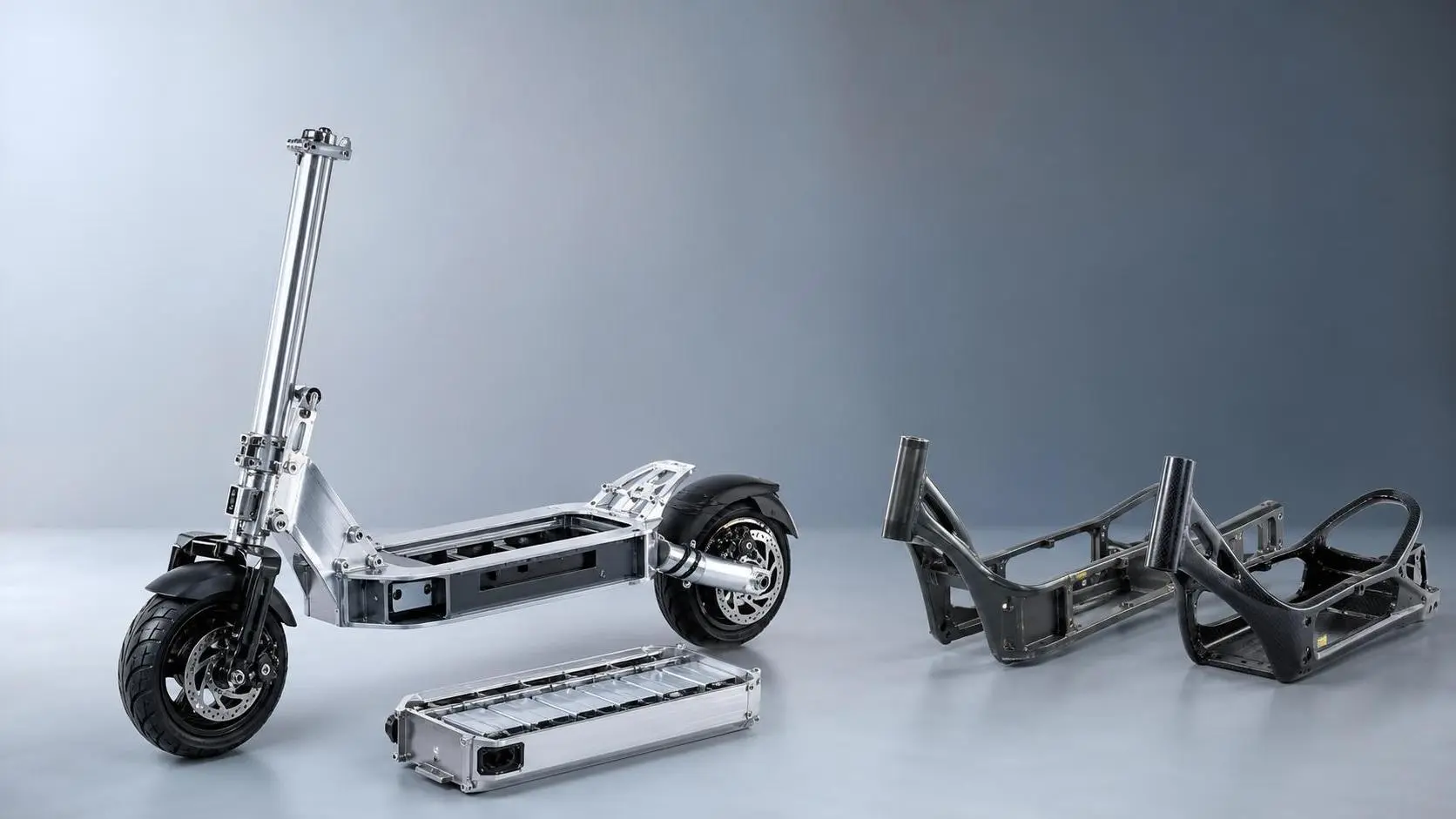
How to Choose Lightweight Scooter Frames in Europe: Materials, Standards, and Use Cases
Lightweight scooter frames Europe buyers need should balance materials, EN standards, durability, and real use cases. Discover how to choose safer, smarter, compliant frames.
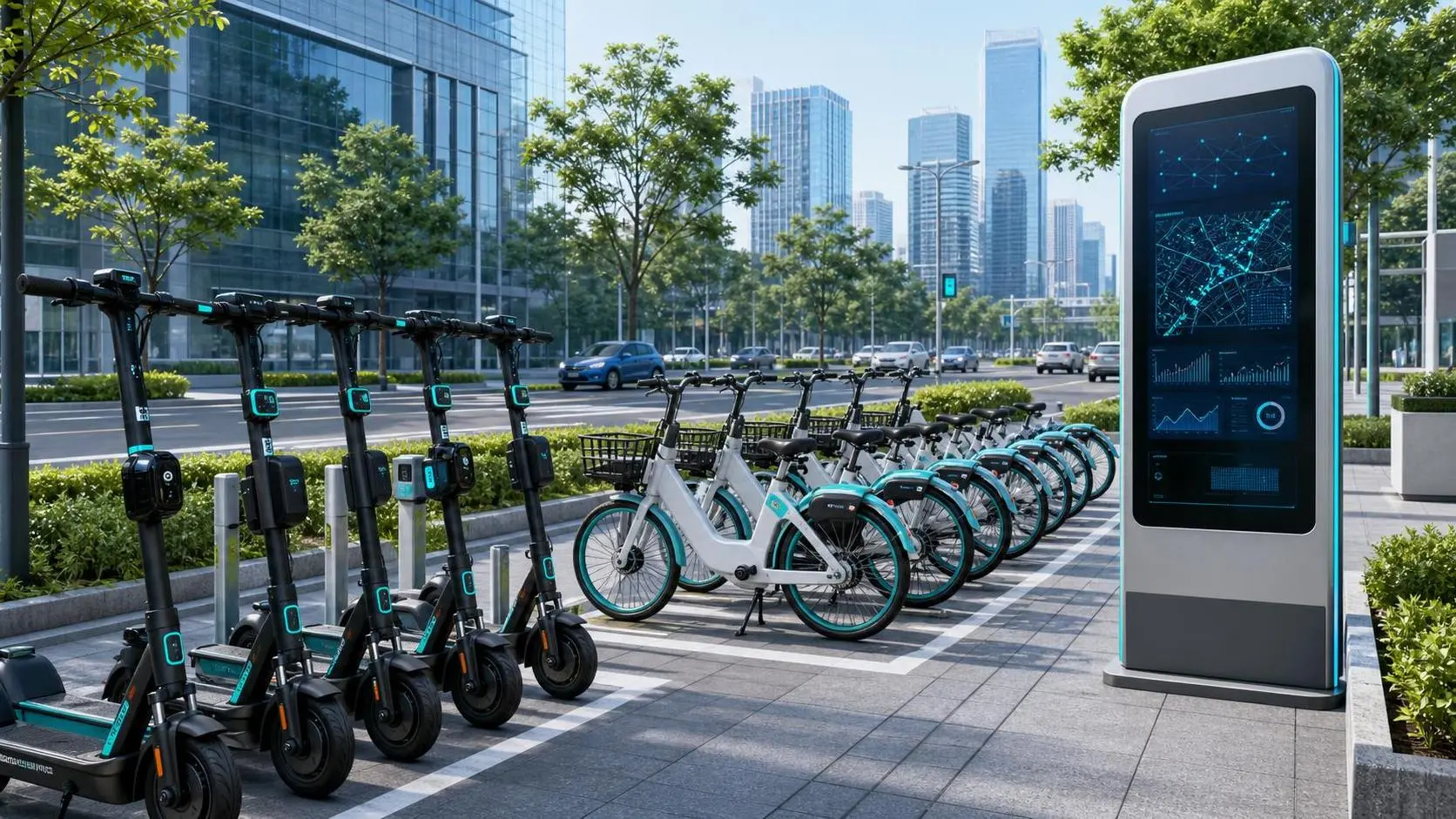
What Is the Intellectualization of Mobility Platform and How Is It Applied in Shared Fleets?
Intellectualization of mobility platform is reshaping shared fleets with real-time data, predictive maintenance, and smarter compliance—learn how it boosts safety, uptime, and urban mobility efficiency.
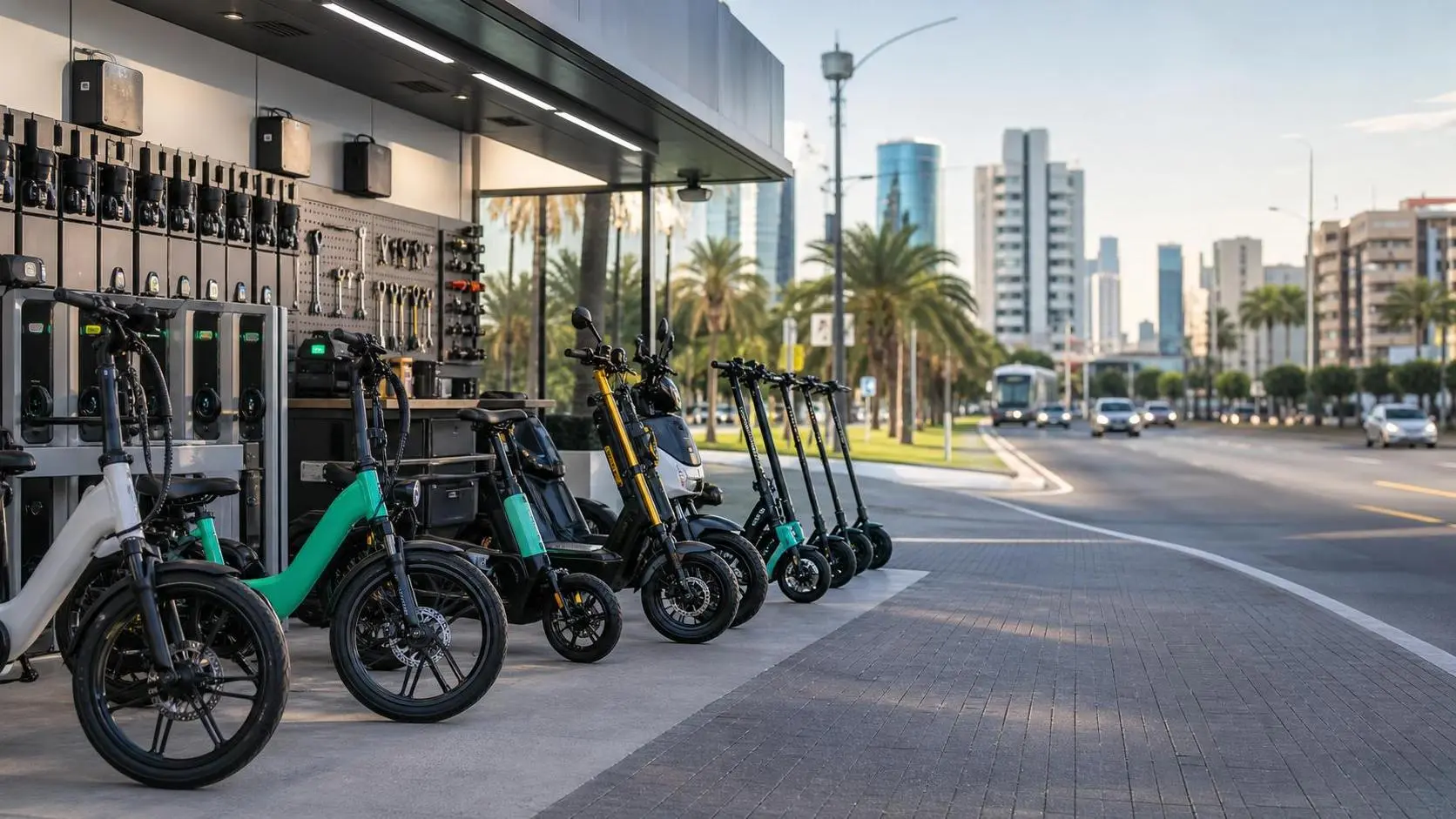
Urban Micro-Mobility Systems in Latin America: Key Market Drivers, Barriers, and Growth Segments
Urban micro-mobility systems Latin America are reshaping city transport. Explore key drivers, barriers, and high-growth segments to spot the region’s most investable opportunities.
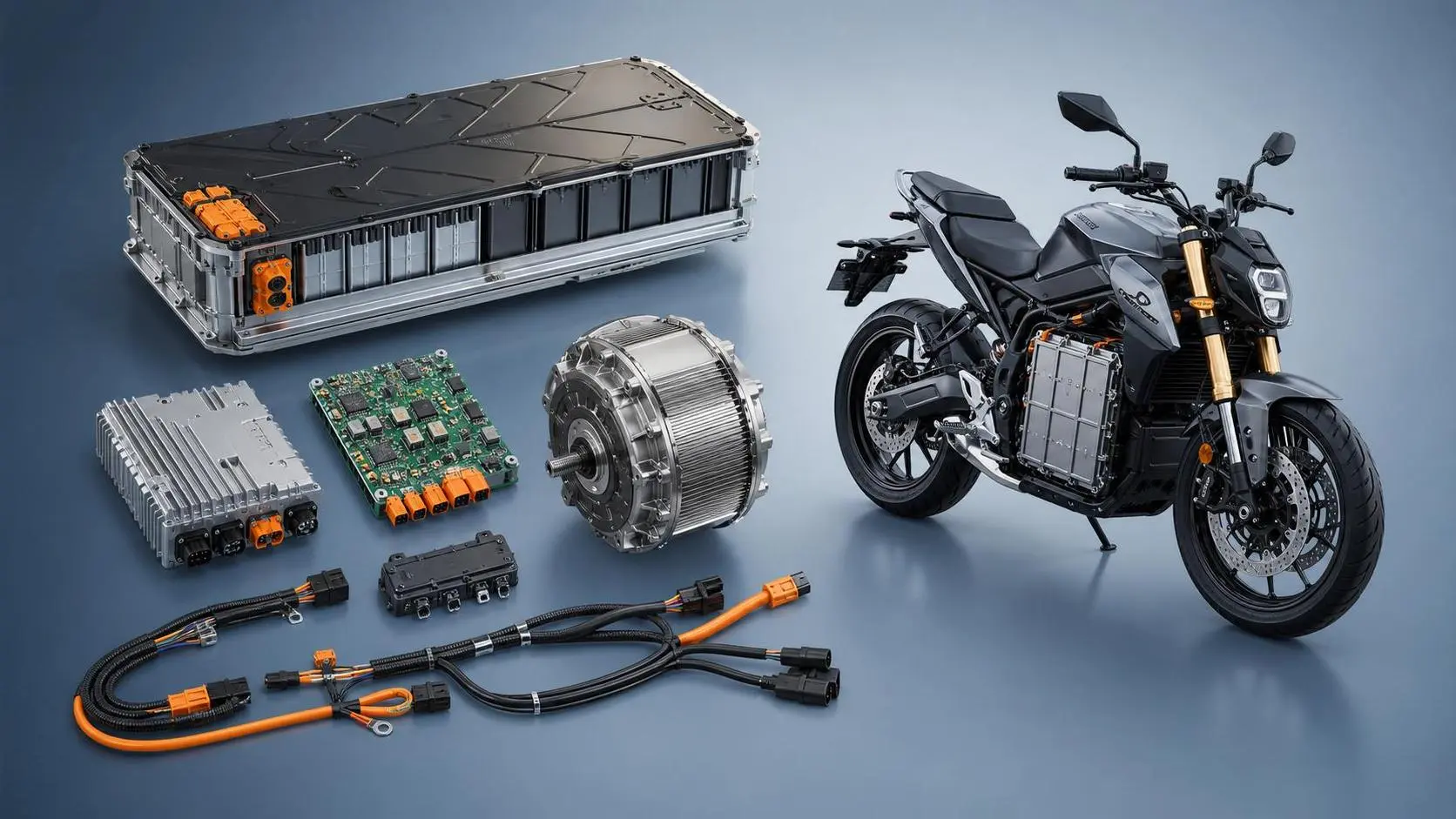
Electric Motorcycle Systems Price Breakdown: What Affects Cost From Battery to Controller?
Electric motorcycle systems price explained: see how battery, controller, motor, BMS, and wiring affect total cost, reliability, and sourcing value before you buy.
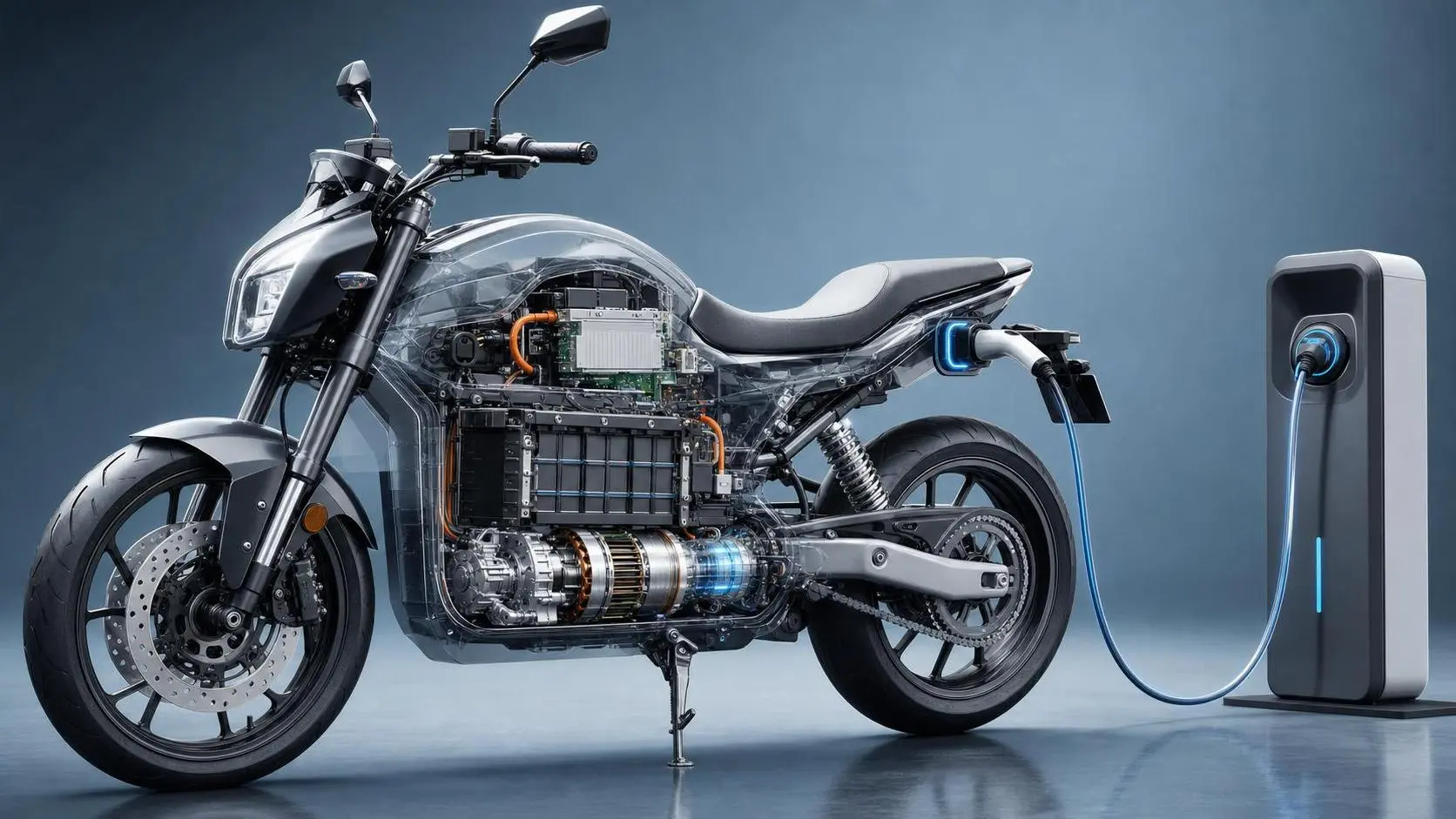
72V Electric Motorcycle Technology Explained: Motors, Controllers, Range, and Charging
Electric motorcycle technology 72V explained clearly: compare motors, controllers, range, battery design, and charging to choose a smoother, stronger, and smarter electric ride.

Where LED Urban Visibility Safety Systems Fit Best in Shared Scooters and City E-bikes
LED urban visibility safety systems deliver the most value in shared scooters and city e-bikes by improving multi-angle safety, fleet durability, and urban compliance across real-world routes.
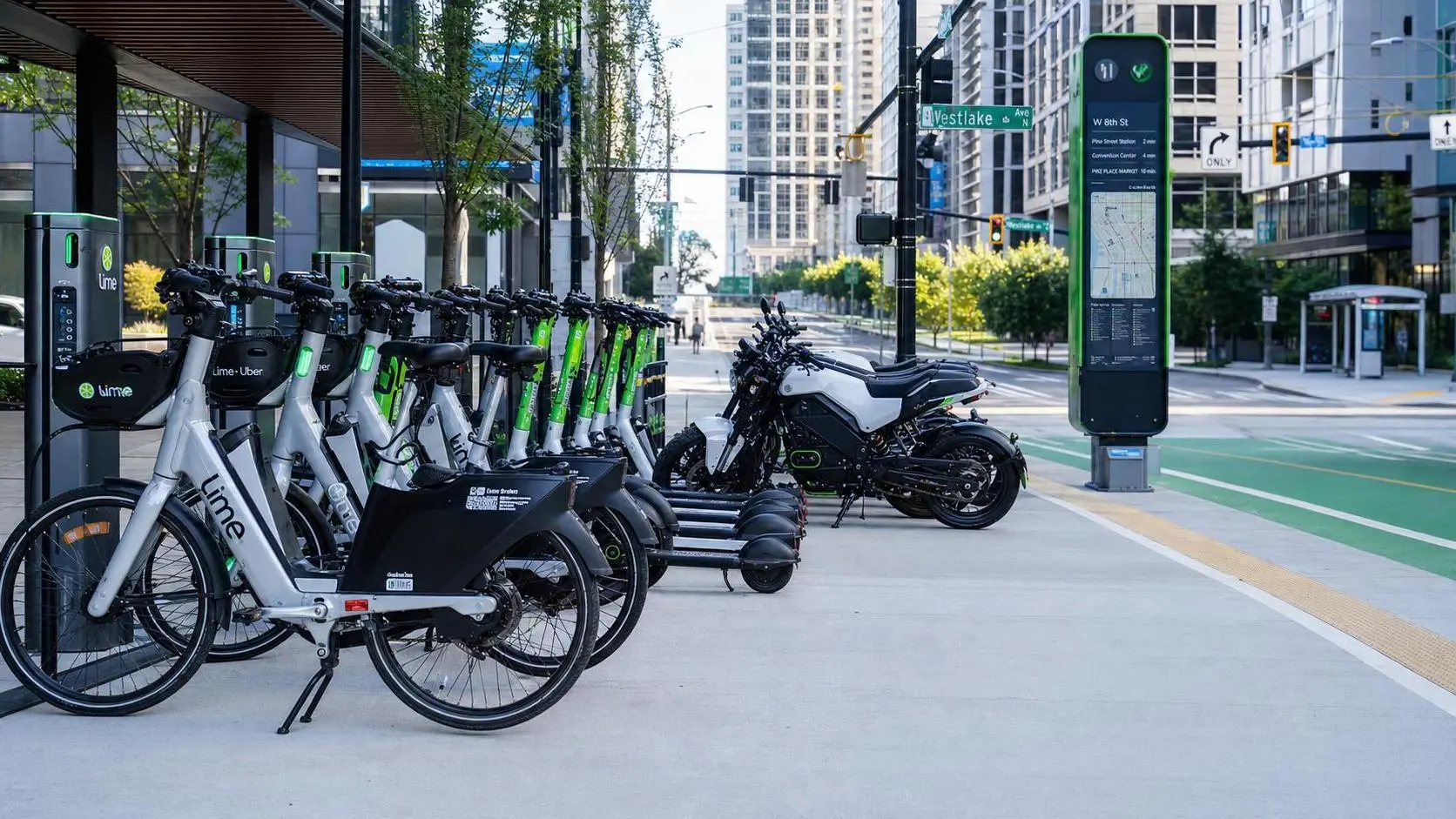
Intellectualization of Mobility in North America: What Is Driving Adoption Across Urban Transport?
Intellectualization of mobility North America is reshaping urban transport through data, smart fleets, and battery intelligence. Explore what is driving adoption and why cities and operators are accelerating now.
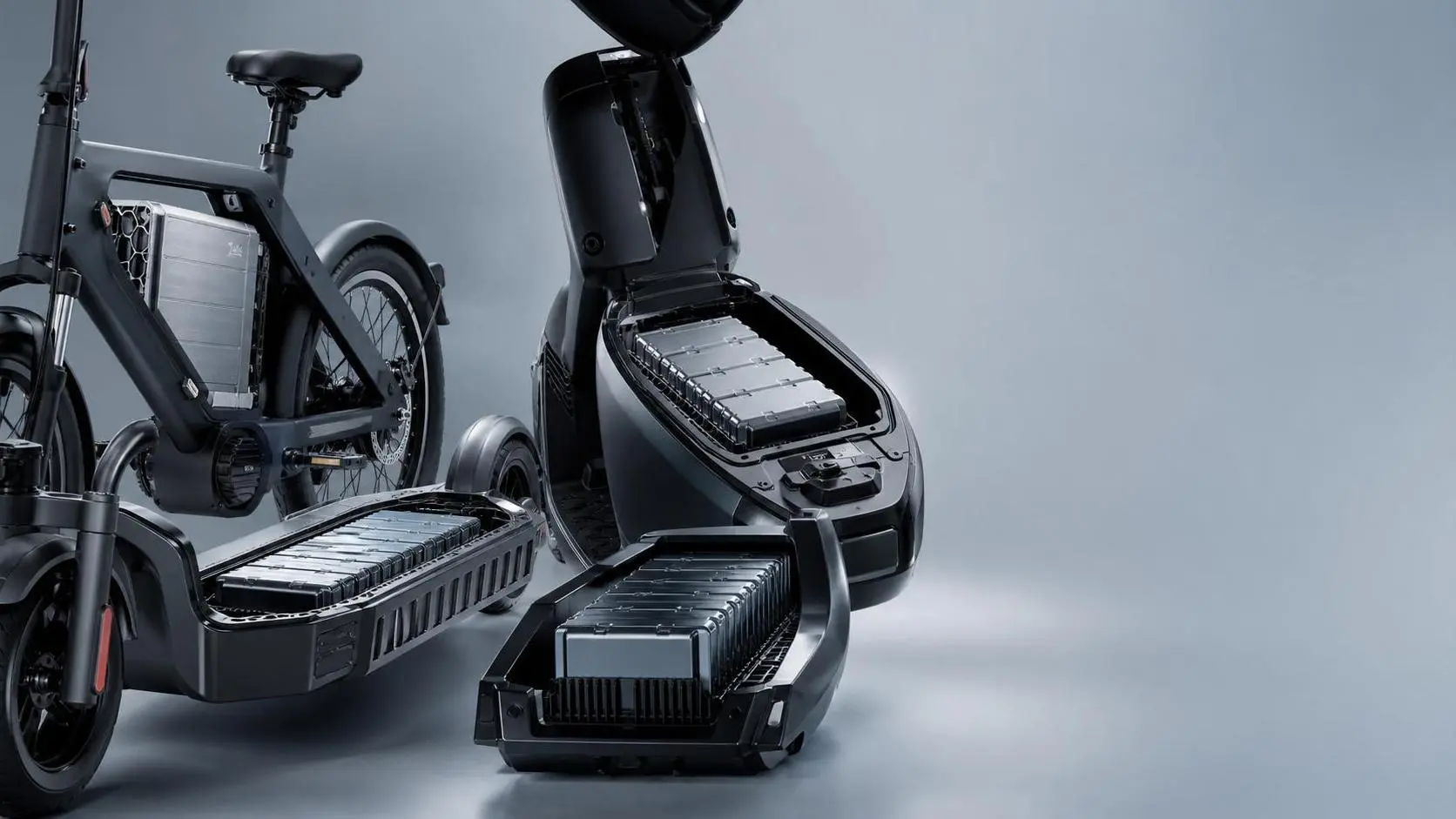
How to Choose a Compact Battery Pack: Size, Energy Density, Thermal Design, and Cycle Life
Compact battery pack selection starts with more than size. Learn how energy density, thermal design, and cycle life shape range, safety, and long-term value.
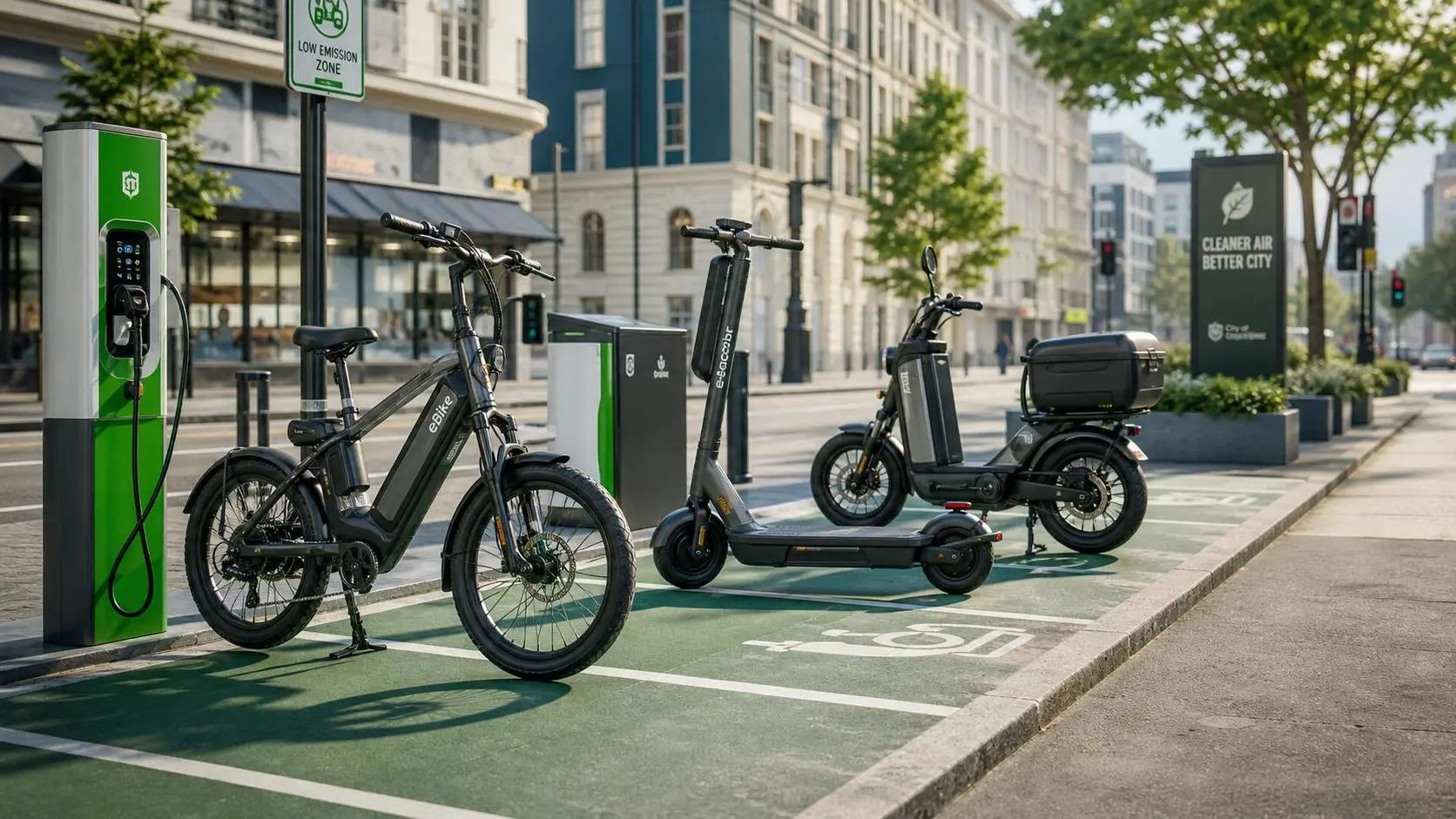
What Is Driving Green Two-wheelers Demand in Europe? Policy, Fuel Costs, and Buyer Segments
Green two-wheelers demand Europe is rising as policy support, fuel cost pressure, and diverse buyer segments reshape urban mobility. Explore the trends driving the next growth wave.