
Related News
- 00
0000-00
How to Select the Right E-Bike Battery Components for Range, Safety, and Fit? - 00
0000-00
E-Bike Incentives Explained: How Riders Can Find Local Rebates and Tax Credits - 00
0000-00
How to Choose Urban Commuting E-bikes for Rental Fleets by Range, Durability, and Serviceability - 00
0000-00
E-Bike Component Selection: How to Evaluate a Torque Sensor for Commuting and Cargo Use - 00
0000-00
What Drives Low Carbon E-bike Price: Materials, Battery Specs, and Compliance Costs
Micro-Mobility Strategist
Weekly Insights
Stay ahead with our curated technology reports delivered every Monday.
Green E-bike Demand by Use Case: Commuting, Delivery, and Leisure Compared





Green ebike demand is no longer a single market story. It is splitting into distinct use cases, each with different economics, technical expectations, and adoption triggers. Commuting, delivery, and leisure all benefit from cleaner mobility trends, yet they do not reward the same product strategy. That difference matters across the broader micro-mobility industry, where policy, battery logic, drivetrain efficiency, and urban infrastructure increasingly shape commercial outcomes.
From the perspective of UMMS, this shift is part of a larger urban transition. E-bikes sit beside smart e-scooters, high-speed e-motorcycles, and precision bicycle components in a connected ecosystem. The practical question is not whether green ebike demand will grow, but where value will concentrate, which specifications will win, and how market signals should be interpreted before investment decisions are made.
Why green ebike demand is fragmenting
At a headline level, demand is supported by congestion, carbon targets, fuel cost pressure, and post-pandemic openness to flexible transport. Those drivers are real, but they operate differently in each segment.
Commuters usually compare an e-bike with public transit, private cars, or compact scooters. Delivery operators compare it with labor productivity, route density, and fleet uptime. Leisure riders compare it with experience, fitness support, and brand appeal.
That is why green ebike demand should be read as a portfolio of use cases rather than one blended category. Unit growth alone can mislead. Margin quality, replacement cycles, service needs, and regulatory exposure often differ more than expected.
Commuting remains the volume anchor
Commuting is still the most visible source of green ebike demand in many cities. It benefits from daily frequency, broad addressable users, and policy support tied to emissions reduction and traffic decongestion.
In this segment, buyers usually care about practical efficiency. Range must cover round-trip travel with reserve capacity. Weight affects carrying and storage. Reliability matters more than extreme performance.
What drives commuting adoption
- Lower total travel cost than cars or ride-hailing on short urban routes.
- Predictable travel time in congested districts.
- Stronger acceptance of low-carbon commuting by employers and municipalities.
- Improved comfort from better motors, batteries, and frame integration.
For commuting products, the winning formula is rarely the most powerful motor. It is a balanced package: dependable battery management, durable components, intuitive controls, and low maintenance burden.
This is where UMMS-style intelligence becomes useful. Seemingly small changes in drivetrain efficiency, battery thermal behavior, or component durability can influence real-world satisfaction far more than headline speed claims.
Delivery creates the toughest operating environment
Delivery is often the most commercially demanding part of green ebike demand. It can generate repeat purchases and fleet contracts, but it also exposes weaknesses faster than any leisure or commuter application.
A delivery e-bike faces high utilization, variable payloads, stop-start riding, weather stress, and minimal tolerance for downtime. In this use case, uptime is revenue. Every failure affects route completion and service economics.
Technology priorities shift in delivery
Battery capacity matters, but charging strategy may matter more. Fast charging, swappable batteries, and health monitoring can outweigh a simple range specification.
Motor tuning also changes. Delivery fleets need torque stability, thermal resilience, and component longevity under repetitive stress. Brake wear, tire durability, and cargo frame rigidity become business variables, not secondary features.
In urban environments with rain or low visibility, adjacent technologies also gain relevance. UMMS tracks how visibility safety, sensor integration, and robust system design affect operational continuity across micro-mobility platforms. That systems view is increasingly important for fleet buyers.
Leisure demand is more emotional, but not less strategic
Leisure is sometimes treated as a softer category, yet it plays a major role in brand building and premium positioning. Green ebike demand in this segment is often linked to lifestyle spending, tourism recovery, and interest in low-impact outdoor mobility.
The purchase logic is different from commuting and delivery. Riders may value comfort, terrain adaptability, connected features, quiet power delivery, and visual design as much as practical transport utility.
Why leisure shapes market perception
Leisure products often introduce visible innovation first. Better suspension integration, smoother electronic controls, advanced shifting systems, and lightweight components can later influence urban models.
This segment also supports higher storytelling value. Sustainability, mobility freedom, and riding experience combine into a category that strengthens consumer awareness of e-bikes beyond necessity purchases.
However, leisure demand can be more cyclical. It depends more heavily on consumer confidence, seasonality, and premium discretionary spending. Growth can be attractive, but forecasting must stay disciplined.
How to compare the three segments in practical terms
A useful way to read green ebike demand is to compare what each segment rewards.
- Commuting rewards scalable reliability and accessible pricing.
- Delivery rewards robust engineering and after-sales support.
- Leisure rewards product differentiation and brand depth.
The overlap is still important. Across all three, battery safety, motor efficiency, component quality, and regulation readiness remain decisive. Yet the weight given to each factor changes with the use case.
That is why a single platform strategy may look efficient on paper but underperform in the market. A modular approach often works better, especially when battery packs, control systems, and cargo or comfort configurations can be adapted without rebuilding the entire product architecture.
The broader industry signals behind demand
Green ebike demand does not evolve in isolation. It is tied to subsidy design, right-of-way rules, charging access, theft risk, insurance expectations, and local service networks.
In many markets, policy support can boost commuter adoption quickly, while commercial platform growth can accelerate delivery demand. Leisure performs best when product innovation meets stable consumer sentiment.
UMMS follows these signals across the wider electrified two-wheeler landscape. That matters because adjacent categories often influence e-bike adoption. Shared scooters affect short-range urban habits. High-speed e-motorcycles shape perceptions of electric performance. Precision drivetrain development improves ride response and efficiency across segments.
What to evaluate before acting on green ebike demand
The strongest decisions usually start with segmentation discipline, not headline optimism.
- Check whether demand is user-driven, fleet-driven, or policy-driven.
- Measure the importance of uptime, comfort, or purchase price by use case.
- Review battery management, replacement cost, and service network assumptions.
- Assess how regulations may change speed class, access rights, or safety requirements.
- Watch component trends that can improve transmission efficiency and system integration.
In short, green ebike demand is rising, but not in a uniform way. Commuting offers broad base volume. Delivery offers operational intensity and recurring need. Leisure offers premium influence and innovation visibility.
The next step is to map each target market against these three patterns, then test whether product architecture, channel strategy, and service capability truly match the intended use case. In a maturing micro-mobility market, clearer segmentation often creates better growth than broader positioning.
Related News
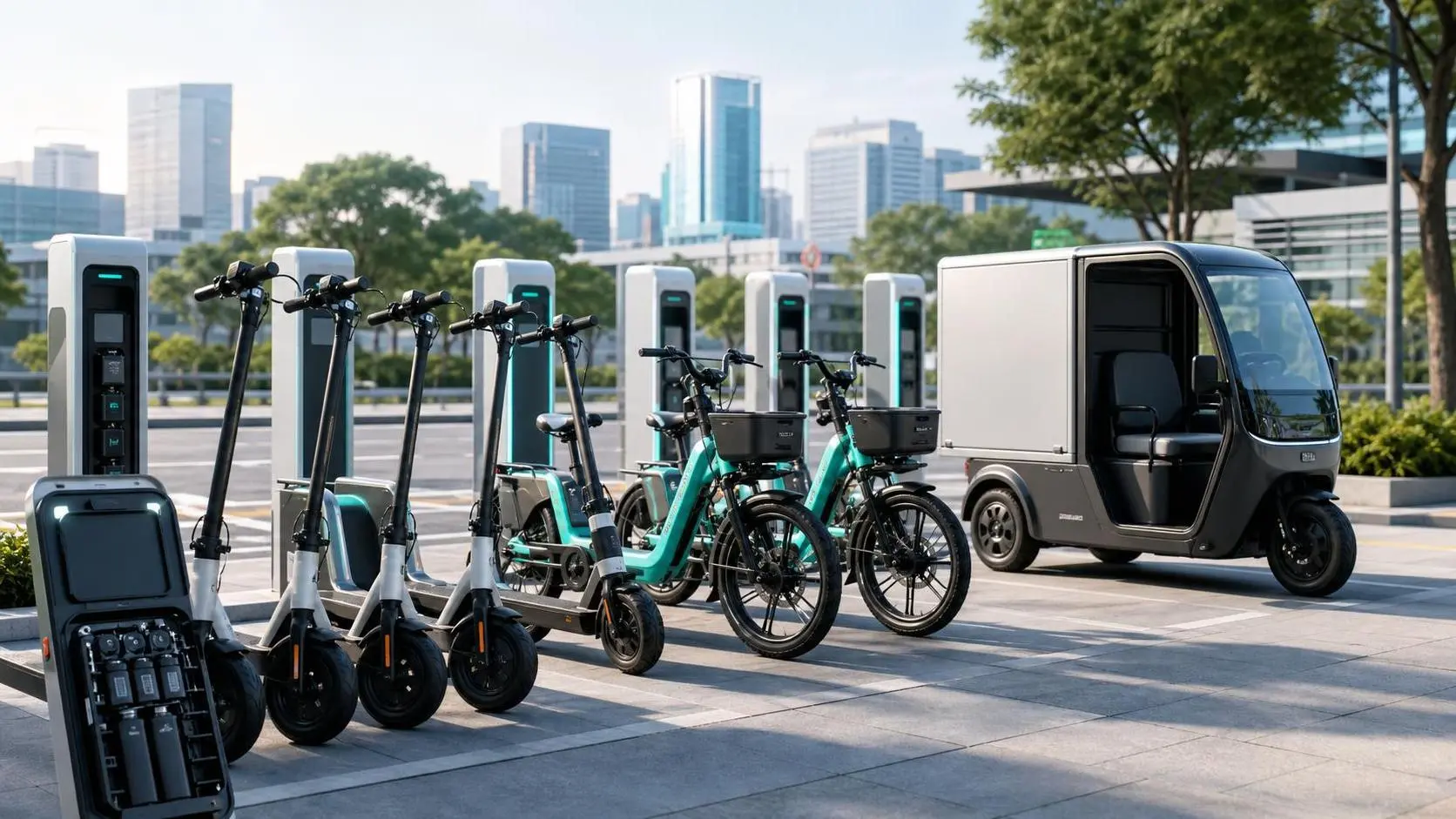
Micro-Mobility Trends Forecast: What Fleet Operators Should Watch Through 2030
Micro-mobility trends forecast for fleet operators through 2030: discover key shifts in batteries, regulation, durability, connectivity, and demand to reduce risk and scale smarter.
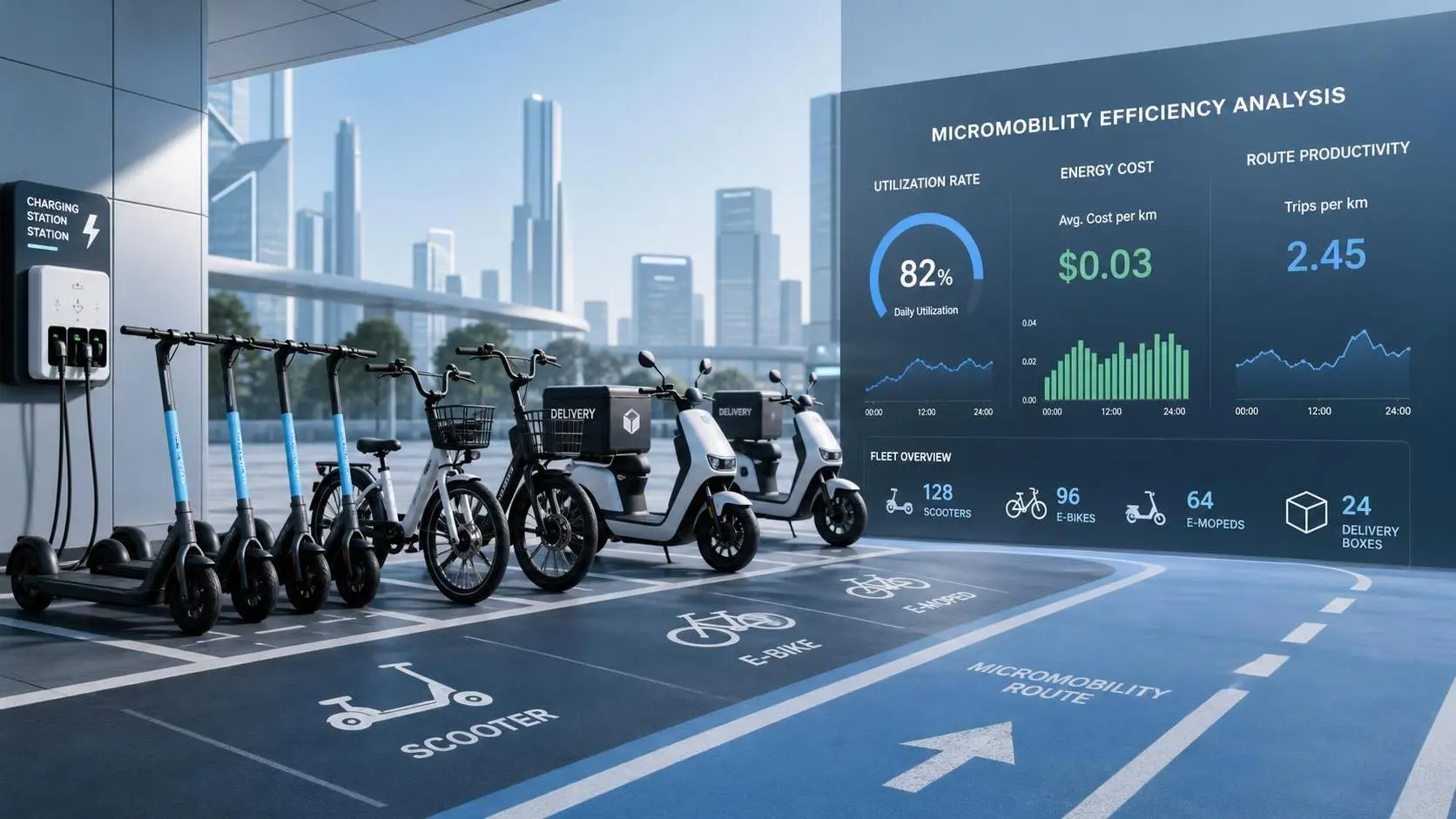
Mobility Efficiency Analysis: How to Measure Vehicle Use, Energy Cost, and Route Productivity
Mobility efficiency analysis reveals how to measure vehicle use, energy cost, and route productivity to cut waste, improve fleet performance, and make smarter urban mobility decisions.
How to Evaluate a Brushless Wiper Motor Supplier for OEM Quality and Lead Time
Brushless wiper motor supplier selection made easier: learn how to assess OEM quality, engineering support, compliance, and lead time to reduce sourcing risk.
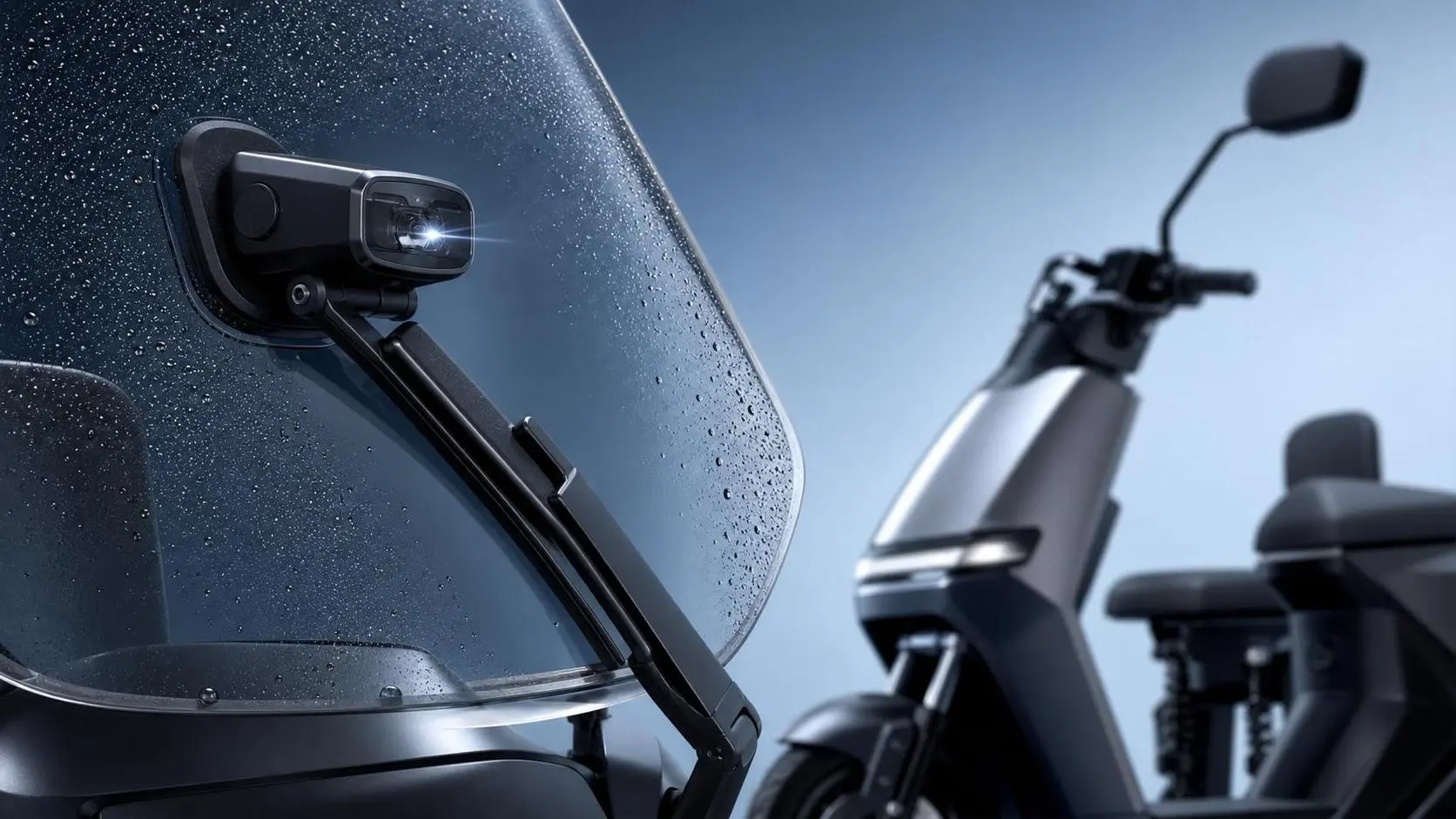
How Do Photoelectric Wiper Sensors Work and Where Are They Most Effective?
Photoelectric wiper sensors explained: learn how they detect rain, reduce false triggers, and deliver the best visibility gains in urban EVs, e-bikes, fleets, and smart mobility.
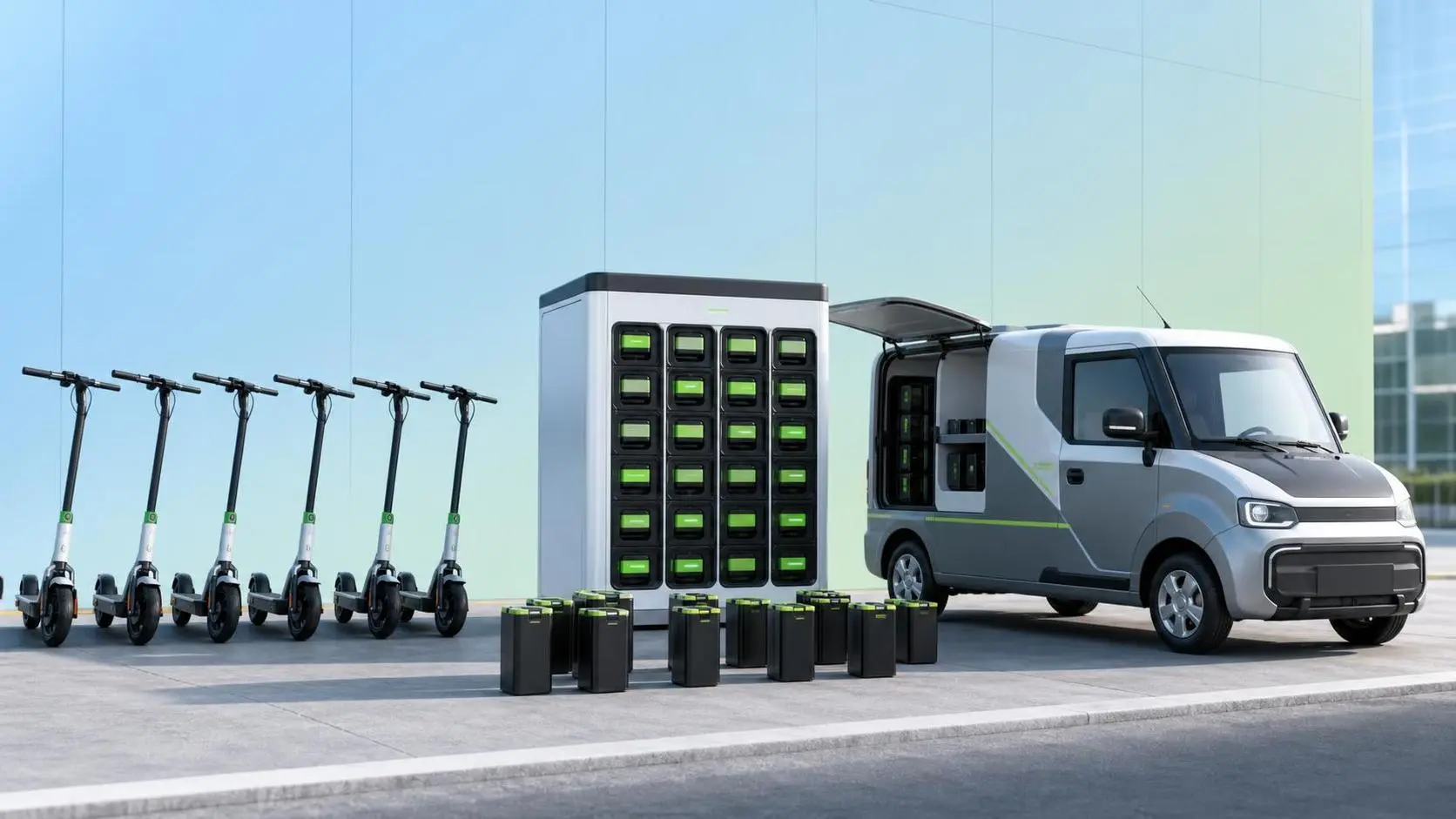
How Battery-Swapping Networks Reduce Downtime in Shared Fleet Scooter Operations
Battery-swapping networks cut scooter fleet downtime by speeding field turnaround, improving uptime in peak zones, and helping operators optimize labor, battery rotation, and service efficiency.
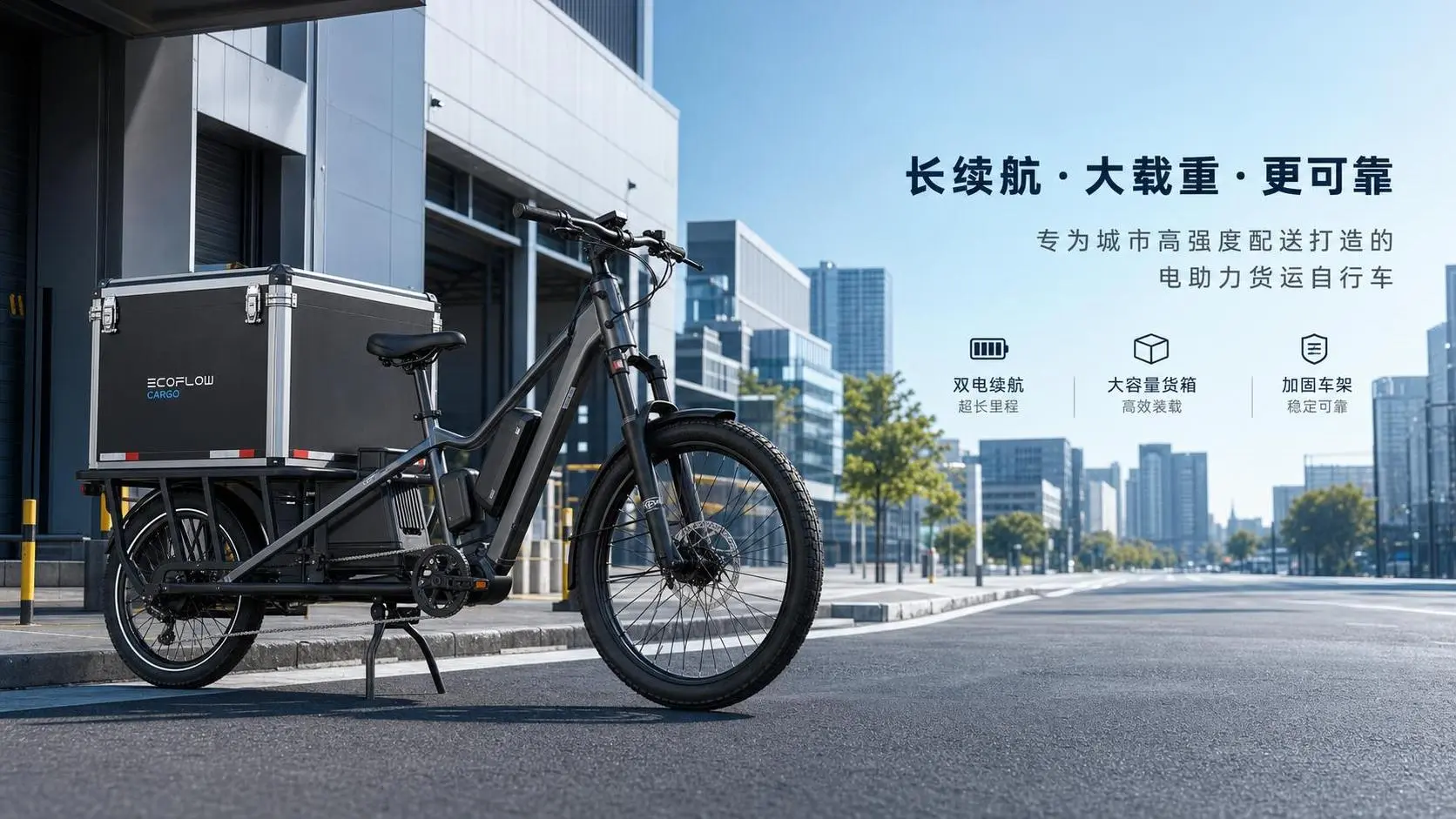
How to Choose a Long-Range Commercial Cargo E-Bike for Delivery Operations
Commercial cargo e-bike long range buying guide: learn how to assess battery, payload, route fit, and uptime support to choose a reliable delivery model with lower operating costs.
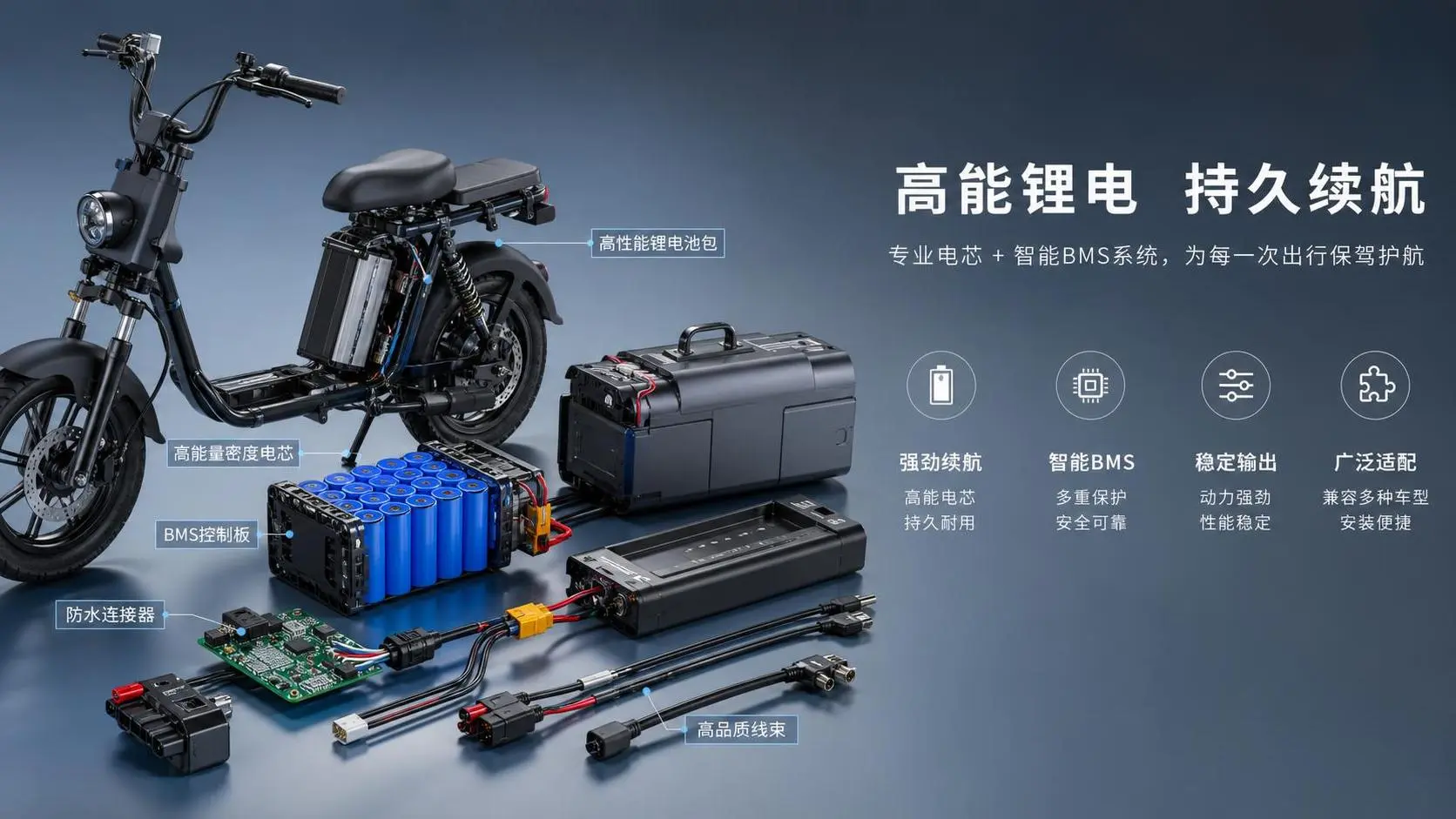
How to Select the Right E-Bike Battery Components for Range, Safety, and Fit?
E-bike component selection battery guide: learn how to choose the right battery components for better range, stronger safety, and perfect fit across modern e-bike platforms.
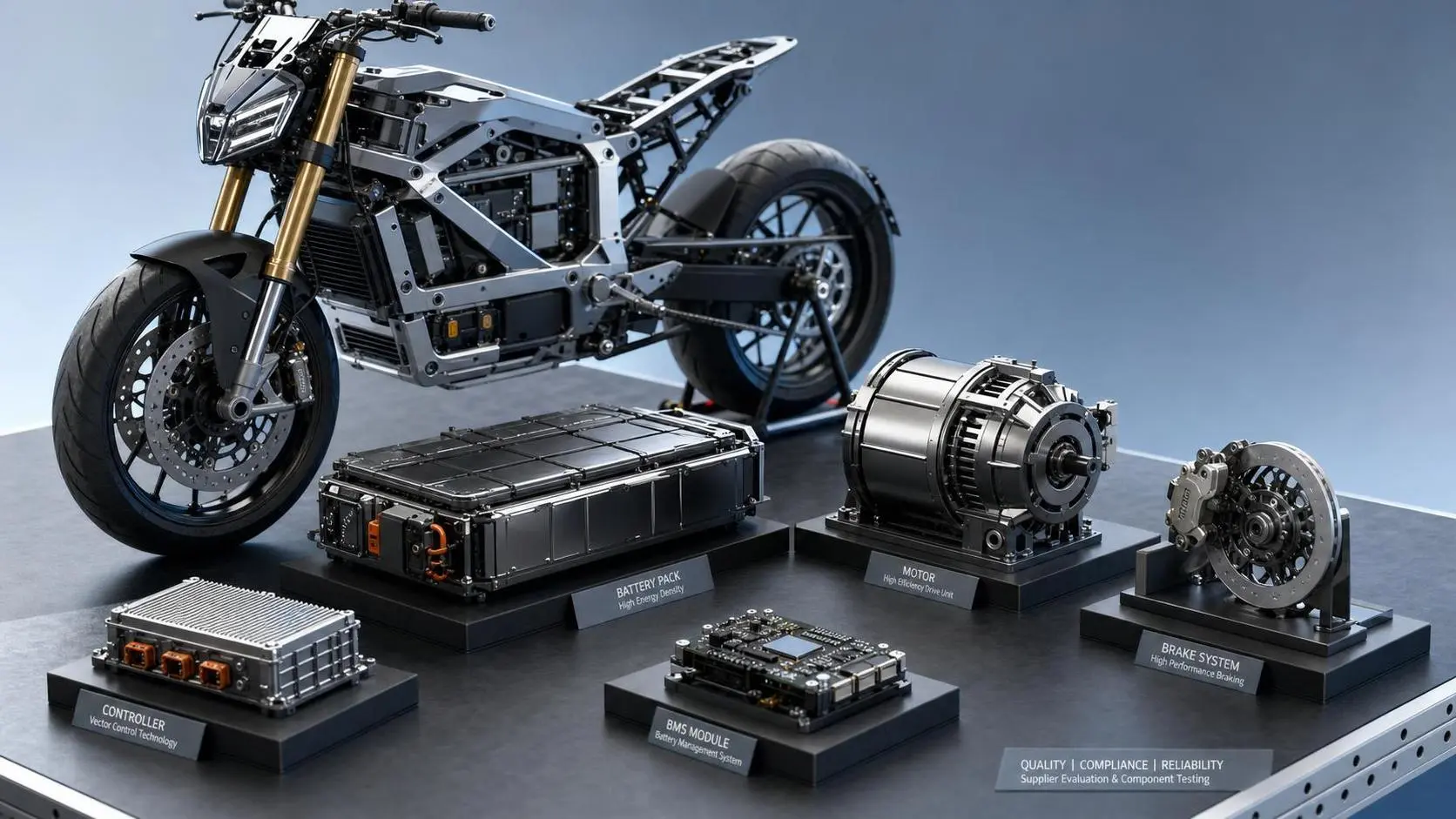
How to Evaluate Core Component Suppliers for Electric Motorcycles Before Sourcing?
Core component suppliers for electric motorcycles can make or break safety, compliance, and delivery. Learn how to assess technical strength, certifications, quality control, and hidden sourcing risks before you buy.
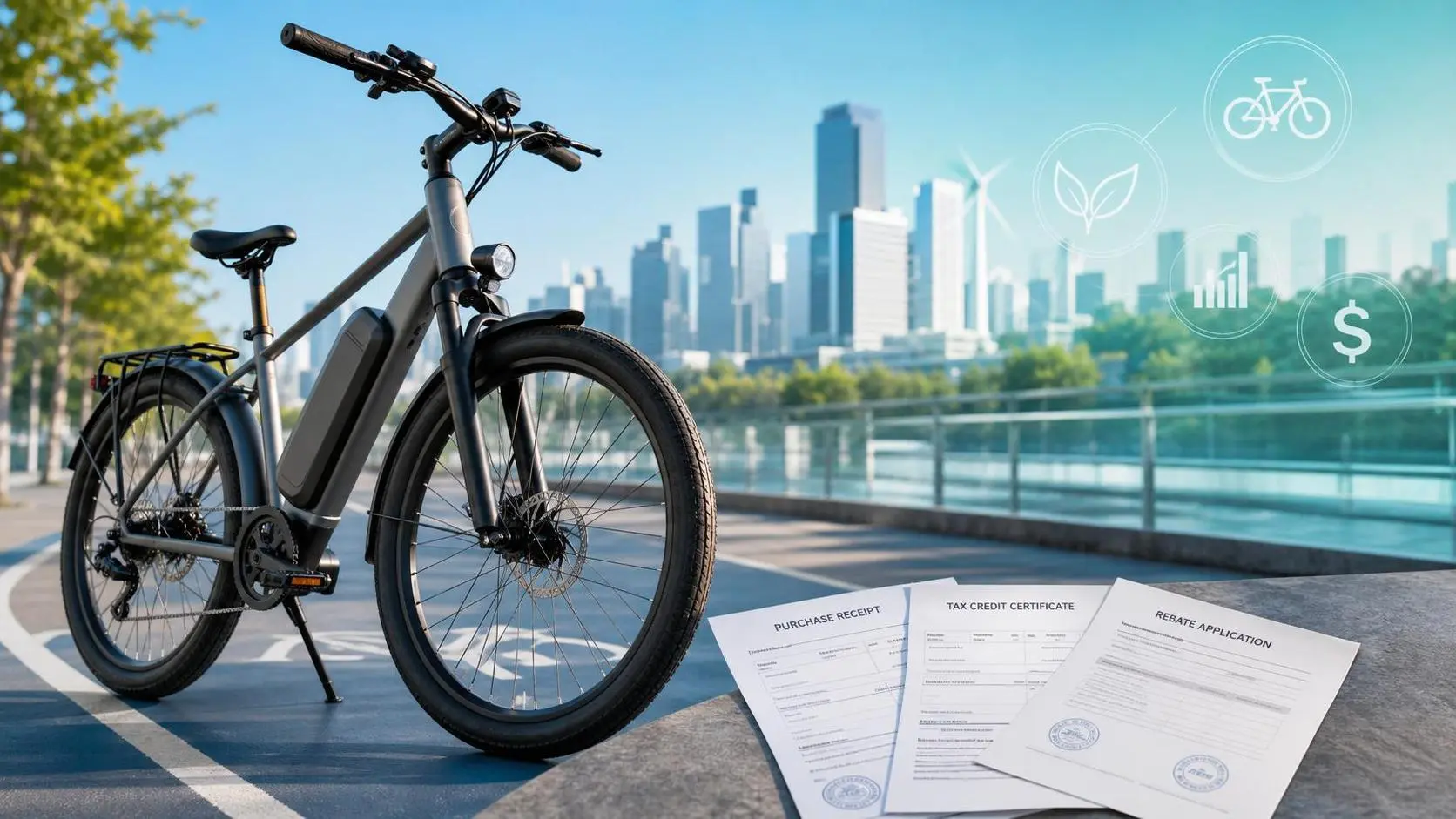
E-Bike Incentives Explained: How Riders Can Find Local Rebates and Tax Credits
E bike incentives explained: learn how to find local rebates, tax credits, and utility offers, avoid common mistakes, and cut the real cost of your next e-bike.