
Related News
- 00
0000-00
How to Select the Right E-Bike Battery Components for Range, Safety, and Fit? - 00
0000-00
E-Bike Incentives Explained: How Riders Can Find Local Rebates and Tax Credits - 00
0000-00
How to Choose Urban Commuting E-bikes for Rental Fleets by Range, Durability, and Serviceability - 00
0000-00
E-Bike Component Selection: How to Evaluate a Torque Sensor for Commuting and Cargo Use - 00
0000-00
What Drives Low Carbon E-bike Price: Materials, Battery Specs, and Compliance Costs
Micro-Mobility Strategist
Weekly Insights
Stay ahead with our curated technology reports delivered every Monday.
Urban Commuting E-bike Buying Guide: Range, Motor Power, Weight, and Daily Use Fit





Choosing an urban commuting ebike is no longer just about getting electric assist. In dense cities, the right bike changes travel time, carrying comfort, storage convenience, and even how often a car trip can be replaced.
That is why range, motor power, weight, and day-to-day fit matter more than headline speed. A good match supports routine mobility, while a poor match feels heavy, underpowered, or inconvenient after only a few weeks.
Across the wider micro-mobility sector, this decision also reflects a bigger shift. Urban travel is moving toward lighter, smarter, lower-carbon systems, a trend closely tracked by UMMS through its focus on e-bikes, powertrains, battery logic, and practical city transport use.
Why urban commuting e-bikes deserve closer attention
The modern urban commuting ebike sits between a standard bicycle and a motor vehicle. It keeps the flexibility of cycling, yet adds enough electric support to flatten hills, shorten sweaty arrivals, and make longer routes realistic.
This matters because city travel has changed. Congestion, parking costs, emission targets, and mixed-use road policies are pushing more daily journeys into the micro-mobility category.
Within that landscape, e-bikes stand out for one simple reason: they work across more situations than many alternatives. A smart e-scooter may solve the last mile, but an e-bike can also handle groceries, poor pavement, longer distances, and changing weather.
From an industry perspective, this is why electric bicycles remain one of the strongest urban mobility segments in Europe and many export markets. They answer both practical commuting needs and broader decarbonization goals.
Start with your real commute, not the spec sheet
Before comparing motors or batteries, map the actual trip. Distance is only one part of the story. Elevation, road quality, stop frequency, building access, and carrying needs usually shape satisfaction more than advertised specifications.
For example, a 6-kilometer flat route with indoor bike storage needs a different setup than a 20-kilometer mixed-terrain commute involving stairs, train transfers, and evening shopping.
A useful buying frame is to rate your routine across four questions:
- How far do you ride on a normal day, not an ideal day?
- How much climbing, wind, or rough surface is involved?
- Will you carry the bike, lift it, or store it in tight spaces?
- Do you need to transport bags, a laptop, groceries, or a child seat?
Once those answers are clear, the right urban commuting ebike category becomes easier to identify.
Range is about riding conditions, not marketing numbers
Battery range is often the first specification people notice, but it is also the easiest one to misunderstand. Claimed figures usually assume light assist, mild conditions, and moderate rider weight.
In actual commuting, range depends on assist level, traffic starts, hills, tire pressure, temperature, cargo, and cadence. Frequent acceleration in city traffic can drain a battery faster than a steady suburban ride.
A practical rule is to buy more range than your average route needs. That buffer protects against battery aging, cold weather, detours, and days when you want stronger assist.
What a realistic range decision looks like
For many riders, the best urban commuting ebike is not the one with the biggest battery. It is the one whose battery size matches charging habits and daily variability.
Motor power should match terrain and ride feel
Motor power is another area where bigger does not automatically mean better. In urban use, smooth power delivery often matters more than an aggressive feel.
A well-tuned motor helps at intersections, bridges, and headwinds without making the bike jerky in crowded lanes. For stop-and-go commuting, response quality is often more noticeable than top output.
Torque is especially important for hills and loaded riding. A rider carrying groceries or climbing ramps may benefit more from strong low-end assistance than from higher speed on open roads.
This is where the UMMS perspective on electromechanical efficiency becomes useful. Good urban mobility products are not defined by isolated components. They depend on how motor tuning, drivetrain response, and battery management work together under real city loads.
When more motor is helpful
- Regular hills or strong coastal winds
- Frequent cargo carrying
- Heavier rider and equipment load
- Longer commutes where fatigue reduction matters
When riding is mostly flat and compact, moderate assistance can feel more natural and preserve battery life.
Weight changes ownership more than most buyers expect
Weight is easy to ignore during online browsing. It becomes very important when lifting the bike up apartment steps, placing it on a rack, moving it through elevators, or pedaling with the battery low.
A lighter urban commuting ebike usually feels easier to maneuver in traffic and simpler to store. A heavier one may offer more battery capacity, sturdier frames, and greater comfort, but ownership friction increases quickly.
The trade-off is rarely about light versus heavy alone. It is really about where the weight sits and what it gives back. Integrated batteries, cargo racks, suspension parts, and stronger motors all influence handling.
If a commute includes stairs or rail transfers, weight deserves almost equal attention to range. In actual use, a bike that is slightly less powerful but far easier to carry may be the smarter choice.
Daily use fit is where the best decisions happen
Many disappointing purchases fail here. A bike can have strong specifications and still fit poorly into daily life. Comfort, geometry, step-through access, rack design, fenders, lighting, and charging convenience often decide long-term satisfaction.
For city riding, practical details deserve serious weight in the decision:
- Upright positioning reduces strain during short and frequent rides.
- Integrated lights improve visibility and remove one charging task.
- Full fenders help maintain office-ready clothing in wet weather.
- Rear racks or front mounts expand utility beyond commuting.
- Removable batteries simplify charging in apartments or shared buildings.
This wider systems view aligns with UMMS coverage of urban traffic micro-circulation. The most effective two-wheeler is not only efficient in motion. It also integrates cleanly with storage, charging, visibility, maintenance, and city infrastructure.
Common buying mistakes to avoid
One common mistake is buying for occasional peak needs instead of normal use. That often leads to oversized batteries, extra weight, and higher cost without meaningful daily benefit.
Another mistake is judging an urban commuting ebike only by speed or wattage. Fast acceleration may look appealing, but traffic conditions, comfort, reliability, and easy handling usually shape the better experience.
Many buyers also underestimate service support. Battery systems, brakes, drivetrains, and electronic components need practical maintenance access. Availability of local parts and competent servicing should be part of the value equation.
Finally, legal limits matter. Local rules on assist speed, throttle use, and bike-lane access can change whether a model fits normal urban travel or creates unnecessary restrictions.
How to narrow the shortlist with confidence
A smart comparison process is usually simple. Start with the route. Then filter by storage reality, charging access, and carrying needs. Only after that should price and brand preference take center stage.
It helps to compare candidates using a balanced checklist:
- Realistic range against your weekly distance pattern
- Motor support quality on hills and from stops
- Total weight and ease of storage
- Weather readiness through lights, fenders, and tires
- Cargo options and frame practicality
- Service network, battery replacement path, and warranty clarity
For anyone following the broader micro-mobility market, this is also the best way to read industry claims. Strong urban products show coherence across the full system, not just one impressive number.
A better urban commuting ebike decision starts with fit
The best urban commuting ebike is the one that makes daily travel easier often enough to replace friction with routine. That may mean longer range, but it may also mean lower weight, calmer motor tuning, or better storage compatibility.
Seen through the wider UMMS lens, this is exactly where urban mobility is heading: efficient machines, practical systems thinking, and transport choices built around real behavior rather than abstract performance claims.
Before making a final choice, list your weekly distance, carrying needs, storage limits, and charging options. With those basics defined, it becomes much easier to compare models on terms that actually matter in everyday city life.
Related News
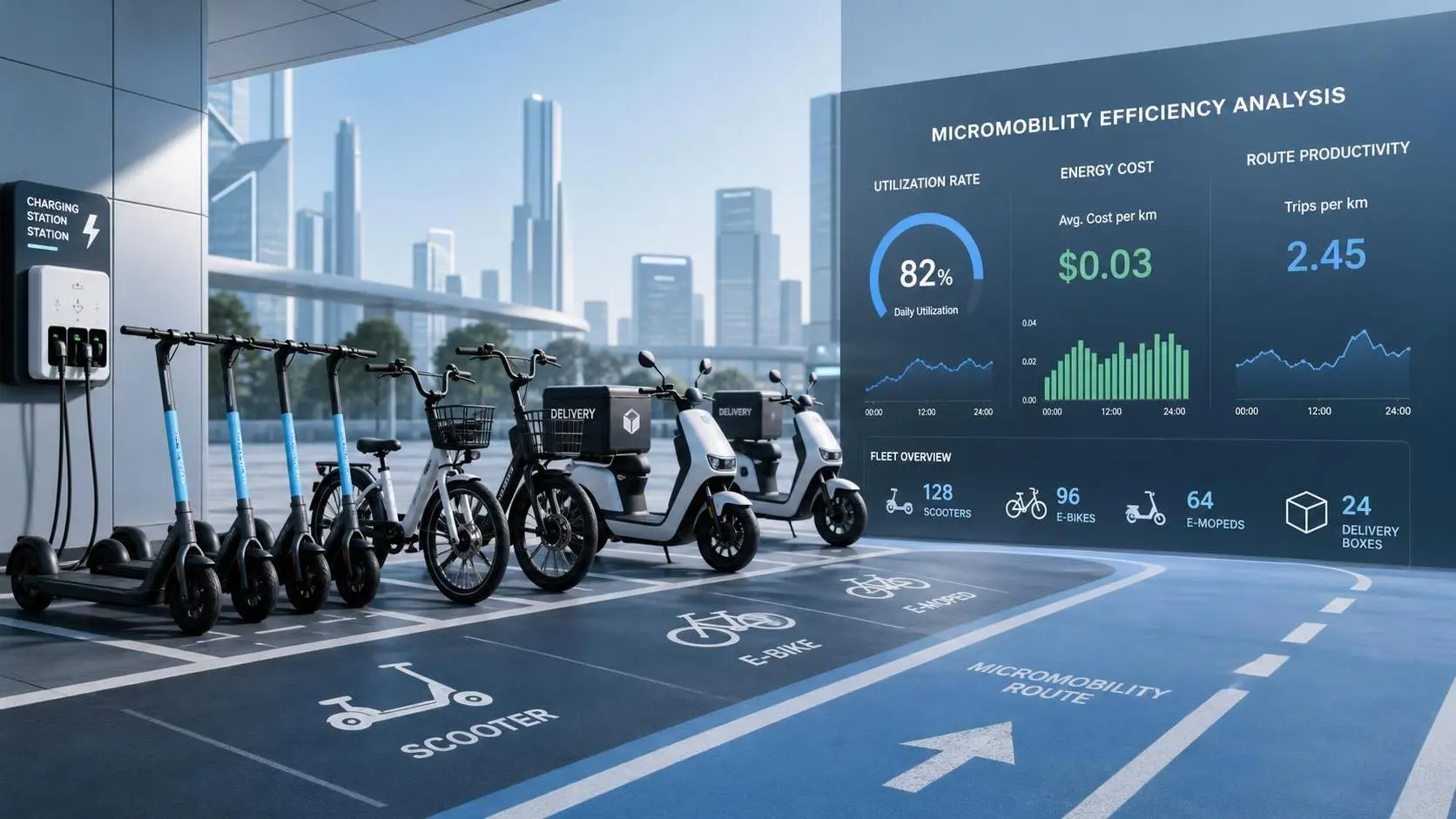
Mobility Efficiency Analysis: How to Measure Vehicle Use, Energy Cost, and Route Productivity
Mobility efficiency analysis reveals how to measure vehicle use, energy cost, and route productivity to cut waste, improve fleet performance, and make smarter urban mobility decisions.
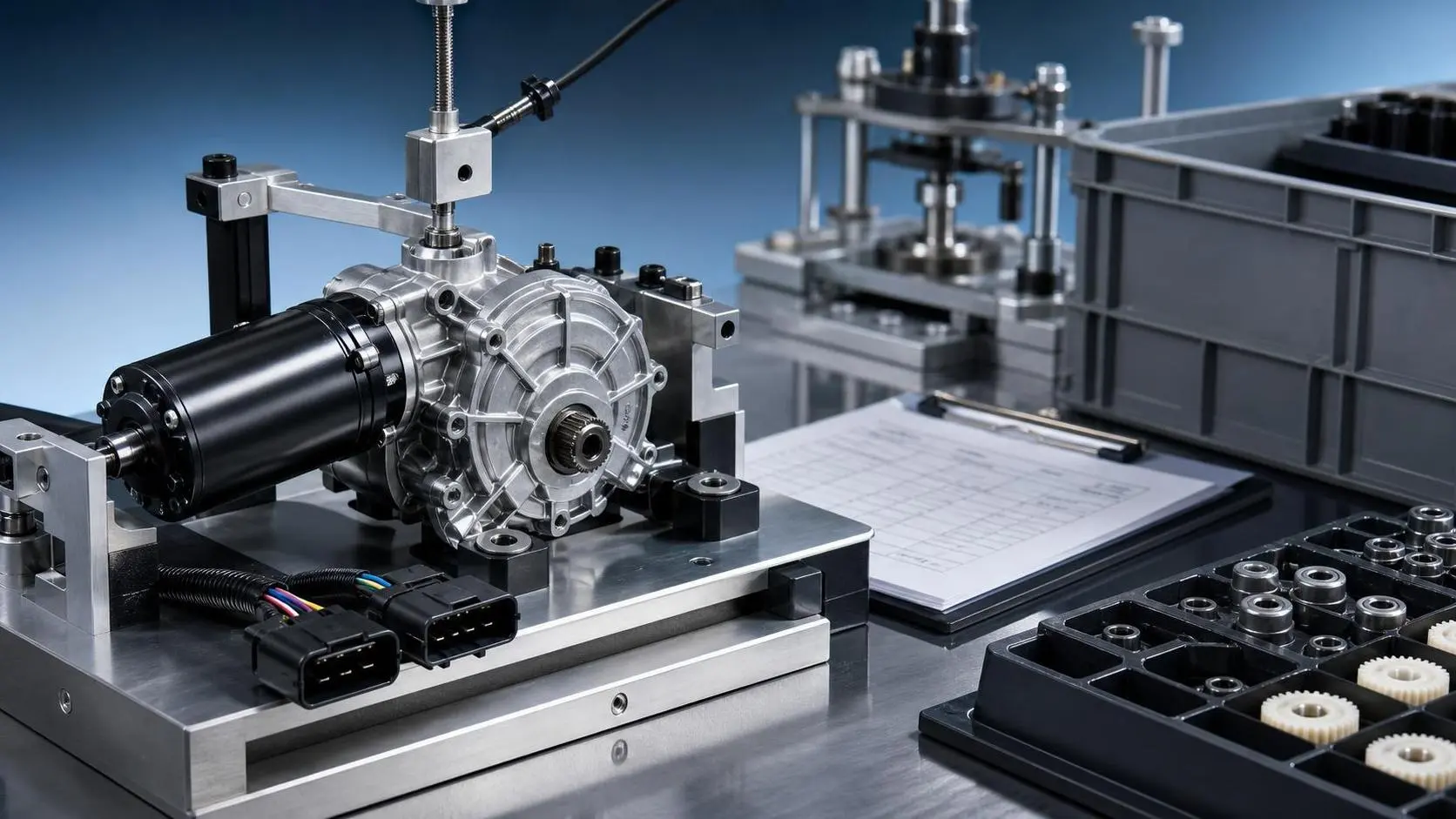
How to Evaluate a Brushless Wiper Motor Supplier for OEM Quality and Lead Time
Brushless wiper motor supplier selection made easier: learn how to assess OEM quality, engineering support, compliance, and lead time to reduce sourcing risk.
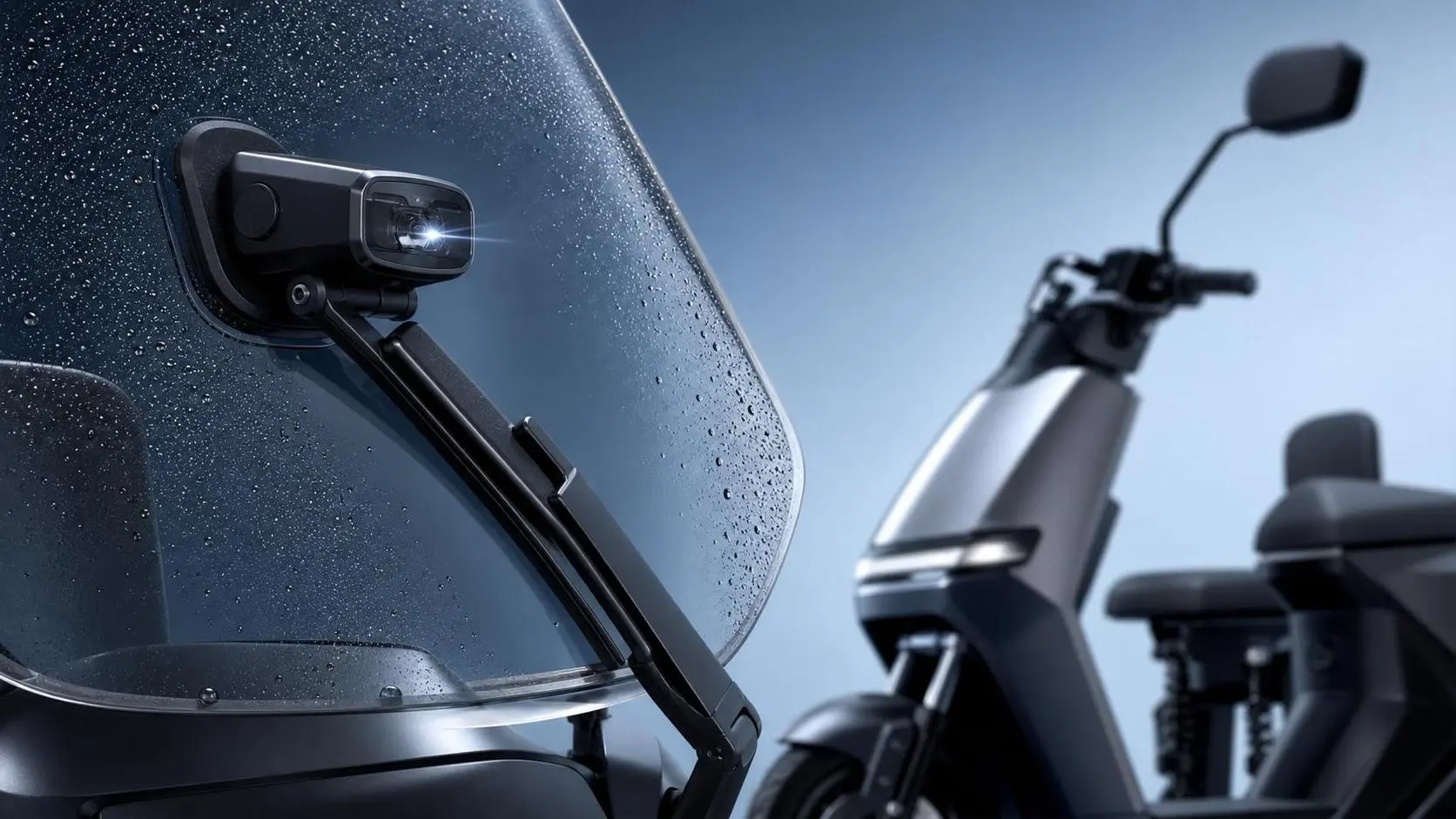
How Do Photoelectric Wiper Sensors Work and Where Are They Most Effective?
Photoelectric wiper sensors explained: learn how they detect rain, reduce false triggers, and deliver the best visibility gains in urban EVs, e-bikes, fleets, and smart mobility.

How Battery-Swapping Networks Reduce Downtime in Shared Fleet Scooter Operations
Battery-swapping networks cut scooter fleet downtime by speeding field turnaround, improving uptime in peak zones, and helping operators optimize labor, battery rotation, and service efficiency.
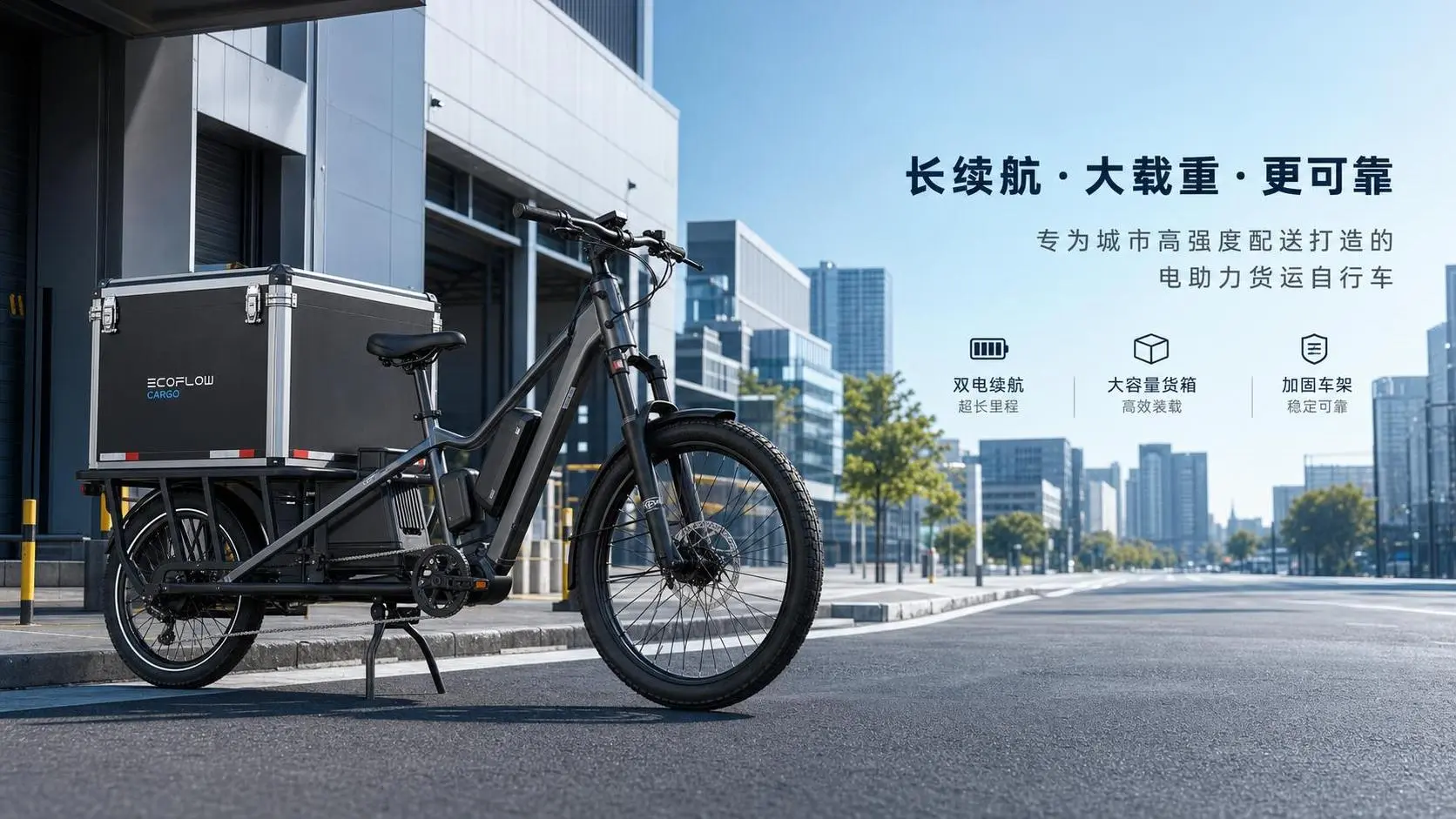
How to Choose a Long-Range Commercial Cargo E-Bike for Delivery Operations
Commercial cargo e-bike long range buying guide: learn how to assess battery, payload, route fit, and uptime support to choose a reliable delivery model with lower operating costs.
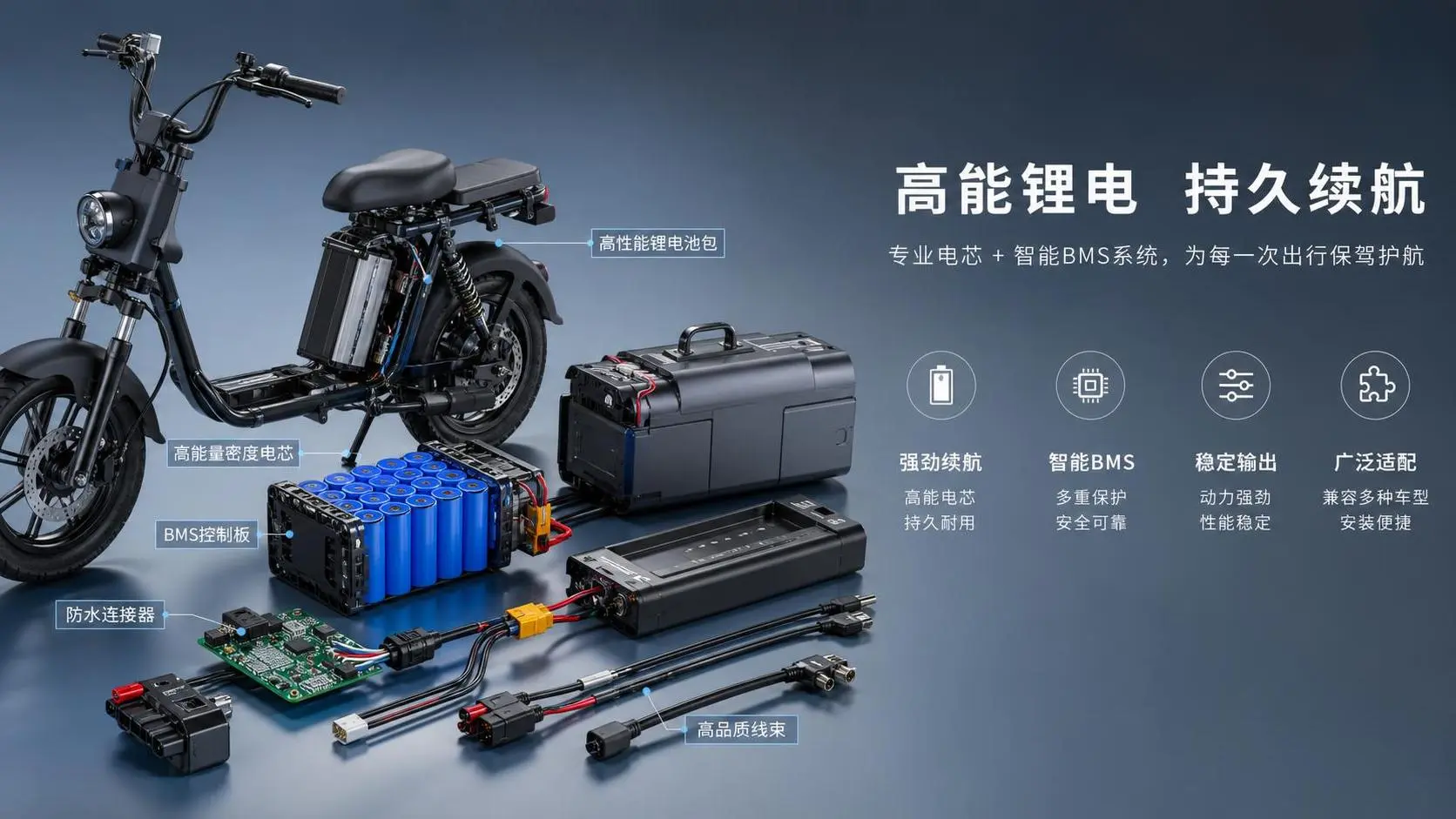
How to Select the Right E-Bike Battery Components for Range, Safety, and Fit?
E-bike component selection battery guide: learn how to choose the right battery components for better range, stronger safety, and perfect fit across modern e-bike platforms.
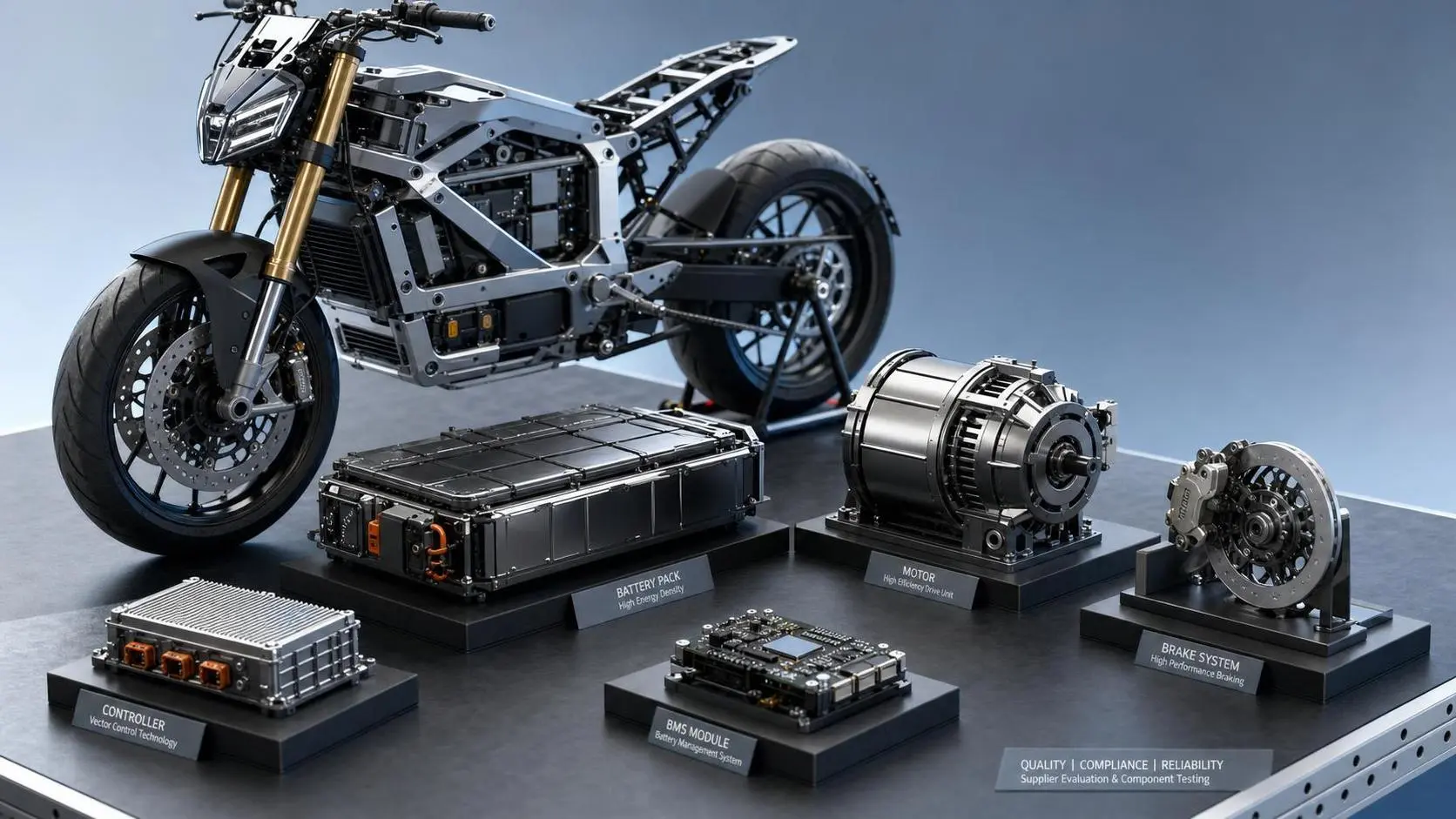
How to Evaluate Core Component Suppliers for Electric Motorcycles Before Sourcing?
Core component suppliers for electric motorcycles can make or break safety, compliance, and delivery. Learn how to assess technical strength, certifications, quality control, and hidden sourcing risks before you buy.
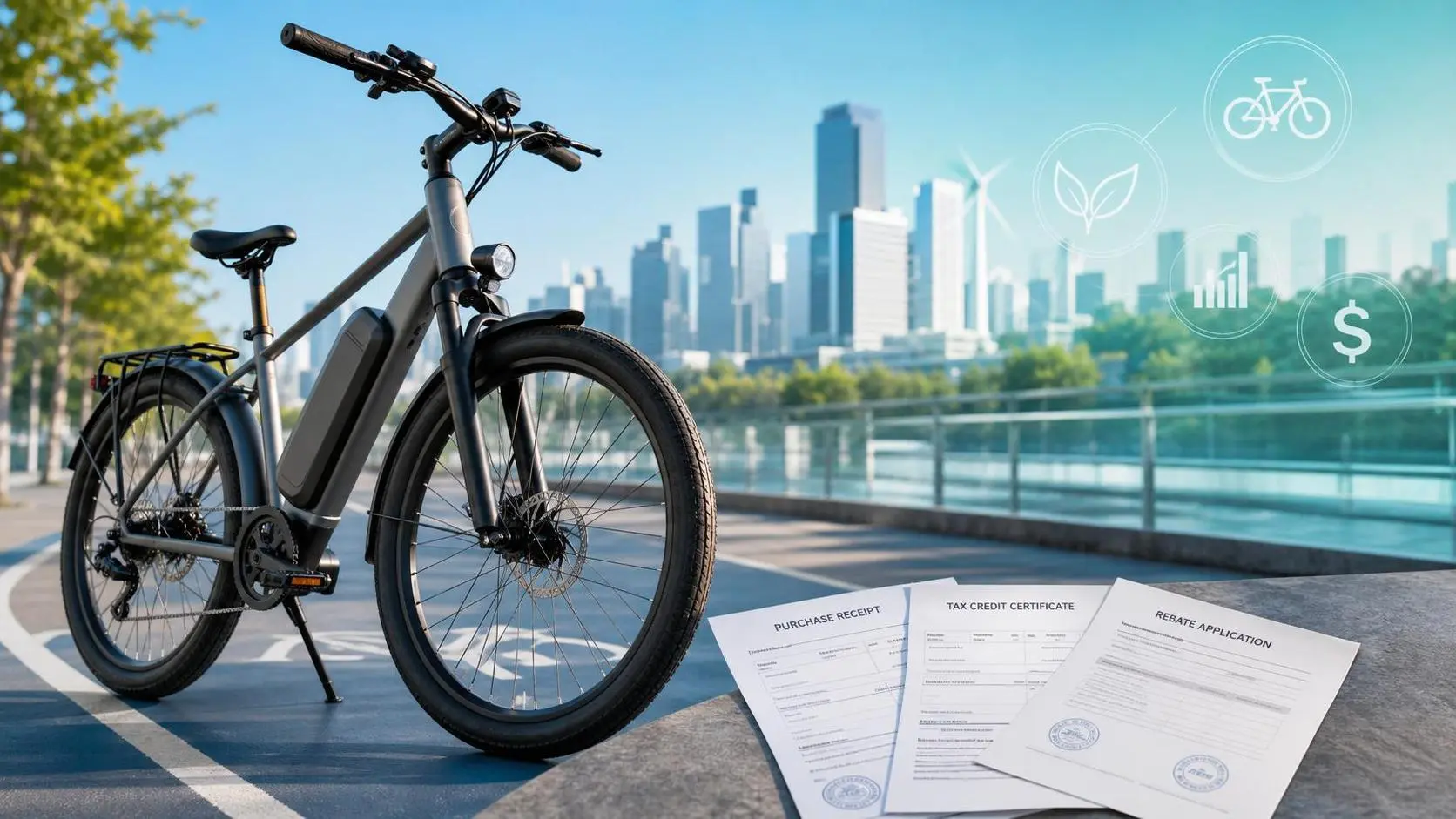
E-Bike Incentives Explained: How Riders Can Find Local Rebates and Tax Credits
E bike incentives explained: learn how to find local rebates, tax credits, and utility offers, avoid common mistakes, and cut the real cost of your next e-bike.
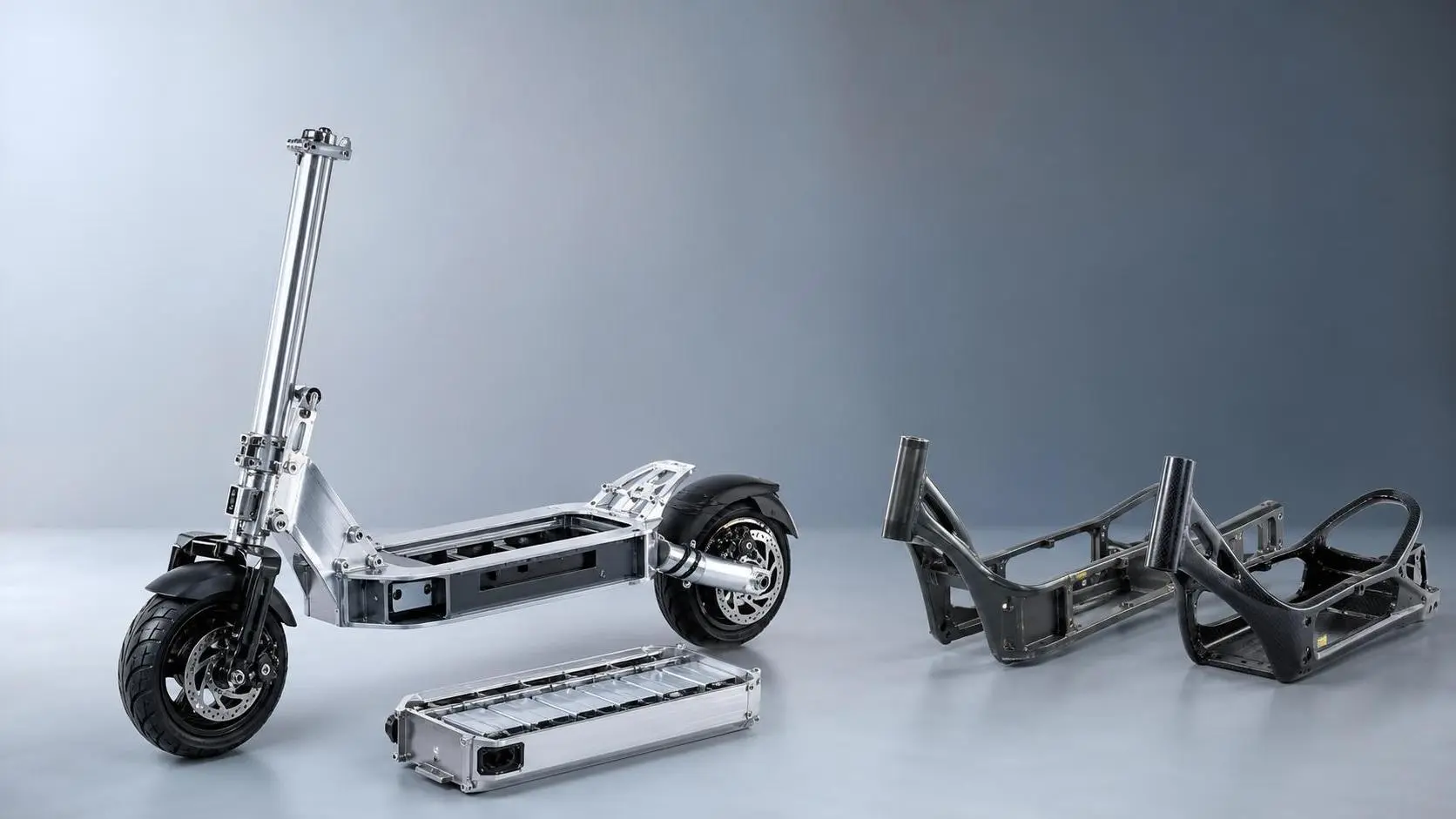
How to Choose Lightweight Scooter Frames in Europe: Materials, Standards, and Use Cases
Lightweight scooter frames Europe buyers need should balance materials, EN standards, durability, and real use cases. Discover how to choose safer, smarter, compliant frames.