
Related News
- 00
0000-00
E Bike Controllers Explained: How to Match Voltage, Current, and Riding Mode - 00
0000-00
Electric Bike Technology for Daily Commuting: Which Features Matter Most? - 00
0000-00
E-Bikes Explained: Main Types, Typical Range, and Which Riders They Suit - 00
0000-00
Commuter E-Bikes Explained: Range, Motor Torque, and Fit for Daily City Riding - 00
0000-00
Pedal Assist Ebike Buying Guide: Motor Torque, Sensor Type, and Range Explained
Micro-Mobility Strategist
Weekly Insights
Stay ahead with our curated technology reports delivered every Monday.
E-Bikes Explained: Main Types, Typical Range, and Which Riders They Suit





E-bikes have moved from a niche cycling category into a practical answer to urban congestion, rising fuel costs, and lower-carbon daily travel. That shift matters across the wider micro-mobility market, where battery efficiency, drivetrain design, and local riding rules increasingly shape what people buy and how they ride.
For anyone comparing options, the challenge is rarely understanding the idea of pedal assist. The harder part is knowing which type of e-bike fits real routines, what range figures actually mean, and where comfort, cargo needs, terrain, and storage space should influence the decision.
Seen through the lens of UMMS and the broader electrification of two-wheelers, e-bikes sit at the intersection of personal mobility, smart urban systems, and component innovation. They are simple to use on the surface, yet shaped by deeper factors such as motor tuning, battery management, and transmission efficiency.
What an e-bike really is, and why the details matter
An e-bike is a bicycle with an electric motor that supports pedaling, rather than fully replacing it in most legal consumer formats. The result is a ride that feels familiar, but easier on hills, longer commutes, and stop-and-go city streets.
That basic definition, however, hides major differences. Motor placement, battery size, frame geometry, tire width, and component quality all change the riding experience. Two e-bikes can look similar online and still serve completely different purposes in daily use.
This is one reason the sector draws so much attention in Europe and other dense urban markets. E-bikes are not only consumer products. They are part of a larger mobility system that includes policy support, charging habits, road access, safety expectations, and compact transport infrastructure.
The main types of e-bikes on the market
Most buying decisions become easier once the main categories are clear. The labels vary by brand, but the practical use cases stay fairly consistent.
Commuter e-bikes
These are built for everyday road use. They usually include upright geometry, integrated lights, fenders, racks, and medium-width tires for comfort and reliability.
They suit city trips, mixed bike-lane riding, and regular journeys to work or school. For many households, this is the most balanced entry point into e-bikes.
Folding e-bikes
Folding models prioritize portability. Smaller wheels and collapsible frames make them easier to carry upstairs, place in a car trunk, or combine with public transit.
They work well where storage is limited. The trade-off is that high-speed stability and rough-road comfort may feel less refined than on full-size commuter e-bikes.
Cargo e-bikes
Cargo designs extend carrying capacity through longer frames, reinforced racks, or front-box layouts. They are increasingly used for school runs, grocery transport, and short local deliveries.
In practical terms, cargo e-bikes can replace many short car trips. They need more parking space, but they unlock a different level of utility.
Electric mountain bikes
E-MTBs combine pedal assist with suspension, wider tires, and frames designed for uneven terrain. They support climbing and extend ride distance on trails or steep rural routes.
They can also suit rough urban roads, but they are often heavier and more specialized than a pure city model.
Hybrid and trekking e-bikes
These sit between commuter and sport categories. They are made for longer mixed-surface rides, weekend touring, and riders who want efficiency without a racing posture.
For people splitting time between urban streets and leisure routes, this category often provides the widest operating range of use.
Typical range is real, but never absolute
Range is one of the most searched topics around e-bikes, and also one of the most misunderstood. Advertised numbers often reflect controlled conditions, light assist levels, and moderate terrain.
In normal riding, many e-bikes deliver roughly 30 to 100 miles per charge. That wide span is not marketing confusion alone. It reflects very different batteries, speeds, loads, temperatures, and rider input.
A more useful approach is to treat range as a planning tool, not a promise. If a weekly routine needs 20 miles a day with some hills, a bike rated well above that figure usually provides healthier real-world margin.
What changes battery range most
- Assist level, because higher support draws more power.
- Terrain and wind, especially on exposed or hilly routes.
- Total weight, including rider, bags, child seats, or cargo.
- Tire pressure and rolling resistance.
- Temperature, since cold weather can reduce battery performance.
- Motor and drivetrain efficiency, where better system integration matters.
That last point is especially relevant in the UMMS view of micro-mobility. Battery size alone does not define quality. Efficient power delivery, sensible gearing, and stable battery management often determine how useful an e-bike feels over time.
Which riders each category tends to suit
The best e-bikes usually match habits more than aspirations. A bike that looks exciting on a product page may still be wrong for a narrow hallway, a fourth-floor apartment, or daily shopping stops.
Best match by routine
- Choose commuter e-bikes for predictable city mileage, comfort, and everyday practicality.
- Choose folding e-bikes when storage, elevators, or multimodal travel matter most.
- Choose cargo e-bikes when carrying children, shopping, or equipment is part of the routine.
- Choose electric mountain bikes for steep gradients, trails, and off-road confidence.
- Choose hybrid or trekking e-bikes for longer leisure rides and mixed route versatility.
In many cases, comfort determines long-term satisfaction more than peak power. Frame step-over height, saddle position, handlebar reach, and ease of mounting can matter just as much as motor torque.
Why e-bikes matter in the wider mobility industry
E-bikes are part of a larger reordering of short-distance travel. Cities are trying to reduce traffic intensity without reducing mobility, and consumers want faster, cheaper, and cleaner ways to cover everyday distances.
That is why the category connects naturally with UMMS coverage of scooters, high-speed electric motorcycles, and precision bicycle components. The same questions appear across all of them: energy density, safety, lightweight design, connected systems, and reliable component performance.
Subsidy policies and road-access rules also influence the market. In some cities, e-bikes benefit from supportive cycling infrastructure. In others, speed limits, throttle rules, or battery transport restrictions shape what models make sense.
For buyers, this means an e-bike should be judged as both a personal vehicle and a local mobility tool. The best option is not only the one with the biggest battery. It is the one that fits the street network, charging routine, weather exposure, and maintenance expectations around it.
How to evaluate an e-bike without overbuying
A sensible comparison starts with use case, then moves to technical details. This order helps avoid paying for performance that rarely gets used.
Key checkpoints before deciding
- Map the usual trip distance, not the occasional long ride.
- Check whether the route is flat, hilly, smooth, or broken.
- Think about where the bike will be stored and charged.
- Review total carrying needs, including locks and accessories.
- Compare legal speed class and local riding regulations.
- Look at brake quality, service access, and replacement parts.
It is also worth checking how integrated the system feels. Well-matched motors, batteries, and drivetrains often deliver smoother assistance, quieter operation, and more trustworthy range behavior. That systems perspective is increasingly central in the micro-mobility sector.
A practical way to move forward
The strongest e-bike choice usually comes from narrowing life patterns before comparing specifications. Start with the route, storage space, expected cargo, and desired ride feel. Then judge range with realistic conditions rather than brochure extremes.
From there, the right category often becomes obvious. Commuter, folding, cargo, mountain, and trekking e-bikes each solve a different mobility problem. Understanding that match is more valuable than chasing the highest power figure.
As e-bikes continue to reshape low-carbon urban travel, the most useful next step is to build a short comparison around daily use, battery margin, serviceability, and local rules. That approach turns a crowded market into a clear decision.
Related News
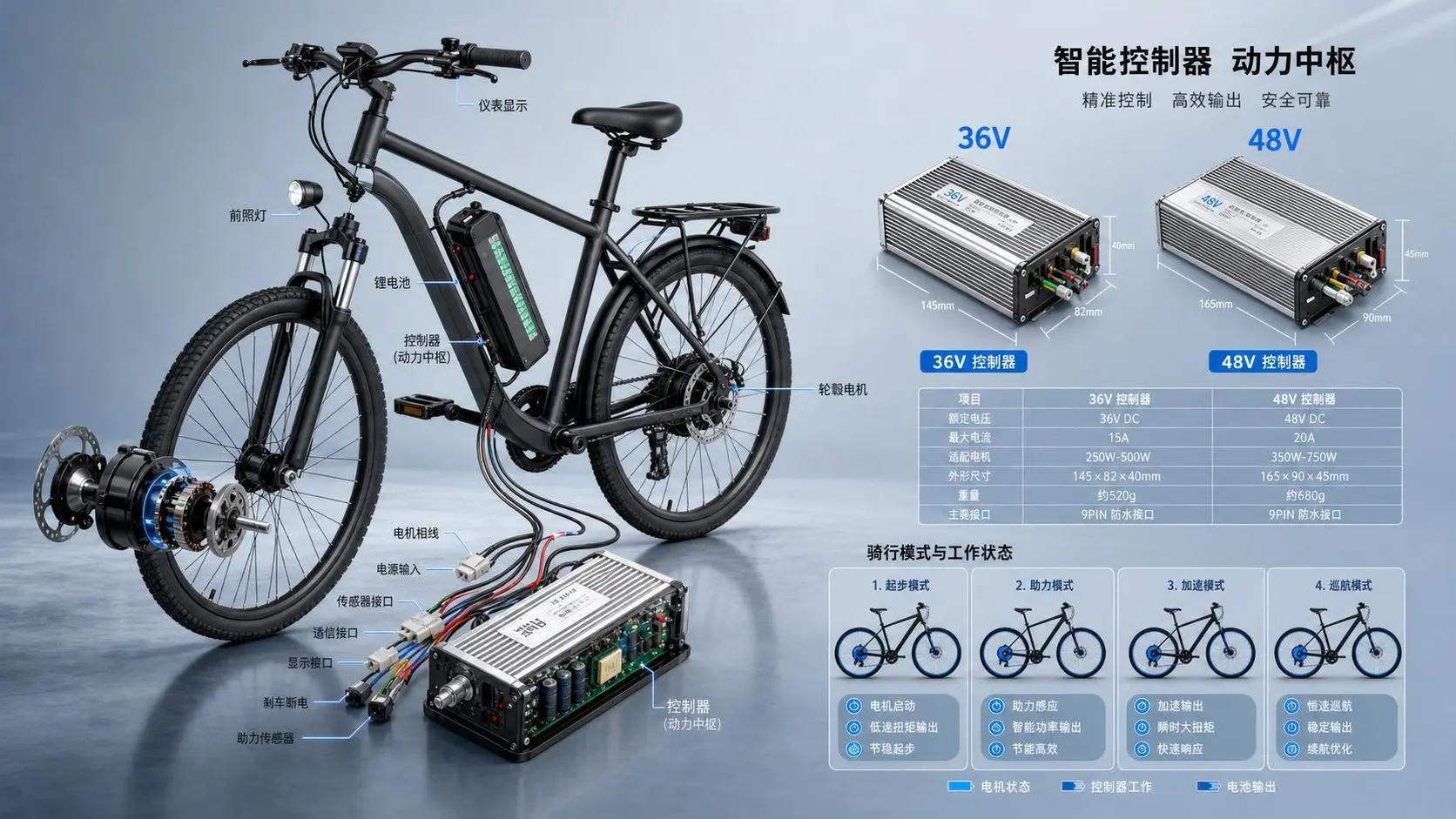
E Bike Controllers Explained: How to Match Voltage, Current, and Riding Mode
E bike controllers explained: learn how to match voltage, current, and riding mode for smoother power, safer compatibility, better efficiency, and more confident e-bike upgrades.

Battery Overheating Management in Light EVs: Causes, Sensors, and Control Strategies
Battery overheating management in light EVs: learn the main causes, key sensors, and proven control strategies to improve safety, reliability, and thermal compliance.
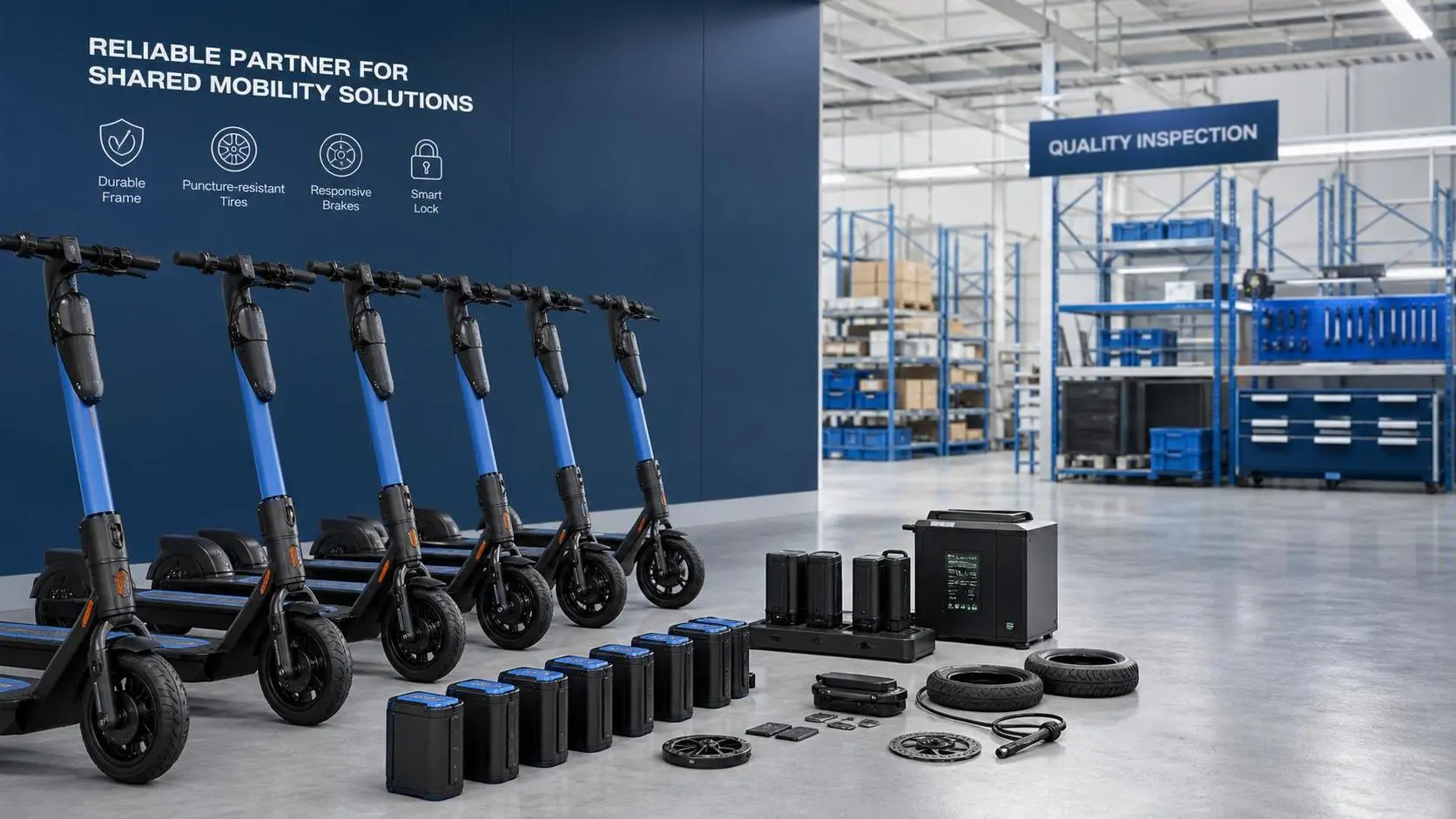
Shared Scooters Supplier Checklist: What to Compare Before Fleet Procurement
Shared scooters supplier checklist: compare total cost, durability, battery strategy, IoT, compliance, and support before fleet procurement to reduce risk and improve long-term ROI.
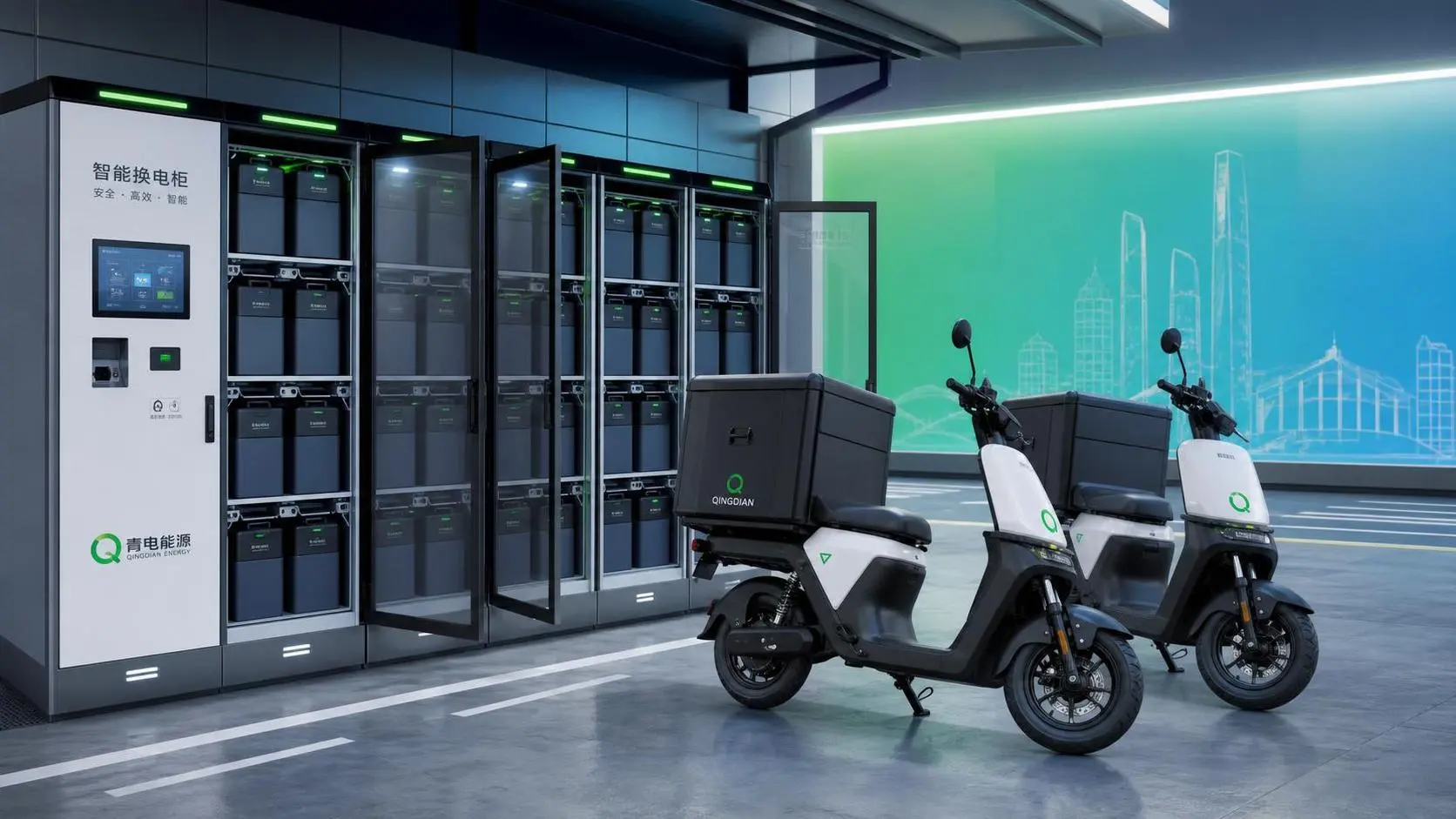
Battery-Swapping Networks for Motorcycles: Key Cost Drivers and Deployment Models
Battery-swapping networks motorcycles explained: explore key cost drivers, utilization risks, and deployment models shaping profitable electric two-wheeler infrastructure.
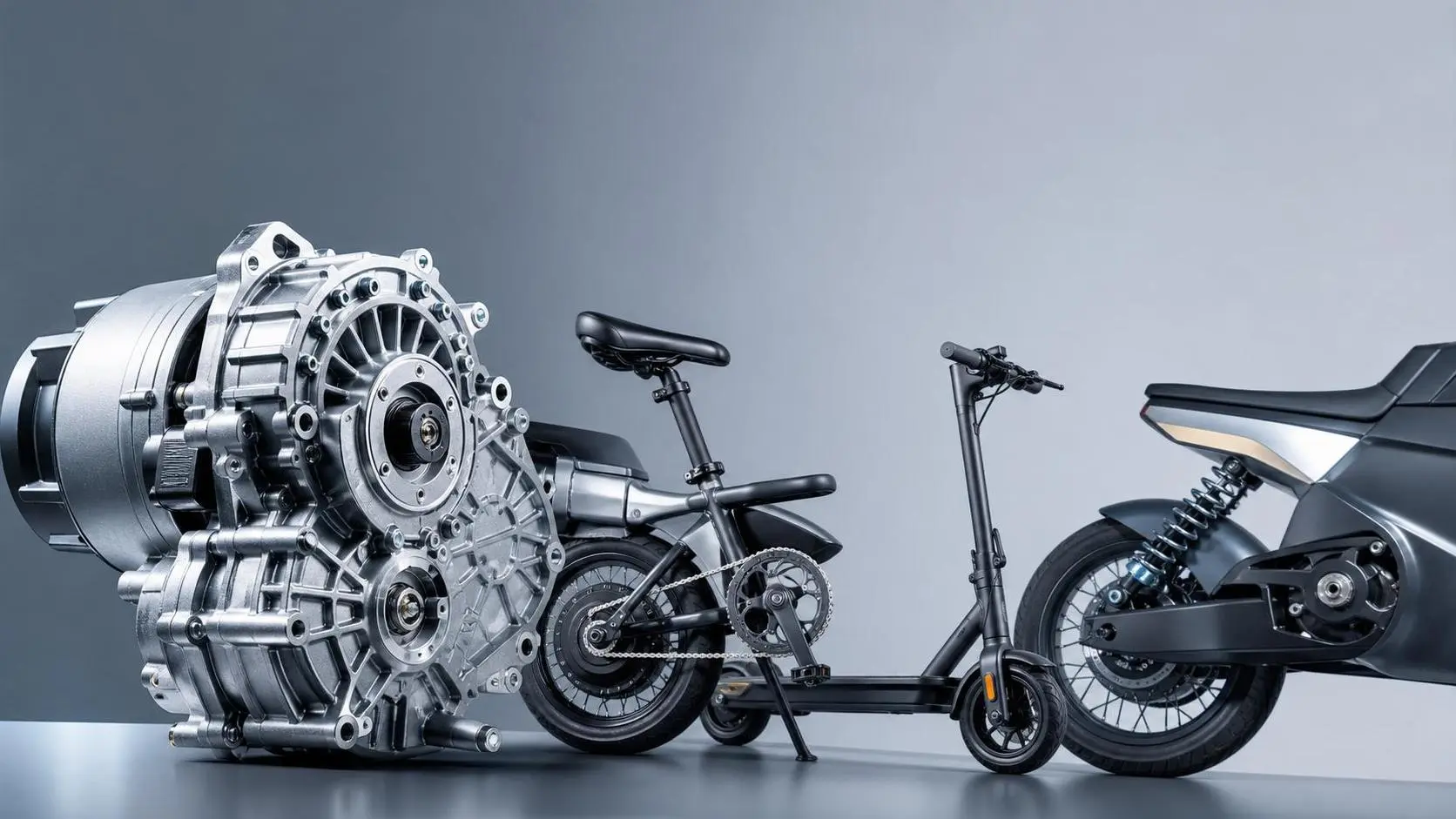
How to Choose an Electromechanical Transmission Manufacturer for E-Mobility Projects
Electromechanical transmission manufacturer selection can make or break e-mobility projects. Learn how to compare suppliers for performance, quality, compliance, and long-term value.
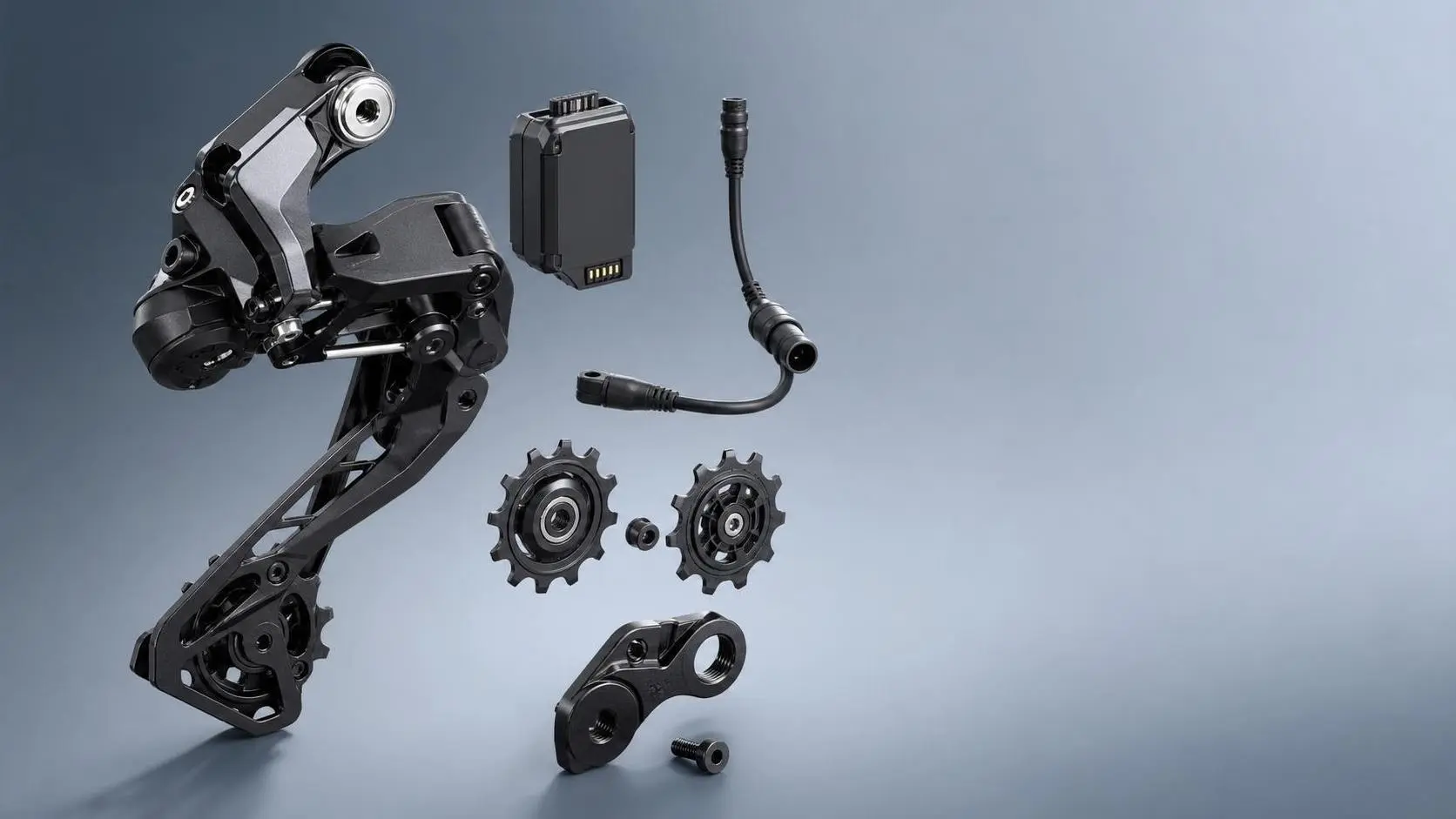
Electronic Derailleur Parts Guide: Compatibility, Wear Points, and Replacement Tips
Electronic derailleur parts guide covering compatibility, common wear points, and smart replacement tips. Learn how to diagnose issues faster, avoid mismatch errors, and improve shifting reliability.
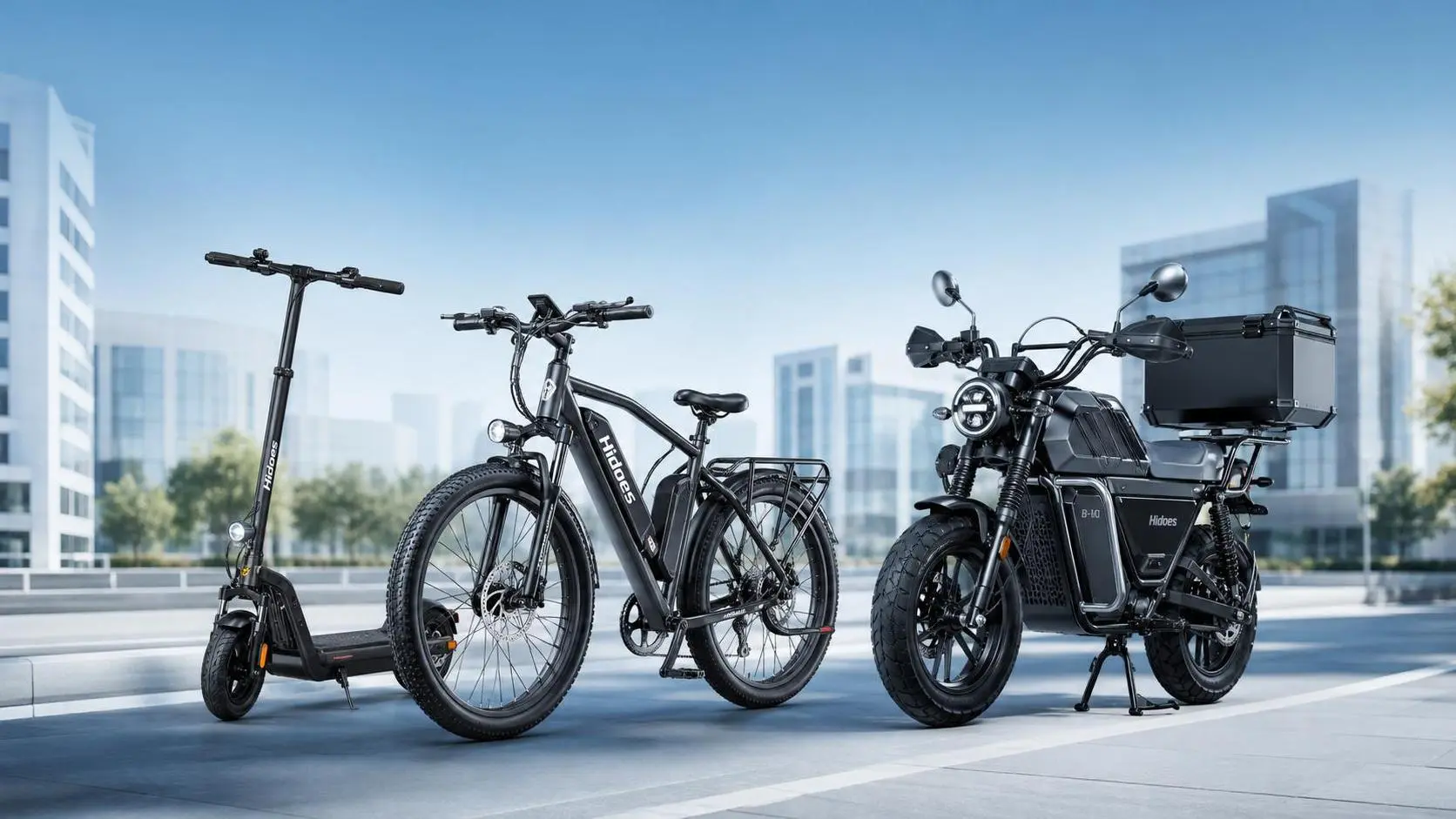
How to Choose Urban Mobility Devices for Shared Use, Campus Travel, or Delivery
Urban mobility devices for shared fleets, campus travel, or delivery require the right mix of safety, uptime, battery strategy, and serviceability—discover how to choose smarter.
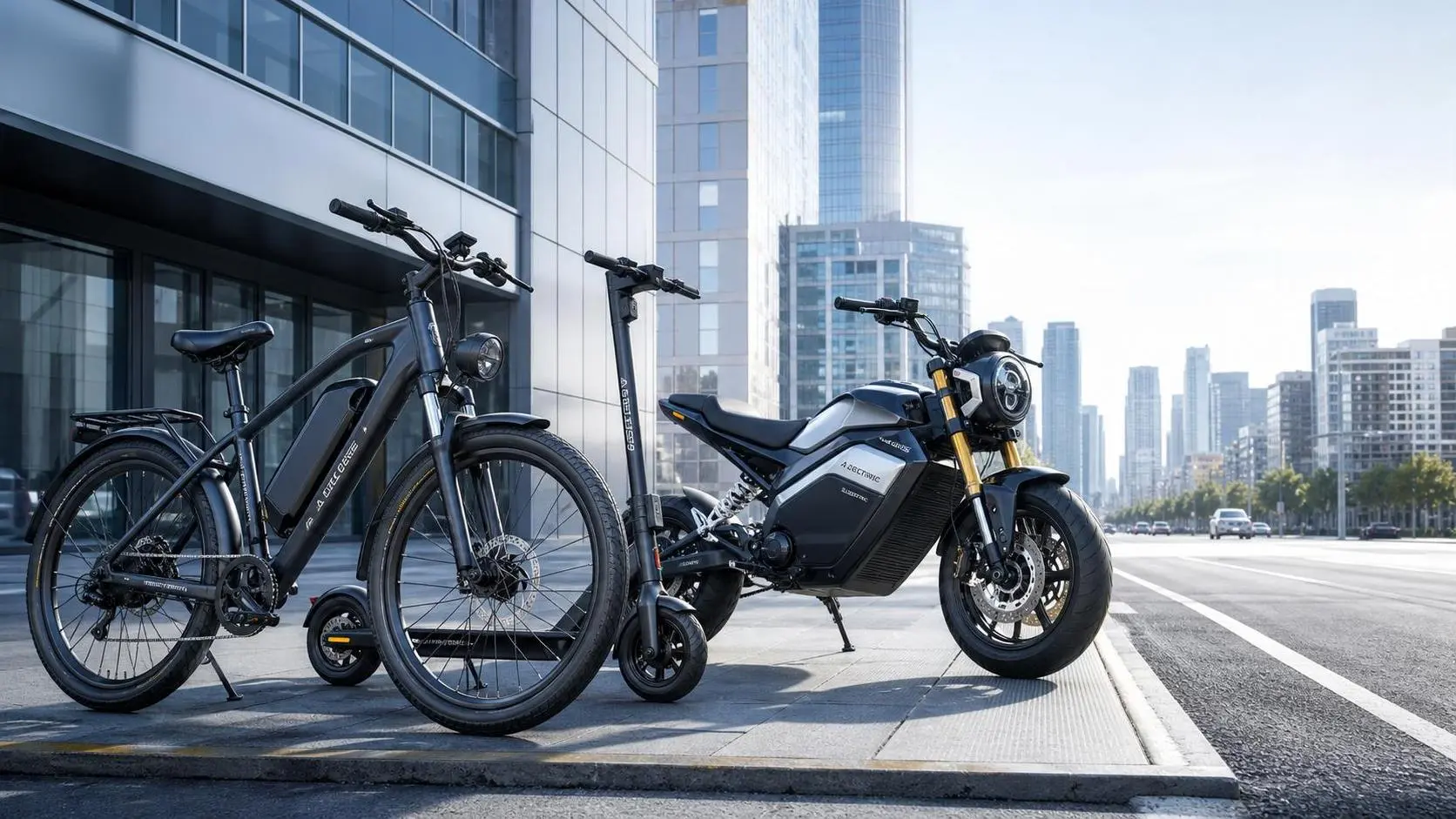
Micro Mobility USA Market: Key Regulations, Demand Signals, and Growth Segments
Micro mobility USA is entering a regulation-led growth phase. Explore key rules, demand signals, and top segments shaping e-bikes, scooters, and electric two-wheel opportunities.
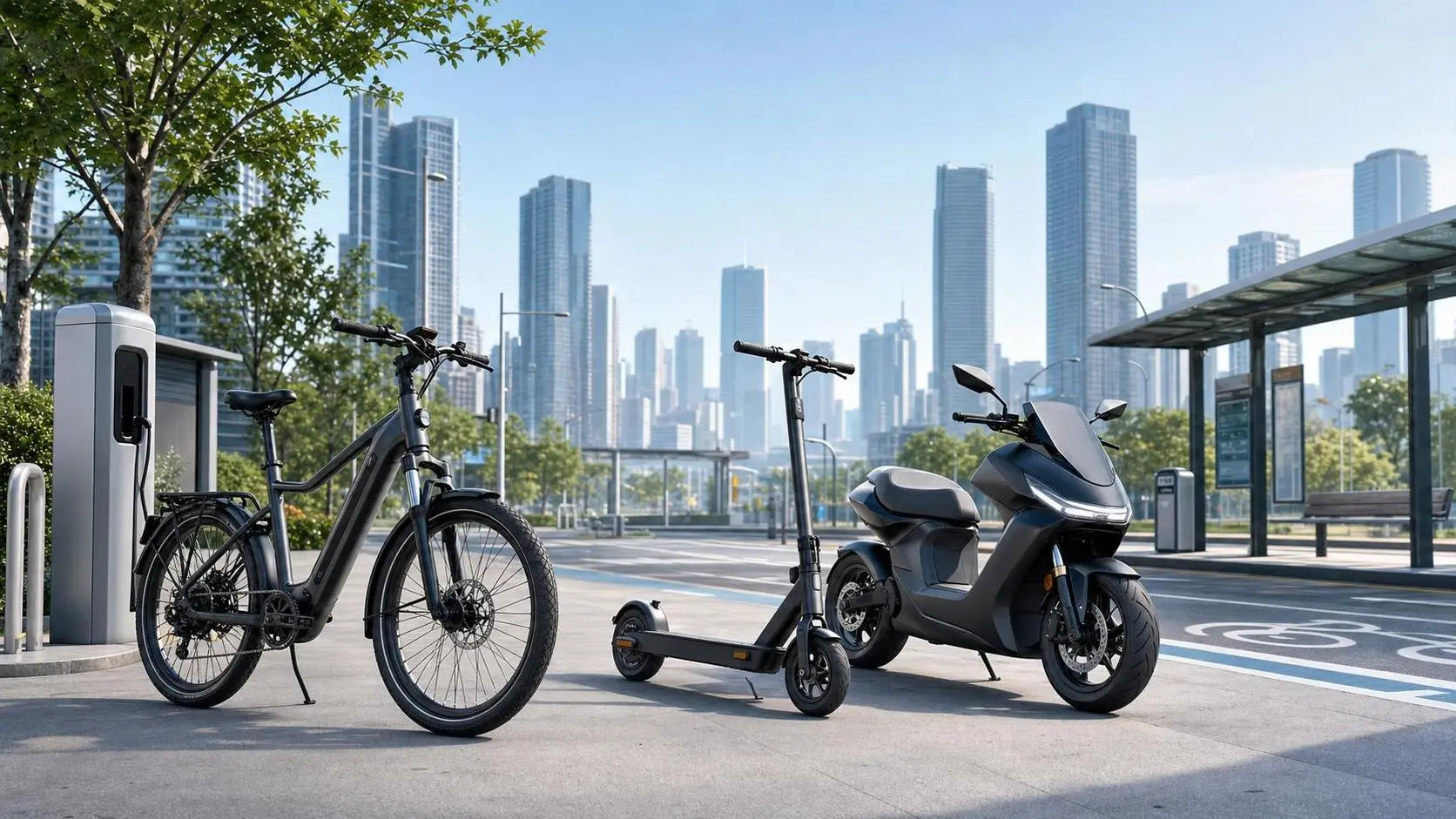
Clean Urban Transport Options Explained: Which Modes Fit Dense City Routes?
Clean urban transport explained for dense city routes—compare e-bikes, smart e-scooters, and e-motorcycles to find the best fit for speed, comfort, range, and city compliance.