
Related News
- 00
0000-00
E Bike Controllers Explained: How to Match Voltage, Current, and Riding Mode - 00
0000-00
Electric Bike Technology for Daily Commuting: Which Features Matter Most? - 00
0000-00
E-Bikes Explained: Main Types, Typical Range, and Which Riders They Suit - 00
0000-00
Commuter E-Bikes Explained: Range, Motor Torque, and Fit for Daily City Riding - 00
0000-00
Pedal Assist Ebike Buying Guide: Motor Torque, Sensor Type, and Range Explained
Micro-Mobility Strategist
Weekly Insights
Stay ahead with our curated technology reports delivered every Monday.
Electric Bike Technology for Daily Commuting: Which Features Matter Most?





Electric Bike Technology for Daily Commuting: Which Features Matter Most?
Electric bike technology is changing what daily commuting feels like in real city traffic.
But feature lists can be misleading.
Some upgrades improve comfort, safety, and running costs every day.
Others sound impressive but add little value on crowded urban routes.
That is why choosing the right electric bike technology starts with use case, not marketing.
For daily commuting, the winning setup usually balances battery efficiency, motor behavior, braking confidence, connectivity, and durability.
The best choice is rarely the most powerful model.
It is the one that stays dependable in stop-and-go conditions, mixed weather, and tight charging schedules.
Start with the Daily Commute, Not the Spec Sheet
Before comparing models, define the commuting pattern clearly.
Distance, road gradient, parking conditions, and charging access shape every smart decision.
A flat eight-kilometer route needs different electric bike technology than a hilly twenty-kilometer ride.
Frequent starts at traffic lights also place more importance on torque delivery and braking quality.
From a selection standpoint, three practical questions help narrow the field fast.
- How far does the bike need to travel between reliable charging opportunities?
- How often will it face rain, poor pavement, or heavy stop-and-go traffic?
- How important are low maintenance and easy fleet management over time?
Once those answers are clear, the most relevant electric bike technology becomes much easier to prioritize.
Battery Technology Often Matters More Than Top Speed
For daily commuting, battery performance is usually the first feature to evaluate seriously.
Range claims can look attractive, but real value comes from efficiency, consistency, and charging practicality.
In real traffic, temperature, rider weight, hills, and assist level quickly affect actual range.
That makes battery management system quality just as important as battery size.
Good electric bike technology protects cells, balances charging, reduces overheating, and preserves long-term capacity.
This is especially important for commuters riding five or six days each week.
What to check in battery selection
- Usable range, not lab range, under urban riding conditions.
- Battery removal convenience for apartment or office charging.
- Charging time from low to useful daily operating level.
- Thermal stability and protection logic in warmer climates.
- Expected cycle life before noticeable range decline.
A commuter does not always need the largest battery.
A moderate battery with strong management can be the better long-term decision.
It often lowers weight, shortens charging hassle, and keeps the bike easier to handle indoors.
Motor Performance Should Feel Smooth, Not Aggressive
Motor output gets attention, but smooth assistance matters more than headline watt figures.
For commuting, predictable acceleration improves confidence in intersections and dense bike lanes.
Refined electric bike technology should respond naturally to pedaling input.
It should not surge suddenly or cut support at awkward moments.
This is where sensor quality becomes a real differentiator.
Torque sensors usually deliver a more natural riding feel than simpler cadence-only systems.
That translates into better control on wet streets, crowded junctions, and slow uphill starts.
Hub motor or mid-drive?
Hub motors are often quieter, simpler, and more affordable.
They fit many flat-city commuting needs very well.
Mid-drive systems usually offer better climbing efficiency and more balanced weight distribution.
They also feel more responsive on varied terrain.
For frequent hills or heavier cargo, mid-drive electric bike technology often justifies the extra cost.
Braking and Safety Technology Deserve Higher Priority
A faster commute means little if stopping confidence is weak.
That is why braking systems should rank near the top of any buying checklist.
Hydraulic disc brakes generally offer stronger and more consistent braking than mechanical alternatives.
They also perform better in rain, which matters for year-round commuting.
In modern electric bike technology, safety also includes visibility and system control.
- Integrated front and rear lights powered by the main battery.
- Brake light functions for urban visibility.
- Wide, puncture-resistant tires with stable wet-road grip.
- Reliable controllers that avoid delayed cut-off or erratic assist behavior.
A commuter bike should feel calm under pressure.
If the braking system feels average during a short test ride, it will feel worse in heavy traffic.
Connectivity Helps When It Solves Real Problems
Connected features are growing fast across micro-mobility.
Still, not every app-based function improves daily use.
The best electric bike technology uses connectivity to reduce friction, not create distraction.
Useful functions usually fall into security, diagnostics, and ride management.
Connected features worth paying for
- GPS tracking and theft alerts for street parking risk.
- Remote battery status and charging data.
- Service reminders based on mileage and component wear.
- Firmware updates that improve efficiency or system stability.
- Diagnostic logs that simplify maintenance decisions.
For operators managing multiple bikes, these tools become even more valuable.
They support uptime, maintenance planning, and cost control.
But if connectivity is unstable or the app experience is poor, the benefit disappears quickly.
Reliability and Serviceability Decide Total Value
The smartest electric bike technology is not always the most advanced.
Often, it is the system that keeps working with minimal downtime.
Daily commuting puts constant stress on drivetrains, brakes, tires, and connectors.
That makes sealing quality, cable routing, and spare parts access much more important than they first appear.
A bike with excellent lab specs can still become a poor investment if parts are hard to replace.
In practical terms, serviceability is part of electric bike technology selection, not an afterthought.
How to Compare Models Without Overbuying
A useful comparison process keeps decisions grounded and avoids expensive mistakes.
This matters because electric bike technology now moves faster than many buyers expect.
A newer feature is not always a better feature for commuting.
- Define daily distance, terrain, and charging limits first.
- Shortlist battery and motor systems that match those needs.
- Test braking feel, low-speed control, and assist smoothness.
- Review app stability, diagnostics, and anti-theft usefulness.
- Check warranty clarity, parts availability, and service access.
- Estimate total cost, including maintenance and battery aging.
That process keeps the focus on commuting outcomes, not showroom excitement.
It also helps separate meaningful electric bike technology from feature overload.
The Features That Usually Matter Most
If priorities must be ranked, the strongest value usually comes in a clear order.
- Efficient battery system with dependable real-world range.
- Smooth motor assistance with good torque sensing.
- Confident hydraulic braking and stable tires.
- Durable build quality with accessible service support.
- Useful connectivity for theft prevention and maintenance.
That ranking will not fit every route perfectly.
Still, it reflects how electric bike technology performs in real urban use.
The biggest lesson is simple.
Daily commuting rewards balance more than extremes.
A smart buying decision focuses on repeatability, safety, and low-friction ownership.
That is where electric bike technology creates lasting value, not just initial excitement.
When comparing the next model, choose the bike that fits the commute you actually have, then let the technology support that job well.
Related News
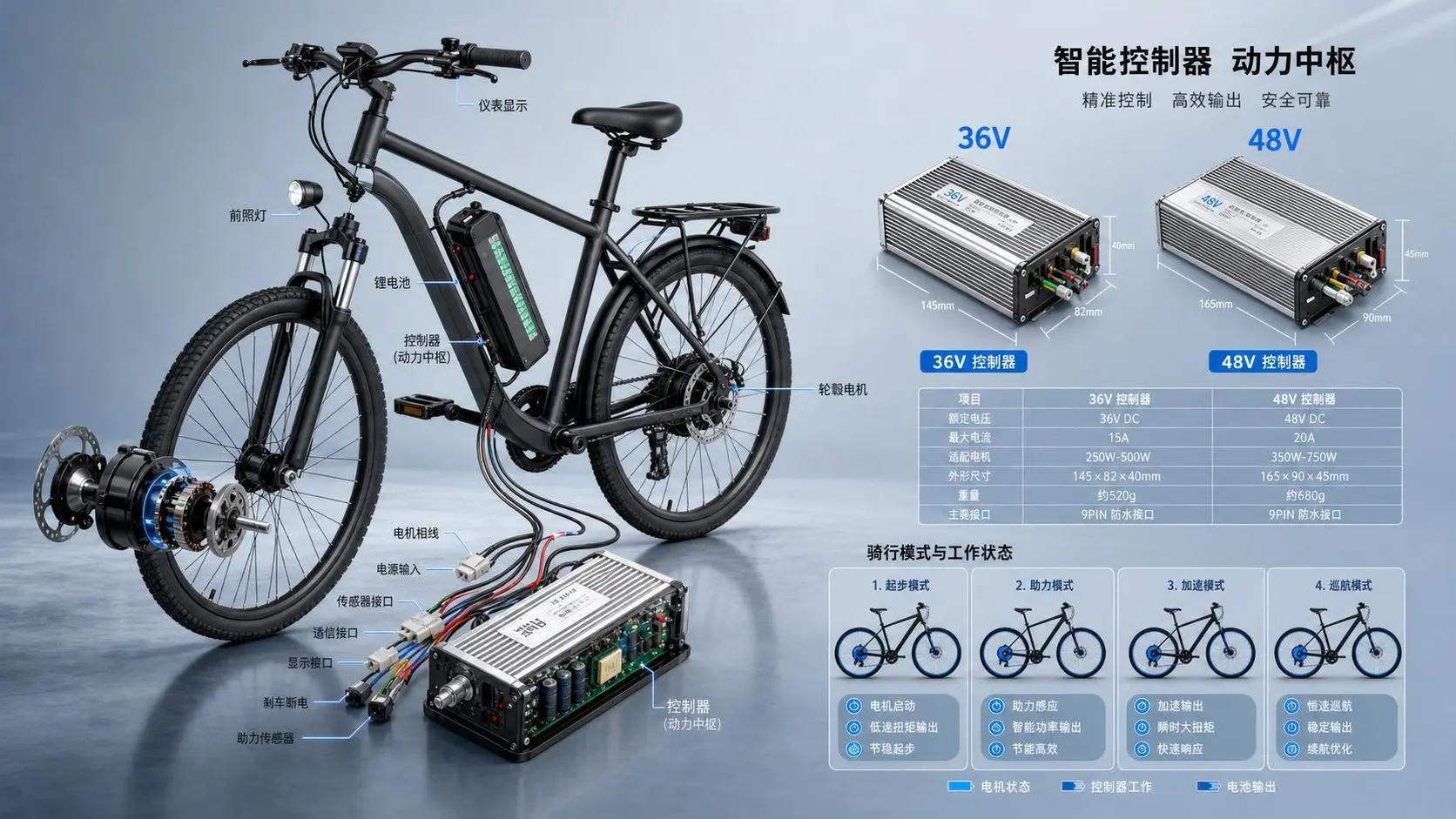
E Bike Controllers Explained: How to Match Voltage, Current, and Riding Mode
E bike controllers explained: learn how to match voltage, current, and riding mode for smoother power, safer compatibility, better efficiency, and more confident e-bike upgrades.
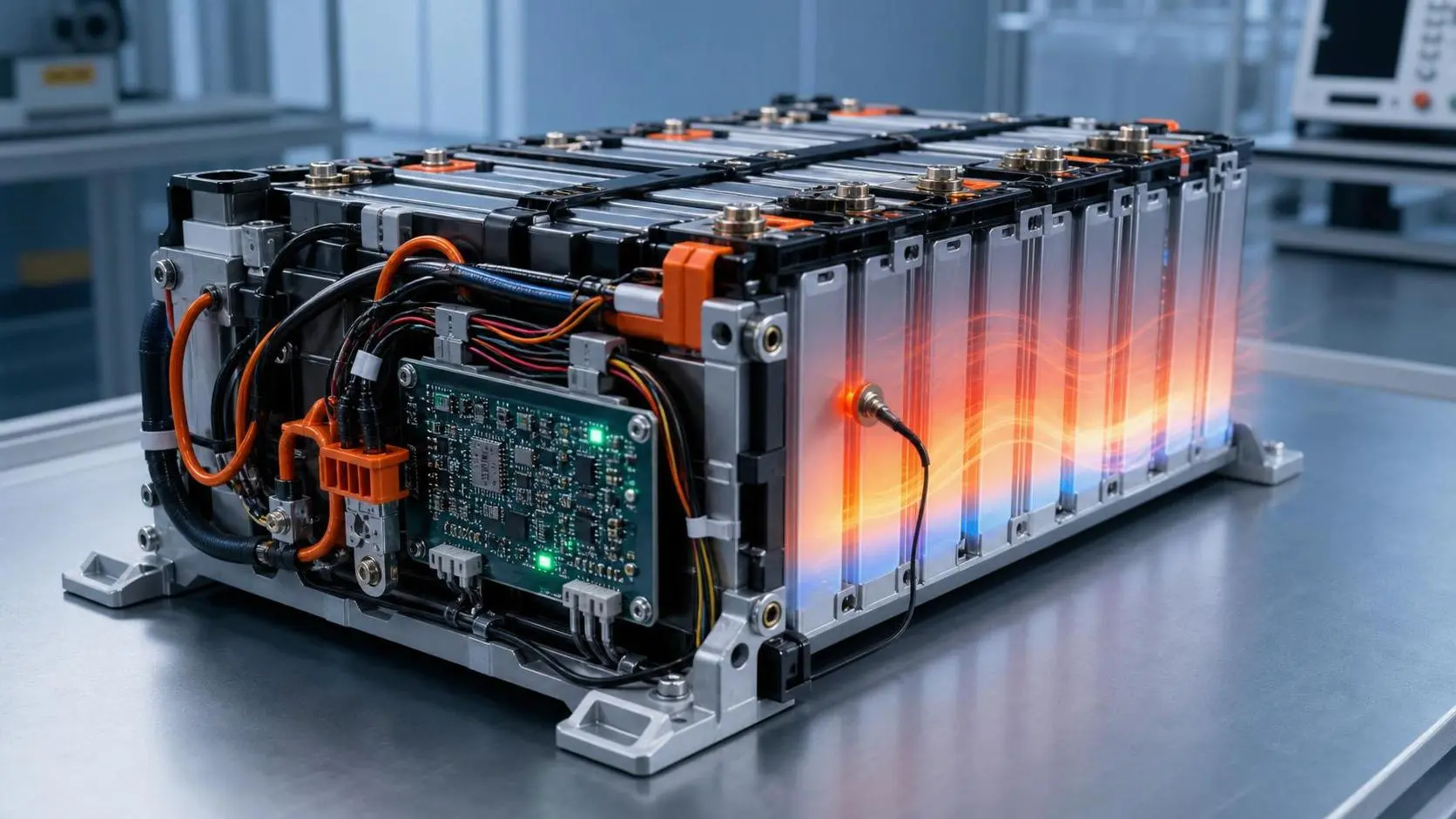
Battery Overheating Management in Light EVs: Causes, Sensors, and Control Strategies
Battery overheating management in light EVs: learn the main causes, key sensors, and proven control strategies to improve safety, reliability, and thermal compliance.
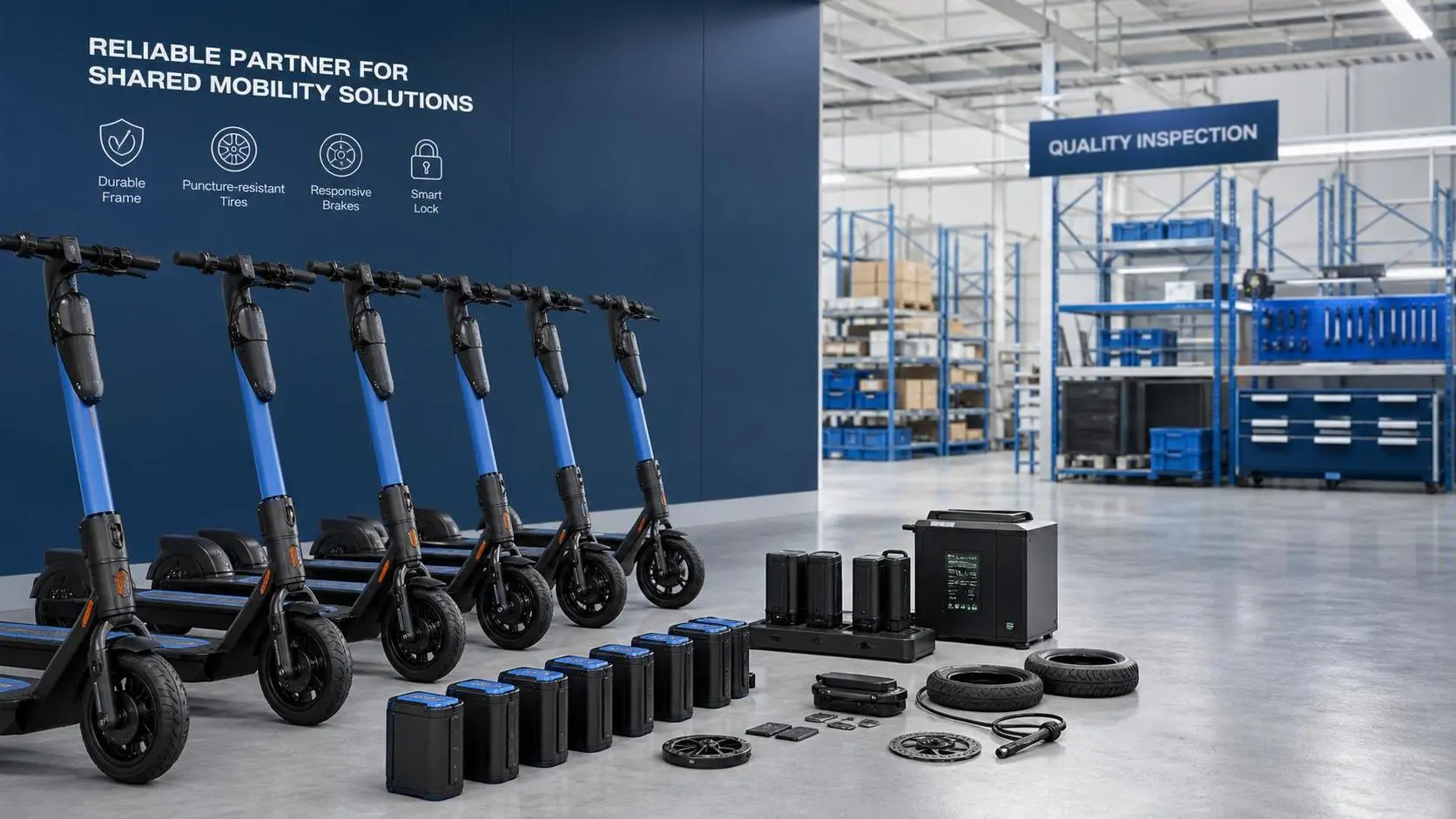
Shared Scooters Supplier Checklist: What to Compare Before Fleet Procurement
Shared scooters supplier checklist: compare total cost, durability, battery strategy, IoT, compliance, and support before fleet procurement to reduce risk and improve long-term ROI.
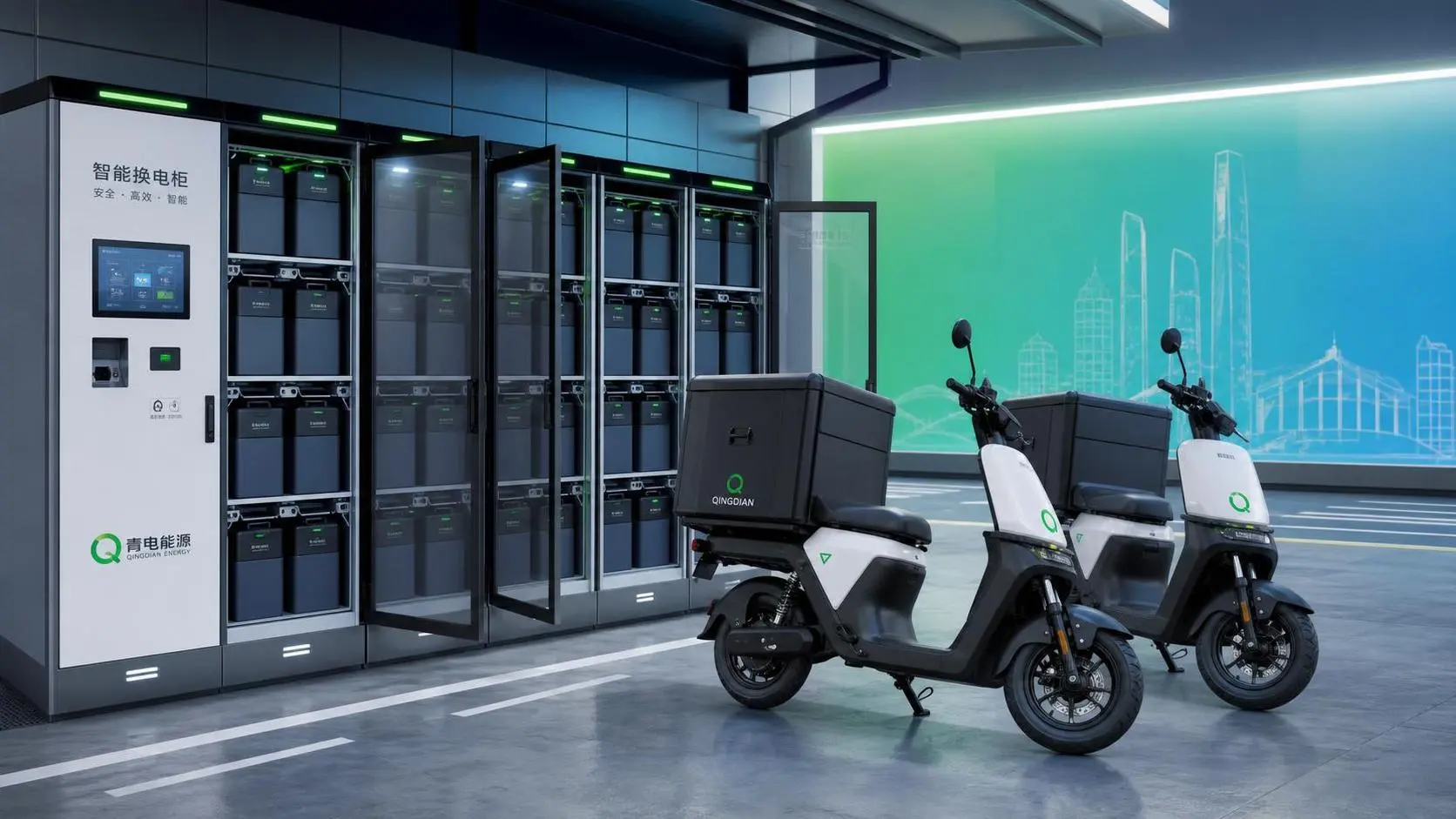
Battery-Swapping Networks for Motorcycles: Key Cost Drivers and Deployment Models
Battery-swapping networks motorcycles explained: explore key cost drivers, utilization risks, and deployment models shaping profitable electric two-wheeler infrastructure.
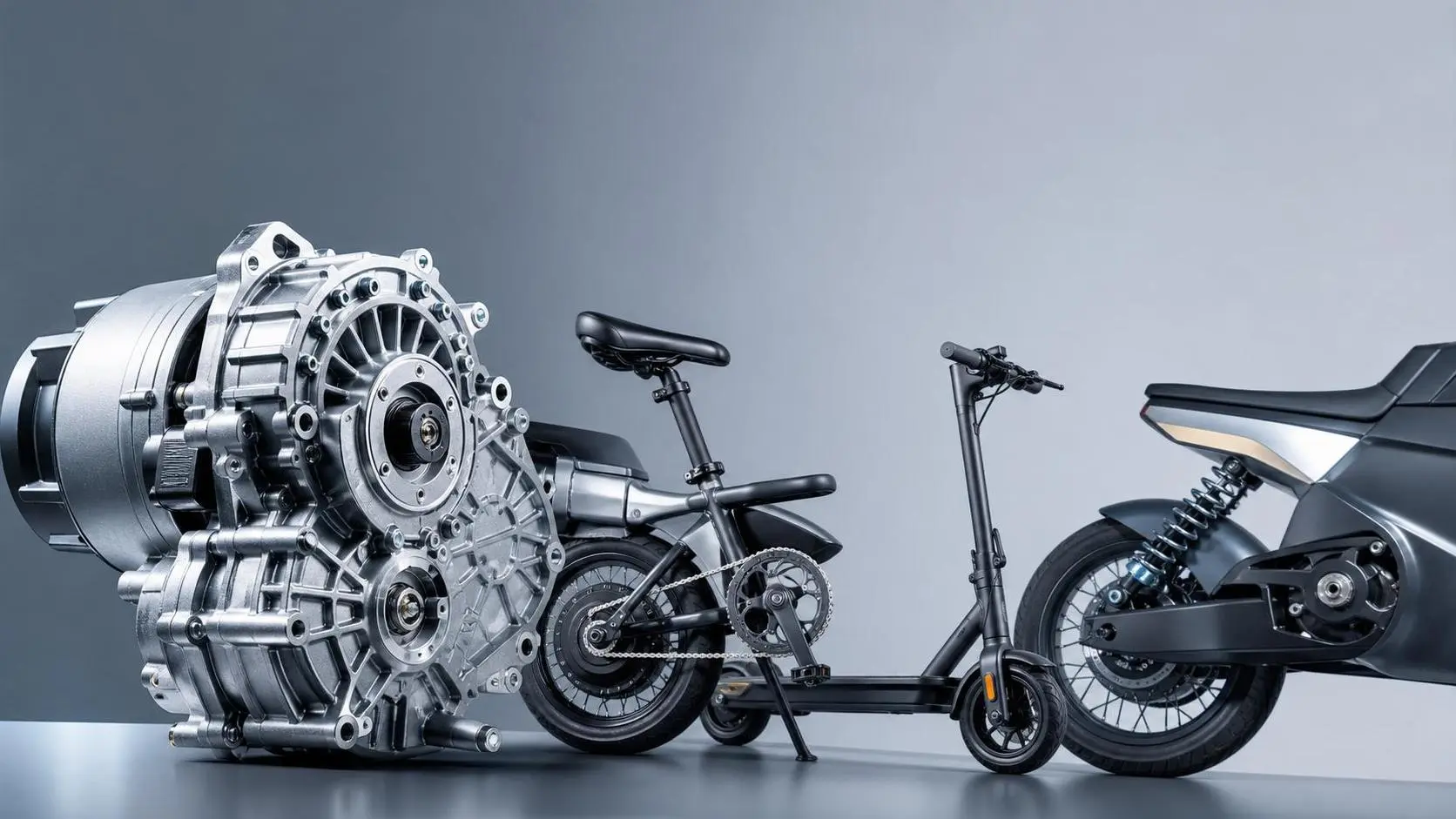
How to Choose an Electromechanical Transmission Manufacturer for E-Mobility Projects
Electromechanical transmission manufacturer selection can make or break e-mobility projects. Learn how to compare suppliers for performance, quality, compliance, and long-term value.
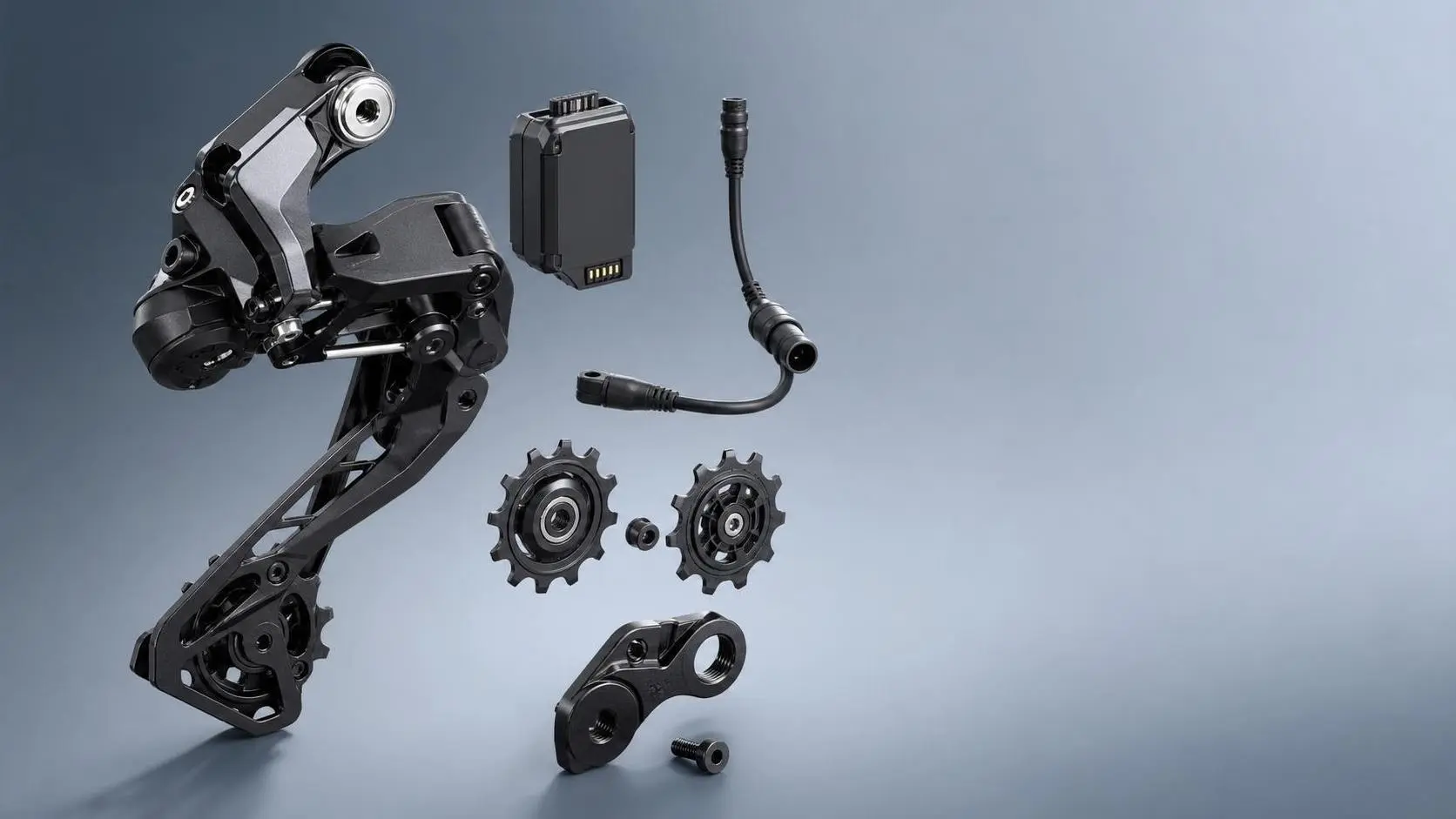
Electronic Derailleur Parts Guide: Compatibility, Wear Points, and Replacement Tips
Electronic derailleur parts guide covering compatibility, common wear points, and smart replacement tips. Learn how to diagnose issues faster, avoid mismatch errors, and improve shifting reliability.
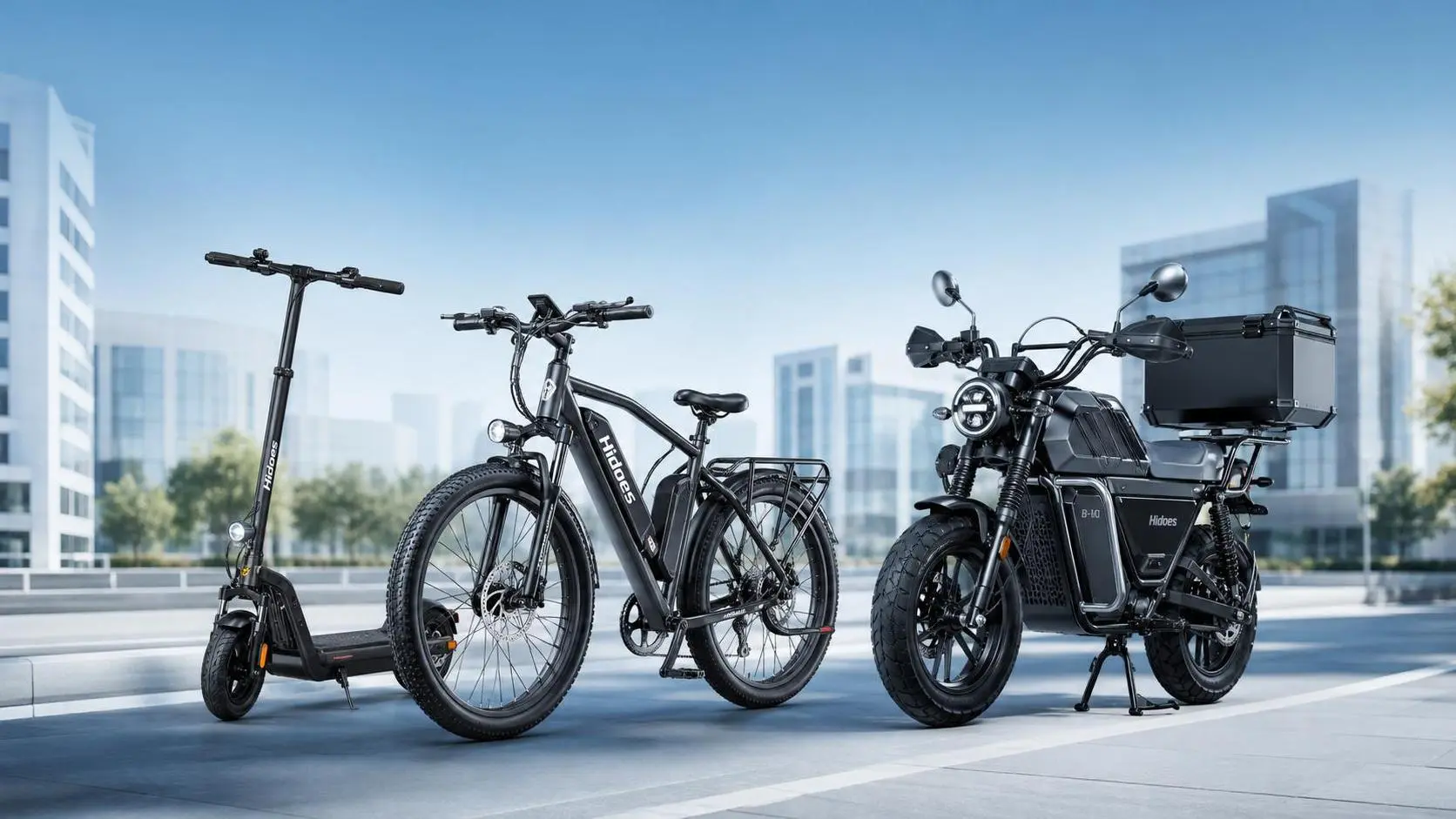
How to Choose Urban Mobility Devices for Shared Use, Campus Travel, or Delivery
Urban mobility devices for shared fleets, campus travel, or delivery require the right mix of safety, uptime, battery strategy, and serviceability—discover how to choose smarter.
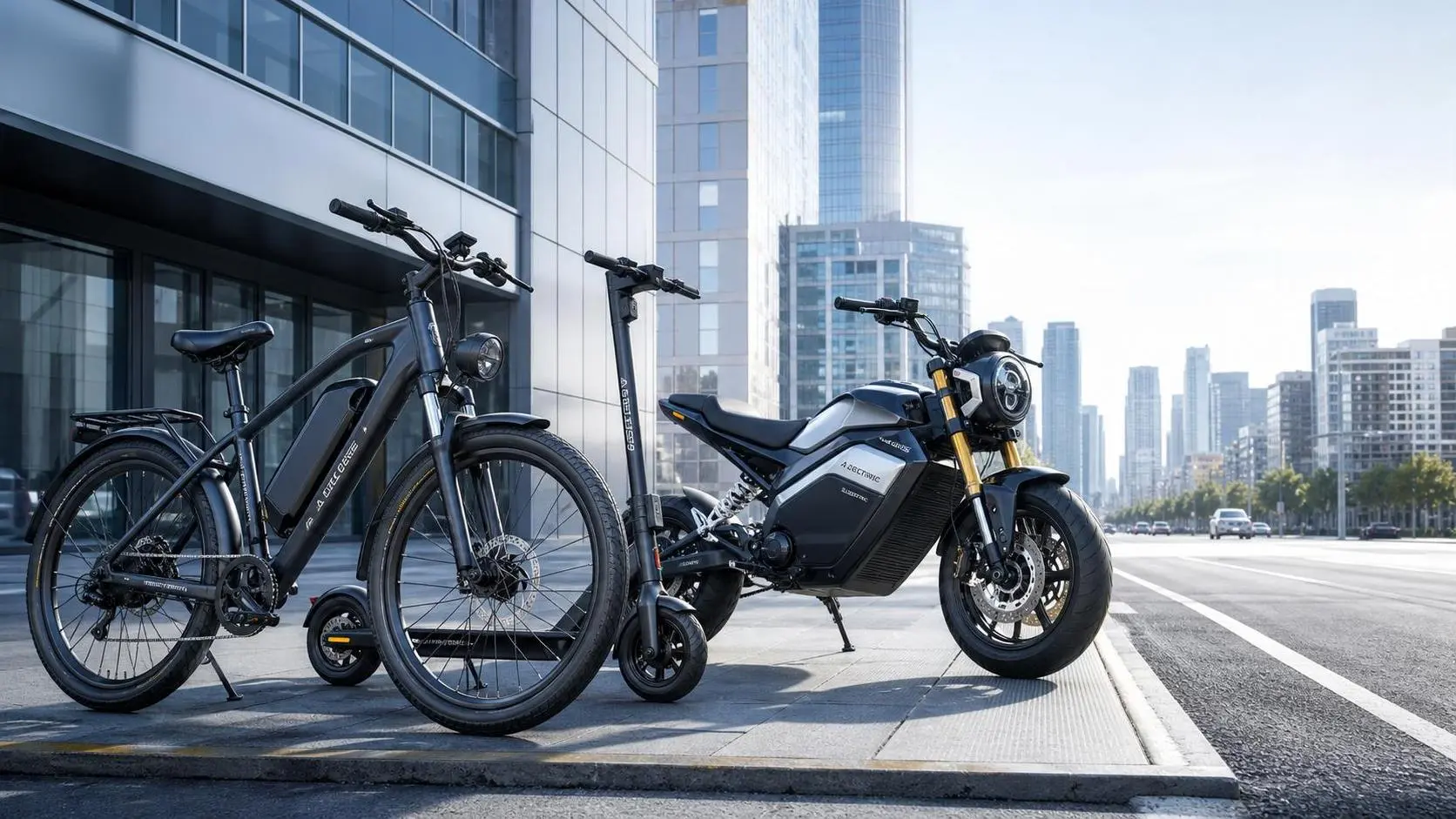
Micro Mobility USA Market: Key Regulations, Demand Signals, and Growth Segments
Micro mobility USA is entering a regulation-led growth phase. Explore key rules, demand signals, and top segments shaping e-bikes, scooters, and electric two-wheel opportunities.
Clean Urban Transport Options Explained: Which Modes Fit Dense City Routes?
Clean urban transport explained for dense city routes—compare e-bikes, smart e-scooters, and e-motorcycles to find the best fit for speed, comfort, range, and city compliance.