
Related News
- 00
0000-00
How to Select the Right E-Bike Battery Components for Range, Safety, and Fit? - 00
0000-00
E-Bike Incentives Explained: How Riders Can Find Local Rebates and Tax Credits - 00
0000-00
How to Choose Urban Commuting E-bikes for Rental Fleets by Range, Durability, and Serviceability - 00
0000-00
E-Bike Component Selection: How to Evaluate a Torque Sensor for Commuting and Cargo Use - 00
0000-00
What Drives Low Carbon E-bike Price: Materials, Battery Specs, and Compliance Costs
Micro-Mobility Strategist
Weekly Insights
Stay ahead with our curated technology reports delivered every Monday.
Electric Bike Electronics Explained: Controllers, BMS, Sensors, and Failure Points





Electric bike electronics now sit at the center of product evaluation, not at the edge of it. Motor power figures still matter, but long-term value is increasingly decided by controller behavior, BMS logic, sensor quality, wiring integrity, and diagnostic transparency. In a market shaped by urban decarbonization, tighter regulations, and export scrutiny, these subsystems determine whether an e-bike feels refined, survives daily abuse, and remains serviceable after thousands of kilometers.
For platforms such as UMMS, which track the wider micro-mobility transition across e-bikes, e-scooters, and high-speed electric two-wheelers, the electronics layer is where mechanical design meets software discipline. That is also where many hidden risks appear. Understanding electric bike electronics is therefore less about listing parts and more about reading how the system behaves as an integrated architecture.
Why electric bike electronics deserve closer attention
The commercial context has changed quickly. European commuting demand, fleet use, and stricter compliance checks have raised expectations for safety, consistency, and post-sale support.
That shift makes electric bike electronics a strategic topic. A bike can have a strong frame and proven motor, yet still fail in the field because current limiting is unstable, moisture enters a connector, or the battery pack cannot balance cells correctly.
More importantly, electronics are no longer isolated hardware blocks. They influence ride feel, charging behavior, warranty rates, software updates, and even whether a product can be diagnosed efficiently across regions.
The core architecture behind modern e-bikes
Most electric bike electronics are built around five linked domains: battery pack, battery management system, motor controller, sensing layer, and communication harness.
Battery pack and BMS
The battery pack stores energy, but the BMS decides how safely that energy can be used. It monitors cell voltage, temperature, charge state, discharge limits, and balancing behavior.
A robust BMS does more than prevent catastrophic faults. It also protects usable range, slows degradation, and improves pack consistency over time.
Controller
The controller is the decision engine of electric bike electronics. It converts battery power into motor output based on rider input, firmware rules, speed limits, and protection thresholds.
Controller quality affects acceleration smoothness, low-speed stability, hill response, thermal behavior, and regenerative features where applicable. Poor calibration often creates a bike that feels powerful on paper but inconsistent on the road.
Sensors and interface layer
Sensors translate rider action into electrical signals. Common examples include cadence sensors, torque sensors, speed sensors, brake cut-off switches, temperature sensors, and throttle inputs in permitted markets.
The display and communication bus sit on top of this layer. They deliver status information, fault codes, assist settings, and sometimes cloud-linked telemetry.
Harnesses, connectors, and sealing
These parts look secondary until failures appear. In reality, much of electric bike electronics reliability depends on cable routing, connector retention, strain relief, waterproofing, and vibration resistance.
Where performance and ride quality really come from
Ride quality is often treated as a motor issue. In practice, it is usually an electronics integration issue.
A refined system blends torque sensing, controller mapping, and motor response into a predictable assist curve. A weaker system may surge at start-up, hesitate under load, or cut power abruptly when temperature or voltage thresholds are poorly managed.
This is one reason electric bike electronics matter beyond component specification. The same nominal motor can feel very different depending on controller tuning and sensor filtering.
Sensors are becoming a major differentiator
Cadence systems still support cost-sensitive models, but torque sensing increasingly defines premium and urban commuter categories. The difference is not only comfort.
Torque sensors improve assist proportionality, reduce wasted energy, and help maintain control in traffic or on climbs. That makes them important for both rider confidence and system efficiency.
From a wider UMMS perspective, this trend mirrors what is happening across micro-mobility. Smart e-scooters, electronic shifting systems, and high-speed electric motorcycles all rely on better sensing and cleaner signal management to deliver predictable performance.
The challenge is that sensors introduce calibration dependence. If the mechanical mounting stack, firmware filtering, and environmental sealing are not aligned, the signal can become noisy even when the hardware itself is not defective.
Common failure points and what they usually reveal
Most field issues in electric bike electronics are not dramatic single-point breakdowns. They begin as intermittent behavior, reduced range, warning codes, or inconsistent assist.
- Connector corrosion often points to sealing weakness, not just bad maintenance.
- Repeated controller shutdowns may indicate thermal design limits or conservative firmware thresholds.
- Battery cut-off under moderate load can suggest voltage sag, cell aging, or poor BMS calibration.
- Erratic torque response may come from sensor alignment, bottom bracket tolerances, or signal interference.
- Display communication loss often exposes harness stress or connector retention issues.
What matters is pattern recognition. A single failure can be random. Repeated failures across climate zones, riding styles, or charge cycles usually reveal a design-level weakness.
How to assess system quality in practical terms
A useful review of electric bike electronics goes beyond the datasheet. It should connect electrical design, service logic, and real operating conditions.
Focus on integration, not isolated parts
Strong components can still produce weak outcomes when interfaces are poorly managed. Controller firmware, sensor sampling, and BMS thresholds should be examined as one system.
Check diagnostics depth
Fault reporting should be specific enough to separate battery, motor, sensor, and communication problems. Generic error codes increase service time and hide recurring design issues.
Test under real stress conditions
Bench stability is only the starting point. Thermal cycling, wet exposure, vibration, partial-charge operation, and steep-load scenarios reveal far more about electric bike electronics durability.
Review serviceability and software control
A sealed system is not automatically a good system. Access to firmware updates, calibration procedures, connector replacement, and battery health data can strongly affect lifetime cost.
Why this matters across the micro-mobility value chain
Electric bike electronics are part of a bigger industry pattern. Across two-wheeled electrification, value is moving toward systems intelligence rather than raw hardware alone.
That is why intelligence portals such as UMMS track not just market demand, but also anti-interference strategy, battery logic, thermal management, and control architectures. These are the details that shape export resilience, user trust, and long-term technical credibility.
In business terms, better electric bike electronics reduce warranty exposure, improve consistency across batches, and support cleaner positioning in a crowded market. In operational terms, they shorten troubleshooting loops and make field performance easier to predict.
A practical next step for evaluation
A useful next move is to build a comparison framework around four questions: how power is controlled, how the battery is protected, how signals are captured, and how faults are diagnosed.
That approach keeps electric bike electronics tied to measurable outcomes rather than marketing language. It also makes it easier to compare commuter models, cargo platforms, and higher-performance variants on the same logic.
When those four questions are answered clearly, the system usually tells the truth about itself. The strongest products are not simply more powerful. They are more coherent, more transparent, and far less likely to fail where daily mobility depends on them most.
Related News
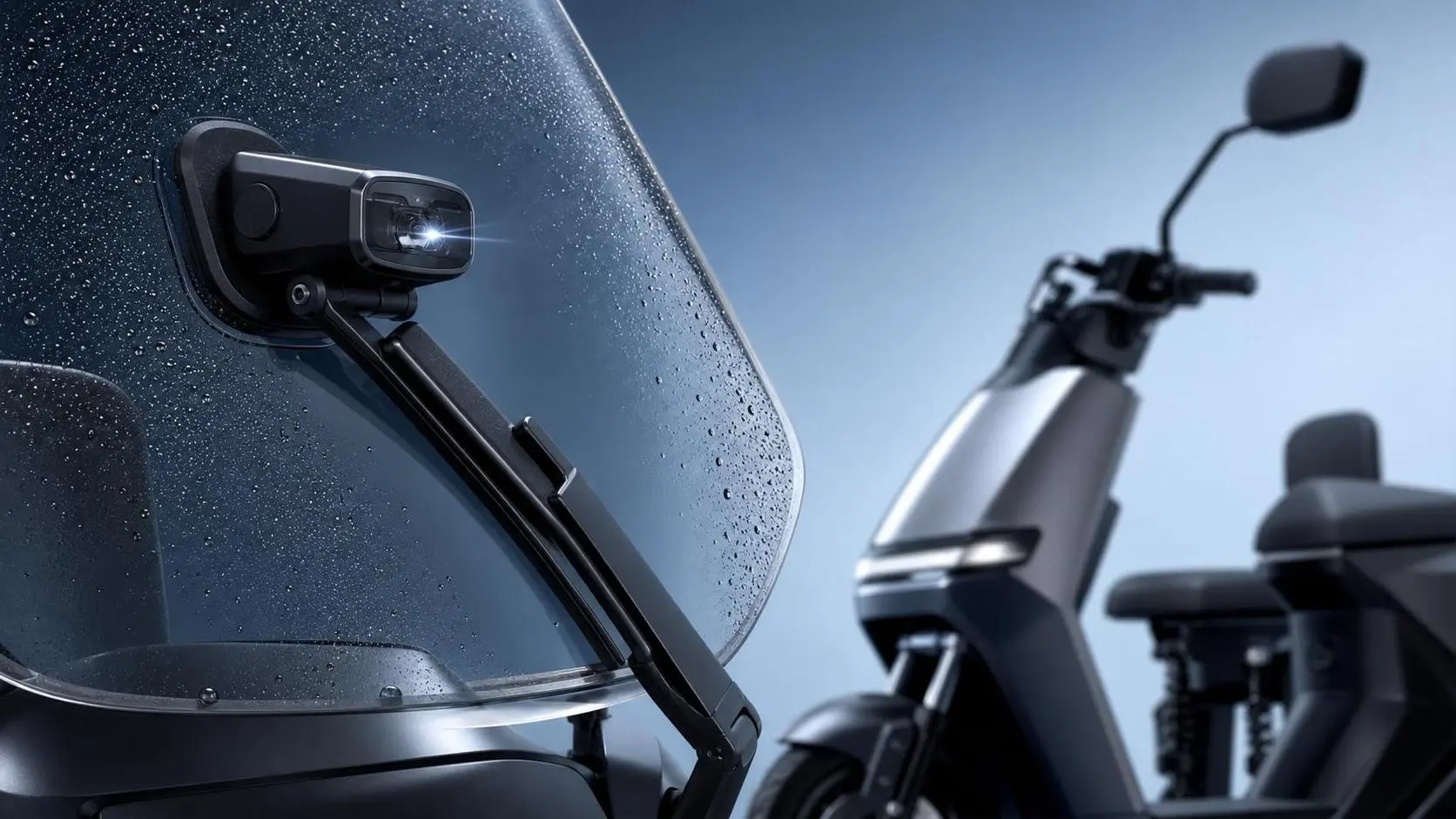
How Do Photoelectric Wiper Sensors Work and Where Are They Most Effective?
Photoelectric wiper sensors explained: learn how they detect rain, reduce false triggers, and deliver the best visibility gains in urban EVs, e-bikes, fleets, and smart mobility.
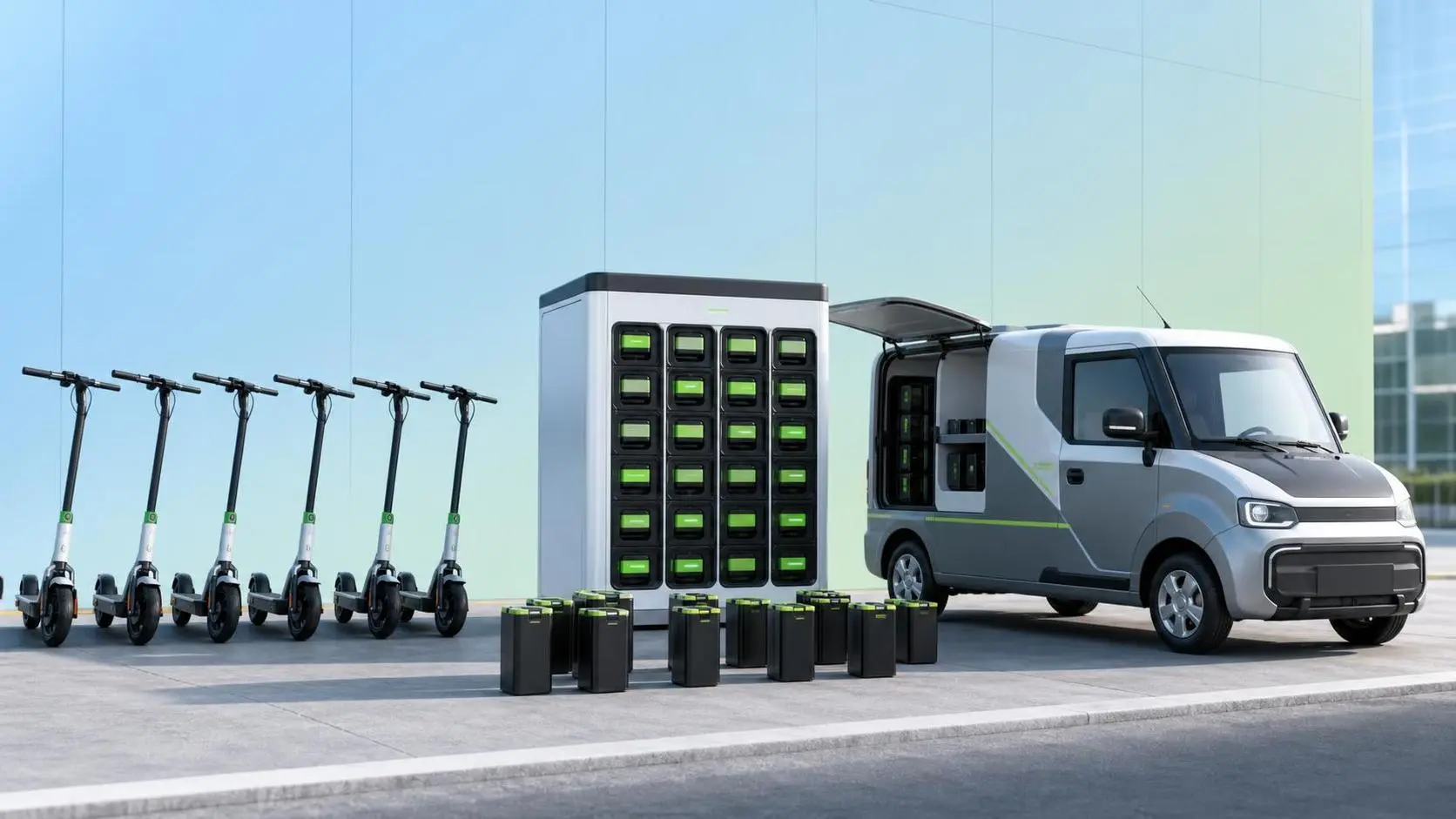
How Battery-Swapping Networks Reduce Downtime in Shared Fleet Scooter Operations
Battery-swapping networks cut scooter fleet downtime by speeding field turnaround, improving uptime in peak zones, and helping operators optimize labor, battery rotation, and service efficiency.
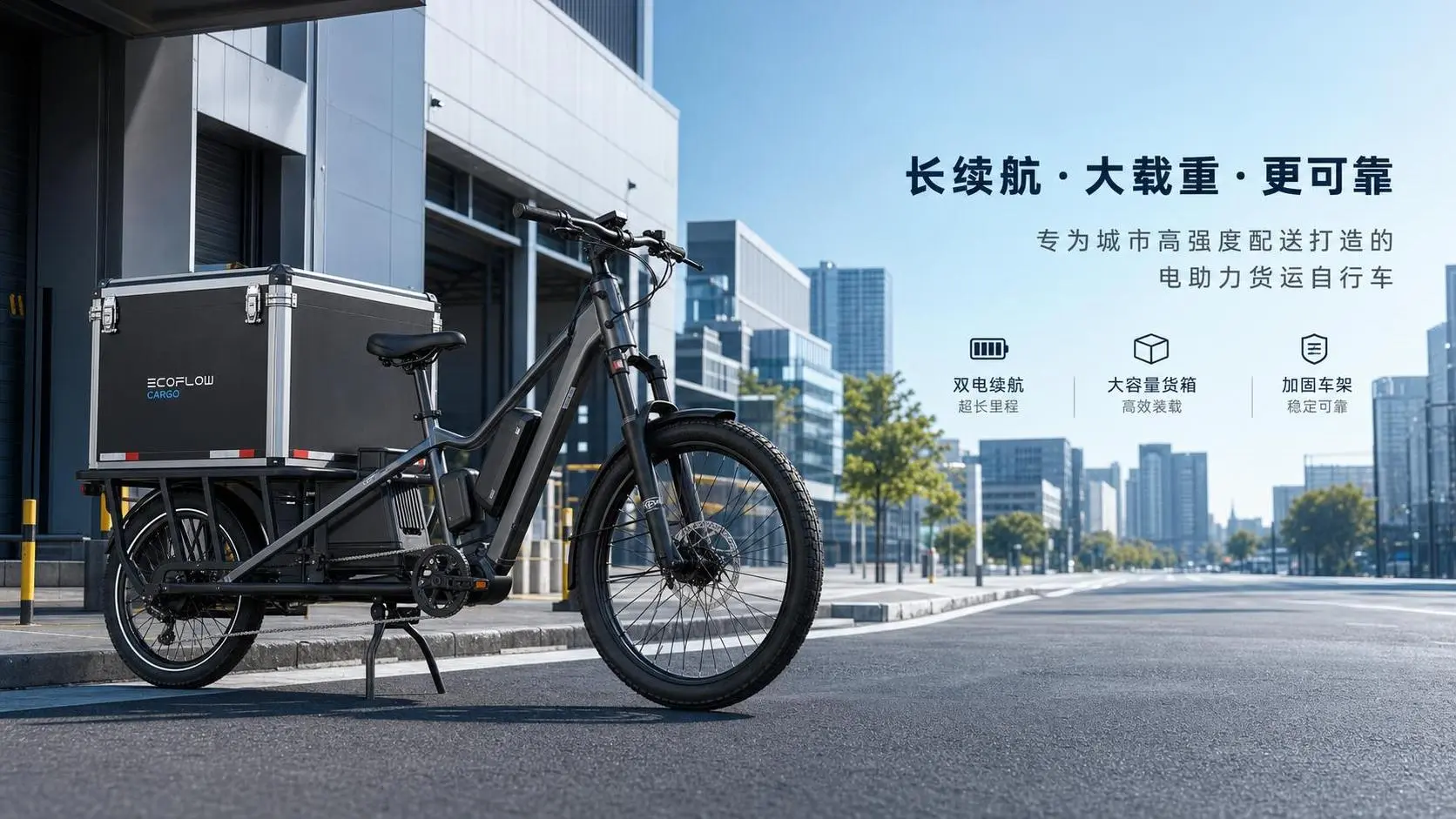
How to Choose a Long-Range Commercial Cargo E-Bike for Delivery Operations
Commercial cargo e-bike long range buying guide: learn how to assess battery, payload, route fit, and uptime support to choose a reliable delivery model with lower operating costs.
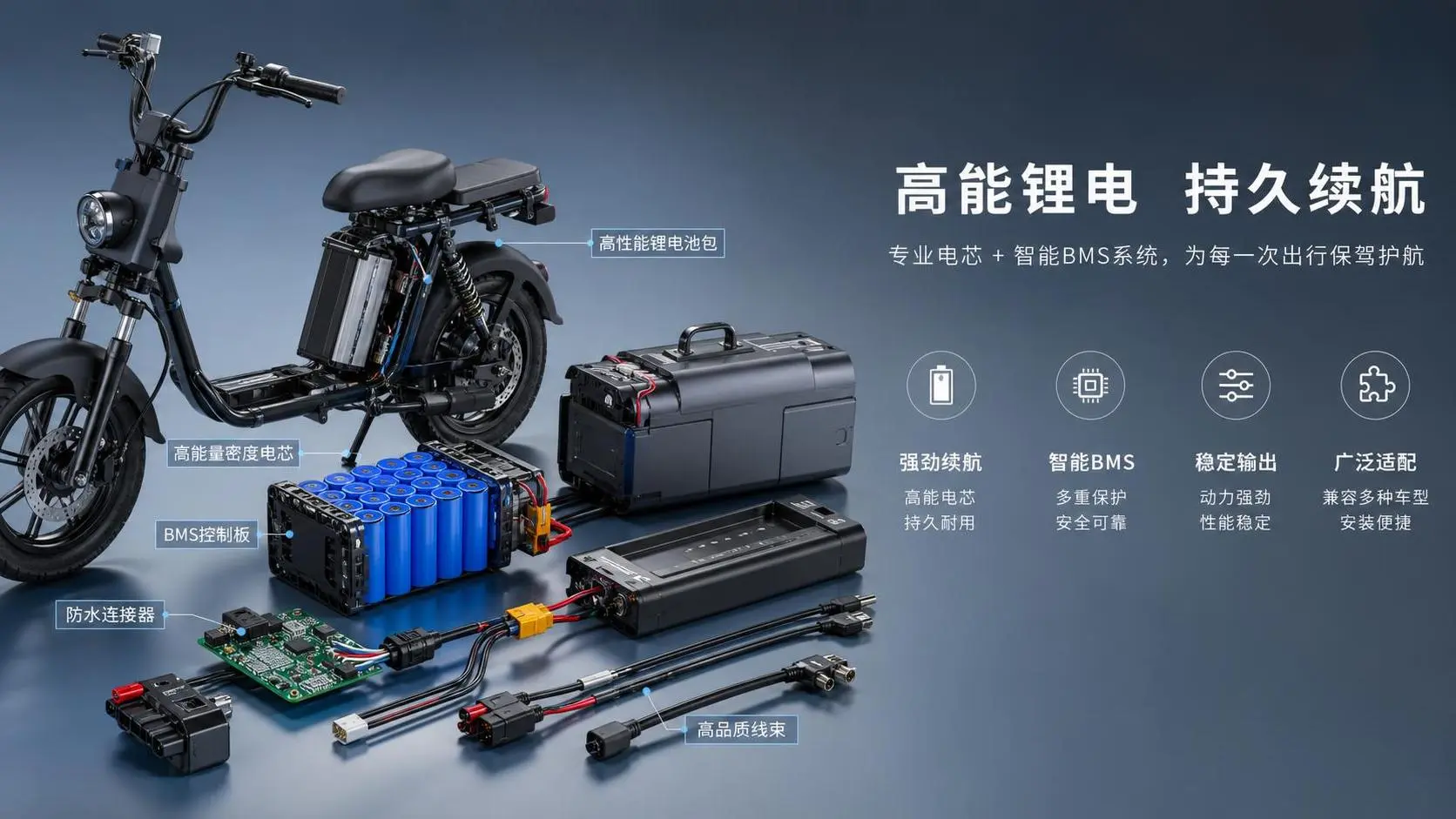
How to Select the Right E-Bike Battery Components for Range, Safety, and Fit?
E-bike component selection battery guide: learn how to choose the right battery components for better range, stronger safety, and perfect fit across modern e-bike platforms.
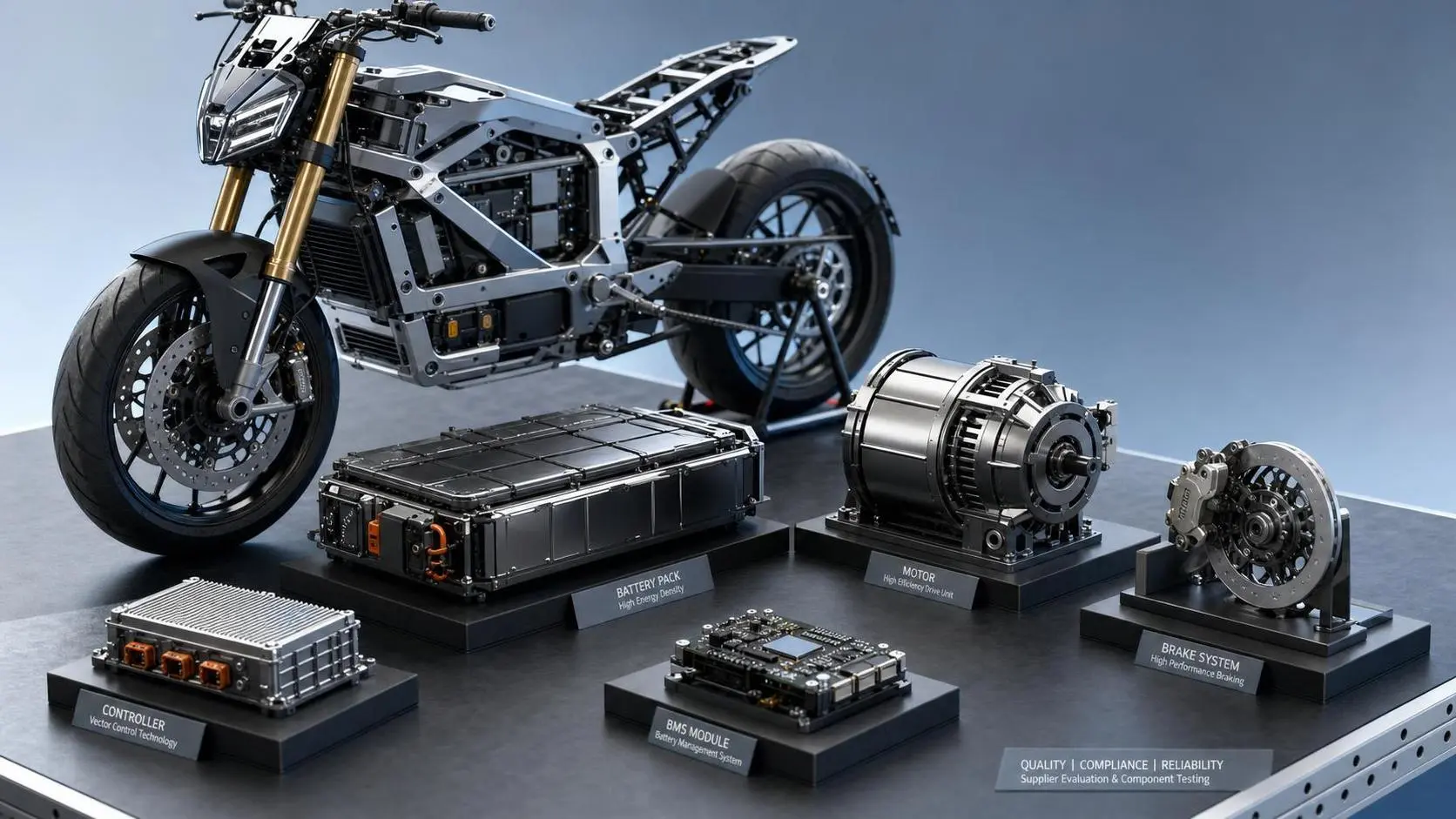
How to Evaluate Core Component Suppliers for Electric Motorcycles Before Sourcing?
Core component suppliers for electric motorcycles can make or break safety, compliance, and delivery. Learn how to assess technical strength, certifications, quality control, and hidden sourcing risks before you buy.
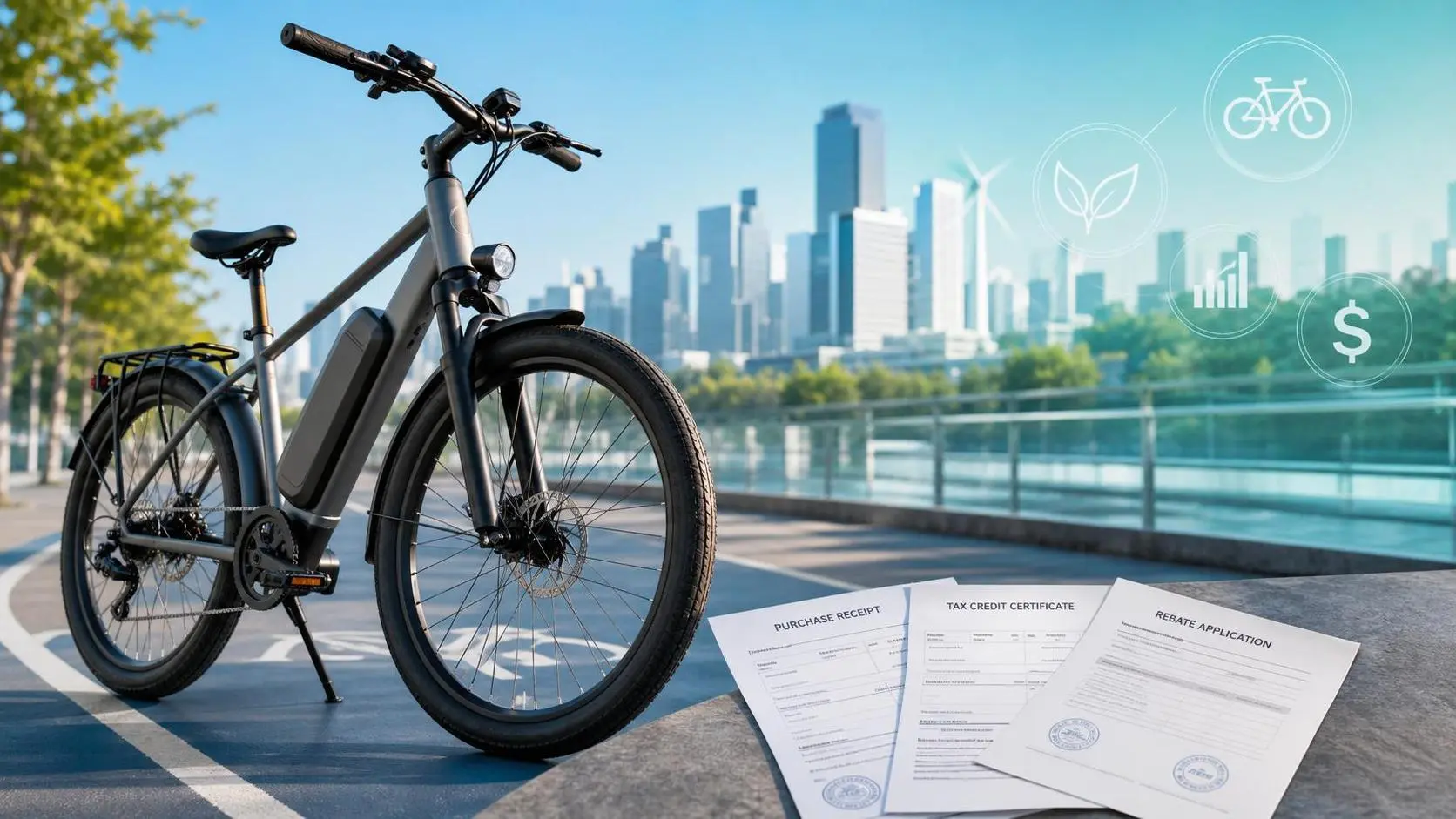
E-Bike Incentives Explained: How Riders Can Find Local Rebates and Tax Credits
E bike incentives explained: learn how to find local rebates, tax credits, and utility offers, avoid common mistakes, and cut the real cost of your next e-bike.
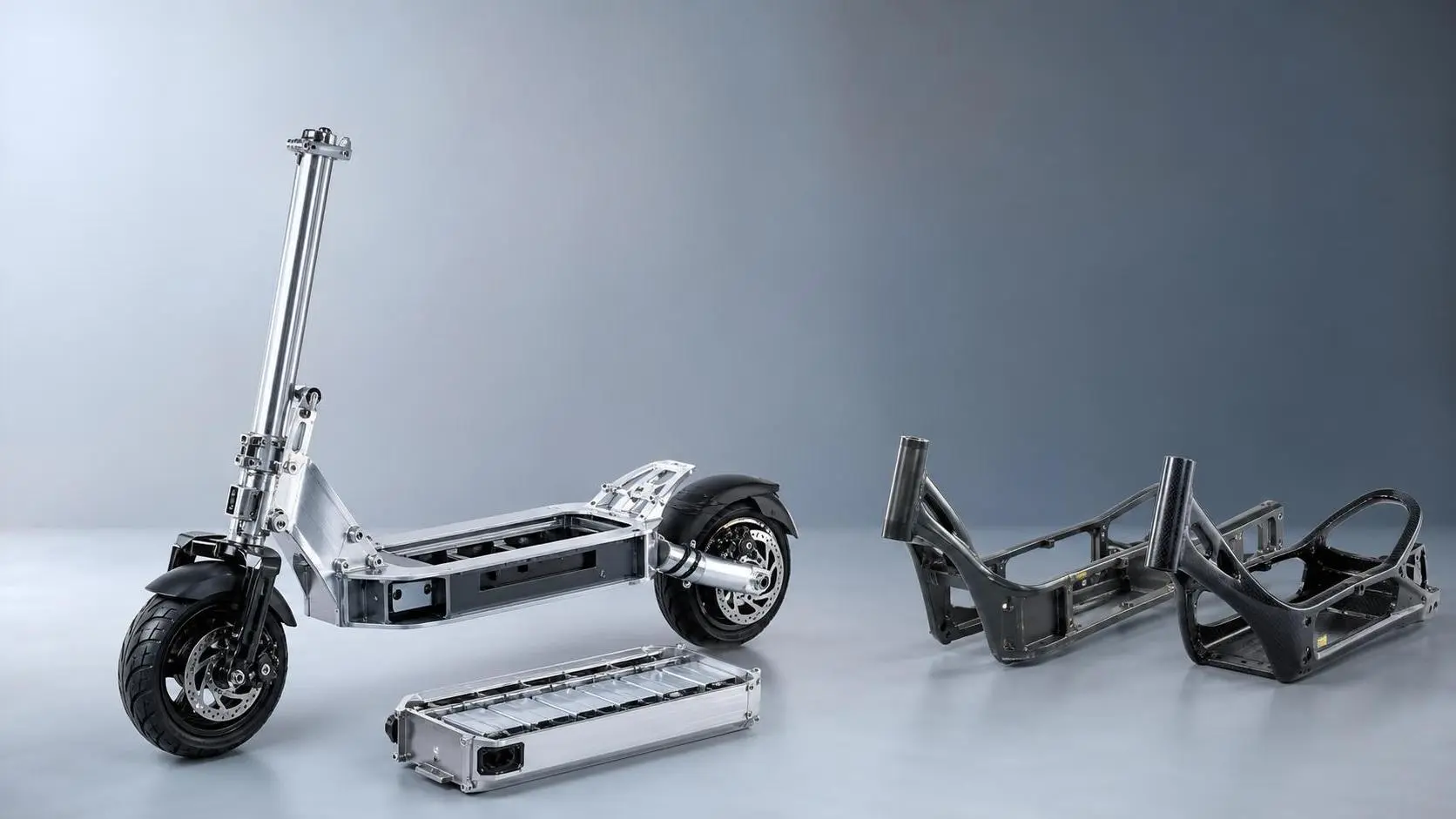
How to Choose Lightweight Scooter Frames in Europe: Materials, Standards, and Use Cases
Lightweight scooter frames Europe buyers need should balance materials, EN standards, durability, and real use cases. Discover how to choose safer, smarter, compliant frames.
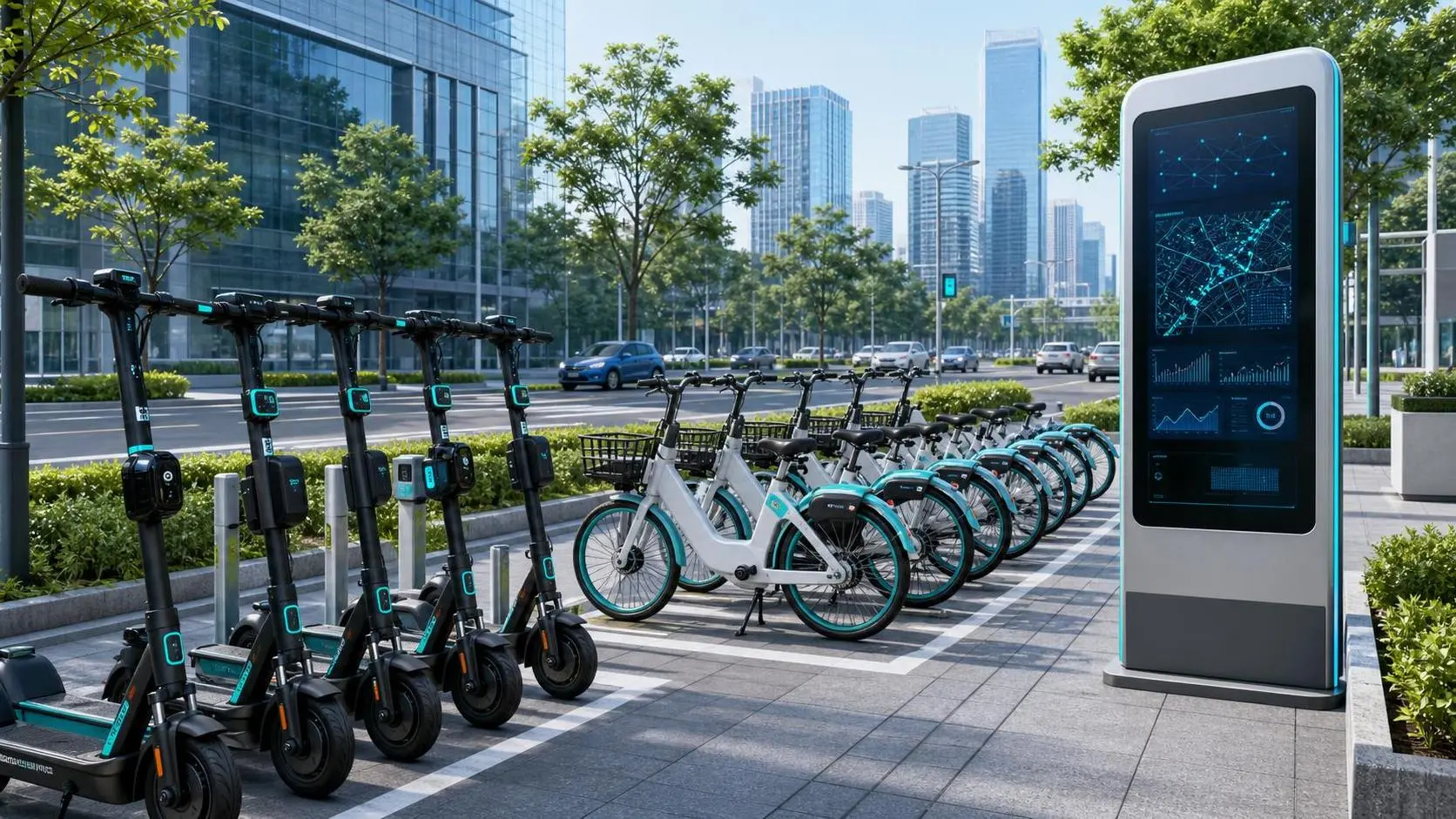
What Is the Intellectualization of Mobility Platform and How Is It Applied in Shared Fleets?
Intellectualization of mobility platform is reshaping shared fleets with real-time data, predictive maintenance, and smarter compliance—learn how it boosts safety, uptime, and urban mobility efficiency.
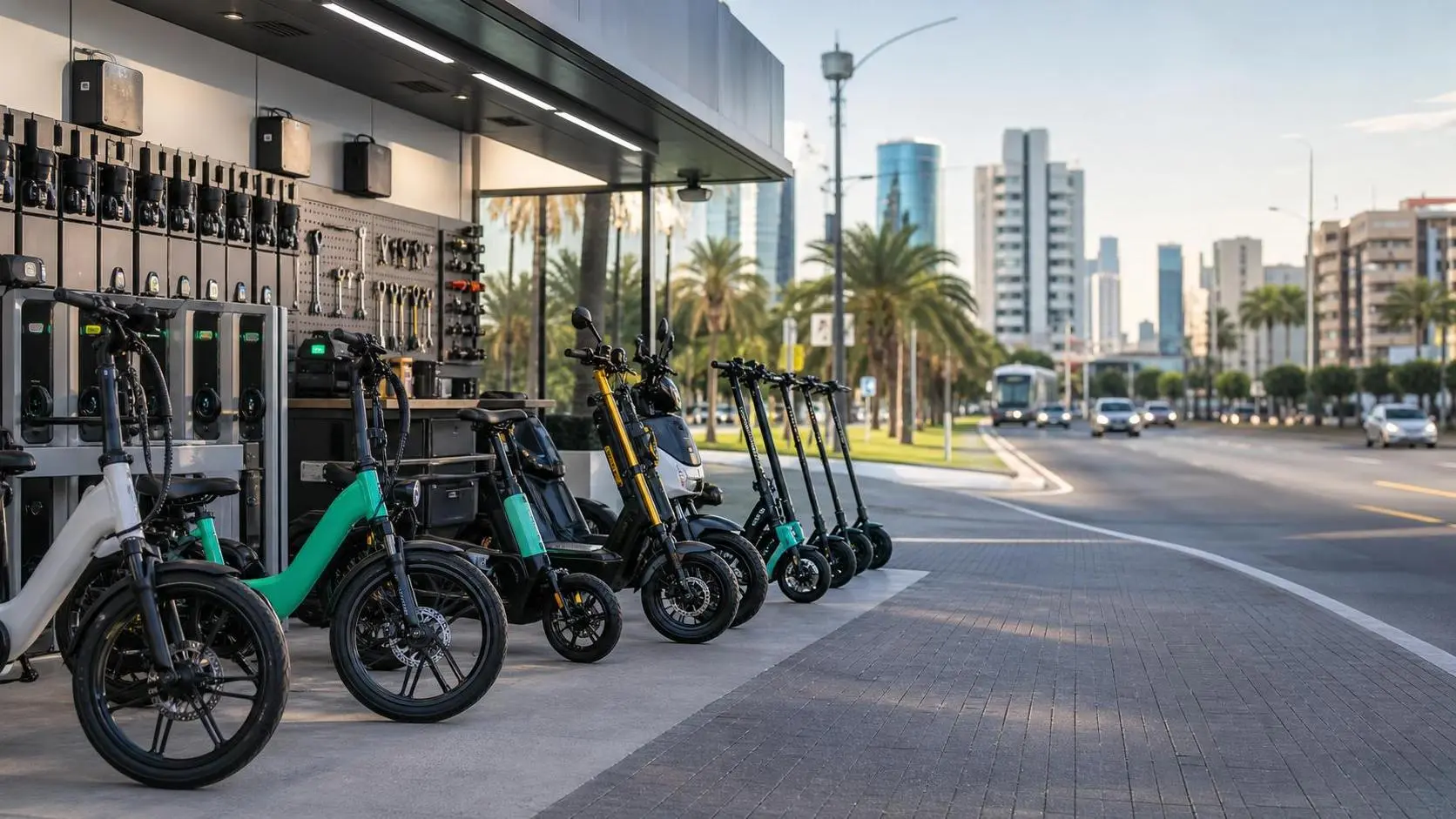
Urban Micro-Mobility Systems in Latin America: Key Market Drivers, Barriers, and Growth Segments
Urban micro-mobility systems Latin America are reshaping city transport. Explore key drivers, barriers, and high-growth segments to spot the region’s most investable opportunities.