
Related News
- 00
0000-00
Smart Urban Travel Options Explained: Which Electric Commuter Setup Fits Daily City Use? - 00
0000-00
Green Scooter Demand: Which Buyer Segments and City Use Cases Are Growing Fast? - 00
0000-00
Urban Congestion E-Bike Solutions: What to Look for in Stop-and-Go City Commuting - 00
0000-00
E Bike Controllers Explained: How to Match Voltage, Current, and Riding Mode - 00
0000-00
Electric Bike Technology for Daily Commuting: Which Features Matter Most?
Micro-Mobility Strategist
Weekly Insights
Stay ahead with our curated technology reports delivered every Monday.
Urban traffic innovation pilots in Lisbon: e-bike priority at roundabouts improves intersection throughput by 22%





Urban traffic innovation is no longer theoretical—it’s being stress-tested at Lisbon’s roundabouts, where e-bike priority lanes have boosted intersection throughput by 22%. For transportation planners navigating the convergence of micro-mobility adoption, infrastructure equity, and decarbonization mandates, this pilot offers actionable insights into low-cost, high-impact interventions. As UMMS reports, such real-world validations underscore how intelligent right-of-way allocation—grounded in behavioral data, vehicle kinematics, and modal hierarchy—can reshape urban flow without capital-intensive reconstruction. This case bridges strategic vision with operational precision: a benchmark for cities scaling sustainable two-wheeler integration.
Lisbon’s Roundabout Intervention Marks a Turning Point in Urban Traffic Innovation
The pilot, launched in Q3 2023 across six high-volume roundabouts in Lisbon’s central districts—including Marquês de Pombal and Campo Grande—introduced dedicated e-bike approach lanes, dynamic signage, and adaptive signal phasing synchronized with bicycle-mounted Bluetooth beacons.
Unlike conventional bike lanes, these zones are *kinematically optimized*: curvature radii adjusted for e-bike acceleration profiles (0–25 km/h in ≤3.2 s), surface friction enhanced via textured polymer overlays, and sightlines widened to accommodate higher average speeds and reduced braking distances.
Crucially, the intervention did not require lane removal or road widening. Instead, it repurposed existing curb-to-curb geometry using modular thermoplastic markings and solar-powered LED delineators—delivering ROI within 8 weeks.
Three Structural Drivers Accelerating Urban Traffic Innovation Adoption
- Regulatory Momentum: EU Regulation (EU) 2023/1337 now mandates “modal prioritization protocols” in all cohesion-funded urban mobility projects—explicitly referencing e-bike throughput metrics as compliance indicators.
- Behavioral Shifts: Lisbon saw a 41% YoY rise in registered e-bikes (2022–2023), with 68% of new riders citing “perceived safety at intersections” as their top decision factor—outpacing battery range and price sensitivity.
- Technical Convergence: Integration of GNSS-RTK positioning, V2X broadcast latency under 80 ms, and ISO 26262-compliant torque vectoring logic enabled real-time priority arbitration—no retrofitting required for Class I/II e-bikes compliant with EN 15194:2017+A1:2021.
Operational Impacts Across Mobility Ecosystem Layers
The 22% throughput gain reflects compound improvements—not just speed, but system-level efficiency:
- Vehicle dwell time at roundabouts fell from 42.3 s to 31.7 s (−25%).
- E-bike stop-start cycles decreased by 37%, directly extending motor controller lifespan and reducing regenerative braking wear.
- Pedestrian crossing conflicts dropped 53% due to predictable e-bike trajectory clustering—enabling safer shared-space design elsewhere.
- Emergency vehicle response times improved by 9.4% on adjacent arterials, validating cross-modal ripple effects.
These outcomes extend beyond infrastructure. They recalibrate OEM design priorities: frame stiffness requirements now include lateral load tolerance during high-speed roundabout entry; battery thermal management systems must sustain peak discharge for repeated 12-s bursts; and firmware stacks increasingly embed geofenced “intersection assist” modes.
Five Non-Negotiable Focus Areas for Micro-Mobility Stakeholders
- Right-of-way algorithm transparency: Municipal tenders now require open-source documentation of priority arbitration logic—not just black-box API access.
- Kinematic compliance certification: EN 15194 updates (expected Q2 2025) will introduce mandatory roundabout maneuver validation for CE marking.
- Multi-modal data sovereignty: Cities demand local edge processing of beacon data—prohibiting cloud-only telemetry architectures.
- Component-level interoperability: Derailleur shift timing must align with torque assist ramp rates during deceleration-to-acceleration transitions.
- Thermal resilience testing: Wiper motors and brake calipers undergo simultaneous 45°C ambient + 85% RH cycling—mirroring Lisbon’s summer roundabout microclimate.
Strategic Response Framework: From Observation to Deployment
Next Steps: Embedding Urban Traffic Innovation Into Product Roadmaps
Lisbon’s success is not replicable through copy-paste infrastructure. It is transferable through disciplined translation: converting intersection throughput gains into measurable component specifications, firmware behaviors, and certification pathways.
UMMS recommends three immediate actions:
- Integrate roundabout kinematic profiles into motor control unit (MCU) validation test suites—prioritizing transient torque fidelity over steady-state efficiency.
- Collaborate with municipal data offices to co-develop open APIs for right-of-way priority signaling—avoiding proprietary lock-in that impedes fleet interoperability.
- Update electronic derailleur timing specs to synchronize with e-bike assist cut-off during deceleration phases—reducing chain wear by up to 31% in stop-and-go roundabout corridors.
Urban traffic innovation has shifted from policy debate to performance metric. Lisbon proves that when e-bike dynamics inform geometry—and when infrastructure listens to vehicles—the result is not just faster commutes, but smarter, safer, and more resilient cities. The next benchmark won’t measure kilometers per charge. It will measure vehicles per hour, per square meter, per watt.
Related News
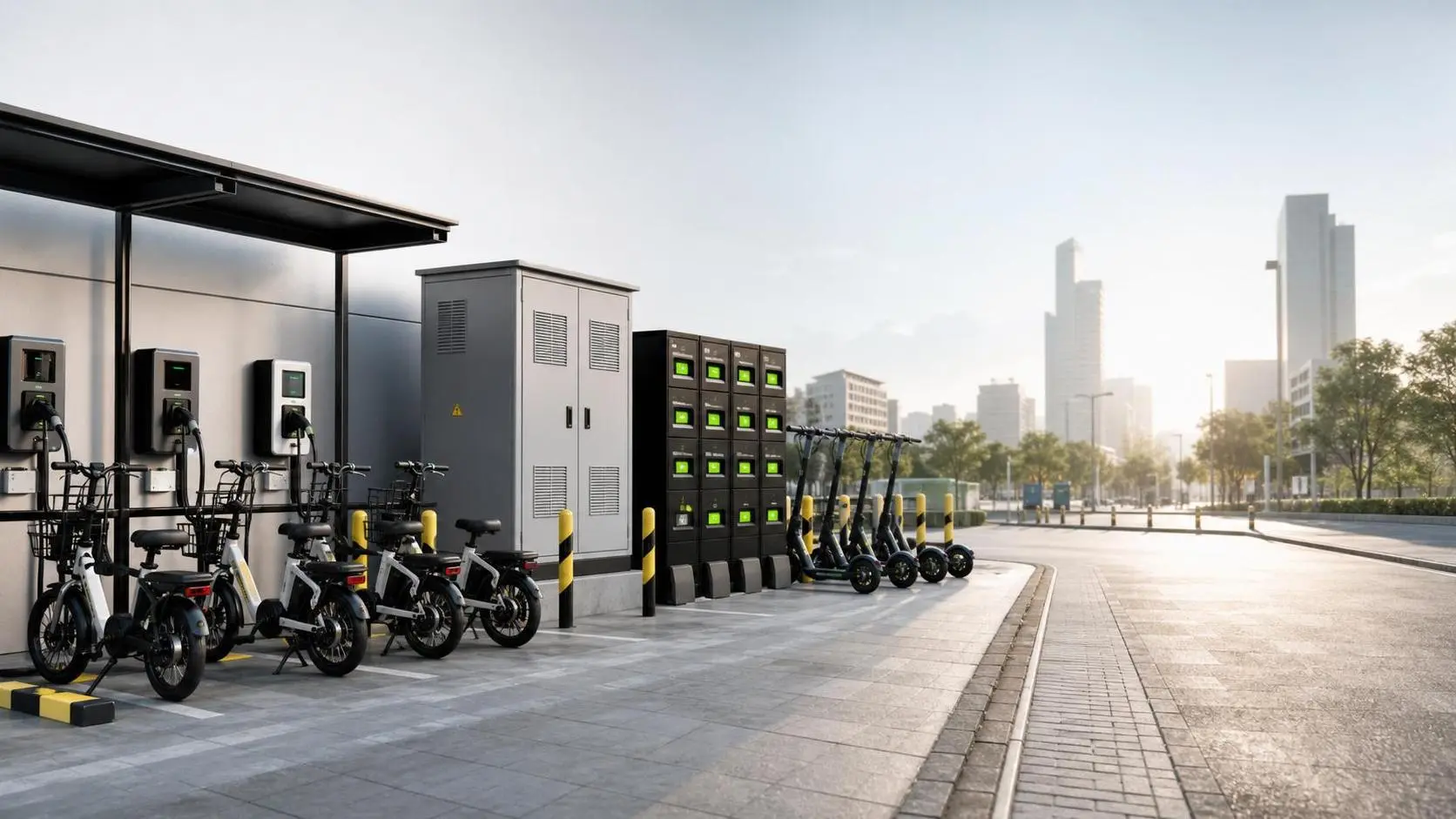
Urban Charging Infrastructure Costs: What Drives CAPEX, OPEX, and ROI by Deployment Type
Urban charging infrastructure costs vary by deployment type. Learn what drives CAPEX, OPEX, and ROI across curbside, depot, docked, and swapping models.
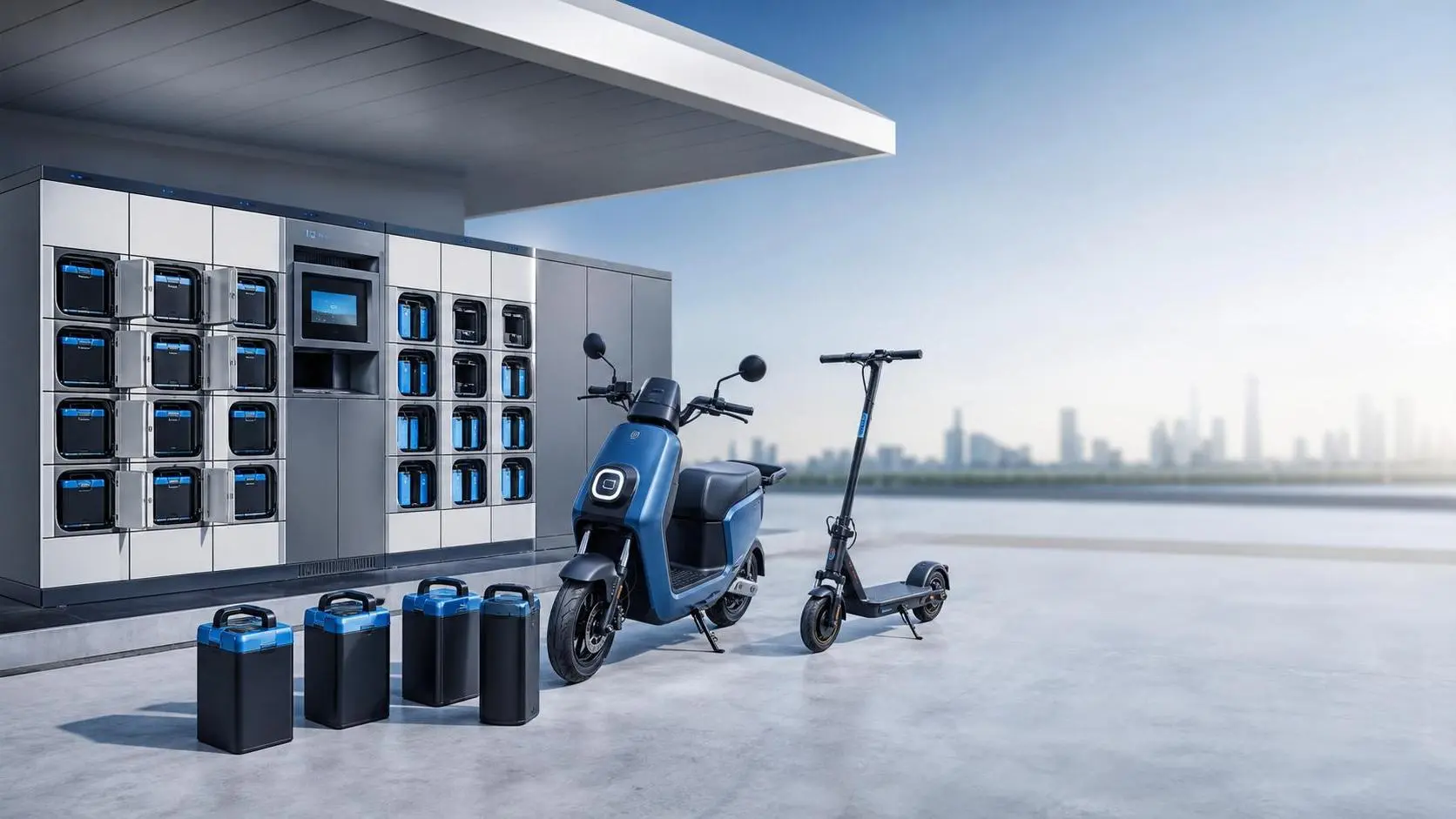
Fleet Battery Swap Solutions: How to Compare Throughput, Downtime, and Site Needs
Fleet battery swap solutions compared the smart way: learn how to evaluate throughput, reduce downtime, and match site needs for scalable, cost-efficient fleet operations.
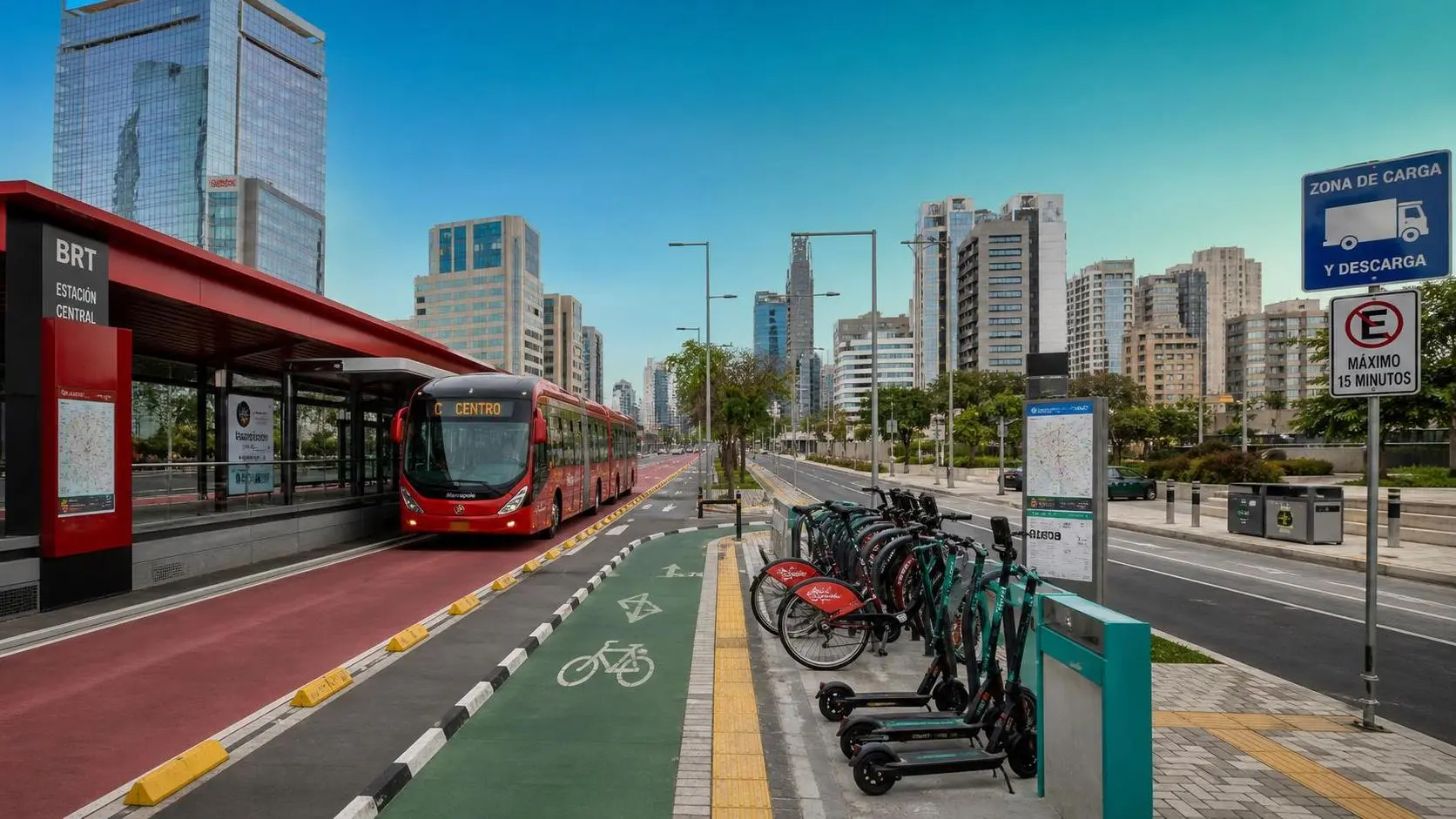
Urban Traffic Solutions in Latin America: Which Models Fit Dense City Corridors?
Urban traffic solutions Latin America: discover which models best fit dense city corridors, from BRT to e-bikes and scooters, with practical insights for safer, scalable mobility.
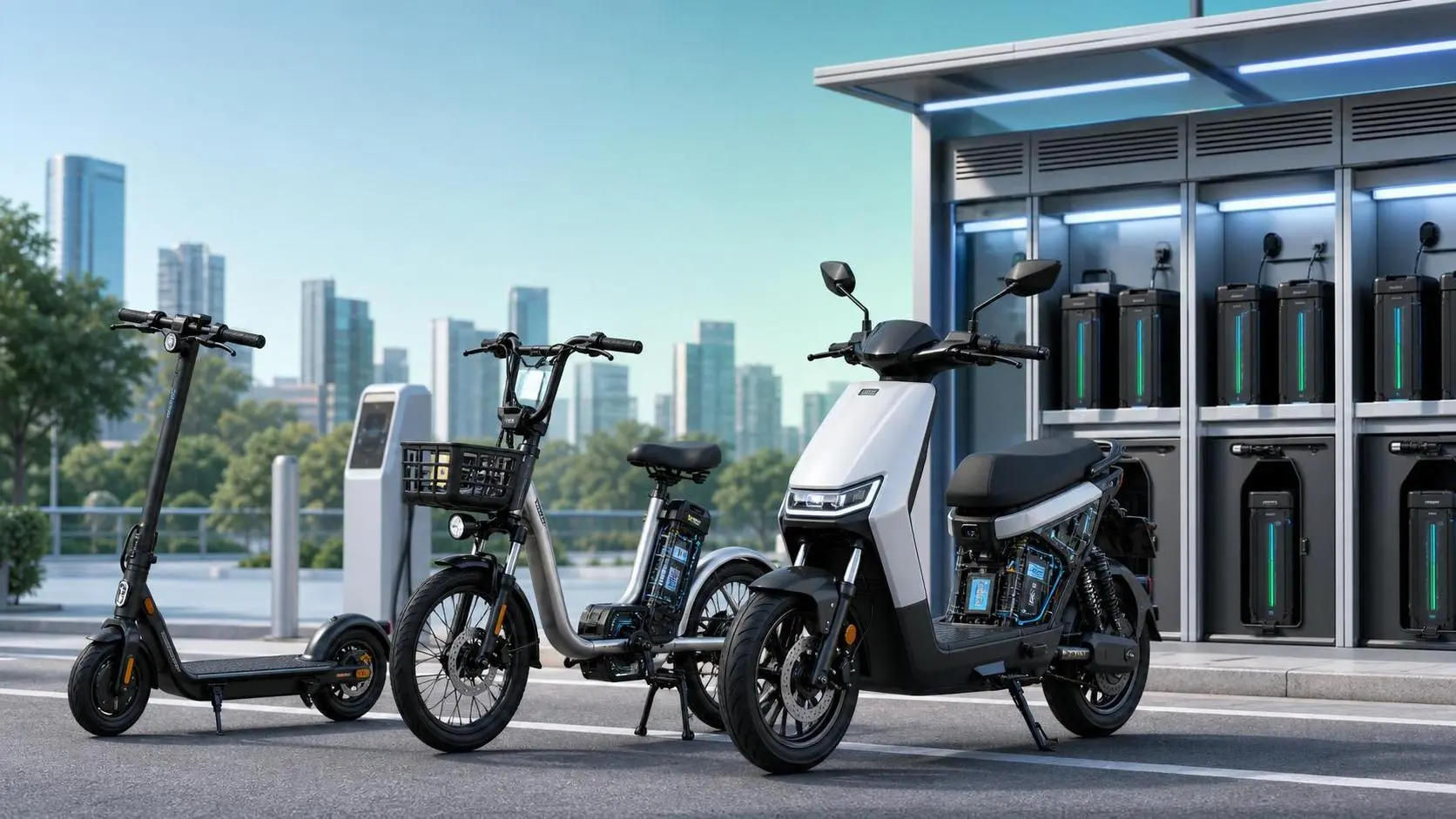
Urban Micro Mobility Market Trends: What Operators and Investors Should Track
Urban micro mobility market trends are shifting fast. Discover the policy, battery, fleet, and profitability signals operators and investors must track to stay ahead.
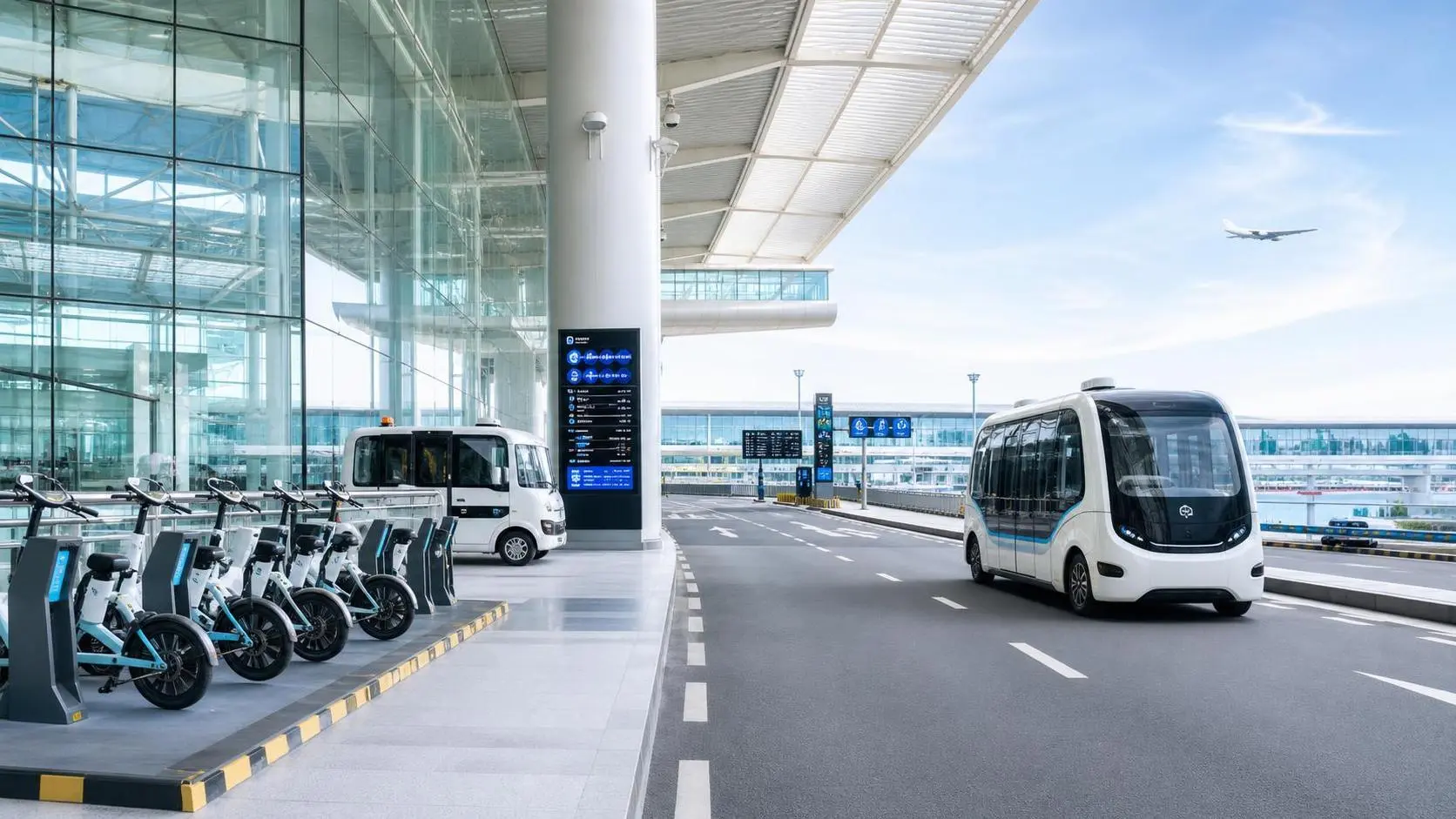
Airport Smart Mobility Explained: Key Systems, Use Cases, and Planning Priorities
Airport smart mobility explained: discover key systems, practical airport use cases, and planning priorities to improve efficiency, sustainability, and passenger experience.
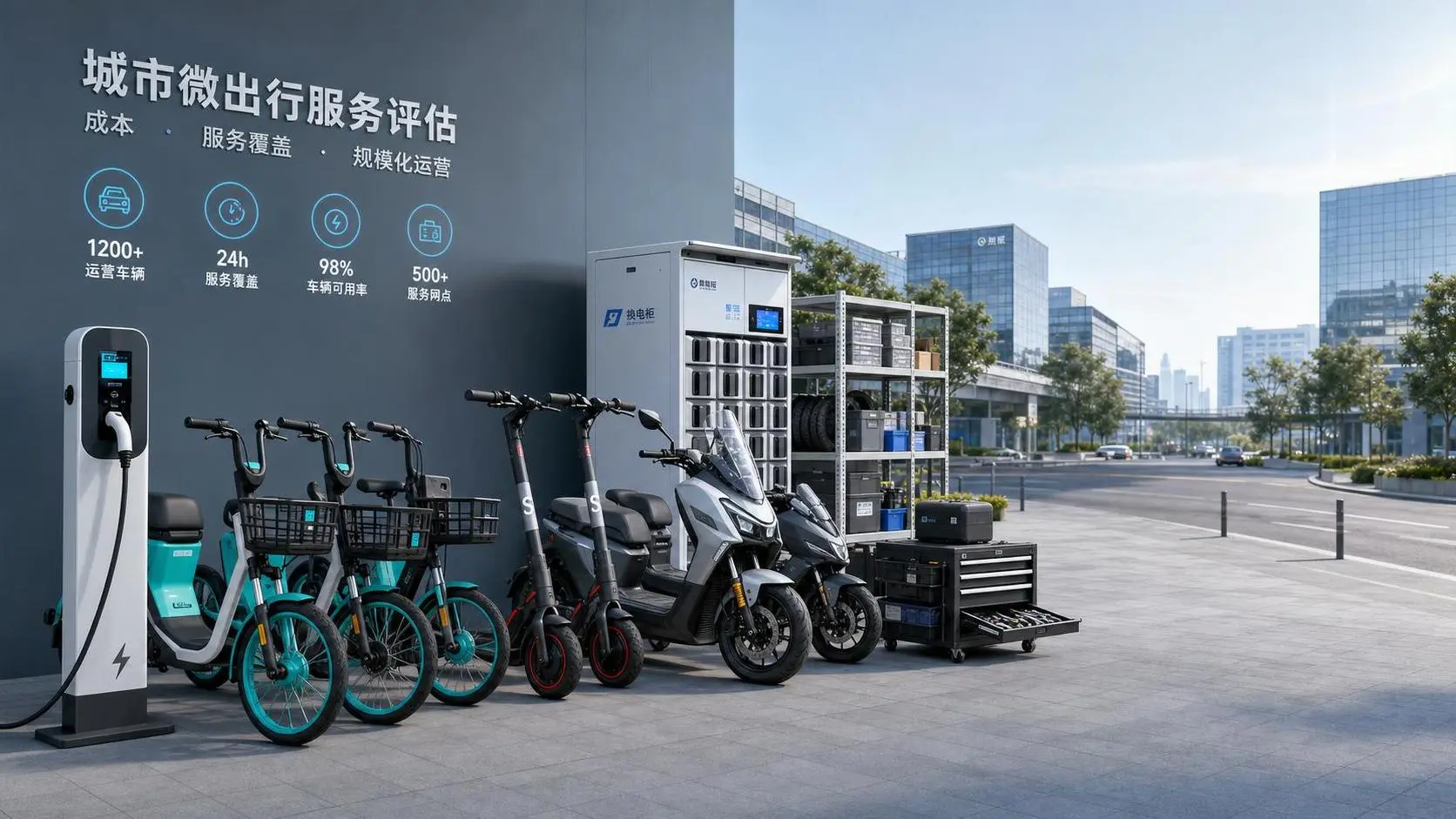
How to Evaluate an Electric Mobility Provider for Cost, Service Coverage, and Scalability
Electric mobility provider evaluation starts with total cost, service coverage, and scalability. Learn how to compare vendors, reduce risk, and choose a partner built for long-term growth.

Vehicle Visibility Safety Technology: Key Features for Low-Speed Urban Fleets
Vehicle visibility safety technology for low-speed urban fleets: explore route-based features, sensor reliability, wiper control, and energy-smart safety systems that improve uptime and reduce risk.

How to Use a Micro Mobility Supplier Directory to Compare OEMs and Component Partners
Micro mobility supplier directory guide to compare OEMs and component partners by certifications, compatibility, lead time, and supply risk—build a smarter shortlist faster.
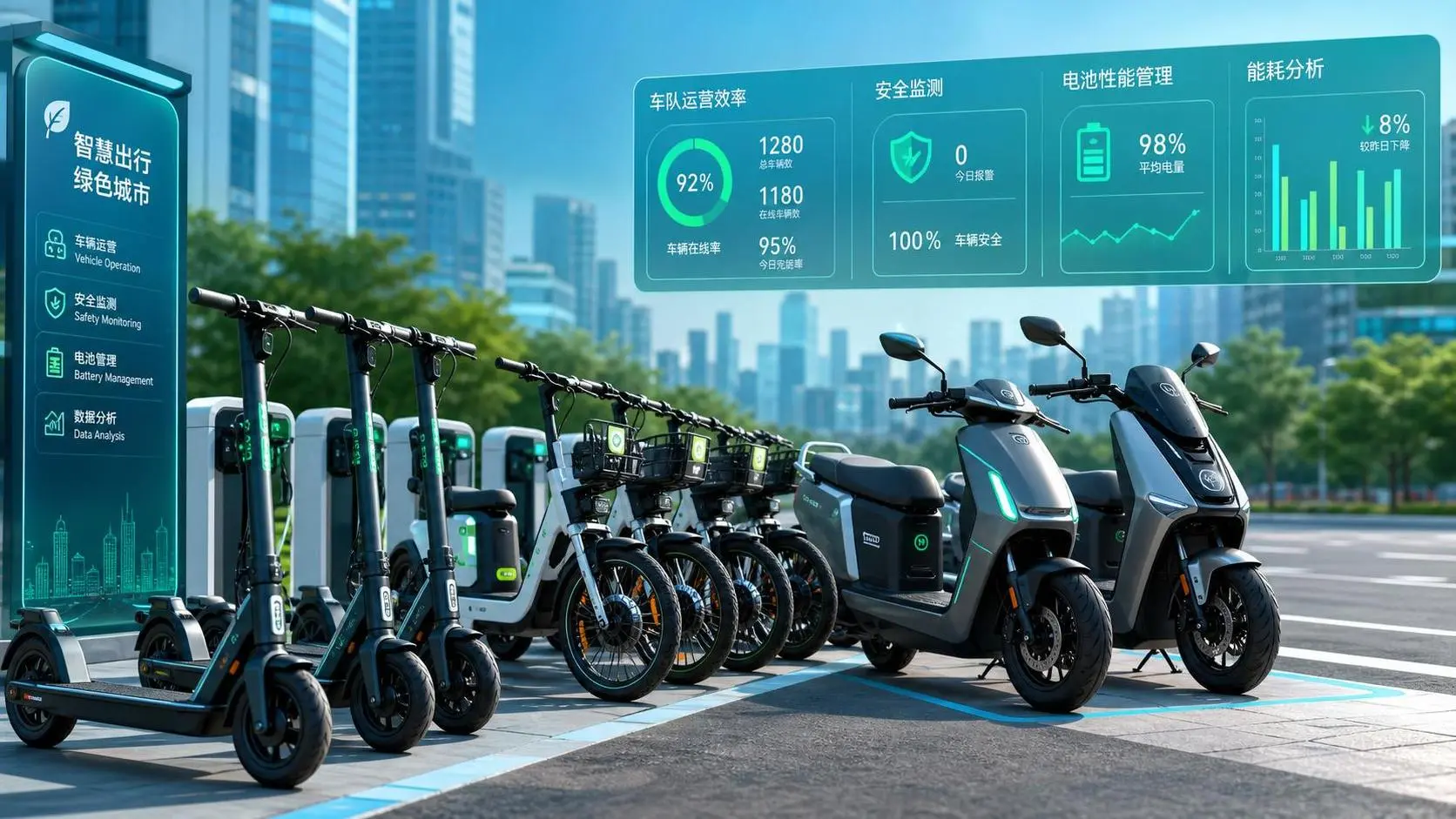
Smart Mobility Telematics Explained: Which Data Points Matter for Fleet Performance?
Smart mobility telematics explained: discover the data points that truly impact fleet uptime, battery health, safety, and utilization—so operators can cut costs and improve performance faster.