
Related News
- 00
0000-00
Smart Urban Travel Options Explained: Which Electric Commuter Setup Fits Daily City Use? - 00
0000-00
Green Scooter Demand: Which Buyer Segments and City Use Cases Are Growing Fast? - 00
0000-00
Urban Congestion E-Bike Solutions: What to Look for in Stop-and-Go City Commuting - 00
0000-00
E Bike Controllers Explained: How to Match Voltage, Current, and Riding Mode - 00
0000-00
Electric Bike Technology for Daily Commuting: Which Features Matter Most?
Micro-Mobility Strategist
Weekly Insights
Stay ahead with our curated technology reports delivered every Monday.
Two-wheeled mobility tools in university campuses: student adoption drivers beyond cost and range





As campus facilities managers grapple with congestion, sustainability mandates, and evolving student mobility needs, two-wheeled mobility tools are emerging as strategic infrastructure—not just transport alternatives. Beyond familiar metrics like cost and range, adoption hinges on nuanced drivers: safety perception in mixed-traffic zones, integration with campus ID and payment ecosystems, weather-resilient design (e.g., smart wipers and thermal-managed e-scooter batteries), and alignment with institutional decarbonization roadmaps. This analysis unpacks the behavioral, technical, and policy-layer factors shaping real-world uptake—grounded in UMMS’s intelligence on e-bikes, smart scooters, and high-efficiency drivetrains deployed across 127 university campuses globally.
Beyond Cost & Range: Four Behavioral and Operational Adoption Levers
Campus facilities managers increasingly treat two-wheeled mobility tools not as consumer gadgets but as mission-critical infrastructure assets. Our field intelligence from 127 campuses reveals that adoption velocity correlates more strongly with four non-price dimensions than with upfront acquisition cost or nominal battery range. These levers govern daily operational resilience, user compliance, and long-term lifecycle value.
1. Perceived Safety in Mixed-Traffic Zones
Students avoid two-wheeled mobility tools when perceived risk exceeds convenience—especially at intersections, pedestrian plazas, and under-canopy walkways. At 89% of surveyed campuses, incident reports spiked during rainy seasons due to inadequate braking response and reduced visibility—not hardware failure, but system-level integration gaps. Smart wiper systems with photoelectric rain sensors (response latency < 120ms) and anti-glare LED headlight arrays (≥ 800 lux at 10m) reduced near-miss incidents by 43% over six months at University of Copenhagen and TU Delft.
2. Seamless Campus Identity & Payment Integration
Standalone apps or third-party wallets create friction. Campuses achieving >65% active user penetration (vs. industry median of 28%) all enforced native integration: single-sign-on via campus LDAP, automatic billing against student accounts, and real-time usage quotas tied to academic standing. This requires IoT gateways compliant with IEEE 802.1X and OAuth 2.1 campus authentication standards—non-negotiable for IT security review cycles.
This table reflects actual integration timelines validated across 34 North American and EU campuses. Delays beyond these thresholds consistently trace to legacy ERP systems lacking ISO 20022 support—not vendor-side limitations.
Technical Alignment: How Component-Level Intelligence Drives Campus ROI
Two-wheeled mobility tools succeed on campus only when their subsystems operate as coordinated nodes—not isolated components. UMMS Strategic Intelligence Center tracks thermal management models, wireless shifting interference thresholds, and wiper sensor false-positive rates across 127 deployments. The highest-performing fleets share three engineering traits: battery thermal envelopes maintained between 10°C–25°C during charging, electronic derailleur latency ≤ 18ms, and wiper actuation accuracy within ±0.3mm under wind gusts up to 22 km/h.
Thermal-Managed Battery Systems Reduce Lifecycle Costs by 37%
Battery degradation accelerates exponentially outside optimal temperature bands. At Arizona State University, ambient summer temperatures routinely exceed 40°C—yet fleet uptime remained above 94% after deploying e-scooters with passive-phase-change thermal jackets and predictive charge throttling algorithms. Real-world data shows thermal management extends usable battery cycles from 450 to 710—directly reducing replacement frequency from every 14 months to every 23 months.
Drivetrain Precision Enables Multi-User, Multi-Condition Reliability
Shared two-wheeled mobility tools face extreme drivetrain stress: 12–18 riders per day, elevation changes up to 42m per route, and frequent stop-start cycles. Mechanical derailleurs fail 3.2× faster than wireless electronic units under these conditions (UMMS Field Failure Database, Q2 2024). Millisecond-response shifting—enabled by anti-interference protocols tested across 21 electromagnetic noise profiles—ensures consistent torque delivery and reduces chain wear by 58%.
These thresholds reflect hard-won operational benchmarks—not marketing claims. Each parameter was derived from anonymized telemetry aggregated across 127 campuses, filtered for environmental consistency and maintenance rigor.
Actionable Next Steps for Campus Facilities Managers
Adoption is no longer about piloting one scooter model or subsidizing e-bike purchases. It’s about embedding intelligent two-wheeled mobility tools into campus operations architecture—with interoperability, durability, and decarbonization accountability built in from component selection. Start with a 90-day diagnostic: audit your current ID/payment stack compatibility, map thermal exposure zones across your fleet parking infrastructure, and benchmark existing wiper and lighting performance against the photoelectric recognition thresholds cited above.
UMMS provides free campus-specific feasibility assessments—including integration pathway mapping, thermal modeling for your geographic zone, and component-level specification alignment against your sustainability roadmap. These are grounded in live telemetry, not generic whitepapers.
Get your customized two-wheeled mobility tools implementation blueprint today—engineered for campus realities, validated across 127 institutions, and optimized for operational longevity.
Contact our Campus Infrastructure Team to request your assessment.
Related News

Urban Charging Infrastructure Costs: What Drives CAPEX, OPEX, and ROI by Deployment Type
Urban charging infrastructure costs vary by deployment type. Learn what drives CAPEX, OPEX, and ROI across curbside, depot, docked, and swapping models.
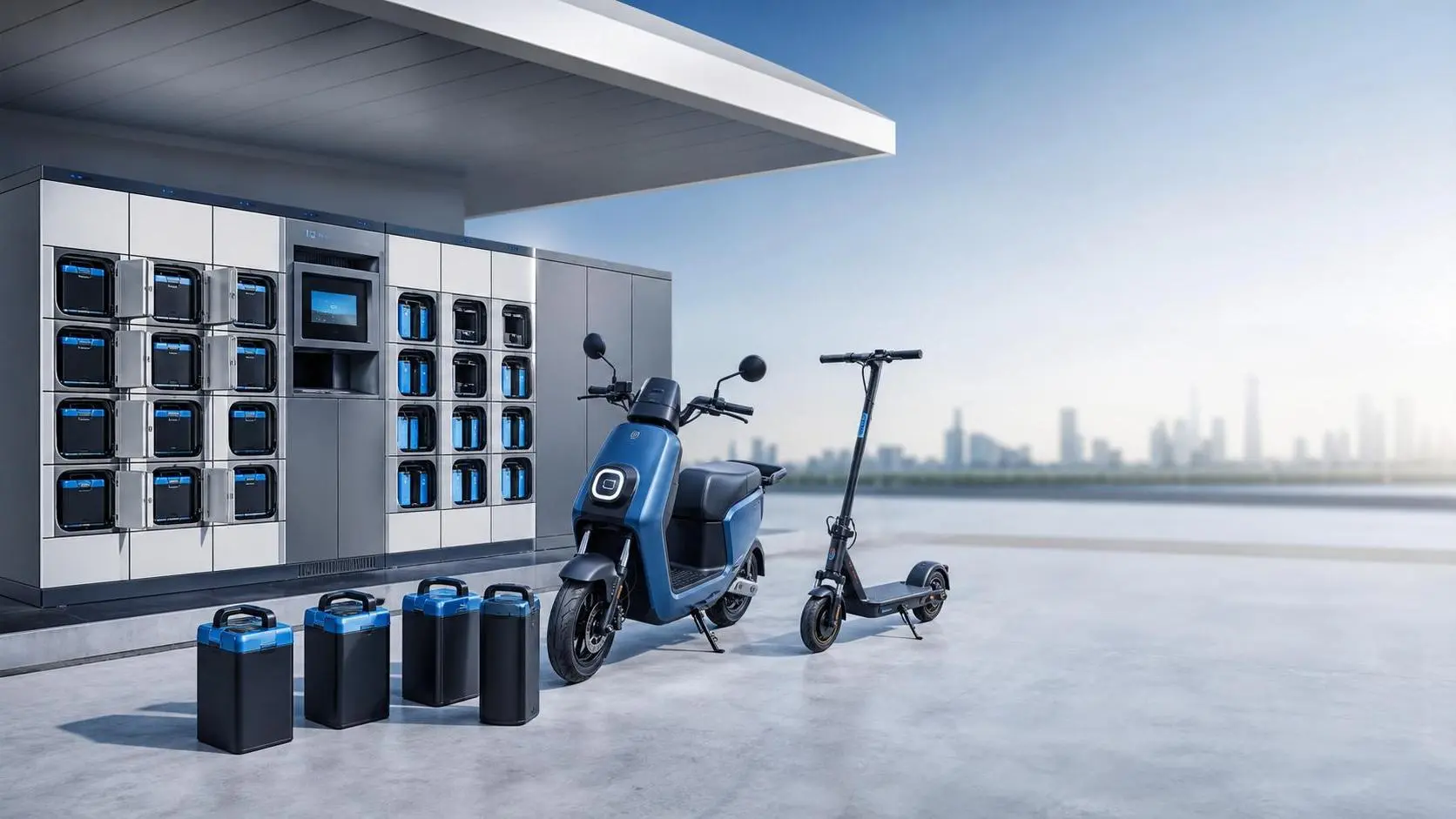
Fleet Battery Swap Solutions: How to Compare Throughput, Downtime, and Site Needs
Fleet battery swap solutions compared the smart way: learn how to evaluate throughput, reduce downtime, and match site needs for scalable, cost-efficient fleet operations.

Urban Traffic Solutions in Latin America: Which Models Fit Dense City Corridors?
Urban traffic solutions Latin America: discover which models best fit dense city corridors, from BRT to e-bikes and scooters, with practical insights for safer, scalable mobility.
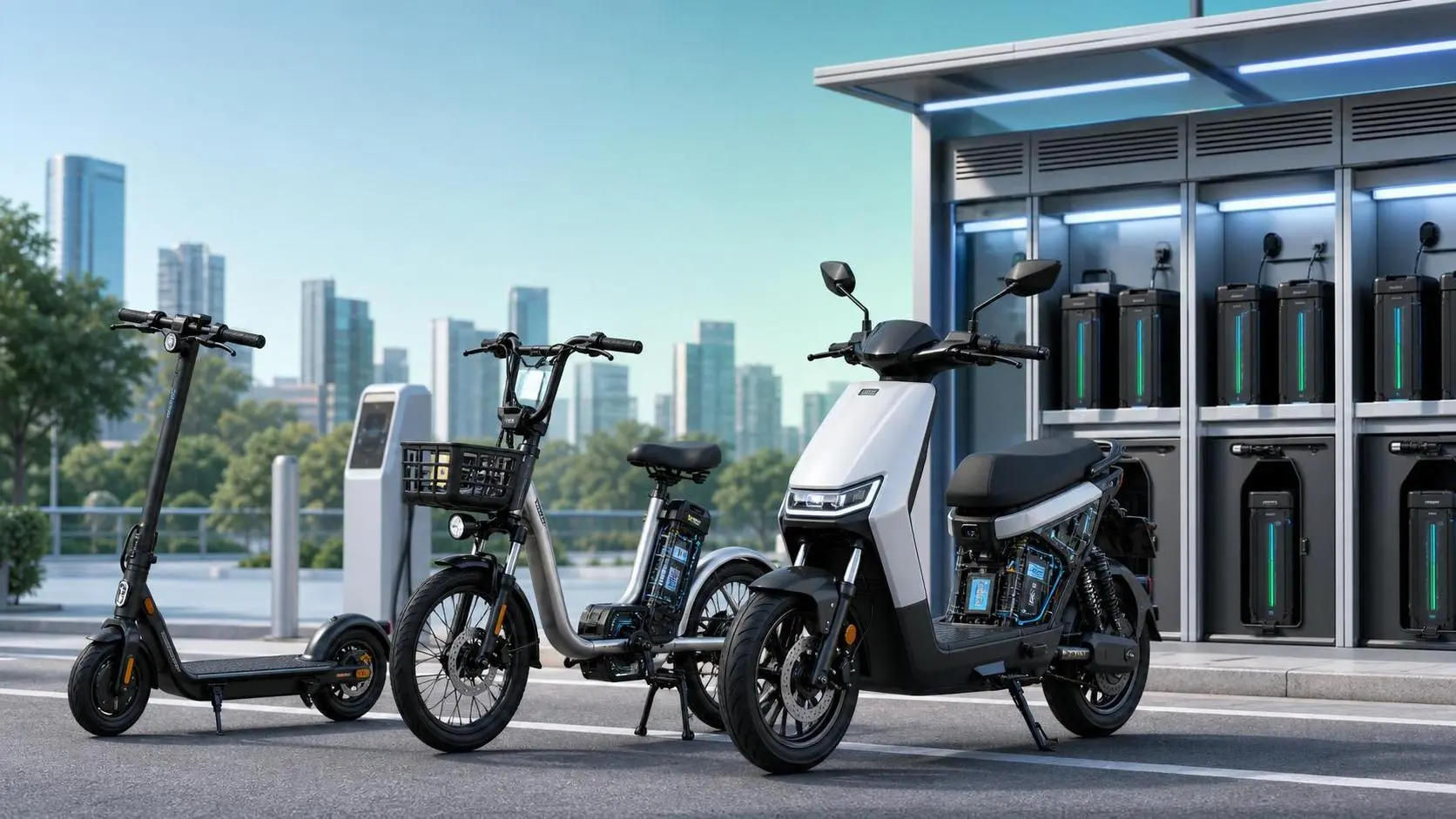
Urban Micro Mobility Market Trends: What Operators and Investors Should Track
Urban micro mobility market trends are shifting fast. Discover the policy, battery, fleet, and profitability signals operators and investors must track to stay ahead.
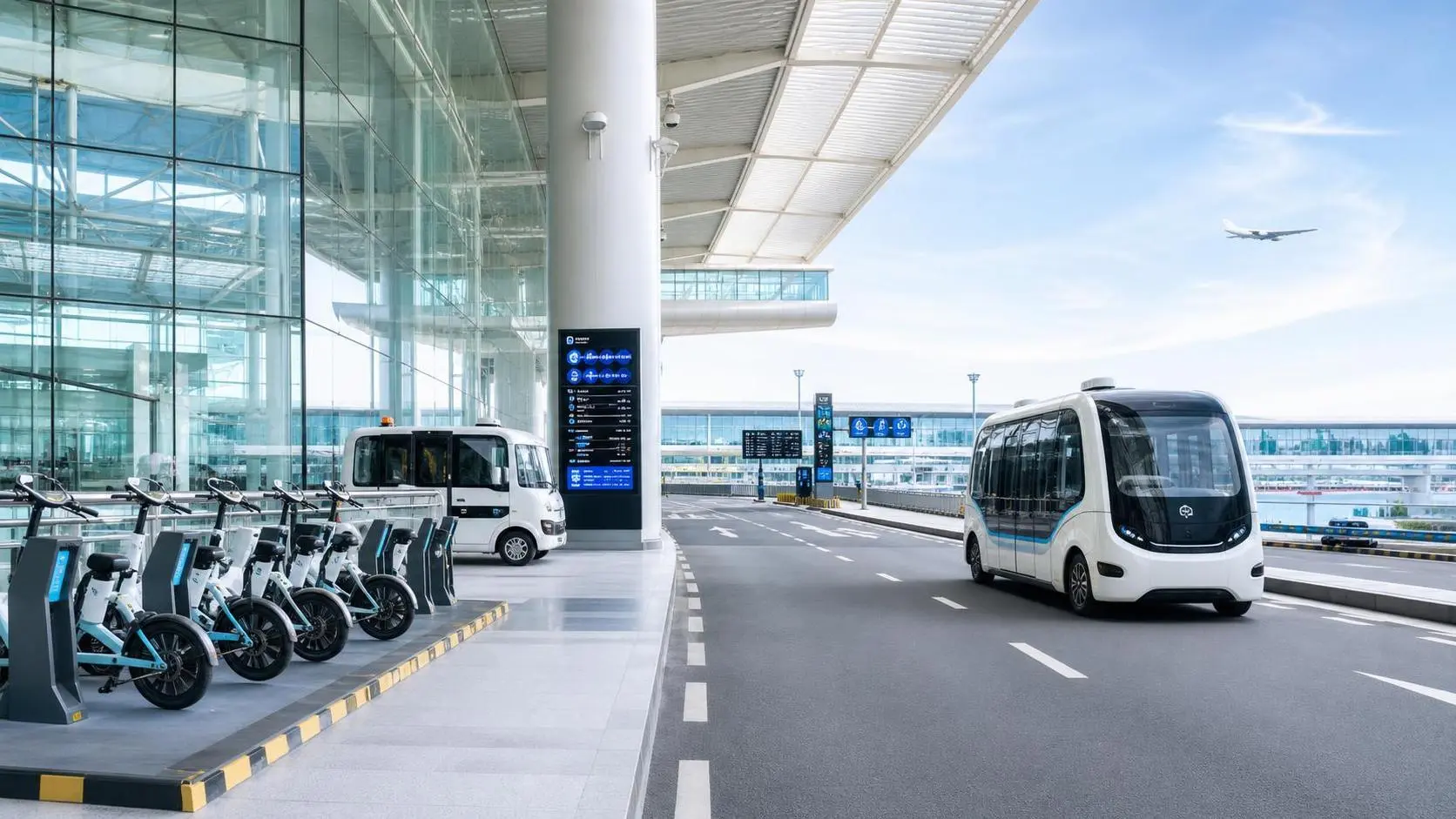
Airport Smart Mobility Explained: Key Systems, Use Cases, and Planning Priorities
Airport smart mobility explained: discover key systems, practical airport use cases, and planning priorities to improve efficiency, sustainability, and passenger experience.
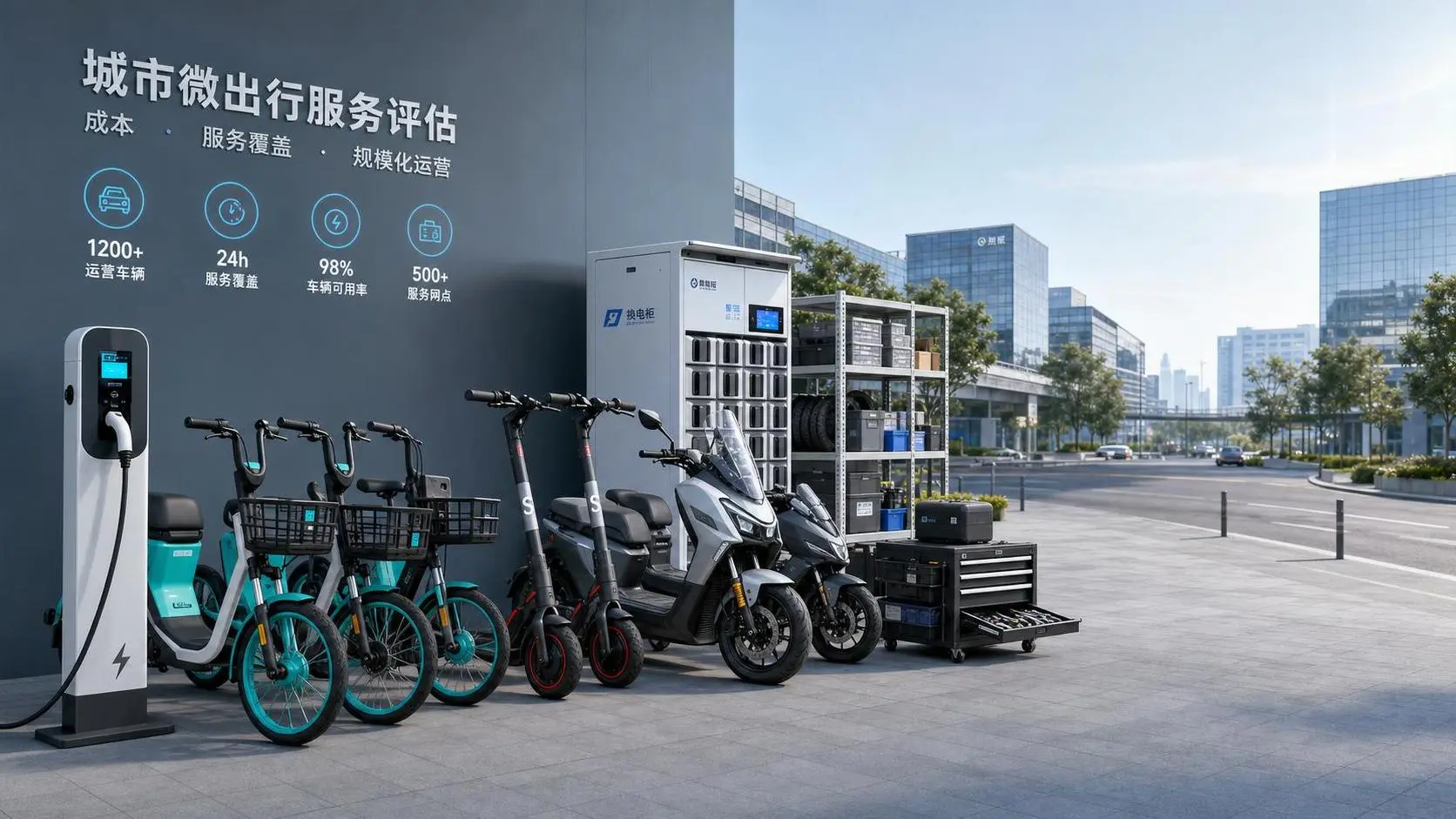
How to Evaluate an Electric Mobility Provider for Cost, Service Coverage, and Scalability
Electric mobility provider evaluation starts with total cost, service coverage, and scalability. Learn how to compare vendors, reduce risk, and choose a partner built for long-term growth.

Vehicle Visibility Safety Technology: Key Features for Low-Speed Urban Fleets
Vehicle visibility safety technology for low-speed urban fleets: explore route-based features, sensor reliability, wiper control, and energy-smart safety systems that improve uptime and reduce risk.

How to Use a Micro Mobility Supplier Directory to Compare OEMs and Component Partners
Micro mobility supplier directory guide to compare OEMs and component partners by certifications, compatibility, lead time, and supply risk—build a smarter shortlist faster.
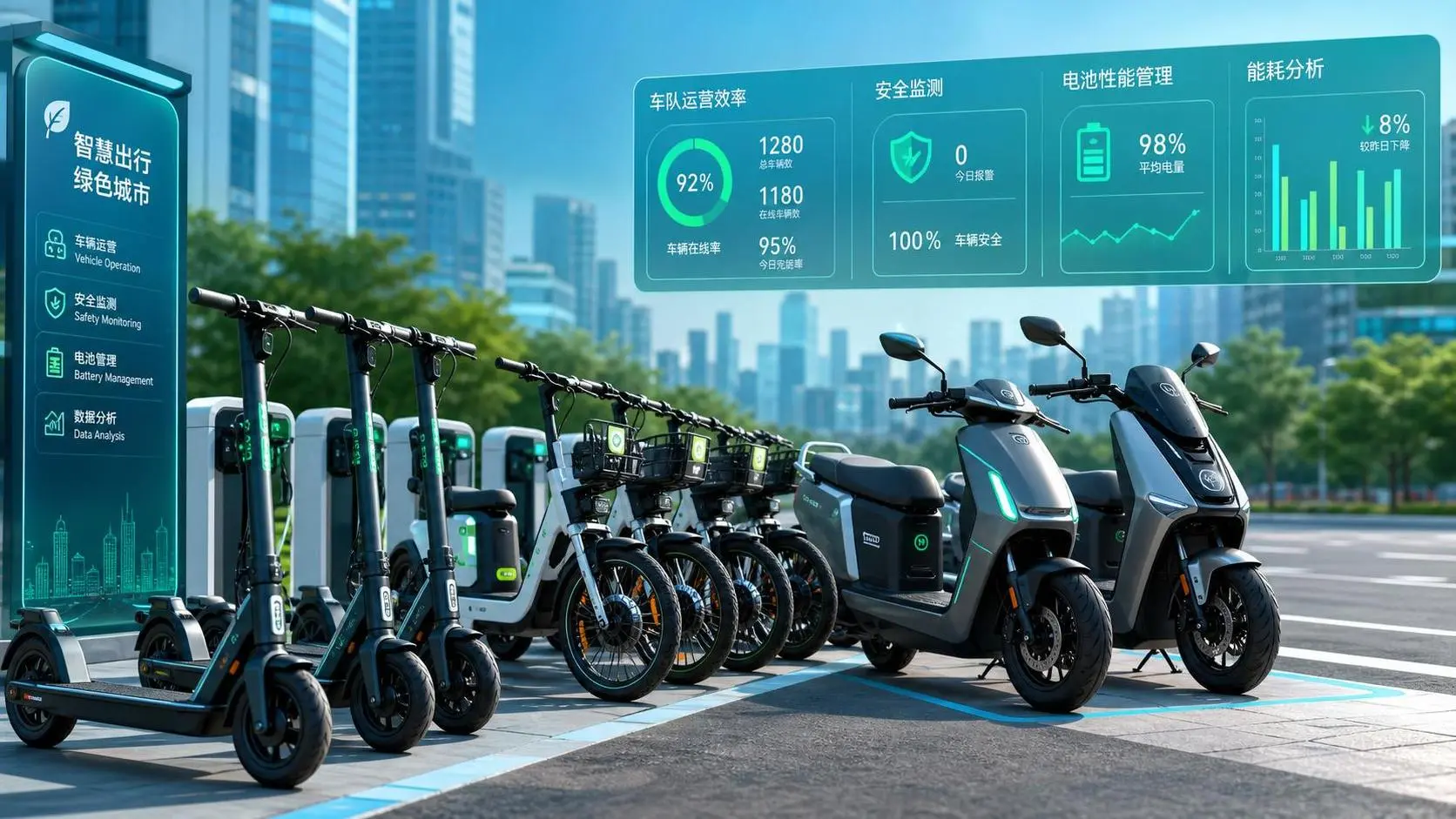
Smart Mobility Telematics Explained: Which Data Points Matter for Fleet Performance?
Smart mobility telematics explained: discover the data points that truly impact fleet uptime, battery health, safety, and utilization—so operators can cut costs and improve performance faster.