
Related News
- 00
0000-00
72V Electric Motorcycle Technology Explained: Motors, Controllers, Range, and Charging - 00
0000-00
High-speed Electric Motorcycles with Swappable Battery: What to Check Before Commercial Deployment - 00
0000-00
Urban Electric Motorcycle Buying Guide: Range, Top Speed, Licensing, and Daily Use - 00
0000-00
Electric Motorcycle Battery Trends: Cell Chemistry, Fast Charging, and Pack Design Shifts - 00
0000-00
What Causes Torque Lag in Electric Two-Wheelers and How Can Engineers Reduce It?
Electric Powertrain Analyst
Weekly Insights
Stay ahead with our curated technology reports delivered every Monday.
Commuter E Motorcycles vs E-Bikes: Which Urban Option Fits Range, Speed, and Licensing Needs?





Choosing between commuter e motorcycles and e-bikes is rarely a simple matter of taste. In city travel, range limits, traffic speed, charging access, and licensing rules shape daily convenience more than headline specs do.
That is why this comparison matters across the wider micro-mobility market. As urban transport shifts toward electrified two-wheelers, the gap between legal bicycle-class machines and faster road-ready electric motorcycles is becoming more important, not less.
From the perspective of UMMS, which tracks e-bikes, high-speed e-motorcycles, smart mobility systems, and drivetrain efficiency, this choice reflects a broader question: what kind of electric vehicle truly fits modern city movement?
Two vehicles, two commuting logics
E-bikes and commuter e motorcycles may look similar at a distance, yet they solve different problems. An e-bike extends human pedaling with electric assistance. A commuter e motorcycle replaces pedaling with full electric propulsion.
That basic distinction affects almost everything else. It influences top speed, battery size, route options, maintenance needs, and the legal category a rider falls into.
In practical terms, e-bikes usually fit shorter urban loops, mixed bike-lane travel, and lower operating stress. Commuter e motorcycles fit longer suburban-to-city runs, faster arterial roads, and situations where time savings matter more than exercise.
Why this choice matters more now
Urban congestion, clean-air policy, and fuel price pressure are changing purchase decisions. At the same time, cities are tightening rules around lane access, parking, battery safety, and registration.
This creates a more complex market. A machine that seems ideal on paper can become inconvenient if it cannot legally use the route you take every morning.
UMMS follows this shift closely because micro-mobility is no longer only about lightweight transport. It now connects battery management, thermal control, traffic regulation, and everyday user economics.
In other words, the decision between commuter e motorcycles and e-bikes is also a decision about how closely your vehicle matches the real structure of your city.
Range is not just a number
Range is often the first comparison point, but advertised mileage can mislead. Speed, rider weight, hills, temperature, and stop-and-go traffic all change real-world battery performance.
E-bikes often deliver enough range for short urban routines, especially when pedal assist shares the load. Many city riders only need enough battery for a round trip of modest distance, plus some reserve.
Commuter e motorcycles typically carry larger battery packs and offer higher consistent speed. That helps on longer routes, but faster travel also consumes energy more aggressively.
A useful way to judge range is to map the hardest week, not the easiest day. Include detours, poor weather, cargo weight, and the possibility of missed charging windows.
What to check in real use
- Total daily distance, including unexpected errands
- Average cruising speed on your actual route
- Whether home, office, or public charging is available
- Battery behavior in winter or high heat
- How much reserve you need for peace of mind
Speed changes the whole ownership experience
Speed is not only about arriving earlier. It changes road position, braking demands, protective gear needs, and the kind of traffic you can safely blend into.
E-bikes are usually limited by law or design to lower assisted speeds. That makes them easier to integrate into bike infrastructure, but less suitable for faster mixed traffic.
Commuter e motorcycles can hold higher urban speeds and better match cars on main roads. For riders crossing large city districts or entering suburban corridors, that can be the deciding advantage.
Still, higher speed has a cost. It brings greater battery drain, more tire and brake wear, and often a stronger need for suspension quality and weather protection.
Licensing can outweigh performance
For many urban buyers, the legal category matters more than motor output. Some e-bikes require no license, no registration, and no insurance beyond local norms. That simplicity is a major advantage.
Commuter e motorcycles often fall into moped or motorcycle classes, depending on speed and power. That can mean licensing exams, plated registration, insurance, helmet obligations, and restricted access to cycle lanes.
Because rules vary by country and even by city, checking only product specifications is not enough. A buyer should confirm how the vehicle is classified where it will actually be used.
This is one reason intelligence platforms like UMMS matter. Regulatory change now moves almost as quickly as hardware development, especially in European and dense Asian urban markets.
Key legal questions before choosing
- Is the vehicle treated as a bicycle, moped, or motorcycle?
- Can it enter bike lanes or low-speed shared paths?
- Is a license or learner permit required?
- Are registration and insurance mandatory?
- Do local battery or parking rules affect ownership?
Comfort, charging, and hidden daily costs
A smart comparison goes beyond sticker price. Charging habits, apartment access, replacement batteries, tire wear, and storage convenience all influence long-term satisfaction.
E-bikes are often easier to live with in dense housing. They are lighter, simpler to move indoors, and usually cheaper to maintain. For short commutes, that ease can matter more than top speed.
Commuter e motorcycles offer stronger weather resilience and less physical effort. They can also support a more stable ride on rough roads, especially when suspension and braking systems are better developed.
Battery design is another dividing line. Removable packs are practical for apartment charging. Fixed large packs may deliver better structure and capacity, but they demand dedicated charging space.
UMMS often highlights that micro-mobility value depends on systems thinking. Efficient motors, smart battery management, and durable components matter because they reduce friction in everyday use.
Which option fits which urban scenario
The better vehicle usually emerges when the travel pattern is clear. City life is not one single use case, and commuter e motorcycles do not compete with e-bikes on identical terms.
When an e-bike often makes more sense
- The route is short, flat, and bike-lane friendly
- Storage space is limited
- Licensing simplicity is a priority
- Lower purchase and running costs matter most
- A little physical activity is welcome, not a drawback
When commuter e motorcycles gain the edge
- The journey includes longer suburban sections
- Traffic speed is too high for most e-bikes
- Daily travel must stay consistent in all weather
- Car replacement is the real goal
- Cargo, passenger use, or stronger braking is needed
How to make a better final decision
A good decision starts with route mapping, not brand shopping. Measure your weekly distance, note the fastest road segment, and identify where charging can happen reliably.
Then compare those facts against legal classification, realistic range, and total ownership cost. This usually makes one category look obviously more practical.
If most trips stay local and infrastructure supports cycling, an e-bike often delivers the cleaner answer. If your city demands speed, distance, and stronger traffic presence, commuter e motorcycles may justify their extra complexity.
The next useful step is to build a short checklist around range reserve, route legality, charging access, and weather exposure. Once those four points are clear, the right urban option usually stops being a guess.
Related News
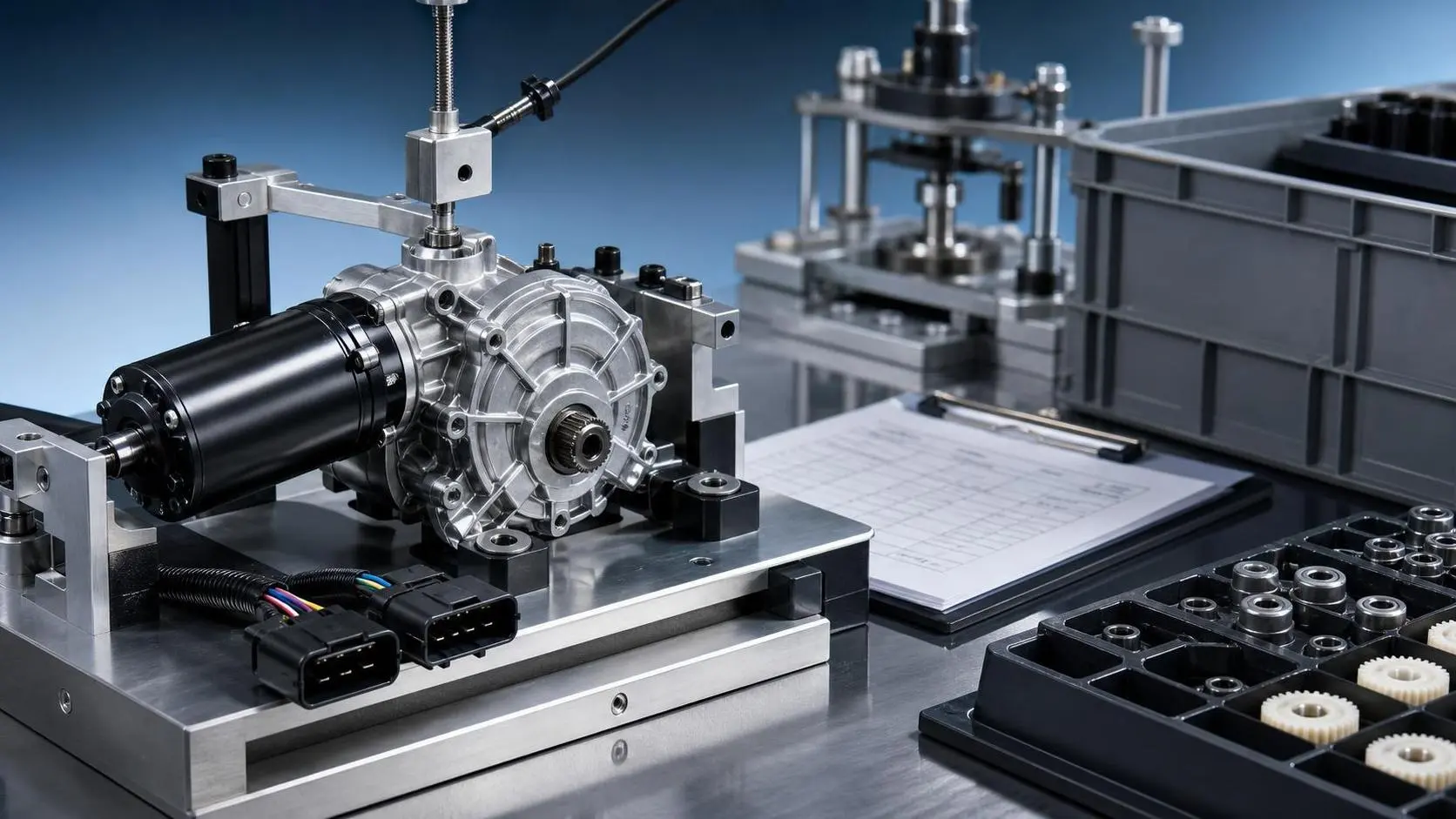
How to Evaluate a Brushless Wiper Motor Supplier for OEM Quality and Lead Time
Brushless wiper motor supplier selection made easier: learn how to assess OEM quality, engineering support, compliance, and lead time to reduce sourcing risk.
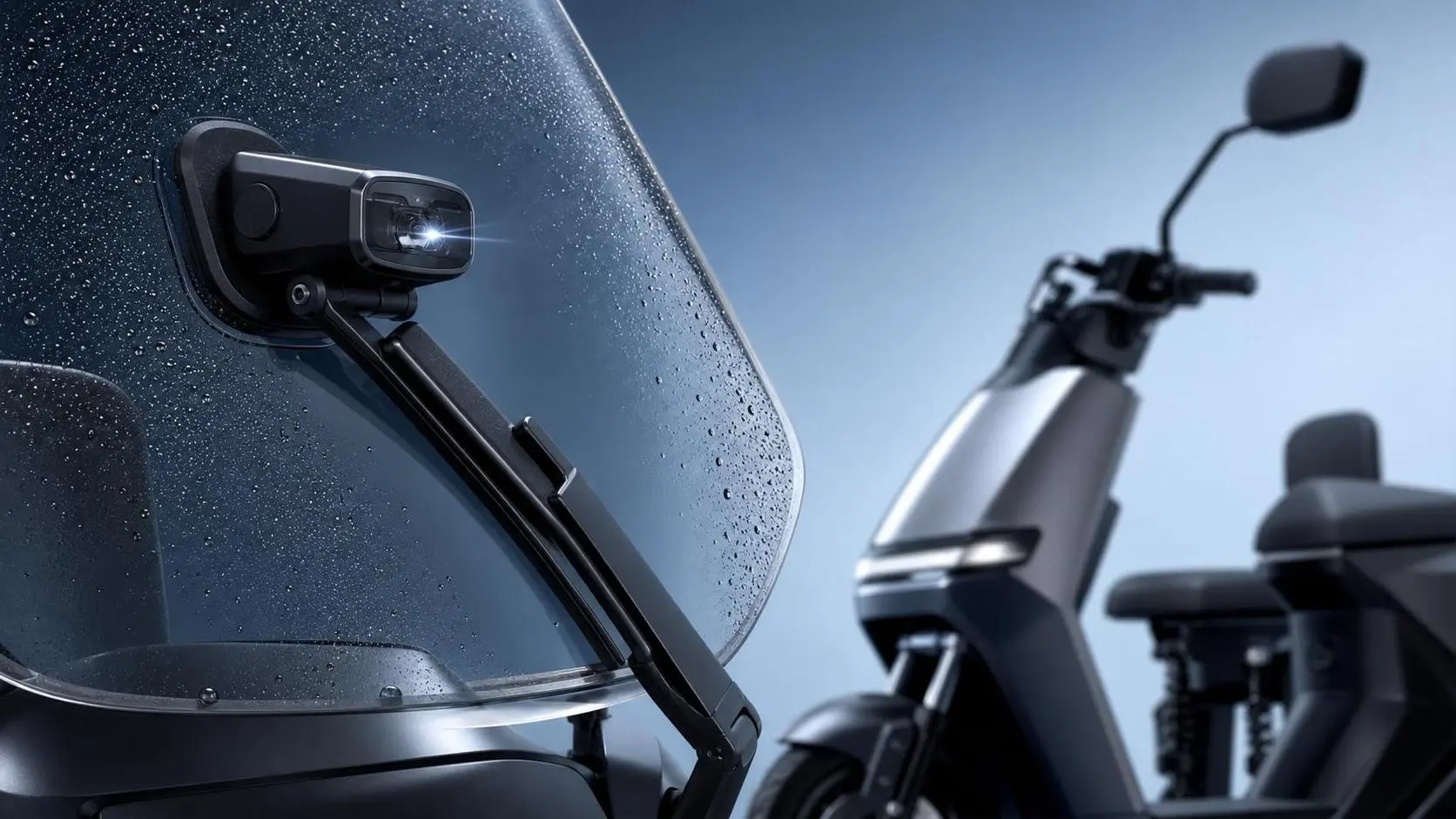
How Do Photoelectric Wiper Sensors Work and Where Are They Most Effective?
Photoelectric wiper sensors explained: learn how they detect rain, reduce false triggers, and deliver the best visibility gains in urban EVs, e-bikes, fleets, and smart mobility.
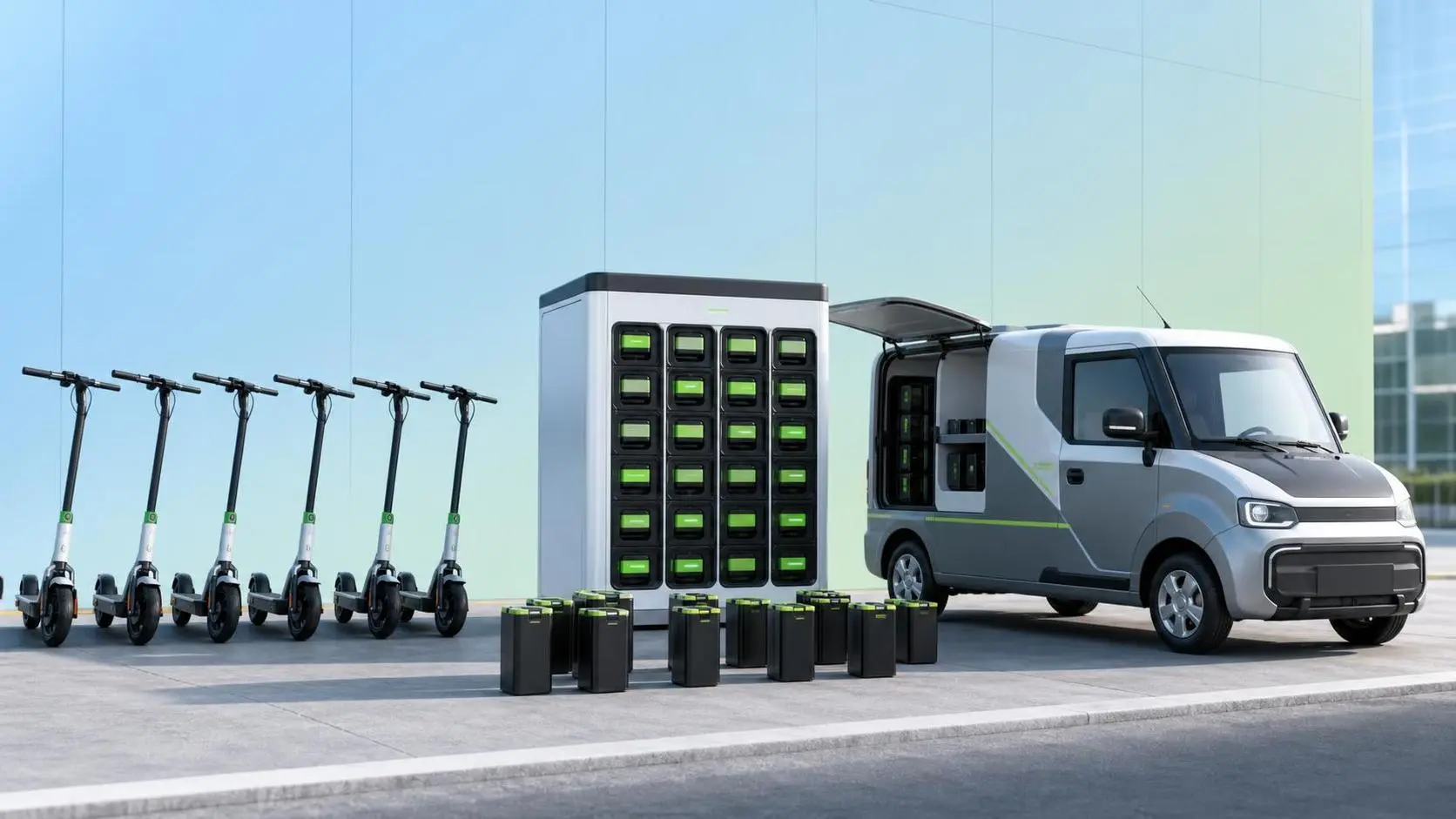
How Battery-Swapping Networks Reduce Downtime in Shared Fleet Scooter Operations
Battery-swapping networks cut scooter fleet downtime by speeding field turnaround, improving uptime in peak zones, and helping operators optimize labor, battery rotation, and service efficiency.
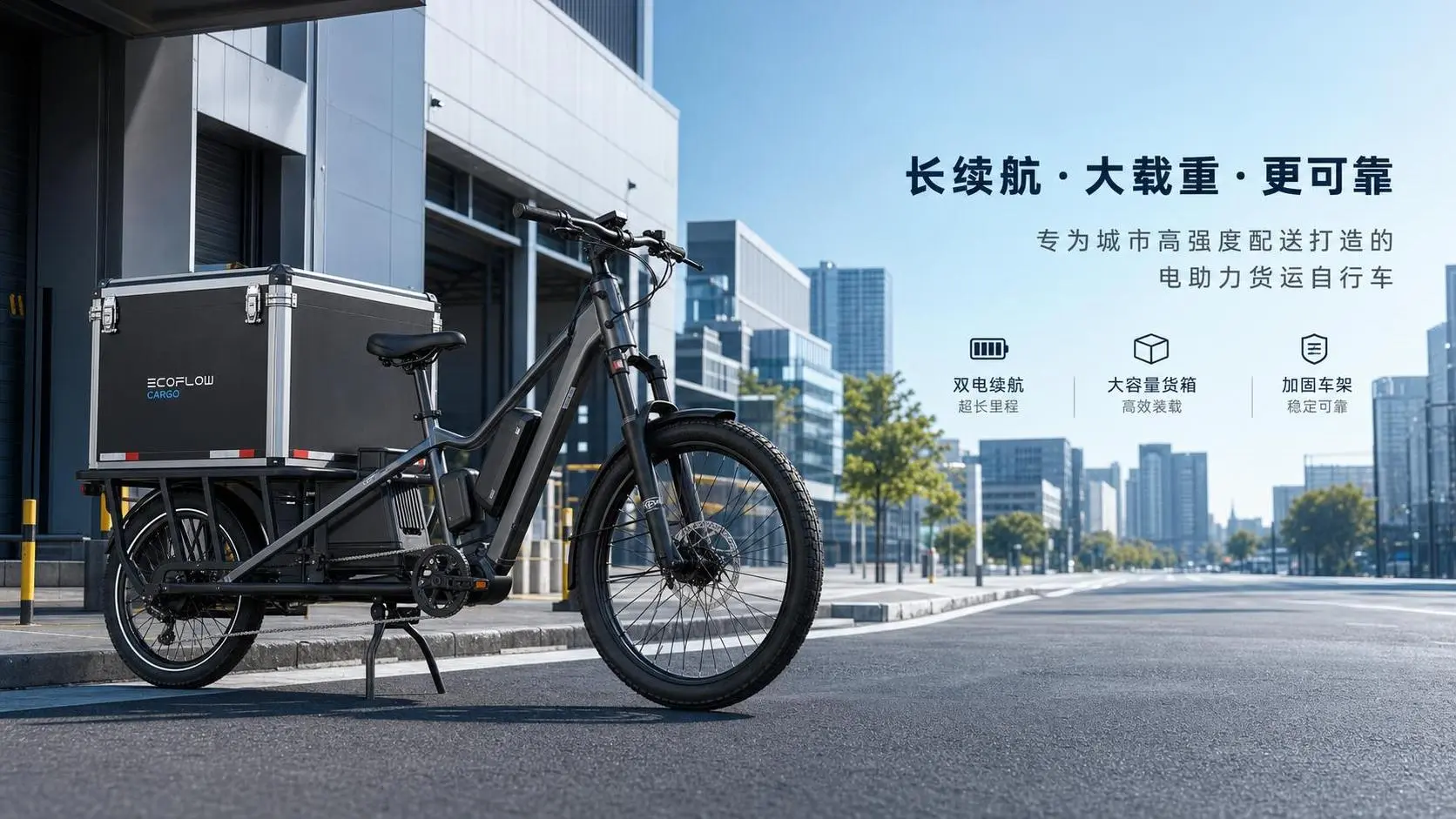
How to Choose a Long-Range Commercial Cargo E-Bike for Delivery Operations
Commercial cargo e-bike long range buying guide: learn how to assess battery, payload, route fit, and uptime support to choose a reliable delivery model with lower operating costs.
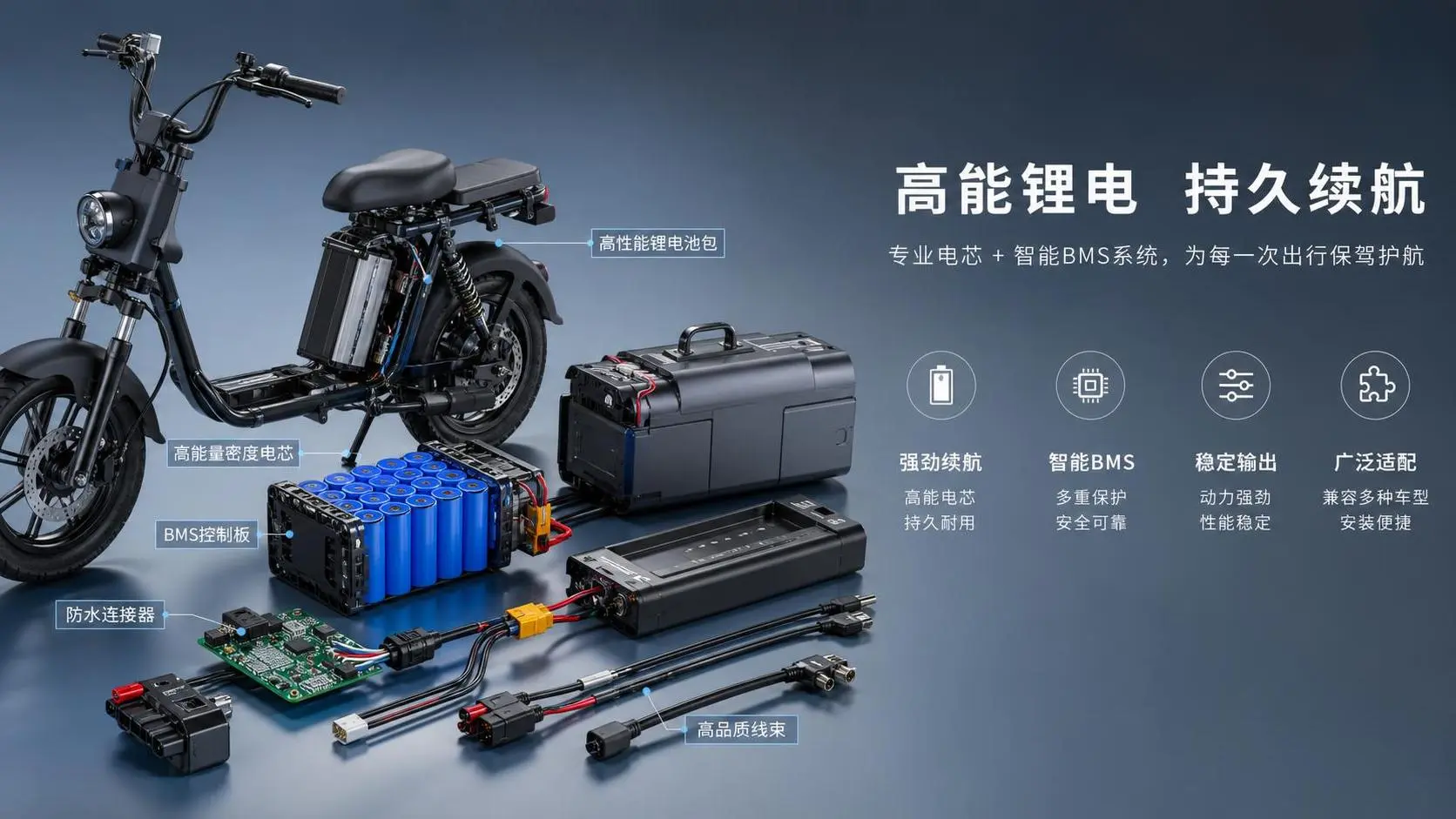
How to Select the Right E-Bike Battery Components for Range, Safety, and Fit?
E-bike component selection battery guide: learn how to choose the right battery components for better range, stronger safety, and perfect fit across modern e-bike platforms.
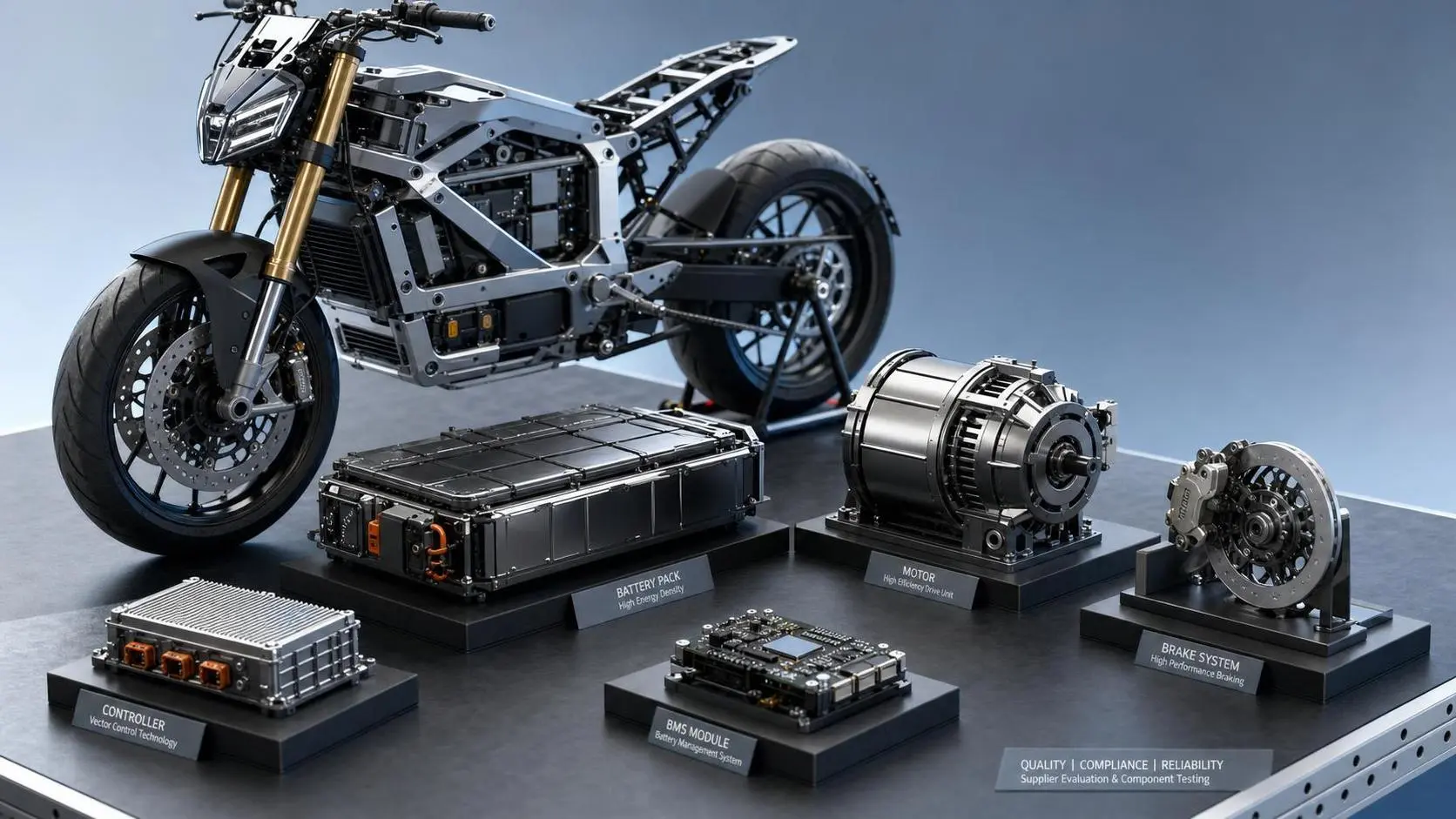
How to Evaluate Core Component Suppliers for Electric Motorcycles Before Sourcing?
Core component suppliers for electric motorcycles can make or break safety, compliance, and delivery. Learn how to assess technical strength, certifications, quality control, and hidden sourcing risks before you buy.
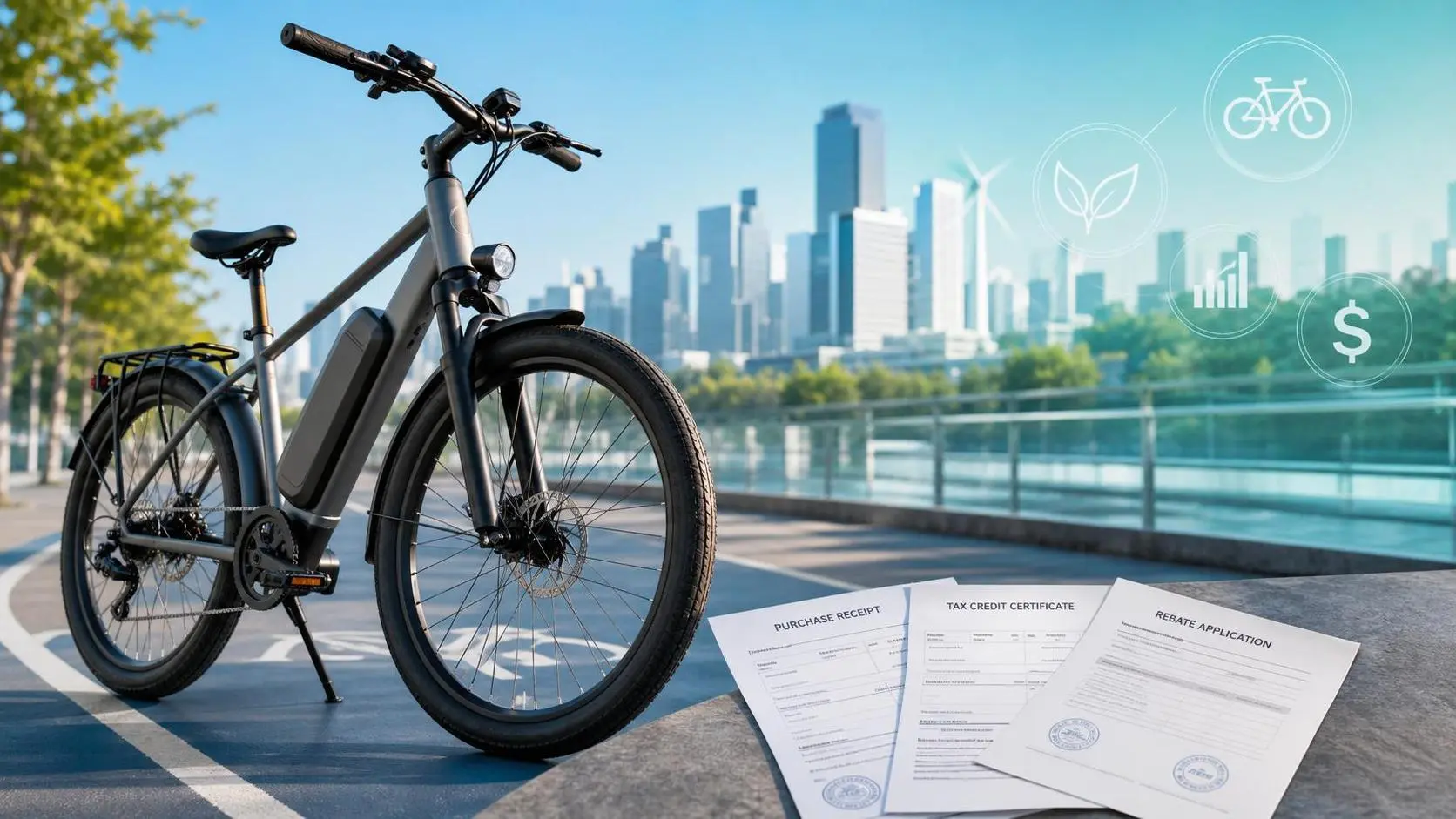
E-Bike Incentives Explained: How Riders Can Find Local Rebates and Tax Credits
E bike incentives explained: learn how to find local rebates, tax credits, and utility offers, avoid common mistakes, and cut the real cost of your next e-bike.
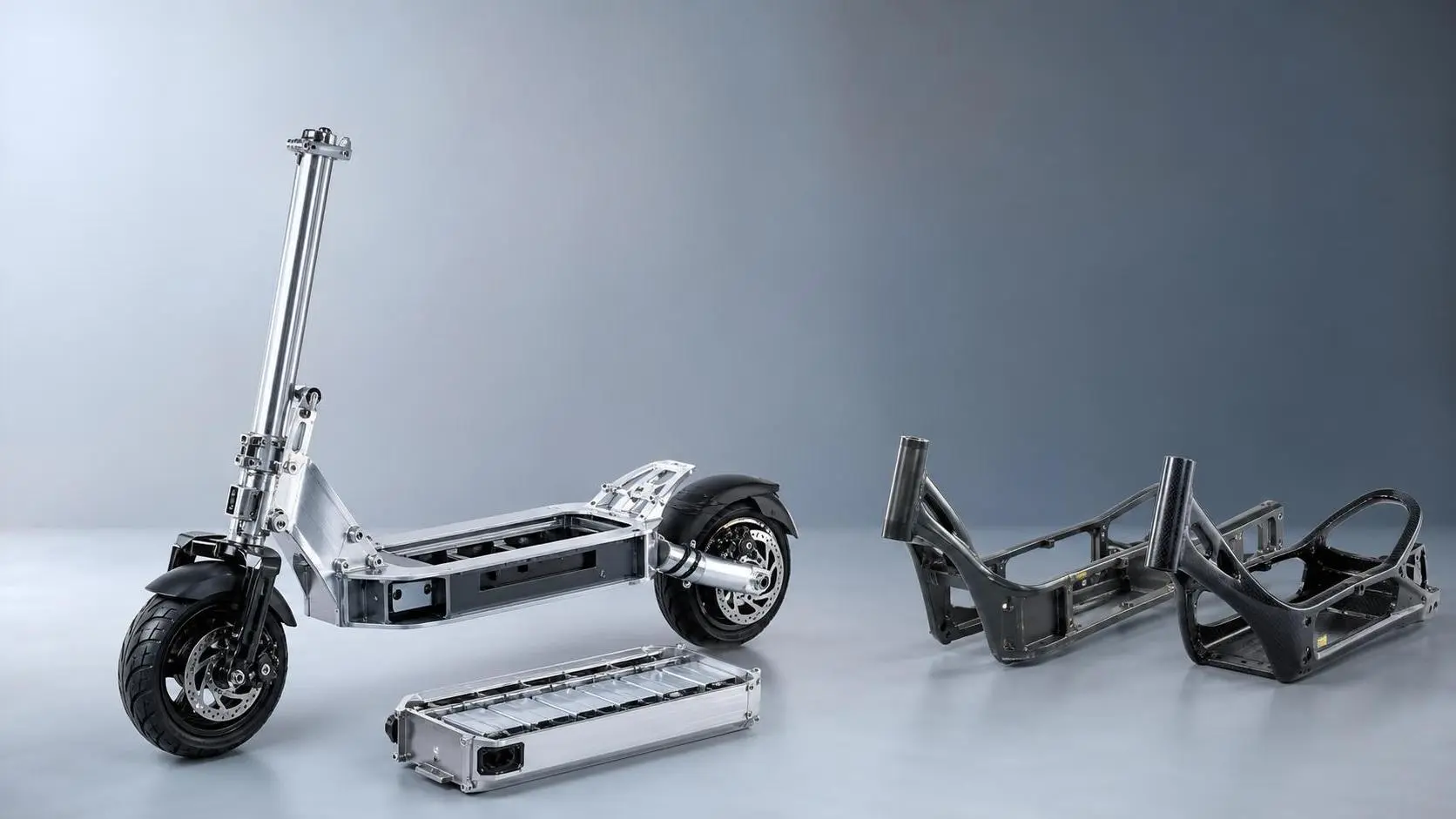
How to Choose Lightweight Scooter Frames in Europe: Materials, Standards, and Use Cases
Lightweight scooter frames Europe buyers need should balance materials, EN standards, durability, and real use cases. Discover how to choose safer, smarter, compliant frames.
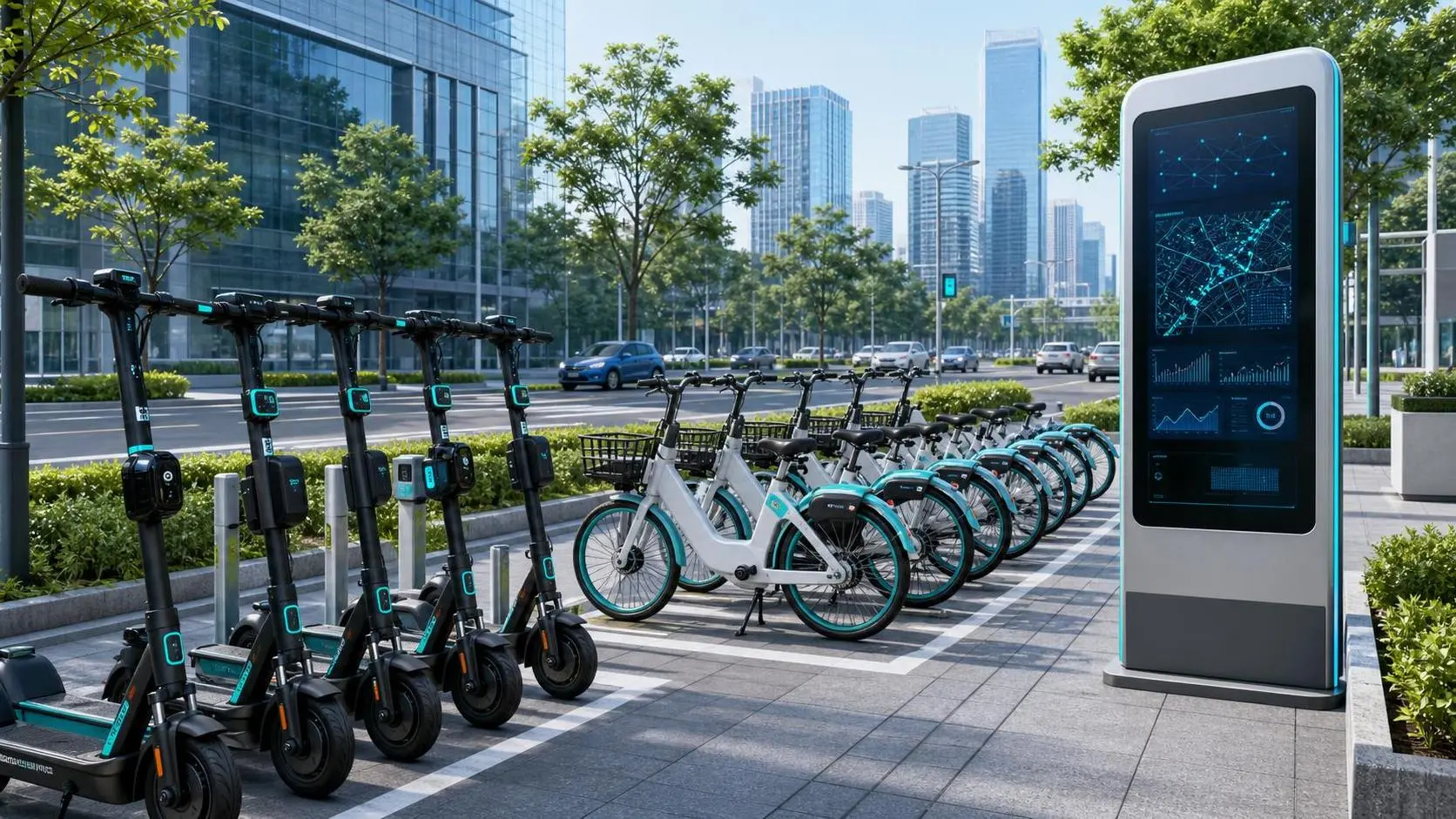
What Is the Intellectualization of Mobility Platform and How Is It Applied in Shared Fleets?
Intellectualization of mobility platform is reshaping shared fleets with real-time data, predictive maintenance, and smarter compliance—learn how it boosts safety, uptime, and urban mobility efficiency.