
Related News
- 00
0000-00
How to Choose a Compact Battery Pack: Size, Energy Density, Thermal Design, and Cycle Life - 00
0000-00
Battery Management Systems Factory Capabilities: How to Compare Testing and Traceability - 00
0000-00
Swappable Battery Scooter Market: Key Growth Segments and Fleet Demand Signals - 00
0000-00
Fleet Battery Swap Solutions: How to Compare Throughput, Downtime, and Site Needs - 00
0000-00
Battery Swapping Network Cost: What Drives Setup and Operating Expenses?
Electric Powertrain Analyst
Weekly Insights
Stay ahead with our curated technology reports delivered every Monday.
Battery Technology Trends for Swappable Scooters: Energy Density, Charging Speed, and Cycle Life





Battery technology trends are now central to the economics and usability of swappable scooters. In urban micro-mobility, battery design no longer affects range alone. It shapes fleet uptime, swap-station efficiency, safety margins, and the total cost of operating connected two-wheel platforms at scale.
That is why the conversation has moved beyond headline capacity figures. For swappable systems, the real question is how energy density, charging speed, and cycle life work together under repeated daily use, changing weather, and tightly managed charging windows.
Within the broader UMMS view of electrified two-wheel mobility, this topic sits at the intersection of powertrain efficiency, battery management logic, and low-carbon transport strategy. The battery pack is not an isolated component. It is part of a system linking vehicle architecture, network operations, and long-term commercial viability.
Why swappable scooters need a different battery lens
A fixed-battery scooter is usually judged by charging convenience and single-vehicle range. Swappable scooters follow another logic. Their batteries are shared assets that circulate between riders, charging cabinets, service teams, and digital fleet platforms.
This changes the evaluation model. Battery technology trends matter because every improvement affects more than one operational point. A denser pack may increase route coverage. Faster charging may reduce spare inventory. Longer cycle life may stabilize depreciation and replacement planning.
The same battery may also serve several mobility segments. Knowledge from smart e-scooters often overlaps with e-bikes, light motorcycles, and even adjacent energy systems tracked by UMMS. That makes battery selection less about isolated chemistry claims and more about fit within a broader urban mobility architecture.
Energy density is more than a range number
Energy density describes how much energy a battery stores relative to its weight or volume. In swappable scooters, both dimensions matter. A pack must carry enough energy for useful service intervals, but it must also remain portable for rapid manual or semi-automated replacement.
Higher energy density can reduce swap frequency and extend vehicle availability between exchanges. That sounds straightforward, yet trade-offs appear quickly. A very compact pack may run hotter, cost more, or become harder to cool in dense cabinet installations.
Cell format also matters. Cylindrical, prismatic, and pouch designs create different balances between packaging efficiency, thermal pathways, serviceability, and mechanical robustness. For shared urban fleets, the right answer often depends on how often packs are handled, stacked, transported, and charged in parallel.
Another practical point is usable energy, not just rated energy. Battery technology trends increasingly favor smarter management windows that protect long-term health. A pack advertised with high nominal capacity may deliver less useful lifetime value if it requires aggressive operating limits to stay safe.
Where density creates value
- Longer riding intervals between swaps in delivery-heavy or commuter corridors.
- Lower logistics burden for battery collection and redistribution.
- Smaller cabinet footprints where urban space is expensive.
- Potential mass reduction that improves vehicle efficiency.
Still, density should be assessed with thermal behavior, pack durability, and service ergonomics in mind. In actual operations, the best pack is not always the one with the highest Wh/kg figure.
Charging speed only matters when the system can absorb it
Fast charging is one of the most visible battery technology trends, but for swappable scooters, speed is meaningful only at the system level. A pack that accepts high charging rates is useful when thermal controls, charger design, grid availability, and scheduling software all support that pace.
In many networks, charging speed is less about achieving the shortest possible time and more about increasing predictable turnaround. A consistent two-hour charging cycle may be more valuable than a variable ultra-fast cycle that accelerates degradation or creates uneven station loads.
Battery management systems play a decisive role here. Advanced BMS strategies monitor cell voltage spread, temperature gradients, state of charge, and fault conditions in real time. They also help decide when rapid charging is safe and when tapering is necessary.
This is where UMMS-style intelligence becomes useful. Fast charging cannot be judged by cell chemistry alone. It should be understood alongside vehicle thermal models, swap-network behavior, and the digital rules governing pack rotation across a city.
Cycle life is the hidden driver of fleet economics
Cycle life often receives less public attention than range or charge time, yet it is one of the most decisive battery technology trends for commercial deployment. Swappable scooters may put packs through heavy daily cycling, partial charging, and frequent handling.
A battery with excellent initial performance can become expensive if capacity drops too quickly. Replacement frequency affects operating cost, spare pool sizing, residual value, and recycling timelines. In that sense, cycle life is not just a materials metric. It is a financial planning variable.
The chemistry landscape reflects this reality. High-nickel approaches may push density upward, while LFP-based systems often win on thermal stability and long cycle durability. Neither path is universally superior. The better choice depends on payload targets, climate exposure, charging behavior, and cost structure.
More mature evaluation now focuses on retained usable energy after repeated real-world cycles. That includes partial depth-of-discharge patterns, idle storage at high state of charge, and stress from hot urban charging cabinets. Lab numbers alone rarely tell the whole story.
What usually shortens battery life
- Repeated fast charging without effective temperature control.
- Wide cell imbalance caused by inconsistent pack maintenance.
- Frequent exposure to very high or very low ambient temperatures.
- Mechanical shocks during swapping, transport, or poor docking.
- Keeping packs fully charged for long periods before deployment.
Safety, thermal stability, and data quality are moving to the center
As battery technology trends evolve, the strongest systems advantage often comes from integration quality. Thermal stability, fault detection, sealing performance, connector durability, and communication reliability now carry as much weight as chemistry selection.
Swappable packs face more physical interaction than fixed packs. They are inserted, removed, stacked, charged in batches, and sometimes used in harsh outdoor conditions. That raises the importance of enclosure strength, ingress protection, connector cycle endurance, and pack identification accuracy.
Data quality is another differentiator. Operators need trustworthy information on state of health, charge acceptance history, internal resistance trends, and abnormal temperature events. Without that layer, it becomes difficult to separate a healthy pack from one that is quietly drifting toward failure.
This is also where the broader micro-mobility ecosystem becomes relevant. Smart e-scooters, high-speed e-motorcycles, and connected urban fleets increasingly share diagnostic logic, telematics methods, and compliance expectations. Battery evaluation should therefore include digital interoperability, not only electrochemical performance.
How to interpret battery technology trends in actual programs
In practical assessment, the most useful approach is comparative rather than absolute. Battery technology trends should be mapped against the intended duty cycle, swap frequency, route profile, climate, service model, and charging infrastructure maturity.
A dense battery may suit premium urban commuting and light motorcycle crossover platforms. A slightly heavier but longer-lasting pack may fit high-utilization sharing fleets better. A moderate charging rate may outperform ultra-fast charging when network stability matters more than peak speed.
The following checkpoints usually produce a clearer view than headline specifications alone.
- Compare rated energy with usable energy across realistic safety limits.
- Review cycle-life data under the expected charge rate and temperature range.
- Assess whether pack weight supports fast, repeatable field swapping.
- Check BMS transparency, fault logs, and state-of-health reporting depth.
- Verify connector durability and enclosure resilience under repeated handling.
- Model the impact on spare inventory, charger count, and replacement timing.
In other words, the strongest battery choice is usually the one that stays balanced across engineering, operations, and economics. That systems view aligns closely with how UMMS tracks electrification trends across connected two-wheel mobility.
What deserves attention next
Looking ahead, battery technology trends for swappable scooters will likely be shaped by incremental chemistry gains, more predictive BMS software, stricter safety expectations, and closer integration with urban energy infrastructure. Standardization may also become more influential as swap ecosystems mature.
The next useful step is to build a battery scorecard around actual operating conditions rather than marketing claims. Start with energy density, charging behavior, and cycle life, then connect them to thermal performance, service handling, data visibility, and asset turnover.
That framework makes battery technology trends easier to interpret and more valuable in decision-making. It also creates a clearer path for comparing platforms, refining infrastructure plans, and identifying which battery advances are truly ready for scalable urban deployment.
Related News

How Do Photoelectric Wiper Sensors Work and Where Are They Most Effective?
Photoelectric wiper sensors explained: learn how they detect rain, reduce false triggers, and deliver the best visibility gains in urban EVs, e-bikes, fleets, and smart mobility.
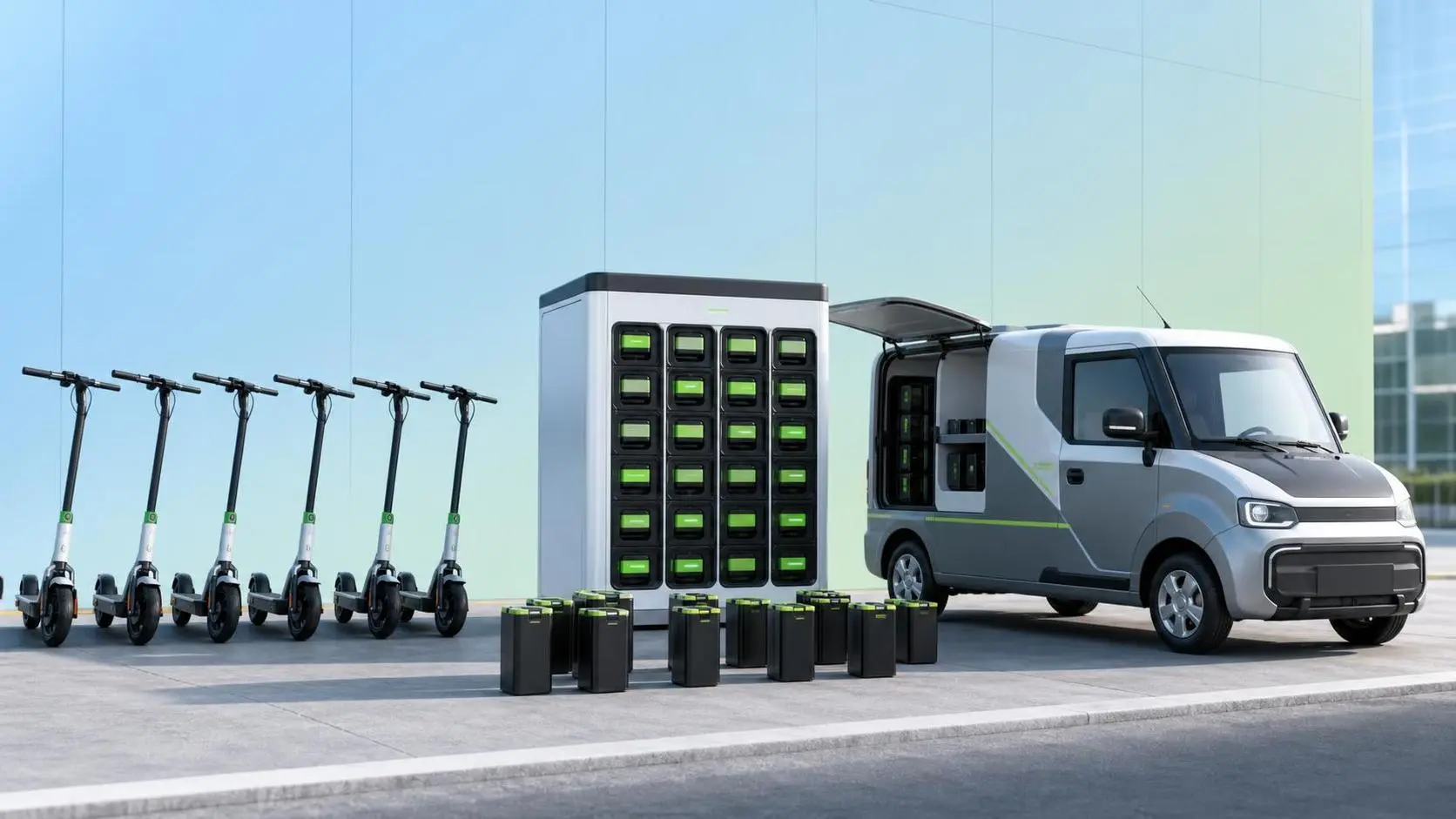
How Battery-Swapping Networks Reduce Downtime in Shared Fleet Scooter Operations
Battery-swapping networks cut scooter fleet downtime by speeding field turnaround, improving uptime in peak zones, and helping operators optimize labor, battery rotation, and service efficiency.
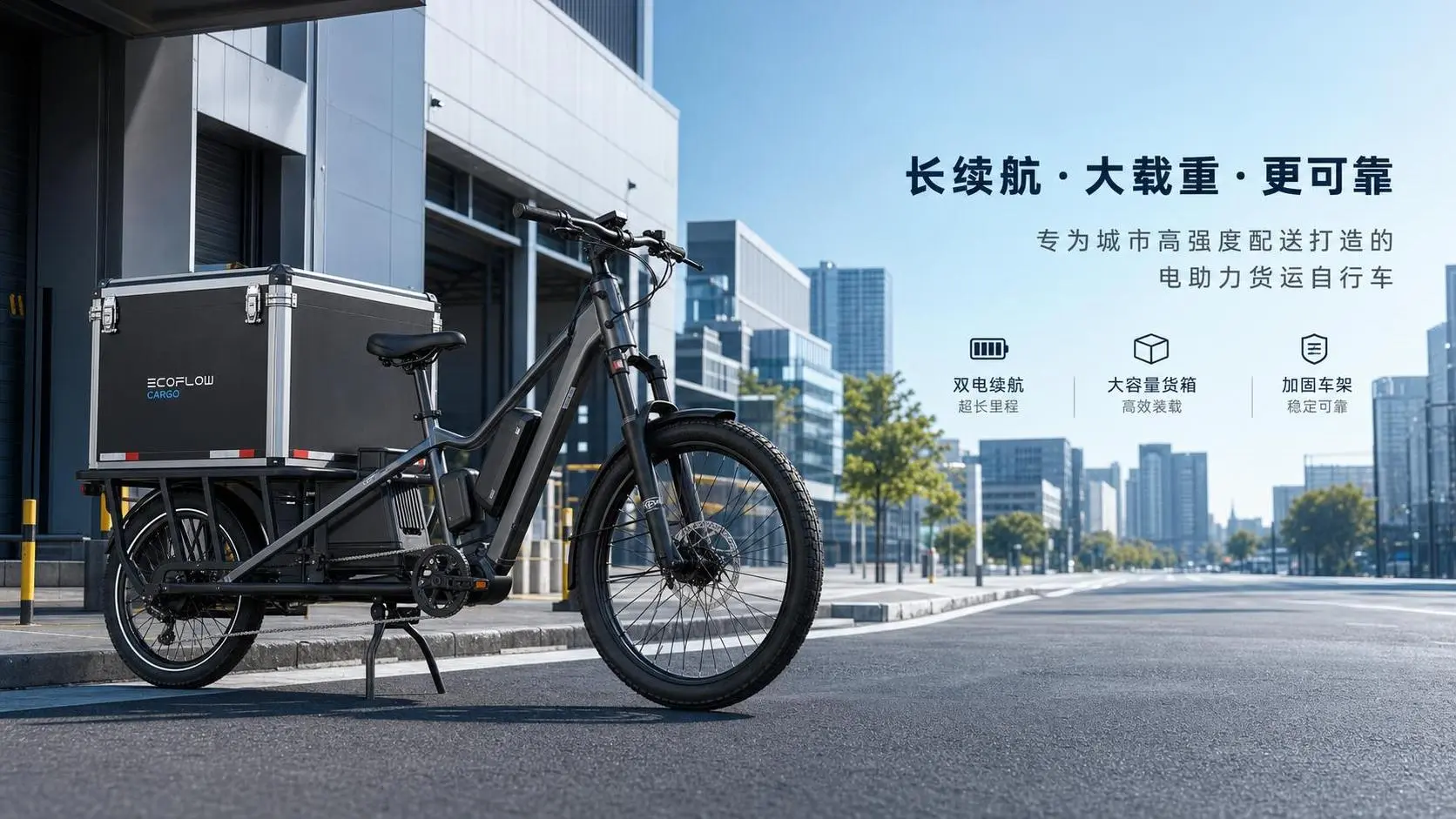
How to Choose a Long-Range Commercial Cargo E-Bike for Delivery Operations
Commercial cargo e-bike long range buying guide: learn how to assess battery, payload, route fit, and uptime support to choose a reliable delivery model with lower operating costs.
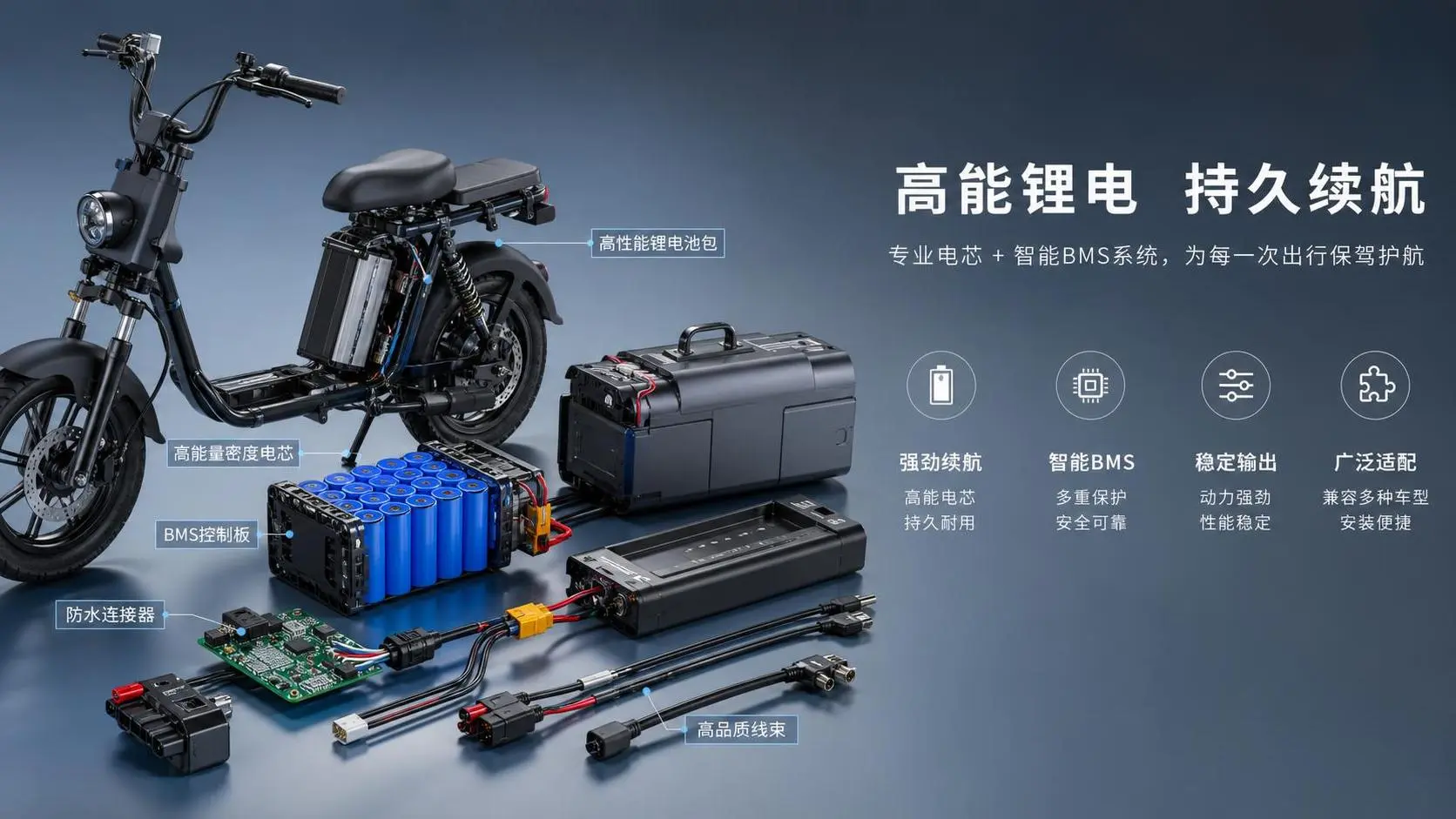
How to Select the Right E-Bike Battery Components for Range, Safety, and Fit?
E-bike component selection battery guide: learn how to choose the right battery components for better range, stronger safety, and perfect fit across modern e-bike platforms.
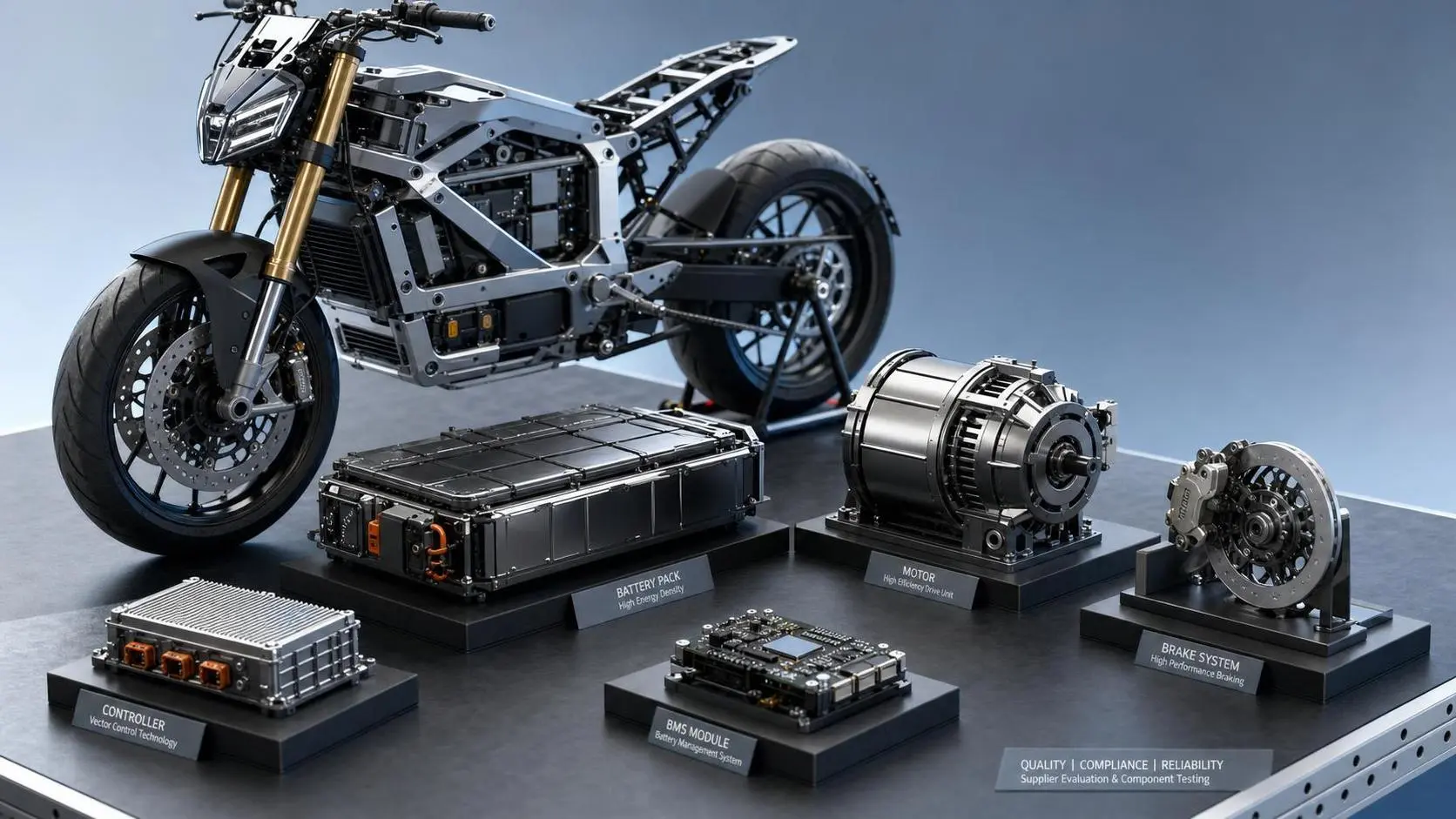
How to Evaluate Core Component Suppliers for Electric Motorcycles Before Sourcing?
Core component suppliers for electric motorcycles can make or break safety, compliance, and delivery. Learn how to assess technical strength, certifications, quality control, and hidden sourcing risks before you buy.
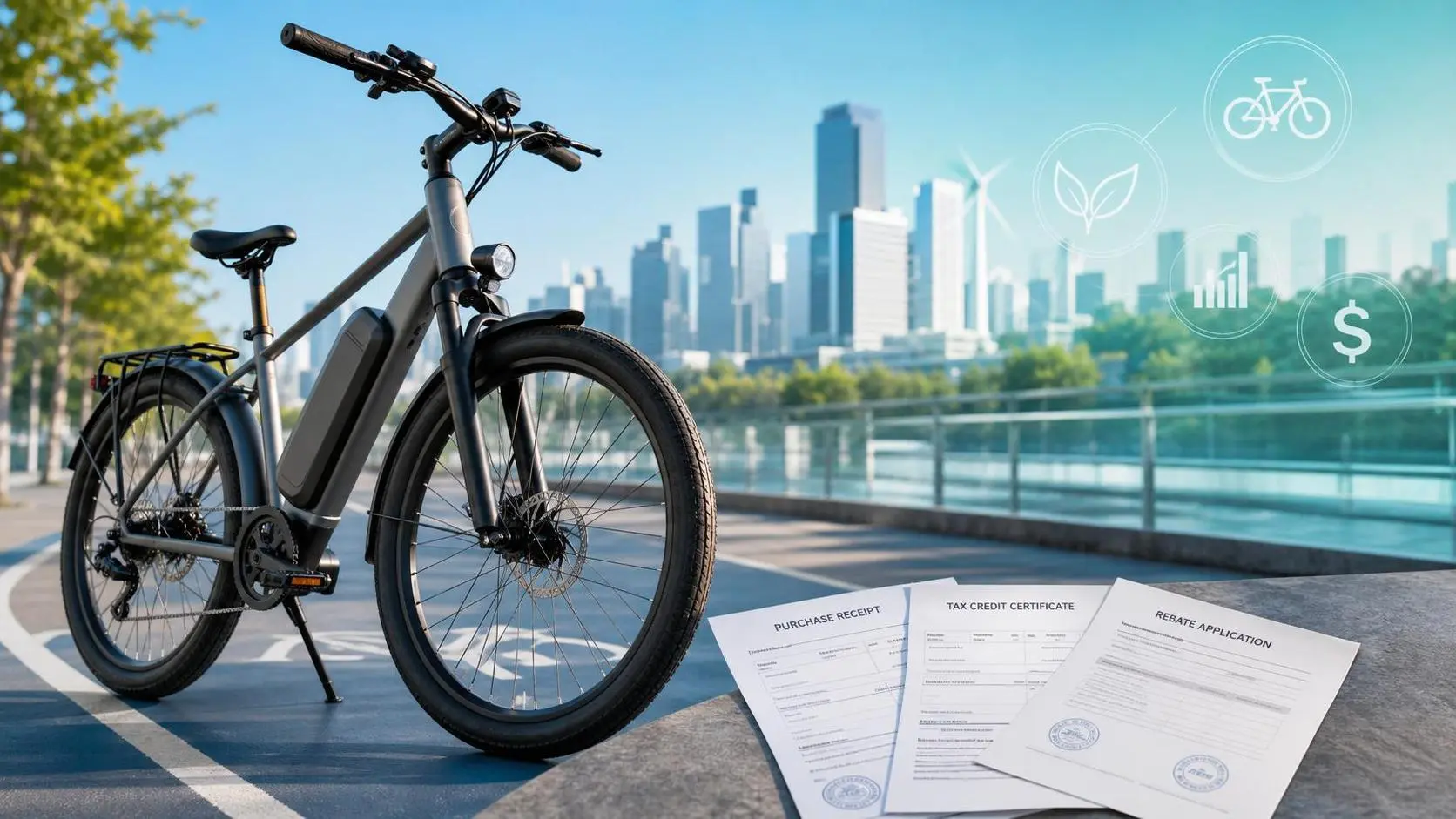
E-Bike Incentives Explained: How Riders Can Find Local Rebates and Tax Credits
E bike incentives explained: learn how to find local rebates, tax credits, and utility offers, avoid common mistakes, and cut the real cost of your next e-bike.
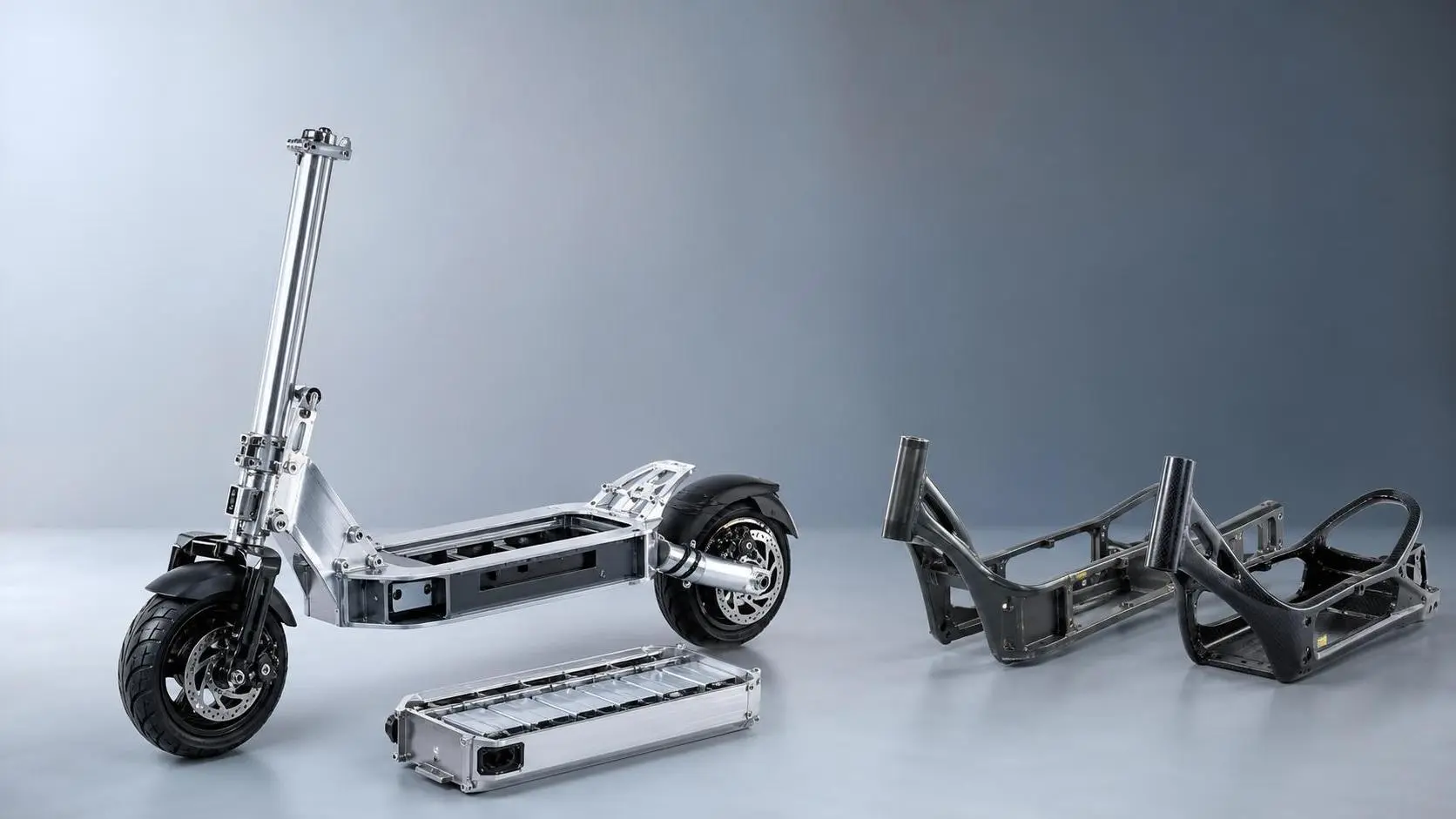
How to Choose Lightweight Scooter Frames in Europe: Materials, Standards, and Use Cases
Lightweight scooter frames Europe buyers need should balance materials, EN standards, durability, and real use cases. Discover how to choose safer, smarter, compliant frames.
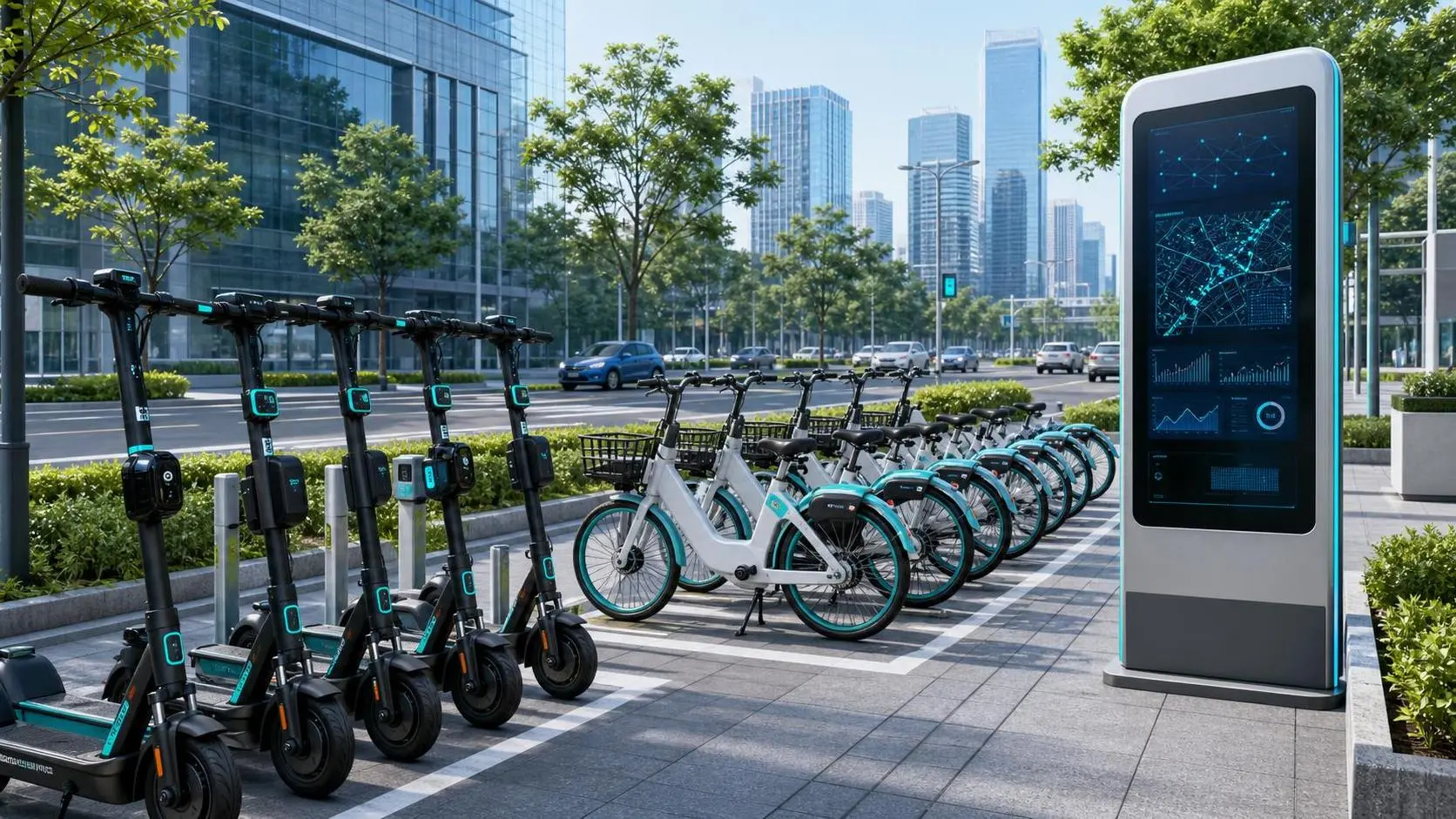
What Is the Intellectualization of Mobility Platform and How Is It Applied in Shared Fleets?
Intellectualization of mobility platform is reshaping shared fleets with real-time data, predictive maintenance, and smarter compliance—learn how it boosts safety, uptime, and urban mobility efficiency.
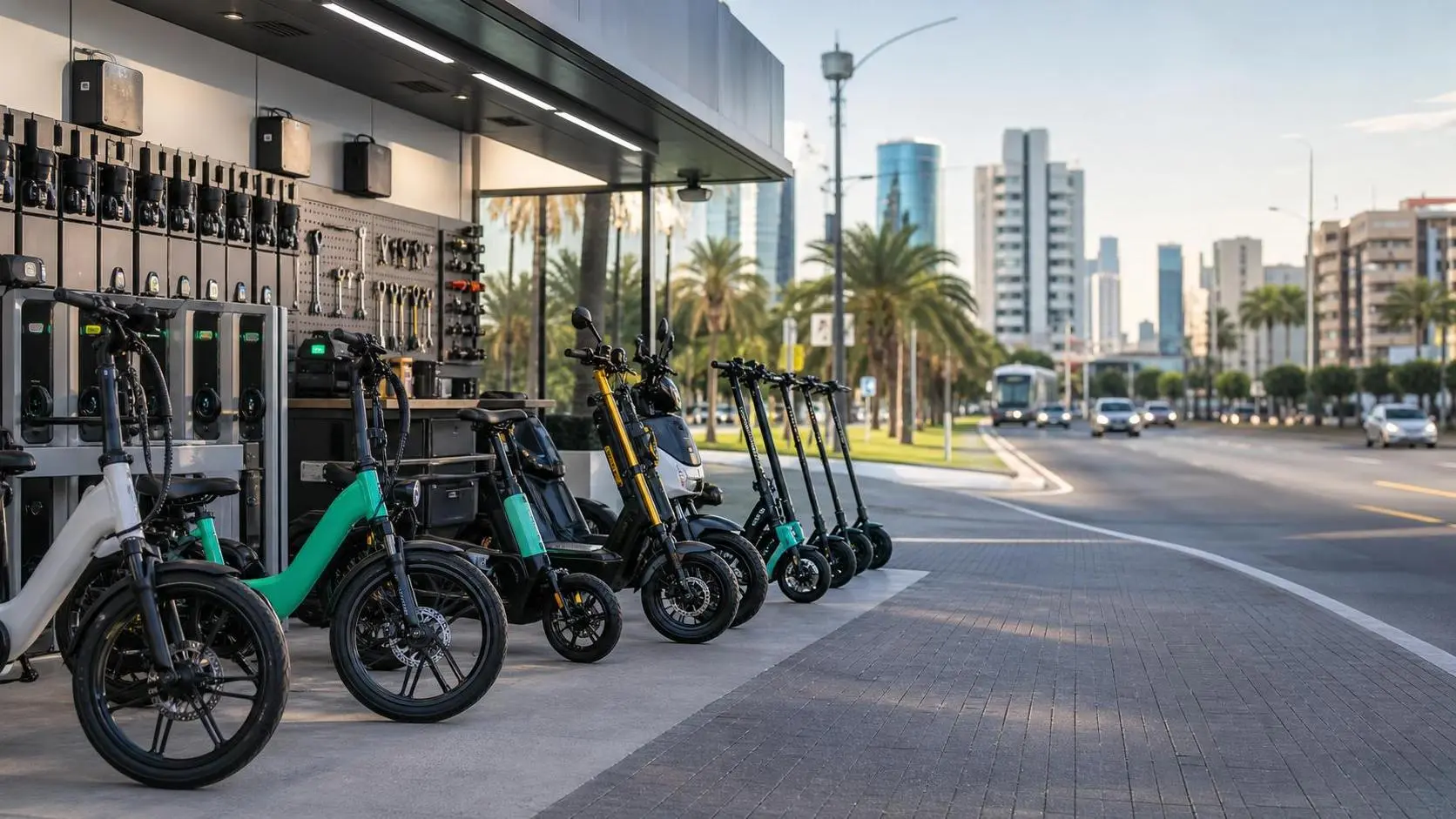
Urban Micro-Mobility Systems in Latin America: Key Market Drivers, Barriers, and Growth Segments
Urban micro-mobility systems Latin America are reshaping city transport. Explore key drivers, barriers, and high-growth segments to spot the region’s most investable opportunities.