
Related News
- 00
0000-00
Battery Overheating Management in Light EVs: Causes, Sensors, and Control Strategies - 00
0000-00
Vehicle Electrification Strategy: How to Prioritize Fleets, Charging, and ROI - 00
0000-00
How to Choose a Wiper Sensor Supplier: Key Specs, Testing Standards, and OEM Risks - 00
0000-00
EMI Interference Mitigation Methods: Shielding, Grounding, and Filter Selection Explained - 00
0000-00
Wiper System Market Analysis: Demand Drivers, OEM Trends, and Aftermarket Opportunities
Ms. Elena Rodriguez
Weekly Insights
Stay ahead with our curated technology reports delivered every Monday.
How to Choose a Wiper Sensor Supplier: Key Specs, Testing Standards, and OEM Risks





Why does the choice of a wiper sensor supplier affect more than component cost?
A wiper sensor looks small on the bill of materials, yet it sits close to safety, warranty exposure, and brand reliability.
In micro-mobility and adjacent vehicle systems, visibility performance is rarely judged by the sensor alone.
It is judged by the whole chain: detection accuracy, motor response, software tuning, sealing quality, and field durability.
That is why choosing a wiper sensor supplier should never begin and end with unit price.
For platforms influenced by urban low-carbon mobility, where compact systems must perform in rain, dust, vibration, and temperature swings, weak sensing creates hidden downstream costs.
Those costs often appear later as false triggering, missed wiping cycles, software recalibration work, or OEM claims.
UMMS has long tracked how smart wiper technologies fit into broader vehicle electrification.
The same logic used to evaluate e-bike drives or scooter control modules also applies here: stable sensing, consistent validation, and repeatable supply matter more than marketing claims.
So the real question is not simply which wiper sensor supplier is cheaper.
The better question is which partner can maintain visibility safety and predictable total cost over the product lifecycle.
What specifications actually separate a capable wiper sensor supplier from an average one?
Many buyers first ask for sensitivity range and output type.
That is necessary, but it is not enough.
A strong wiper sensor supplier should provide a specification set that explains both nominal performance and edge-case behavior.
- Detection principle: optical, capacitive, or hybrid, with limits clearly stated.
- Response time: how quickly rain intensity changes convert into wiper commands.
- Detection threshold stability: especially under light drizzle, mist, road spray, and contamination.
- Operating voltage range: important for compact electric architectures with transient variation.
- Temperature range: not only storage temperature, but tested operating stability.
- Ingress protection and sealing design: critical for long outdoor service life.
- Signal interface compatibility: LIN, CAN, analog, or custom outputs.
- EMC behavior: resistance to electrical noise from motors, battery systems, and controllers.
In practice, two suppliers may quote similar sensitivity figures, yet behave very differently in mixed rain and dust environments.
That difference usually comes from optics quality, firmware logic, and calibration discipline rather than headline specs.
It helps to request raw test curves instead of summary brochures.
A reliable wiper sensor supplier should be comfortable sharing threshold drift data, false-trigger frequency, and environmental aging results.
A quick comparison table helps narrow the field
This kind of table is useful because it brings the discussion back to evidence.
A wiper sensor supplier should be judged by repeatability, not presentation quality.
Which testing standards and validation routines deserve the closest attention?
Testing language can be confusing because suppliers often mix internal standards with international references.
The better approach is to map each claim to a real validation method.
For a wiper sensor supplier, the most meaningful evidence usually covers environmental, electrical, mechanical, and software-related performance.
- Temperature cycling and thermal shock for sensor drift and housing integrity.
- High-humidity and condensation tests for lens clarity and electronic stability.
- IP-rated water and dust ingress tests for real outdoor exposure.
- Salt spray checks where corrosion risk exists.
- Vibration and mechanical shock tests for bracket and connector reliability.
- EMC and EMI tests for signal stability near motors and battery electronics.
- Functional validation under changing rain intensity and contaminated surfaces.
If the target platform serves urban mobility, electrical noise matters more than many teams expect.
Brushless motors, DC-DC converters, and dense wiring can distort weak signals if the design margin is poor.
This is where lessons from smart scooters and high-speed e-motorcycles become relevant.
UMMS often highlights that compact electrified platforms reward components with strong anti-interference behavior, not just compact packaging.
Also, ask whether validation was performed on isolated benches or integrated vehicle-level assemblies.
Bench data is useful, but field-like integrated testing reveals more about response quality and false positives.
Where do OEM risks usually hide when evaluating a wiper sensor supplier?
OEM risk often hides in the gap between a sample that works and a production program that stays stable.
That gap can be surprisingly expensive.
One common issue is undocumented design revision drift.
A supplier may change a lens material, adhesive, or microcontroller source without fully updating validation files.
Another risk is overreliance on customized firmware.
Customization can improve wiping logic, but it also increases dependence on a single engineering team.
If that team cannot support future revisions, lead times and debugging costs rise fast.
There is also the tooling and second-source problem.
Some wiper sensor supplier programs look attractive until a mold issue, chip shortage, or connector change interrupts output.
A few practical checks reduce that exposure:
- Confirm the change control process and approval thresholds.
- Review PPAP, traceability, and lot coding discipline.
- Ask for key material and chip sourcing visibility.
- Check whether calibration fixtures are duplicated across plants.
- Verify failure analysis turnaround and containment routines.
A mature wiper sensor supplier does not treat these questions as uncomfortable.
They answer with documented process control, not verbal reassurance.
How should cost, lead time, and lifecycle value be compared fairly?
The cheapest quote is often the most expensive option once engineering hours and field corrections are counted.
That is especially true when the wiper sensor supplier offers limited validation support.
A fair cost comparison should include direct and indirect factors.
Lead time should be reviewed the same way.
Standard lead time, pilot lead time, and recovery lead time after disruption are not the same thing.
A wiper sensor supplier with a slightly higher unit price may still win if it shortens validation and protects launch timing.
For programs tied to urban mobility demand cycles, timing can be commercially decisive.
What does a practical selection process look like before final nomination?
A practical process usually moves from technical fit to production confidence, not the other way around.
That keeps the shortlist realistic.
- Define the actual use case, including rain profile, contamination risk, voltage behavior, and packaging limits.
- Request detailed specification sheets and validation summaries from each wiper sensor supplier.
- Compare response logic, interface needs, and environmental margins.
- Run sample tests on the target assembly, not only on bench fixtures.
- Audit process control, traceability, and engineering response capability.
- Model total landed cost with validation, warranty, and disruption assumptions included.
This method works because it reflects real operating conditions.
It also aligns with how UMMS interprets system intelligence across electrified mobility categories.
The same discipline used to assess battery management logic or drivetrain precision should also guide sensor sourcing.
When performance data, testing depth, and supply resilience point in the same direction, supplier selection becomes much clearer.
So, how do you move from a long list to the right wiper sensor supplier?
Start by treating the wiper sensor supplier decision as a system-quality decision, not a commodity purchase.
The strongest candidates usually show three things at once: believable technical data, disciplined validation, and transparent change control.
If one area looks weak, long-term cost control becomes harder.
A sensible next step is to build a short evaluation matrix around your target environment, interface requirements, compliance evidence, and supply continuity assumptions.
Then compare each wiper sensor supplier against the same checklist, using sample validation and process evidence to break ties.
That approach reduces avoidable OEM risk and supports better lifecycle value, especially in fast-evolving urban mobility platforms where reliability and technical credibility travel together.
Related News
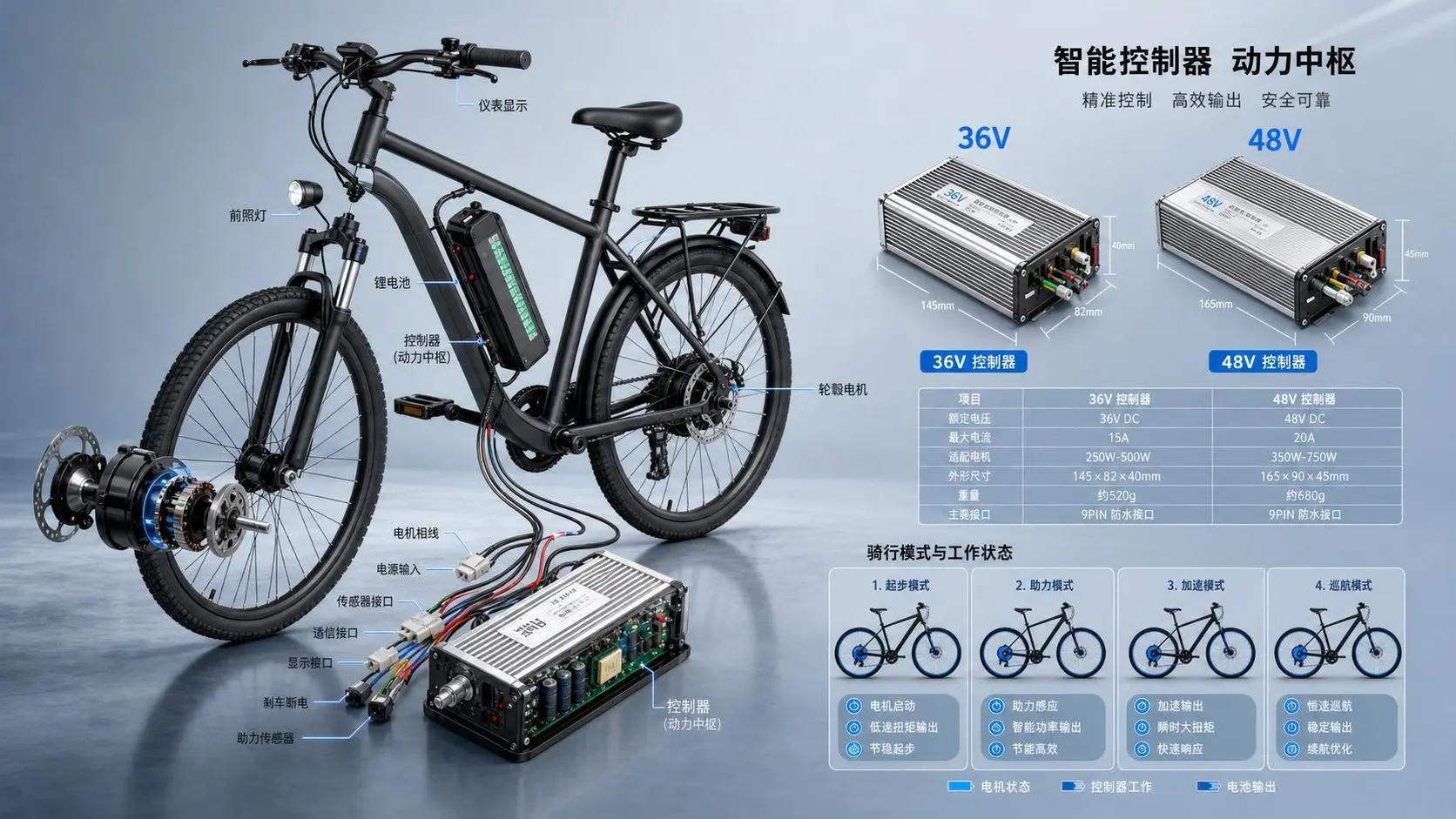
E Bike Controllers Explained: How to Match Voltage, Current, and Riding Mode
E bike controllers explained: learn how to match voltage, current, and riding mode for smoother power, safer compatibility, better efficiency, and more confident e-bike upgrades.
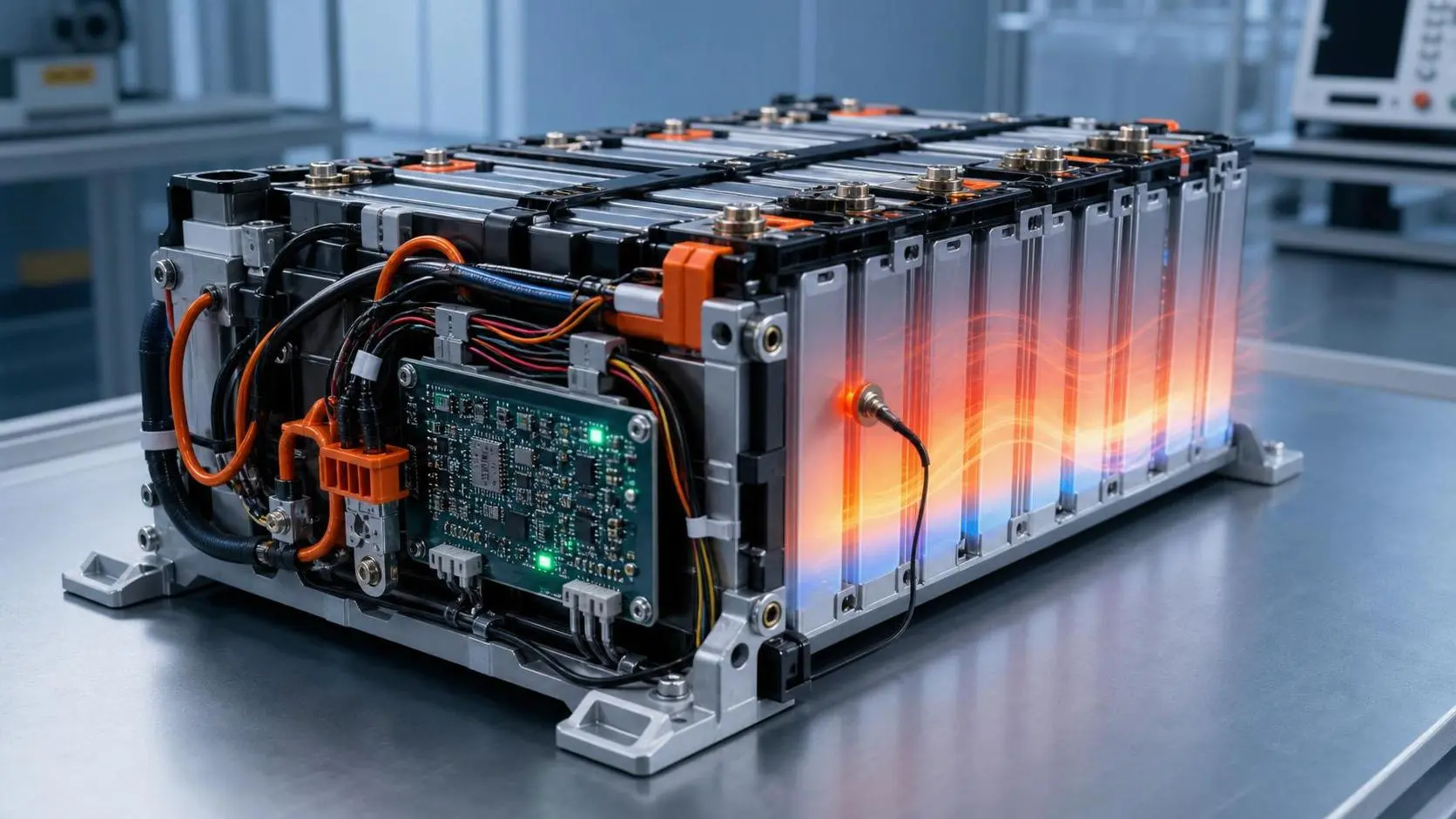
Battery Overheating Management in Light EVs: Causes, Sensors, and Control Strategies
Battery overheating management in light EVs: learn the main causes, key sensors, and proven control strategies to improve safety, reliability, and thermal compliance.
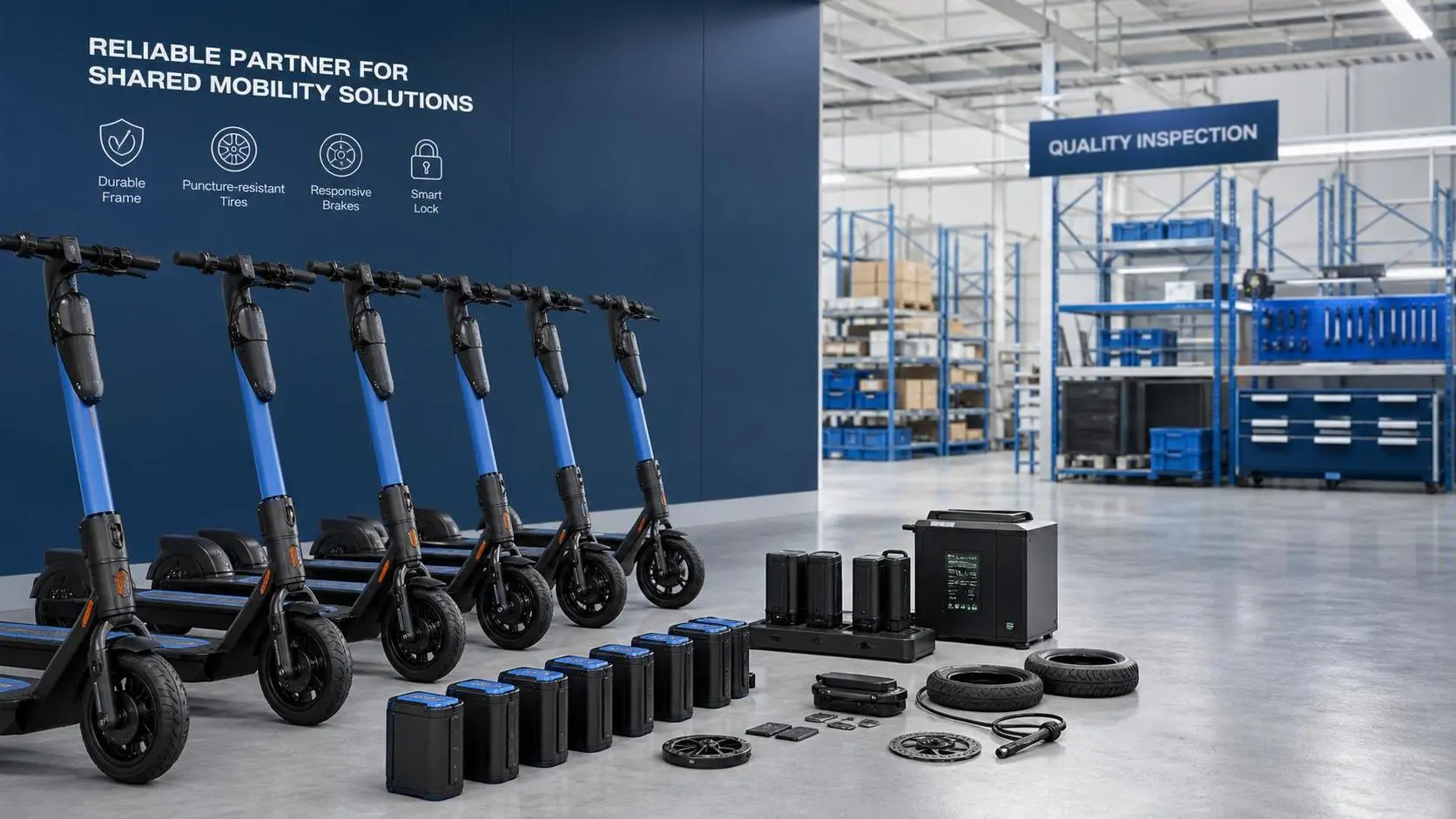
Shared Scooters Supplier Checklist: What to Compare Before Fleet Procurement
Shared scooters supplier checklist: compare total cost, durability, battery strategy, IoT, compliance, and support before fleet procurement to reduce risk and improve long-term ROI.
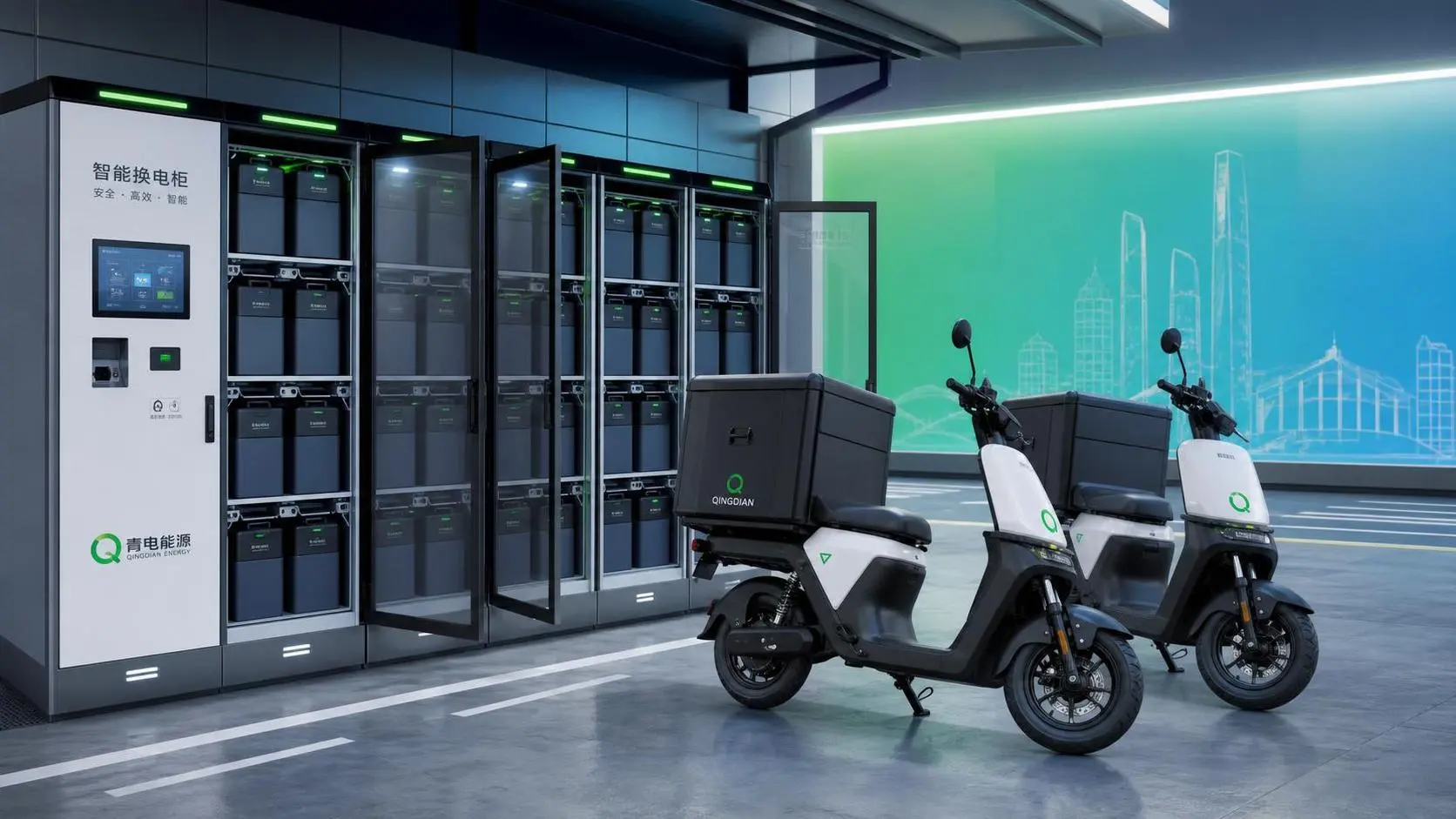
Battery-Swapping Networks for Motorcycles: Key Cost Drivers and Deployment Models
Battery-swapping networks motorcycles explained: explore key cost drivers, utilization risks, and deployment models shaping profitable electric two-wheeler infrastructure.
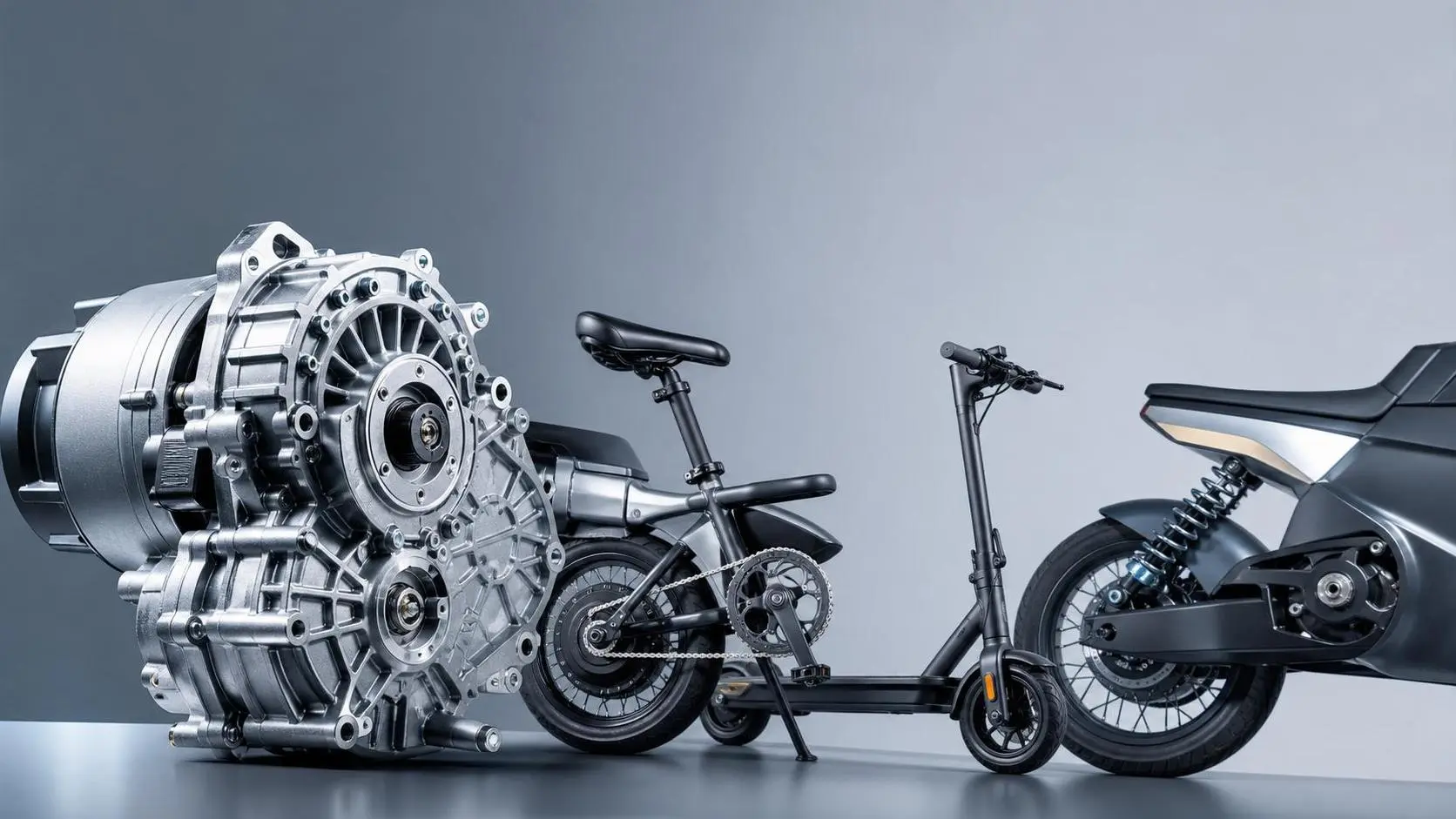
How to Choose an Electromechanical Transmission Manufacturer for E-Mobility Projects
Electromechanical transmission manufacturer selection can make or break e-mobility projects. Learn how to compare suppliers for performance, quality, compliance, and long-term value.
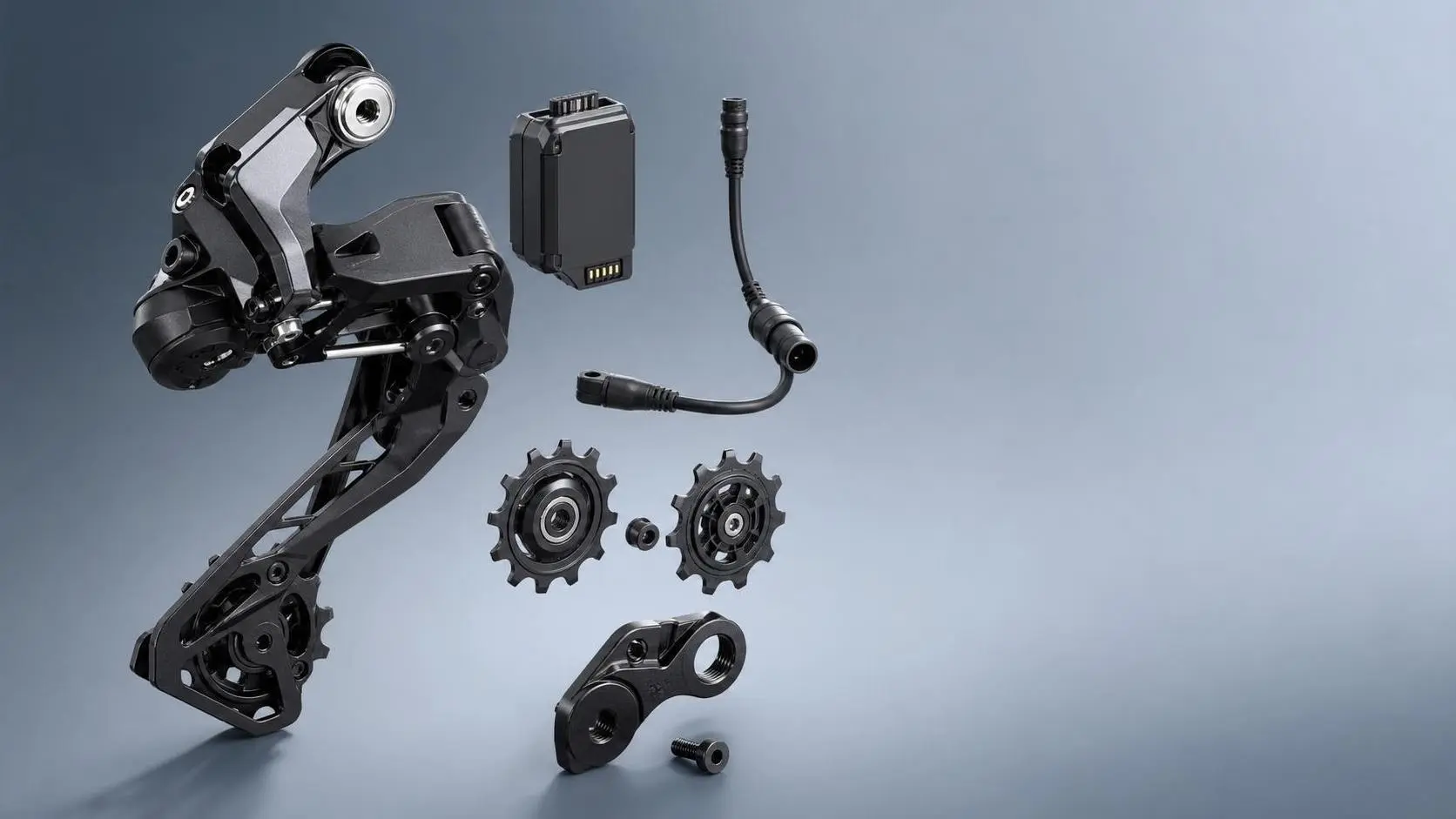
Electronic Derailleur Parts Guide: Compatibility, Wear Points, and Replacement Tips
Electronic derailleur parts guide covering compatibility, common wear points, and smart replacement tips. Learn how to diagnose issues faster, avoid mismatch errors, and improve shifting reliability.
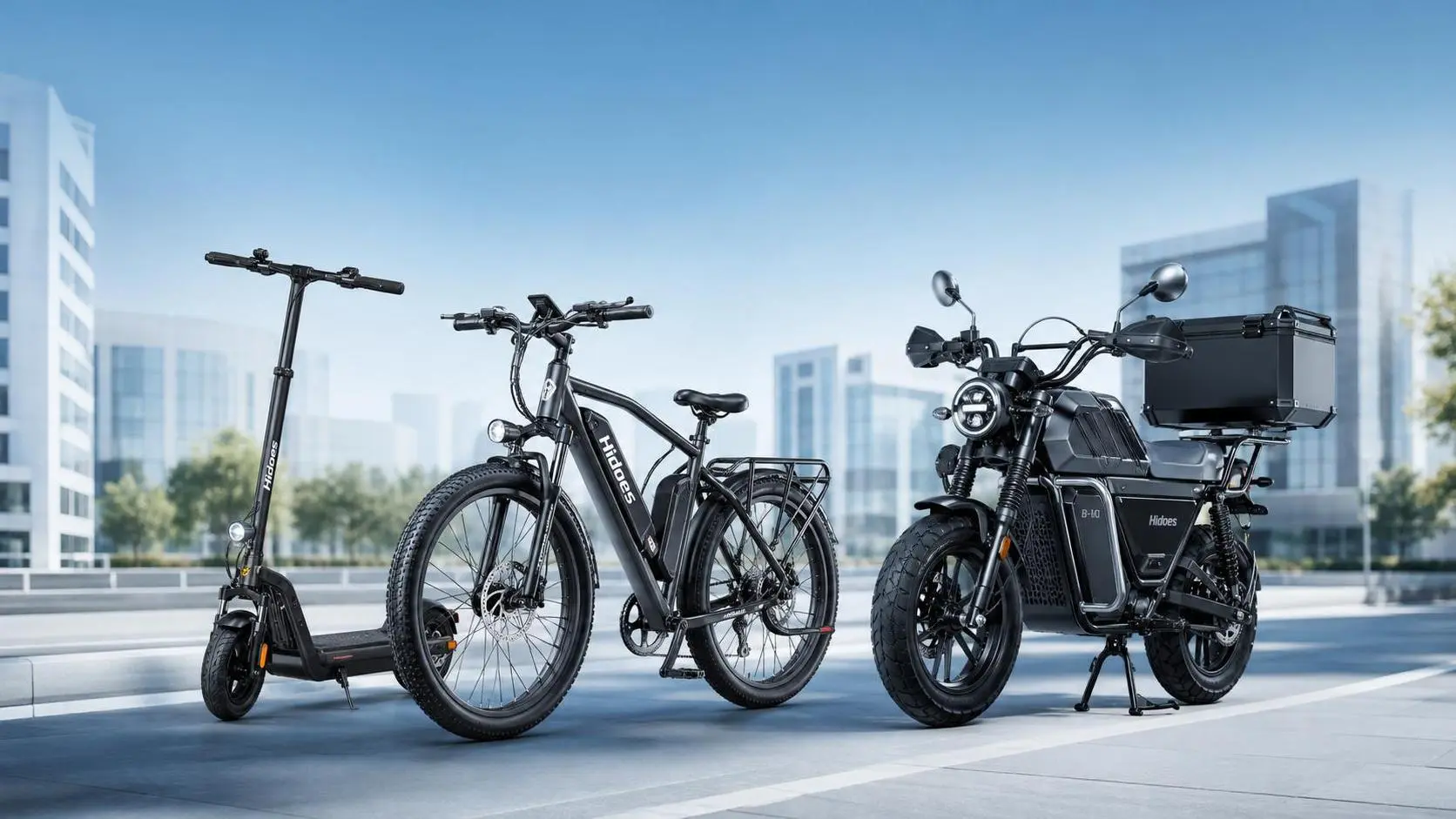
How to Choose Urban Mobility Devices for Shared Use, Campus Travel, or Delivery
Urban mobility devices for shared fleets, campus travel, or delivery require the right mix of safety, uptime, battery strategy, and serviceability—discover how to choose smarter.
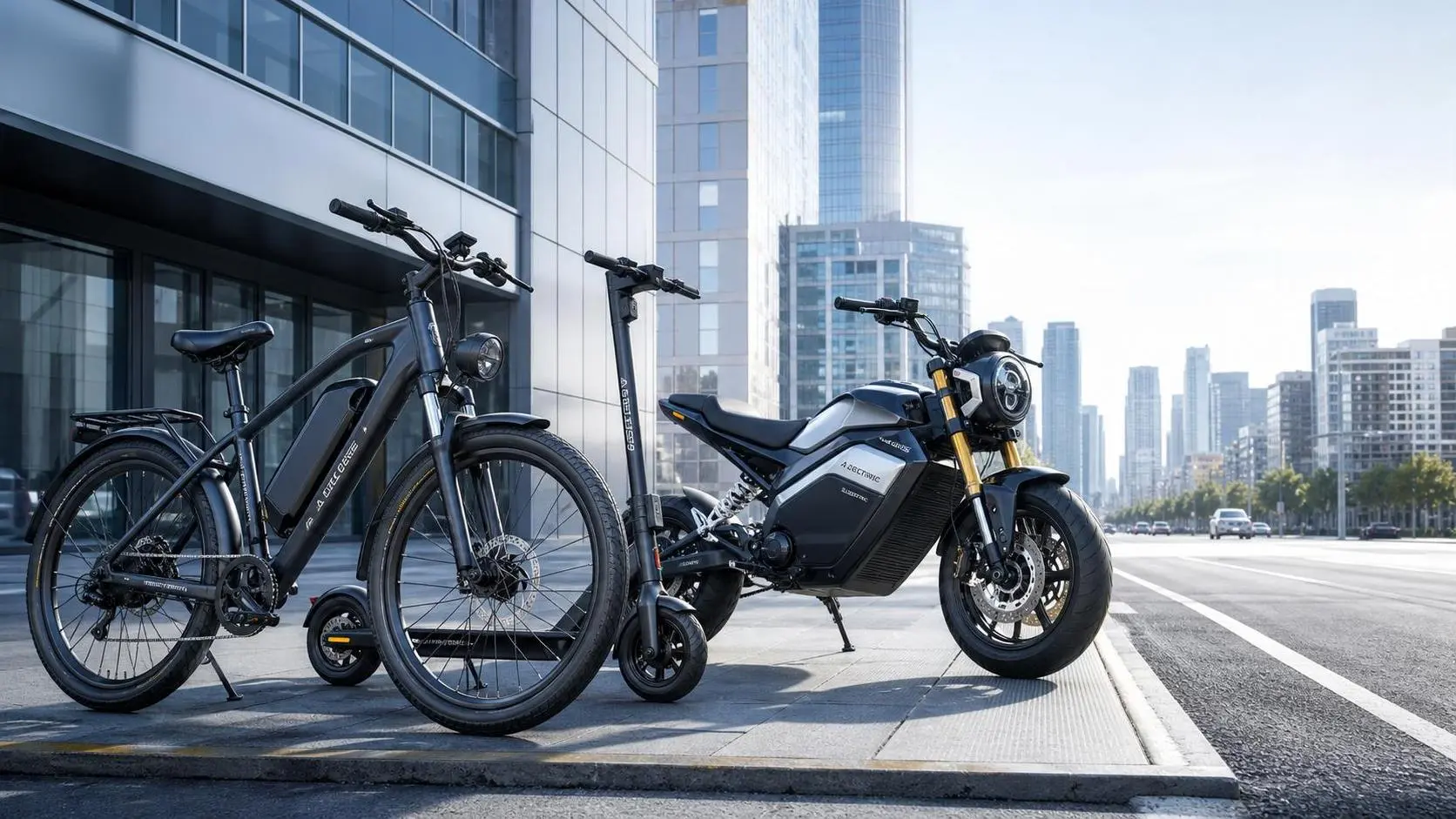
Micro Mobility USA Market: Key Regulations, Demand Signals, and Growth Segments
Micro mobility USA is entering a regulation-led growth phase. Explore key rules, demand signals, and top segments shaping e-bikes, scooters, and electric two-wheel opportunities.
Clean Urban Transport Options Explained: Which Modes Fit Dense City Routes?
Clean urban transport explained for dense city routes—compare e-bikes, smart e-scooters, and e-motorcycles to find the best fit for speed, comfort, range, and city compliance.