
Related News
- 00
0000-00
How to Evaluate a Brushless Wiper Motor Supplier for OEM Quality and Lead Time - 00
0000-00
How Do Photoelectric Wiper Sensors Work and Where Are They Most Effective? - 00
0000-00
How to Evaluate Core Component Suppliers for Electric Motorcycles Before Sourcing? - 00
0000-00
Electric Motorcycle Systems Price Breakdown: What Affects Cost From Battery to Controller? - 00
0000-00
Micro-mobility Systems Explained: Core Components, Operating Models, and City Use Cases
Ms. Elena Rodriguez
Weekly Insights
Stay ahead with our curated technology reports delivered every Monday.
IoT Module Integration for Light EVs: How to Compare CAN, GPS, LTE, and Power Requirements





IoT Module Integration for Light EVs: How to Compare CAN, GPS, LTE, and Power Requirements
For light electric vehicles, IoT module integration is never just about adding connectivity.
It shapes reliability, battery life, diagnostics, theft recovery, and long-term service cost.
That is especially true for e-bikes, smart e-scooters, and high-speed e-motorcycles.
In practice, the hardest part is not choosing one feature.
It is comparing CAN access, GPS behavior, LTE stability, and power requirements as one system.
A good IoT module integration framework helps teams avoid overdesign, underpowered hardware, and weak field performance.
Why IoT module integration matters in light EV architecture
Light EV platforms operate under tighter limits than passenger cars.
Battery capacity is smaller, packaging is tighter, and thermal margins are narrower.
This also means IoT module integration must support useful data without draining energy or complicating assembly.
For shared fleets, the module often supports vehicle location, ride logs, remote lock functions, and maintenance alerts.
For retail vehicles, it may focus more on anti-theft, app connectivity, warranty evidence, and battery health visibility.
So the correct comparison is not feature versus feature. It is architecture versus use case.
Start with the vehicle data path
Before comparing hardware, map the full data path.
Ask what the module must read, how often it must transmit, and what actions it must trigger.
Many teams begin with GPS and LTE, then discover the real bottleneck is data access from the controller or BMS.
That is where CAN becomes central in IoT module integration.
What CAN actually adds
CAN gives the IoT module structured access to vehicle-level information.
Typical signals include speed, battery voltage, state of charge, fault codes, motor temperature, and ignition state.
Without CAN, the module may rely on discrete inputs or UART data.
That can work, but it often reduces scalability and diagnostic depth.
- Use CAN when remote diagnostics and battery analytics are business-critical.
- Use simpler interfaces when only location and basic lock status are required.
- Check message ownership early to avoid conflicts with existing ECUs.
- Verify wake-up behavior, because CAN traffic can increase standby consumption.
How to compare CAN requirements
Not every CAN connection brings equal value.
A cleaner evaluation looks at four questions.
- Which signals are essential for operations, safety, and service?
- How often must each signal be sampled or uploaded?
- Can the IoT module remain passive, or must it send commands?
- What happens if the CAN bus is noisy, delayed, or unavailable?
For example, passive monitoring is lower risk than command-capable integration.
Remote immobilization, battery wake-up, or firmware coordination needs stricter validation.
This is where many IoT module integration projects become more expensive than expected.
GPS evaluation goes beyond tracking accuracy
GPS is often treated like a checkbox feature.
In reality, GPS performance depends heavily on antenna placement, enclosure material, ride environment, and power strategy.
On compact vehicles, antennas may sit near batteries, motor wiring, and metal frames.
That can weaken signal quality even if the module specification looks strong on paper.
GPS factors worth testing
- Cold start time after long sleep periods.
- Position drift in underground, dense urban, or covered parking areas.
- Signal recovery after tunnel exits or fast restarts.
- Power draw during active tracking and periodic reporting.
- Antenna sensitivity under real vehicle packaging conditions.
For anti-theft use, fast reacquisition may matter more than perfect route precision.
For fleet analytics, consistency over long duty cycles usually matters more.
LTE selection is really about coverage, data behavior, and lifecycle
LTE is the bridge between the vehicle and the cloud.
But IoT module integration fails when LTE assumptions do not match deployment regions.
A module that performs well in one market may struggle in another because of band support or carrier policy.
That is especially relevant for OEMs shipping the same platform across Europe, North America, and Asia.
What to compare in LTE modules
- Regional LTE band compatibility and fallback options.
- Latency for lock, unlock, and alert commands.
- Reconnect behavior after low-voltage sleep or network loss.
- Data plan efficiency for telemetry, events, and firmware updates.
- Certification path for target countries and operators.
LTE also affects service lifespan.
If the vehicle is expected to remain active for years, network roadmap risk must be part of the decision.
A cheaper module is not cheaper if it needs early replacement or fragmented SKU management.
Power requirements are the hidden driver of IoT module integration
In light EVs, power requirements decide whether a connected feature feels premium or becomes a battery complaint.
This is often the most underestimated part of IoT module integration.
Teams may compare active current only, while ignoring sleep current, wake frequency, and peak transmission loads.
Key power checks
- Sleep current during parking periods.
- Peak current during LTE attach and data bursts.
- GPS duty cycle under ride and anti-theft modes.
- CAN wake events caused by charger, controller, or BMS traffic.
- Low-voltage shutdown thresholds and recovery behavior.
A realistic power model should cover ride mode, parked mode, shipping mode, and fault mode.
That broader view usually reveals more than a bench test ever will.
A practical comparison matrix for selection
This kind of matrix keeps IoT module integration decisions grounded in field behavior, not just datasheets.
Common mistakes during evaluation
Several issues appear again and again across micro-mobility programs.
- Choosing the module before defining the backend data model.
- Testing GPS on a bench instead of inside the final vehicle enclosure.
- Ignoring parked-current impact over multi-day storage periods.
- Assuming one LTE SKU can cover all export markets.
- Adding CAN write capability without a clear safety boundary.
More clearly than anything else, these mistakes show why IoT module integration should be reviewed as a cross-functional task.
How to make the final decision
A strong decision usually follows a simple order.
- Define the business-critical functions first.
- Map required vehicle signals and cloud behaviors.
- Test CAN, GPS, LTE, and power as one integrated stack.
- Validate the design in real parking, charging, and riding scenarios.
- Score modules by lifecycle cost, not purchase price alone.
For UMMS-tracked micro-mobility trends, the clearer signal is this.
Connected vehicles now compete on data quality and energy discipline as much as on ride hardware.
That makes IoT module integration a core engineering decision, not an accessory choice.
When CAN visibility, GPS resilience, LTE fit, and power requirements are evaluated together, selection becomes faster and more defensible.
The most effective next step is to build a vehicle-specific scorecard and test every module against real operating states before launch.
Related News

How to Evaluate a Brushless Wiper Motor Supplier for OEM Quality and Lead Time
Brushless wiper motor supplier selection made easier: learn how to assess OEM quality, engineering support, compliance, and lead time to reduce sourcing risk.
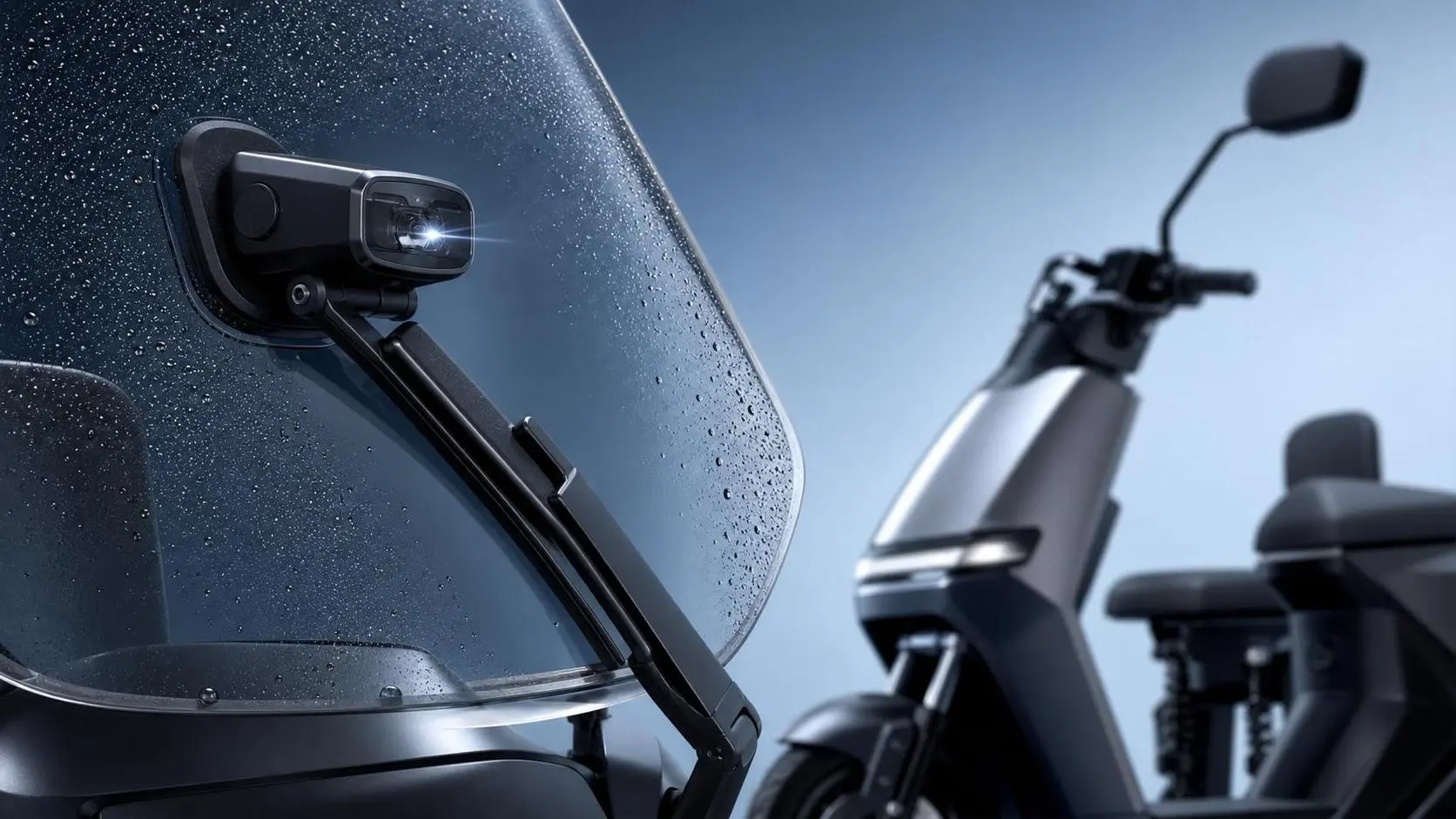
How Do Photoelectric Wiper Sensors Work and Where Are They Most Effective?
Photoelectric wiper sensors explained: learn how they detect rain, reduce false triggers, and deliver the best visibility gains in urban EVs, e-bikes, fleets, and smart mobility.
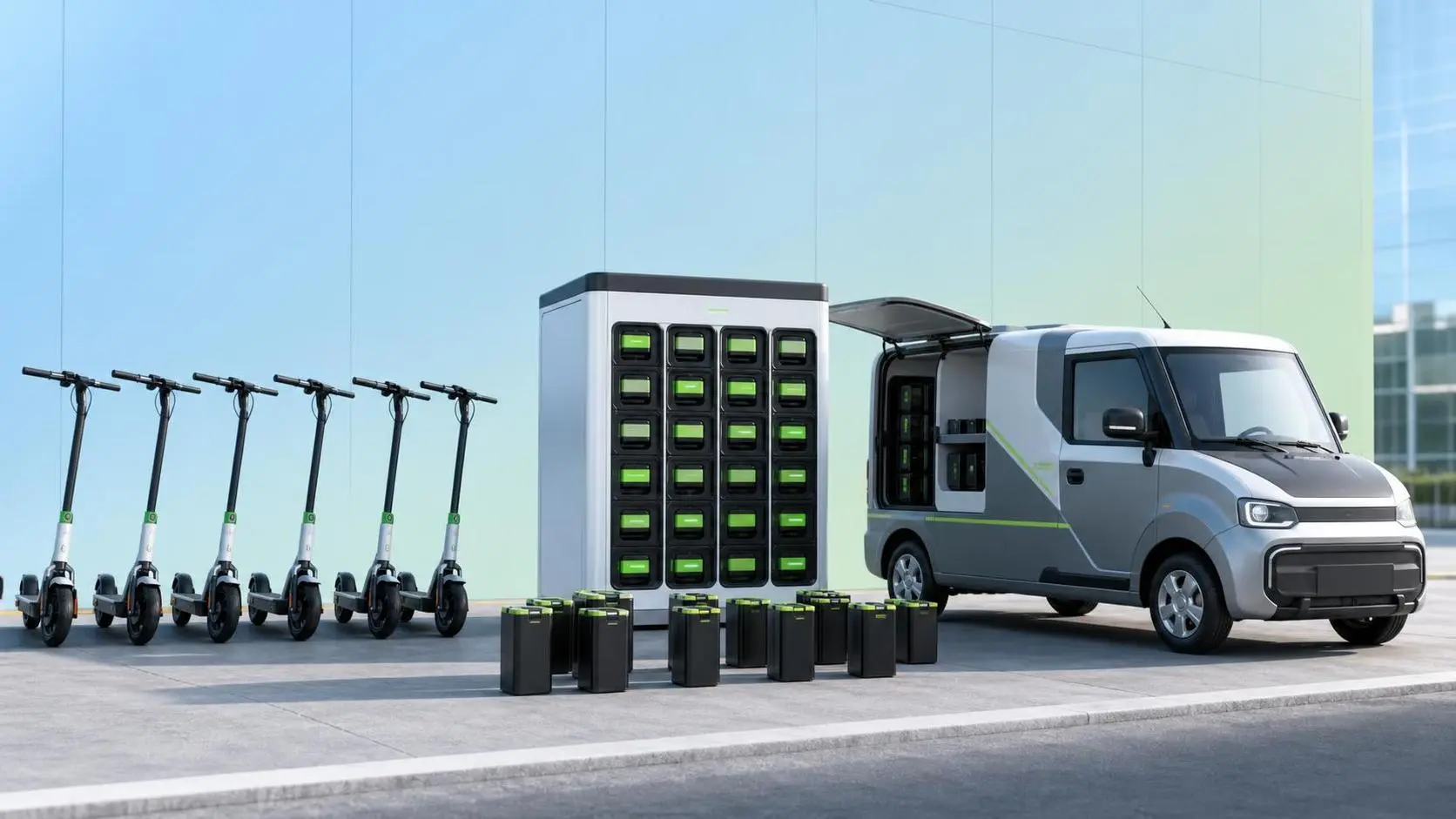
How Battery-Swapping Networks Reduce Downtime in Shared Fleet Scooter Operations
Battery-swapping networks cut scooter fleet downtime by speeding field turnaround, improving uptime in peak zones, and helping operators optimize labor, battery rotation, and service efficiency.
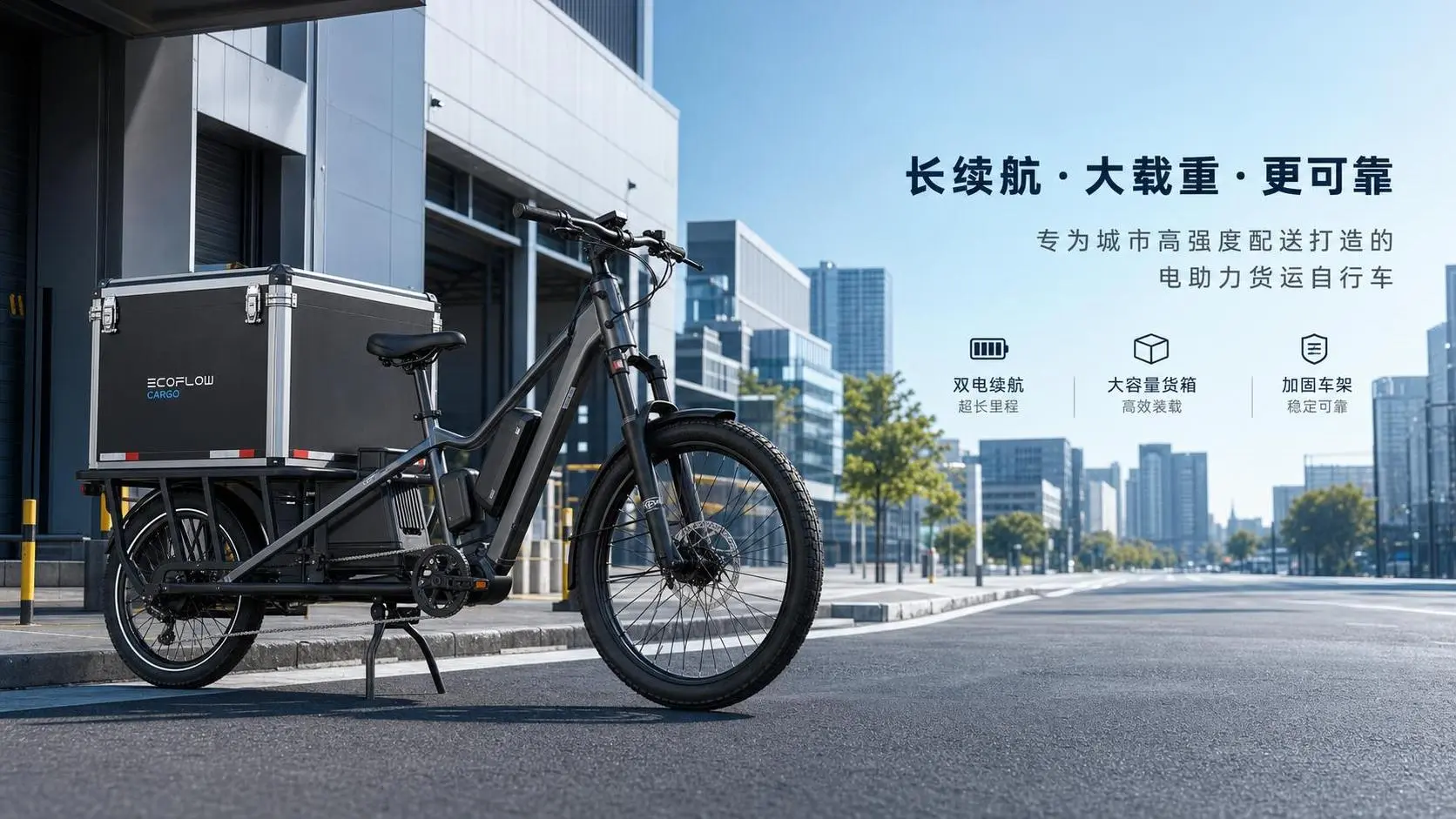
How to Choose a Long-Range Commercial Cargo E-Bike for Delivery Operations
Commercial cargo e-bike long range buying guide: learn how to assess battery, payload, route fit, and uptime support to choose a reliable delivery model with lower operating costs.
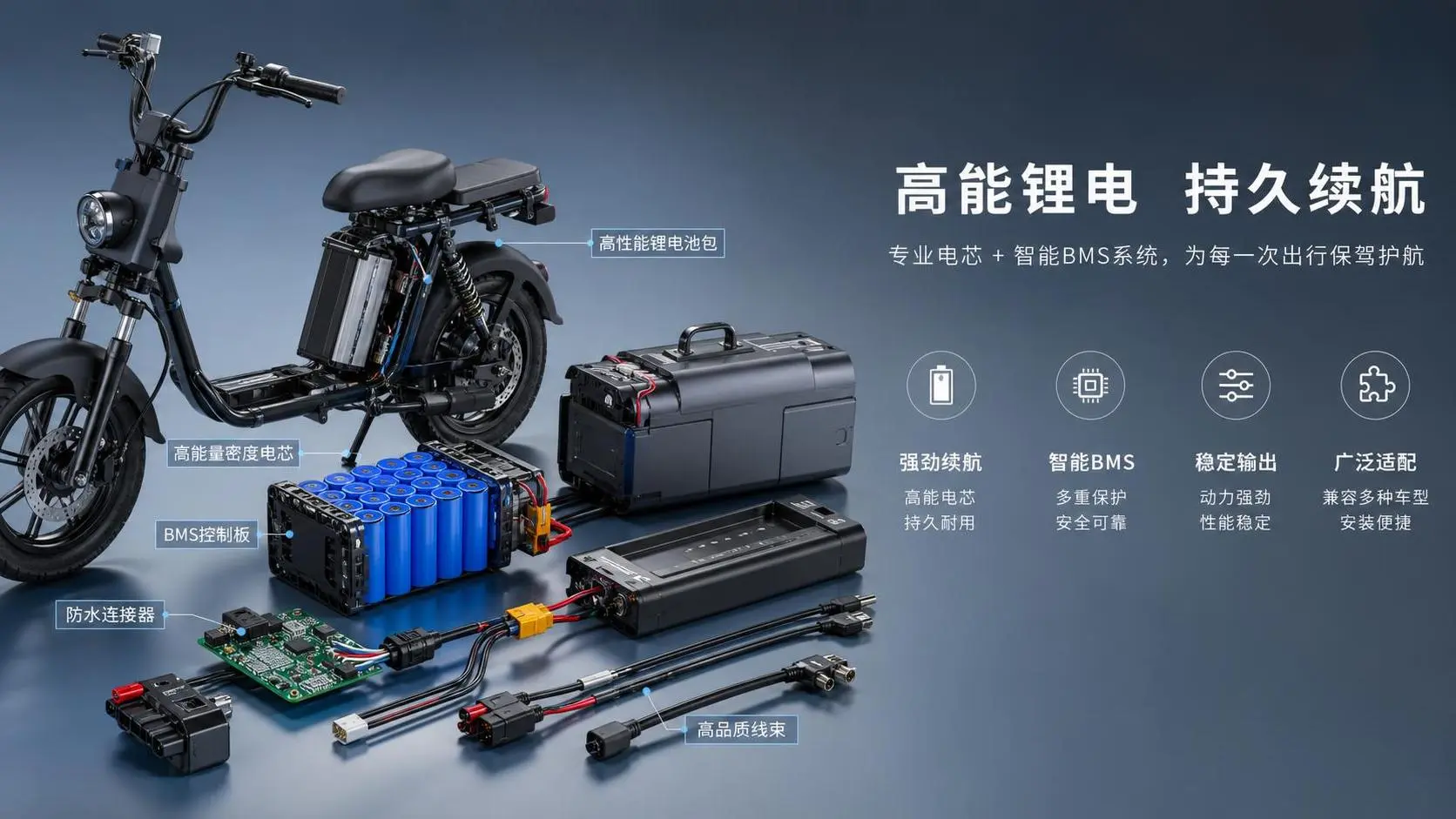
How to Select the Right E-Bike Battery Components for Range, Safety, and Fit?
E-bike component selection battery guide: learn how to choose the right battery components for better range, stronger safety, and perfect fit across modern e-bike platforms.
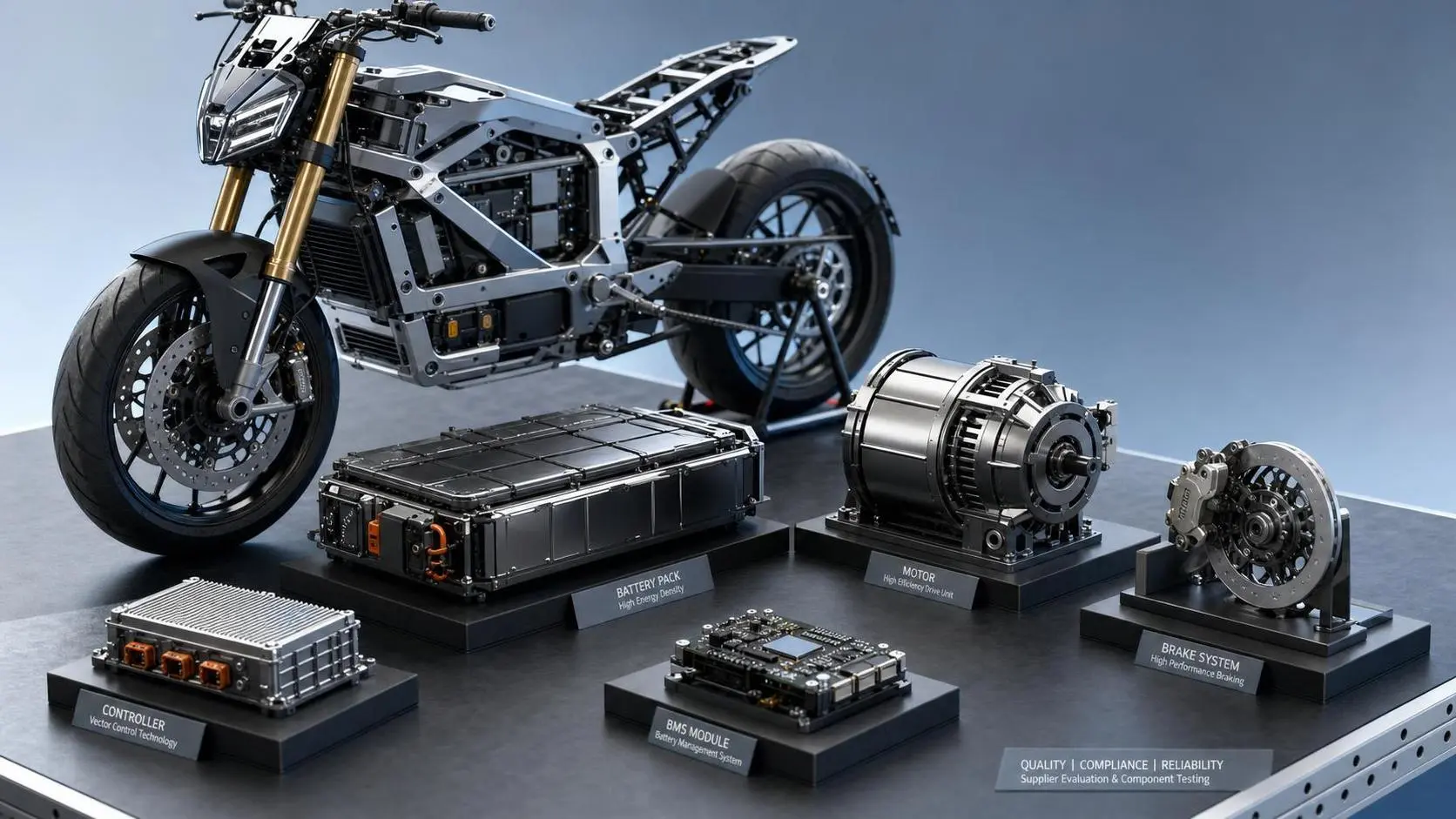
How to Evaluate Core Component Suppliers for Electric Motorcycles Before Sourcing?
Core component suppliers for electric motorcycles can make or break safety, compliance, and delivery. Learn how to assess technical strength, certifications, quality control, and hidden sourcing risks before you buy.
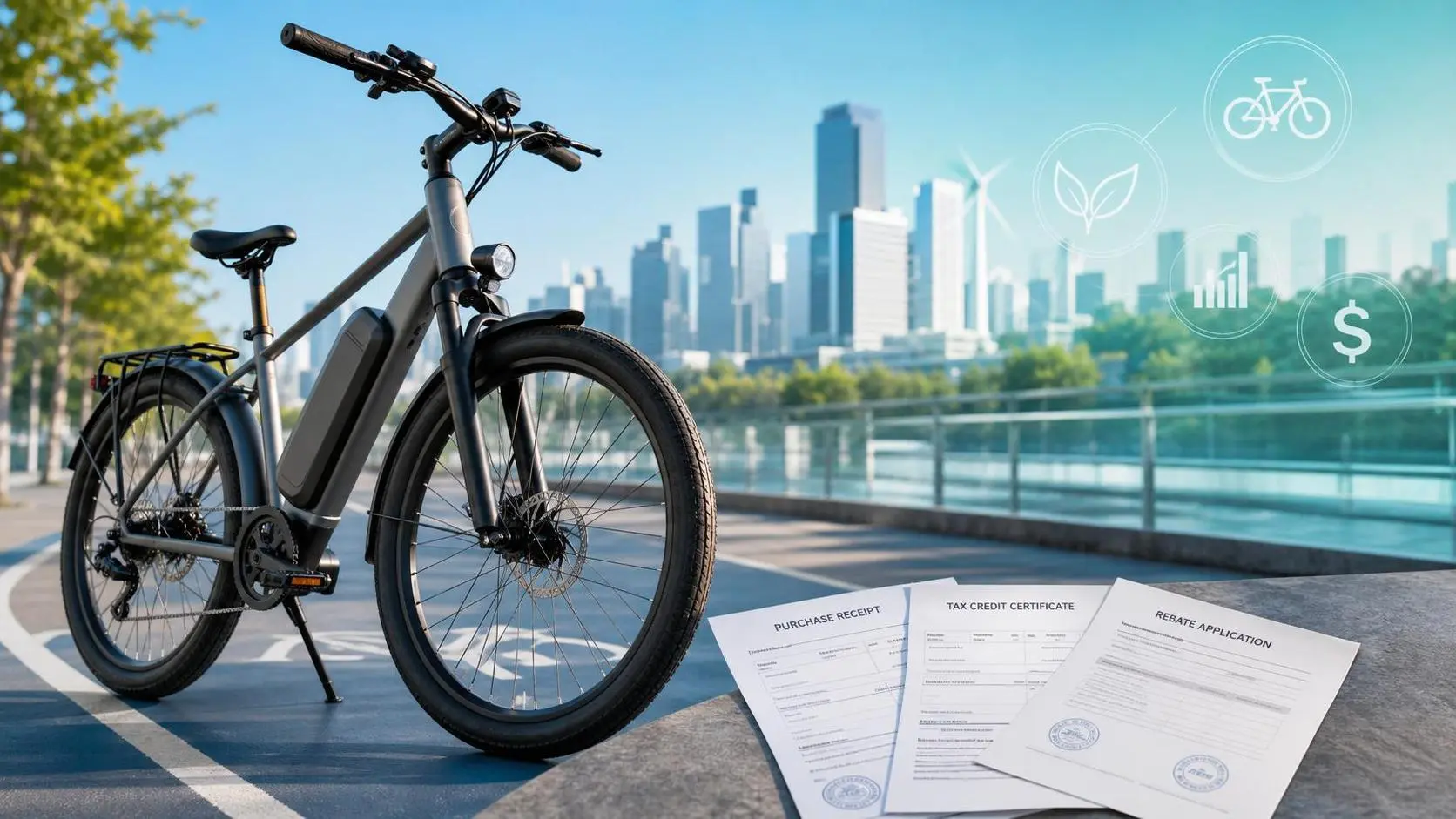
E-Bike Incentives Explained: How Riders Can Find Local Rebates and Tax Credits
E bike incentives explained: learn how to find local rebates, tax credits, and utility offers, avoid common mistakes, and cut the real cost of your next e-bike.
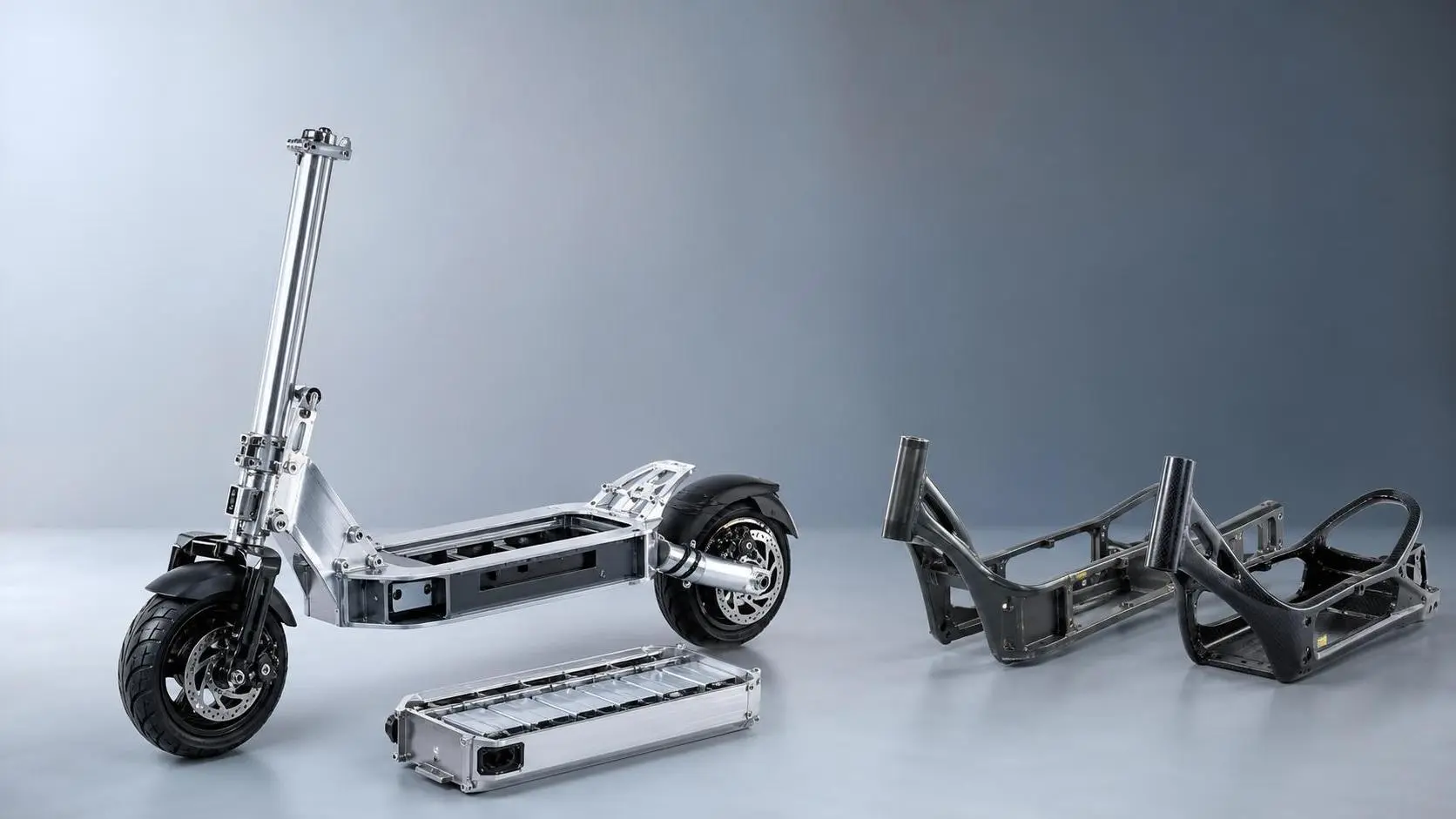
How to Choose Lightweight Scooter Frames in Europe: Materials, Standards, and Use Cases
Lightweight scooter frames Europe buyers need should balance materials, EN standards, durability, and real use cases. Discover how to choose safer, smarter, compliant frames.
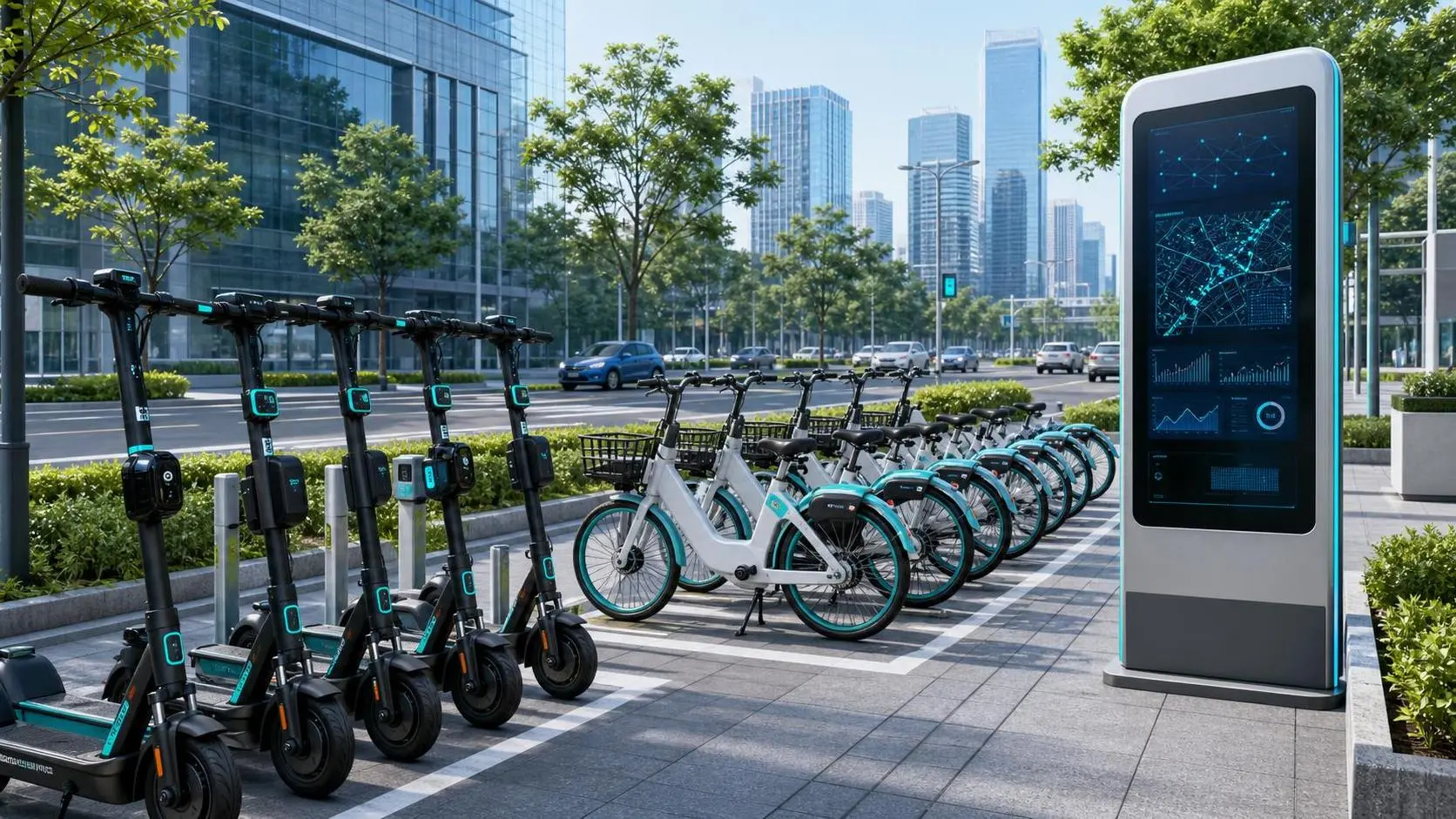
What Is the Intellectualization of Mobility Platform and How Is It Applied in Shared Fleets?
Intellectualization of mobility platform is reshaping shared fleets with real-time data, predictive maintenance, and smarter compliance—learn how it boosts safety, uptime, and urban mobility efficiency.