
Related News
- 00
0000-00
Micro-Mobility Trends Forecast: What Fleet Operators Should Watch Through 2030 - 00
0000-00
Urban Micro-Mobility Systems in Latin America: Key Market Drivers, Barriers, and Growth Segments - 00
0000-00
Intellectualization of Mobility in North America: What Is Driving Adoption Across Urban Transport? - 00
0000-00
What Is Driving Green Two-wheelers Demand in Europe? Policy, Fuel Costs, and Buyer Segments - 00
0000-00
Urban Micro-Mobility in North America: Policy, Charging Access, and Fleet Growth Drivers
Prof. Marcus Chen
Weekly Insights
Stay ahead with our curated technology reports delivered every Monday.
Green Mobility Demand Explained: What Is Driving Growth Across Urban Transport?





Green Mobility Demand Explained: Why Urban Transport Is Changing So Quickly
Green mobility demand is no longer a niche trend. It is becoming a practical response to crowded streets, cleaner air targets, and daily pressure for faster short-distance travel.
In many cities, the strongest momentum comes from micro-mobility. E-bikes, smart e-scooters, and high-speed e-motorcycles now sit between walking, cars, and public transport.
What makes this shift important is not only electrification. It also involves battery logic, lightweight engineering, digital connectivity, and safer component systems working together.
That is why green mobility demand is drawing attention across the broader transport and industrial landscape. It reflects both user behavior and deeper infrastructure decisions.
From the UMMS perspective, this is part of a larger last-mile transformation. Vehicle performance, drivetrain precision, battery efficiency, and policy signals now influence the same urban mobility equation.
What does green mobility demand actually mean in urban transport?
At its core, green mobility demand describes rising market and public interest in lower-emission ways to move people through cities efficiently.
That sounds broad, so a more useful definition is this. It is the growing preference for transport options that reduce congestion, energy waste, and local pollution without reducing convenience.
This includes public transit upgrades, but the fastest visible change often appears in two-wheeler electrification. Short urban trips are ideal for e-bikes and e-scooters.
High-speed e-motorcycles also matter where riders need more range, stronger torque, or suburban-to-urban connectivity. They expand green mobility demand beyond the very short trip segment.
In practice, demand is not driven by one feature alone. People respond to total usability: charging ease, route access, safety, durability, and operating cost.
This is also why component intelligence matters. Precision drivetrains, thermal management, connected control modules, and weather safety systems all support adoption indirectly.
Why is green mobility demand growing now instead of five years ago?
The growth is the result of several forces arriving at the same time, not a single breakthrough.
First, cities are under pressure to cut emissions quickly. Carbon targets are no longer abstract policy goals. They now influence street design, procurement, access rules, and subsidies.
Second, congestion has become expensive in visible ways. Lost commuting time, delivery delays, and parking constraints push travelers toward smaller and more flexible vehicles.
Third, product capability has improved. Battery density, motor efficiency, braking systems, and lightweight frame engineering have made electric two-wheelers more dependable.
A fourth driver is digital intelligence. Shared fleets and private users both benefit from app-based access, fleet monitoring, route data, anti-theft systems, and predictive maintenance.
The following table helps separate the main growth triggers from what they mean in real urban use.
A more overlooked factor is credibility. Growth becomes stronger when technical performance matches policy ambition. That is where intelligence platforms such as UMMS help interpret real signals behind headline momentum.
Which parts of micro-mobility are benefiting most from this demand?
Not every category grows in the same way. Green mobility demand spreads across product types according to trip length, regulation, and local street conditions.
E-bikes remain one of the strongest segments. They work well for commuting, light cargo, mixed-age riders, and cities where cycling infrastructure already exists.
Smart e-scooters grow fastest where compact storage, shared access, and short station-to-destination trips matter. Their success depends heavily on rules and fleet management quality.
High-speed e-motorcycles answer a different need. They fit users who want faster acceleration, longer routes, and a realistic replacement for internal combustion motorcycles.
The less visible winners are components and systems. Precision derailleur systems, battery management software, braking reliability, and even advanced wiper technologies affect safety and adoption confidence.
That broader system view matters. Green mobility demand grows faster when the vehicle is supported by dependable parts, stable electronics, and easy maintenance logic.
- E-bikes usually lead in commuter practicality and policy acceptance.
- Smart e-scooters lead in high-frequency, short-range last-mile use.
- High-speed e-motorcycles lead where performance expectations are higher.
- Components lead quietly by improving reliability, efficiency, and safety.
How can you tell whether green mobility demand is structural or just temporary hype?
This is a useful question because trend language often moves faster than real adoption. A good test is to look beyond unit sales headlines.
Structural green mobility demand usually shows up in several layers at once. Policy support appears, infrastructure expands, component investment deepens, and user behavior becomes more routine.
Temporary hype looks different. It often relies on promotions, pilot programs, or novelty without strong charging access, repair networks, or stable road-use rules.
A practical way to judge the market is to track these signals over time, not in isolation.
- Are cities adding protected lanes or clearer right-of-way rules?
- Are batteries, thermal systems, and connected modules improving generation by generation?
- Do users keep returning after subsidies or free trials decline?
- Is maintenance becoming standardized rather than improvised?
UMMS tends to read the market through exactly these deeper indicators. Intelligence on subsidy policy, drivetrain evolution, and battery system design often says more than broad consumer surveys.
What common misunderstandings can distort decisions around green mobility demand?
One common mistake is treating all electric two-wheelers as interchangeable. They solve different transport problems and operate under different cost and safety conditions.
Another misunderstanding is assuming demand grows only because users want sustainability. In reality, convenience, time savings, parking freedom, and route flexibility are often stronger triggers.
Some also underestimate the role of component quality. Poor battery control, weak weather protection, or unstable shifting systems can damage confidence even when market demand looks strong.
There is also a regulatory blind spot. Green mobility demand may rise quickly, but uneven rules on speed, access, helmets, parking, and fleet caps can slow actual deployment.
In real-world evaluation, the better question is not simply whether demand exists. It is whether the surrounding system can support that demand efficiently and safely.
If you are tracking this market, what should you watch next?
The next phase of green mobility demand will likely depend on integration rather than novelty. Urban transport is moving toward connected ecosystems, not isolated vehicle categories.
That means battery swapping, fleet analytics, anti-interference control systems, and smarter safety hardware will become more important than simple launch volume.
It is also worth watching where demand broadens geographically. Growth is strongest when local policy, street design, and technical support improve together.
A sensible monitoring checklist can help separate durable market expansion from short-lived spikes.
In simple terms, green mobility demand grows when technology, regulation, and daily usefulness reinforce one another. That is the pattern to keep testing.
If you want to assess the market more carefully, start by mapping trip scenarios, policy conditions, safety requirements, and component maturity together.
Then compare signals across e-bikes, smart e-scooters, high-speed e-motorcycles, and enabling systems rather than treating the sector as one uniform category.
That approach usually leads to a clearer view of where green mobility demand is truly sustainable, and where it still depends on unresolved infrastructure or technical gaps.
Related News
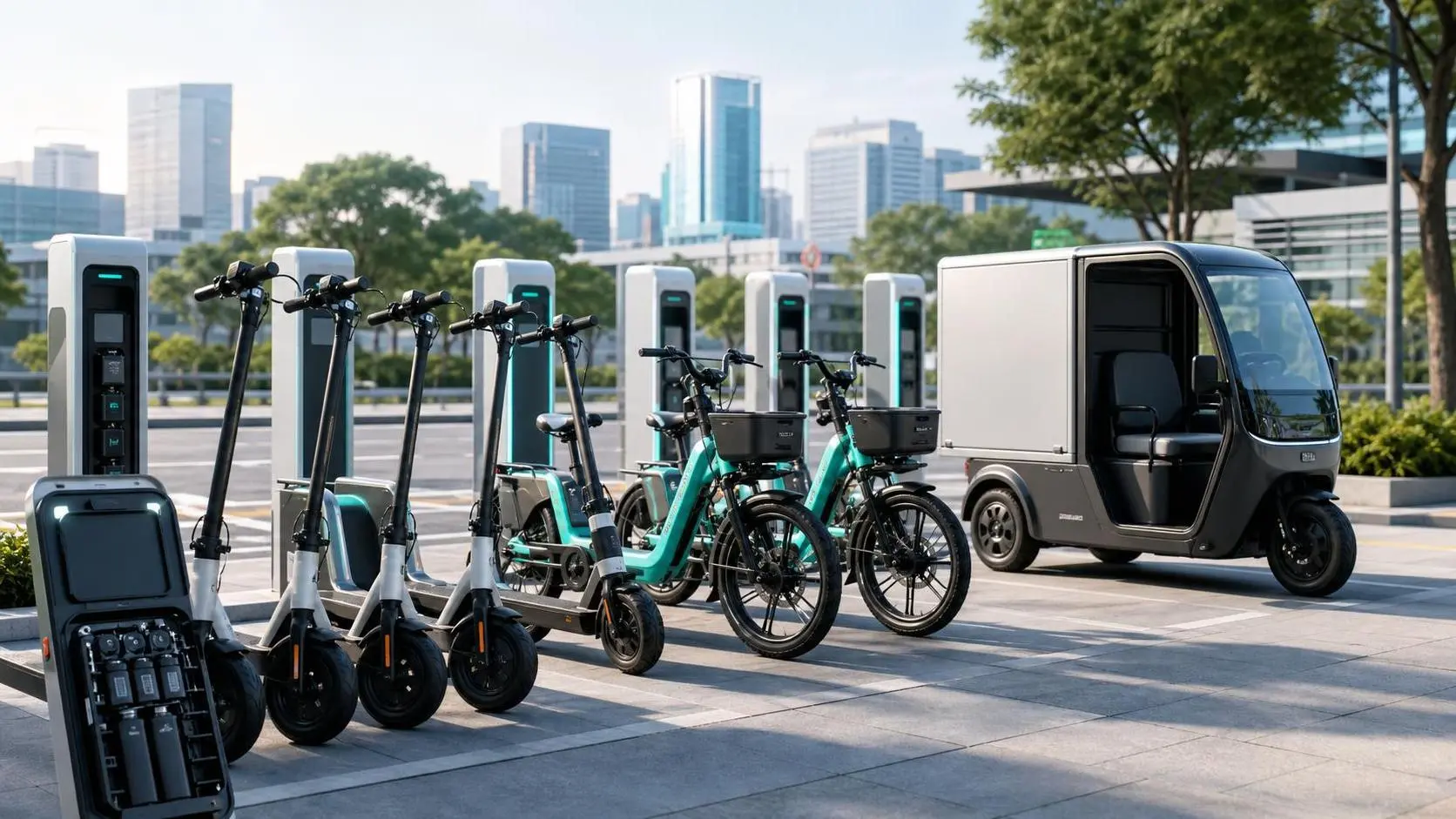
Micro-Mobility Trends Forecast: What Fleet Operators Should Watch Through 2030
Micro-mobility trends forecast for fleet operators through 2030: discover key shifts in batteries, regulation, durability, connectivity, and demand to reduce risk and scale smarter.
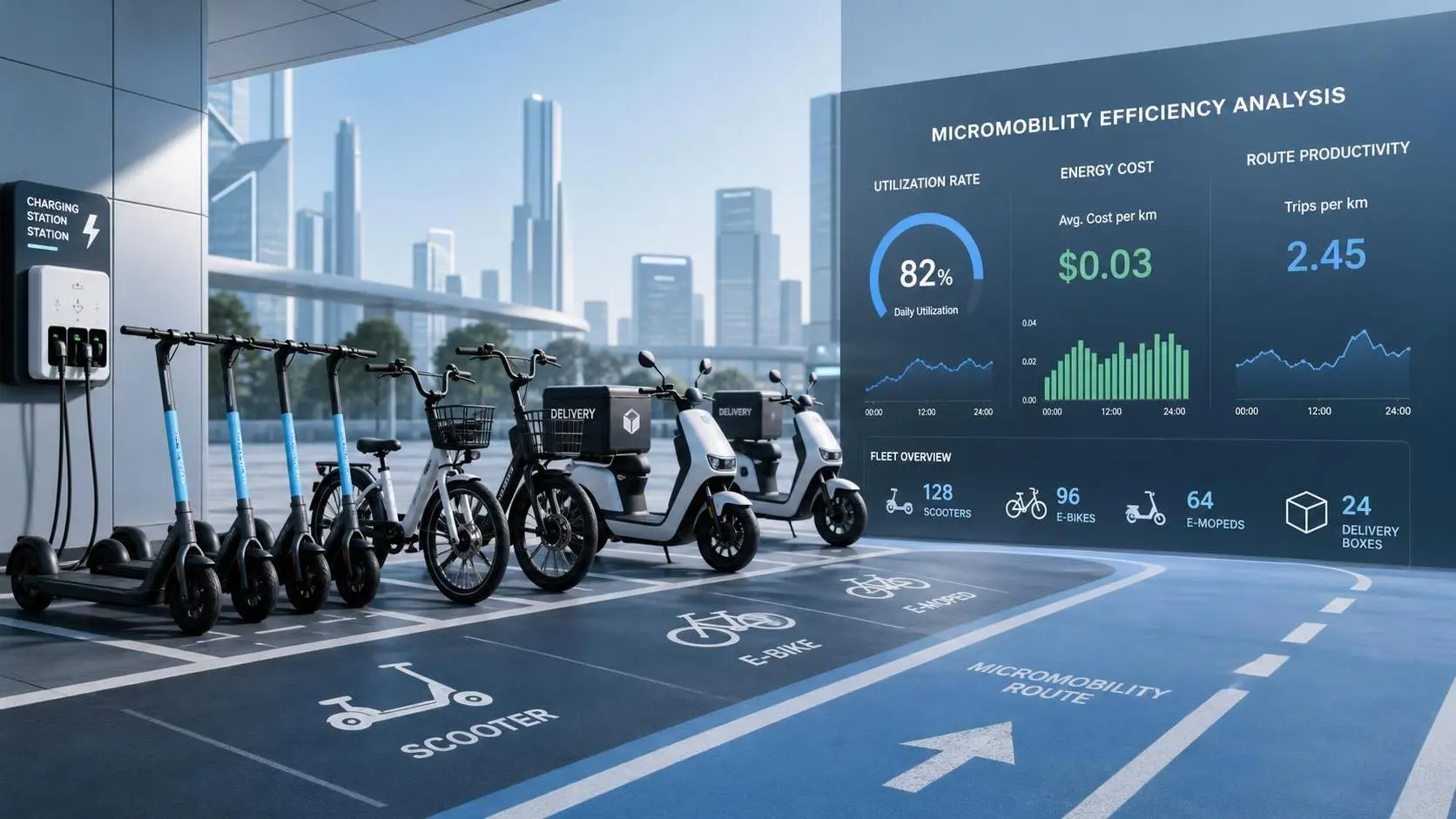
Mobility Efficiency Analysis: How to Measure Vehicle Use, Energy Cost, and Route Productivity
Mobility efficiency analysis reveals how to measure vehicle use, energy cost, and route productivity to cut waste, improve fleet performance, and make smarter urban mobility decisions.
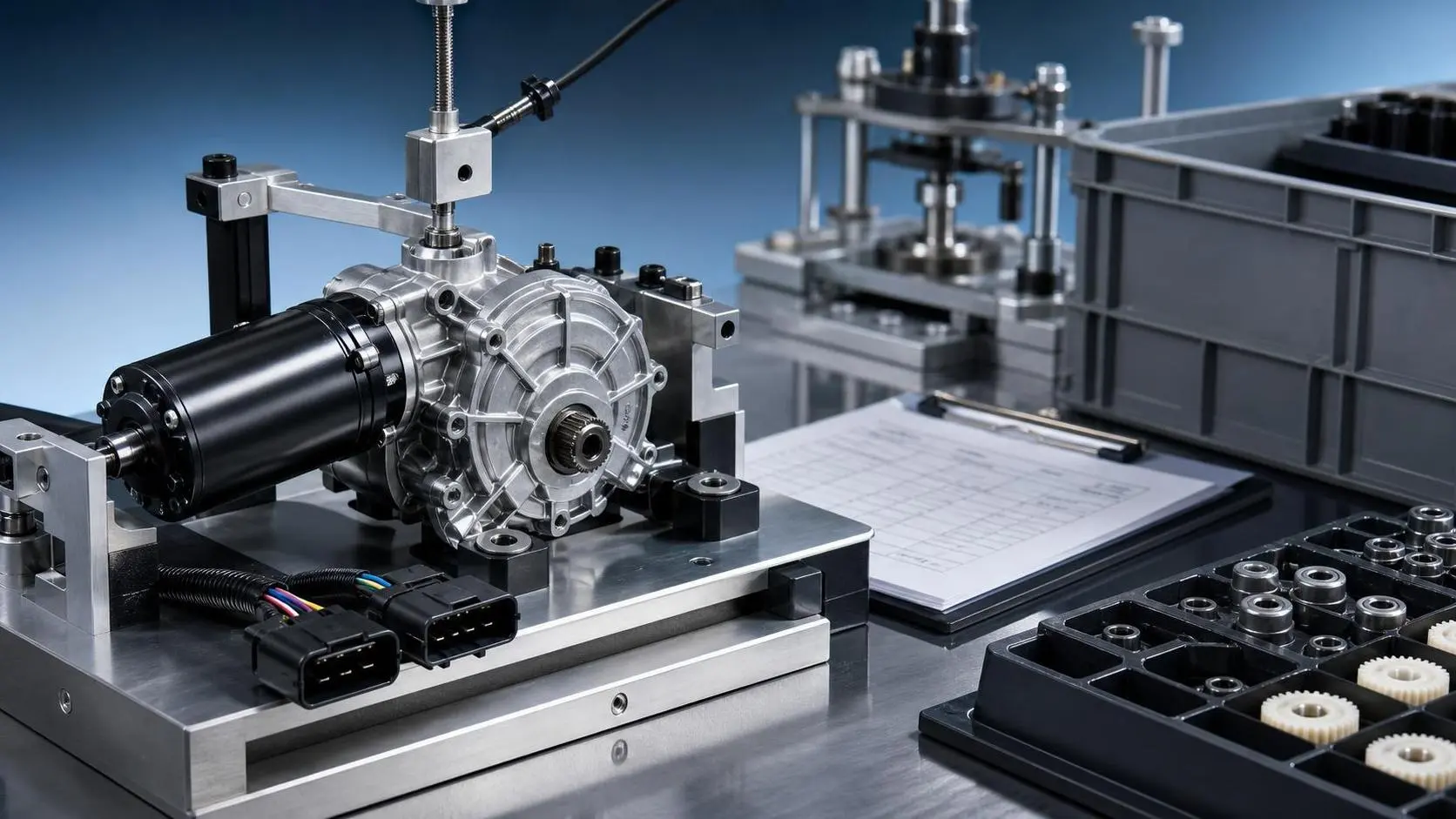
How to Evaluate a Brushless Wiper Motor Supplier for OEM Quality and Lead Time
Brushless wiper motor supplier selection made easier: learn how to assess OEM quality, engineering support, compliance, and lead time to reduce sourcing risk.
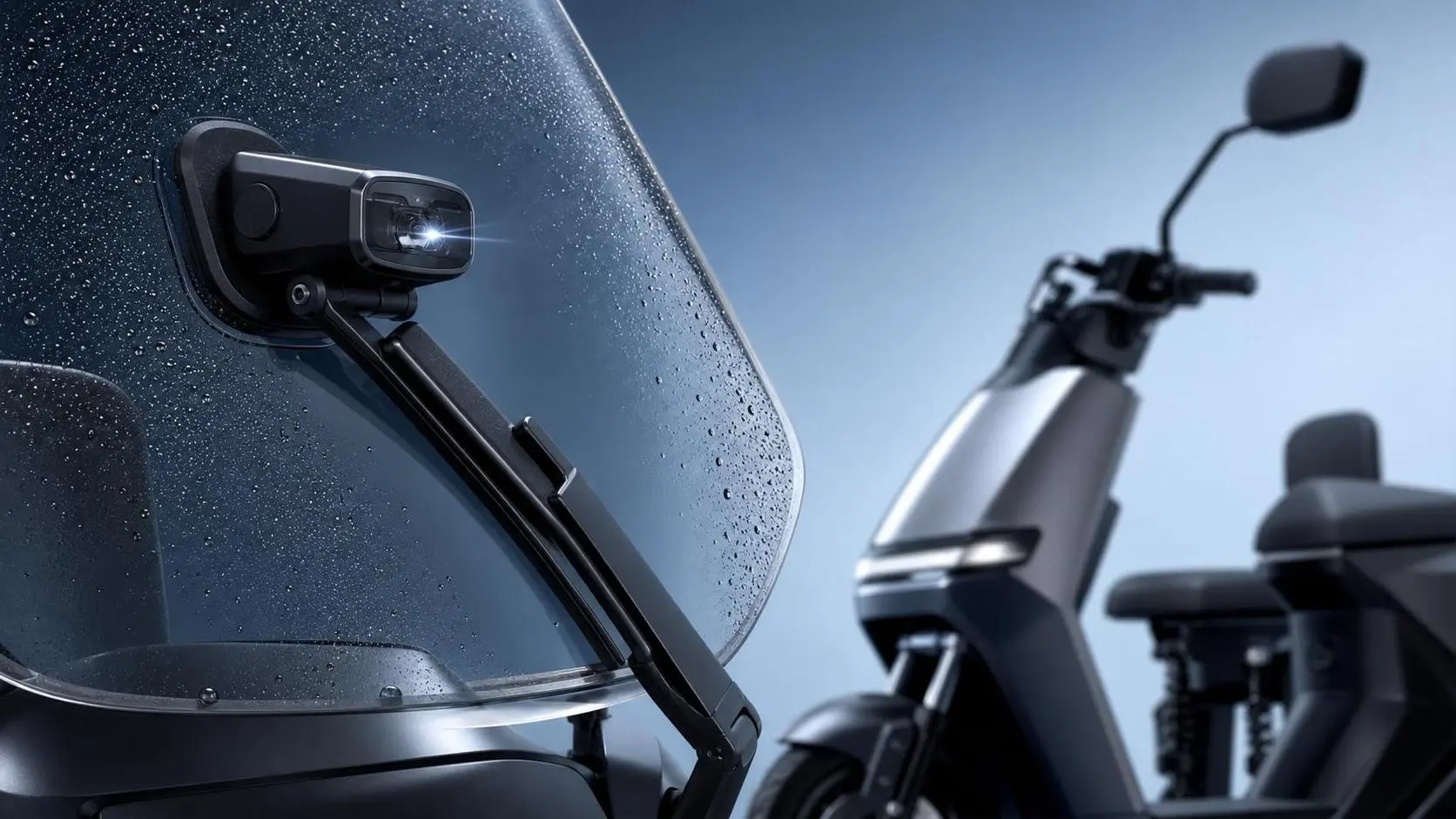
How Do Photoelectric Wiper Sensors Work and Where Are They Most Effective?
Photoelectric wiper sensors explained: learn how they detect rain, reduce false triggers, and deliver the best visibility gains in urban EVs, e-bikes, fleets, and smart mobility.
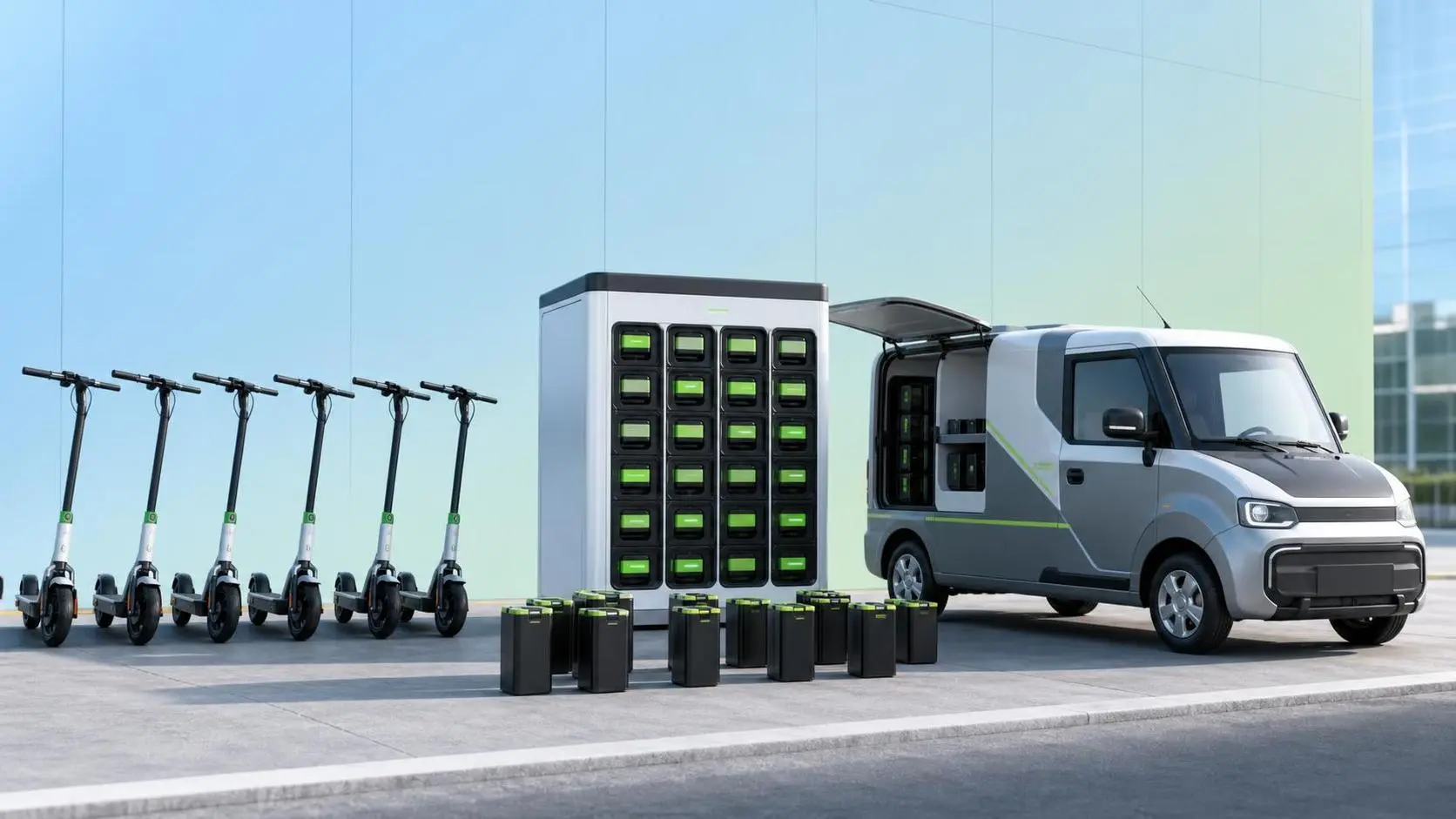
How Battery-Swapping Networks Reduce Downtime in Shared Fleet Scooter Operations
Battery-swapping networks cut scooter fleet downtime by speeding field turnaround, improving uptime in peak zones, and helping operators optimize labor, battery rotation, and service efficiency.
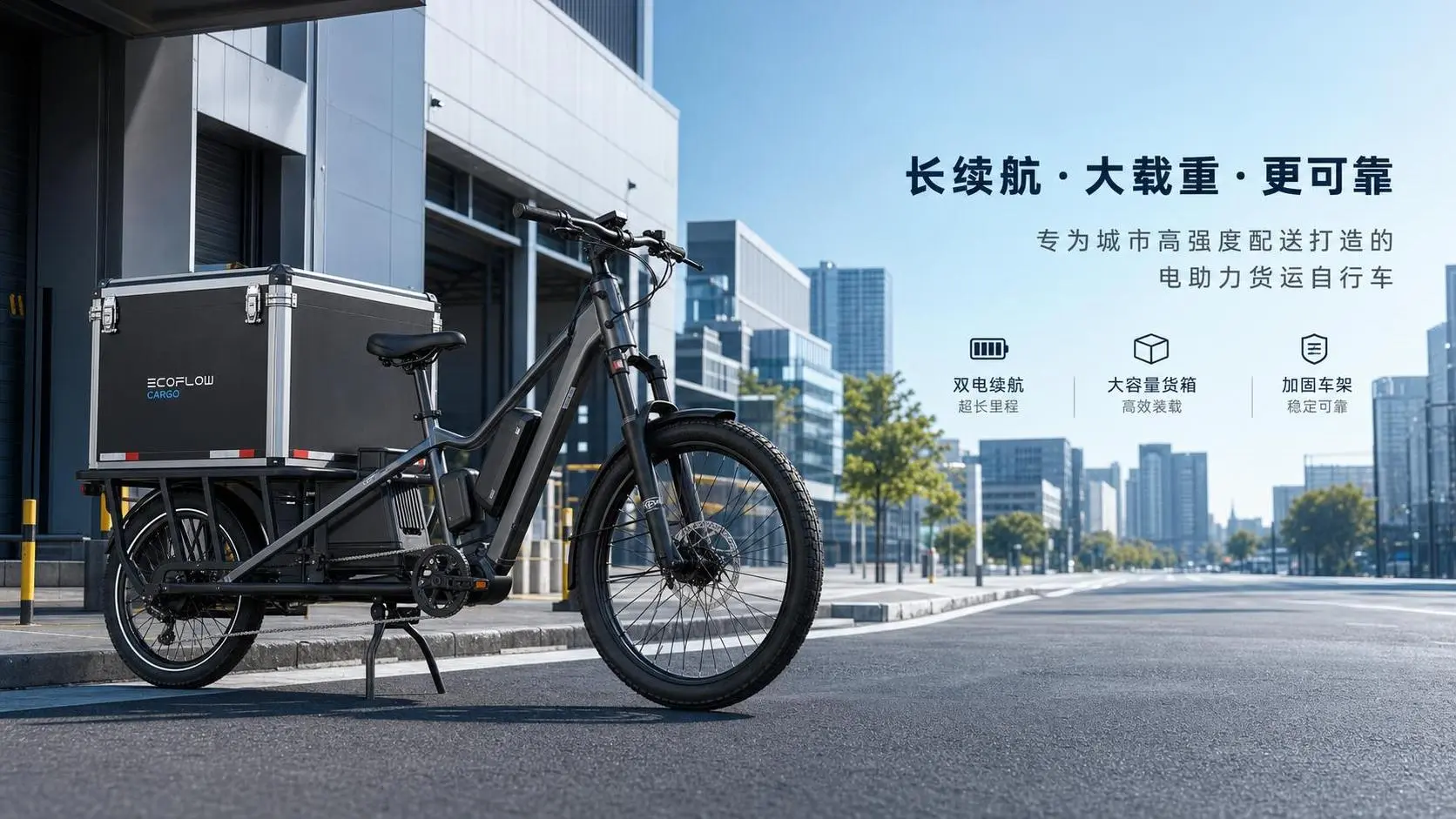
How to Choose a Long-Range Commercial Cargo E-Bike for Delivery Operations
Commercial cargo e-bike long range buying guide: learn how to assess battery, payload, route fit, and uptime support to choose a reliable delivery model with lower operating costs.
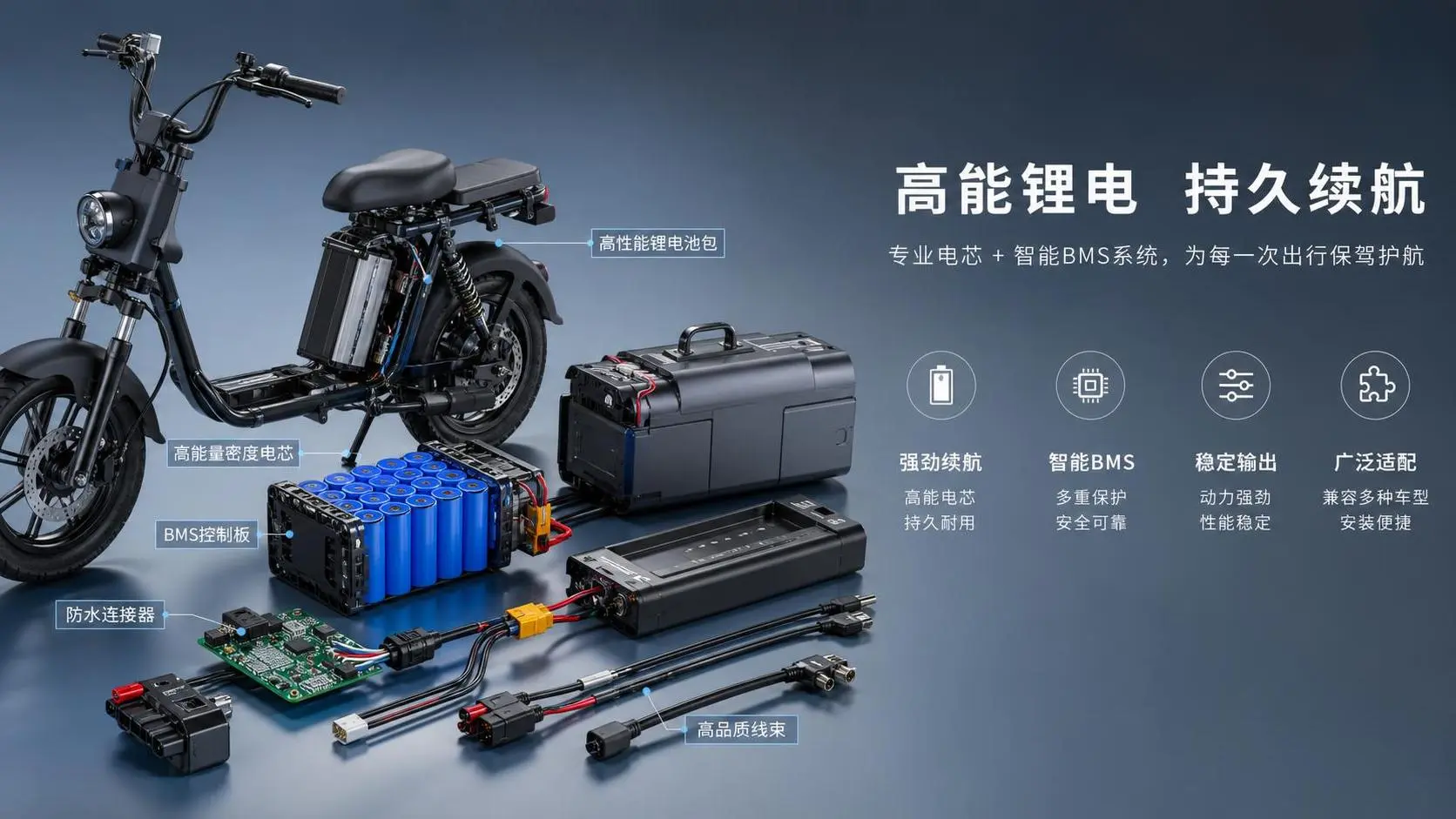
How to Select the Right E-Bike Battery Components for Range, Safety, and Fit?
E-bike component selection battery guide: learn how to choose the right battery components for better range, stronger safety, and perfect fit across modern e-bike platforms.
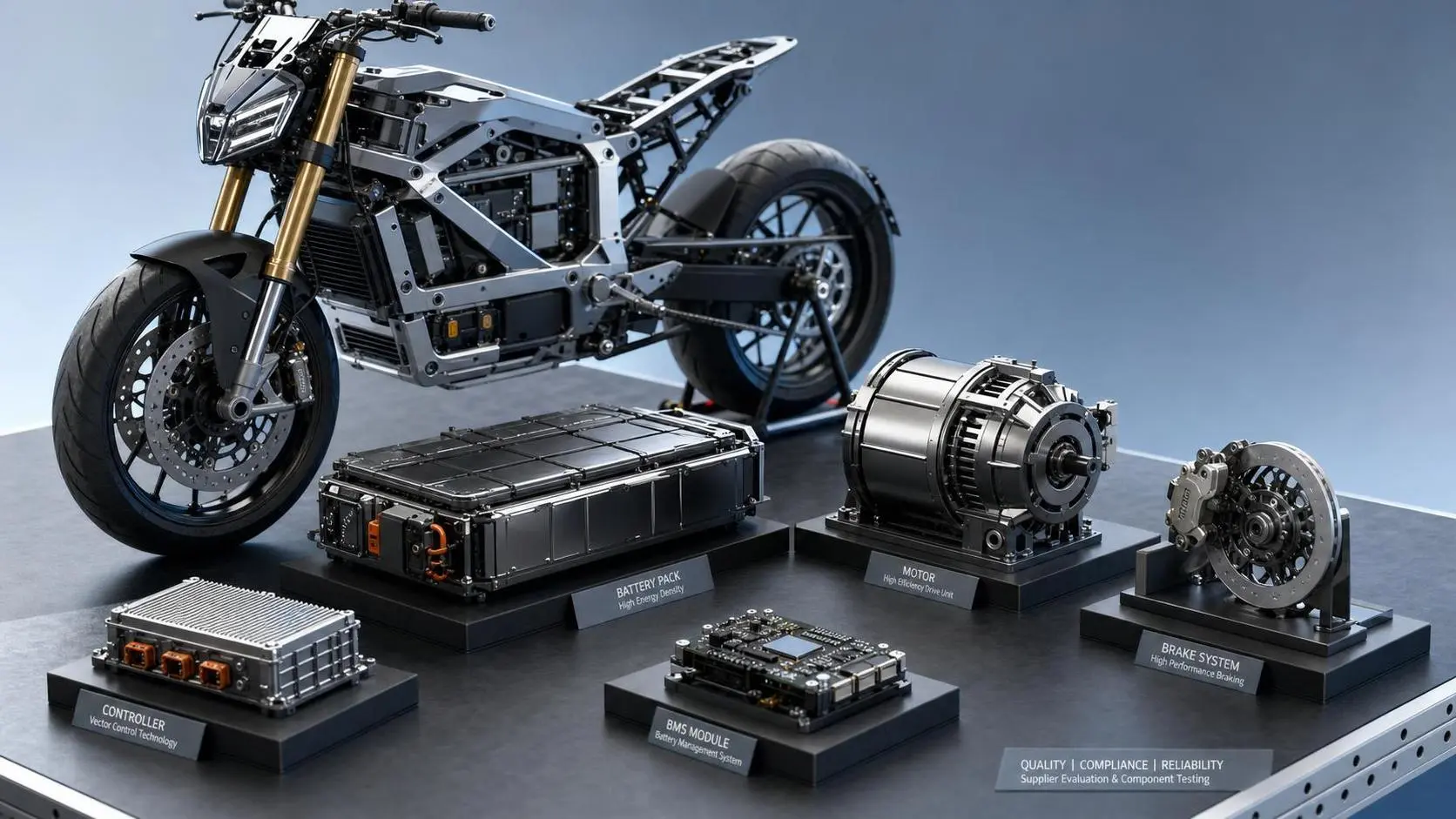
How to Evaluate Core Component Suppliers for Electric Motorcycles Before Sourcing?
Core component suppliers for electric motorcycles can make or break safety, compliance, and delivery. Learn how to assess technical strength, certifications, quality control, and hidden sourcing risks before you buy.
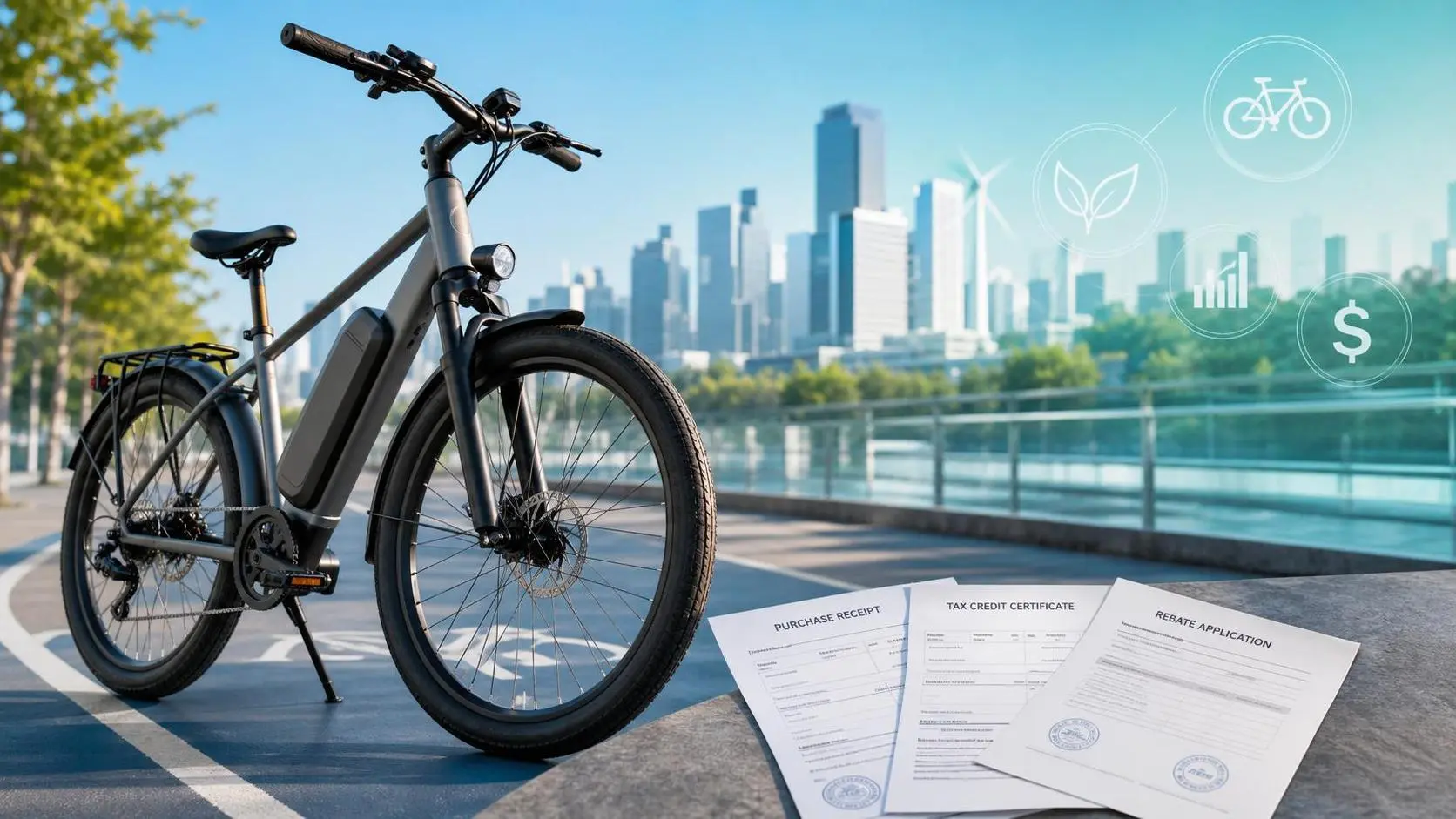
E-Bike Incentives Explained: How Riders Can Find Local Rebates and Tax Credits
E bike incentives explained: learn how to find local rebates, tax credits, and utility offers, avoid common mistakes, and cut the real cost of your next e-bike.