
Related News
- 00
0000-00
Urban Micro-Mobility Systems in Latin America: Key Market Drivers, Barriers, and Growth Segments - 00
0000-00
Intellectualization of Mobility in North America: What Is Driving Adoption Across Urban Transport? - 00
0000-00
What Is Driving Green Two-wheelers Demand in Europe? Policy, Fuel Costs, and Buyer Segments - 00
0000-00
Urban Micro-Mobility in North America: Policy, Charging Access, and Fleet Growth Drivers - 00
0000-00
Carbon Neutrality for Fleets: How to Measure Emissions and Prioritize Upgrades
Prof. Marcus Chen
Weekly Insights
Stay ahead with our curated technology reports delivered every Monday.
Micro Mobility Intelligence China: How Data Is Shaping Fleet Deployment and City Expansion





China’s micro-mobility game is no longer won by vehicle count alone
In China, scale still matters, but scale without precision is losing value faster than many operators expected.
That is why micro mobility intelligence China has moved from a reporting function to a growth discipline.
The shift is visible across shared e-scooters, connected e-bikes, battery-swapping ecosystems, and the digital layer behind urban fleet operations.
What matters now is not only where vehicles are deployed, but when, why, and under which policy and usage conditions.
In practice, data is reshaping route density, charging logic, maintenance timing, and city entry sequencing.
This is also where a platform like UMMS becomes relevant.
Its intelligence model connects hardware performance, battery management, drivetrain evolution, regulatory signals, and commercial expansion into one operating view.
That broader perspective matters because China’s micro-mobility market is no longer a simple demand story.
It is becoming an infrastructure, compliance, and operational intelligence story at the same time.
Why the change is becoming more visible now
Several signals are converging, and together they explain the rise of micro mobility intelligence China.
Urban travel demand is fragmenting across commuting, short leisure trips, campus circulation, tourism zones, and neighborhood retail mobility.
At the same time, local regulation is becoming more nuanced rather than simply restrictive or permissive.
Cities increasingly want cleaner transport, but they also want better parking discipline, safer speeds, traceable battery use, and clearer operational accountability.
Another important change is that connected hardware now produces richer operational feedback.
IoT modules, battery telemetry, component diagnostics, and ride heat maps have turned vehicles into rolling data points.
This applies beyond shared scooters.
E-bikes, high-speed e-motorcycles, and even precision drivetrain systems increasingly generate signals that affect fleet economics and market planning.
- Demand data shows where travel density is rising beyond traditional central business districts.
- Policy data shows which districts favor structured pilots over unrestricted rollout.
- Asset data shows where battery stress, brake wear, and downtime erode margins.
- Component data shows how reliability influences service continuity and public trust.
The result is clear: market expansion decisions now depend on intelligence quality as much as capital or fleet size.
Data is changing how fleets are placed, moved, and maintained
Earlier growth models often treated deployment as a volume game.
Send enough units into a city, capture demand quickly, then optimize later.
That logic is less effective in today’s Chinese urban environment.
Micro mobility intelligence China now supports a more selective operating model.
Operators use time-of-day demand, curbside turnover, weather patterns, event calendars, and neighborhood income profiles to shape daily placement decisions.
More importantly, they are learning that utilization is not the only metric that matters.
A busy fleet can still underperform if battery cycling is inefficient, retrieval routes are too long, or damage rates stay elevated.
This is where technical intelligence and market intelligence start to overlap.
UMMS reflects that overlap by treating battery logic, drivetrain performance, and urban demand as parts of one business system.
City expansion is becoming a sequencing problem, not just a scale problem
One of the biggest implications of micro mobility intelligence China is that city expansion no longer follows a simple top-tier city hierarchy.
The next opportunity often appears in cities with specific combinations of density, tourism flow, university traffic, and low-emission policy support.
That means market entry timing matters as much as market size.
A smaller city with strong digital governance and clear parking zones may outperform a larger city with fragmented enforcement.
More tellingly, successful expansion now depends on matching vehicle type to urban use case.
Smart e-scooters may work well in dense mixed-use districts.
Connected e-bikes may fit longer suburban corridors.
High-speed e-motorcycles may align better with delivery-linked mobility or peri-urban movement patterns.
The same intelligence layer can also reveal hidden barriers.
Battery swap readiness, local weather stress, road surface quality, and maintenance workforce availability all affect expansion outcomes.
This broader lens is especially useful in a sector where hardware performance and city policy shape each other continuously.
The strongest impact is spreading across the value chain
The influence of micro mobility intelligence China does not stop at fleet operators.
It is changing priorities for OEMs, component suppliers, software platforms, and urban mobility planners.
For OEMs, better intelligence changes product roadmaps.
Vehicles designed for China’s expansion markets need stronger durability assumptions, smarter connectivity, and easier service access.
For component ecosystems, the conversation is also shifting.
Precision derailleur systems, safer wiper sensor integration, battery thermal control, and anti-interference electronics all become more strategic when uptime is measured city by city.
This is one reason UMMS positions intelligence stitching at the center of its business model.
The market increasingly rewards those who can connect technical detail with deployment outcomes.
- Connected hardware teams need better visibility into actual field stress, not just lab benchmarks.
- Expansion teams need policy tracking tied to operational scenarios, not headline summaries.
- Commercial planning needs city-level demand modeling linked to asset life and service cost.
- Brand strategy needs evidence that low-carbon positioning also improves operational credibility.
In other words, intelligence is becoming a shared language across engineering, operations, and market development.
What deserves closer attention over the next planning cycle
From recent market behavior, three areas stand out.
The first is policy-operational alignment.
It is no longer enough to monitor regulations at a national or provincial level.
District-level enforcement patterns, parking expectations, and data compliance rules are becoming more decisive.
The second is component intelligence.
As fleets scale, small variations in drivetrain efficiency, battery temperature control, or sensor accuracy can materially alter operating margins.
The third is scenario specialization.
China’s urban mobility landscape is not moving toward one standard model.
It is fragmenting into high-frequency, high-control micro-markets.
That makes micro mobility intelligence China more valuable, not less, because generic assumptions break faster in fragmented environments.
The better question is not whether data matters.
It is whether the data architecture can support faster decisions across city rollout, hardware configuration, and service adaptation.
A practical way to respond before the market moves again
The most useful response is usually not a dramatic strategy reset.
It is a clearer intelligence framework for the next twelve to eighteen months.
Start by separating cities by operating logic rather than by size alone.
Then compare demand density, battery service conditions, infrastructure readiness, and local enforcement style.
From there, align hardware assumptions with actual market conditions.
That includes battery management, electronic control reliability, drivetrain durability, and weather-related safety systems.
UMMS is relevant here not as a promotional layer, but as a useful reference point for stitching together these different signals.
Its coverage of e-bikes, smart e-scooters, high-speed e-motorcycles, precision components, and strategic intelligence reflects where the market is actually heading.
Micro mobility intelligence China is no longer optional background reading.
It is becoming the discipline that determines which fleets expand efficiently, which cities stay open, and which mobility systems earn durable relevance.
The next step is straightforward: map the signals already available, identify what is still missing, and build a staged response before expansion decisions harden.
Related News

How to Evaluate a Brushless Wiper Motor Supplier for OEM Quality and Lead Time
Brushless wiper motor supplier selection made easier: learn how to assess OEM quality, engineering support, compliance, and lead time to reduce sourcing risk.

How Do Photoelectric Wiper Sensors Work and Where Are They Most Effective?
Photoelectric wiper sensors explained: learn how they detect rain, reduce false triggers, and deliver the best visibility gains in urban EVs, e-bikes, fleets, and smart mobility.
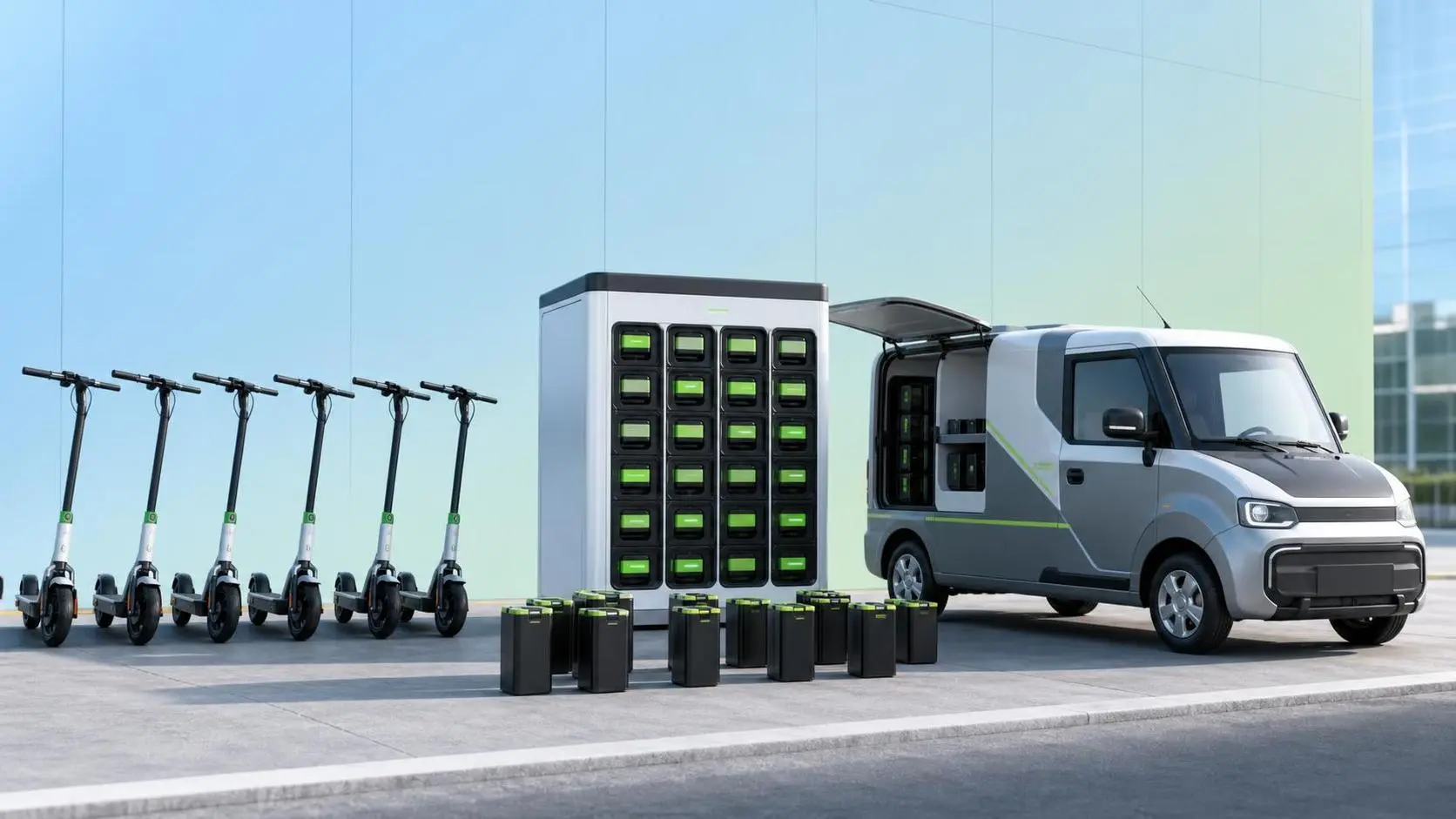
How Battery-Swapping Networks Reduce Downtime in Shared Fleet Scooter Operations
Battery-swapping networks cut scooter fleet downtime by speeding field turnaround, improving uptime in peak zones, and helping operators optimize labor, battery rotation, and service efficiency.
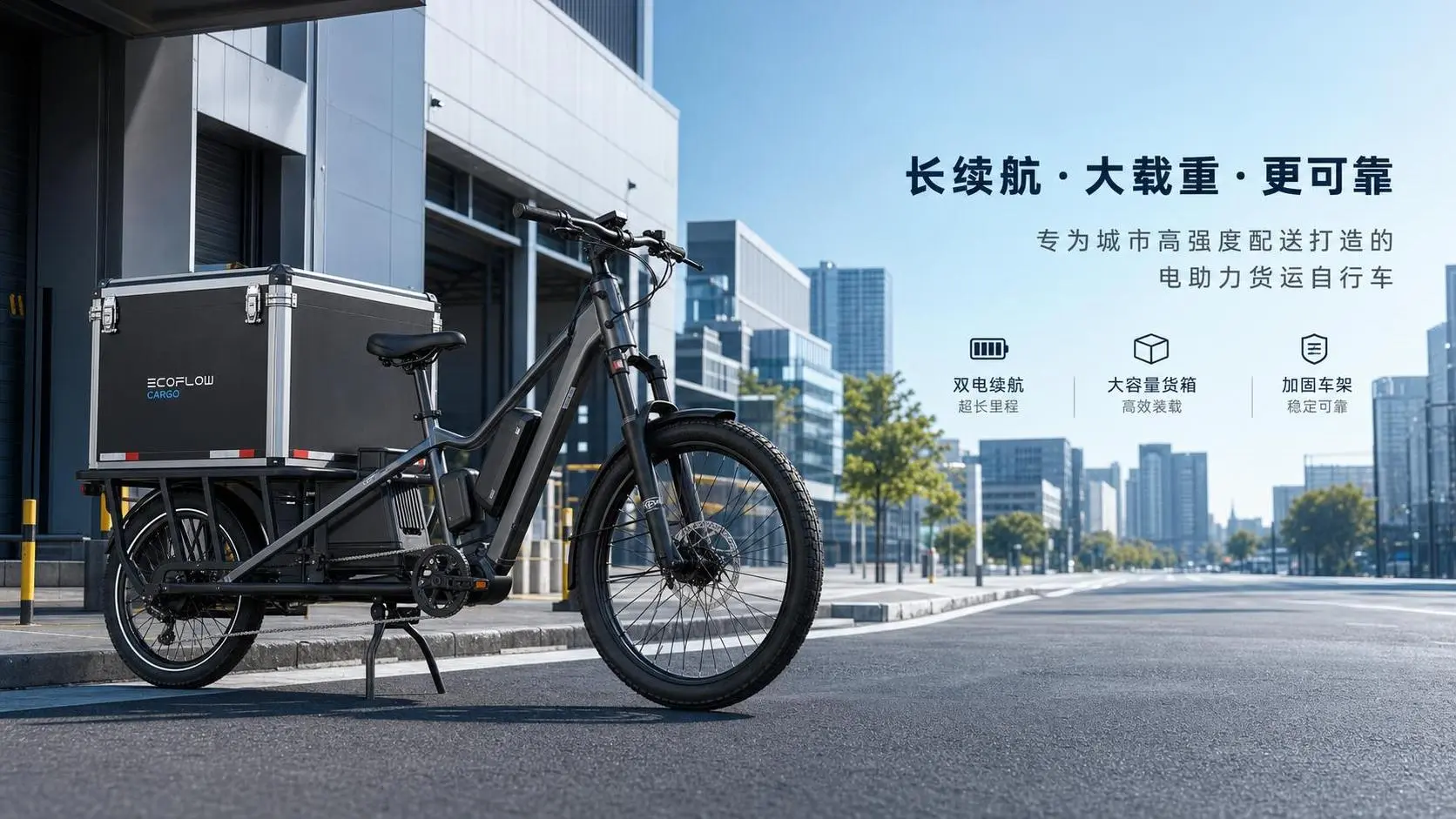
How to Choose a Long-Range Commercial Cargo E-Bike for Delivery Operations
Commercial cargo e-bike long range buying guide: learn how to assess battery, payload, route fit, and uptime support to choose a reliable delivery model with lower operating costs.
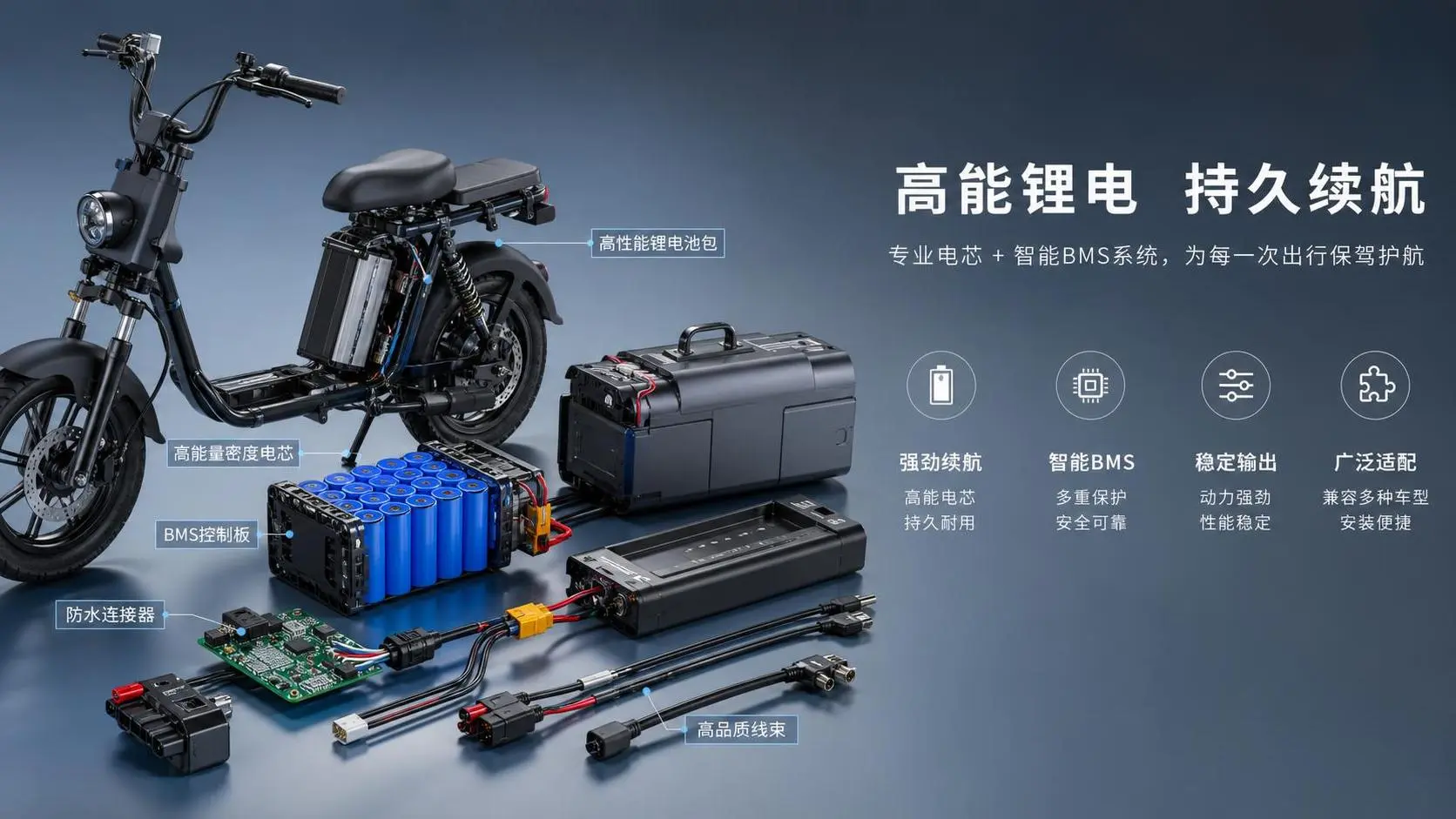
How to Select the Right E-Bike Battery Components for Range, Safety, and Fit?
E-bike component selection battery guide: learn how to choose the right battery components for better range, stronger safety, and perfect fit across modern e-bike platforms.
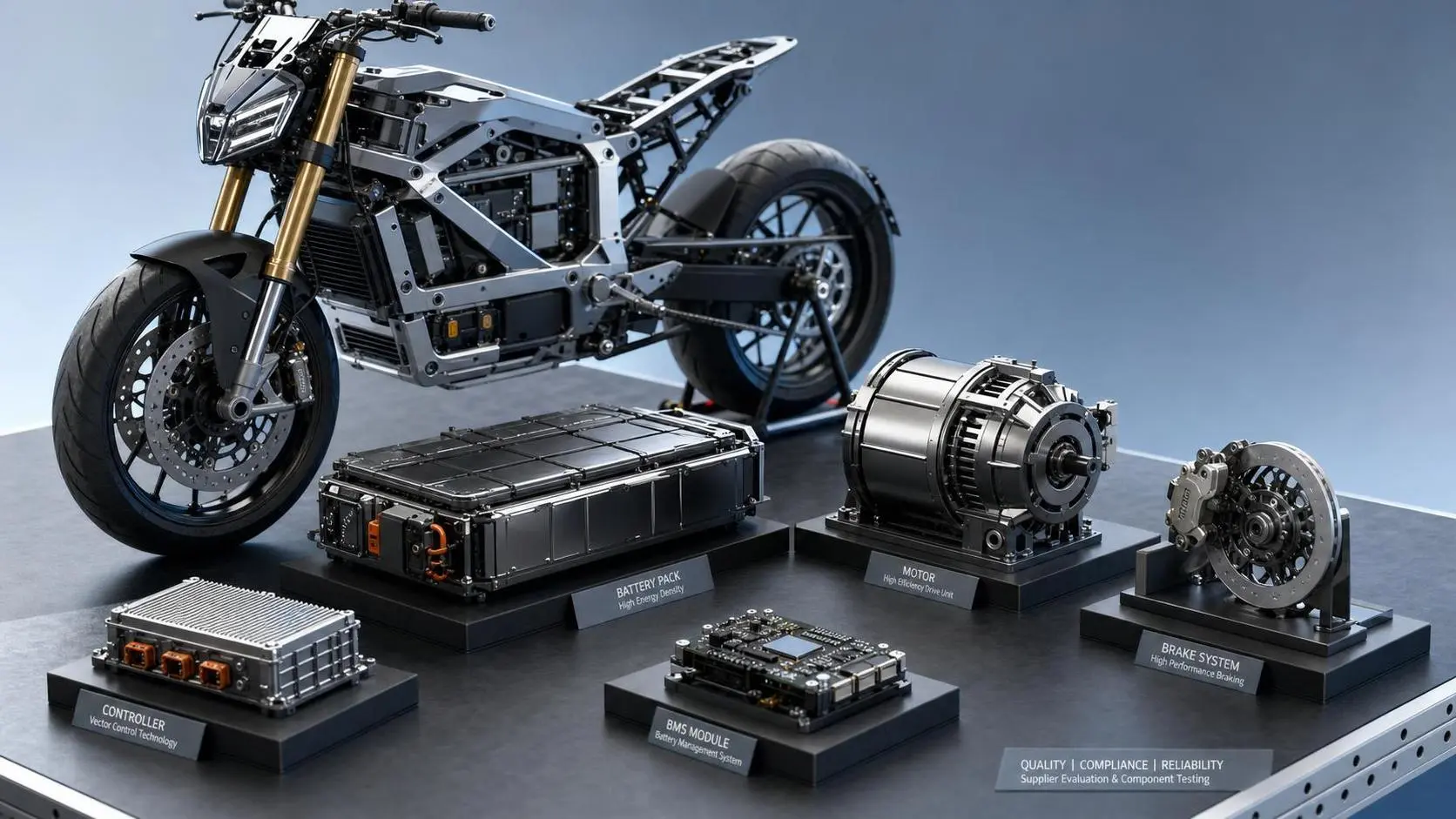
How to Evaluate Core Component Suppliers for Electric Motorcycles Before Sourcing?
Core component suppliers for electric motorcycles can make or break safety, compliance, and delivery. Learn how to assess technical strength, certifications, quality control, and hidden sourcing risks before you buy.

E-Bike Incentives Explained: How Riders Can Find Local Rebates and Tax Credits
E bike incentives explained: learn how to find local rebates, tax credits, and utility offers, avoid common mistakes, and cut the real cost of your next e-bike.
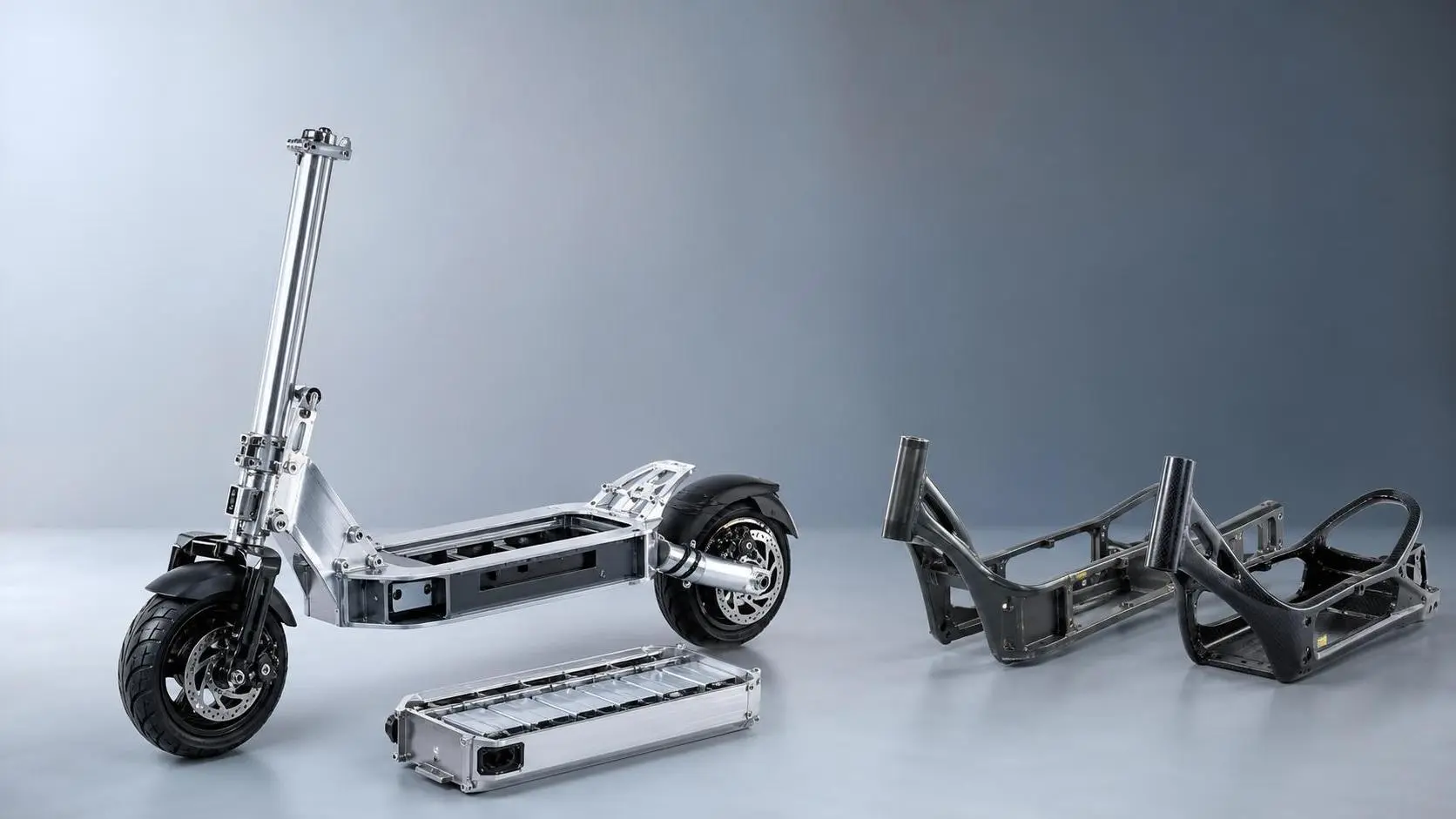
How to Choose Lightweight Scooter Frames in Europe: Materials, Standards, and Use Cases
Lightweight scooter frames Europe buyers need should balance materials, EN standards, durability, and real use cases. Discover how to choose safer, smarter, compliant frames.
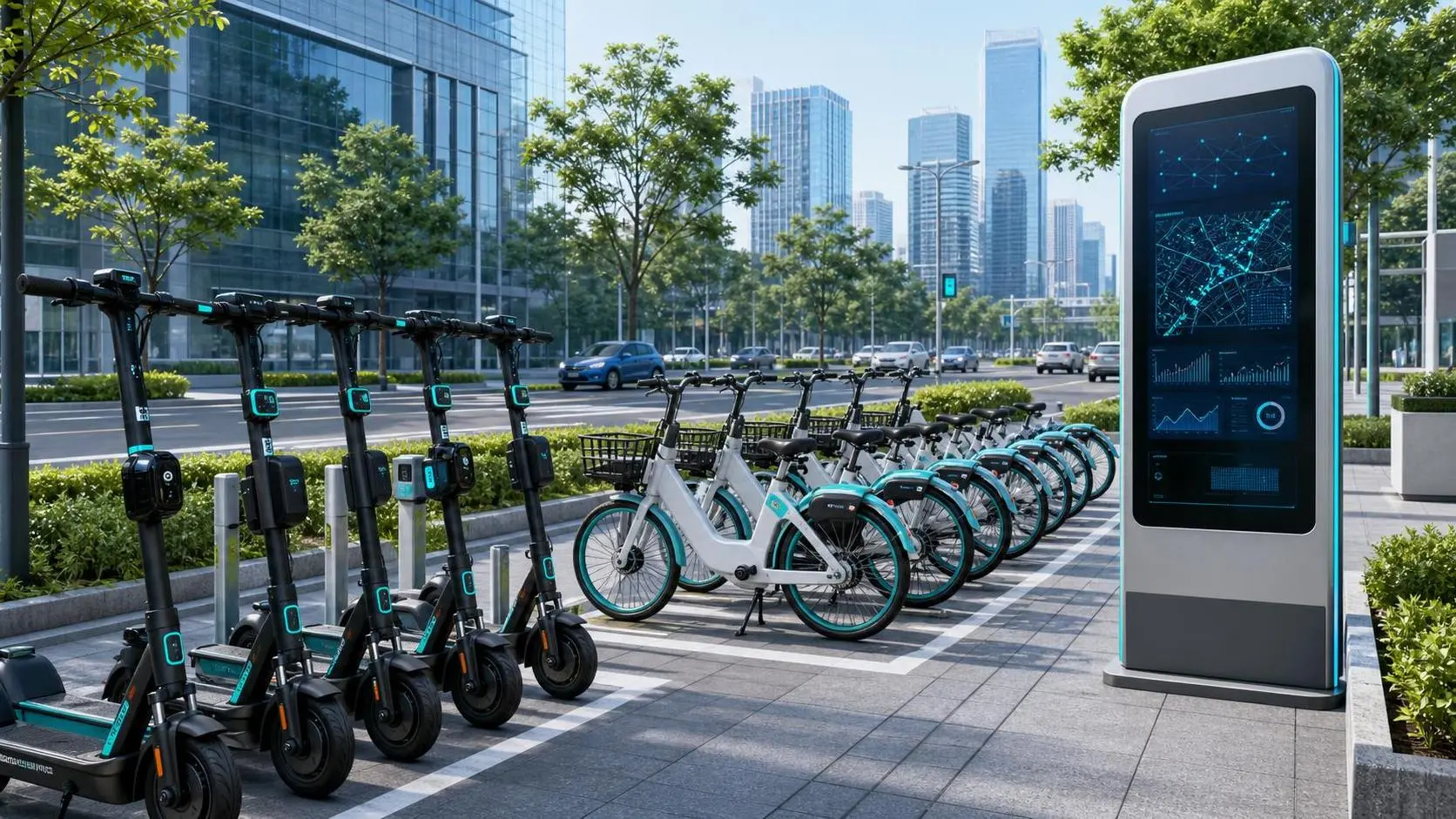
What Is the Intellectualization of Mobility Platform and How Is It Applied in Shared Fleets?
Intellectualization of mobility platform is reshaping shared fleets with real-time data, predictive maintenance, and smarter compliance—learn how it boosts safety, uptime, and urban mobility efficiency.