
Related News
- 00
0000-00
Urban Micro-Mobility Systems in Latin America: Key Market Drivers, Barriers, and Growth Segments - 00
0000-00
Intellectualization of Mobility in North America: What Is Driving Adoption Across Urban Transport? - 00
0000-00
What Is Driving Green Two-wheelers Demand in Europe? Policy, Fuel Costs, and Buyer Segments - 00
0000-00
Urban Micro-Mobility in North America: Policy, Charging Access, and Fleet Growth Drivers - 00
0000-00
Carbon Neutrality for Fleets: How to Measure Emissions and Prioritize Upgrades
Prof. Marcus Chen
Weekly Insights
Stay ahead with our curated technology reports delivered every Monday.
Electric Torque Market Analysis: What Buyers Should Watch in Pricing, Supply, and Demand





Why the electric torque market feels less predictable now
The electric torque market is moving through a more fragmented cycle than many expected a year ago.
Prices no longer respond to one variable alone.
They react to magnets, copper, controller availability, freight conditions, and regional policy shifts at the same time.
That matters because electric torque is not just a performance metric.
In e-bikes, smart e-scooters, high-speed e-motorcycles, and adjacent electromechanical systems, it shapes acceleration, hill-climb capability, thermal load, and battery draw.
The result is a market where sourcing decisions increasingly depend on application fit, not only unit price.
From the UMMS view of urban micro-mobility, this shift is especially visible in two-wheeler electrification.
As city travel becomes lighter, smarter, and more regulated, demand for reliable electric torque systems is becoming more technical and less generic.
That is why the electric torque market now rewards closer reading of pricing signals, supplier resilience, and end-use demand patterns.
The clearest signals are coming from supply, not just demand
Recent movement in the electric torque market shows that supply conditions are setting the tone more often than final assembly orders.
More visible pressure is coming from motor-grade raw materials and component concentration.
Permanent magnets remain sensitive to geopolitical risk and export control discussions.
Copper pricing still affects winding cost, especially in high-output applications.
Power electronics add another layer, since torque delivery depends on controller quality as much as motor architecture.
In practice, this means two products with similar rated torque may not carry similar sourcing risk.
A supplier with stable magnet access and validated inverter partners often holds a stronger position than one competing only on quote price.
The market is also seeing more regional divergence.
Asian manufacturing capacity remains central, but assembly localization in Europe and North America is changing lead-time expectations.
This does not remove dependence on upstream Asian components.
It does, however, change who absorbs delay and who carries inventory risk.
What is making the supply side more uneven
- Rare earth exposure remains concentrated, especially for compact high-torque motor designs.
- Controller and sensor integration raises qualification time for new suppliers.
- Regional compliance requirements create separate product variants and smaller batch efficiency.
- Freight normalization has improved, but inland logistics and customs unpredictability still distort delivery timing.
Demand is growing, but it is growing in different directions
The electric torque market is not expanding in a uniform way.
Lower-speed urban mobility still drives volume, but higher-spec torque applications are gaining attention faster.
This is particularly true where riders expect stronger launch feel, steeper grade performance, or better payload handling.
E-bikes remain a major demand engine, especially in Europe.
Yet the specification mix is shifting from broad entry-level growth toward more segmented use cases.
Cargo e-bikes, premium commuter models, and off-road electric platforms all need different torque behavior.
Smart e-scooters are showing a similar split.
Shared fleets prioritize durability, controllability, and service life.
Private buyers tend to look harder at responsiveness, range efficiency, and ride refinement.
High-speed e-motorcycles push the electric torque market even further.
Here, torque is tied directly to thermal management, battery discharge strategy, and powertrain software calibration.
That raises technical barriers and narrows the field of credible suppliers.
This spread in demand explains why the electric torque market can appear strong on paper while remaining uneven in actual order flow.
Pricing is becoming a technical conversation
One of the biggest changes in the electric torque market is that pricing has become harder to compare line by line.
A low quote may hide weaker thermal tolerance, lower controller quality, or narrower certification coverage.
A higher quote may reflect stronger supply continuity and better field performance.
That is especially relevant in micro-mobility systems, where failure rates quickly become warranty costs or fleet downtime.
More buyers are now comparing cost through three layers.
- Initial component price and tooling terms.
- Operating cost through efficiency, heat behavior, and replacement intervals.
- Risk cost linked to delayed supply, qualification failures, or inconsistent torque output.
The electric torque market therefore rewards better technical-commercial alignment.
When torque figures are reviewed together with motor topology, controller pairing, and real duty cycle, price benchmarking becomes much more accurate.
That approach is increasingly necessary in applications where battery efficiency and drivetrain response directly shape market competitiveness.
The impact is spreading across more than one business layer
The electric torque market affects engineering choices, inventory planning, after-sales cost, and even product positioning.
In the UMMS ecosystem, that is easy to see.
An e-bike brand balancing rider comfort and export compliance faces different torque sourcing questions than a shared scooter operator focused on uptime.
A high-speed e-motorcycle platform cares more about peak delivery repeatability and thermal headroom.
Even precision bicycle component suppliers are affected indirectly.
As electric assist systems become more responsive, drivetrain components must adapt to sharper load transitions and different rider behavior.
What looks like an isolated electric torque market issue often becomes a system-level design issue within months.
Signals worth watching over the next buying cycles
- Whether magnet and copper costs move together or diverge.
- Whether lead times improve only for standard motors, not customized torque systems.
- Whether local regulations push redesigns in controller mapping or speed classes.
- Whether supplier balance sheets remain healthy enough to support warranty and expansion needs.
What to watch before the next market turn becomes obvious
The next phase of the electric torque market may not be defined by sudden shortage alone.
It may be defined by selective tightness.
Standard torque products could remain available while high-efficiency, software-matched, or certified variants stay constrained.
That would widen the gap between nominal capacity and usable capacity.
A practical response starts with better visibility, not bigger inventories alone.
It helps to map torque requirements by application, separate must-have specifications from nice-to-have features, and identify where dual sourcing is technically realistic.
It also helps to compare supplier offers against real operating conditions rather than catalog ratings.
The electric torque market is rewarding those who read performance, cost, and resilience together.
From here, the most useful next step is to track quarterly shifts in raw materials, regional assembly capacity, and demand mix across e-bikes, scooters, and high-speed electric motorcycles.
That creates a clearer basis for supplier review, specification refinement, and phased sourcing plans before volatility becomes visible in final pricing.
Related News
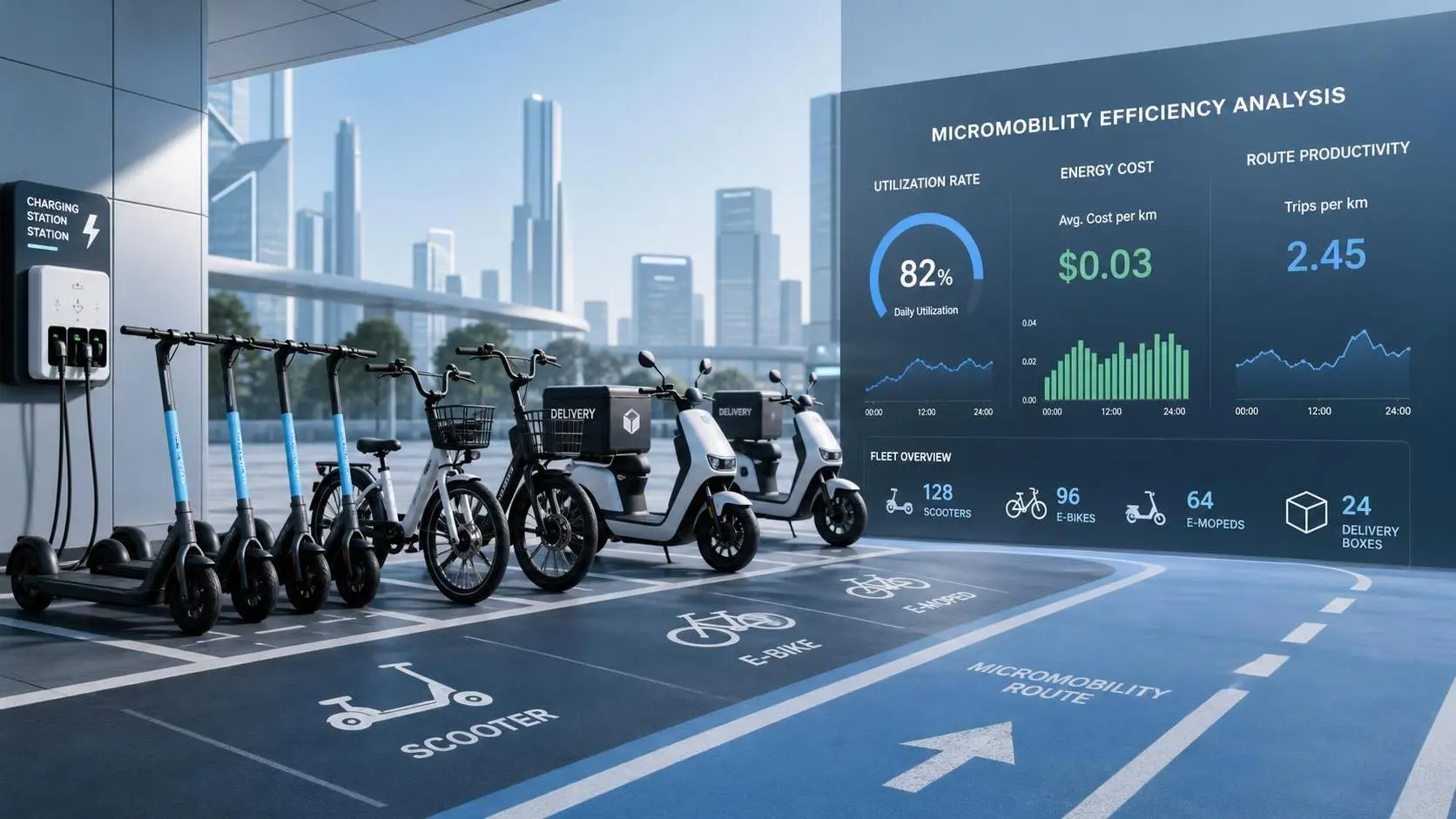
Mobility Efficiency Analysis: How to Measure Vehicle Use, Energy Cost, and Route Productivity
Mobility efficiency analysis reveals how to measure vehicle use, energy cost, and route productivity to cut waste, improve fleet performance, and make smarter urban mobility decisions.
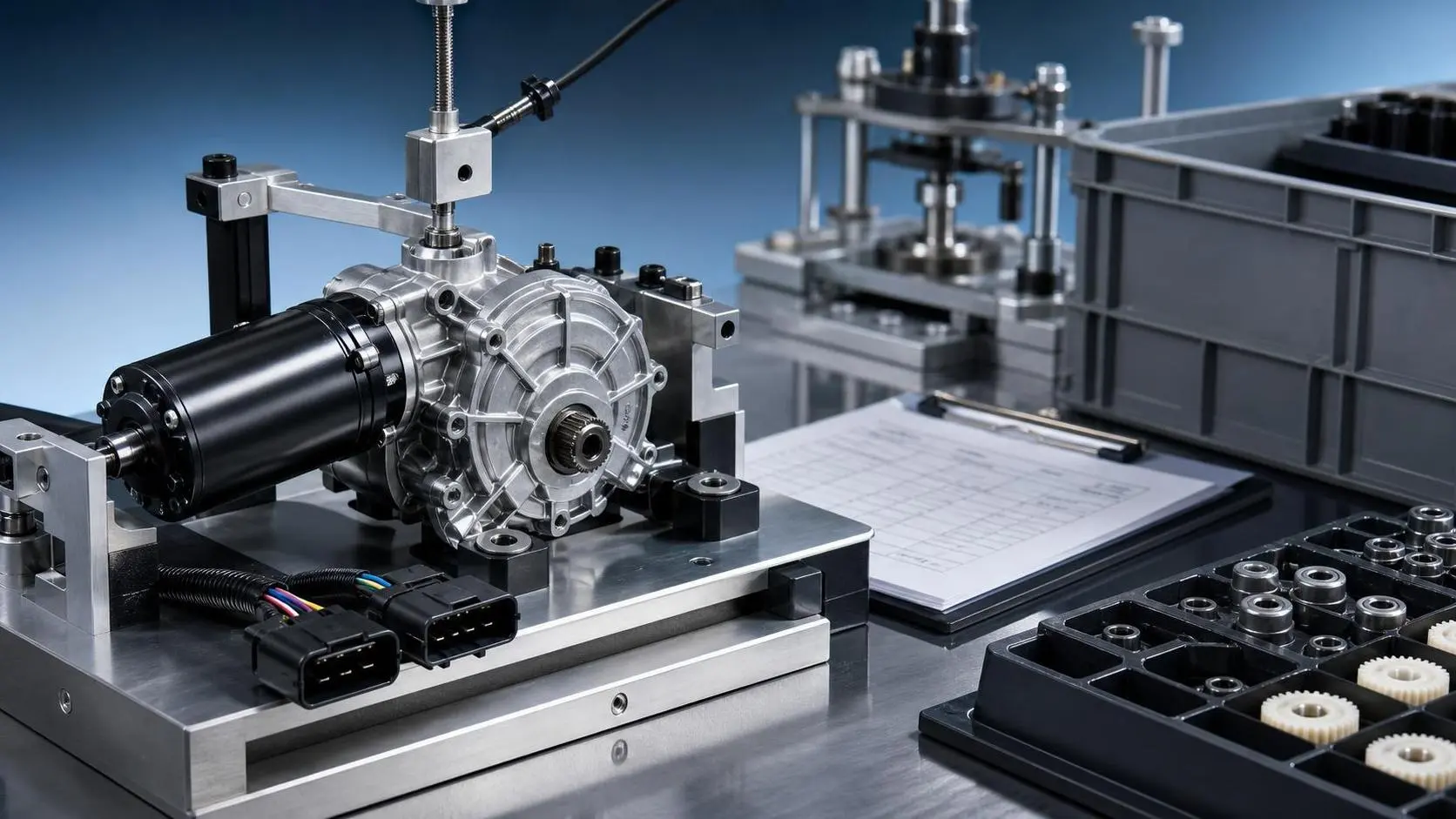
How to Evaluate a Brushless Wiper Motor Supplier for OEM Quality and Lead Time
Brushless wiper motor supplier selection made easier: learn how to assess OEM quality, engineering support, compliance, and lead time to reduce sourcing risk.
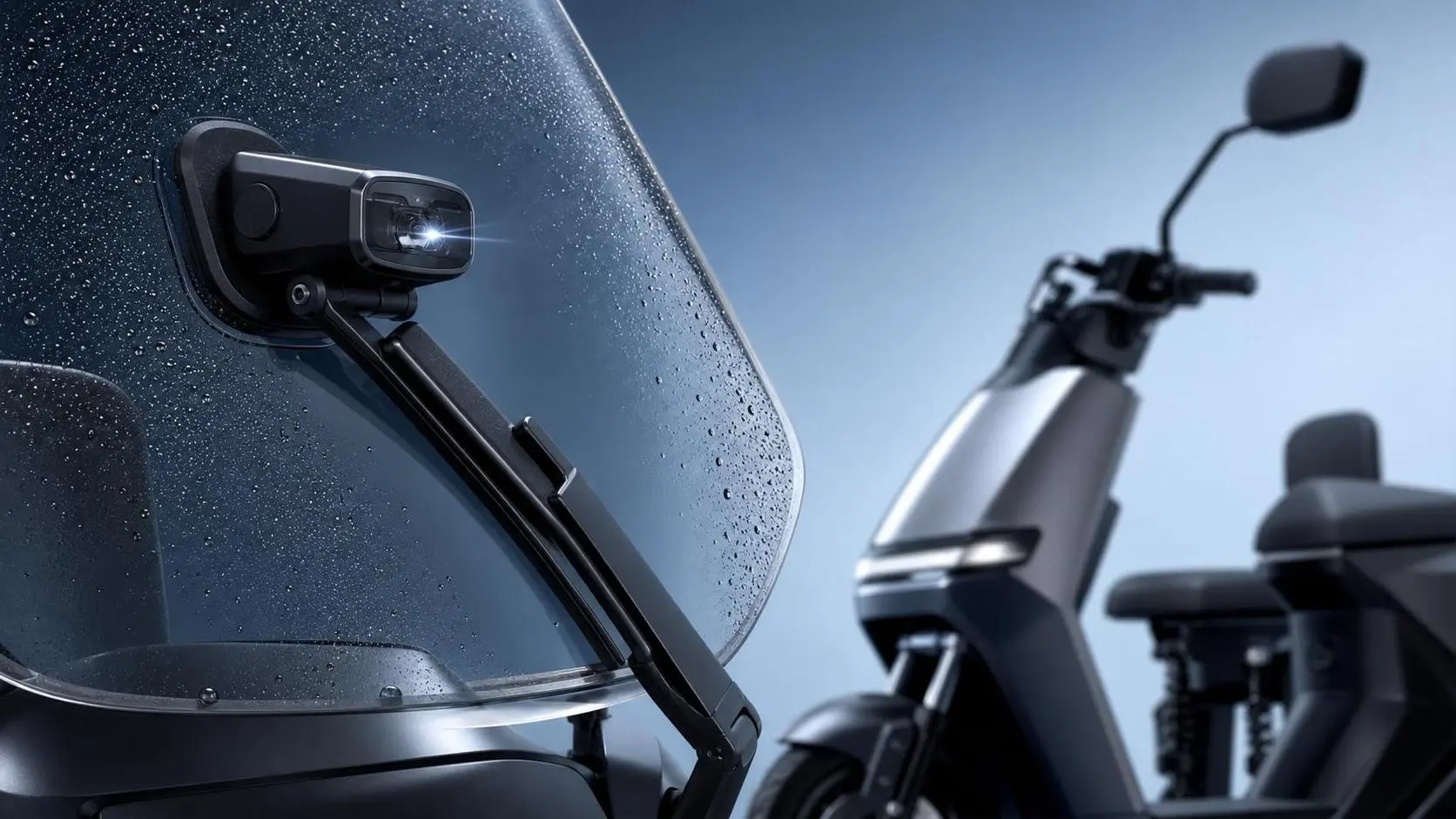
How Do Photoelectric Wiper Sensors Work and Where Are They Most Effective?
Photoelectric wiper sensors explained: learn how they detect rain, reduce false triggers, and deliver the best visibility gains in urban EVs, e-bikes, fleets, and smart mobility.
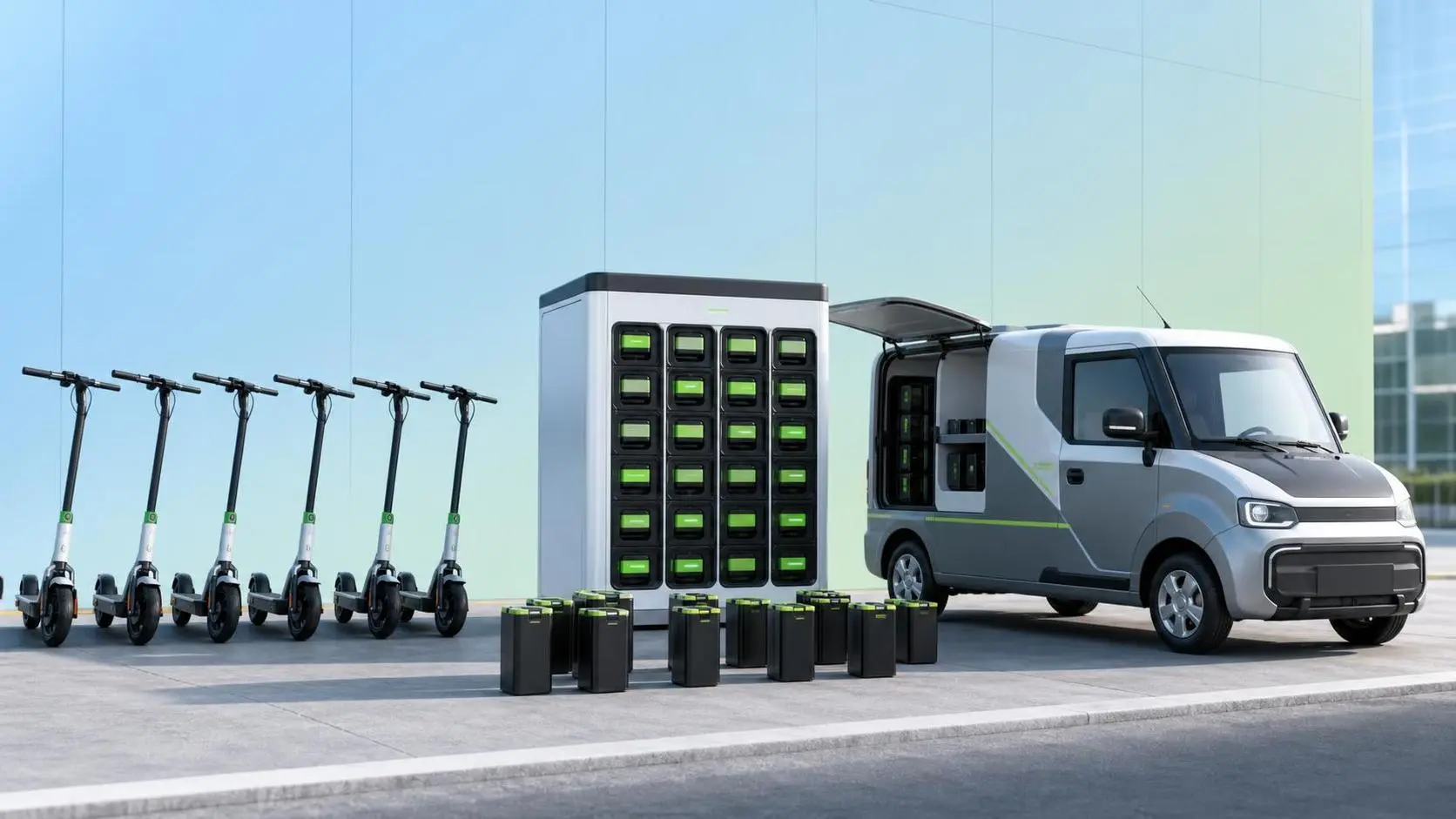
How Battery-Swapping Networks Reduce Downtime in Shared Fleet Scooter Operations
Battery-swapping networks cut scooter fleet downtime by speeding field turnaround, improving uptime in peak zones, and helping operators optimize labor, battery rotation, and service efficiency.
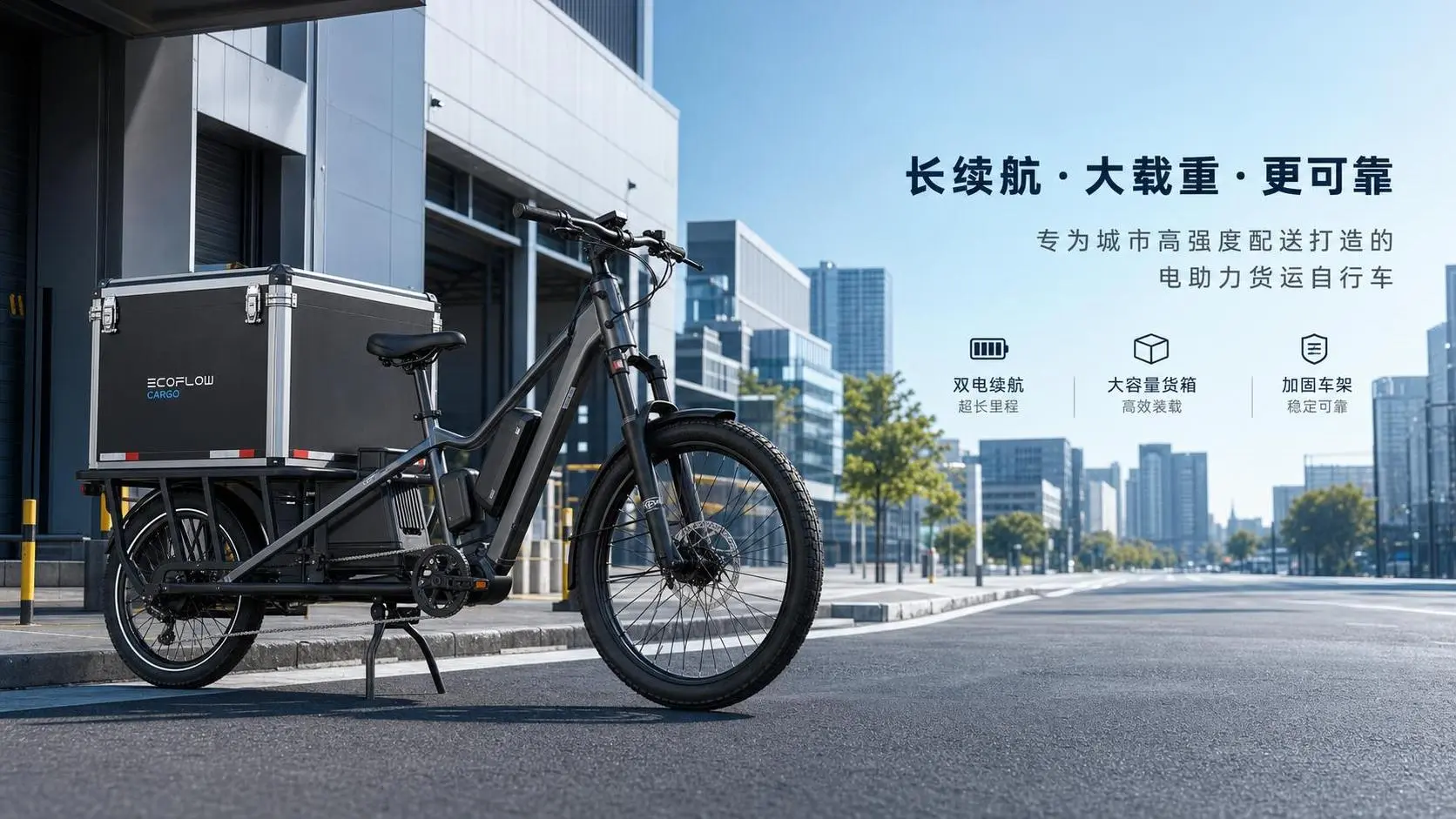
How to Choose a Long-Range Commercial Cargo E-Bike for Delivery Operations
Commercial cargo e-bike long range buying guide: learn how to assess battery, payload, route fit, and uptime support to choose a reliable delivery model with lower operating costs.
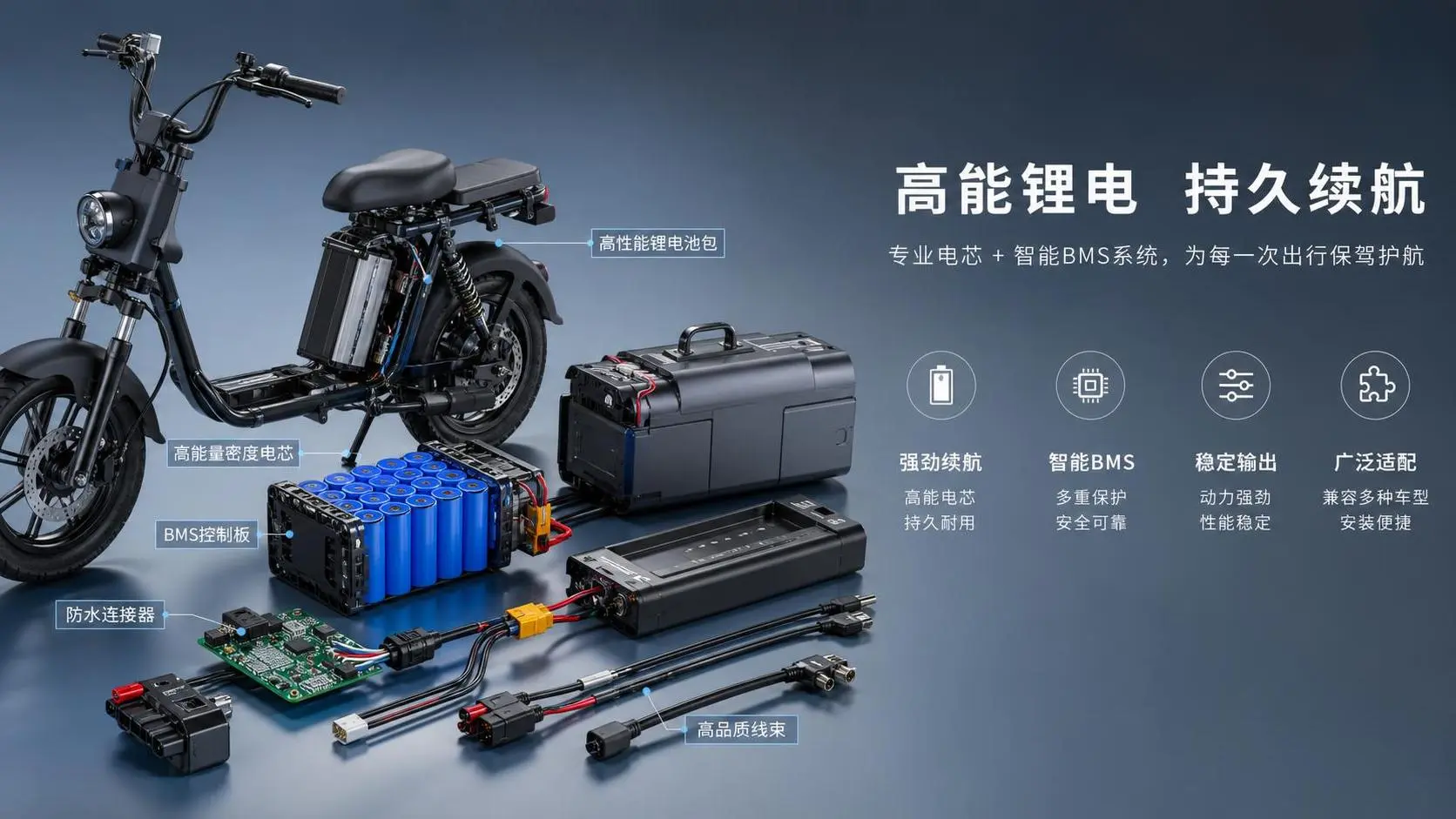
How to Select the Right E-Bike Battery Components for Range, Safety, and Fit?
E-bike component selection battery guide: learn how to choose the right battery components for better range, stronger safety, and perfect fit across modern e-bike platforms.
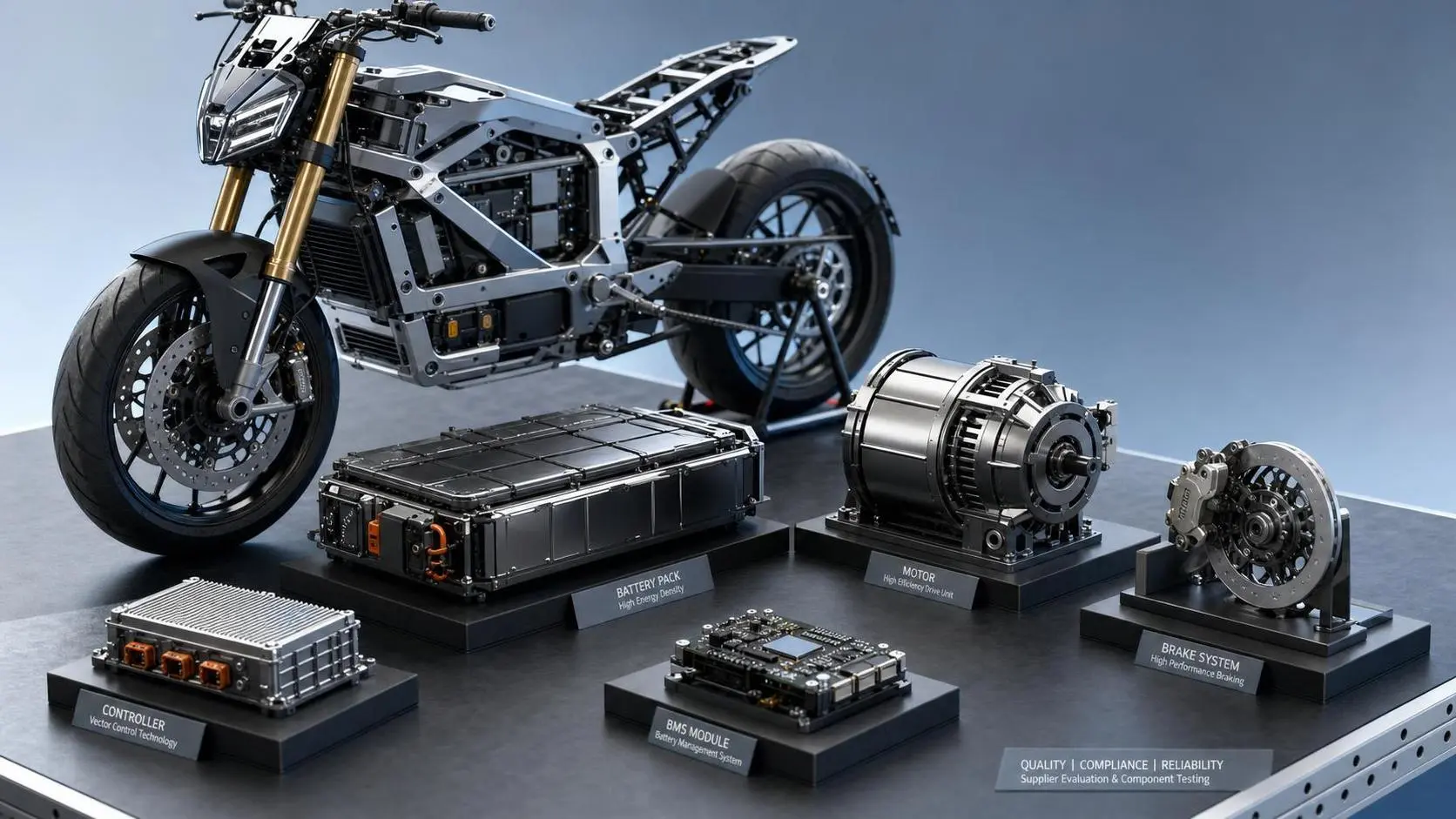
How to Evaluate Core Component Suppliers for Electric Motorcycles Before Sourcing?
Core component suppliers for electric motorcycles can make or break safety, compliance, and delivery. Learn how to assess technical strength, certifications, quality control, and hidden sourcing risks before you buy.
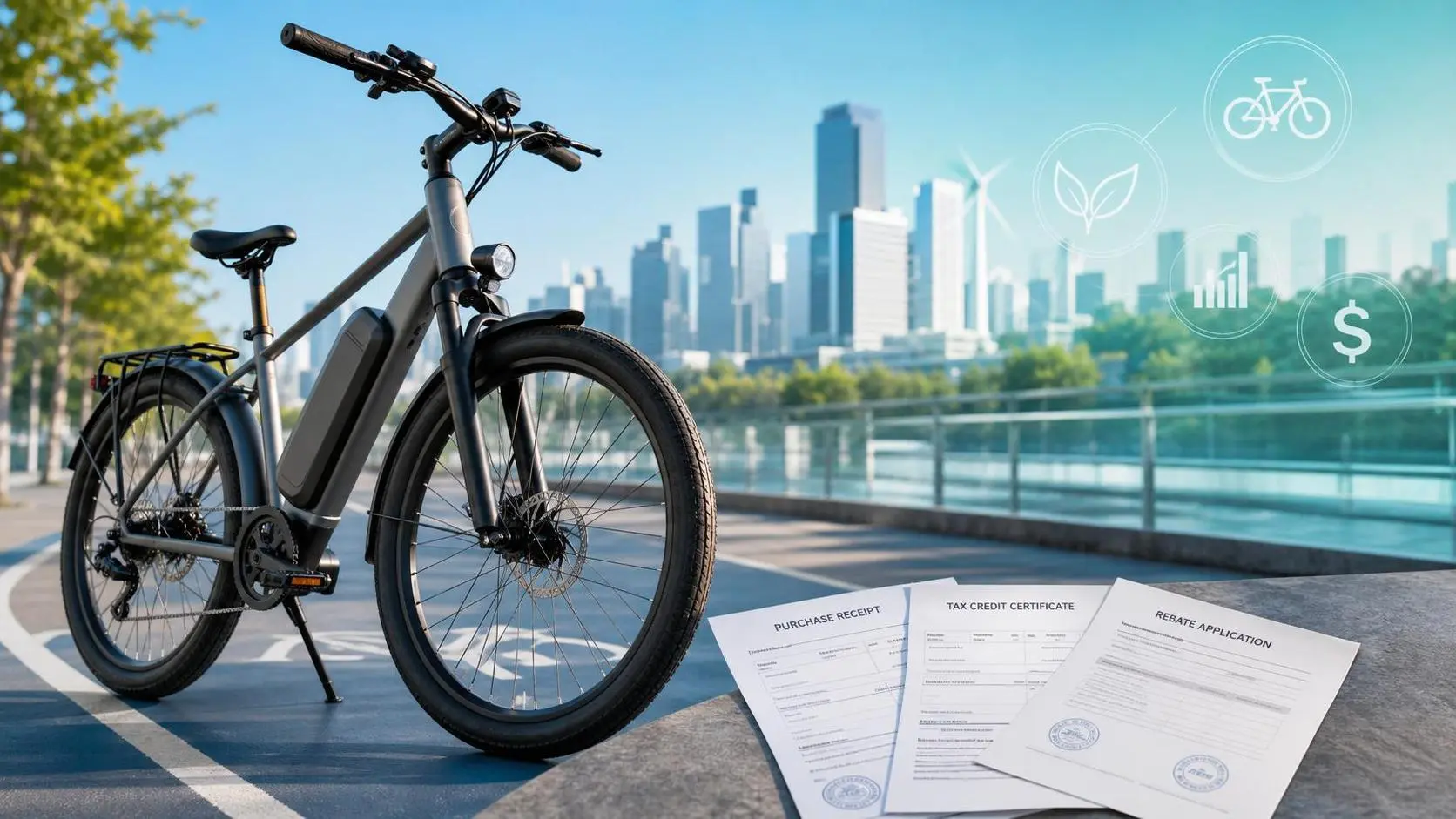
E-Bike Incentives Explained: How Riders Can Find Local Rebates and Tax Credits
E bike incentives explained: learn how to find local rebates, tax credits, and utility offers, avoid common mistakes, and cut the real cost of your next e-bike.
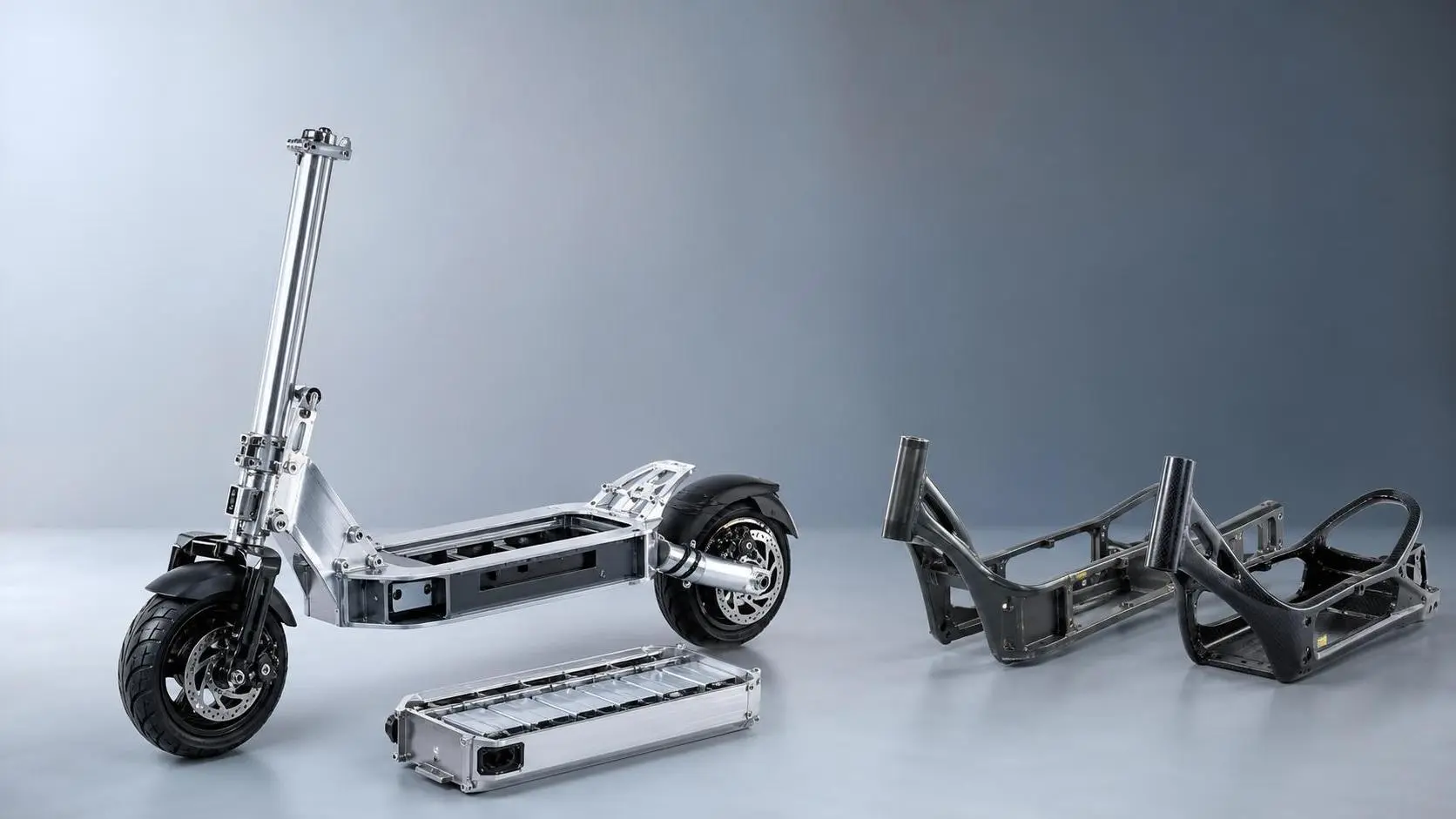
How to Choose Lightweight Scooter Frames in Europe: Materials, Standards, and Use Cases
Lightweight scooter frames Europe buyers need should balance materials, EN standards, durability, and real use cases. Discover how to choose safer, smarter, compliant frames.