
Related News
- 00
0000-00
Urban Electric Vehicles Market Trends: Where Demand Is Rising Fastest - 00
0000-00
Can urban traffic innovation reduce commute delays? - 00
0000-00
Why the electric bike market looks different this year - 00
0000-00
Where the electric two-wheeler market is heading next - 00
0000-00
Micro-Mobility Industry Trends 2026: Where Regulation Hits Hardest
Dr. Alistair Vaughn
Weekly Insights
Stay ahead with our curated technology reports delivered every Monday.
Micro-Mobility Industry Trends 2026: Where Regulation Hits Hardest





The micro-mobility industry is entering a tougher regulatory phase in 2026, with safety, battery compliance, and component reliability under sharper scrutiny than ever. For quality control and safety management teams, understanding where regulations hit hardest is essential to reducing risk, protecting product integrity, and staying competitive across e-bikes, e-scooters, and high-speed electric two-wheelers.
For OEMs, fleet operators, and component suppliers, the pressure is no longer limited to product launch approval. It now extends across battery traceability, software behavior, charger compatibility, braking validation, water ingress resistance, and post-market incident response.
In practical terms, the micro-mobility industry is moving from fast-growth tolerance to evidence-based compliance. Quality control managers and safety leaders need tighter incoming inspection, clearer test plans, and faster corrective action loops, often within 30 to 90 days.
Why 2026 Marks a Harder Regulatory Turn
The 2026 shift is driven by three converging forces: higher urban adoption, more visible fire and collision incidents, and stronger accountability expectations from cities, insurers, and distributors. In the micro-mobility industry, regulators are focusing less on marketing claims and more on measurable operating safety.
That means test evidence, labeling accuracy, and design controls must align before shipment, not after complaints emerge. For many teams, the biggest change is that a 1-part failure can now trigger a system-level review covering battery pack, BMS, charger, harness, and firmware.
The 4 pressure points regulators are watching
- Battery safety, including thermal runaway containment, cell matching, and charging logic
- Vehicle reliability, especially braking distance, frame fatigue, connector sealing, and vibration endurance
- Software and connectivity, including speed limiting, geofencing, fault logging, and OTA change control
- Market surveillance, including recall readiness, serial traceability, and incident documentation within defined response windows
What this means for QC and safety teams
A stronger compliance environment changes daily work at the factory and supplier level. Sampling plans that were acceptable at AQL-style incoming checks may no longer be enough for high-risk parts such as battery connectors, brake calipers, motor controllers, and wireless shift modules.
Teams should expect to move toward layered verification: 100% traceability for critical batteries, 3-stage validation for firmware changes, and 2 to 4-week reliability testing for new suppliers or revised components.
The table below highlights where the micro-mobility industry is likely to face the heaviest compliance pressure in 2026 and what quality teams should monitor first.
The key takeaway is simple: the hardest regulatory impact is falling on systems where failure can escalate quickly. In the micro-mobility industry, battery, braking, and software form the most sensitive compliance triangle.
Battery Compliance Will Stay the Biggest Risk Concentration
Among all segments in the micro-mobility industry, battery systems remain the area where regulation hits hardest. E-bikes, smart e-scooters, and high-speed e-motorcycles all depend on increasingly dense battery packs, but pack integration quality varies widely across suppliers.
For safety managers, the challenge is not only pack certification. It is also the consistency of weld quality, insulation barriers, venting paths, connector retention force, and thermal behavior after 200 to 500 charge cycles.
The compliance checkpoints that deserve daily attention
- Incoming cell lot verification and documented traceability
- BMS functional checks, including overcharge, overcurrent, and temperature cutoff logic
- Charger compatibility testing under nominal and abnormal conditions
- Ingress and contamination review, especially for IPX4 to IPX6 target applications
- Storage and transport controls for damaged, aged, or returned packs
Where teams often underestimate exposure
Many organizations still focus heavily on the finished battery assembly and overlook interface failures. Yet field incidents often originate from charging ports, harness abrasion, weak strain relief, or firmware misinterpretation of sensor values at 45°C to 60°C operating peaks.
A robust prevention plan should include 5 critical checkpoints per pack: cell matching review, insulation verification, BMS calibration, connector pull-force confirmation, and abnormal charging simulation. Missing even 1 of these can increase downstream recall exposure.
Battery risk control matrix for micro-mobility products
The following matrix can help quality and safety teams prioritize controls by failure mode rather than by department. This is especially useful in the micro-mobility industry, where battery, electronics, and assembly often sit under separate operational owners.
This approach makes compliance more operational. Instead of treating battery safety as a one-time gate, the team manages it as a continuous control system from sourcing to after-sales return analysis.
Mechanical Reliability Is Now a Regulatory Topic, Not Just a Warranty Topic
A second major trend in the micro-mobility industry is the elevation of mechanical durability into formal compliance review. Brakes, steering columns, folding joints, derailleur interfaces, axles, and fasteners are receiving more attention because failure can produce immediate injury.
This is especially relevant for shared scooters and high-speed electric two-wheelers, where use intensity may be 5 to 10 times higher than private commuting products. A hinge that survives 2,000 cycles in the lab may still underperform in high-vibration city fleets.
Critical components that should be reclassified as high-risk
- Brake levers, hoses, calipers, and discs exposed to heat and contamination
- Stem locks, folding hooks, and pivot pins subject to repeated impact loading
- Motor mounts and rear dropouts handling torque spikes from acceleration
- Precision drivetrain parts, including derailleur hangers and electronic shift connectors
Testing discipline should match the use case
For a commuter e-bike, endurance validation may focus on 100 kg load assumptions, wet braking behavior, and repeated curb shock. For a high-speed e-motorcycle, the test matrix must be stricter, often combining higher torque exposure, thermal load, and longer vibration durations.
Quality teams should build at least 3 use-condition profiles: private urban use, fleet-sharing duty, and high-performance commuting. This reduces the common error of applying a single test template across all products.
Supplier control is becoming a frontline compliance function
In the micro-mobility industry, many field failures start upstream. Castings with porosity, loose machining tolerances, unstable coating thickness, or poor corrosion resistance can remain hidden until month 6 or month 12 in the field.
A stronger supplier quality process should include 4 elements: approved drawing revision control, critical dimension capability checks, environmental test evidence, and containment action within 48 hours after a major defect alert.
Software, Speed Control, and Connectivity Face New Oversight
The micro-mobility industry is no longer governed only by hardware rules. Regulators and city authorities are increasingly concerned with how vehicles behave in operation, particularly when speed modes, geofencing, app permissions, and OTA updates affect public safety.
For smart e-scooters and connected e-bikes, software can create a compliance event even when hardware remains intact. A faulty firmware release that disables a 25 km/h limit or delays brake-light signaling may be treated as a safety defect.
What safety managers should demand from software teams
- Locked release approval for every firmware version
- Documented regression tests covering core riding and charging functions
- Fault logging that preserves event history for incident review
- Rollback procedures for failed OTA deployment within 24 hours
The hidden risk in mixed hardware-software revisions
One growing problem is revision mismatch. A controller board change, sensor replacement, or battery firmware update may seem minor, but if software assumptions are not updated, error handling can fail under edge conditions.
For that reason, many quality leaders are moving toward configuration traceability at the vehicle level, linking serial number, controller revision, battery batch, and firmware version in one database. This shortens recall scoping and root-cause analysis time.
A Practical 2026 Compliance Roadmap for QC and Safety Teams
The most effective response to tighter rules in the micro-mobility industry is not a larger paperwork burden. It is a better operating system for risk control. Teams need a clear roadmap that connects design, sourcing, production, and field feedback.
A useful implementation cycle can be built in 5 steps over 8 to 12 weeks, with separate owners for engineering, supplier quality, compliance, and service data review.
Recommended implementation sequence
- Map all critical safety items by product line, including battery, brake, frame, and control electronics
- Rank each item by severity, occurrence, and detection difficulty
- Upgrade test plans for high-risk items with cycle, moisture, thermal, and misuse scenarios
- Close supplier documentation gaps and define 24-hour, 48-hour, and 7-day response rules
- Build a post-market loop using warranty returns, incident reports, and near-miss data
Operational checklist for 2026 readiness
The checklist below can serve as a working baseline for organizations active in the micro-mobility industry. It is especially relevant for teams responsible for export programs, private-label manufacturing, and fleet-focused platforms.
The value of this checklist is consistency. When the micro-mobility industry faces tighter inspections and more market surveillance, disciplined review frequency often matters as much as technical capability.
Common mistakes to avoid
- Treating certification as the end of compliance instead of the start of controlled production
- Using the same validation depth for low-risk trim parts and high-risk power components
- Separating software release control from hardware change approval
- Failing to convert return data into corrective action within one reporting cycle
In 2026, the companies that perform best in the micro-mobility industry will not simply build faster. They will build safer, document better, and react earlier to weak signals from production and field use.
For quality control personnel and safety management teams, the hardest regulatory hits will center on batteries, structural reliability, and software-governed vehicle behavior. These are also the areas where disciplined process design can produce the strongest competitive advantage.
UMMS helps industry stakeholders track these shifts with practical intelligence across e-bikes, smart e-scooters, high-speed e-motorcycles, and precision component systems. To reduce compliance risk, strengthen supplier oversight, and refine your 2026 control roadmap, contact us now to get tailored insights and solution support.
Related News
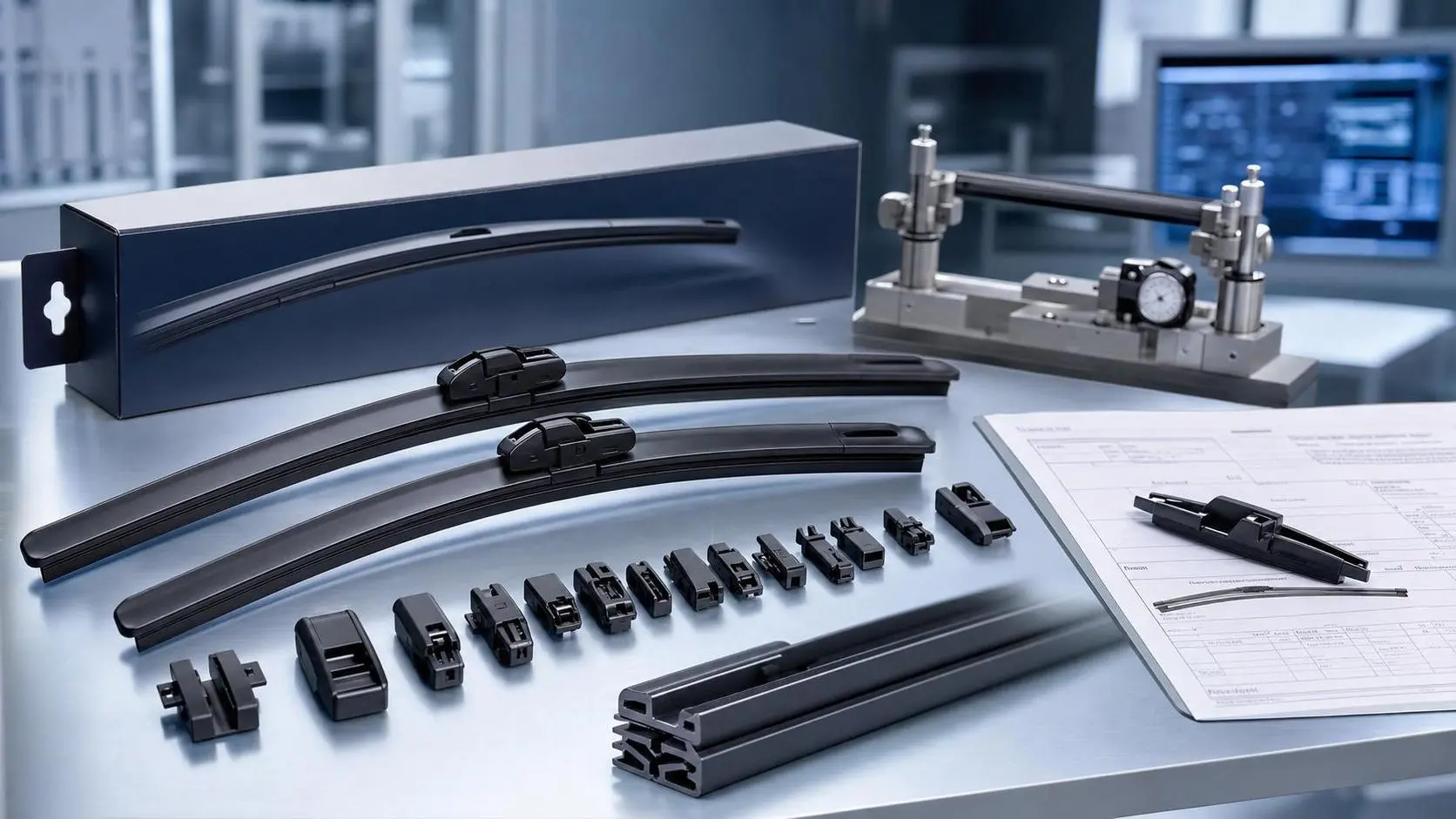
Flat Wiper Blades Wholesale Buying Guide: MOQ, Rubber Quality, Fitment, and Supplier Checks
Flat wiper blades wholesale buying guide covering MOQ, rubber quality, fitment accuracy, and supplier checks to reduce risk, improve margins, and choose reliable bulk partners.
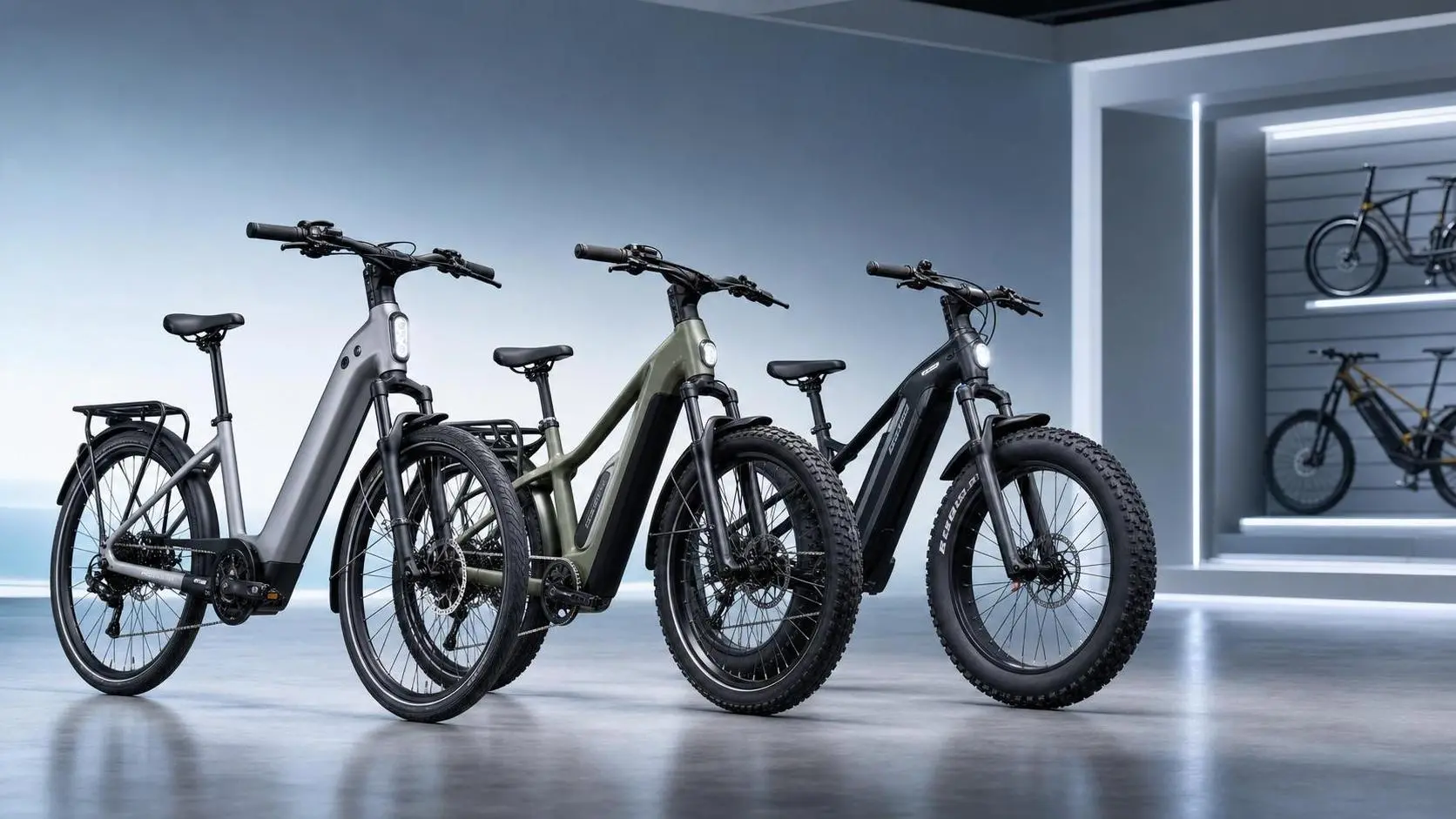
Ebike Market USA: What Dealers Should Know About Demand Shifts, Pricing, and Product Mix
ebike market USA is shifting fast. Discover how demand segmentation, pricing pressure, and smarter product mix decisions can help dealers protect margins and grow.
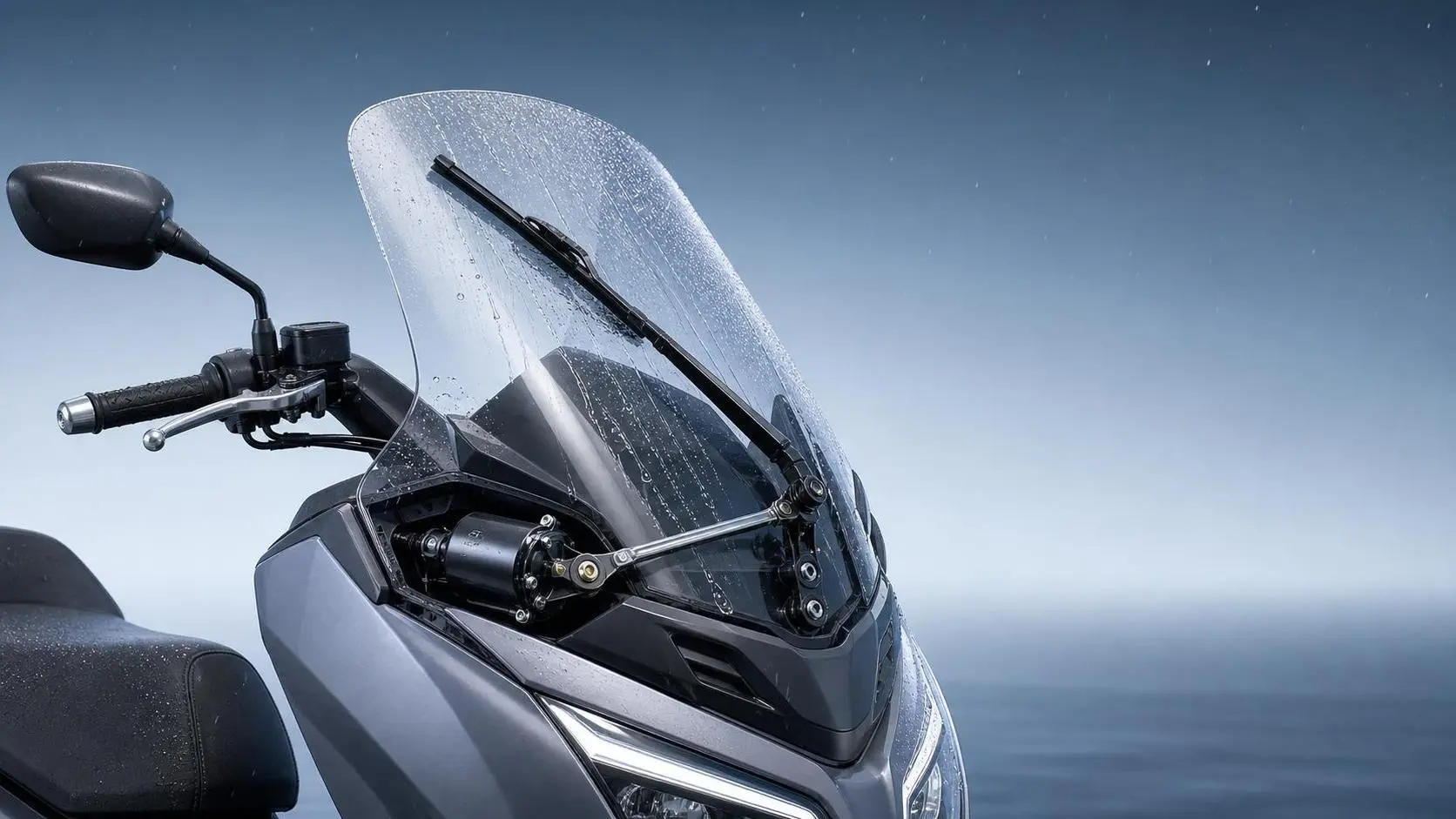
Wiper Systems for Scooters: Common Failure Points, Maintenance Tips, and Replacement Signs
Wiper systems for scooters: learn the most common failure points, smart maintenance tips, and clear replacement signs to improve visibility, reduce repeat repairs, and keep riders safer.
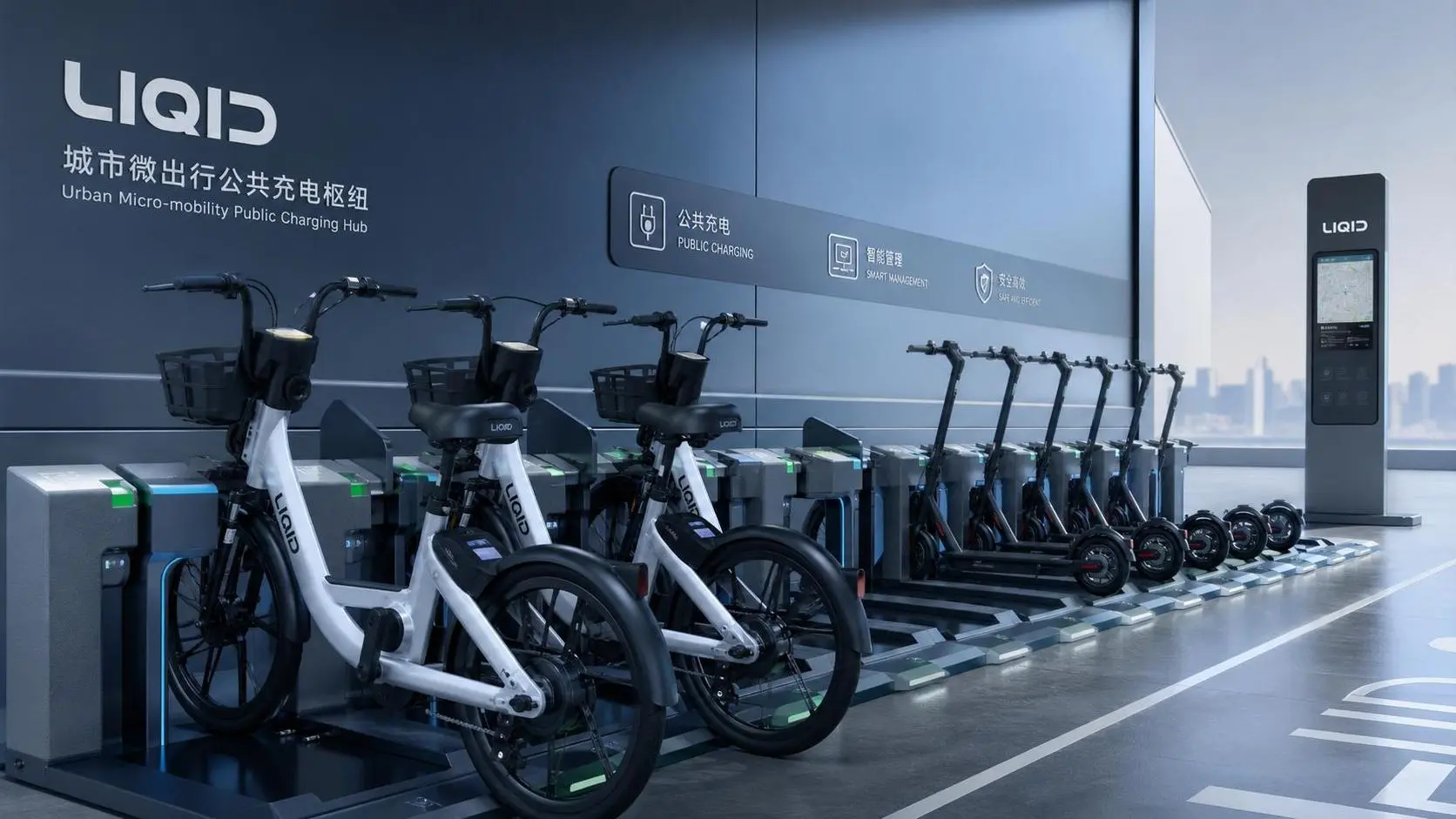
How to Choose Micro-Mobility Docking Stations for Shared Fleets and Public Charging Hubs
Micro-mobility docking stations: learn how to compare charging, locking, software, and site-fit factors to choose safer, smarter hubs for shared fleets and public use.

Powertrain Heat Management Explained: Key Design Factors for EV Efficiency and Battery Life
Powertrain heat management explained for EVs: discover how thermal design boosts efficiency, protects battery life, improves safety, and sustains real-world performance.
Urban Mobility Market Analysis: Demand Drivers, Policy Risks, and Revenue Models Compared
Urban mobility market analysis compares demand drivers, policy risks, and revenue models across e-bikes, scooters, and e-motorcycles to reveal where growth is durable.

Shared Mobility Compliance Checklist: Permits, Safety Rules, and Fleet Data Requirements
Shared mobility compliance made simple: explore a practical checklist for permits, safety rules, and fleet data requirements to launch faster, reduce risk, and stay audit-ready.
What Affects Ebike Energy Efficiency? Battery Size, Rider Weight, Terrain, and Speed
Ebike energy efficiency explained: learn how battery size, rider weight, terrain, and speed shape real-world range, lower Wh/km, and smarter buying or commuting decisions.
Wireless Electronic Shifting in North America: Compatibility, Standards, and Upgrade Limits
Wireless electronic shifting North America explained: compare compatibility, FCC/ISED standards, retrofit limits, and upgrade risks before choosing the right platform.