
Related News
- 00
0000-00
Urban Electric Vehicles Market Trends: Where Demand Is Rising Fastest - 00
0000-00
Can urban traffic innovation reduce commute delays? - 00
0000-00
Why the electric bike market looks different this year - 00
0000-00
Where the electric two-wheeler market is heading next - 00
0000-00
Micro-Mobility Industry Trends 2026: Where Regulation Hits Hardest
Dr. Alistair Vaughn
Weekly Insights
Stay ahead with our curated technology reports delivered every Monday.
Why the electric bike market looks different this year





Why the electric bike market looks different this year
The electric bike market looks markedly different this year, shaped by softer post-boom demand, tighter inventory controls, shifting subsidy policies, and sharper buyer expectations around range, safety, and value.
For business evaluation, this is no longer a simple volume story. It is a structural reset affecting pricing, product planning, distribution, battery strategy, and urban mobility positioning.
That reset matters across the broader micro-mobility economy. E-bikes now sit between public transit pressure, consumer budget caution, and city-level decarbonization goals, making market signals more complex than last year.
Why a checklist matters in the electric bike market this year
In a fast-growth phase, weak assumptions can be hidden by rising demand. In the current electric bike market, those assumptions are exposed quickly through discounting, slower sell-through, and uneven channel performance.
A checklist approach helps separate temporary noise from durable change. It also improves decision quality when comparing regions, component ecosystems, route-to-market models, and product categories.
For intelligence-led platforms such as UMMS, this matters because the electric bike market no longer moves on one variable alone. Battery compliance, drive efficiency, subsidy design, and urban use patterns now interact much more tightly.
Core checklist for reading the electric bike market correctly
- Track inventory days, not shipment headlines, because the electric bike market can appear healthy at the factory level while retail channels still work through old stock.
- Compare subsidy changes by city and country, since local incentives now influence model mix, battery size, and the pace of replacement demand.
- Review price architecture carefully, including entry, mid-tier, and premium bands, because margin pressure is often strongest where promotions are frequent but differentiation is weak.
- Examine battery certification and fire-safety standards, as tighter compliance expectations increasingly shape procurement choices and platform eligibility in the electric bike market.
- Measure real-world range efficiency, not brochure range alone, because buyers now judge value through commuting reliability, charging convenience, and seasonal performance.
- Assess drivetrain and motor integration quality, since smooth torque delivery, reduced maintenance, and efficient power transfer increasingly influence brand trust.
- Check dealer and service network resilience, because after-sales capability has become a stronger conversion factor than broad branding claims.
- Separate commuter demand from recreational demand, as the electric bike market is fragmenting into use-case clusters with different pricing logic and feature priorities.
- Monitor urban policy on bike lanes, charging access, and mixed-traffic rules, because infrastructure readiness directly affects sustained local adoption.
- Watch component lead times and localization shifts, since supply chain flexibility now matters more than maximum production volume.
What is changing inside the electric bike market
Demand is normalizing after the surge
The pandemic-era spike created an unusually high comparison base. This year, the electric bike market reflects normalization rather than collapse, but weaker growth changes how every participant interprets demand.
Retail buyers are spending more selectively. They are less willing to pay for unclear feature upgrades and more likely to compare battery quality, warranty terms, and long-term operating cost.
Value is replacing novelty
In last year’s electric bike market, novelty helped many models stand out. This year, practical value is winning. Integrated lights, better braking, safer battery packaging, and serviceability often matter more than flashy styling.
That shift favors technically disciplined products. It also aligns with UMMS coverage of electromechanical efficiency, battery management logic, and component credibility across the micro-mobility chain.
Compliance is becoming a market filter
Safety and regulatory compliance are no longer background issues. In the electric bike market, they are becoming access conditions for retail channels, insurance acceptance, and public confidence.
Battery testing, charger quality, electronics protection, and thermal management now influence competitiveness. This is especially true where cities tighten safety enforcement in dense residential areas.
Scenario-based reading of the electric bike market
Urban commuting
In dense cities, the electric bike market depends on utility. Riders want predictable range, easy carrying or parking, theft deterrence, and legal clarity around lanes and speed classes.
Products that reduce friction in daily use outperform products that only add power. Fenders, weather resistance, integrated displays, and dependable braking matter more in this scenario.
Leisure and outdoor riding
For leisure buyers, the electric bike market is dividing between casual riders and performance-oriented users. The first group seeks comfort and range confidence. The second looks at geometry, drivetrain response, and terrain capability.
This creates segmentation pressure. Broad, one-size-fits-all product planning is less effective when rider expectations differ so sharply by terrain, frequency, and budget tolerance.
Fleet, rental, and shared mobility
In fleet settings, the electric bike market is judged through uptime, maintenance cycles, vandal resistance, and battery replacement economics. Total cost of operation outweighs aesthetic differentiation.
This area also connects strongly with UMMS’s wider smart mobility lens, where IoT visibility, component reliability, and city traffic micro-circulation determine commercial viability.
Commonly missed risks in the electric bike market
Overreading shipment growth
Shipment growth can mask weak retail pull. If channel stock remains elevated, the electric bike market may face delayed discounting and unstable reorder patterns.
Undervaluing service capability
A strong spec sheet does not compensate for slow repairs or scarce spare parts. Service quality increasingly shapes repeat purchase behavior and brand defensibility.
Ignoring battery traceability
Battery sourcing, pack design, and certification history now carry strategic weight. Weak traceability raises safety, insurance, and reputational risk across the electric bike market.
Treating all regions as one cycle
Regional timing differs. Policy, infrastructure, disposable income, and commuting culture can shift demand patterns significantly, even when product categories look similar on paper.
Practical execution steps
- Build a quarterly electric bike market dashboard using retail sell-through, average discount depth, inventory age, battery compliance status, and regional policy updates.
- Rank product lines by use case instead of by motor power alone, then align battery, frame, braking, and service plans to each scenario.
- Audit component partners for certification strength, lead-time stability, and failure-rate transparency before making volume assumptions.
- Test pricing resilience with and without subsidies, because the electric bike market is increasingly sensitive to incentive withdrawal.
- Map after-sales readiness early, including spare parts availability, repair training, and battery handling procedures.
Conclusion and next action
The electric bike market looks different this year because expansion is no longer driven by demand momentum alone. It is being reshaped by safety scrutiny, channel discipline, infrastructure realities, and a clearer definition of user value.
The most useful next step is to evaluate the electric bike market with a structured checklist, then compare findings across region, price band, and use case. That process reveals where growth remains real, where risk is accumulating, and where durable competitive advantage is still available.
In this year’s electric bike market, clarity beats optimism. Better intelligence, tighter execution, and stronger technical credibility will define who adapts fastest to the new shape of urban micro-mobility.
Related News
How to Choose Lightweight Scooter Frames in Europe: Materials, Standards, and Use Cases
Lightweight scooter frames Europe buyers need should balance materials, EN standards, durability, and real use cases. Discover how to choose safer, smarter, compliant frames.
What Is the Intellectualization of Mobility Platform and How Is It Applied in Shared Fleets?
Intellectualization of mobility platform is reshaping shared fleets with real-time data, predictive maintenance, and smarter compliance—learn how it boosts safety, uptime, and urban mobility efficiency.
Urban Micro-Mobility Systems in Latin America: Key Market Drivers, Barriers, and Growth Segments
Urban micro-mobility systems Latin America are reshaping city transport. Explore key drivers, barriers, and high-growth segments to spot the region’s most investable opportunities.
Electric Motorcycle Systems Price Breakdown: What Affects Cost From Battery to Controller?
Electric motorcycle systems price explained: see how battery, controller, motor, BMS, and wiring affect total cost, reliability, and sourcing value before you buy.
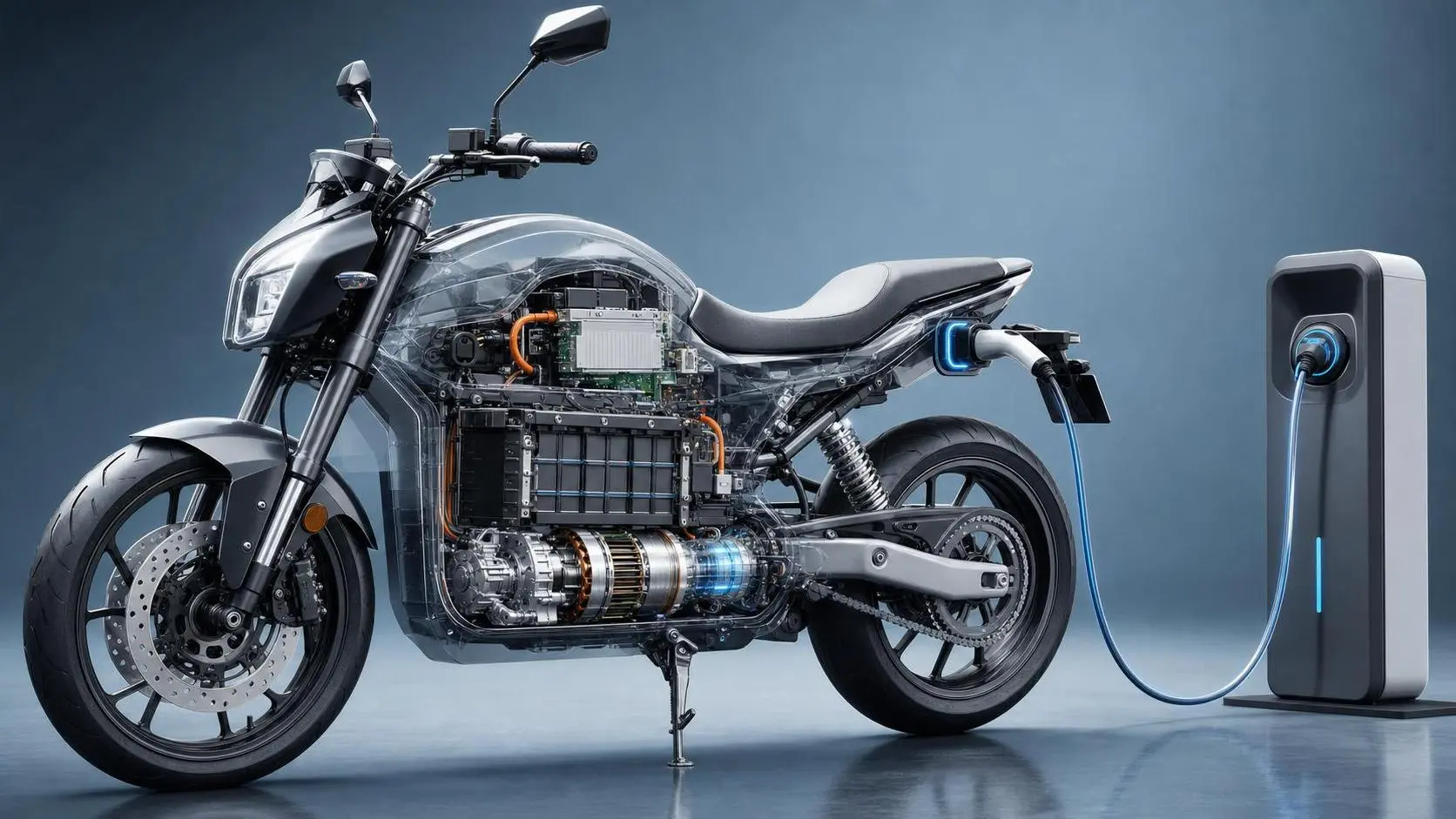
72V Electric Motorcycle Technology Explained: Motors, Controllers, Range, and Charging
Electric motorcycle technology 72V explained clearly: compare motors, controllers, range, battery design, and charging to choose a smoother, stronger, and smarter electric ride.
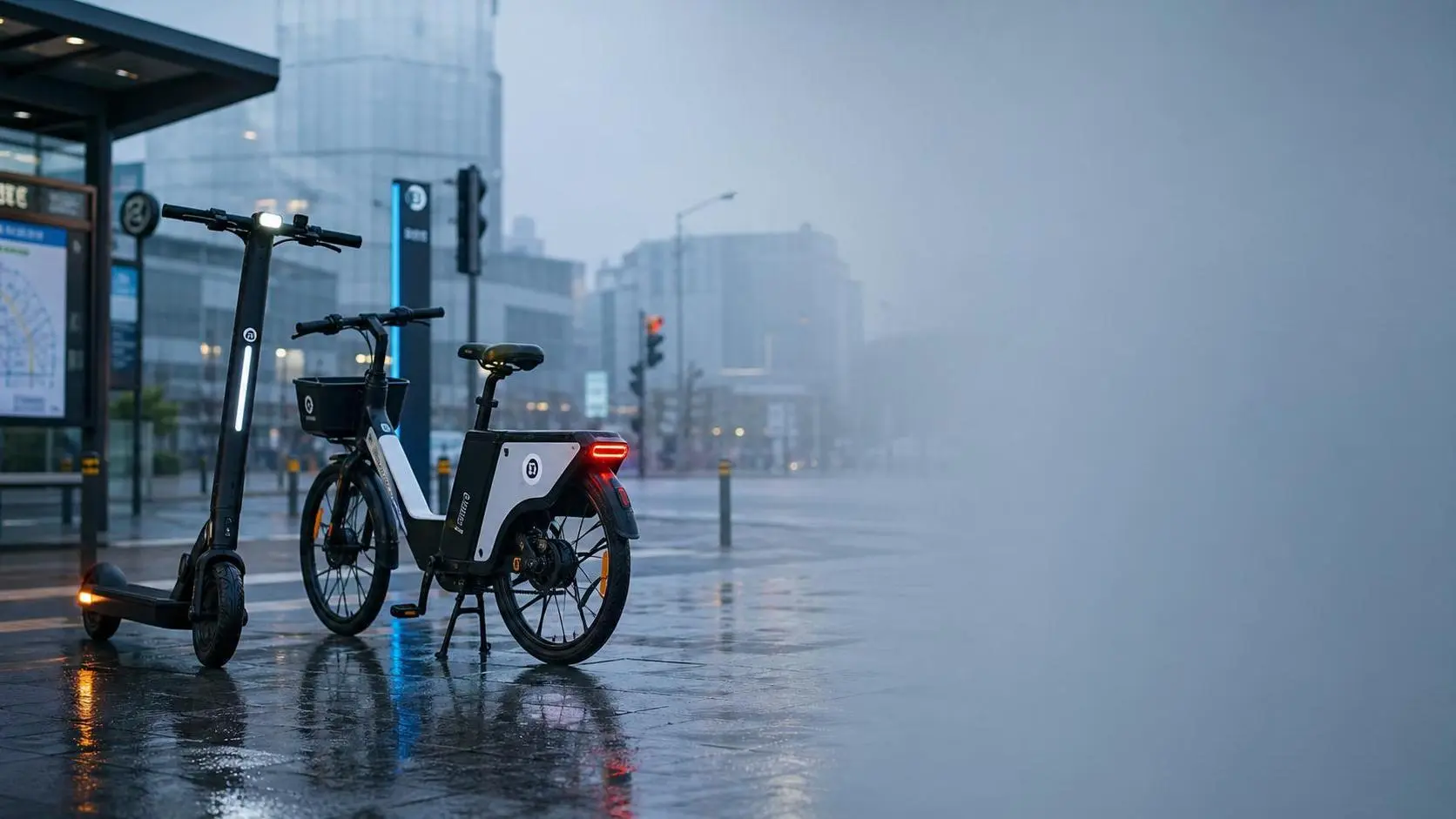
Where LED Urban Visibility Safety Systems Fit Best in Shared Scooters and City E-bikes
LED urban visibility safety systems deliver the most value in shared scooters and city e-bikes by improving multi-angle safety, fleet durability, and urban compliance across real-world routes.
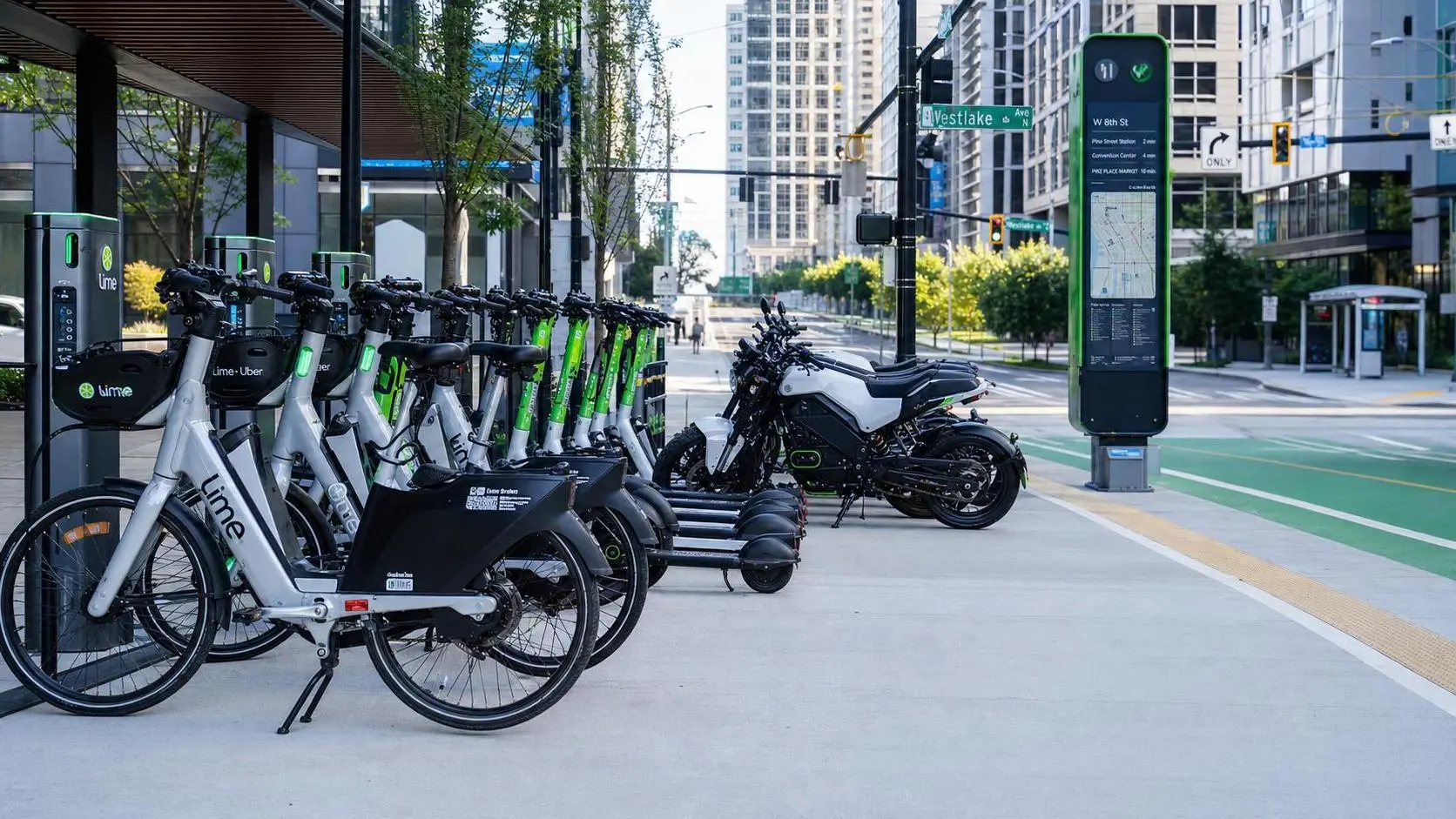
Intellectualization of Mobility in North America: What Is Driving Adoption Across Urban Transport?
Intellectualization of mobility North America is reshaping urban transport through data, smart fleets, and battery intelligence. Explore what is driving adoption and why cities and operators are accelerating now.
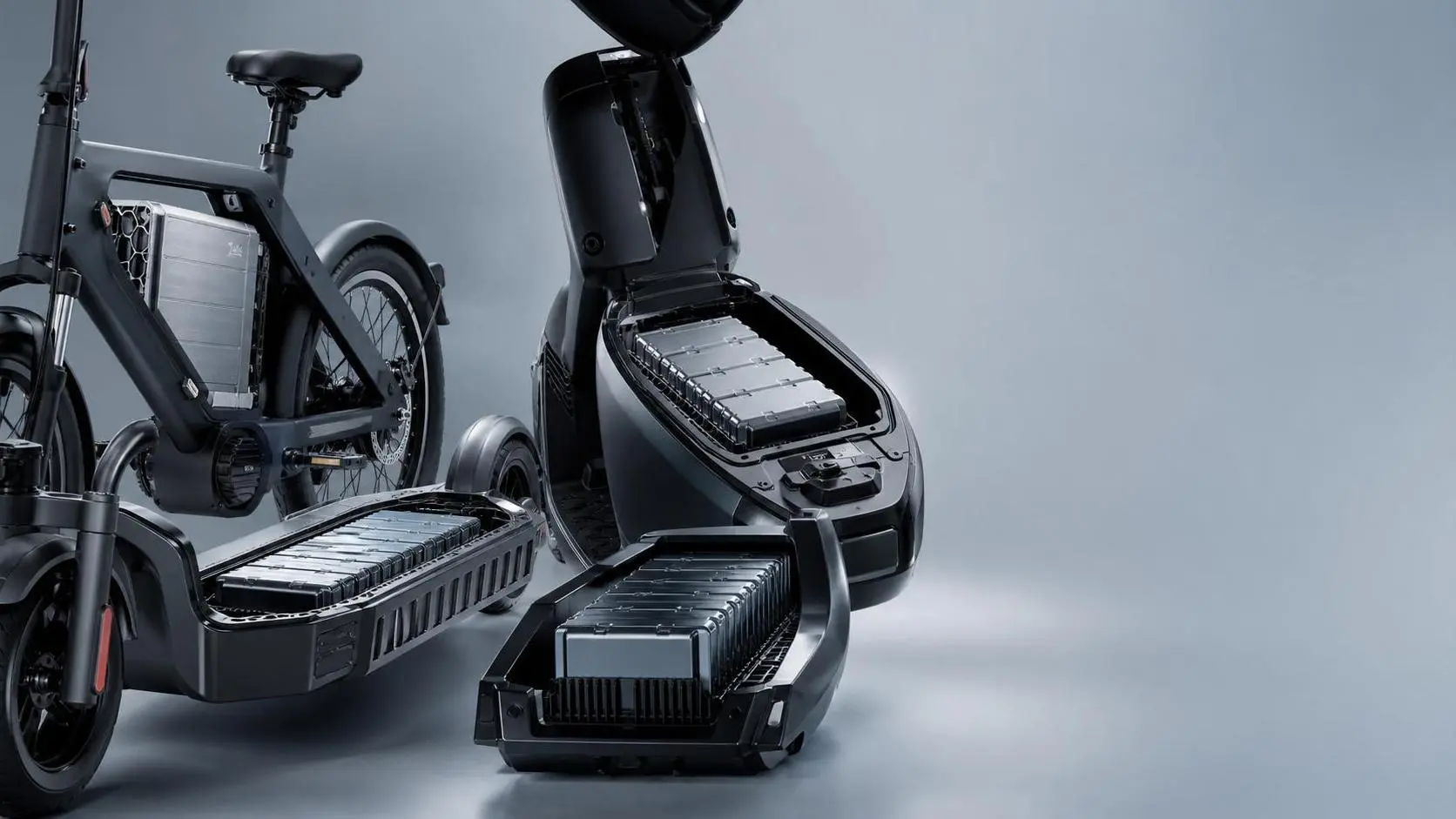
How to Choose a Compact Battery Pack: Size, Energy Density, Thermal Design, and Cycle Life
Compact battery pack selection starts with more than size. Learn how energy density, thermal design, and cycle life shape range, safety, and long-term value.
What Is Driving Green Two-wheelers Demand in Europe? Policy, Fuel Costs, and Buyer Segments
Green two-wheelers demand Europe is rising as policy support, fuel cost pressure, and diverse buyer segments reshape urban mobility. Explore the trends driving the next growth wave.