
Related News
- 00
0000-00
Urban Electric Vehicles Market Trends: Where Demand Is Rising Fastest - 00
0000-00
Can urban traffic innovation reduce commute delays? - 00
0000-00
Why the electric bike market looks different this year - 00
0000-00
Where the electric two-wheeler market is heading next - 00
0000-00
Micro-Mobility Industry Trends 2026: Where Regulation Hits Hardest
Dr. Alistair Vaughn
Weekly Insights
Stay ahead with our curated technology reports delivered every Monday.
Where the electric two-wheeler market is heading next





The electric two-wheeler market is entering a more strategic phase, shaped by policy shifts, battery economics, urban congestion, and smarter mobility systems. For business evaluation, the next wave is no longer only about demand expansion. It is about which product classes, technology stacks, and regional operating models can sustain growth, margin quality, and competitive resilience.
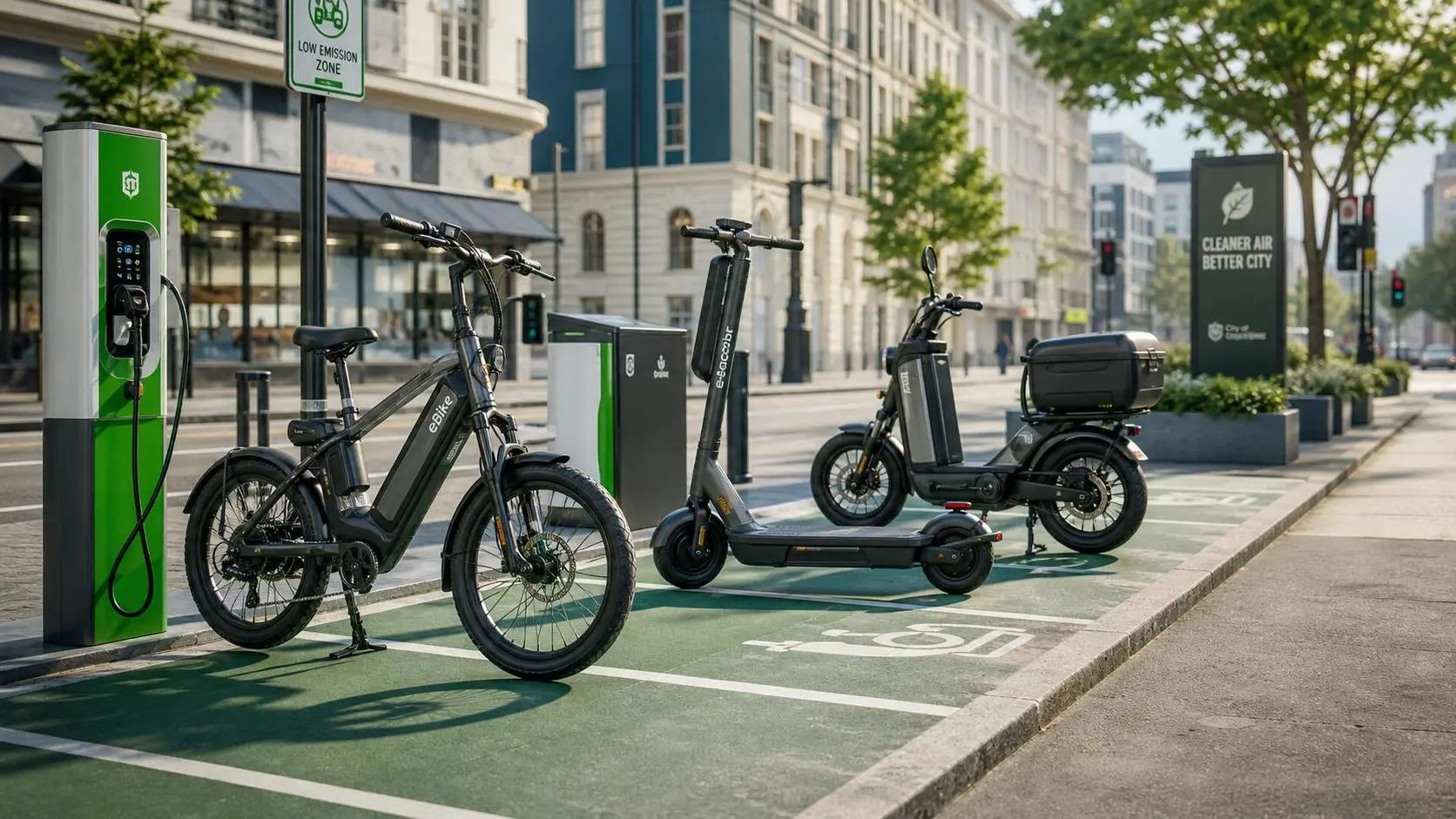
Across urban mobility, the electric two-wheeler market now connects e-bikes, smart e-scooters, high-speed e-motorcycles, and core drivetrain systems. This broader ecosystem matters because value is moving beyond hardware sales. It increasingly comes from batteries, software, fleet intelligence, regulatory alignment, and precision components.
Market definition and the next stage of development
The electric two-wheeler market covers powered bicycles, connected scooters, urban electric mopeds, and performance motorcycles with electric drivetrains. It also includes supporting systems such as battery packs, motors, controllers, charging interfaces, and smart connectivity modules.
Earlier growth was driven by entry-level affordability and favorable city use cases. The next stage is different. The electric two-wheeler market is becoming segmented by power range, ownership model, compliance class, and data-enabled service capability.
This shift rewards companies that understand technical efficiency and operating context. In Europe, e-bikes remain a strong commuter and leisure category. In dense Asian cities, scooters and swappable battery models can scale faster. In premium segments, high-speed electric motorcycles depend on charging access, thermal performance, and rider confidence.
Why the market is no longer uniform
- Regulations differ sharply by speed, pedal assist, battery capacity, and road access.
- Battery costs influence both retail pricing and fleet operating economics.
- Urban infrastructure shapes adoption, especially parking, bike lanes, and charging points.
- Consumer expectations now include range visibility, app control, and safety electronics.
Key industry signals shaping the electric two-wheeler market
Several signals indicate where the electric two-wheeler market is heading next. Growth is still present, but it is becoming more selective. Capital, policy, and technology are flowing toward categories with better real-world utility and repeat usage.
A major development is the rise of operational intelligence. Fleet operators and private users increasingly expect battery health monitoring, anti-theft integration, route optimization, and predictive maintenance. As a result, the electric two-wheeler market is becoming part vehicle market, part data market.
Another signal is component specialization. Precision bicycle drivetrain parts, electronic shifting systems, compact controllers, and thermal management solutions are no longer secondary. They define ride quality, maintenance frequency, and brand differentiation.
Where value is being created across segments
The electric two-wheeler market is not moving in one direction. Different segments solve different mobility problems. Understanding where value forms helps clarify which areas may deliver stronger durability.
Electric bicycles
E-bikes remain one of the strongest categories in the electric two-wheeler market. They fit commuting, leisure riding, and urban delivery. In many European markets, they benefit from existing cycling culture and lower regulatory friction than faster electric classes.
Smart e-scooters
Smart e-scooters serve dense cities where flexibility matters more than long range. Their growth depends on durable frames, efficient fleet management, and local right-of-way rules. Strong IoT integration improves deployment economics and rider accountability.
High-speed e-motorcycles
This segment addresses replacement of internal combustion motorcycles. Performance is attractive, but scale requires trusted battery systems, better charging access, and credible safety standards. The opportunity is large, but commercialization is more complex.
Core components and systems
Motors, battery management systems, electronic derailleurs, sensors, and lightweight structural parts may offer more defensible margins than finished vehicles alone. In the electric two-wheeler market, component intelligence often determines performance, compliance, and lifecycle value.
Regional models and competitive patterns
Regional differences will continue shaping the electric two-wheeler market. There is no single winning formula. Success depends on matching product architecture to local infrastructure, regulation, and user behavior.
- Europe: Strong e-bike demand, stricter safety expectations, and premium component potential.
- Asia: Fast scooter adoption, battery swapping potential, and high urban trip density.
- North America: Mixed regulation, rising recreation and commuter interest, slower infrastructure consistency.
- Emerging cities: Price sensitivity matters, but electrification can solve fuel cost pressure.
Competitive advantage is therefore becoming regional and modular. A company strong in commuter e-bikes may not automatically lead in connected scooter fleets. A battery-swapping model effective in one country may fail in another without density, policy support, and service discipline.
Business meaning for long-term growth evaluation
The electric two-wheeler market matters because it sits at the intersection of mobility, energy, software, and urban systems. Its value is not limited to replacing short car trips. It supports a wider reconfiguration of how cities handle circulation, access, and decarbonization.
From a strategic perspective, stronger opportunities usually share several traits. They solve frequent trip needs, fit local regulations, use scalable battery logic, and create service or component revenue beyond the initial vehicle sale.
Practical considerations for the next phase
The electric two-wheeler market will reward disciplined execution more than broad optimism. Several practical issues deserve close attention when assessing future direction.
- Track battery chemistry trends, not only battery prices.
- Measure real urban use cases instead of headline shipment growth.
- Compare ownership, rental, and fleet models by maintenance intensity.
- Review local access rules, helmet laws, and speed classifications.
- Prioritize suppliers with proven safety, firmware, and component consistency.
It is also wise to separate volume growth from quality growth. A fast-growing category may still struggle if returns, battery failures, or weak infrastructure destroy profitability. In contrast, slower but technically mature niches can create more stable value.
Conclusion and next-step direction
Where the electric two-wheeler market is heading next is clearer than it first appears. The market is moving toward smarter segmentation, stronger compliance, better battery intelligence, and higher integration between vehicle hardware and urban mobility systems.
The most promising paths are likely to come from practical categories with repeat use, strong infrastructure fit, and serviceable technology platforms. E-bikes, smart e-scooters, high-speed e-motorcycles, and precision components will each play a role, but not with the same timing or risk profile.
For a more reliable view of the electric two-wheeler market, follow policy movement, battery management progress, component innovation, and city-level operating data together. That combined perspective offers the strongest basis for identifying durable growth in micro-mobility’s next chapter.
Related News
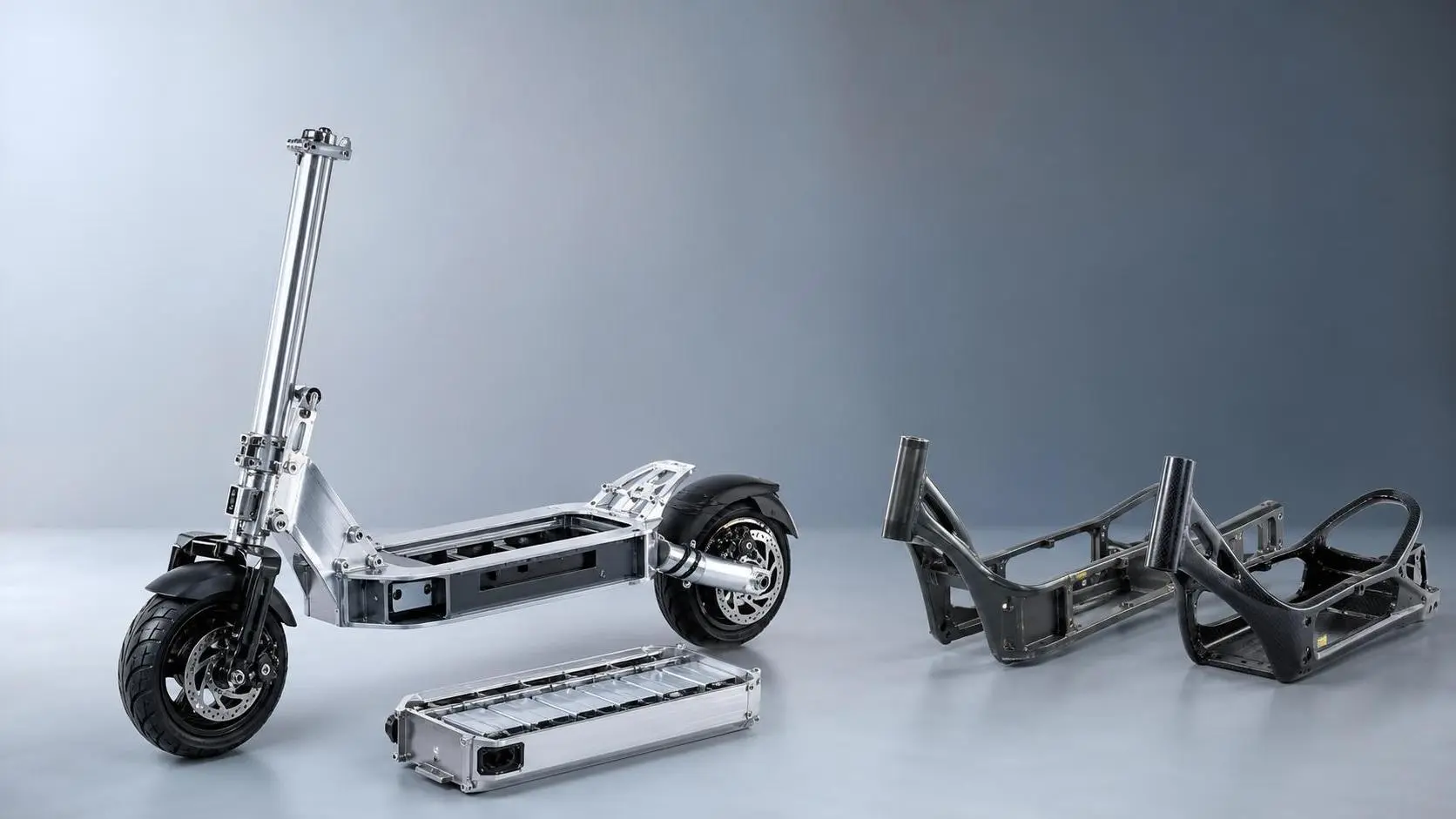
How to Choose Lightweight Scooter Frames in Europe: Materials, Standards, and Use Cases
Lightweight scooter frames Europe buyers need should balance materials, EN standards, durability, and real use cases. Discover how to choose safer, smarter, compliant frames.
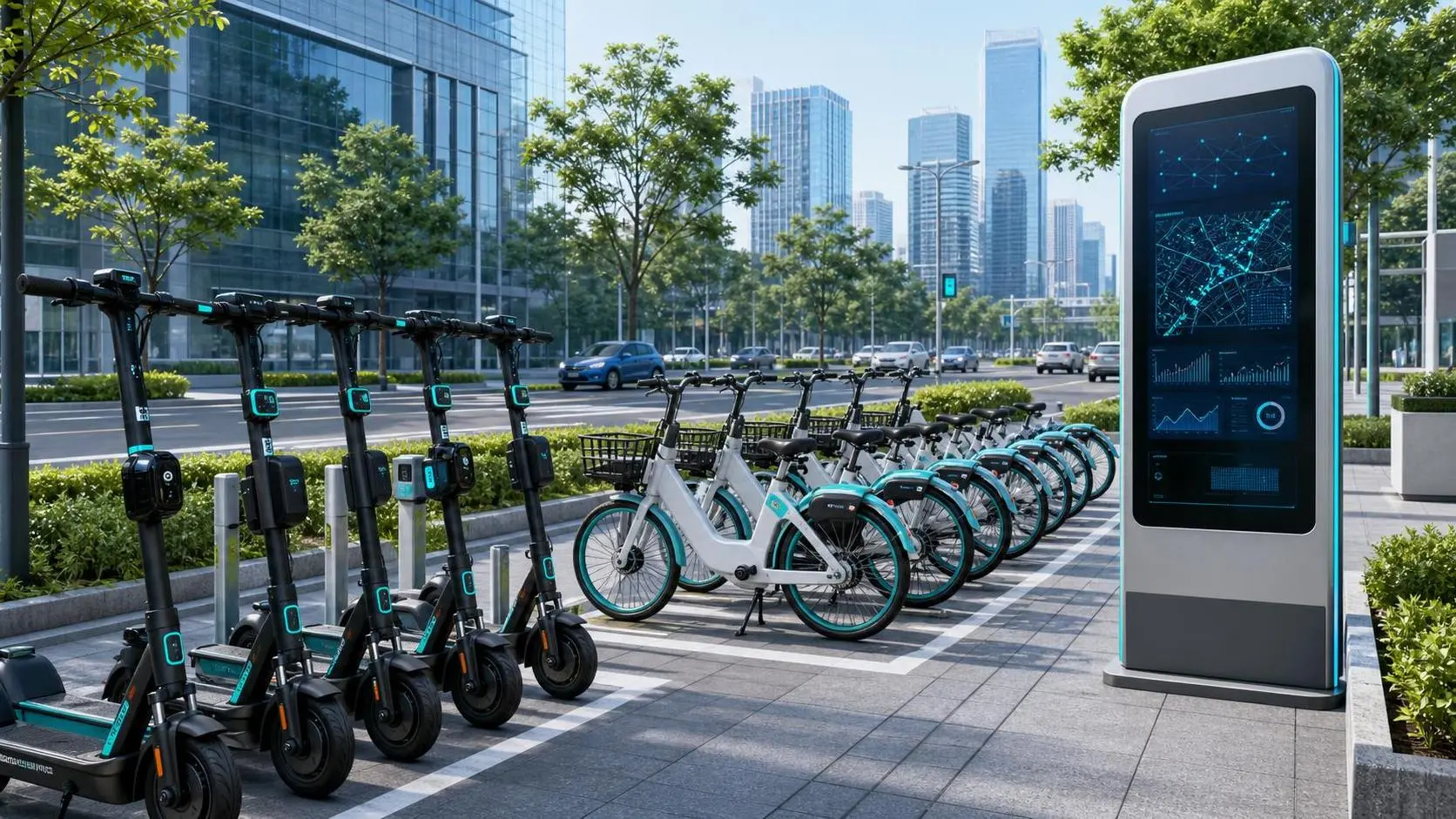
What Is the Intellectualization of Mobility Platform and How Is It Applied in Shared Fleets?
Intellectualization of mobility platform is reshaping shared fleets with real-time data, predictive maintenance, and smarter compliance—learn how it boosts safety, uptime, and urban mobility efficiency.
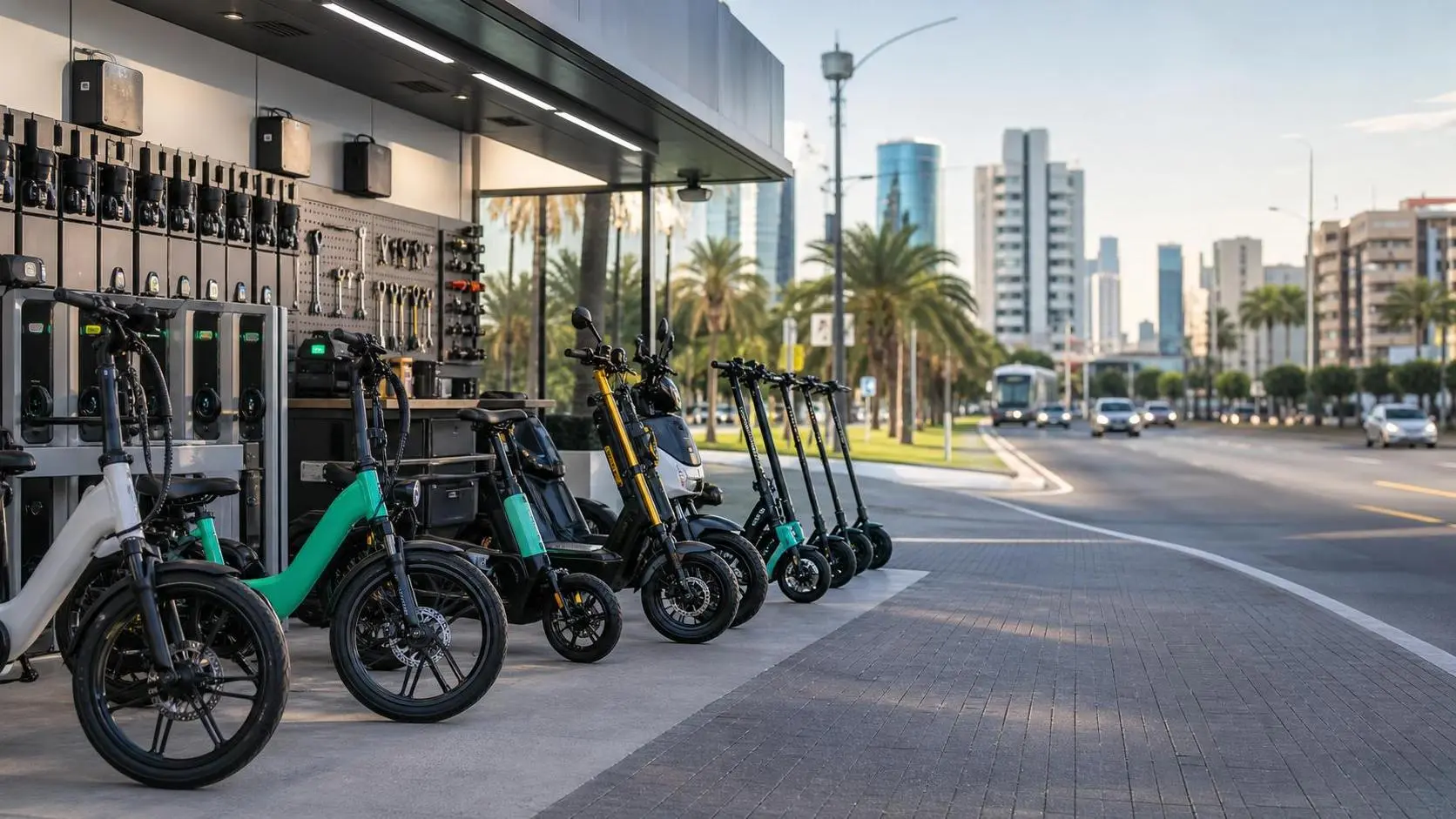
Urban Micro-Mobility Systems in Latin America: Key Market Drivers, Barriers, and Growth Segments
Urban micro-mobility systems Latin America are reshaping city transport. Explore key drivers, barriers, and high-growth segments to spot the region’s most investable opportunities.
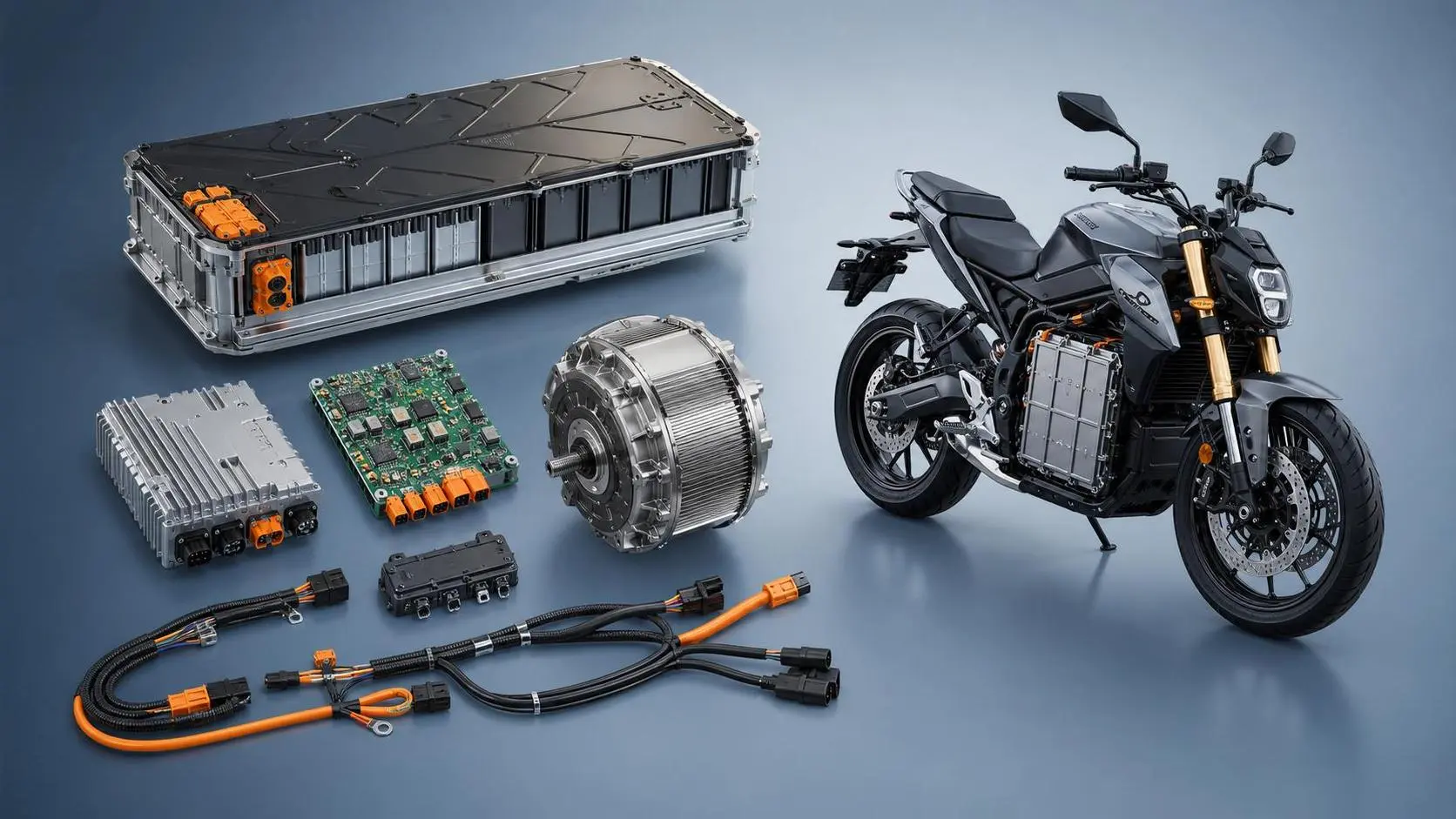
Electric Motorcycle Systems Price Breakdown: What Affects Cost From Battery to Controller?
Electric motorcycle systems price explained: see how battery, controller, motor, BMS, and wiring affect total cost, reliability, and sourcing value before you buy.
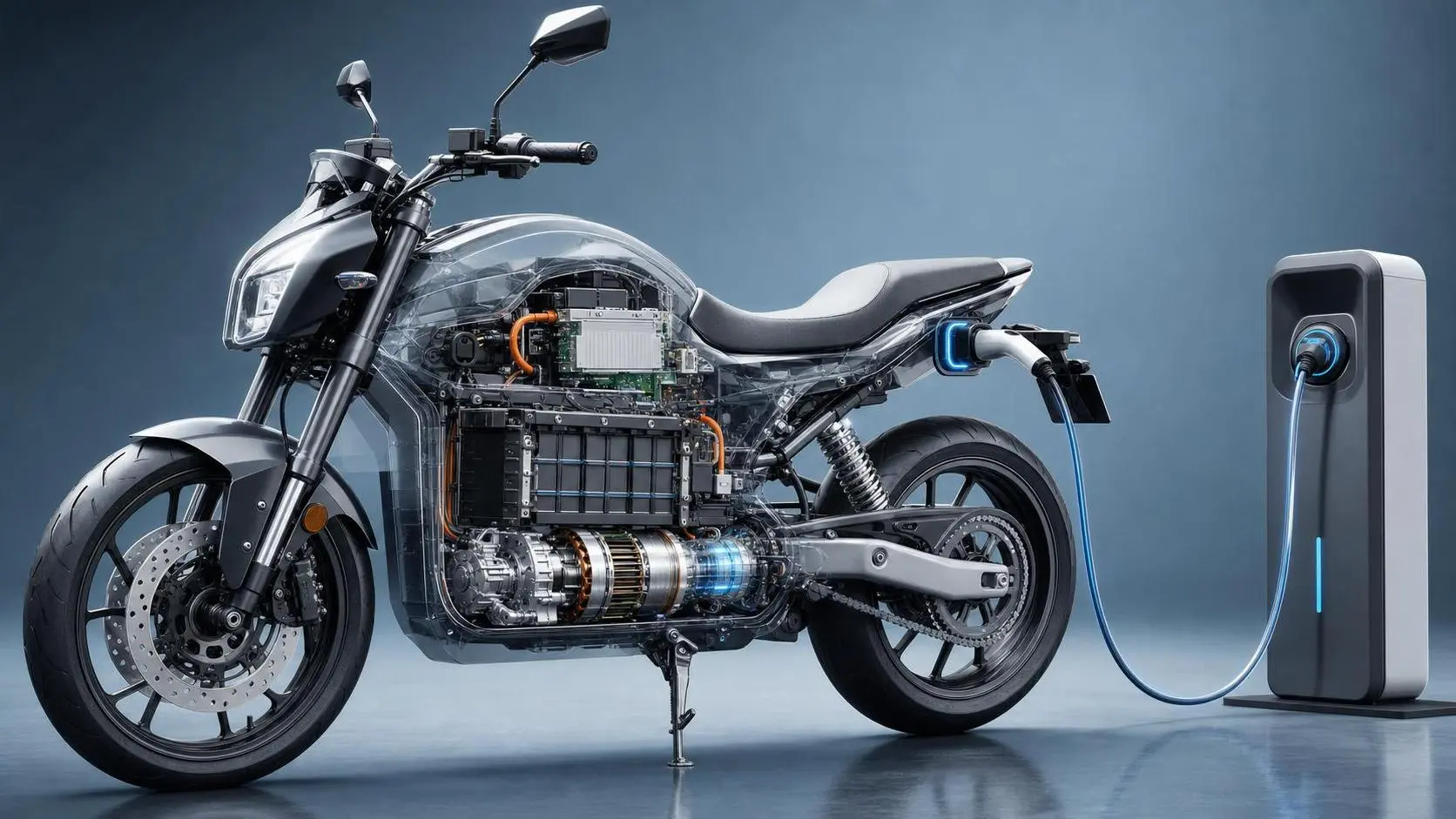
72V Electric Motorcycle Technology Explained: Motors, Controllers, Range, and Charging
Electric motorcycle technology 72V explained clearly: compare motors, controllers, range, battery design, and charging to choose a smoother, stronger, and smarter electric ride.
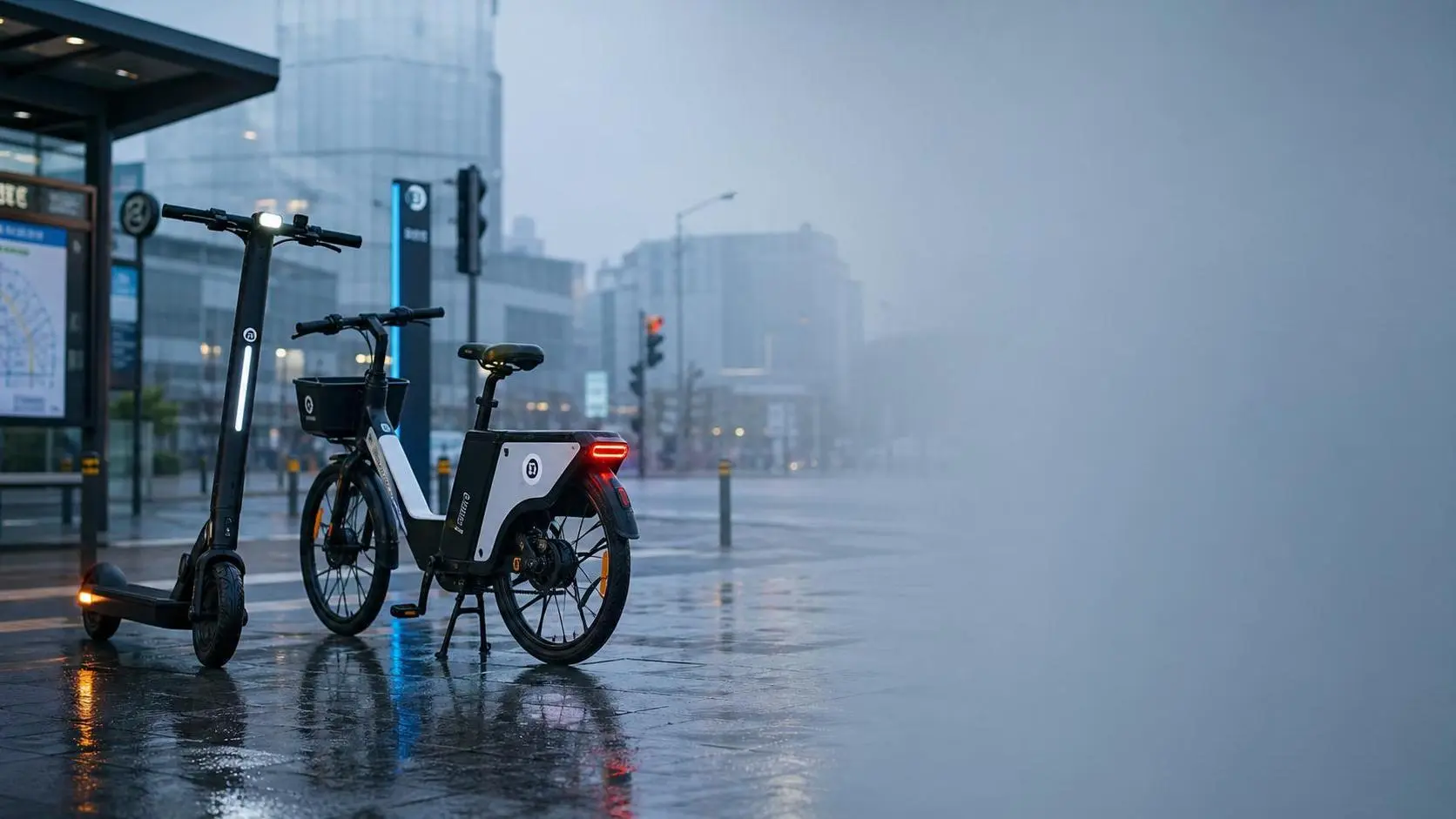
Where LED Urban Visibility Safety Systems Fit Best in Shared Scooters and City E-bikes
LED urban visibility safety systems deliver the most value in shared scooters and city e-bikes by improving multi-angle safety, fleet durability, and urban compliance across real-world routes.
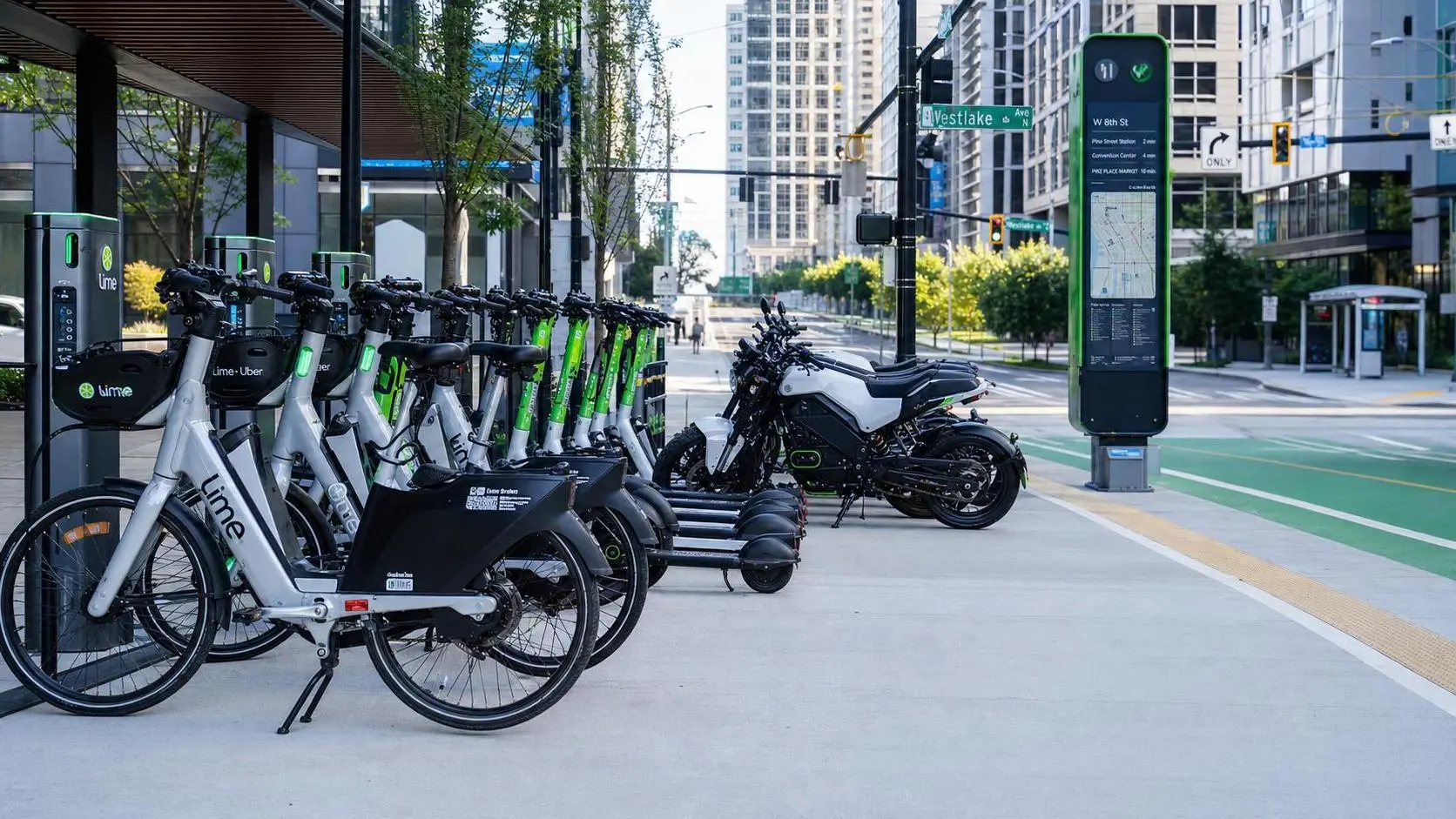
Intellectualization of Mobility in North America: What Is Driving Adoption Across Urban Transport?
Intellectualization of mobility North America is reshaping urban transport through data, smart fleets, and battery intelligence. Explore what is driving adoption and why cities and operators are accelerating now.
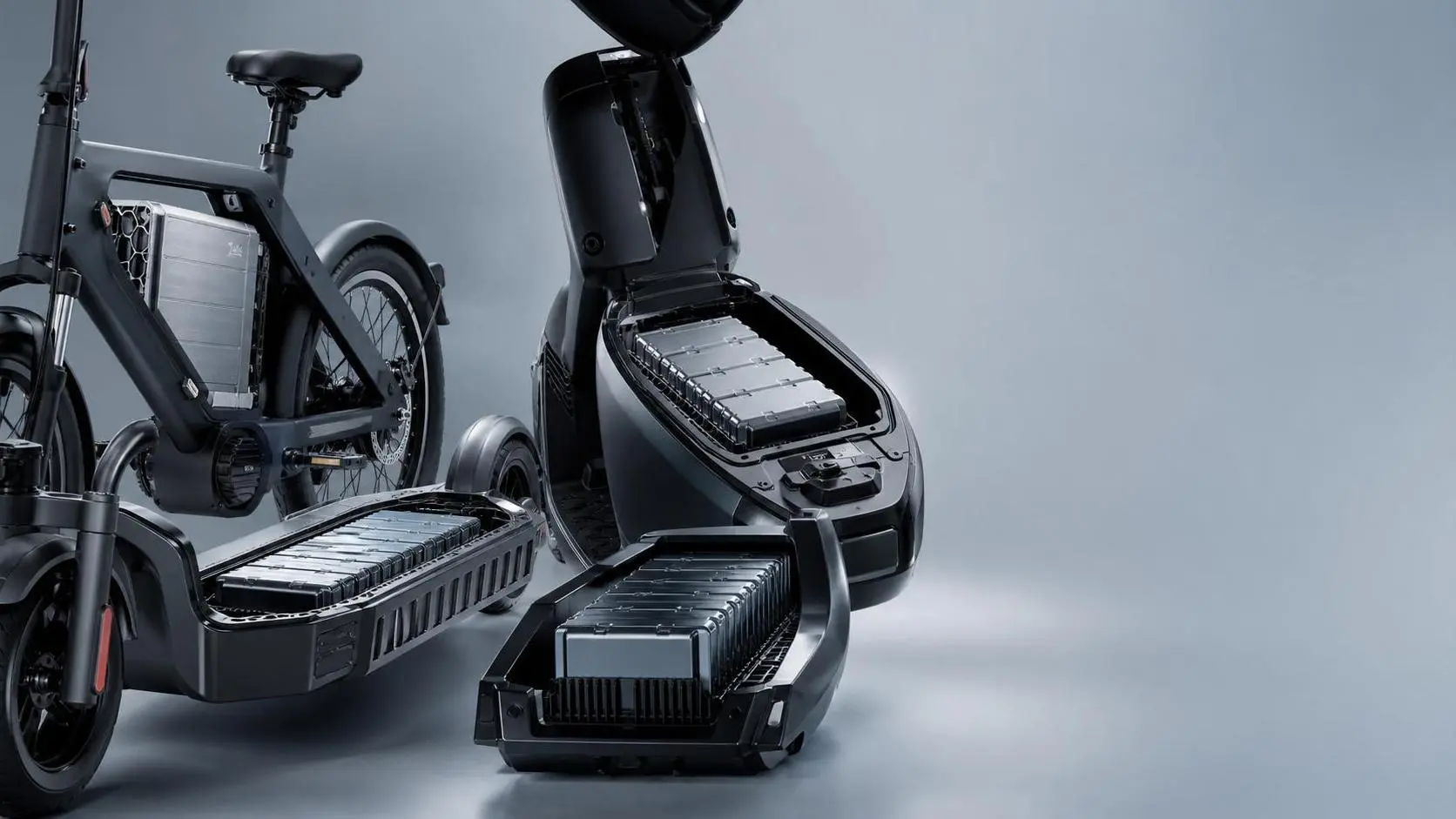
How to Choose a Compact Battery Pack: Size, Energy Density, Thermal Design, and Cycle Life
Compact battery pack selection starts with more than size. Learn how energy density, thermal design, and cycle life shape range, safety, and long-term value.
What Is Driving Green Two-wheelers Demand in Europe? Policy, Fuel Costs, and Buyer Segments
Green two-wheelers demand Europe is rising as policy support, fuel cost pressure, and diverse buyer segments reshape urban mobility. Explore the trends driving the next growth wave.