
Related News
- 00
0000-00
Urban Electric Vehicles Market Trends: Where Demand Is Rising Fastest - 00
0000-00
Can urban traffic innovation reduce commute delays? - 00
0000-00
Why the electric bike market looks different this year - 00
0000-00
Where the electric two-wheeler market is heading next - 00
0000-00
Micro-Mobility Industry Trends 2026: Where Regulation Hits Hardest
Dr. Alistair Vaughn
Weekly Insights
Stay ahead with our curated technology reports delivered every Monday.
Can urban traffic innovation reduce commute delays?





Can Urban Traffic Innovation Reduce Commute Delays?
Can urban traffic innovation truly reduce commute delays, or is it just another mobility buzzword?
The answer matters because congestion affects workforce productivity, logistics reliability, carbon targets, and city-level competitiveness.
E-bikes, smart e-scooters, high-speed e-motorcycles, intelligent components, and connected mobility systems now reshape the last mile.
When integrated correctly, urban traffic innovation converts daily delays into faster, cleaner, and more resilient movement.
Why commute delay is a scenario problem, not only a road problem
Commute delay is rarely caused by one bottleneck. It is usually a chain of small failures across streets, vehicles, signals, and behavior.
A crowded arterial road may hide poor feeder routes. A slow metro transfer may expose weak last-mile access.
Urban traffic innovation works best when each scenario receives a tailored response instead of a single universal solution.
A dense business district needs curb discipline. A university area needs safe light mobility lanes. A logistics corridor needs predictable timing.
This is why micro-mobility systems are becoming strategic infrastructure, not just consumer transportation products.
Scenario 1: Dense central districts need flexible last-mile capacity
In central districts, the greatest delay often occurs in the final two kilometers, not across the full journey.
Urban traffic innovation reduces this friction by replacing short car trips with e-bikes, smart e-scooters, and walkable transfers.
The core judgment point is whether road space can move more people without increasing vehicle volume.
Protected lanes, digital parking zones, and shared fleet balancing help prevent light vehicles from becoming sidewalk clutter.
For central districts, the best urban traffic innovation combines physical lane design with IoT-based fleet visibility.
Scenario 2: Transit hubs need smoother first-mile and last-mile links
Rail and bus networks lose efficiency when station access is slow, unsafe, or unpredictable.
Urban traffic innovation can shorten access time through docked e-bikes, geofenced scooters, and real-time availability data.
The critical metric is not only trip speed. It is transfer confidence during peak demand and bad weather.
Smart wiper systems also matter in shared shuttle services and compact electric vehicles supporting hub circulation.
Visibility safety protects service reliability when rain, dust, or snow reduces driver and sensor performance.
Scenario 3: Residential corridors need predictable commute alternatives
Residential corridors often face tidal congestion, with heavy inbound flows in the morning and reverse pressure at night.
Urban traffic innovation helps when residents can choose reliable alternatives before delays spread across the network.
E-bikes are especially effective where commute distance exceeds walking comfort but remains below car dependency.
Battery range, theft protection, lane continuity, and charging access are the main adoption conditions.
In this setting, urban traffic innovation must feel dependable, not experimental.
Scenario 4: Logistics streets need lower conflict and better curb control
Delivery vehicles, ride-hailing stops, buses, cyclists, and pedestrians often compete for the same curb space.
Urban traffic innovation reduces commute delays by managing loading windows, curb reservations, and micro-distribution points.
High-speed e-motorcycles can support fast delivery with lower emissions, especially when battery-swapping networks reduce downtime.
However, speed must be balanced with lane hierarchy, rider training, and enforcement technology.
The best result comes when freight movement is designed as part of commute flow, not as an exception.
Scenario 5: Campus, park, and industrial zones need internal circulation
Large campuses, industrial parks, and medical districts have repeated short trips between buildings, gates, and transit stops.
Urban traffic innovation can remove internal car trips by using shared e-scooters, e-bikes, and low-speed electric shuttle links.
The key is controlled deployment, with clear parking rules, maintenance schedules, and battery monitoring.
Precision bicycle derailleur components also improve rider experience where terrain varies across a large facility.
Smooth shifting reduces fatigue and supports higher usage rates during daily operations.
Different commute scenarios require different innovation priorities
How to judge whether a solution will reduce commute delays
Not every mobility upgrade becomes meaningful urban traffic innovation. Some tools move congestion from roads to sidewalks.
A practical assessment should test demand, safety, integration, operating cost, and measurable time savings.
- Map where delays begin, not only where queues appear.
- Compare peak, off-peak, and weather-disrupted travel patterns.
- Check whether light mobility lanes connect without dangerous gaps.
- Measure parking compliance before expanding shared fleets.
- Review battery, motor, braking, and visibility safety standards.
UMMS focuses on this technical stitching between mobility demand, electromechanical efficiency, battery logic, and low-carbon operations.
Technology layers that make urban traffic innovation measurable
Connected micro-mobility fleets
IoT modules allow operators to monitor location, battery status, parking behavior, and vehicle utilization.
This data turns urban traffic innovation from a promise into a performance system with visible service levels.
Efficient electric powertrains
Motor efficiency affects range, charging frequency, operating cost, and service availability during peak commute periods.
High-density battery management logic also supports safer deployment across hot, cold, and high-use environments.
Precision components and rider confidence
Electronic shifting, stable braking, lightweight frames, and durable drivetrain components improve comfort and control.
When the ride feels safer, urban traffic innovation gains higher adoption and stronger commute impact.
Visibility and weather resilience
Smart wiper systems support compact electric vehicles, shared shuttles, and service fleets operating in poor weather.
Weather resilience matters because delay reduction must survive rain, fog, heat, and winter conditions.
Scenario-fit recommendations for practical deployment
- Start with commute-delay mapping across origin, transfer, corridor, curb, and destination zones.
- Match each delay point with the smallest effective vehicle or system intervention.
- Prioritize connected e-bikes and e-scooters where trips are short and parking can be governed.
- Use high-speed e-motorcycles only where speed, safety, and battery exchange infrastructure align.
- Evaluate components, batteries, sensors, and software as one integrated urban traffic innovation stack.
The strongest programs do not simply add vehicles. They redesign flow, space, timing, and maintenance together.
Common mistakes that weaken commute-delay results
The first mistake is measuring adoption without measuring reduced delay. Popular vehicles can still create unmanaged conflicts.
The second mistake is ignoring component reliability. Weak batteries, poor brakes, or inaccurate sensors reduce trust quickly.
The third mistake is treating urban traffic innovation as a policy slogan rather than an operating discipline.
Without maintenance rules, data feedback, and safety governance, even advanced tools produce uneven results.
The fourth mistake is separating carbon goals from commute goals. The most effective systems improve both at once.
What should be monitored after deployment?
Urban traffic innovation must be monitored continuously, because commuting patterns change with weather, housing, events, and pricing.
- Average door-to-door commute time across target corridors.
- Transfer reliability during peak fifteen-minute windows.
- Vehicle uptime, charging cycles, and battery safety events.
- Parking compliance and sidewalk obstruction frequency.
- Crash, near-miss, and weather-related incident patterns.
- Carbon reduction per shifted commute kilometer.
These indicators reveal whether urban traffic innovation is reducing real friction or only changing travel appearance.
Conclusion: commute delays fall when innovation is integrated
Urban traffic innovation can reduce commute delays, but only when technology, street design, operations, and user behavior align.
E-bikes, smart e-scooters, high-speed e-motorcycles, precision drivetrains, and intelligent visibility systems each solve different constraints.
The practical path is scenario-based: diagnose the delay, select the right mobility layer, then measure results continuously.
UMMS tracks the technologies, policies, and commercial signals shaping this transition across global micro-mobility markets.
To move from congestion response to commute advantage, begin with a corridor audit and a micro-mobility systems review.
With disciplined execution, urban traffic innovation becomes a measurable engine for cleaner, faster, and smarter urban movement.
Related News
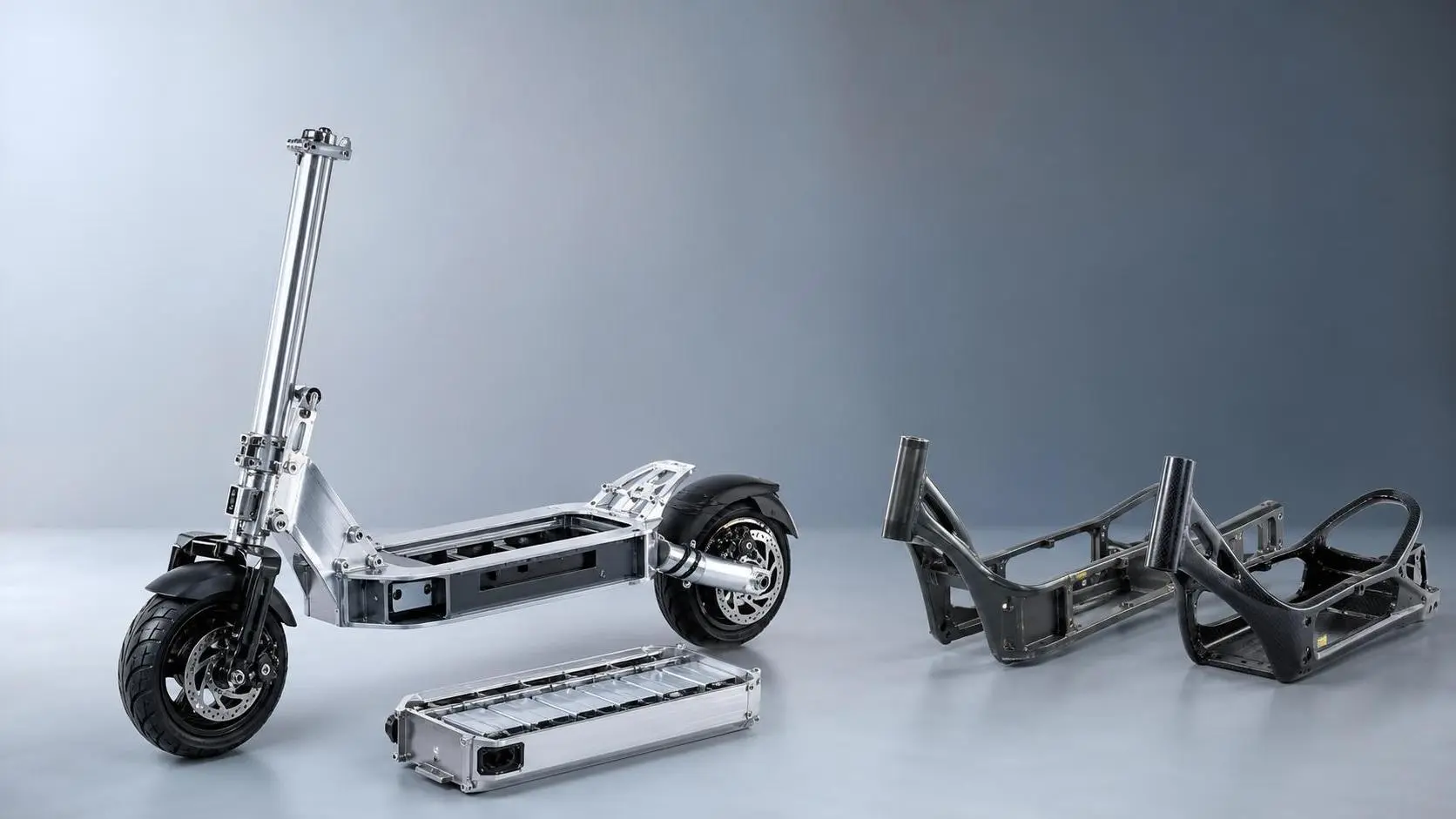
How to Choose Lightweight Scooter Frames in Europe: Materials, Standards, and Use Cases
Lightweight scooter frames Europe buyers need should balance materials, EN standards, durability, and real use cases. Discover how to choose safer, smarter, compliant frames.
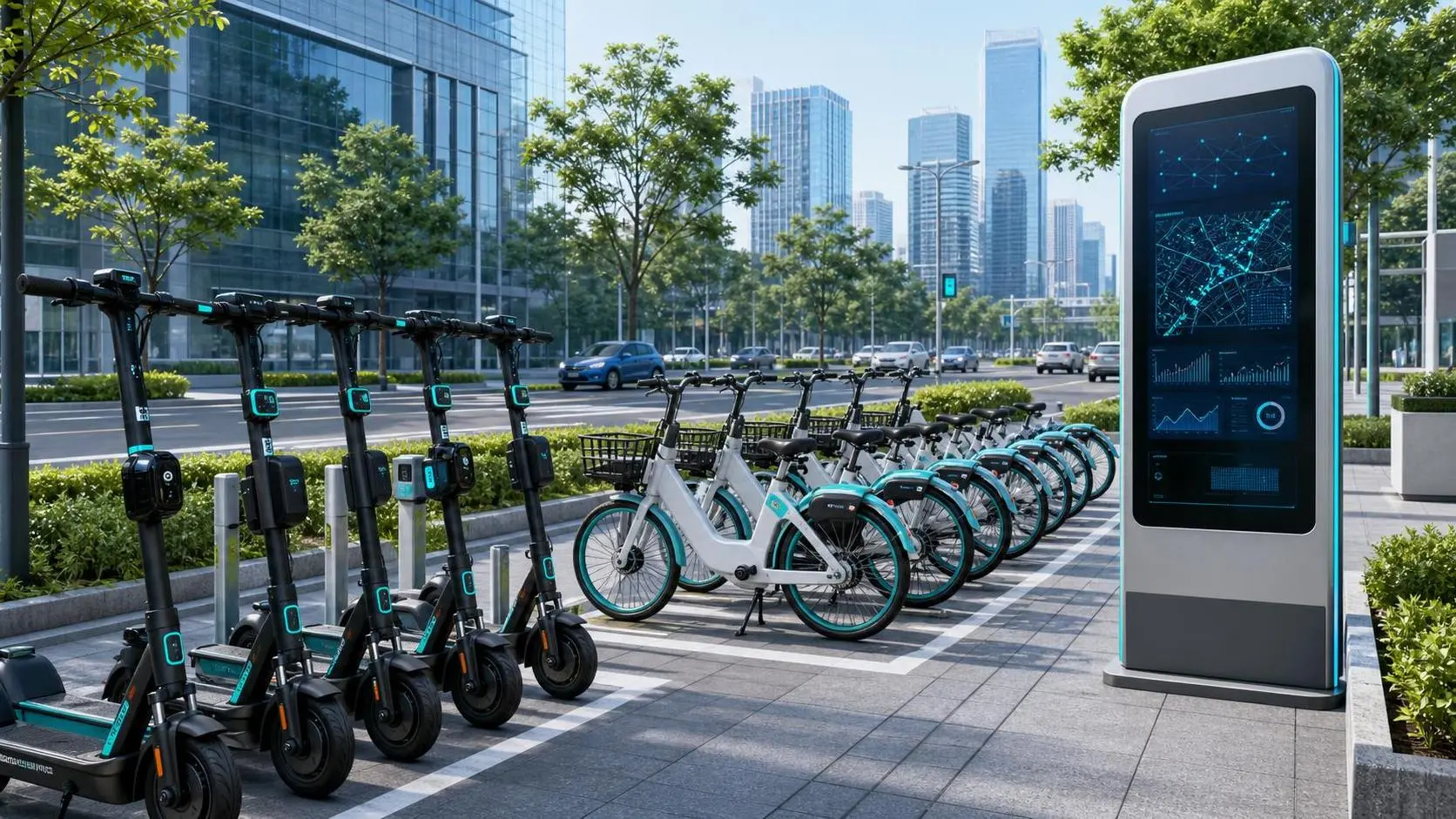
What Is the Intellectualization of Mobility Platform and How Is It Applied in Shared Fleets?
Intellectualization of mobility platform is reshaping shared fleets with real-time data, predictive maintenance, and smarter compliance—learn how it boosts safety, uptime, and urban mobility efficiency.
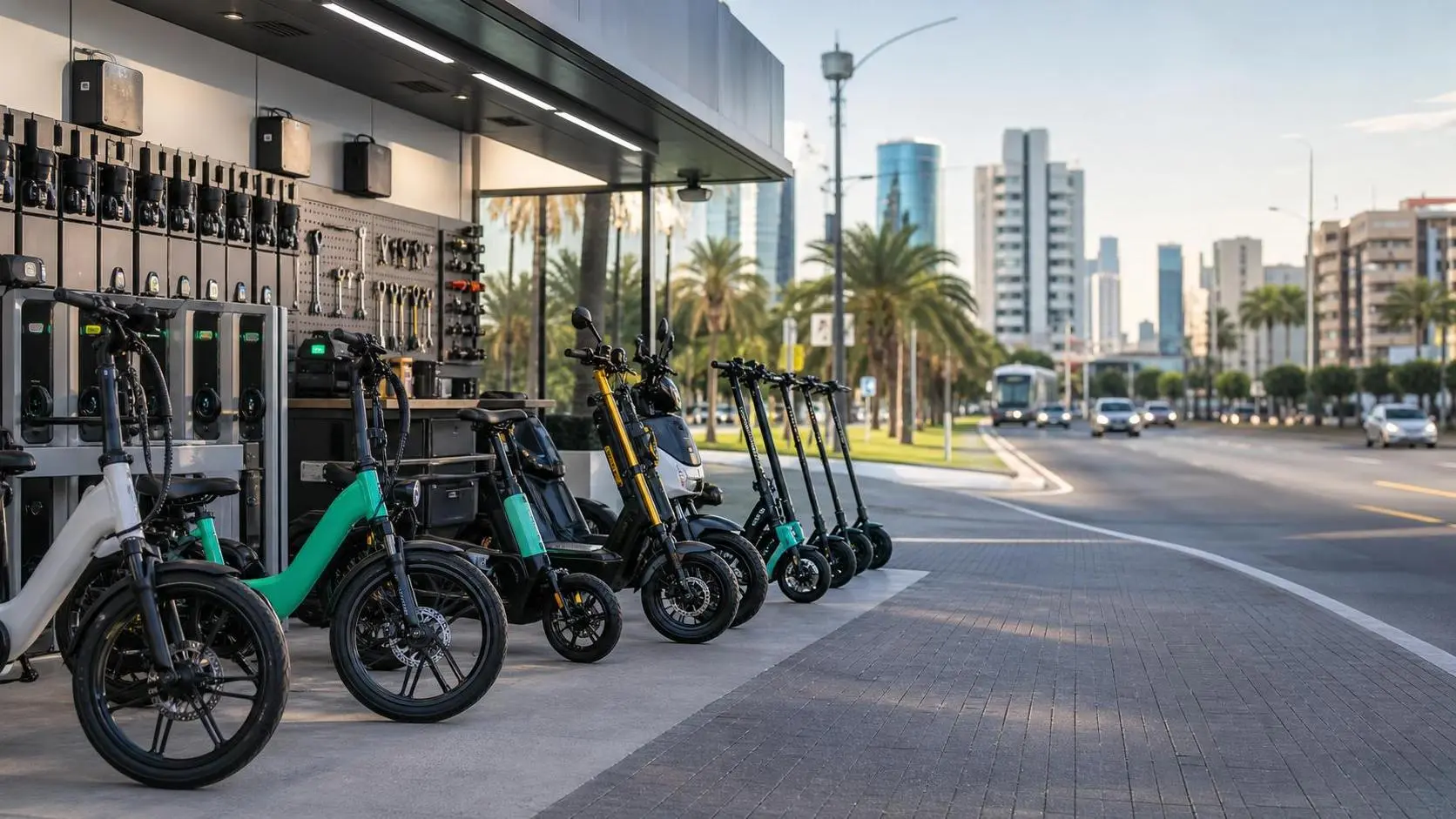
Urban Micro-Mobility Systems in Latin America: Key Market Drivers, Barriers, and Growth Segments
Urban micro-mobility systems Latin America are reshaping city transport. Explore key drivers, barriers, and high-growth segments to spot the region’s most investable opportunities.
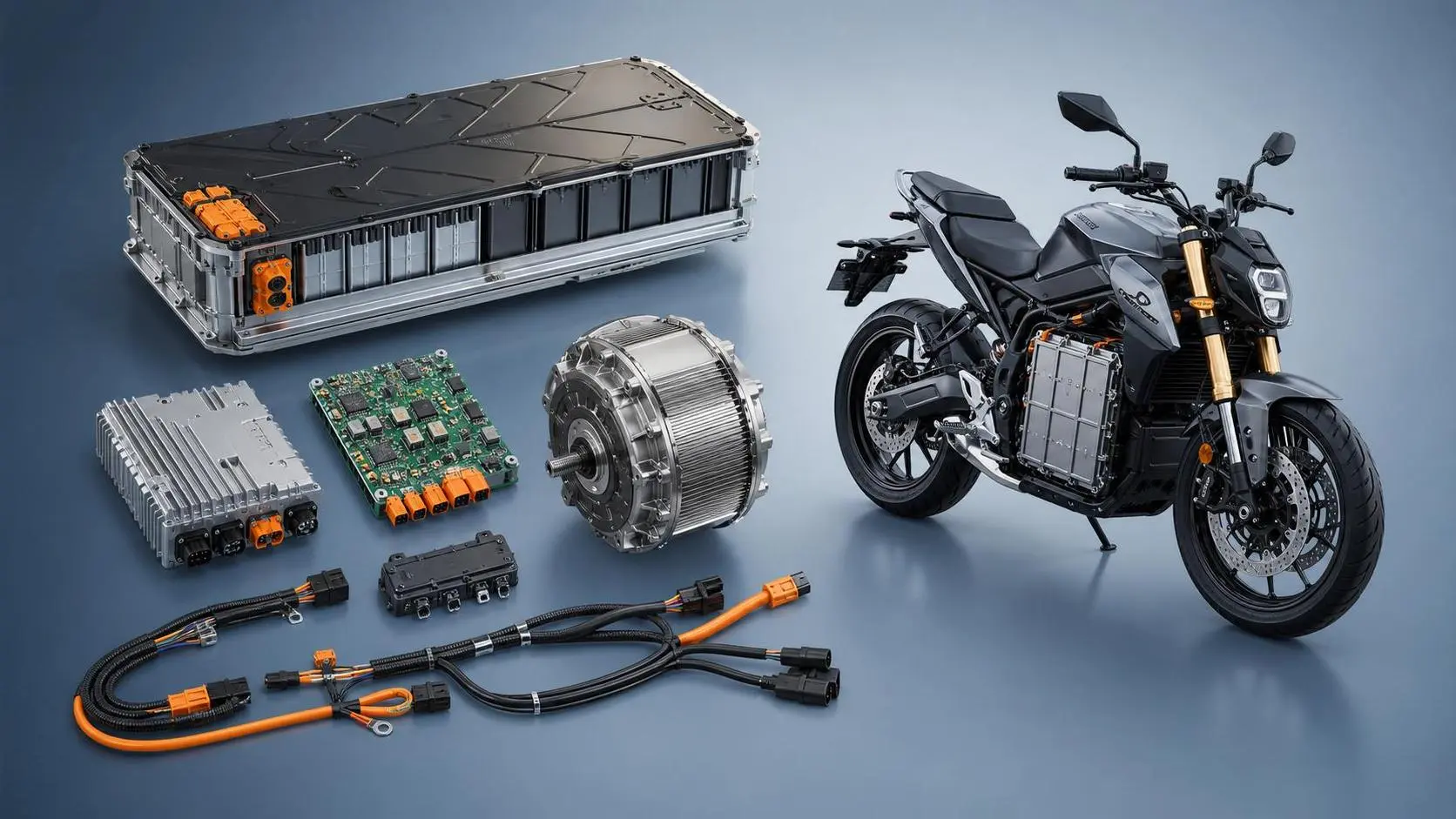
Electric Motorcycle Systems Price Breakdown: What Affects Cost From Battery to Controller?
Electric motorcycle systems price explained: see how battery, controller, motor, BMS, and wiring affect total cost, reliability, and sourcing value before you buy.
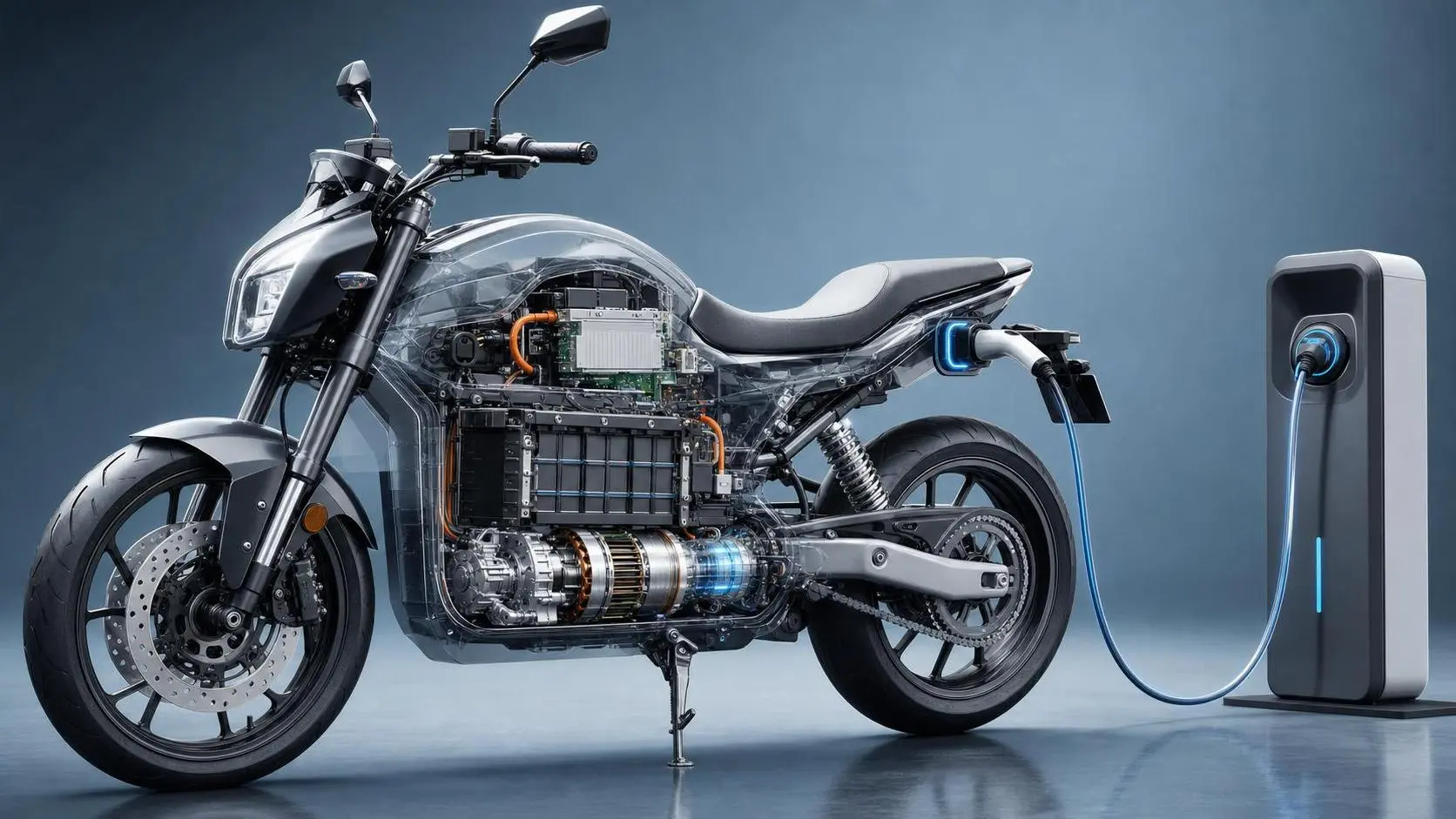
72V Electric Motorcycle Technology Explained: Motors, Controllers, Range, and Charging
Electric motorcycle technology 72V explained clearly: compare motors, controllers, range, battery design, and charging to choose a smoother, stronger, and smarter electric ride.
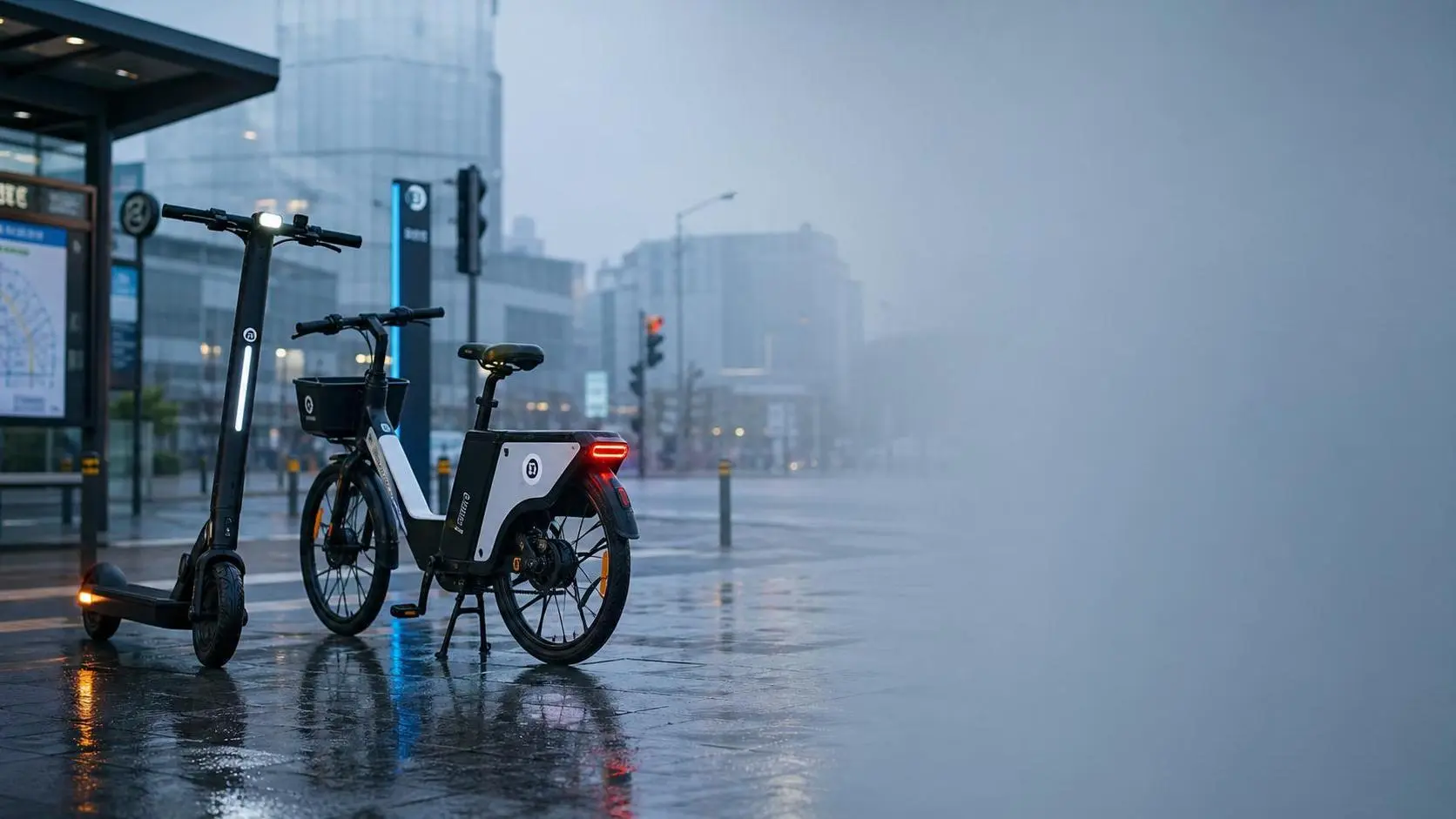
Where LED Urban Visibility Safety Systems Fit Best in Shared Scooters and City E-bikes
LED urban visibility safety systems deliver the most value in shared scooters and city e-bikes by improving multi-angle safety, fleet durability, and urban compliance across real-world routes.
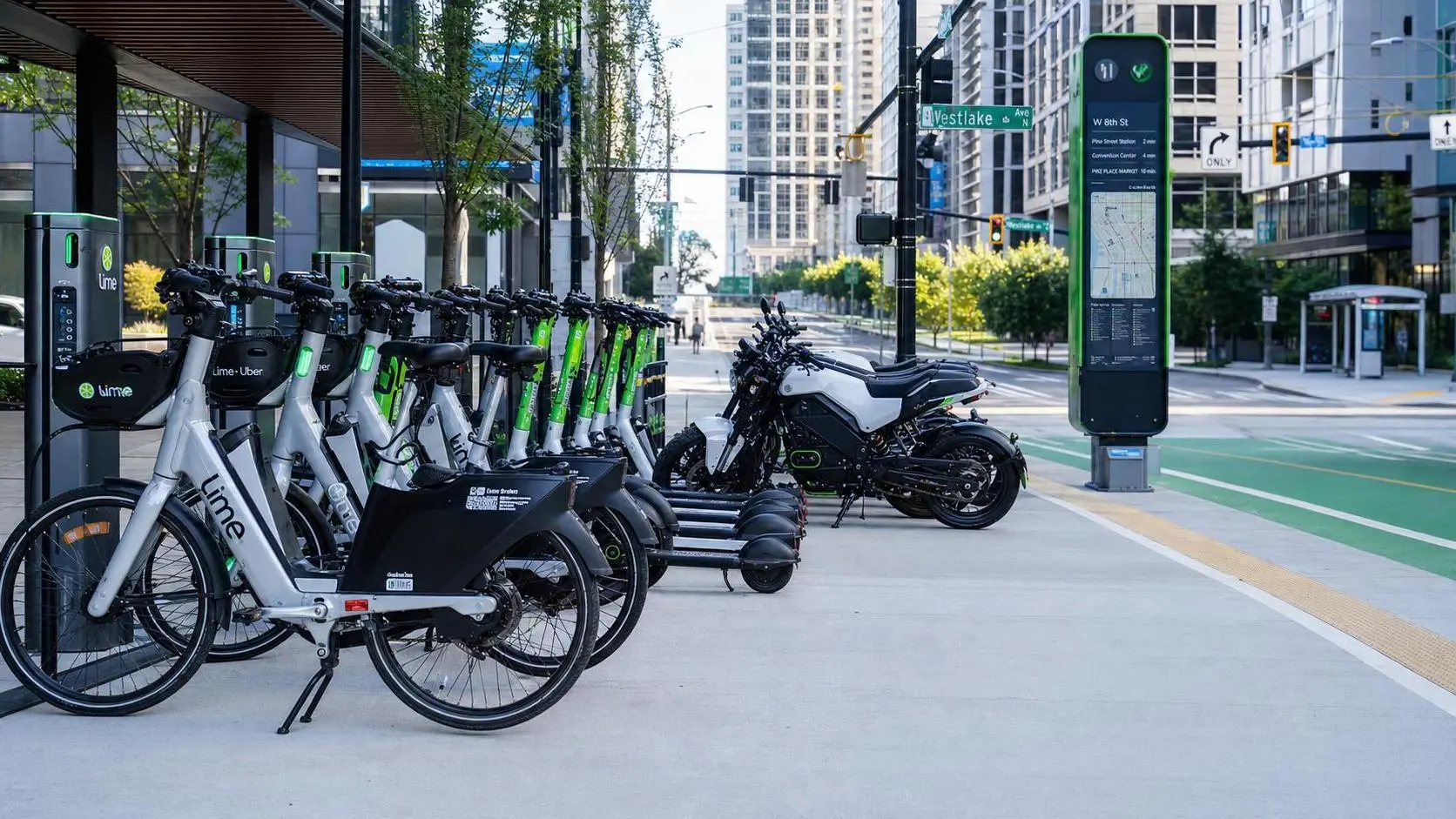
Intellectualization of Mobility in North America: What Is Driving Adoption Across Urban Transport?
Intellectualization of mobility North America is reshaping urban transport through data, smart fleets, and battery intelligence. Explore what is driving adoption and why cities and operators are accelerating now.
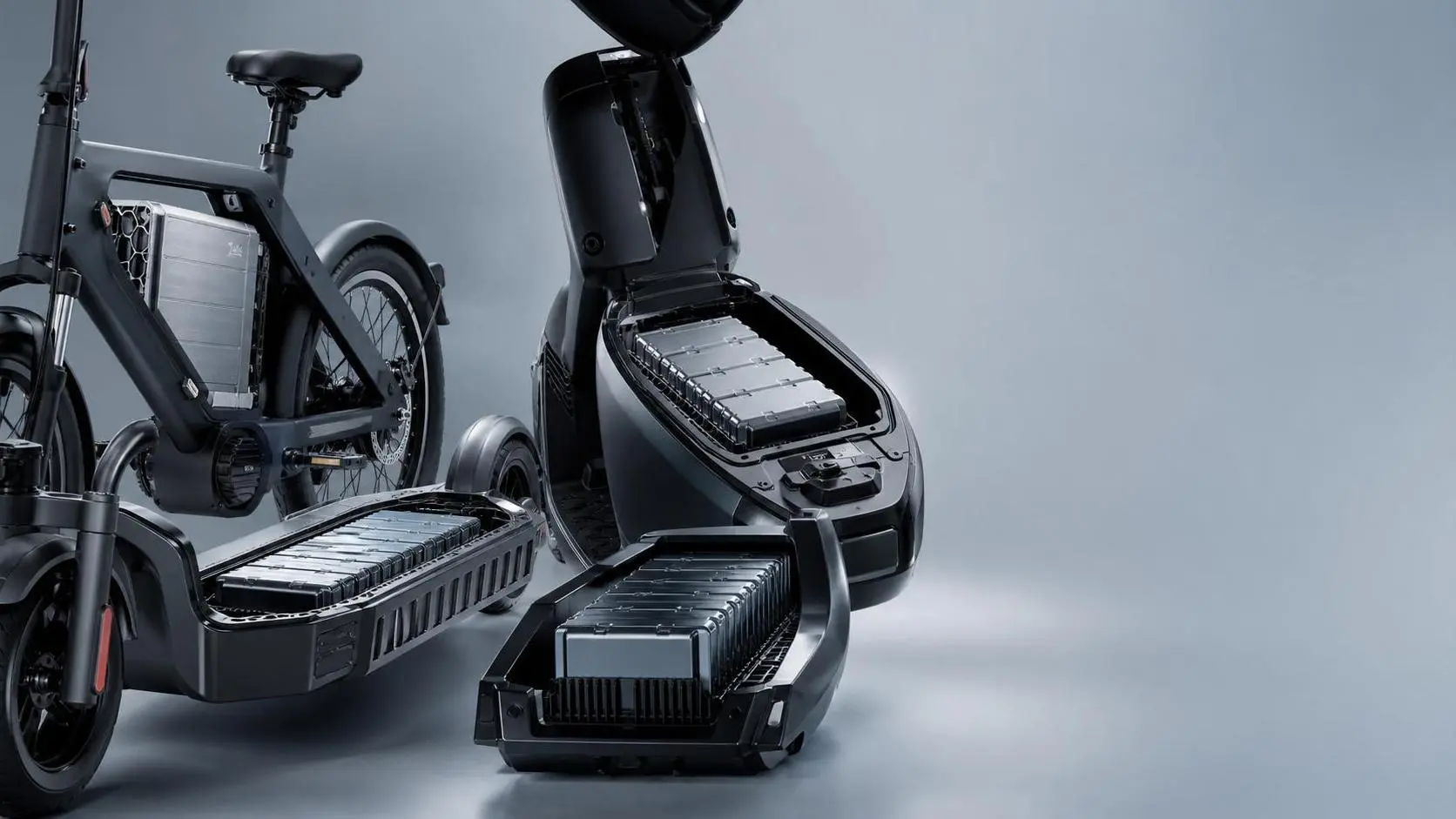
How to Choose a Compact Battery Pack: Size, Energy Density, Thermal Design, and Cycle Life
Compact battery pack selection starts with more than size. Learn how energy density, thermal design, and cycle life shape range, safety, and long-term value.
What Is Driving Green Two-wheelers Demand in Europe? Policy, Fuel Costs, and Buyer Segments
Green two-wheelers demand Europe is rising as policy support, fuel cost pressure, and diverse buyer segments reshape urban mobility. Explore the trends driving the next growth wave.