
Related News
- 00
0000-00
How to Choose Micro-Mobility Docking Stations for Shared Fleets and Public Charging Hubs - 00
0000-00
Shared Mobility Compliance Checklist: Permits, Safety Rules, and Fleet Data Requirements - 00
0000-00
Photoelectric Recognition for Scooters: How It Improves Detection in Urban Riding - 00
0000-00
How to Evaluate a Micro-Mobility Supplier for Shared Fleet Reliability - 00
0000-00
How to Choose CE-Certified IoT Scooter Modules for Shared Fleet Compliance
Urban Transit Fellow
Weekly Insights
Stay ahead with our curated technology reports delivered every Monday.
Electric Scooter Technology and Fleet Safety Risks





Electric Scooter Technology and Fleet Safety Risks
As shared and private fleets scale across cities, electric scooter technology is advancing faster than many safety protocols can adapt.
This gap creates pressure around battery reliability, braking response, IoT diagnostics, frame durability, and real-world operational exposure.
In the broader micro-mobility market, technical progress now directly shapes uptime, liability, insurance cost, and public acceptance.
Understanding electric scooter technology through a fleet safety lens helps reduce incidents before they become systemic failures.
Core Definition of Electric Scooter Technology
Electric scooter technology combines battery systems, motors, controllers, braking assemblies, frames, sensors, and software into one compact mobility platform.
In fleet settings, these elements are not isolated parts. They operate as an integrated risk network.
A battery issue can affect thermal safety. A controller fault can influence acceleration. Weak telemetry can hide both problems until failure occurs.
Modern electric scooter technology also includes cellular modules, GPS, Bluetooth, firmware management, and remote lock or speed control.
That connectivity improves fleet visibility, but it introduces cybersecurity, data accuracy, and software maintenance risks.
Main technical layers
- Energy layer: cells, BMS, charging logic, connectors, and thermal pathways.
- Motion layer: motor, controller, throttle mapping, and torque delivery.
- Safety layer: brakes, tires, lights, reflectors, and structural integrity.
- Digital layer: IoT hardware, firmware, diagnostics, and cloud monitoring.
- Service layer: inspection intervals, spare parts quality, and repair traceability.
Industry Context and Current Safety Signals
Cities increasingly view micro-mobility as a congestion solution, a low-carbon transport tool, and a first-mile or last-mile connector.
At the same time, accident reports, battery fires, sidewalk clutter, and maintenance failures keep electric scooter technology under scrutiny.
The central issue is not innovation itself. The issue is whether technical maturity matches operating intensity.
These signals matter across shared fleets, campus operations, hospitality transport, logistics support vehicles, and private ownership models.
How Electric Scooter Technology Influences Fleet Risk
Every design choice in electric scooter technology affects risk frequency, incident severity, and service predictability.
Battery systems
Battery packs are the most sensitive subsystem because they combine energy density, vibration exposure, charging cycles, and weather variation.
Weak cell matching, poor sealing, or imprecise BMS thresholds can trigger overheating, accelerated degradation, or sudden shutdown.
For fleets, battery failure is not only a safety issue. It also disturbs availability and route balancing.
Braking architecture
Mechanical disc brakes, drum brakes, and regenerative braking each have benefits, but mixed systems require careful calibration.
If lever feel, stopping force, or software intervention become inconsistent, rider behavior becomes unpredictable in emergency conditions.
Frame and vibration resistance
Urban roads create repeated impact loads from curbs, potholes, drainage grates, and improper parking drops.
Electric scooter technology must therefore be validated for fatigue, hinge wear, stem stability, and water ingress protection.
Connected diagnostics
IoT tools help detect under-voltage, abnormal temperature, location anomalies, crash events, and unauthorized tampering.
However, poor signal quality or weak firmware update control can create false confidence instead of real fleet intelligence.
Operational Value of Better Safety Integration
Stronger safety integration improves more than compliance. It improves cost control, asset life, incident response, and reputation stability.
When electric scooter technology is matched with disciplined inspection logic, fleets gain measurable operational resilience.
- Lower accident rates through earlier fault detection.
- Reduced downtime through predictive maintenance signals.
- Better battery life through optimized charging and thermal control.
- More consistent rider experience through brake and power calibration.
- Improved regulatory confidence through traceable service records.
This is especially relevant in the global urban micro-mobility ecosystem, where public trust can shift quickly after visible incidents.
Typical Risk Scenarios Across Fleet Environments
Risk patterns differ by use case, but the underlying electric scooter technology challenges are often similar.
Practical Safety Priorities for System Improvement
The safest path is not a single product feature. It is a coordinated system of engineering, monitoring, maintenance, and documentation.
1. Strengthen battery governance
Use verified cell sources, robust pack sealing, temperature monitoring, and strict charging event logs.
Track abnormal heat, voltage spread, and repeated deep discharge as early warning indicators.
2. Standardize brake verification
Define measurable pass or fail criteria for lever force, stopping distance, rotor condition, and regenerative response.
3. Expand structural inspection points
Inspect folding joints, stem interfaces, deck fasteners, and weld zones based on real duty cycles, not only calendar intervals.
4. Treat software as a safety component
Firmware versions should be documented, tested, and rolled out with rollback capability if new faults emerge.
5. Improve repair traceability
Every replaced component should link to a work record, technician action, and post-repair verification outcome.
Next-Step Actions for More Resilient Fleets
A resilient micro-mobility program starts by mapping where electric scooter technology creates hidden concentration of risk.
Review battery data, braking consistency, frame fatigue history, firmware control, and maintenance execution quality together.
Then align those findings with route conditions, rider patterns, weather exposure, and local regulatory pressure.
In the UMMS perspective, the future of electric scooter technology depends on intelligent integration, not isolated specification upgrades.
Safer fleets emerge when hardware durability, battery logic, connected diagnostics, and field service discipline evolve together.
The immediate next step is practical: build a cross-functional safety review using real incident data, technical logs, and inspection evidence.
That process turns electric scooter technology from a fast-moving asset category into a controlled, trusted urban mobility system.
Related News
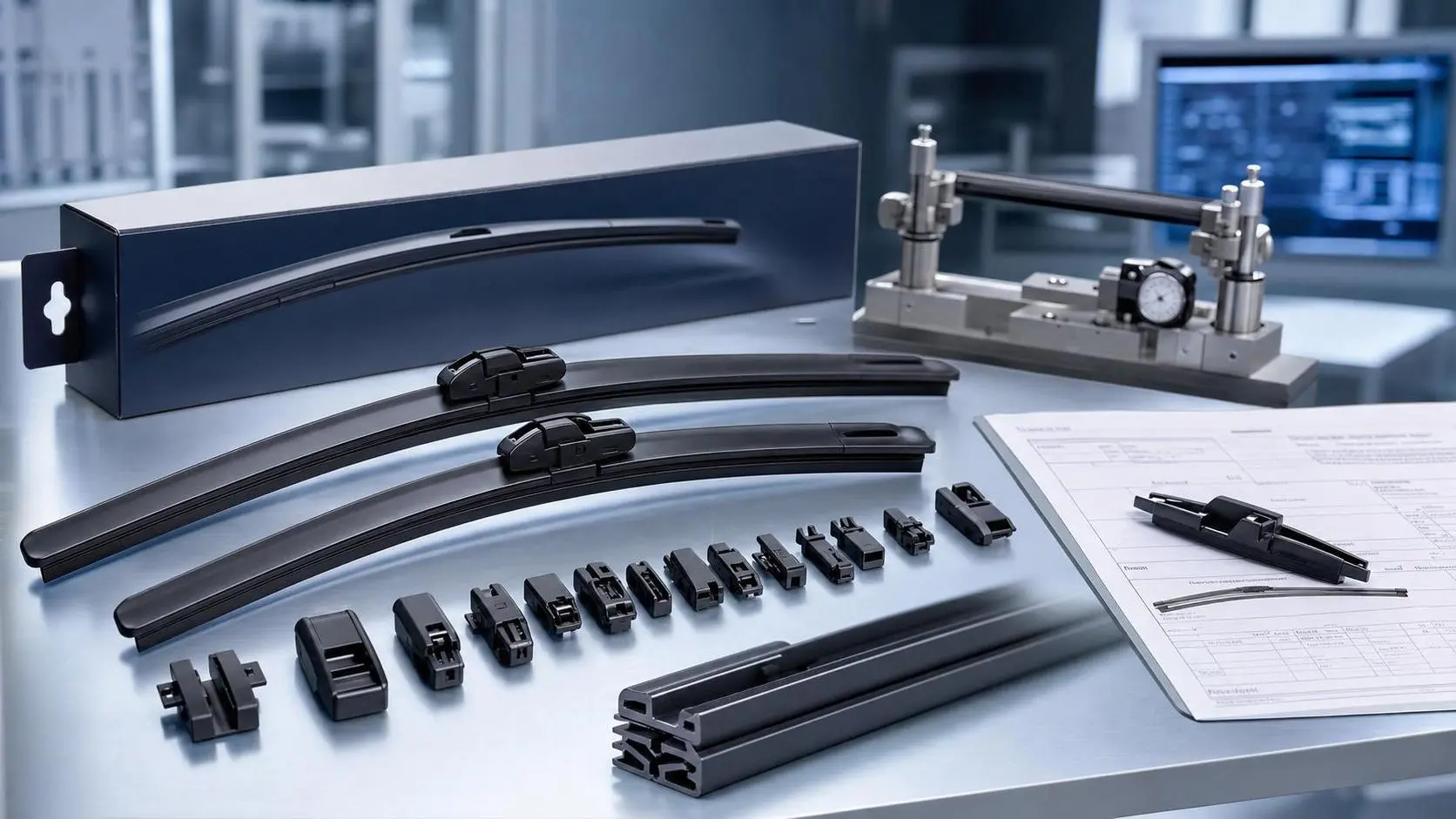
Flat Wiper Blades Wholesale Buying Guide: MOQ, Rubber Quality, Fitment, and Supplier Checks
Flat wiper blades wholesale buying guide covering MOQ, rubber quality, fitment accuracy, and supplier checks to reduce risk, improve margins, and choose reliable bulk partners.
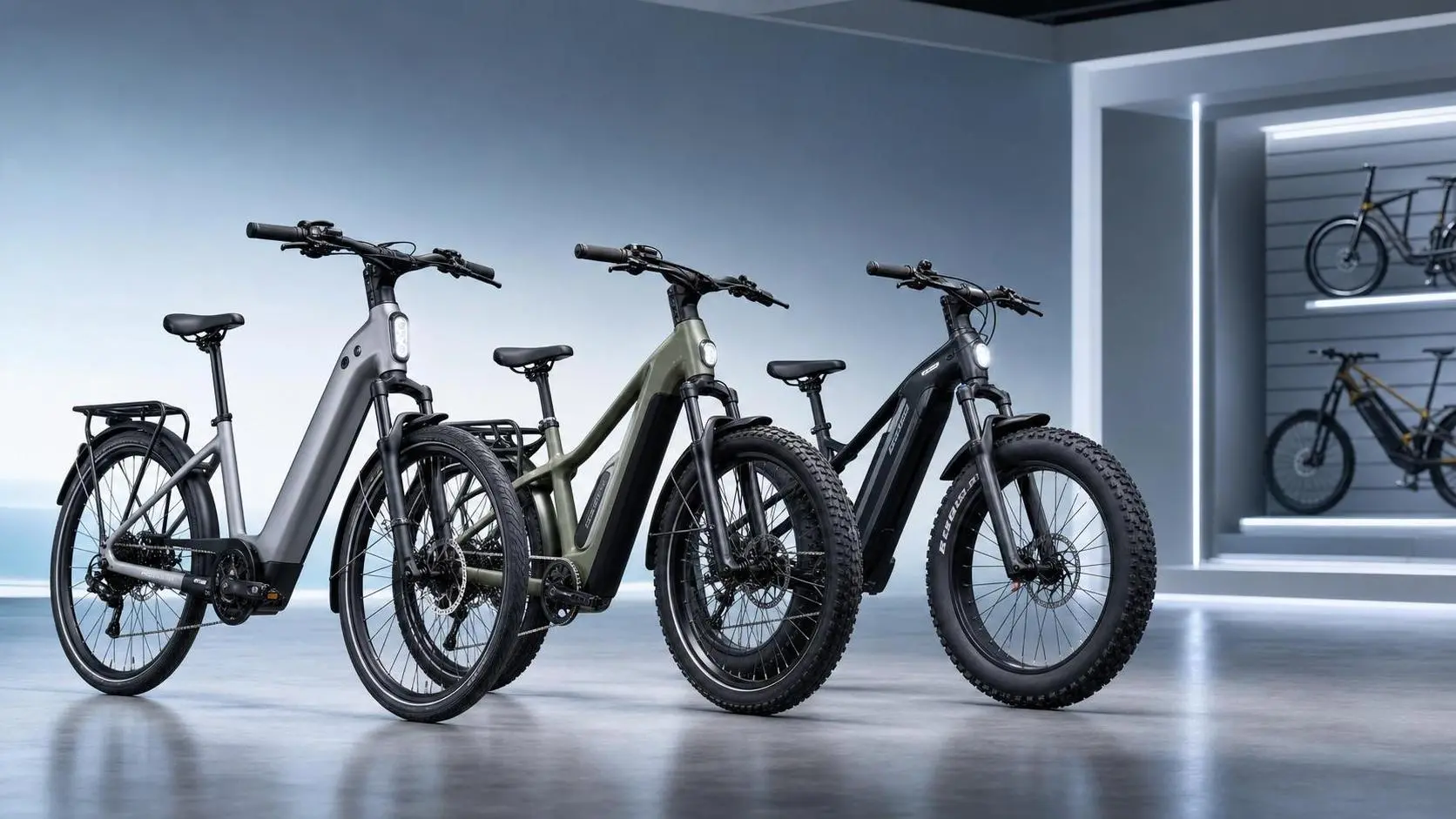
Ebike Market USA: What Dealers Should Know About Demand Shifts, Pricing, and Product Mix
ebike market USA is shifting fast. Discover how demand segmentation, pricing pressure, and smarter product mix decisions can help dealers protect margins and grow.
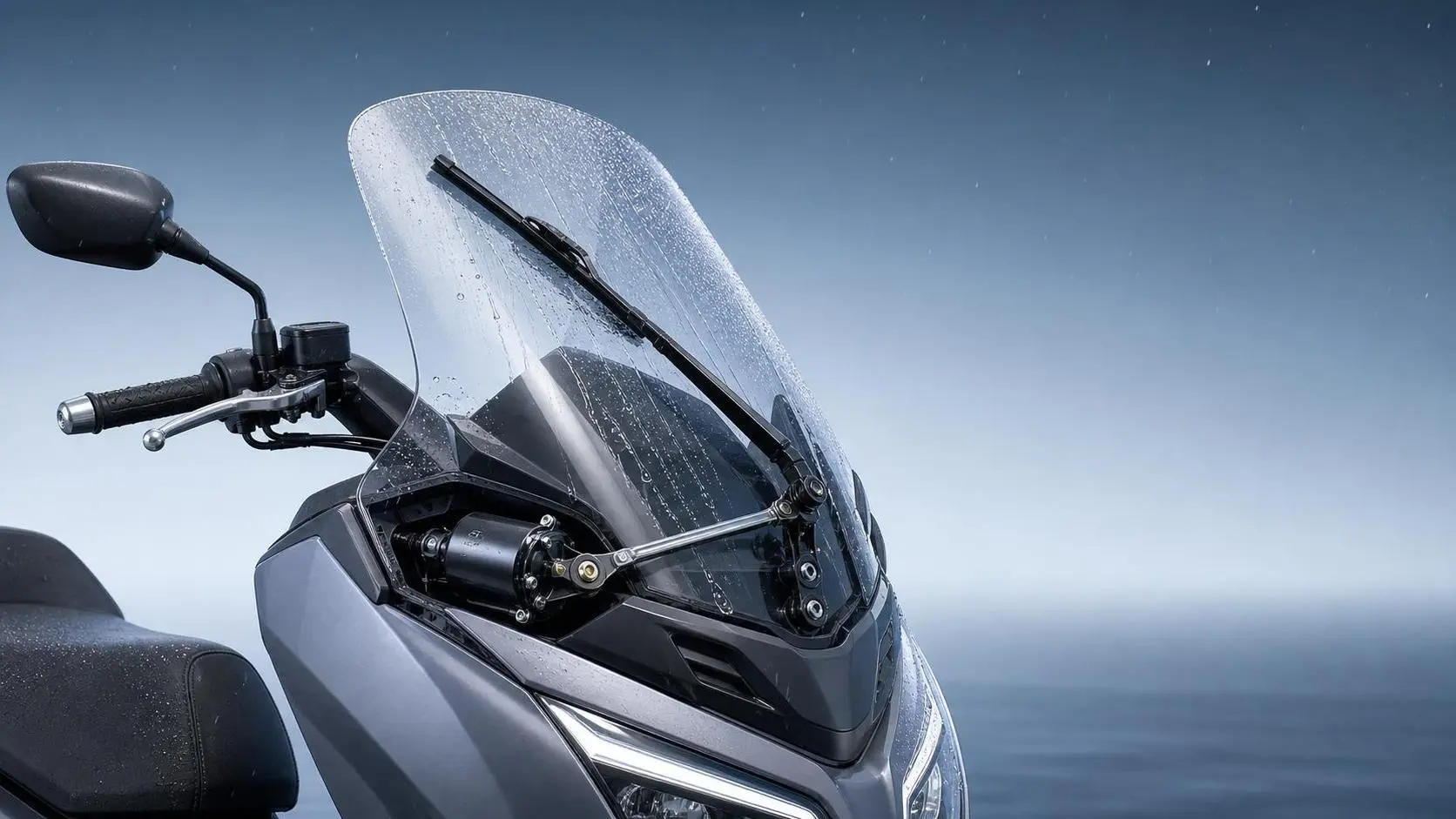
Wiper Systems for Scooters: Common Failure Points, Maintenance Tips, and Replacement Signs
Wiper systems for scooters: learn the most common failure points, smart maintenance tips, and clear replacement signs to improve visibility, reduce repeat repairs, and keep riders safer.
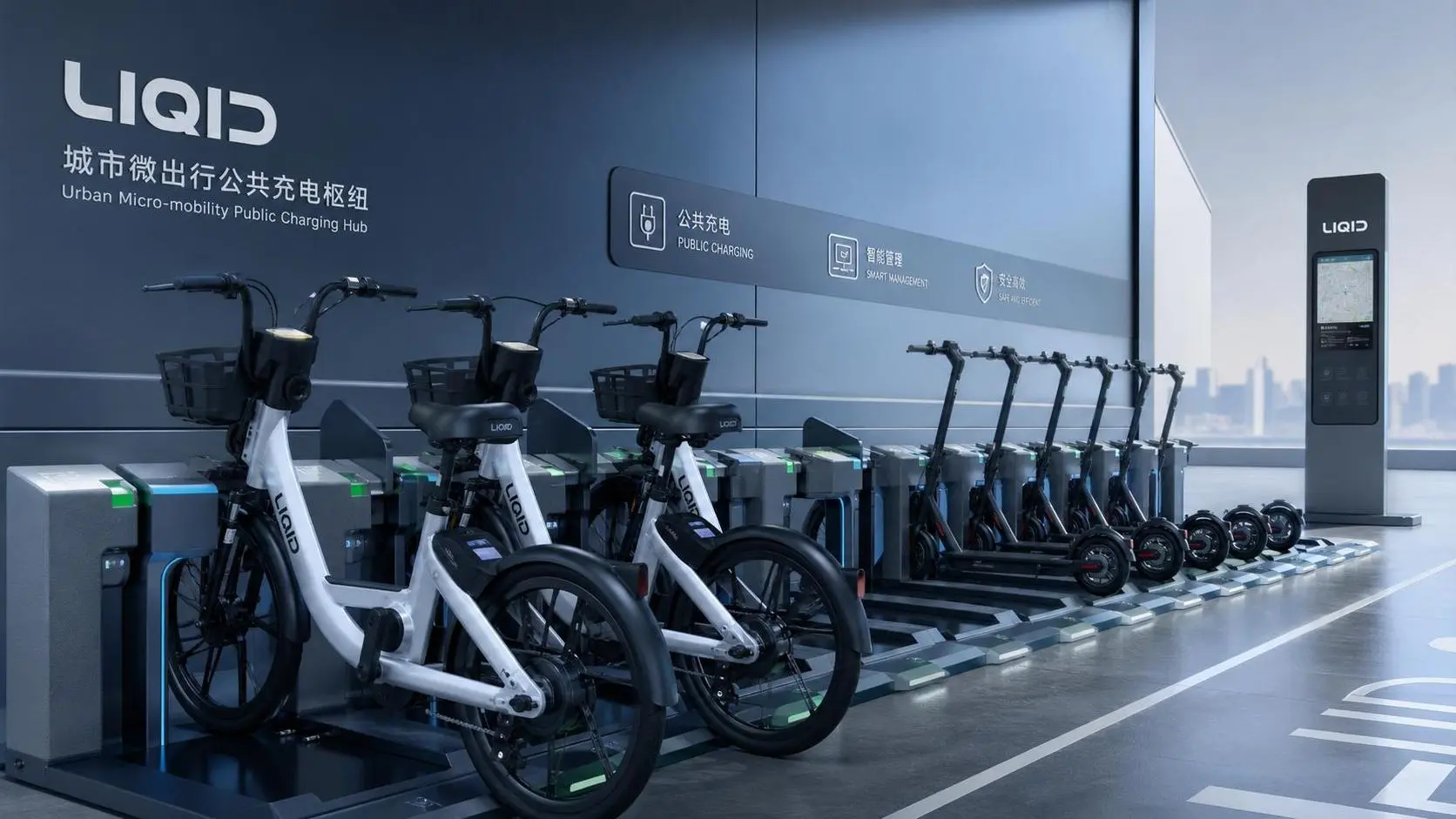
How to Choose Micro-Mobility Docking Stations for Shared Fleets and Public Charging Hubs
Micro-mobility docking stations: learn how to compare charging, locking, software, and site-fit factors to choose safer, smarter hubs for shared fleets and public use.
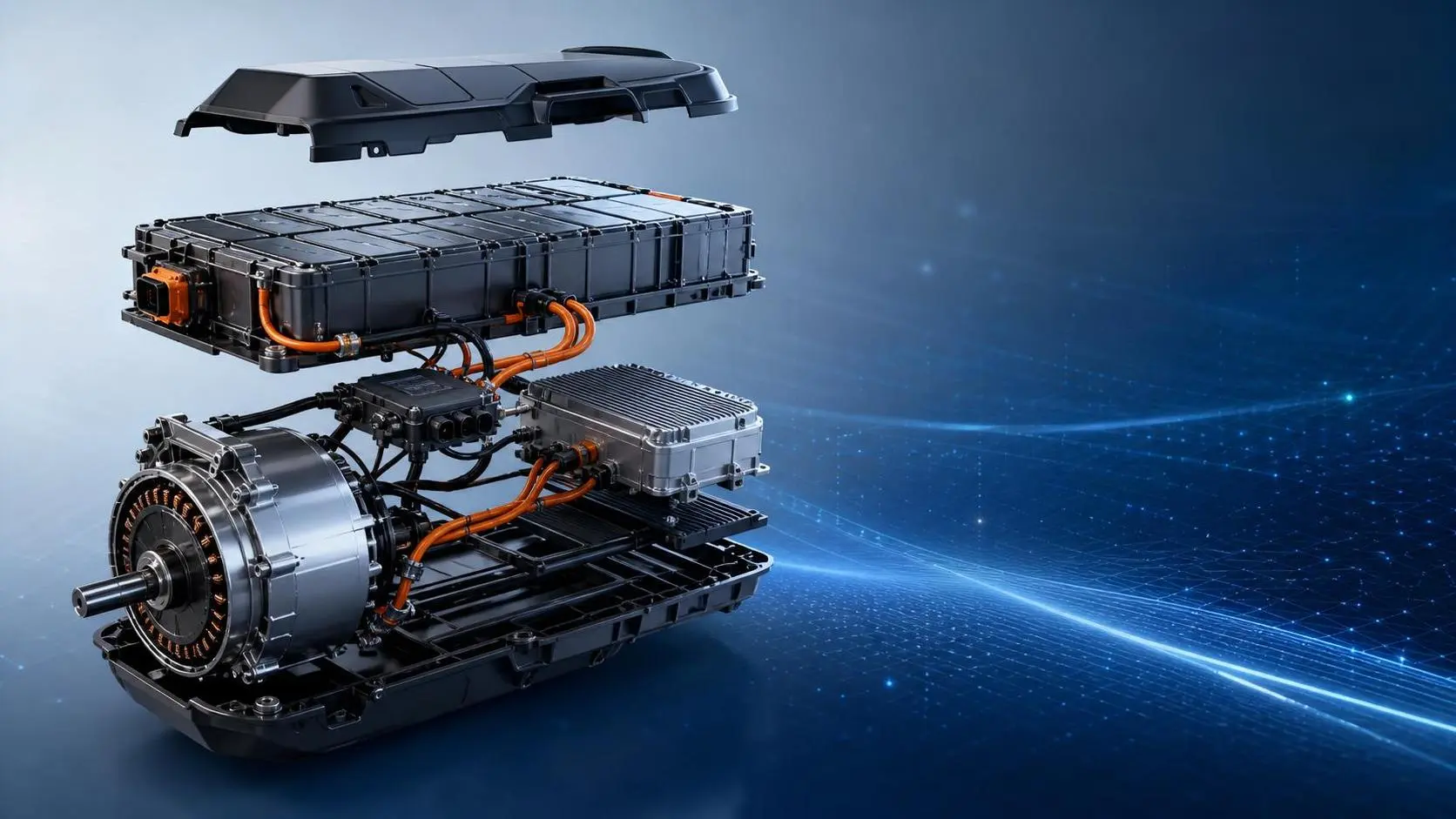
Powertrain Heat Management Explained: Key Design Factors for EV Efficiency and Battery Life
Powertrain heat management explained for EVs: discover how thermal design boosts efficiency, protects battery life, improves safety, and sustains real-world performance.
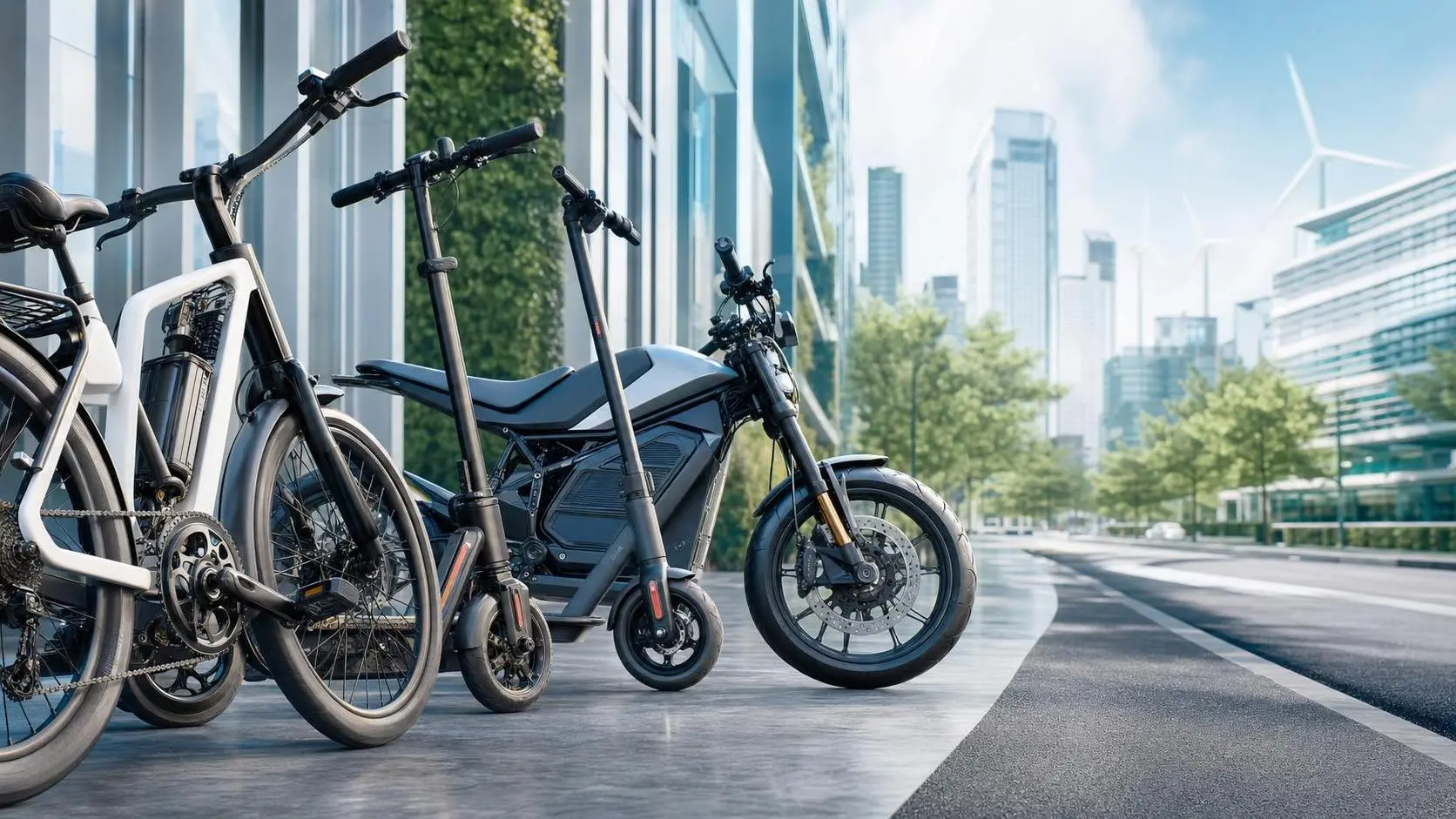
Urban Mobility Market Analysis: Demand Drivers, Policy Risks, and Revenue Models Compared
Urban mobility market analysis compares demand drivers, policy risks, and revenue models across e-bikes, scooters, and e-motorcycles to reveal where growth is durable.

Shared Mobility Compliance Checklist: Permits, Safety Rules, and Fleet Data Requirements
Shared mobility compliance made simple: explore a practical checklist for permits, safety rules, and fleet data requirements to launch faster, reduce risk, and stay audit-ready.
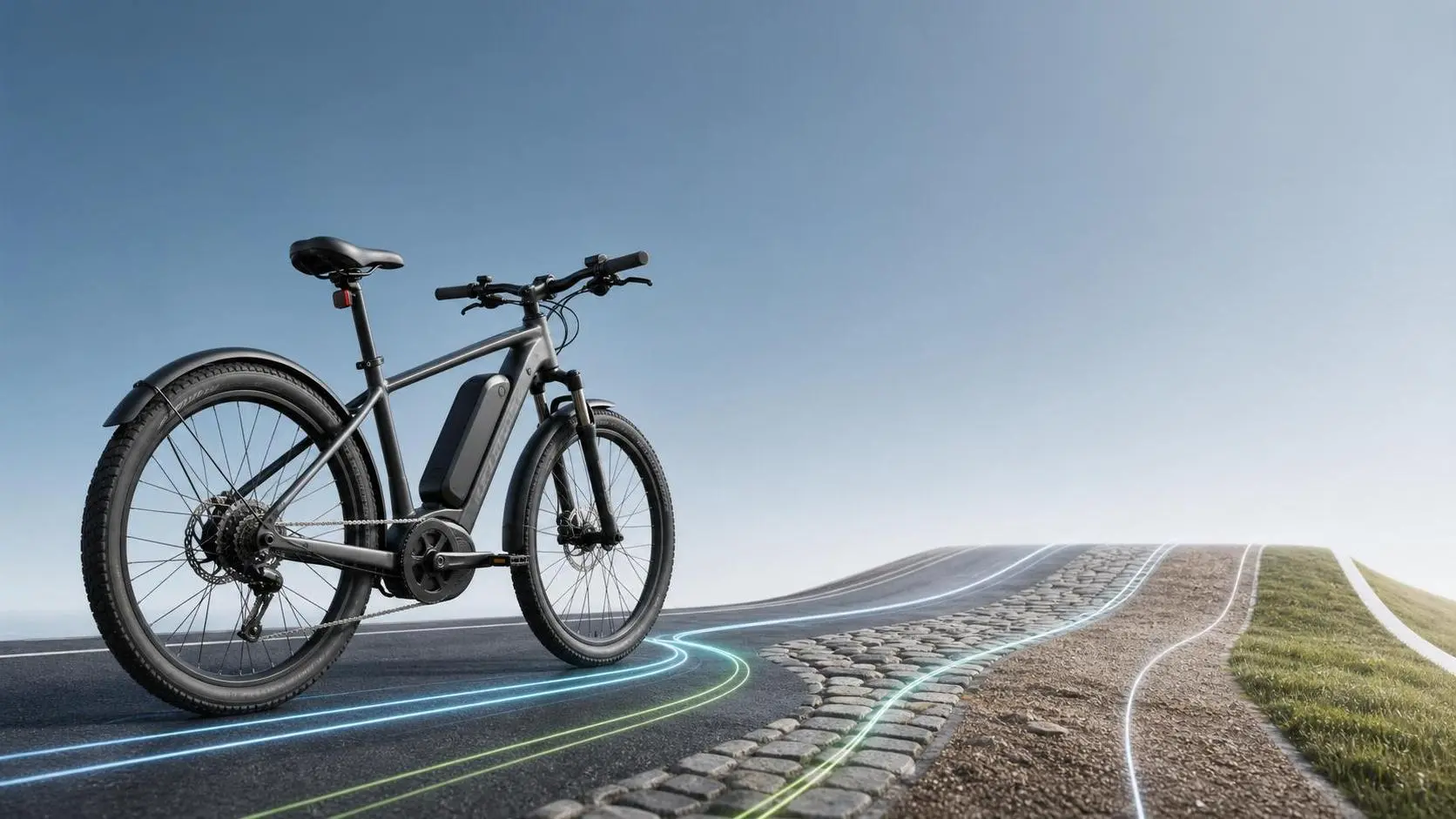
What Affects Ebike Energy Efficiency? Battery Size, Rider Weight, Terrain, and Speed
Ebike energy efficiency explained: learn how battery size, rider weight, terrain, and speed shape real-world range, lower Wh/km, and smarter buying or commuting decisions.
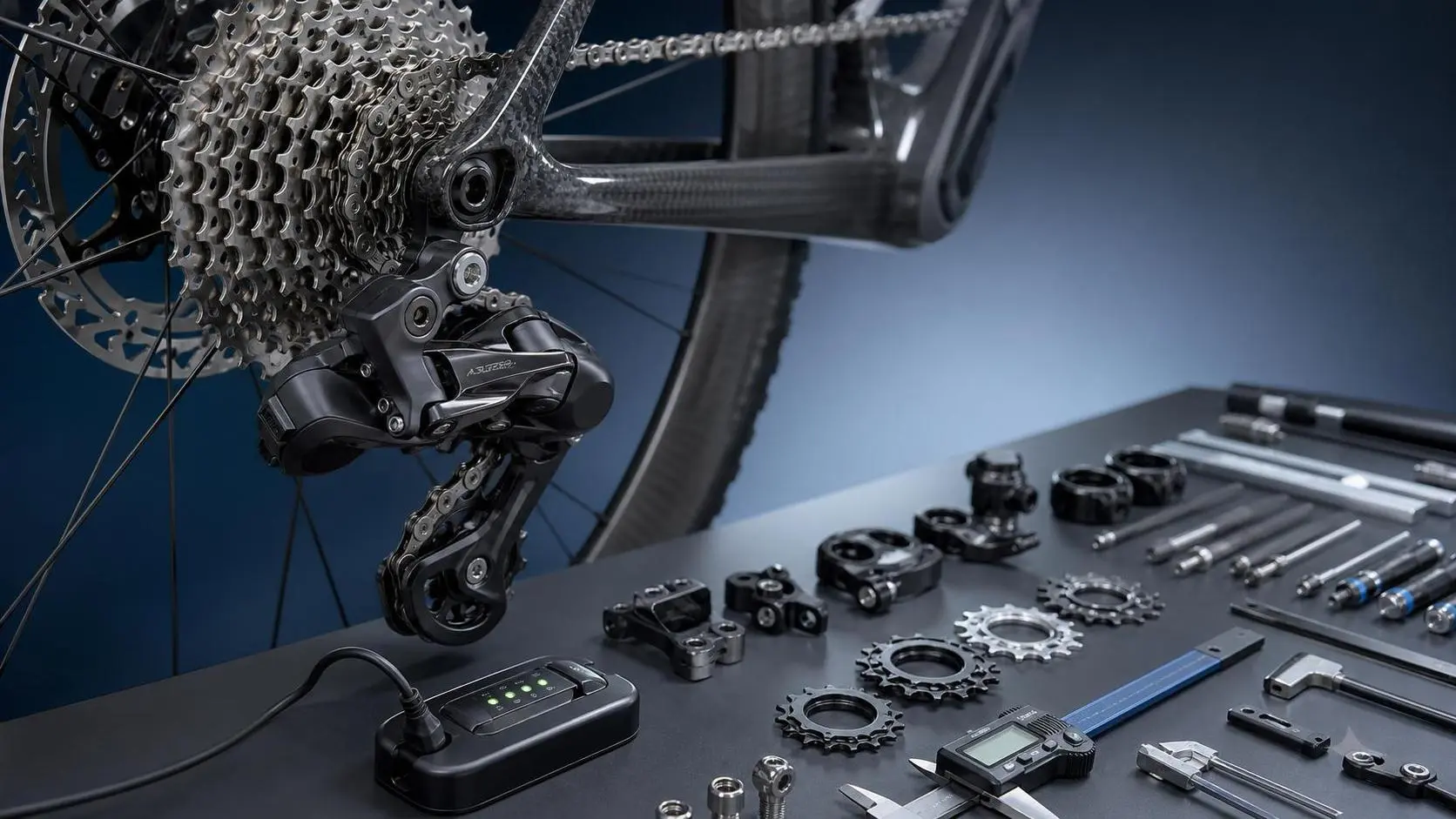
Wireless Electronic Shifting in North America: Compatibility, Standards, and Upgrade Limits
Wireless electronic shifting North America explained: compare compatibility, FCC/ISED standards, retrofit limits, and upgrade risks before choosing the right platform.