
Related News
- 00
0000-00
Wiper Streaking Problem: 7 Common Causes and How to Fix Them Step by Step - 00
0000-00
How to Choose OEM Windshield Wipers for Private Label Auto Parts Programs - 00
0000-00
Flat Wiper Blades Europe: What to Check Before Choosing OEM or Aftermarket Options - 00
0000-00
Replacement Wiper System Components Explained: Parts, Fitment, and When to Replace - 00
0000-00
Flat Wiper Blades Wholesale Buying Guide: MOQ, Rubber Quality, Fitment, and Supplier Checks
Visibility Safety Expert
Weekly Insights
Stay ahead with our curated technology reports delivered every Monday.
Smart Wiper Sensors: Failure Risks and Fix Priorities





Smart wiper sensors can improve visibility automation, but they also create hidden maintenance risks. When contamination, calibration drift, or harness faults are missed, smart wiper sensors may trigger late, wipe unpredictably, or fail completely.
That matters far beyond convenience. In modern mobility systems, visibility safety affects passenger cars, commercial fleets, shared vehicles, and connected urban transport equipment. Correct fix priorities reduce downtime, limit repeat repairs, and prevent weather-related incidents.
This guide explains how to evaluate smart wiper sensors, identify failure severity, and decide what needs immediate repair versus scheduled service. The focus stays practical, diagnostic, and useful for real-world maintenance decisions.
What are smart wiper sensors, and why do failures matter so much?
Smart wiper sensors detect rain, moisture, or optical changes on the windshield. They send signals to the control unit, which adjusts wiping speed or activation automatically.
In advanced systems, smart wiper sensors also interact with driver assistance logic, body electronics, and human-machine interface settings. That wider integration increases comfort, but it also expands the fault chain.
A basic blade problem is usually visible. A sensor problem often is not. The system may appear functional during dry inspection yet fail during low light, road spray, or uneven drizzle.
For urban mobility platforms and connected vehicle ecosystems, that hidden failure pattern matters. It can affect route reliability, operator confidence, and service reputation in harsh weather.
- Delayed wipe start can reduce reaction time.
- False activation can distract the driver.
- Intermittent operation can confuse troubleshooting.
- Wrong sensor output can mask other electrical issues.
Which smart wiper sensor failures require immediate repair?
Not every fault has the same urgency. The best maintenance approach is to rank smart wiper sensors by safety impact, failure repeatability, and weather exposure risk.
High-priority failures
Immediate repair is needed when smart wiper sensors fail in ways that directly reduce visibility. These faults should not wait for the next planned visit.
- No wipe response during rain despite correct settings.
- Severe delayed activation in heavy spray conditions.
- Random wiping caused by short circuits or unstable signal output.
- Sensor communication loss linked to body control errors.
- Loose mounting or gel pad separation affecting optical reading.
Why these faults rank first
These issues can directly compromise visibility during operation. They also create inconsistent customer complaints, making comeback rates more likely if repair urgency is underestimated.
If a fault appears only in rain, road testing or water simulation becomes essential. Dry workshop confirmation alone may misclassify a dangerous issue as minor.
What are the most common root causes behind smart wiper sensors?
Most smart wiper sensor faults come from a small group of repeat causes. Understanding them speeds diagnosis and prevents unnecessary parts replacement.
1. Contamination on the glass or sensor interface
Dirt, wax residue, cleaning chemicals, film edges, and glass treatment buildup can distort optical readings. Smart wiper sensors may then underreact or overreact.
2. Calibration drift after glass replacement
After windshield service, smart wiper sensors may need recalibration or proper remounting. Small installation errors can create big performance changes in real rain.
3. Wiring, connector, or grounding faults
Harness strain, moisture ingress, terminal oxidation, and unstable voltage can interrupt data quality. These faults often create intermittent symptoms that mimic sensor failure.
4. Software or control module mismatch
Smart wiper sensors depend on correct coding and control logic. Module updates, replacement parts, or network faults can affect threshold behavior or disable automatic mode.
5. Physical damage or aging
Heat cycling, vibration, impact, or poor adhesive condition can degrade the optical path. Aging faults may develop slowly, which makes trend-based diagnosis valuable.
How can you tell minor issues from dangerous smart wiper sensor faults?
The safest method is to judge the fault by consequence, frequency, and reproducibility. A minor annoyance becomes a critical defect if it appears under heavy rain or night driving.
If smart wiper sensors fail only under specific environmental triggers, record those triggers clearly. Rain intensity, temperature, road spray, and previous glass work often explain severity differences.
What diagnostic steps reduce misdiagnosis and repeat repairs?
A structured process is the best defense against wasted time. Smart wiper sensors are easy to replace incorrectly when the real issue sits in the glass interface or control path.
- Confirm the complaint in automatic mode, not manual wipe mode.
- Inspect windshield cleanliness, coatings, cracks, and film edges.
- Check sensor seating, adhesive pad condition, and mounting pressure.
- Scan for fault codes in body, rain-light, and gateway modules.
- Measure supply voltage, ground quality, and connector stability.
- Review service history for glass replacement or coding changes.
- Perform calibration or initialization if the procedure requires it.
- Validate repairs using controlled water simulation and road testing.
This sequence helps separate sensor defects from installation mistakes. It also improves documentation quality, which is important for warranty decisions and maintenance traceability.
For connected fleets and urban mobility systems, trend tracking adds extra value. Repeated smart wiper sensor faults in one platform may point to supplier variation or environmental design weakness.
When can smart wiper sensor repairs be scheduled instead of done immediately?
Scheduled repair is acceptable only when visibility safety remains stable and the fault is predictable. Even then, clear use limitations should be documented until final correction.
Usually suitable for scheduled service
- Minor sensitivity mismatch without delayed heavy-rain response.
- Stored historical code with no active malfunction.
- Performance issue linked to surface contamination only.
- Noncritical software refinement requiring planned update windows.
Conditions before delaying repair
Before scheduling, verify that manual wiper control works normally. Also confirm no related lighting, camera, or body control anomalies are present in the same area.
If weather conditions are changing rapidly, delayed repair becomes less acceptable. Smart wiper sensors that seem tolerable in dry weeks may become high risk during storm periods.
What mistakes cause unnecessary cost in smart wiper sensor maintenance?
Several repeat mistakes increase labor hours and comeback rates. Most are preventable with better inspection discipline and post-repair validation.
- Replacing smart wiper sensors before checking the windshield interface.
- Ignoring calibration steps after glass or module replacement.
- Testing only indoors without water simulation.
- Overlooking connector corrosion in humid operating regions.
- Closing the job after code clearing without symptom verification.
In broader transport systems, these mistakes have cumulative cost. They affect service intervals, parts returns, vehicle uptime, and confidence in automated comfort features.
Smart wiper sensors should be treated as safety-relevant electronic components, not simple convenience items. The right priority depends on visibility impact, repeatability, and environmental exposure.
Start with the basics: glass condition, mounting quality, fault memory, wiring integrity, and calibration status. Then verify performance in realistic wet conditions before closing the repair.
For better maintenance outcomes, build a standard checklist for smart wiper sensors and review repeated failures across platforms. That next step improves safety decisions, lowers cost, and supports more reliable urban mobility systems.
Related News
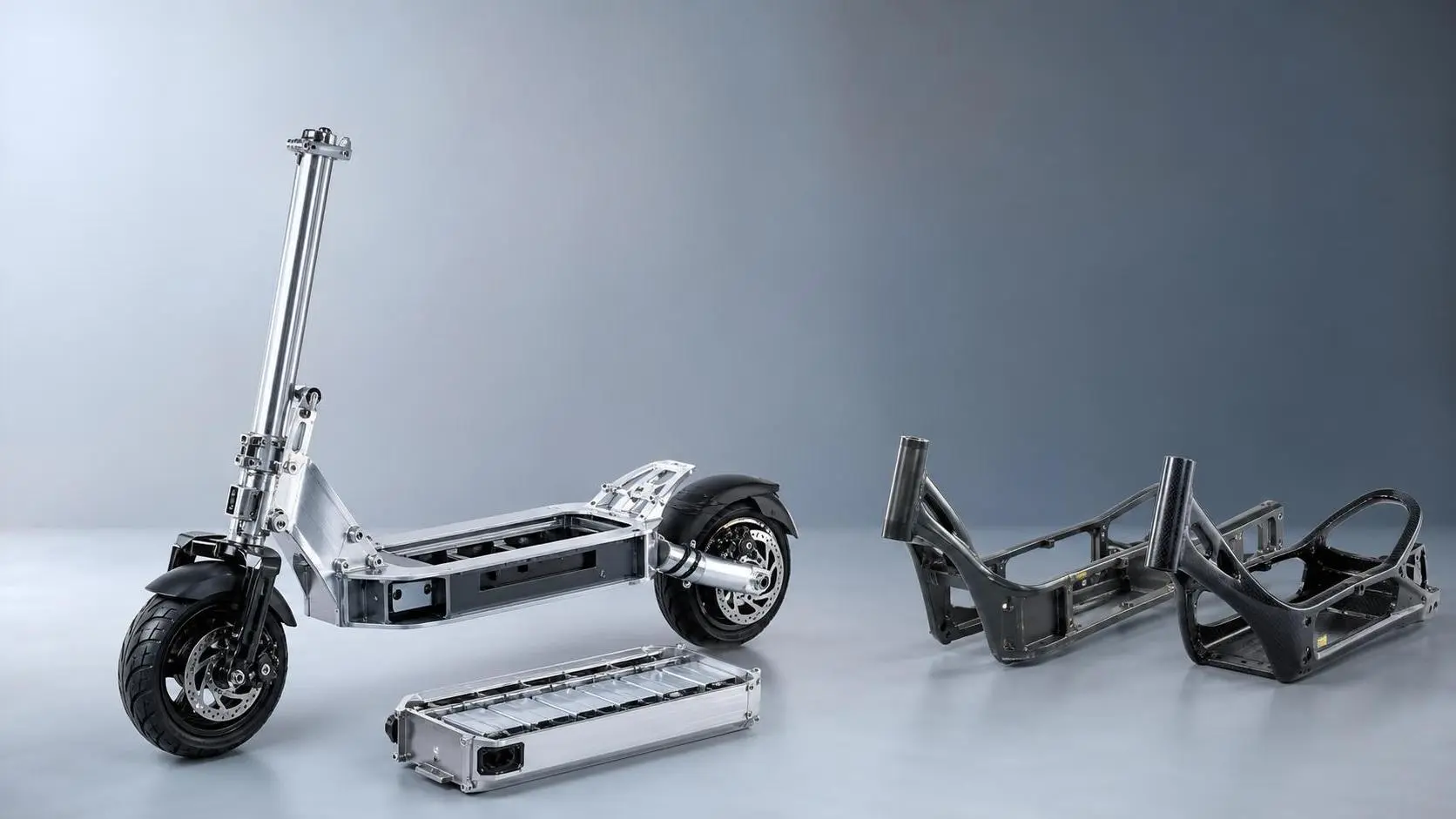
How to Choose Lightweight Scooter Frames in Europe: Materials, Standards, and Use Cases
Lightweight scooter frames Europe buyers need should balance materials, EN standards, durability, and real use cases. Discover how to choose safer, smarter, compliant frames.
What Is the Intellectualization of Mobility Platform and How Is It Applied in Shared Fleets?
Intellectualization of mobility platform is reshaping shared fleets with real-time data, predictive maintenance, and smarter compliance—learn how it boosts safety, uptime, and urban mobility efficiency.
Urban Micro-Mobility Systems in Latin America: Key Market Drivers, Barriers, and Growth Segments
Urban micro-mobility systems Latin America are reshaping city transport. Explore key drivers, barriers, and high-growth segments to spot the region’s most investable opportunities.
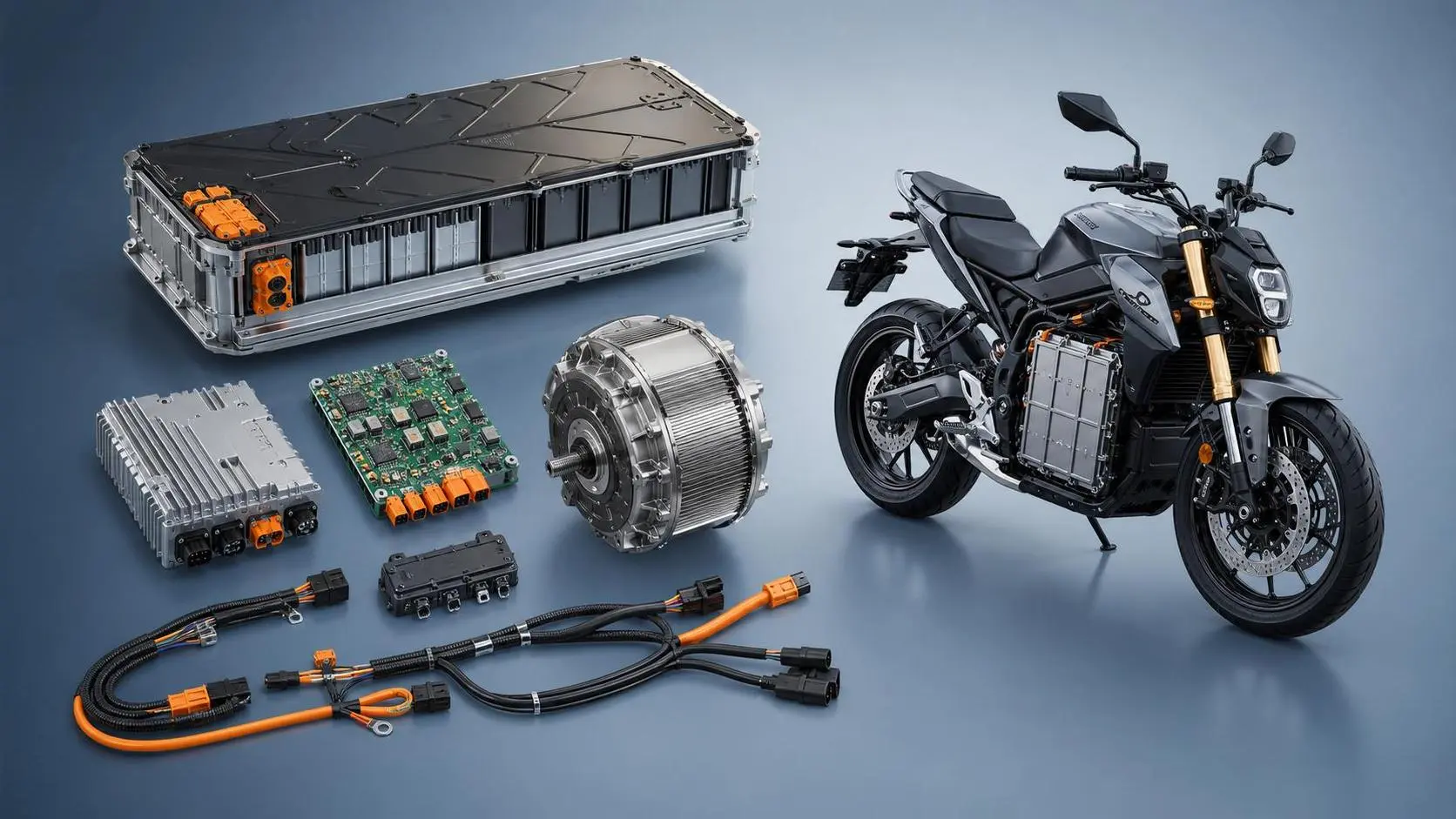
Electric Motorcycle Systems Price Breakdown: What Affects Cost From Battery to Controller?
Electric motorcycle systems price explained: see how battery, controller, motor, BMS, and wiring affect total cost, reliability, and sourcing value before you buy.
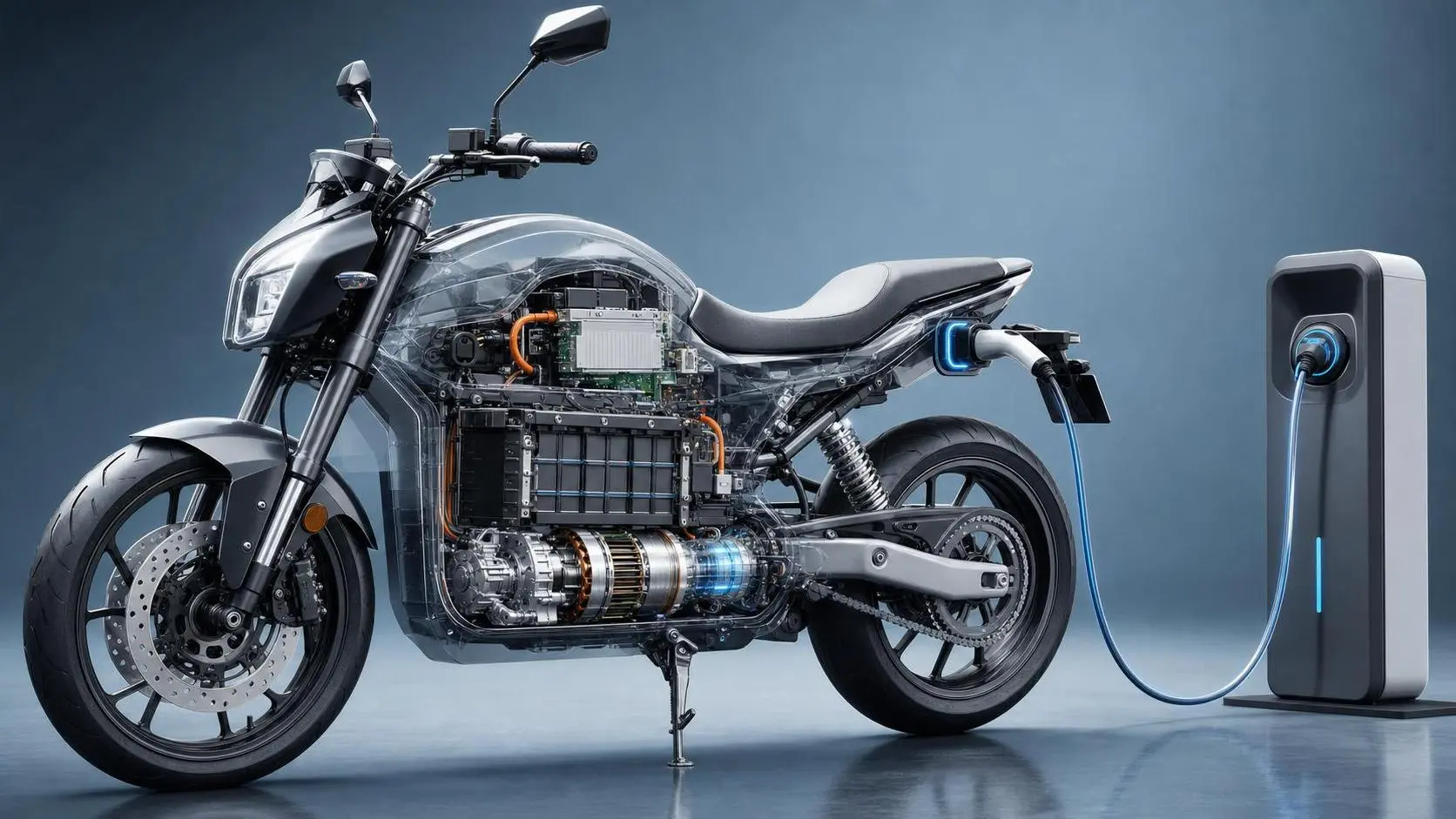
72V Electric Motorcycle Technology Explained: Motors, Controllers, Range, and Charging
Electric motorcycle technology 72V explained clearly: compare motors, controllers, range, battery design, and charging to choose a smoother, stronger, and smarter electric ride.
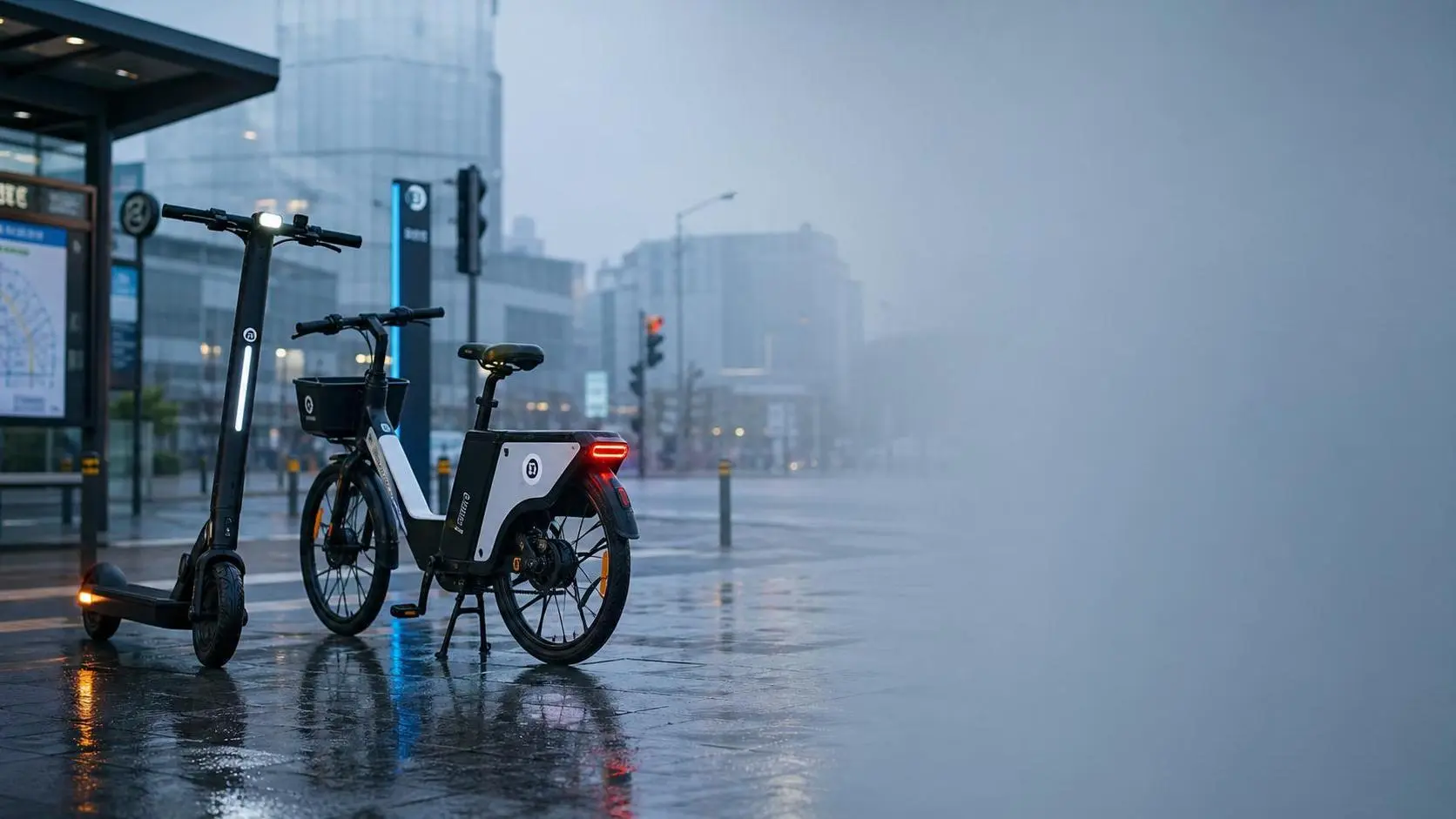
Where LED Urban Visibility Safety Systems Fit Best in Shared Scooters and City E-bikes
LED urban visibility safety systems deliver the most value in shared scooters and city e-bikes by improving multi-angle safety, fleet durability, and urban compliance across real-world routes.
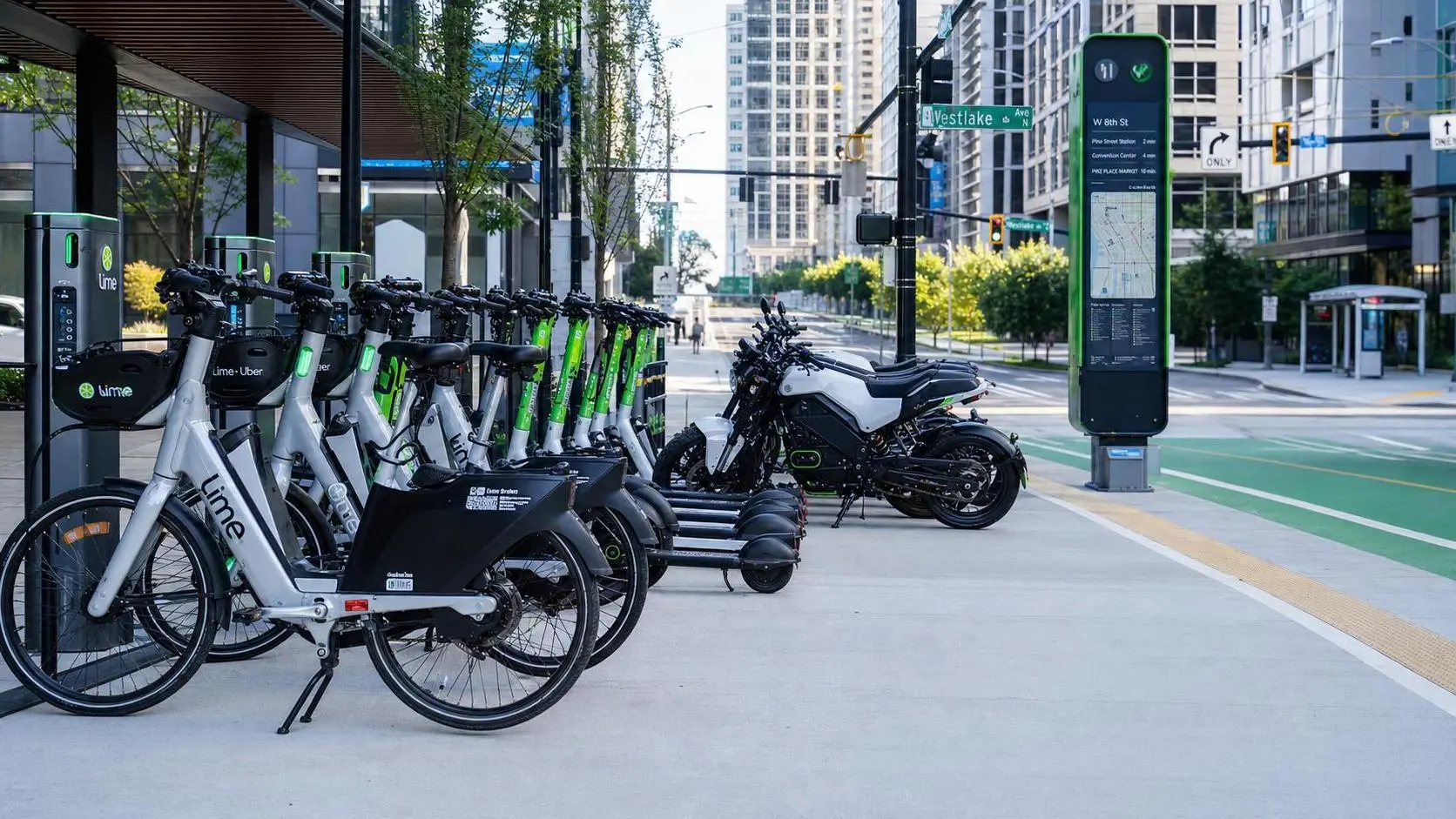
Intellectualization of Mobility in North America: What Is Driving Adoption Across Urban Transport?
Intellectualization of mobility North America is reshaping urban transport through data, smart fleets, and battery intelligence. Explore what is driving adoption and why cities and operators are accelerating now.
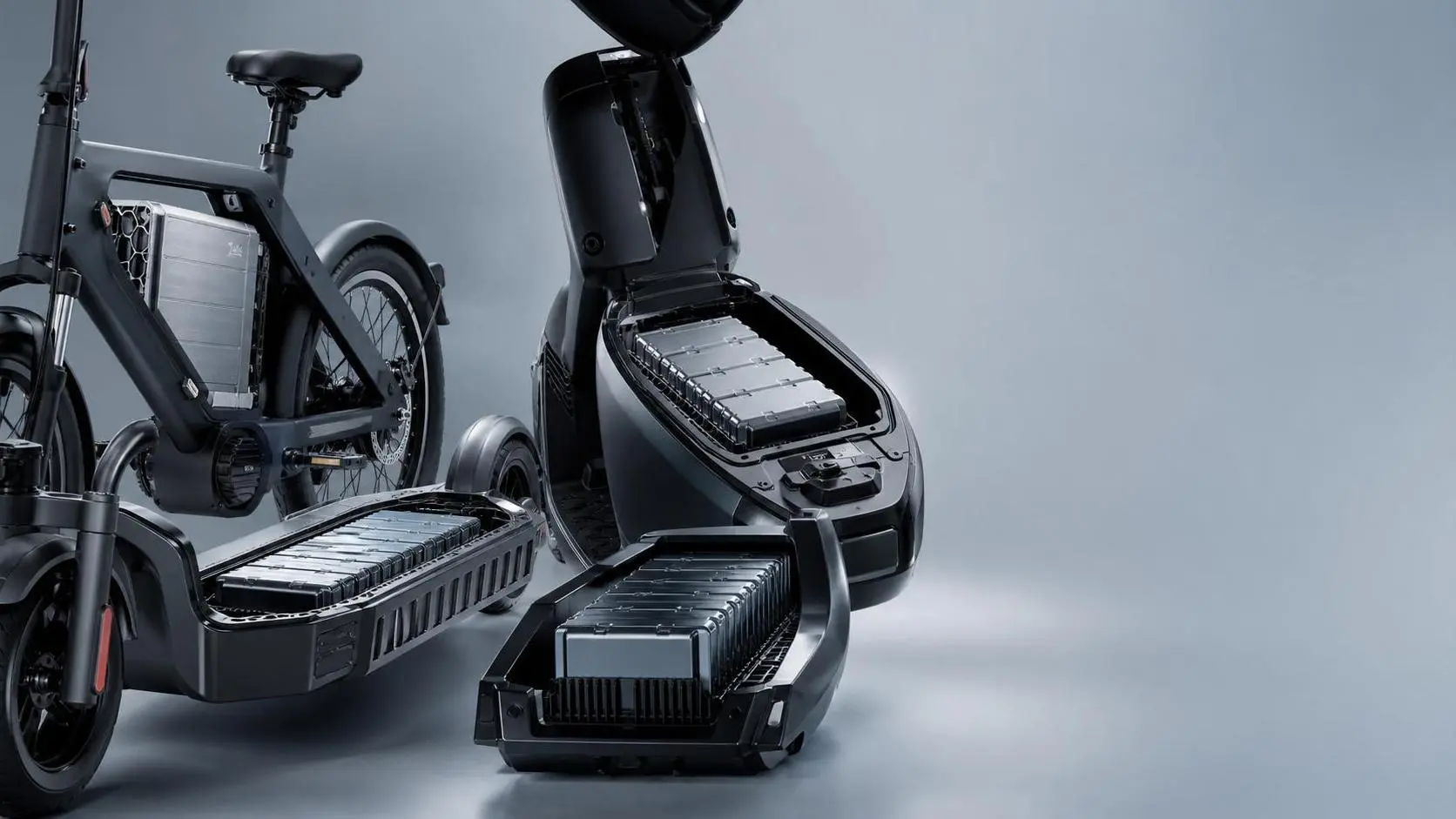
How to Choose a Compact Battery Pack: Size, Energy Density, Thermal Design, and Cycle Life
Compact battery pack selection starts with more than size. Learn how energy density, thermal design, and cycle life shape range, safety, and long-term value.
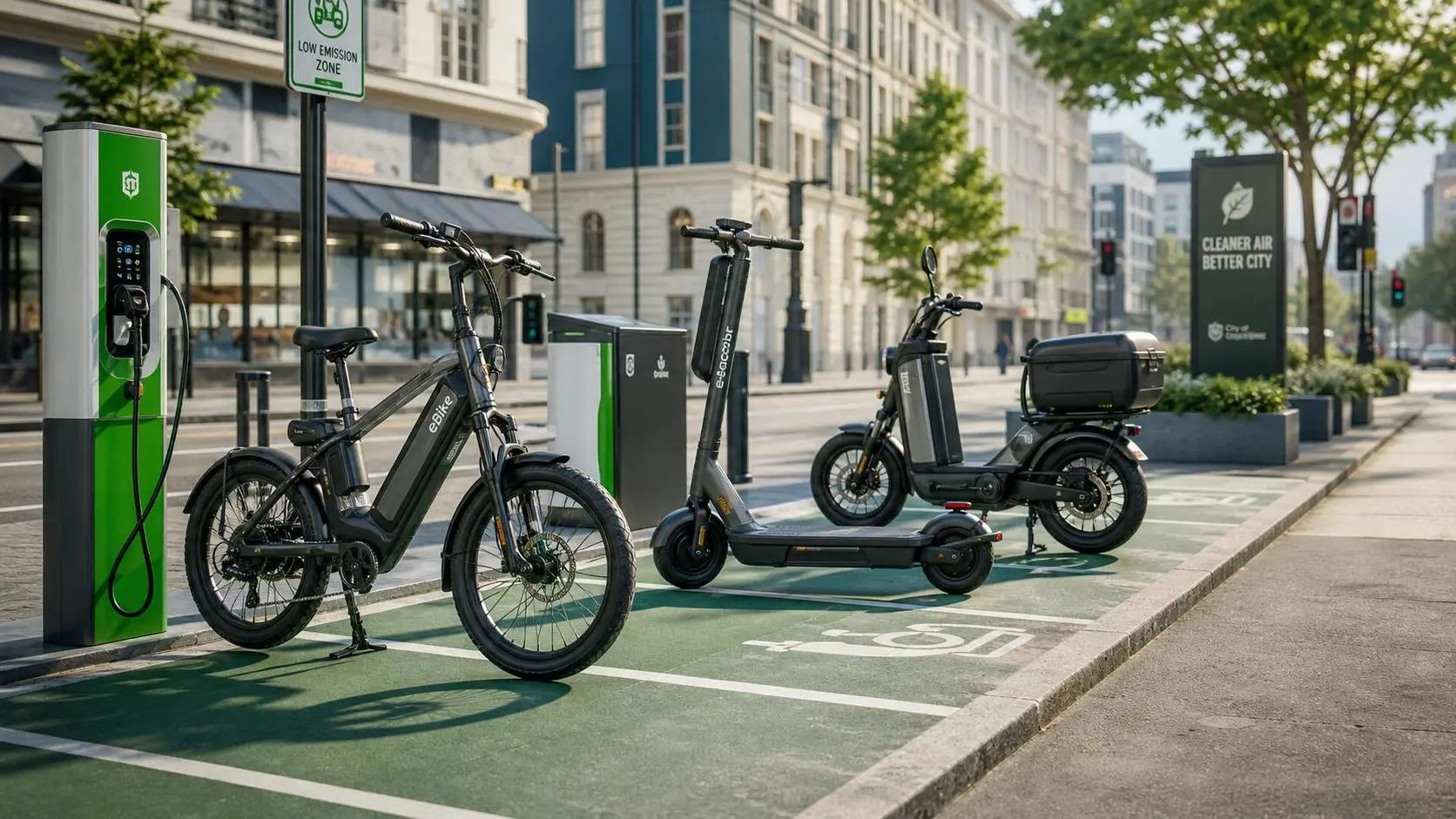
What Is Driving Green Two-wheelers Demand in Europe? Policy, Fuel Costs, and Buyer Segments
Green two-wheelers demand Europe is rising as policy support, fuel cost pressure, and diverse buyer segments reshape urban mobility. Explore the trends driving the next growth wave.