
Related News
- 00
0000-00
Wiper Systems ECE Compliance: Which Tests, Marks, and Documents Matter for Approval? - 00
0000-00
Automatic Smart Wiper Systems Explained: Sensors, Control Logic, and Failure Points - 00
0000-00
Wiper Systems for Scooters: Common Failure Points, Maintenance Tips, and Replacement Signs - 00
0000-00
How to Choose a Brushless Wiper Motor: Voltage, Torque, IP Rating, and Duty Cycle - 00
0000-00
Wiper Sensor Technology: How Rain Detection Works and What Affects Response Accuracy
Visibility Safety Expert
Weekly Insights
Stay ahead with our curated technology reports delivered every Monday.
How brushless motors cut failures and upkeep costs





For after-sales maintenance teams, every unexpected motor issue raises service costs, extends downtime, and weakens user trust.
Brushless motors are changing that pattern across e-bikes, smart e-scooters, wiper systems, and other compact electric platforms.
By removing brushes and commutators, brushless motors reduce wear, improve control accuracy, and support longer service intervals.
That matters in urban micro-mobility, where reliability, energy efficiency, and predictable upkeep directly affect operating performance.
This article explains how brushless motors cut failures and upkeep costs, and why they are now central to better service strategies.
What brushless motors are and why they matter
Brushless motors are electric motors that use electronic commutation instead of physical brushes to switch current between windings.
In brushed designs, contact friction is unavoidable.
That friction creates heat, debris, noise, and gradual performance loss.
Brushless motors avoid those mechanical contact points, which immediately lowers one major source of failure.
The result is a motor architecture better suited to frequent starts, variable loads, and long daily operating cycles.
This makes brushless motors especially valuable in mobility systems that must stay lightweight, compact, and dependable.
Core reliability differences
- No brush wear during normal operation
- Lower internal friction and less heat buildup
- Reduced contamination from carbon dust
- More stable torque delivery across speed ranges
- Better compatibility with digital control systems
Why failure reduction is a growing industry priority
Global micro-mobility systems now operate under tighter reliability expectations than earlier electric vehicle generations.
Users expect daily readiness, quiet operation, and minimal interruption.
At the same time, service networks must control labor time, replacement inventory, and warranty exposure.
In this environment, brushless motors support both technical and financial resilience.
UMMS closely tracks this shift because urban mobility is no longer judged only by speed or range.
Long-term service performance now shapes total lifecycle value.
How brushless motors cut common failures
The biggest advantage of brushless motors is not a single performance metric.
It is the combined reduction of several everyday failure modes.
1. Less mechanical wear
Brushed motors rely on continuous physical contact for commutation.
That contact degrades over time and eventually affects output, noise, and startup consistency.
Brushless motors remove this wear path almost entirely.
2. Lower thermal stress
Heat is a silent driver of electrical failure.
Because brushless motors operate more efficiently, they usually waste less energy as heat.
Lower temperatures help protect insulation, magnets, bearings, and nearby electronics.
3. Cleaner internal operation
Brush debris can contaminate internal components and increase maintenance frequency.
Brushless motors produce no carbon dust from brush contact, reducing internal contamination risks.
4. Better control precision
Electronic control allows more accurate speed and torque management.
That can reduce overload events, harsh starts, and unstable operation in sensitive systems.
5. Improved sealing potential
Many brushless motors are designed for stronger sealing against moisture and dust.
This is especially useful for outdoor urban equipment exposed to rain, grit, and washdown conditions.
How brushless motors reduce upkeep costs
Lower failure rates matter, but upkeep savings often create the clearest business case.
Brushless motors support cost reduction in several practical ways.
- Fewer consumable parts to inspect and replace
- Longer intervals between service visits
- Shorter troubleshooting time for recurring mechanical issues
- Lower risk of secondary damage caused by overheating
- Better energy efficiency, which can reduce system strain
These savings are important in shared fleets, private ownership, and specialty vehicle systems alike.
Even modest reductions in service frequency can significantly improve lifecycle economics.
Direct and indirect cost effects
Typical applications across urban mobility systems
Brushless motors are now common across the systems tracked by UMMS because their reliability fits real operating conditions.
E-bikes
E-bikes benefit from smooth assist, low noise, and longer service life.
Hub and mid-drive designs both gain from efficient torque delivery and reduced maintenance pressure.
Smart e-scooters
Shared and personal scooters need durable motors that tolerate frequent starts, curb impacts, and outdoor exposure.
Brushless motors help keep these vehicles in service longer between interventions.
High-speed e-motorcycles
At higher power levels, thermal control and precision are even more critical.
Brushless motors support stronger acceleration control and more predictable performance under load.
Wiper systems and auxiliary motion systems
Brushless motors also improve compact auxiliary systems where quiet operation and dependable cycling are essential.
In smart wiper applications, stable motor control supports visibility safety in demanding weather.
Practical points when evaluating brushless motors
Brushless motors do not eliminate every service challenge.
Their advantages are strongest when the full system is engineered correctly.
- Check controller quality and software tuning.
- Match motor rating to real torque and duty-cycle demands.
- Review sealing, bearing quality, and thermal paths.
- Use diagnostic data to spot current spikes or abnormal heat trends.
- Plan spare parts around electronic modules, not brush replacement.
A poorly matched controller can still cause stress, despite the strength of brushless motors.
Good integration is what turns technical potential into measurable uptime gains.
A practical next step for service and system planning
For any mobility platform facing repeated motor-related service events, start with a failure map.
Separate wear failures, heat failures, contamination failures, and control failures.
Then compare those patterns against the operating strengths of brushless motors.
In many cases, the shift to brushless motors improves reliability, lowers upkeep costs, and strengthens customer experience at the same time.
For urban mobility systems focused on long-term efficiency, brushless motors are no longer a premium option.
They are becoming the practical baseline for durable, service-friendly electric motion.
Related News
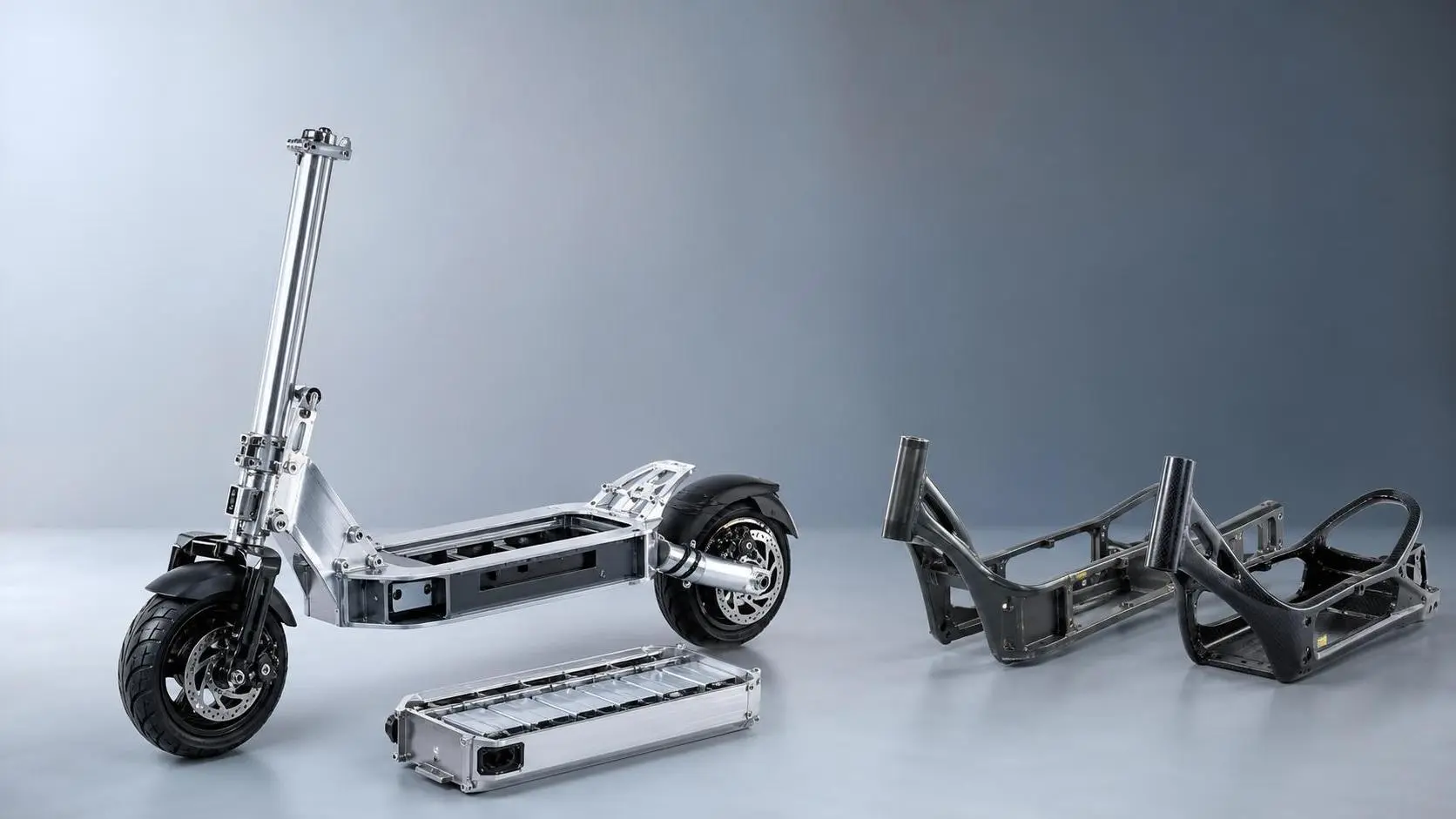
How to Choose Lightweight Scooter Frames in Europe: Materials, Standards, and Use Cases
Lightweight scooter frames Europe buyers need should balance materials, EN standards, durability, and real use cases. Discover how to choose safer, smarter, compliant frames.
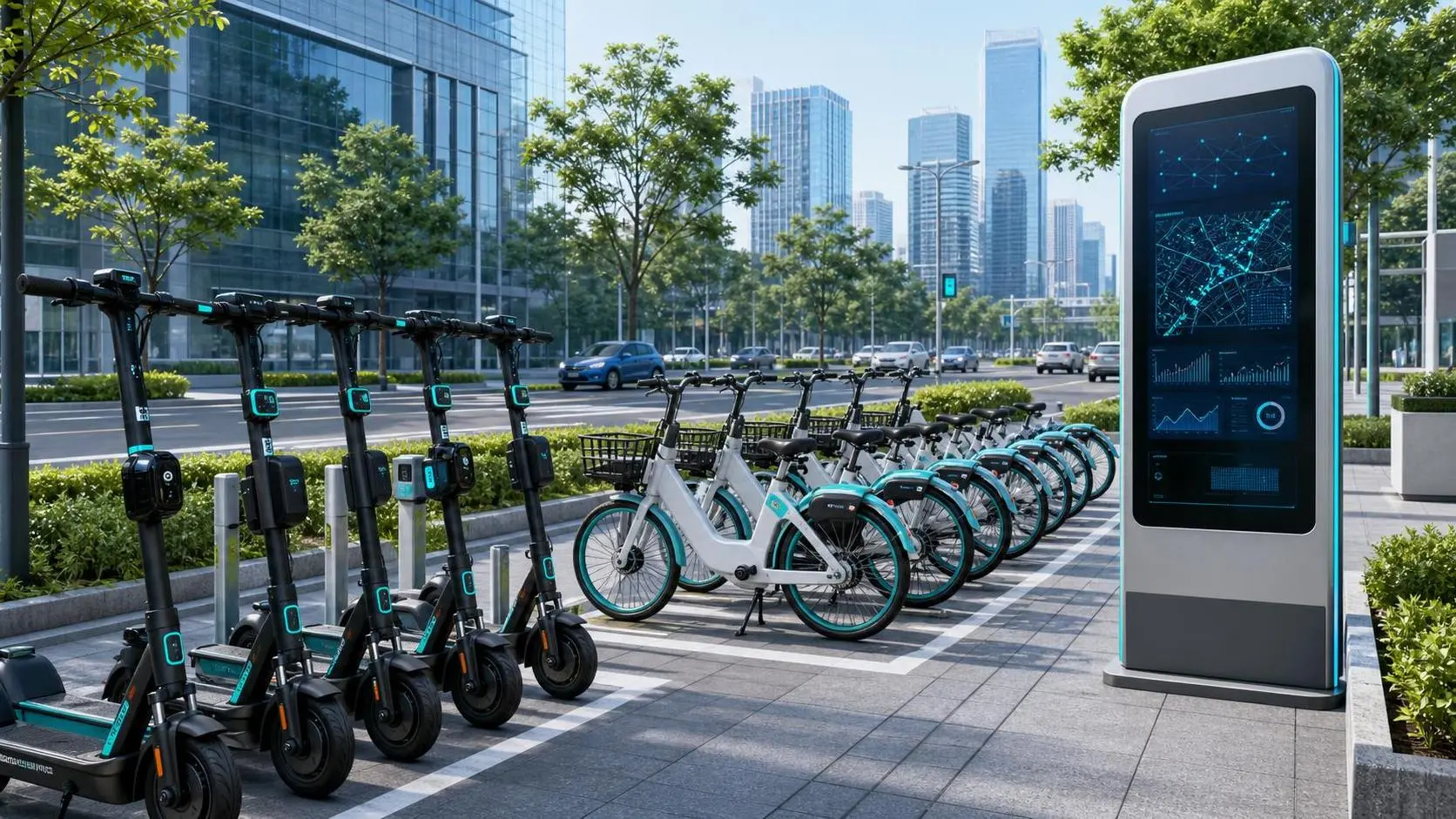
What Is the Intellectualization of Mobility Platform and How Is It Applied in Shared Fleets?
Intellectualization of mobility platform is reshaping shared fleets with real-time data, predictive maintenance, and smarter compliance—learn how it boosts safety, uptime, and urban mobility efficiency.
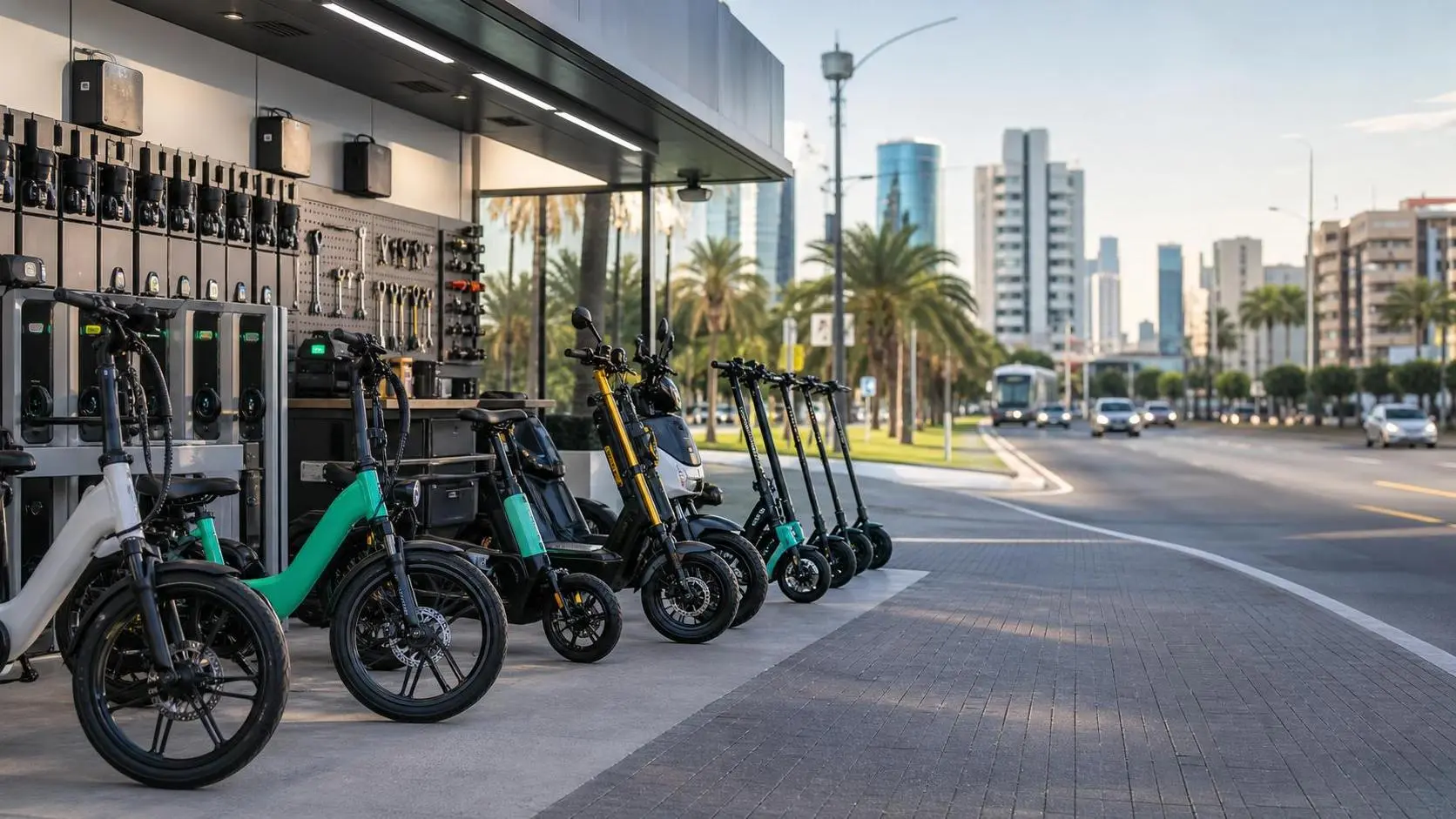
Urban Micro-Mobility Systems in Latin America: Key Market Drivers, Barriers, and Growth Segments
Urban micro-mobility systems Latin America are reshaping city transport. Explore key drivers, barriers, and high-growth segments to spot the region’s most investable opportunities.
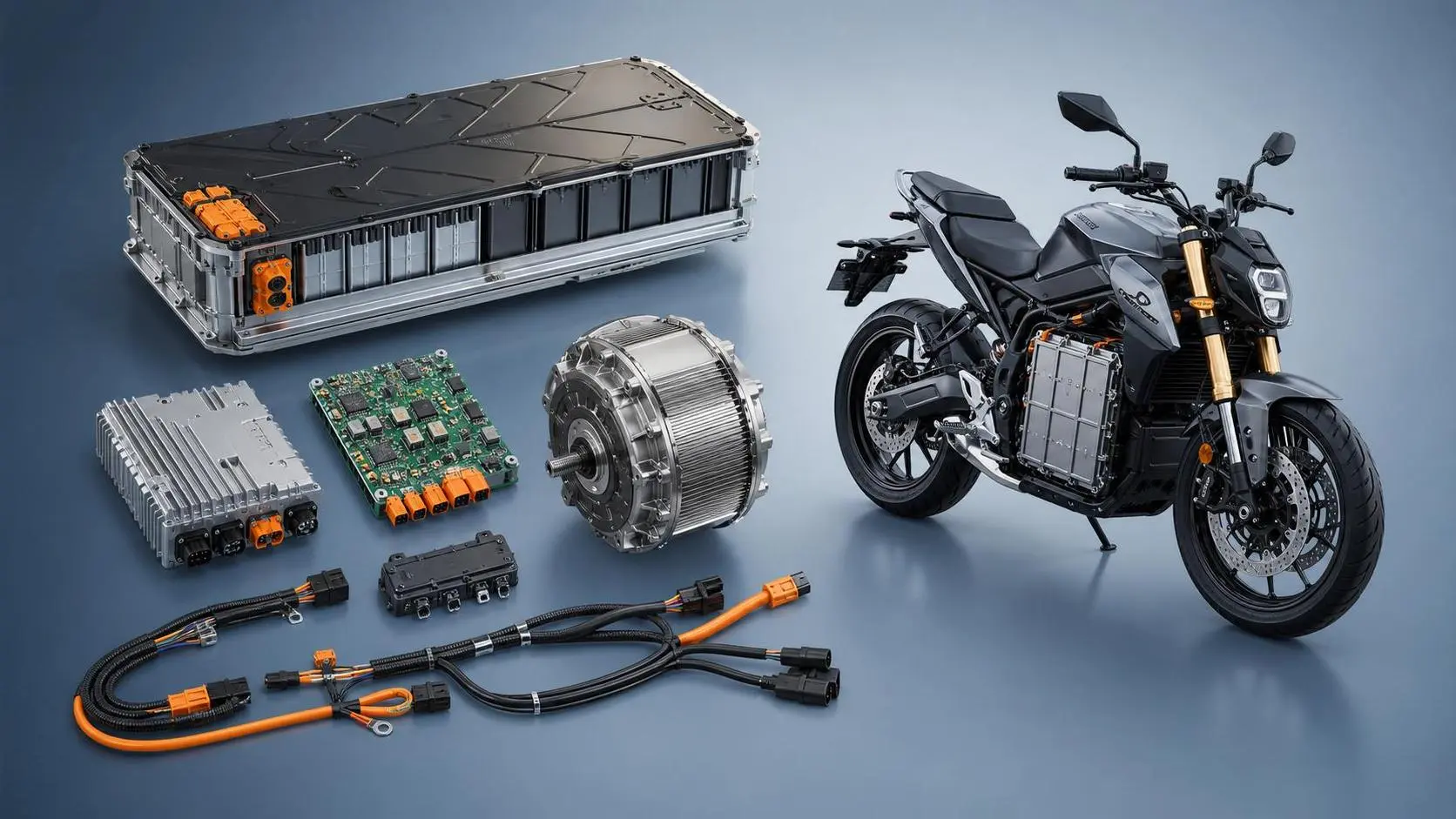
Electric Motorcycle Systems Price Breakdown: What Affects Cost From Battery to Controller?
Electric motorcycle systems price explained: see how battery, controller, motor, BMS, and wiring affect total cost, reliability, and sourcing value before you buy.
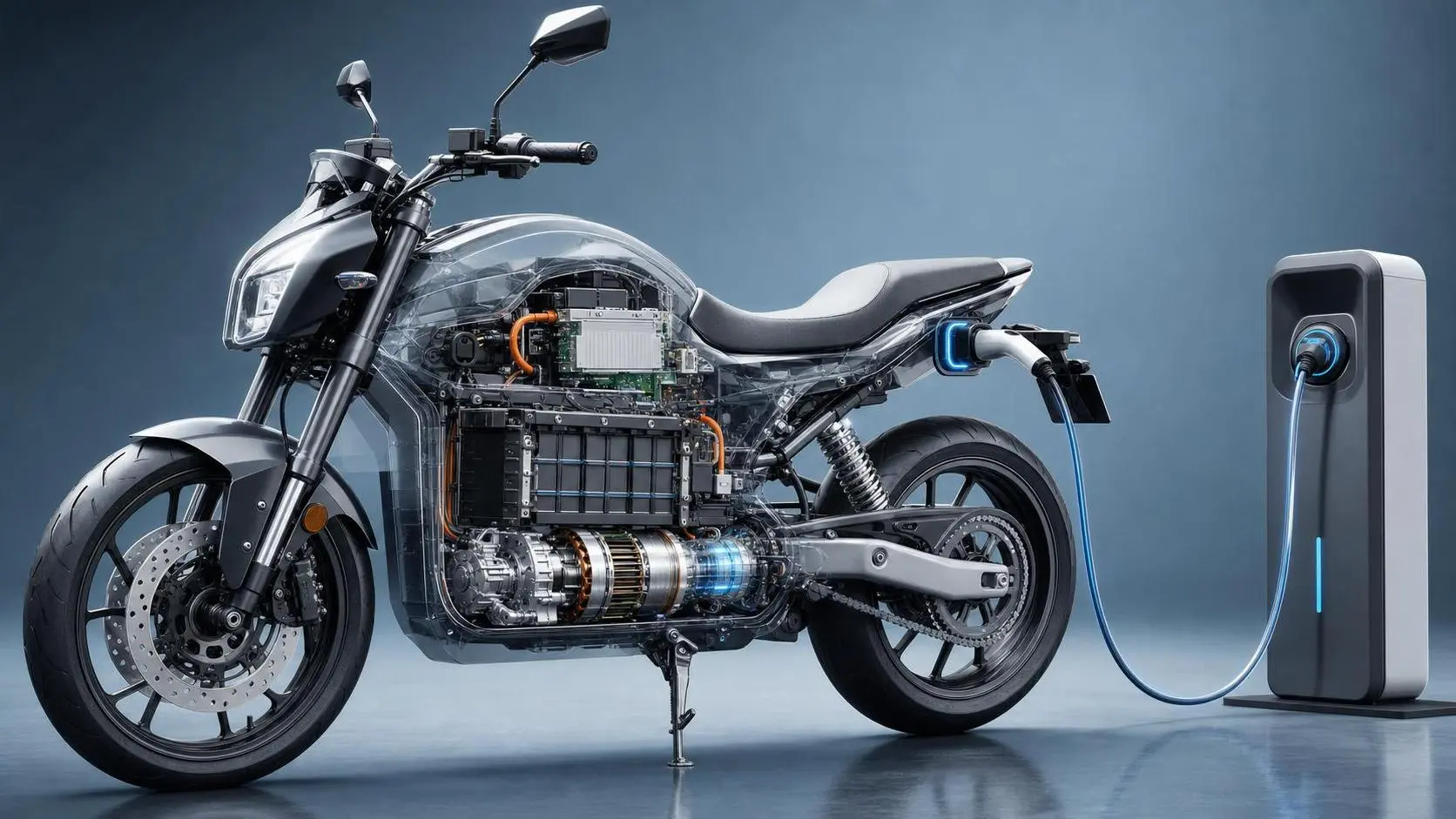
72V Electric Motorcycle Technology Explained: Motors, Controllers, Range, and Charging
Electric motorcycle technology 72V explained clearly: compare motors, controllers, range, battery design, and charging to choose a smoother, stronger, and smarter electric ride.

Where LED Urban Visibility Safety Systems Fit Best in Shared Scooters and City E-bikes
LED urban visibility safety systems deliver the most value in shared scooters and city e-bikes by improving multi-angle safety, fleet durability, and urban compliance across real-world routes.
Intellectualization of Mobility in North America: What Is Driving Adoption Across Urban Transport?
Intellectualization of mobility North America is reshaping urban transport through data, smart fleets, and battery intelligence. Explore what is driving adoption and why cities and operators are accelerating now.
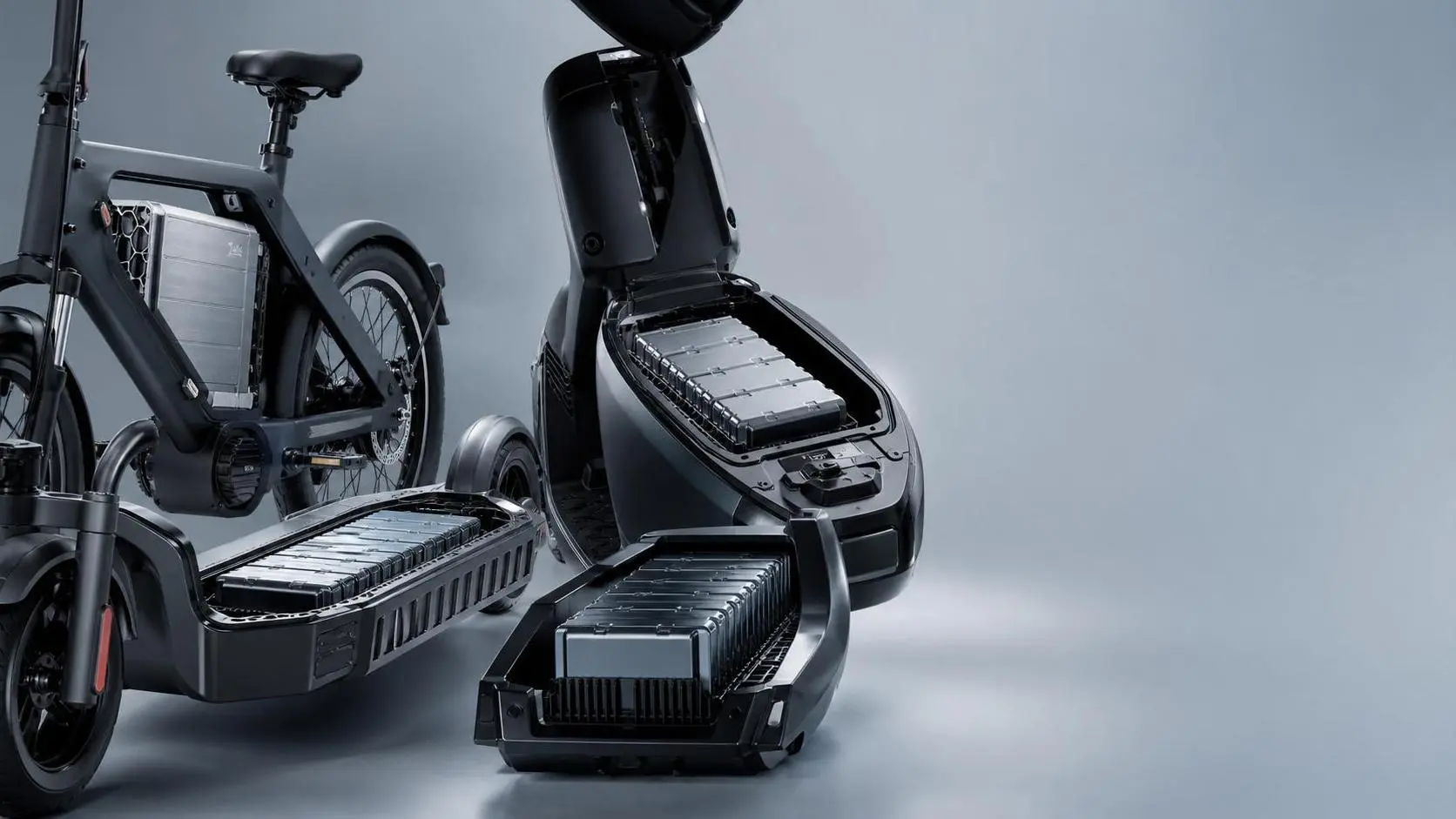
How to Choose a Compact Battery Pack: Size, Energy Density, Thermal Design, and Cycle Life
Compact battery pack selection starts with more than size. Learn how energy density, thermal design, and cycle life shape range, safety, and long-term value.
What Is Driving Green Two-wheelers Demand in Europe? Policy, Fuel Costs, and Buyer Segments
Green two-wheelers demand Europe is rising as policy support, fuel cost pressure, and diverse buyer segments reshape urban mobility. Explore the trends driving the next growth wave.