
Related News
- 00
0000-00
Wiper Systems ECE Compliance: Which Tests, Marks, and Documents Matter for Approval? - 00
0000-00
Automatic Smart Wiper Systems Explained: Sensors, Control Logic, and Failure Points - 00
0000-00
Wiper Systems for Scooters: Common Failure Points, Maintenance Tips, and Replacement Signs - 00
0000-00
How to Choose a Brushless Wiper Motor: Voltage, Torque, IP Rating, and Duty Cycle - 00
0000-00
Wiper Sensor Technology: How Rain Detection Works and What Affects Response Accuracy
Visibility Safety Expert
Weekly Insights
Stay ahead with our curated technology reports delivered every Monday.
How smart urban mobility can ease daily congestion





As cities grapple with rising travel demand, smart urban mobility is emerging as a practical path to easing daily congestion without sacrificing efficiency or sustainability. For project managers and engineering leaders, the shift goes beyond new vehicles—it requires integrated systems, data-driven planning, and scalable micro-mobility solutions that improve flow, cut emissions, and support smarter urban operations.
What does smart urban mobility really mean in daily congestion management?
Smart urban mobility combines transport modes, digital tools, infrastructure, and policy into one coordinated urban movement system.
It is not limited to electric vehicles or traffic apps. It also includes routing logic, charging networks, curb management, and shared fleet orchestration.
The goal is simple: move more people with less road space, lower delay, and reduced environmental impact.
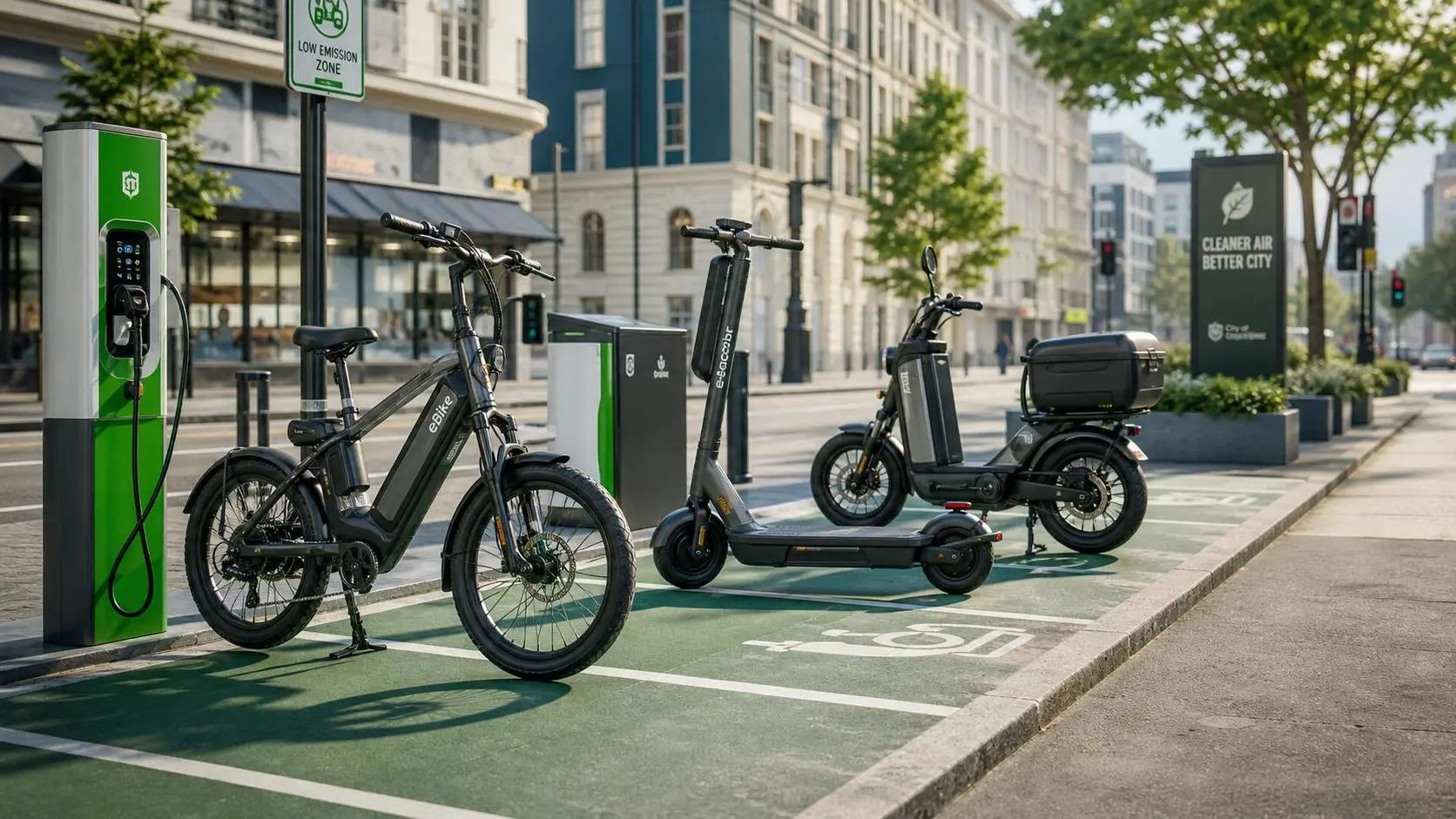
In practice, smart urban mobility links buses, rail, e-bikes, smart e-scooters, walking paths, and high-speed e-motorcycles where suitable.
This is where micro-mobility becomes highly valuable. Short trips consume heavy road capacity when every traveler uses a private car.
Replacing a portion of those trips with connected two-wheel solutions can improve flow across the entire corridor.
For cities and mobility operators, smart urban mobility means treating the last mile as a system, not an afterthought.
UMMS tracks this shift through intelligence on e-bikes, smart scooters, electric powertrains, battery management, and precision drivetrain evolution.
Why is this definition important?
Because congestion rarely comes from one failure. It usually results from fragmented planning, mode imbalance, and poor transfer efficiency.
Smart urban mobility addresses those frictions by making each mode support the others.
Why can smart urban mobility reduce congestion faster than road expansion?
Road expansion often triggers induced demand. New lanes attract more cars, and congestion returns after a short relief period.
Smart urban mobility works differently. It raises network efficiency rather than only adding physical capacity.
A protected e-bike lane can move more people per meter than mixed traffic in many dense districts.
Shared smart e-scooters can shorten station access time, making public transport more attractive and reducing car dependence.
Integrated trip planning apps can balance travel demand by suggesting mode shifts, departure timing, or better interchange points.
Data-driven curb allocation also matters. Delivery vehicles, ride-hailing pickups, and scooter parking often block traffic when unmanaged.
When cities digitize curb use and enforce geofenced drop zones, lane disruption drops noticeably.
This makes smart urban mobility especially effective in commercial centers, university districts, tourism corridors, and mixed-use neighborhoods.
What mechanisms create the biggest gains?
- Mode shift from private cars to e-bikes and scooters
- Faster first-mile and last-mile connections
- Better signal timing through real-time traffic data
- Reduced parking search time and curbside conflict
- Cleaner fleet operations through electrification
Which smart urban mobility solutions are most practical for dense cities?
Not every solution fits every city. The best smart urban mobility model depends on trip length, density, climate, and regulatory maturity.
Still, several categories consistently deliver value when deployed with clear operating rules.
1. Electric bicycles
E-bikes support medium urban trips with low energy use and strong rider acceptance. They work well for commuting and flexible neighborhood circulation.
2. Smart e-scooters
Connected scooters solve short transfers efficiently. IoT modules enable fleet visibility, geofencing, battery monitoring, and usage optimization.
3. High-speed e-motorcycles
These serve longer urban links and commercial travel where speed and torque are critical. Battery swapping can reduce downtime significantly.
4. Smart support systems
Charging stations, battery management platforms, predictive maintenance, and precision drivetrain components improve reliability and total system performance.
UMMS highlights that hardware quality alone is not enough. Cities need operational intelligence to coordinate assets, safety, and maintenance cycles.
What implementation mistakes can weaken smart urban mobility results?
Many smart urban mobility programs underperform because deployment focuses on devices instead of system behavior.
One common mistake is launching fleets without protected travel space. Riders then mix unpredictably with cars or pedestrians.
Another issue is poor battery logistics. Vehicles may be available in apps but unusable in reality.
Data silos create a third problem. If operators, transit agencies, and traffic teams cannot share timely information, decisions stay fragmented.
Regulation can also lag behind innovation. Unclear speed rules, parking standards, or insurance frameworks discourage adoption.
Frequent risk areas
- Overestimating demand without route analysis
- Ignoring weather and topography impacts
- Weak safety communication and user education
- No plan for maintenance turnaround
- Choosing low-durability components for intensive urban use
This is why strategic intelligence matters. Reliable insight on drivetrain durability, battery thermal behavior, and usage patterns reduces avoidable operational failure.
How should cities and operators evaluate cost, timeline, and scalability?
Smart urban mobility should be assessed as a phased investment, not a one-time purchase.
Initial pilots usually focus on corridors with strong transit demand, parking pressure, or visible last-mile gaps.
A realistic cost review includes vehicles, software, charging assets, lane design, maintenance labor, and enforcement tools.
Timeline planning must consider permitting, supplier readiness, digital integration, and public communication.
Scalability depends on standardization. Battery formats, telemetry interfaces, and service workflows should expand without major redesign.
A useful framework is to measure three layers at once: transport performance, user adoption, and operating resilience.
What does the future of smart urban mobility look like?
The next phase of smart urban mobility will be more connected, more electrified, and more predictive.
Vehicles will increasingly communicate with fleet systems, charging assets, and city traffic platforms in real time.
Battery management will become more precise. That means better range forecasting, safer operations, and lower asset downtime.
Precision components will also matter more. Efficient drivetrains, lighter frames, and smarter sensors improve reliability under heavy daily use.
For urban networks, success will come from coordination, not isolated innovation.
This is exactly where UMMS provides value, connecting commercial insight with technical intelligence across the micro-mobility ecosystem.
Quick FAQ summary
To ease daily congestion, smart urban mobility must be planned as a complete operating ecosystem. Vehicles, infrastructure, software, and governance must evolve together.
The most effective next step is to identify one corridor, measure existing friction, and test a data-backed micro-mobility model with clear performance indicators.
With the right intelligence, smart urban mobility can move from policy ambition to visible daily relief.
Related News
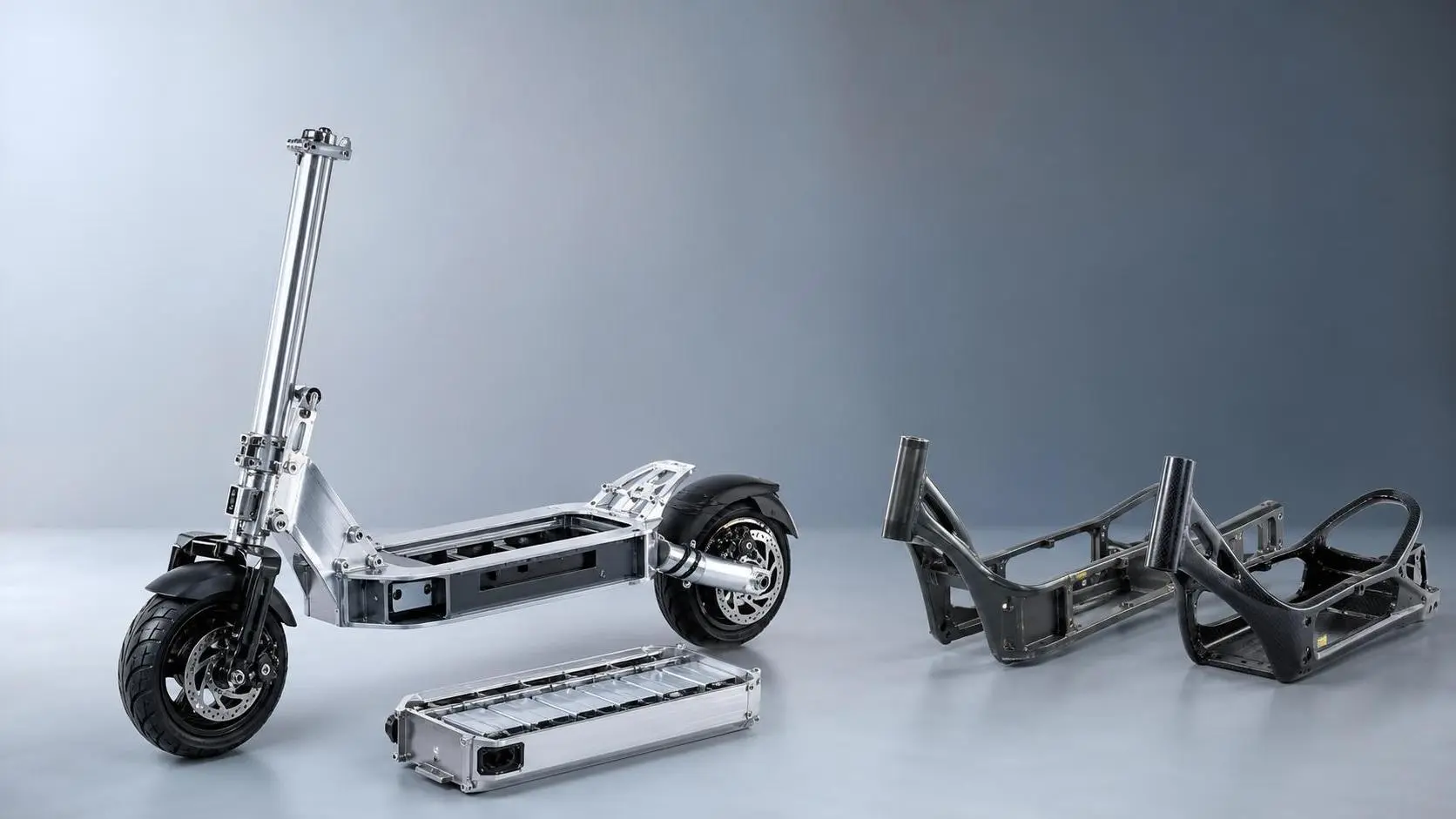
How to Choose Lightweight Scooter Frames in Europe: Materials, Standards, and Use Cases
Lightweight scooter frames Europe buyers need should balance materials, EN standards, durability, and real use cases. Discover how to choose safer, smarter, compliant frames.
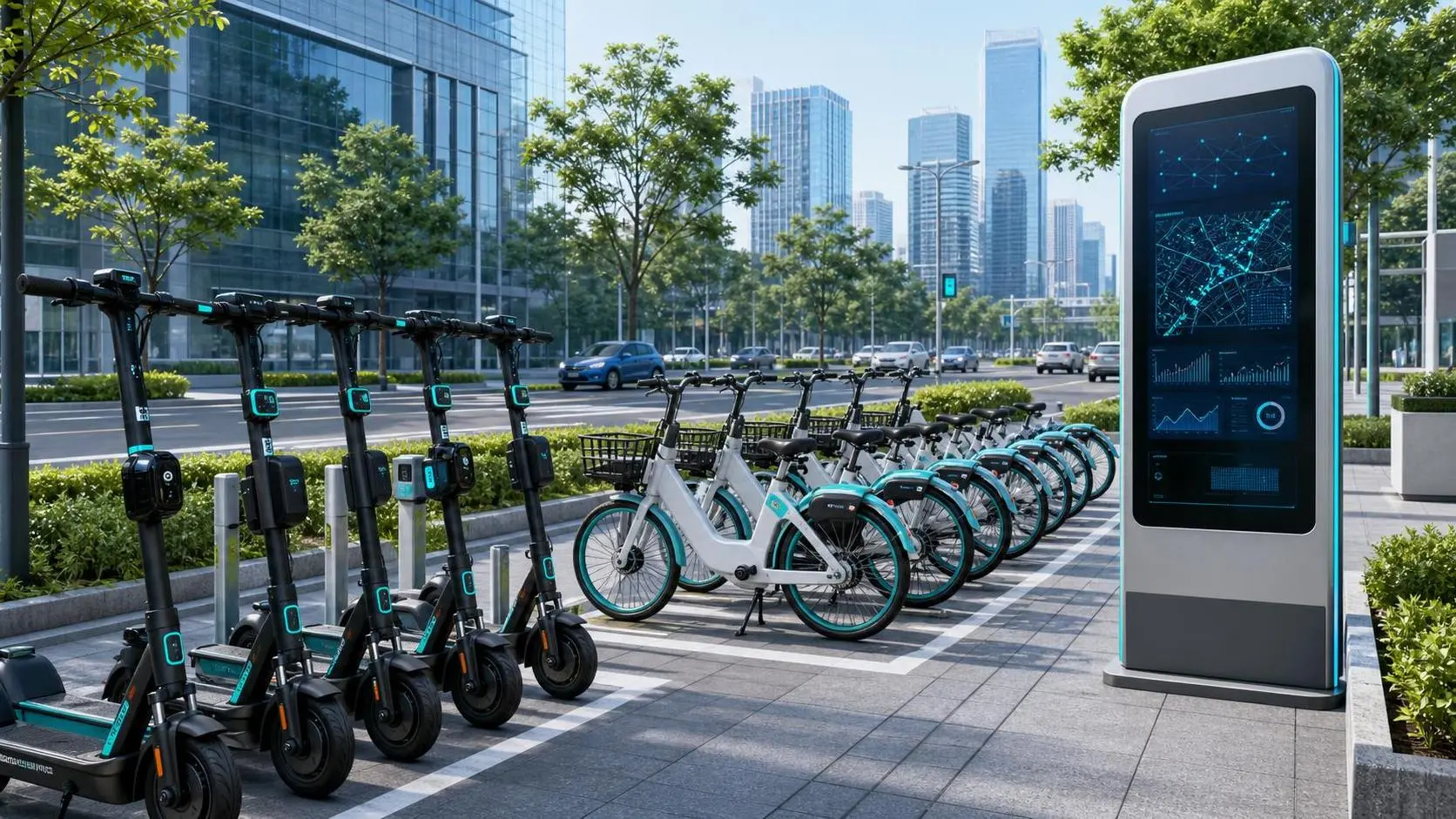
What Is the Intellectualization of Mobility Platform and How Is It Applied in Shared Fleets?
Intellectualization of mobility platform is reshaping shared fleets with real-time data, predictive maintenance, and smarter compliance—learn how it boosts safety, uptime, and urban mobility efficiency.
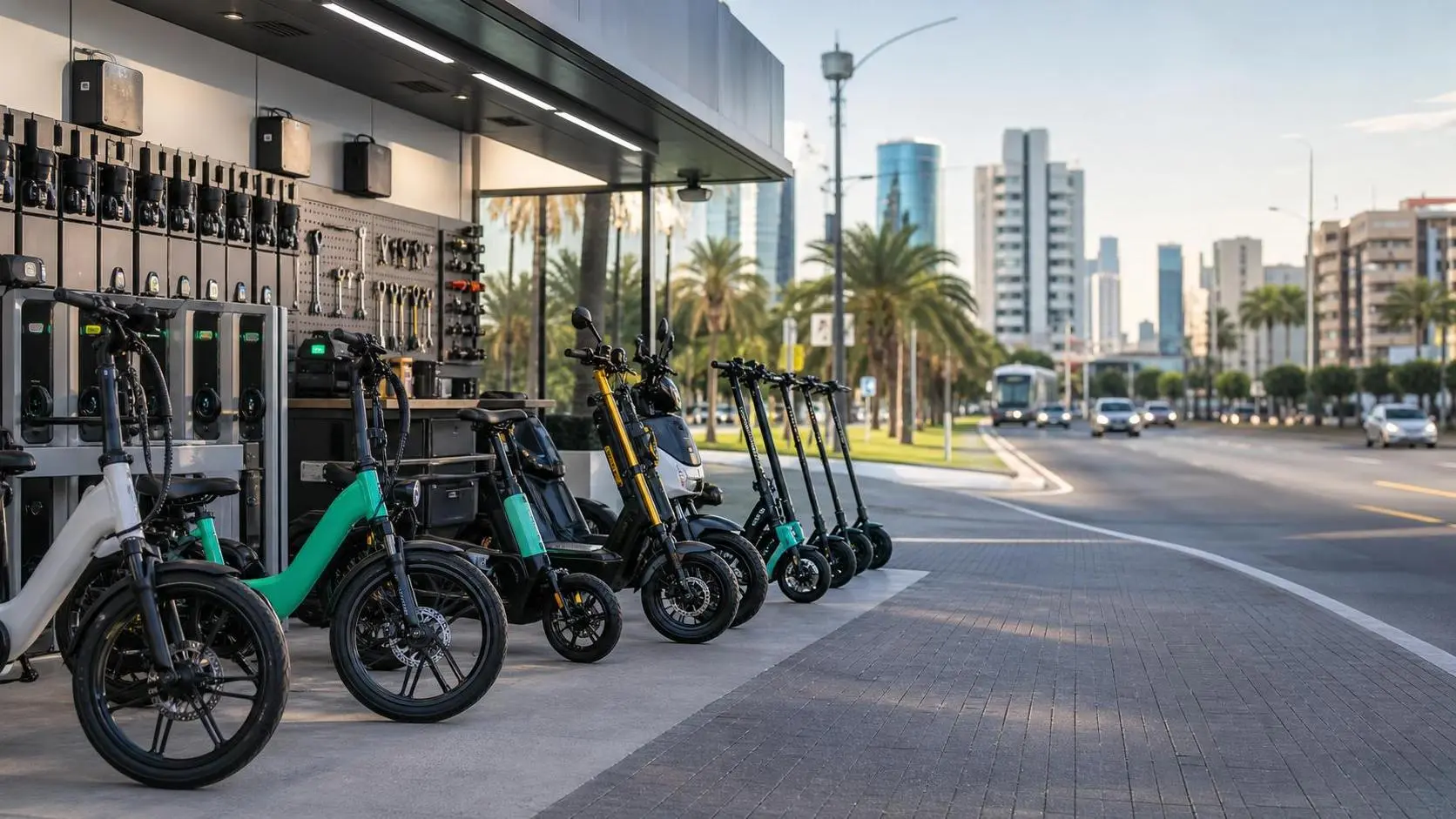
Urban Micro-Mobility Systems in Latin America: Key Market Drivers, Barriers, and Growth Segments
Urban micro-mobility systems Latin America are reshaping city transport. Explore key drivers, barriers, and high-growth segments to spot the region’s most investable opportunities.
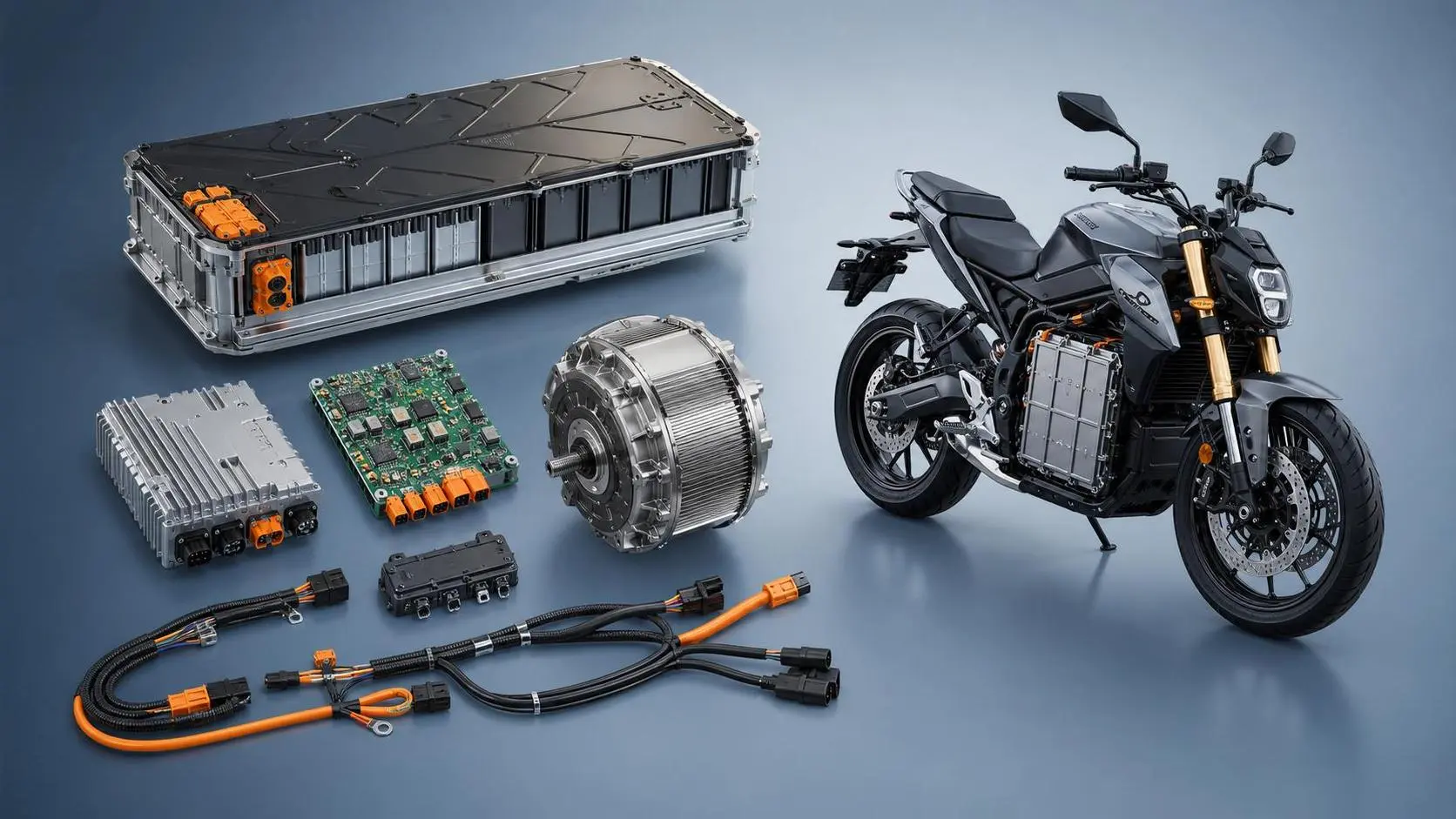
Electric Motorcycle Systems Price Breakdown: What Affects Cost From Battery to Controller?
Electric motorcycle systems price explained: see how battery, controller, motor, BMS, and wiring affect total cost, reliability, and sourcing value before you buy.
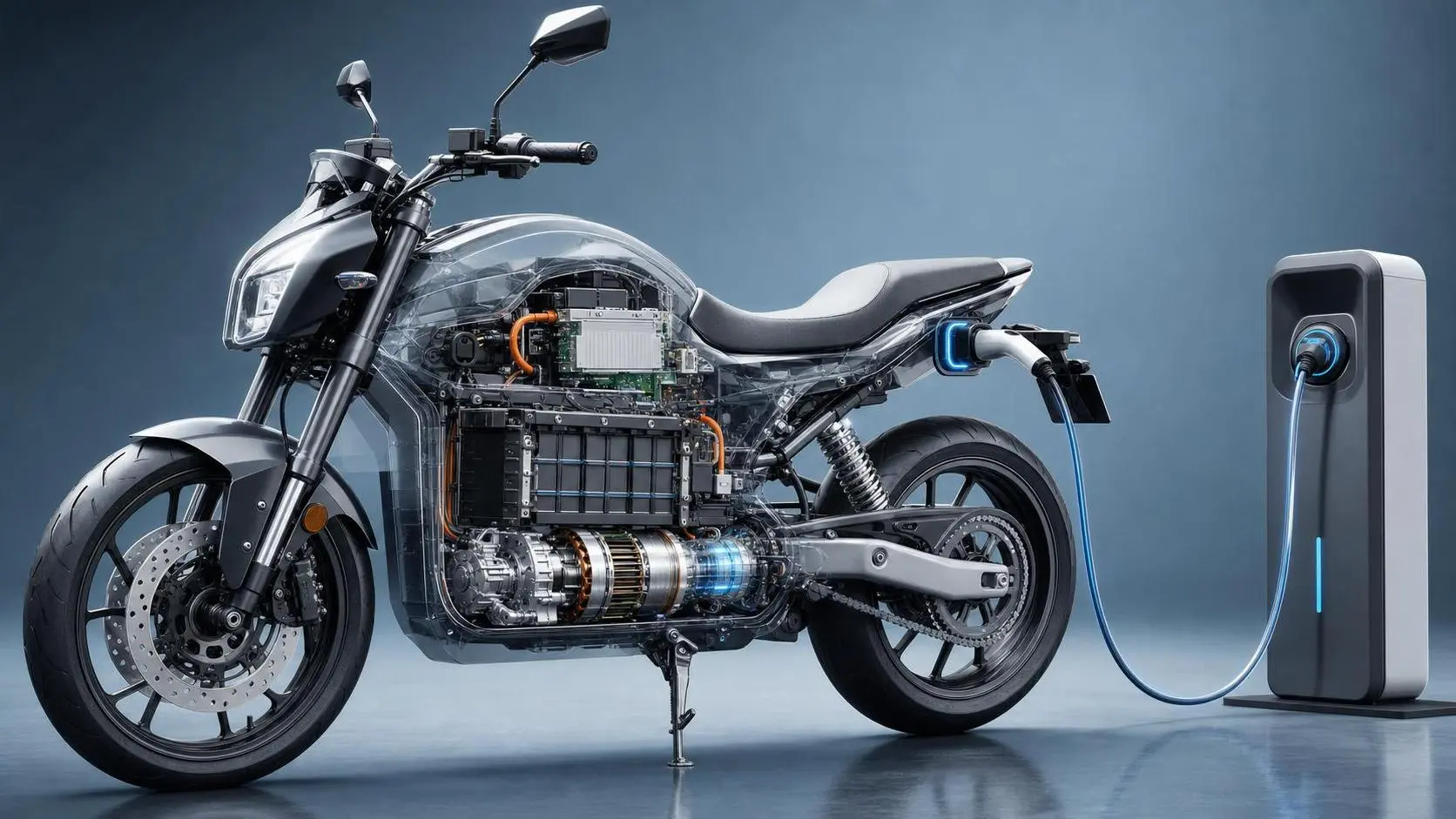
72V Electric Motorcycle Technology Explained: Motors, Controllers, Range, and Charging
Electric motorcycle technology 72V explained clearly: compare motors, controllers, range, battery design, and charging to choose a smoother, stronger, and smarter electric ride.
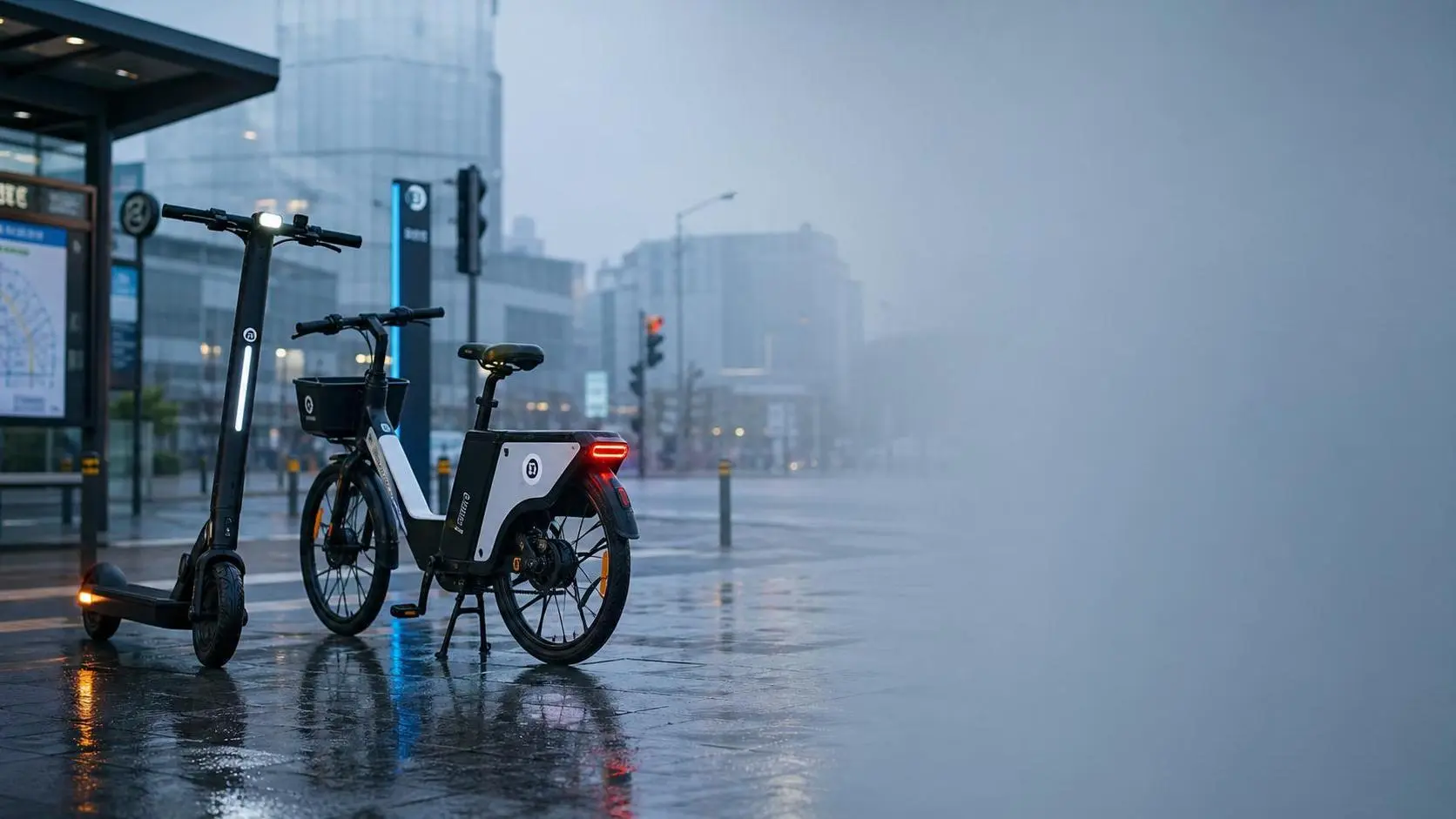
Where LED Urban Visibility Safety Systems Fit Best in Shared Scooters and City E-bikes
LED urban visibility safety systems deliver the most value in shared scooters and city e-bikes by improving multi-angle safety, fleet durability, and urban compliance across real-world routes.
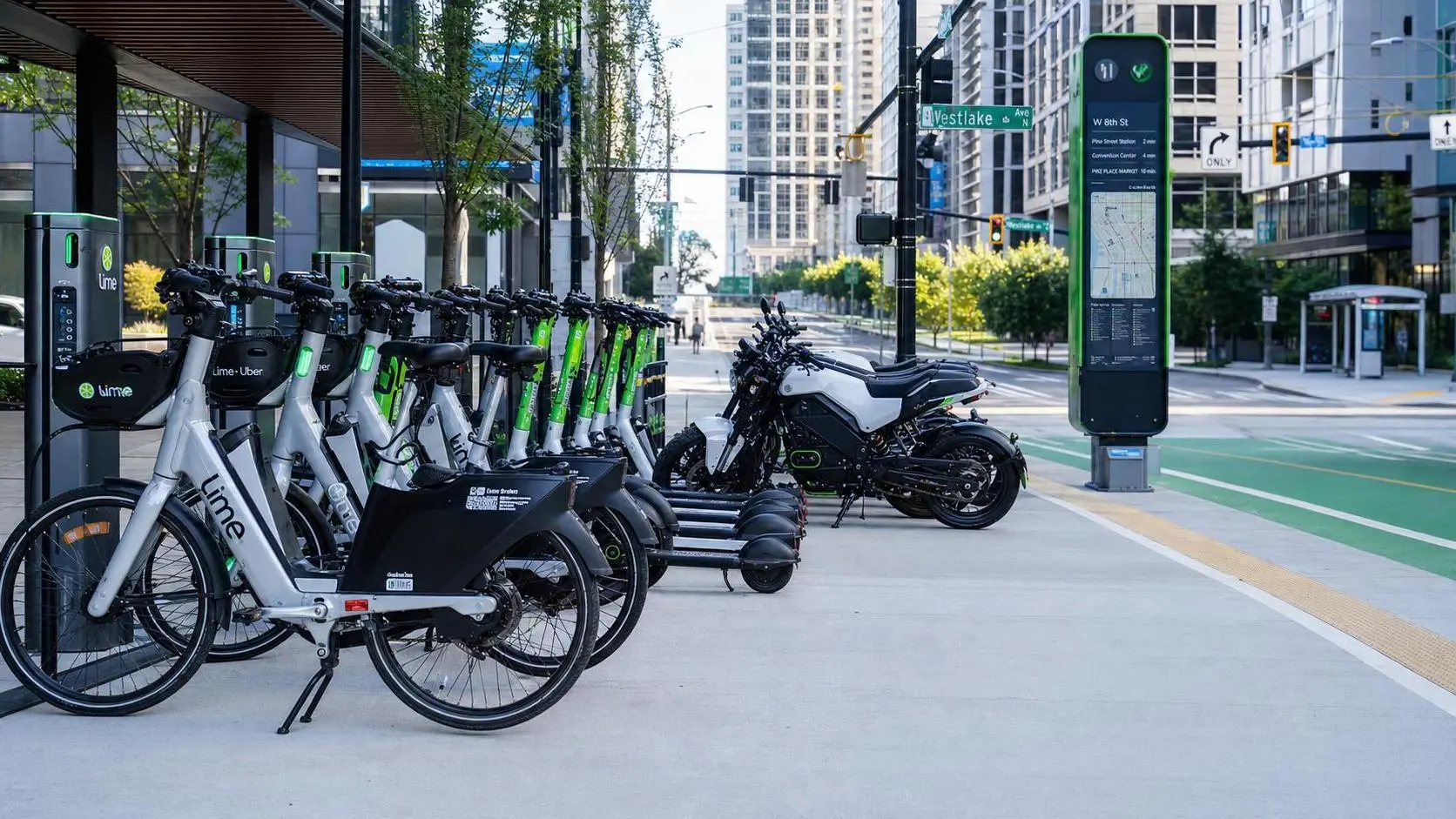
Intellectualization of Mobility in North America: What Is Driving Adoption Across Urban Transport?
Intellectualization of mobility North America is reshaping urban transport through data, smart fleets, and battery intelligence. Explore what is driving adoption and why cities and operators are accelerating now.
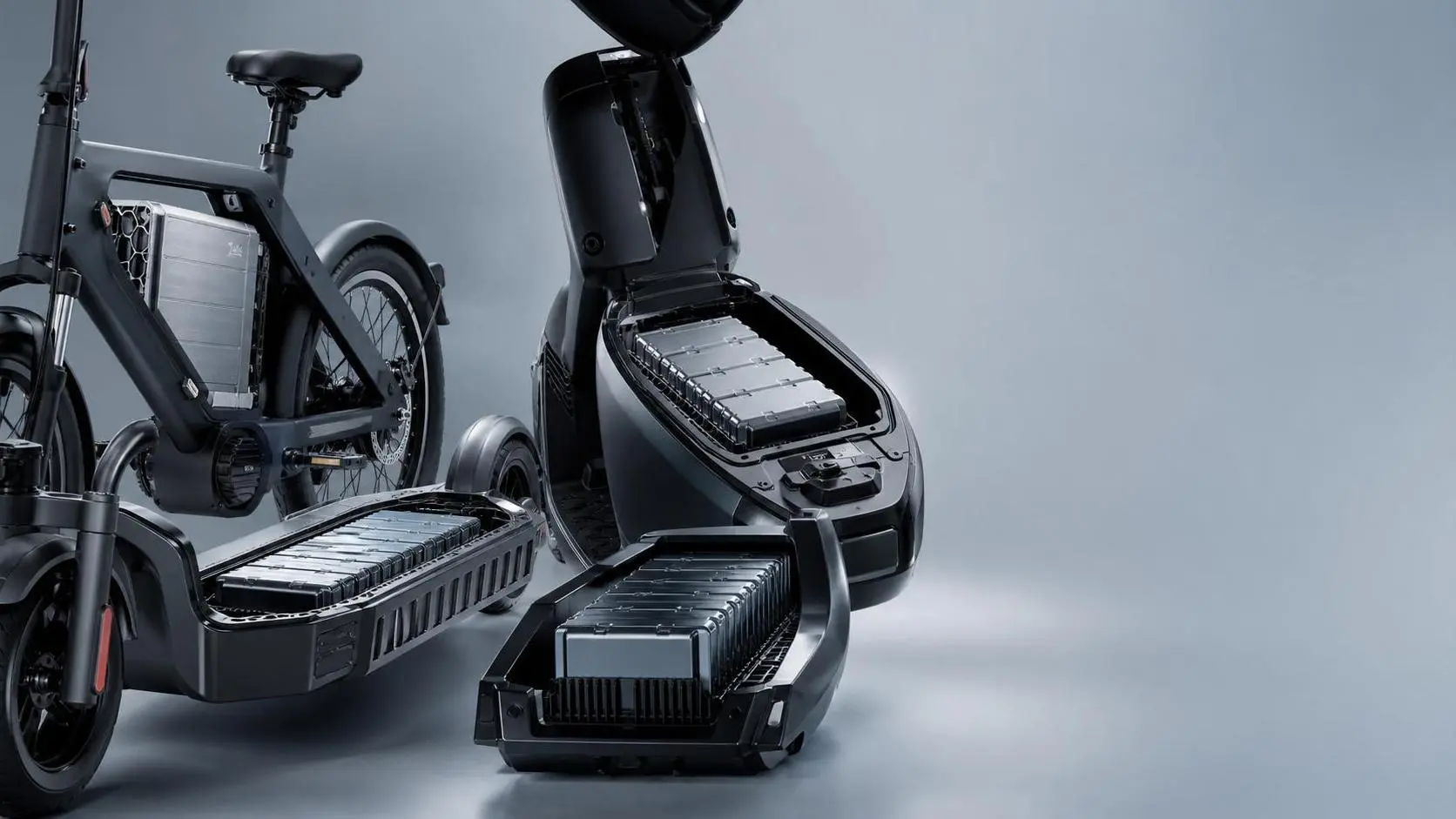
How to Choose a Compact Battery Pack: Size, Energy Density, Thermal Design, and Cycle Life
Compact battery pack selection starts with more than size. Learn how energy density, thermal design, and cycle life shape range, safety, and long-term value.
What Is Driving Green Two-wheelers Demand in Europe? Policy, Fuel Costs, and Buyer Segments
Green two-wheelers demand Europe is rising as policy support, fuel cost pressure, and diverse buyer segments reshape urban mobility. Explore the trends driving the next growth wave.