
Related News
- 00
0000-00
Electric Drivetrain Systems Factory Audit Checklist: Key Quality Points Before Sourcing - 00
0000-00
Electric Drivetrain Components Explained: Key Parts, Functions, and Failure Points - 00
0000-00
How to Evaluate a Drivetrain Architecture Provider for E-bike and Scooter Programs - 00
0000-00
Precision Drivetrain Tuning Explained: Key Adjustments for Smoother Shifting - 00
0000-00
Powertrain Heat Management Explained: Key Design Factors for EV Efficiency and Battery Life
Precision Drivetrain Architect
Weekly Insights
Stay ahead with our curated technology reports delivered every Monday.
What Precision Drivetrain Architects Check Before Choosing E-Bike Gear Systems





What Precision Drivetrain Architects Check Before Choosing E-Bike Gear Systems
Before an e-bike gear system earns a place in a high-performance platform, precision drivetrain architects look beyond catalog specifications.
They evaluate torque transfer efficiency, shift response under load, motor-controller compatibility, chainline stability, sensor integration, durability, and serviceability across real urban duty cycles.
The practical question is not which system looks advanced, but which system converts rider input and electric assist into reliable, low-loss motion.
For UMMS, this decision sits inside the wider evolution of electrified two-wheelers, smart components, and low-carbon urban mobility.
Core Definition of an E-Bike Gear System
An e-bike gear system manages cadence, wheel speed, torque multiplication, and mechanical efficiency between the rider, motor, chain, belt, or internal transmission.
Precision drivetrain architects treat the gear system as a controlled energy pathway, not as an isolated bicycle component.
This pathway includes the crankset, cassette, derailleur, hub gear, gearbox, chain, belt, shift actuator, sensors, and firmware logic.
Every interface influences battery range, heat generation, rider comfort, maintenance cost, and long-term platform credibility.
In urban micro-mobility, small losses become strategic. A few percentage points of drivetrain loss may affect range claims and warranty exposure.
Main Gear System Families
- External derailleur systems with multi-sprocket cassettes and familiar service workflows.
- Internal gear hubs designed for enclosure, commuting durability, and low contamination exposure.
- Mid-drive gearboxes that integrate reduction, shifting, and load control near the motor.
- Belt-drive transmissions optimized for cleanliness, corrosion resistance, and quiet operation.
- Electronic shifting systems that coordinate cadence, torque sensing, and assist modulation.
Precision drivetrain architects compare these families according to use case, packaging limits, rider behavior, regulatory speed class, and aftersales infrastructure.
Industry Signals Shaping Gear System Selection
The global e-bike market is moving from simple electrification toward integrated electromechanical optimization.
UMMS observes this shift across commuter e-bikes, cargo platforms, trekking models, shared fleets, and performance-focused electric bicycles.
Precision drivetrain architects now evaluate gear systems beside battery density, motor torque curves, right-of-way rules, and regional service capability.
These signals explain why drivetrain choice increasingly belongs to system engineering rather than component substitution.
Efficiency and Torque Transfer Checks
Efficiency is the first checkpoint because it influences range, thermal behavior, rider feel, and battery sizing.
Precision drivetrain architects measure losses across cadence bands, assist levels, gear ratios, lubrication states, and contamination conditions.
A clean laboratory efficiency number is useful, but it rarely describes wet streets, stop-start commuting, hill starts, or cargo loading.
Torque transfer also depends on tooth profile, chain wrap, sprocket material, belt tension, bearing drag, and alignment consistency.
Key Efficiency Questions
- How much energy is lost at peak assist and low cadence?
- Does efficiency drop sharply in climbing gears?
- Does the system tolerate imperfect chain lubrication?
- Are losses predictable after thousands of shift cycles?
- Can the gear range support both legal speed limits and rider cadence comfort?
Precision drivetrain architects use these questions to prevent range promises from depending on idealized riding profiles.
Shift Quality Under Electric Assist
E-bike shifting is harder than conventional bicycle shifting because electric assist can load the drivetrain during the shift event.
Precision drivetrain architects examine whether the system can reduce, interrupt, or shape motor torque during gear changes.
A smooth shift protects chains, cassettes, pawls, belts, sprockets, and rider confidence.
A harsh shift creates noise, wear, skipped engagement, and inconsistent cadence control.
Shift Response Variables
- Actuator speed and repeatability during upshifts and downshifts.
- Motor torque reduction timing during loaded transitions.
- Cadence sensor resolution and response delay.
- Chain movement stability across the full cassette.
- Error recovery after partial or mistimed shifts.
For electronic systems, firmware quality may matter as much as mechanical machining quality.
Precision drivetrain architects therefore review update policies, diagnostic access, electromagnetic robustness, and fail-safe behavior.
Compatibility With Motors, Controllers, and Sensors
Gear system selection must match the motor architecture, especially when mid-drive motors deliver torque through the bicycle drivetrain.
Precision drivetrain architects compare nominal torque, peak torque, ramp rate, assist algorithm, and controller communication options.
The same derailleur can behave differently with gentle city tuning and aggressive high-torque climbing calibration.
Sensor integration is equally important. Torque sensors, cadence sensors, wheel speed sensors, and shift sensors must communicate without timing conflicts.
A drivetrain with excellent mechanical parts can still fail platform targets if communication and control logic are weak.
Durability, Contamination, and Urban Duty Cycles
Urban e-bikes operate in dust, rain, potholes, curb impacts, temperature swings, theft-prevention handling, and inconsistent cleaning routines.
Precision drivetrain architects evaluate durability through accelerated fatigue, corrosion exposure, mud contamination, vibration, and repeated load transitions.
External derailleurs offer light weight and broad ratios, yet they remain exposed to impact and contamination.
Internal hubs and gearboxes improve enclosure, but they may add weight, complexity, cost, or specific lubrication requirements.
Belt drives reduce grease and noise, yet frame stiffness, pulley alignment, and tension windows become critical.
Typical Validation Conditions
- Repeated hill starts at maximum legal assist.
- Wet braking followed by loaded acceleration.
- Shift cycling after dust and salt exposure.
- Pothole vibration with cargo or passenger load.
- Low-temperature shifting after overnight parking.
Precision drivetrain architects connect these tests to real warranty patterns, not only laboratory acceptance thresholds.
Application Value Across E-Bike Categories
Different e-bike categories require different drivetrain priorities. A single ideal solution does not exist.
Precision drivetrain architects map each gear system to rider load, terrain, maintenance expectations, and platform cost position.
This classification helps connect drivetrain architecture to commercial positioning, service strategy, and rider experience.
Serviceability, Cost, and Supply Scalability
A gear system must be technically credible and economically sustainable across production, distribution, and service networks.
Precision drivetrain architects check spare part availability, tool requirements, technician familiarity, replacement time, and diagnostic clarity.
A highly integrated gearbox may reduce daily maintenance but require specialized service channels.
A conventional derailleur may simplify repair but require more frequent adjustment under heavy electric torque.
Total cost therefore includes warranty labor, downtime, training, replacement intervals, software support, and supply continuity.
Commercial Review Points
- Can regional service centers obtain parts quickly?
- Are wear components standardized or proprietary?
- Does firmware require paid tools or closed access?
- Is supplier capacity aligned with platform volume?
- Are compliance documents available for target markets?
Precision drivetrain architects balance engineering elegance against field repair reality.
Practical Selection Framework
A disciplined framework reduces subjective comparison and prevents late-stage redesign.
Precision drivetrain architects often begin with duty-cycle definition, then move toward measurable acceptance limits.
- Define vehicle category, legal speed class, rider load, and terrain profile.
- Set target cadence range, climbing ability, and acceleration behavior.
- Validate mechanical efficiency across realistic assist levels.
- Test shift quality during loaded motor operation.
- Confirm controller, sensor, display, and diagnostic compatibility.
- Run durability tests with contamination, vibration, and temperature variation.
- Calculate total cost across warranty, service, and parts supply.
This process supports evidence-based selection and reduces dependence on isolated supplier claims.
Common Mistakes to Avoid
Several drivetrain mistakes appear repeatedly in fast-moving e-bike programs.
Precision drivetrain architects avoid choosing ratios before understanding motor torque delivery and target cadence.
They also avoid approving electronic shifting without noise immunity, battery behavior, and failure-mode testing.
- Do not use road-bike assumptions for high-torque e-bike duty cycles.
- Do not ignore chainline changes caused by frame packaging.
- Do not compare gear range without checking usable cadence.
- Do not treat software updates as a substitute for mechanical robustness.
- Do not approve a sealed system without a service and replacement plan.
Avoiding these errors improves platform reliability and protects brand credibility in demanding urban mobility markets.
Action Path for Better Drivetrain Decisions
The strongest e-bike gear system decision starts with measured duty cycles, transparent supplier data, and realistic service planning.
Precision drivetrain architects should compare systems through efficiency, shift behavior, compatibility, durability, and lifecycle cost.
UMMS follows these technical signals across electric bicycles, smart e-scooters, high-speed e-motorcycles, and precision bicycle components.
For the next evaluation step, build a drivetrain scorecard that links engineering tests to market requirements and service capacity.
When precision drivetrain architects apply that scorecard early, e-bike platforms gain smoother power delivery, stronger reliability, and clearer commercial scalability.
Related News
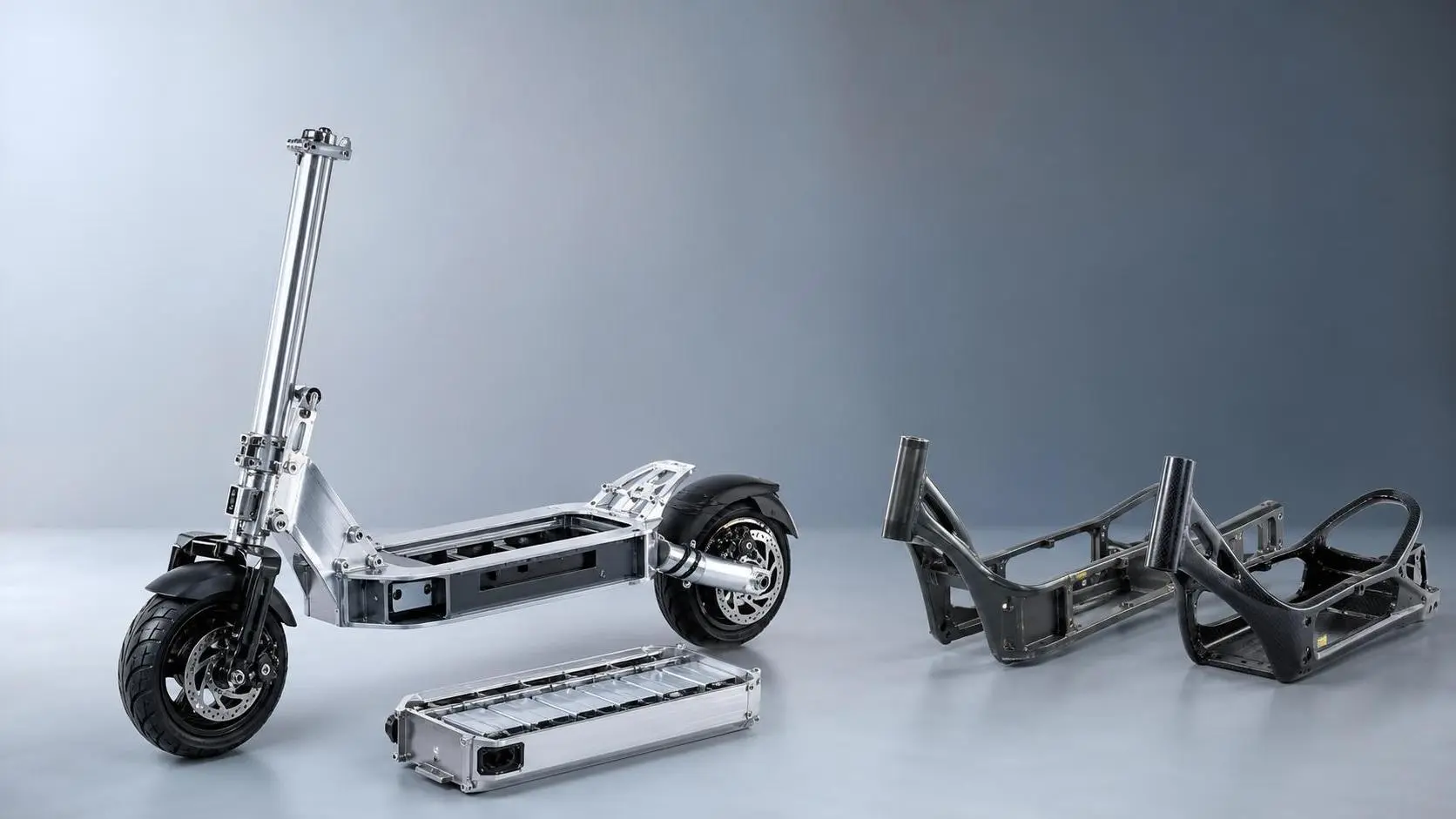
How to Choose Lightweight Scooter Frames in Europe: Materials, Standards, and Use Cases
Lightweight scooter frames Europe buyers need should balance materials, EN standards, durability, and real use cases. Discover how to choose safer, smarter, compliant frames.
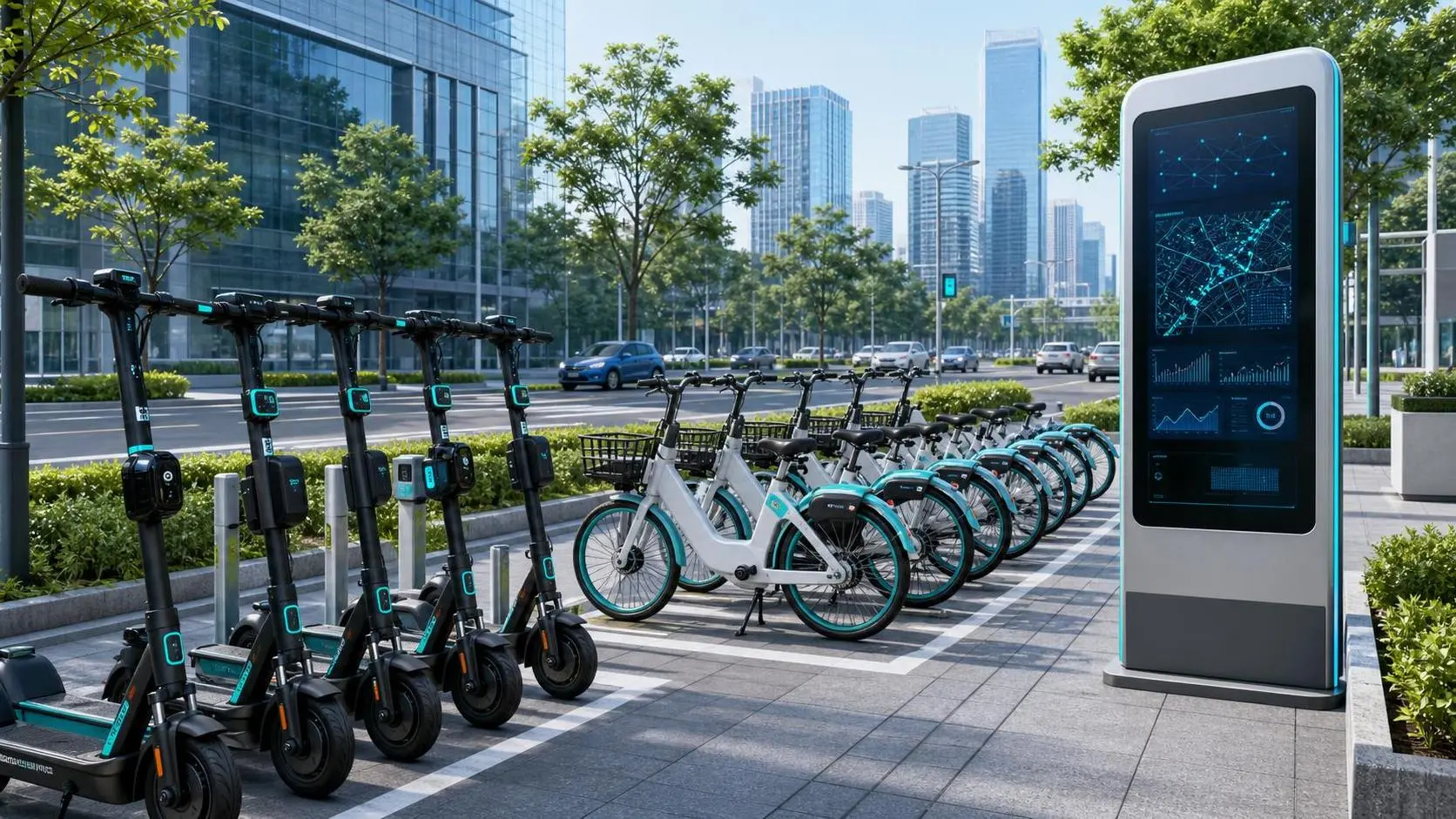
What Is the Intellectualization of Mobility Platform and How Is It Applied in Shared Fleets?
Intellectualization of mobility platform is reshaping shared fleets with real-time data, predictive maintenance, and smarter compliance—learn how it boosts safety, uptime, and urban mobility efficiency.
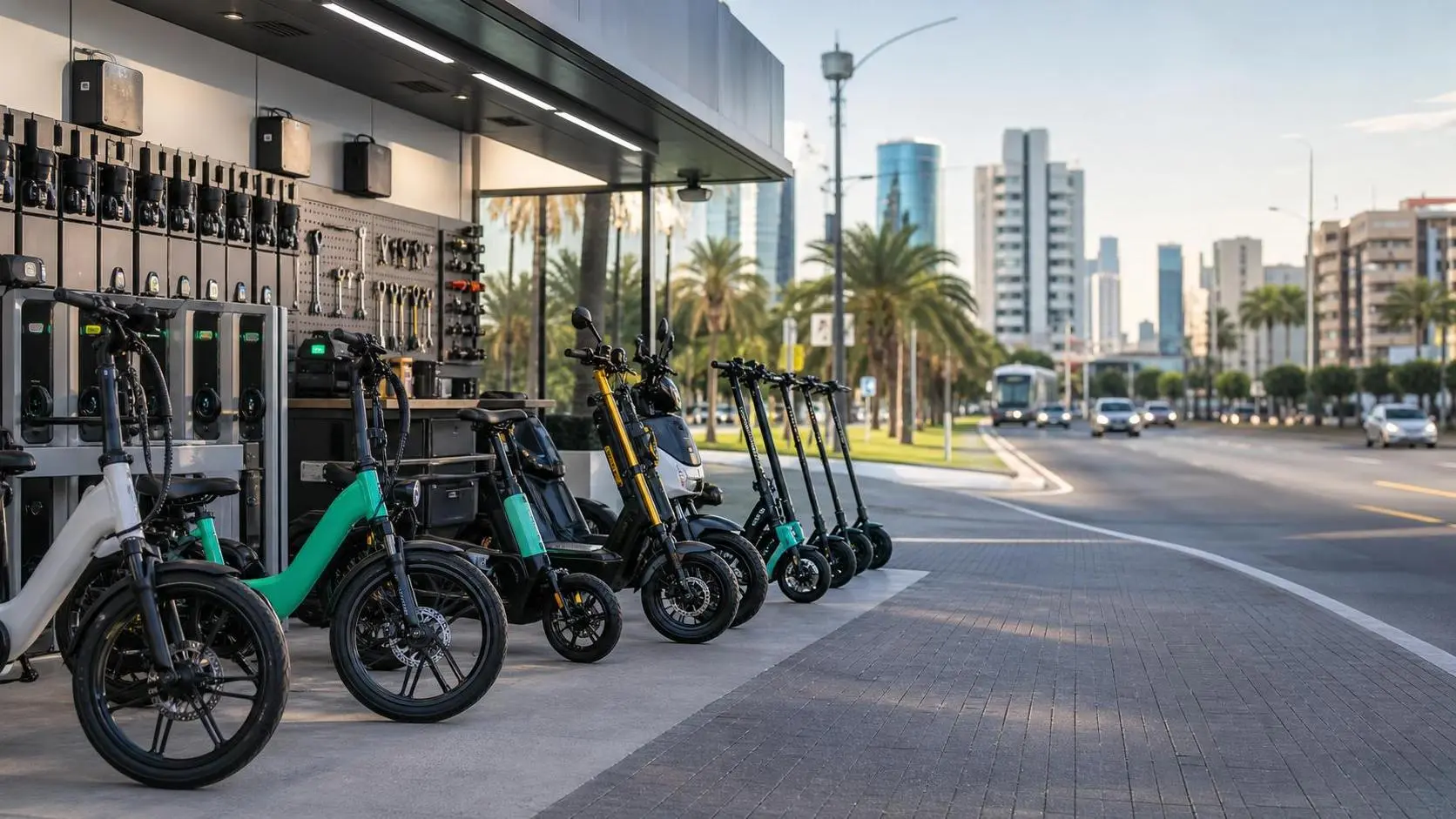
Urban Micro-Mobility Systems in Latin America: Key Market Drivers, Barriers, and Growth Segments
Urban micro-mobility systems Latin America are reshaping city transport. Explore key drivers, barriers, and high-growth segments to spot the region’s most investable opportunities.
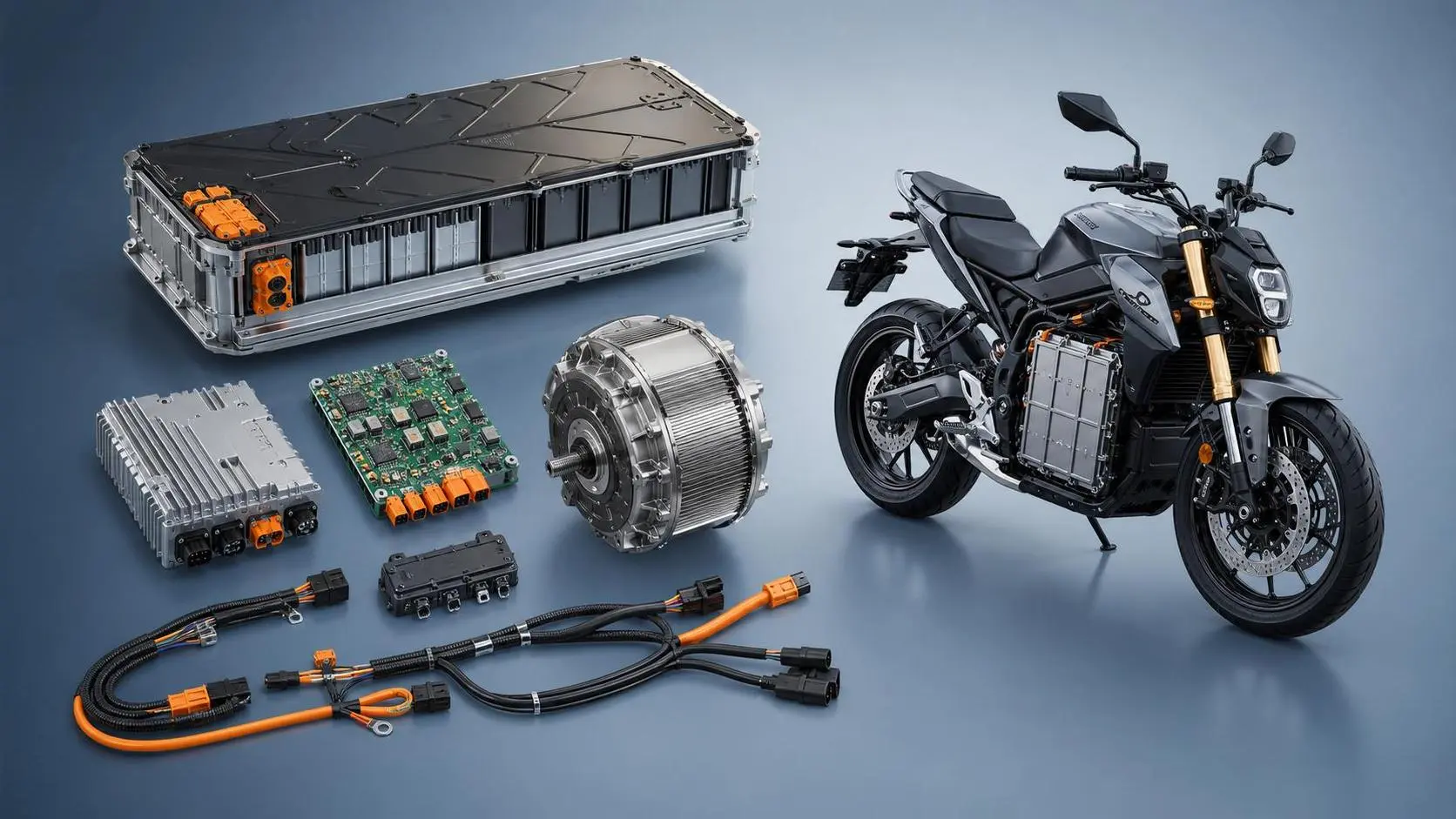
Electric Motorcycle Systems Price Breakdown: What Affects Cost From Battery to Controller?
Electric motorcycle systems price explained: see how battery, controller, motor, BMS, and wiring affect total cost, reliability, and sourcing value before you buy.
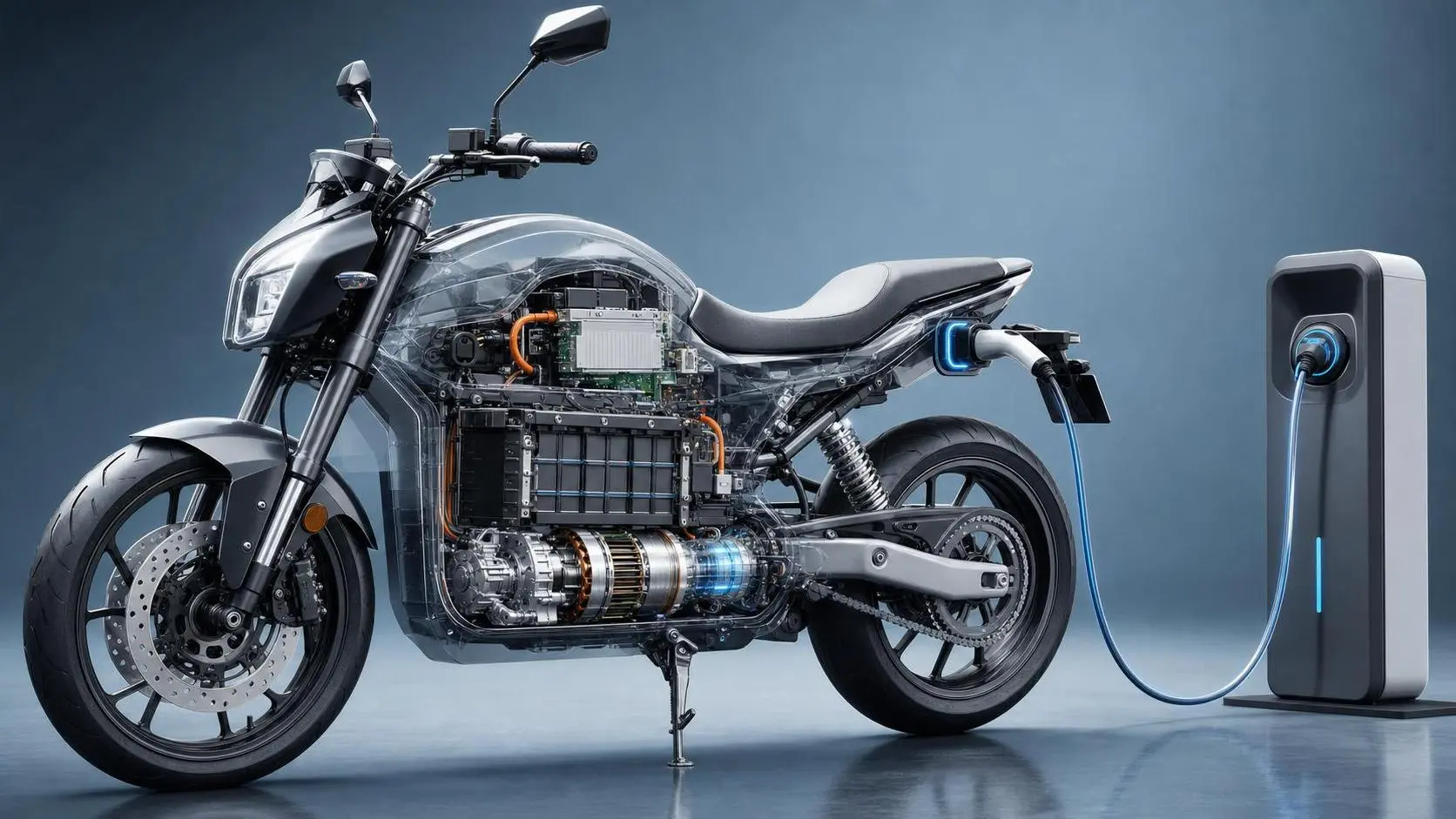
72V Electric Motorcycle Technology Explained: Motors, Controllers, Range, and Charging
Electric motorcycle technology 72V explained clearly: compare motors, controllers, range, battery design, and charging to choose a smoother, stronger, and smarter electric ride.

Where LED Urban Visibility Safety Systems Fit Best in Shared Scooters and City E-bikes
LED urban visibility safety systems deliver the most value in shared scooters and city e-bikes by improving multi-angle safety, fleet durability, and urban compliance across real-world routes.
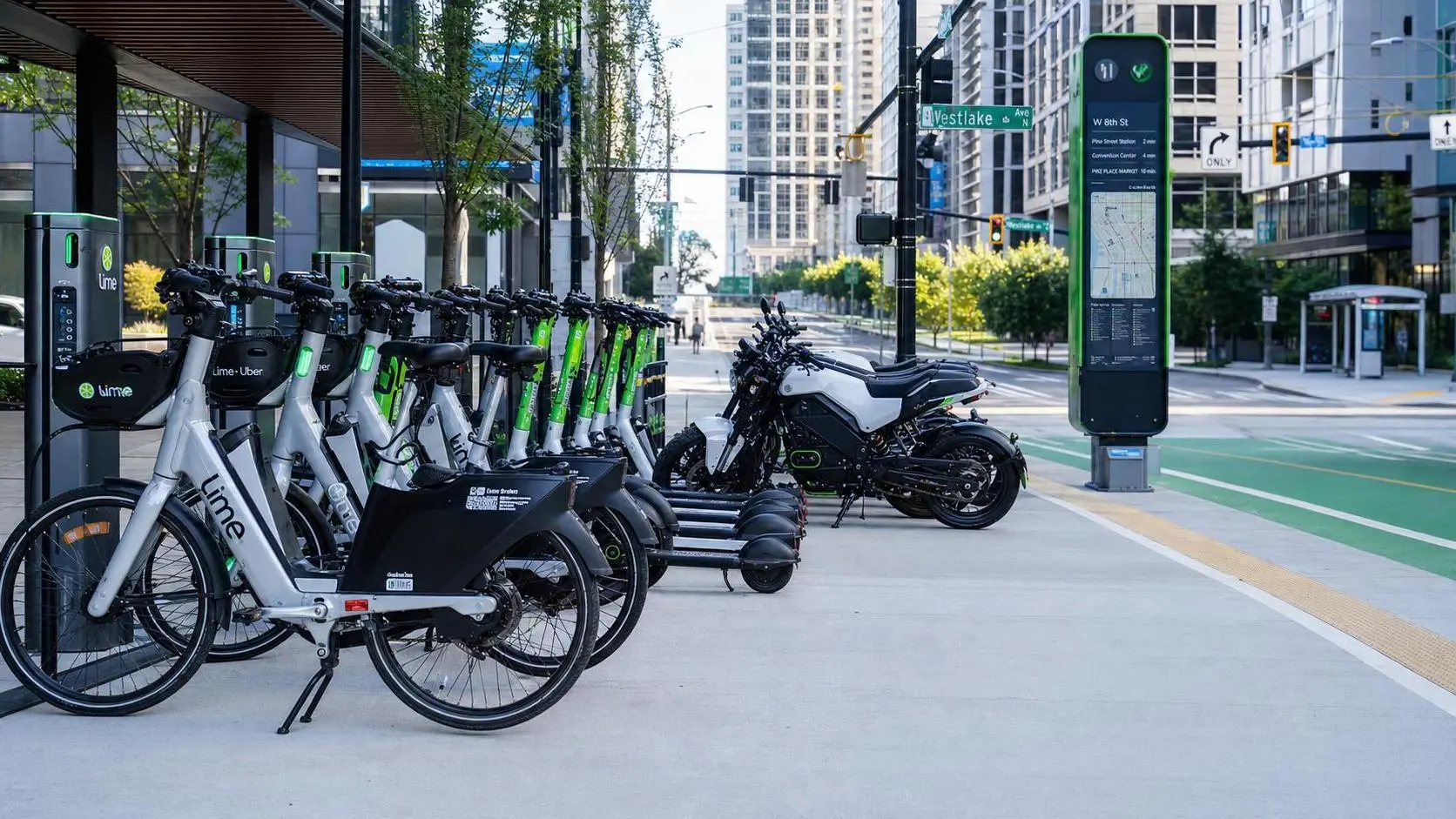
Intellectualization of Mobility in North America: What Is Driving Adoption Across Urban Transport?
Intellectualization of mobility North America is reshaping urban transport through data, smart fleets, and battery intelligence. Explore what is driving adoption and why cities and operators are accelerating now.
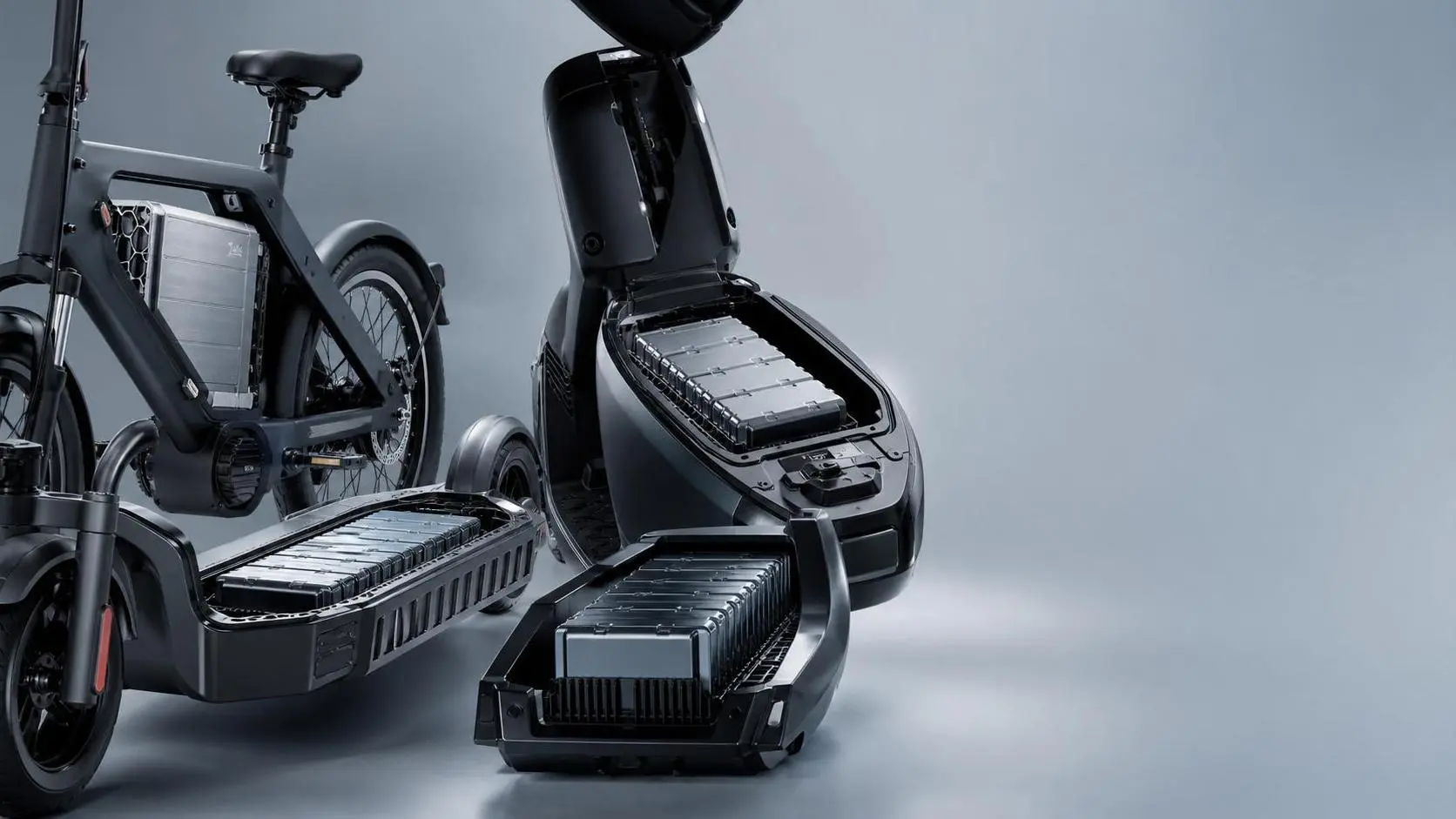
How to Choose a Compact Battery Pack: Size, Energy Density, Thermal Design, and Cycle Life
Compact battery pack selection starts with more than size. Learn how energy density, thermal design, and cycle life shape range, safety, and long-term value.
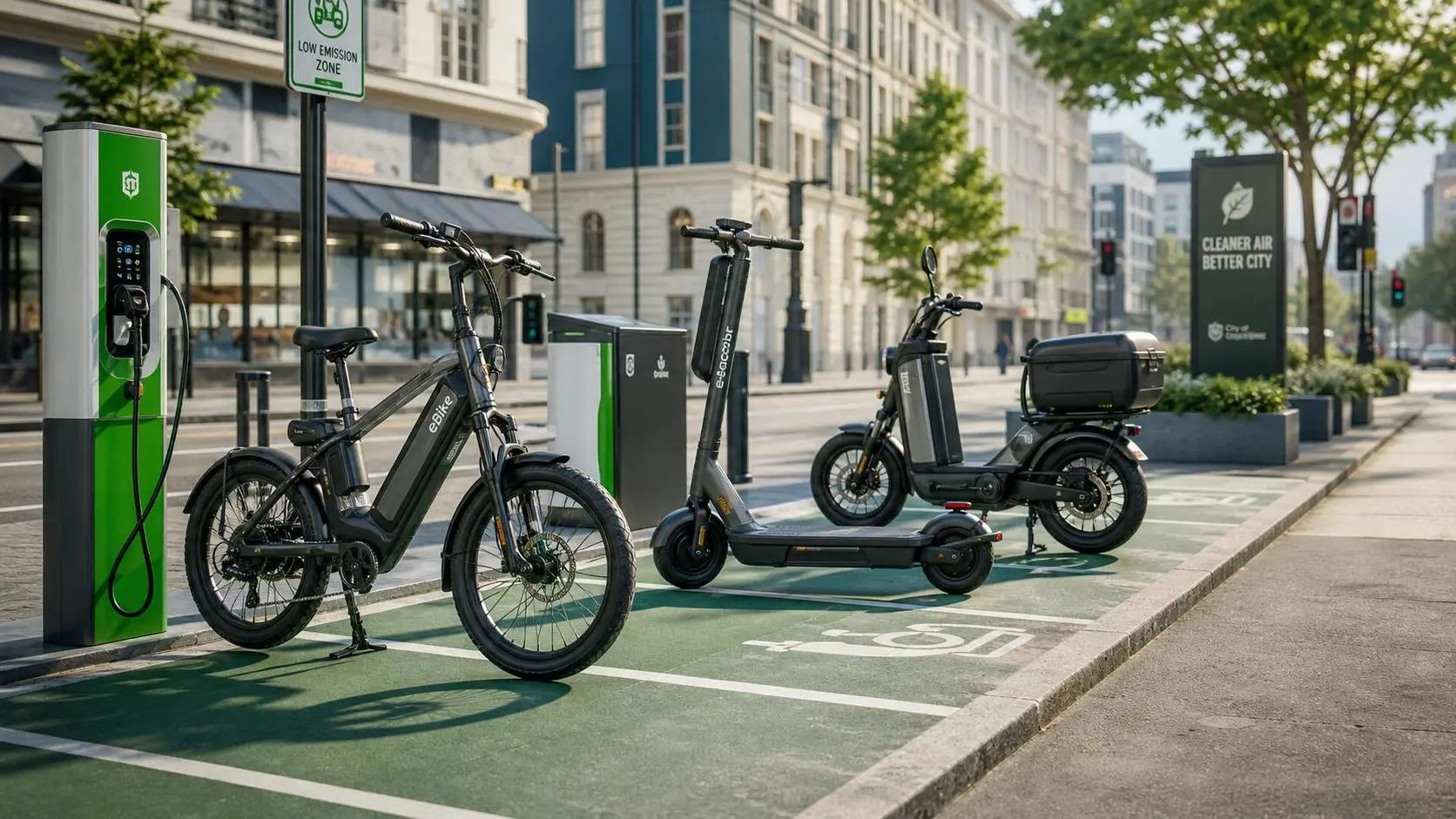
What Is Driving Green Two-wheelers Demand in Europe? Policy, Fuel Costs, and Buyer Segments
Green two-wheelers demand Europe is rising as policy support, fuel cost pressure, and diverse buyer segments reshape urban mobility. Explore the trends driving the next growth wave.