
Related News
- 00
0000-00
Electric Drivetrain Systems Factory Audit Checklist: Key Quality Points Before Sourcing - 00
0000-00
Electric Drivetrain Components Explained: Key Parts, Functions, and Failure Points - 00
0000-00
How to Evaluate a Drivetrain Architecture Provider for E-bike and Scooter Programs - 00
0000-00
Precision Drivetrain Tuning Explained: Key Adjustments for Smoother Shifting - 00
0000-00
Powertrain Heat Management Explained: Key Design Factors for EV Efficiency and Battery Life
Precision Drivetrain Architect
Weekly Insights
Stay ahead with our curated technology reports delivered every Monday.
Bicycle Derailleur Selection: Gear Range, Cage Length, and Compatibility





Choosing the right bicycle derailleur is now a strategic service decision, not a simple replacement task.
As urban commuting, e-bike use, and performance cycling diversify, drivetrain expectations are rising quickly.
A compatible bicycle derailleur improves shifting accuracy, protects chains and cassettes, and reduces workshop adjustment time.
The core challenge is matching gear range, cage length, chain capacity, cassette size, shifter type, and frame standards precisely.
This matters across daily commuter bikes, cargo e-bikes, gravel setups, mountain bikes, and high-efficiency urban mobility fleets.
Bicycle Derailleur Selection Is Changing With Wider Gear Ranges
The modern bicycle derailleur faces a broader operating window than older mechanical drivetrains.
Compact road cassettes, wide-range gravel systems, and large mountain bike sprockets now coexist in aftermarket service.
E-bike torque also increases drivetrain stress, especially during low-cadence starts and loaded urban riding.
This creates a clear trend: a bicycle derailleur must be evaluated as part of a complete transmission system.
A derailleur that looks similar may fail when cassette range, chain growth, or shifter pull ratio differs.
Trend signal: compatibility errors are becoming more expensive
A mismatched bicycle derailleur can still shift on a repair stand, but fail under real load.
Common symptoms include chain drop, poor indexing, pulley noise, slow downshifts, and excessive drivetrain wear.
For e-bikes, those issues can become more severe because motor assistance magnifies chain tension.
For urban fleets, compatibility mistakes increase service visits and reduce vehicle availability.
The Main Forces Driving Bicycle Derailleur Specification Changes
Several market and technical forces are reshaping bicycle derailleur selection standards.
The shift is driven by rider expectations, electrification, cassette expansion, and frame design changes.
These forces make bicycle derailleur selection more technical, especially when mixed-brand components appear on one bike.
The safest approach is to verify specifications before installation, not after shifting problems appear.
Gear Range Is the First Compatibility Check
Gear range defines how much chain movement a bicycle derailleur must manage across the cassette.
The first number to check is the largest rear sprocket supported by the derailleur.
A road derailleur designed for a 30T sprocket may not clear a 40T gravel cassette.
Even if the chain reaches the sprocket, pulley angle and B-gap may become unstable.
The second number is total drivetrain capacity, often called chain wrap capacity.
- Capacity equals front tooth difference plus rear tooth difference.
- A 50/34 crank has a 16-tooth front difference.
- An 11-34 cassette has a 23-tooth rear difference.
- Total capacity is 39 teeth in that setup.
If the bicycle derailleur capacity is too low, the chain may slacken in small-small combinations.
If chain length is shortened to hide slack, big-big combinations may overload the drivetrain.
Cage Length Reflects the Real Operating Demands
Cage length determines how much chain slack a bicycle derailleur can absorb.
Short cages usually suit close-ratio road cassettes and single-purpose performance setups.
Medium cages are common on endurance road, gravel, and versatile commuter bicycles.
Long cages handle larger ranges, especially mountain bikes, touring bikes, and many utility e-bikes.
A longer cage is not automatically better for every bicycle derailleur application.
Excess cage length can reduce crispness, increase impact exposure, and add unnecessary chain motion.
The best choice balances required capacity with stability, clearance, and riding environment.
Shifter Type and Pull Ratio Decide Indexing Accuracy
A bicycle derailleur must match the shifter’s indexing system and cable pull ratio.
Two derailleurs may support the same cassette size but move different distances per cable click.
This is why mixing road, mountain, and hybrid components requires careful verification.
Speed count also matters, because cog spacing differs across 8, 9, 10, 11, and 12-speed systems.
Electronic systems add another layer of bicycle derailleur compatibility.
Battery condition, motor calibration, firmware version, and wireless pairing can all affect shifting quality.
Workshop checks before installation
- Confirm drivetrain speed count and cassette spacing.
- Check shifter family and derailleur actuation ratio.
- Inspect hanger alignment before fine tuning.
- Verify cable friction, housing length, and routing.
- For electronic shifting, confirm battery and firmware status.
Many bicycle derailleur complaints begin with hanger misalignment, not component failure.
A small hanger deviation can cause poor indexing across the cassette.
Frame Standards and Hanger Geometry Are Gaining Importance
Frame geometry now plays a larger role in bicycle derailleur performance.
Thru-axle frames, direct-mount hangers, replaceable hangers, and compact rear triangles can alter derailleur position.
Some modern systems are designed around specific hanger standards or direct frame interfaces.
Using adapters may work, but only when pulley alignment and B-gap remain correct.
For cargo e-bikes, chainstay length and load profile also affect chain stability.
For folding bikes, compact frame layouts may require shorter cages and stricter clearance checks.
Impact Across Urban Mobility, E-Bikes, and Performance Riding
The bicycle derailleur affects different riding segments in different ways.
Urban commuters value low maintenance, quiet operation, and predictable shifting in stop-start traffic.
E-bike users need durable engagement under higher torque and heavier system weight.
Performance cyclists prioritize low friction, sharp shifts, weight efficiency, and cassette optimization.
Fleet operations focus on standardization, repair speed, and predictable spare part stocking.
- Commuter bikes benefit from robust mid-range derailleur choices.
- Cargo e-bikes need capacity, chain control, and durable pulley hardware.
- Gravel bikes need wide-range support without unstable chain movement.
- Road bikes need tight indexing and efficient chainline behavior.
- Mountain bikes need clutch control and impact-resistant construction.
These differences explain why one bicycle derailleur model cannot serve every use case effectively.
Key Points to Watch Before Choosing a Bicycle Derailleur
A reliable selection process starts with measured facts, not visual similarity.
The following checkpoints reduce installation errors and improve long-term drivetrain reliability.
- Check maximum sprocket size against the derailleur specification.
- Calculate total capacity before selecting cage length.
- Match shifter actuation, speed count, and drivetrain family.
- Inspect hanger straightness before diagnosing shifting faults.
- Confirm chain length using the actual installed cassette.
- Set B-gap under real gear conditions, not by estimation.
- Consider clutch function for rough roads or 1x drivetrains.
- For e-bikes, prioritize strength and chain retention stability.
A bicycle derailleur should be selected after cassette, crankset, shifter, hanger, and riding purpose are known.
Practical Selection Logic for Future Drivetrain Decisions
Future bicycle derailleur decisions will increasingly follow system-level logic.
This is especially true as wireless shifting, connected diagnostics, and e-bike drivetrains expand.
The next step is building repeatable service standards for bicycle derailleur assessment.
Document cassette size, chainring combination, shifter model, hanger type, and rider use case before ordering parts.
After installation, test shifting under load whenever possible, especially on e-bikes and utility bicycles.
UMMS continues to track drivetrain evolution across micro-mobility, e-bikes, and precision bicycle components.
For smoother service decisions, treat every bicycle derailleur as one node in a connected mobility system.
Start with compatibility data, confirm mechanical alignment, and choose the derailleur that supports the rider’s real operating range.
Related News
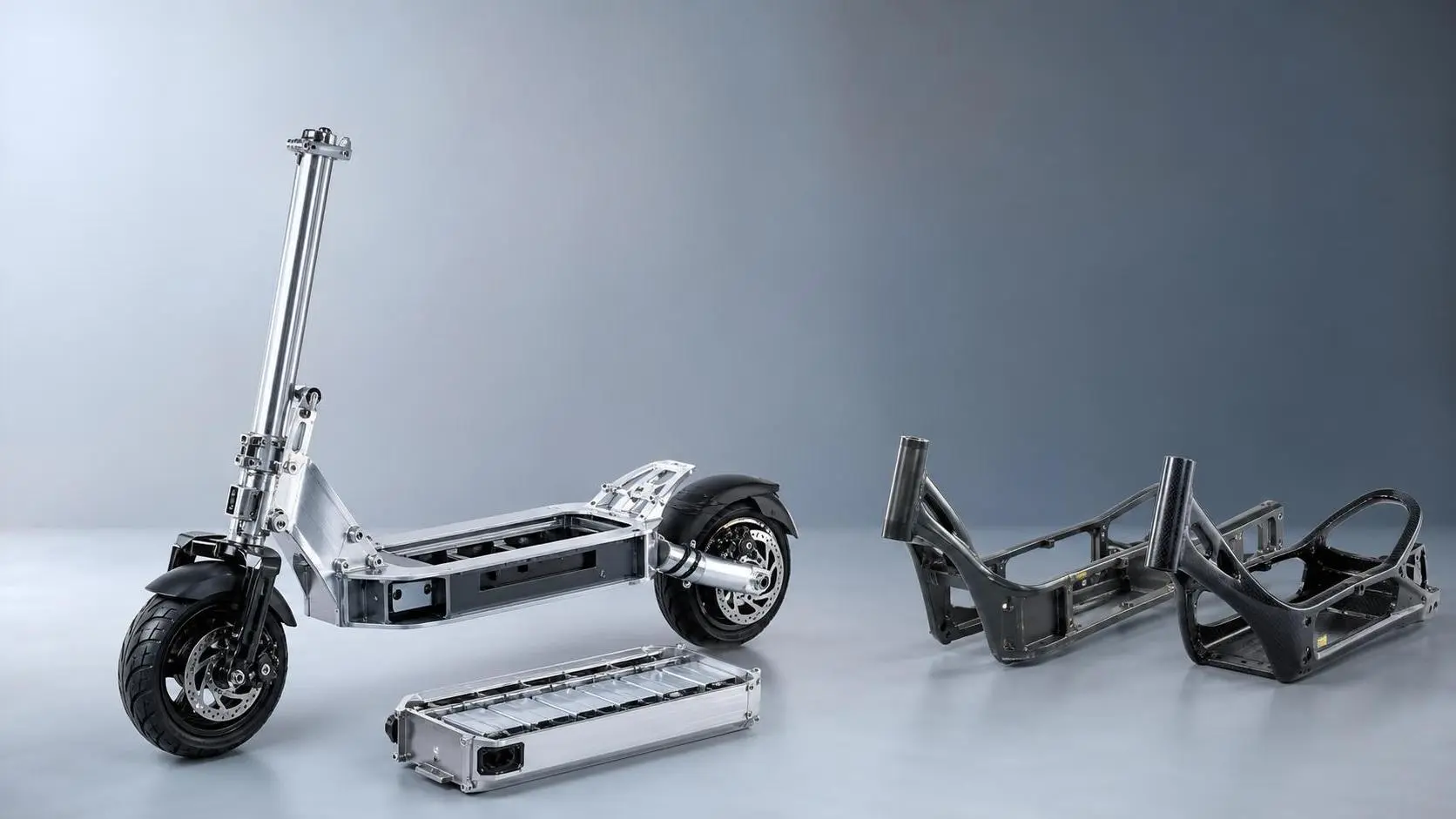
How to Choose Lightweight Scooter Frames in Europe: Materials, Standards, and Use Cases
Lightweight scooter frames Europe buyers need should balance materials, EN standards, durability, and real use cases. Discover how to choose safer, smarter, compliant frames.
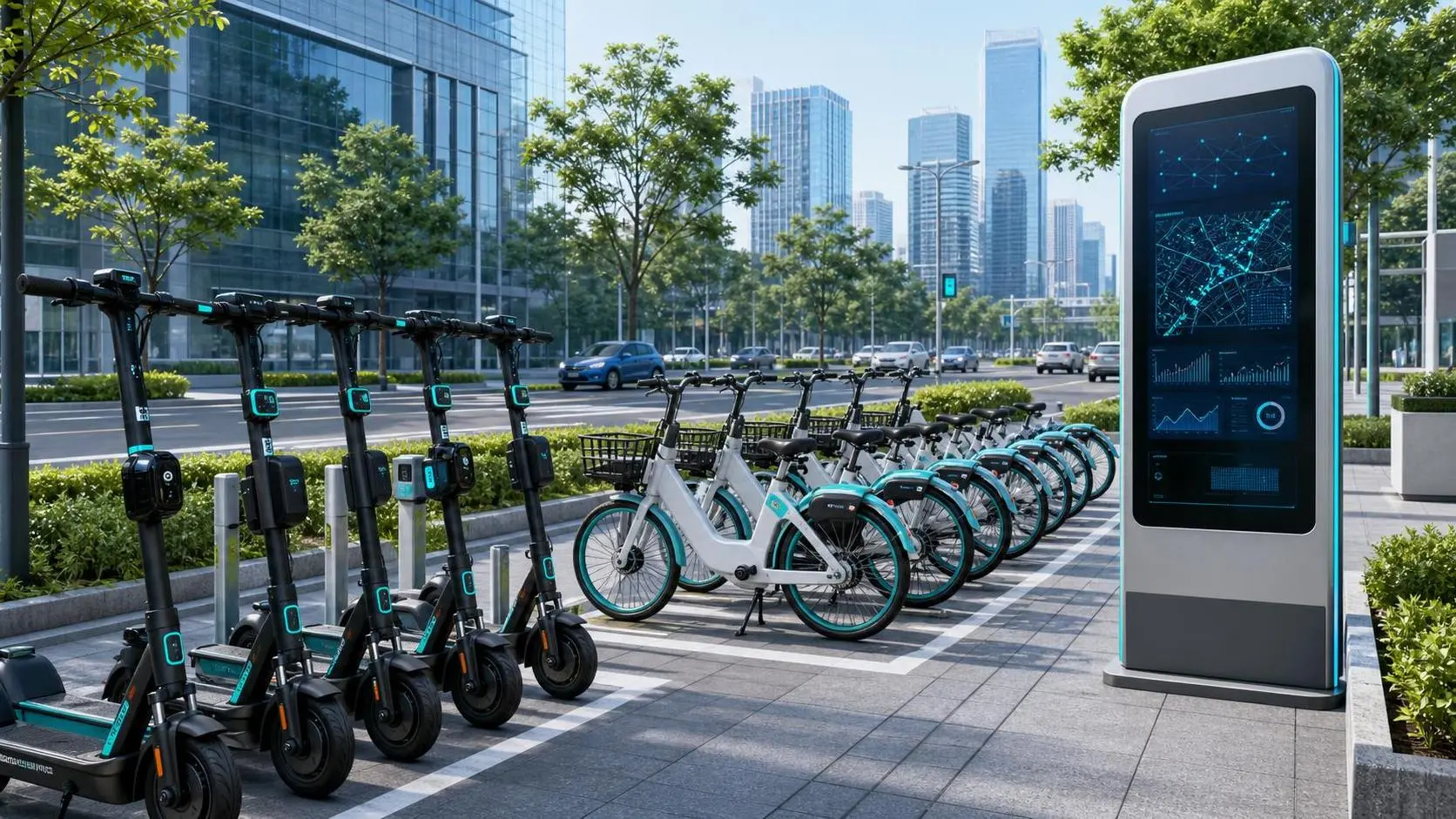
What Is the Intellectualization of Mobility Platform and How Is It Applied in Shared Fleets?
Intellectualization of mobility platform is reshaping shared fleets with real-time data, predictive maintenance, and smarter compliance—learn how it boosts safety, uptime, and urban mobility efficiency.
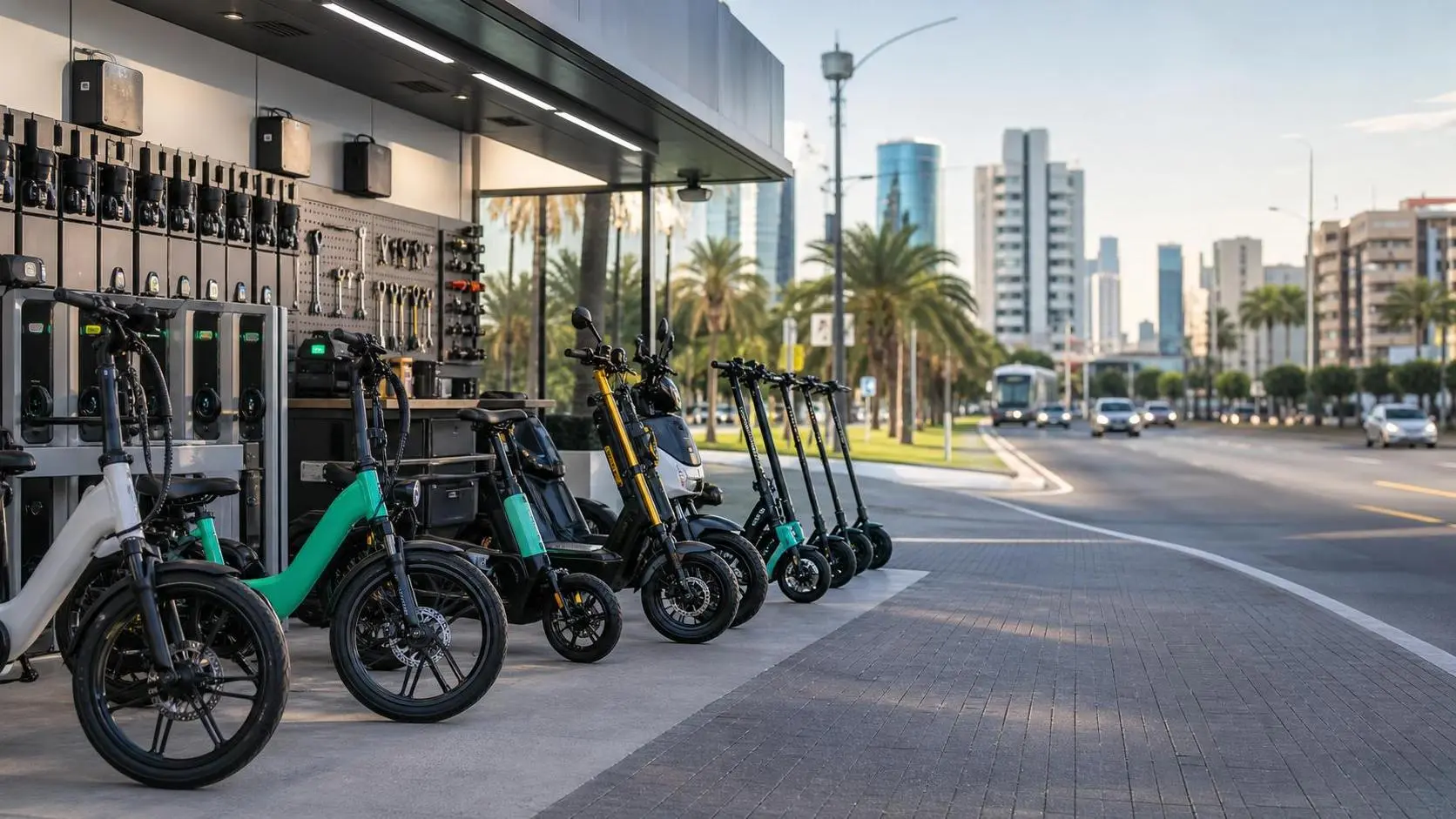
Urban Micro-Mobility Systems in Latin America: Key Market Drivers, Barriers, and Growth Segments
Urban micro-mobility systems Latin America are reshaping city transport. Explore key drivers, barriers, and high-growth segments to spot the region’s most investable opportunities.
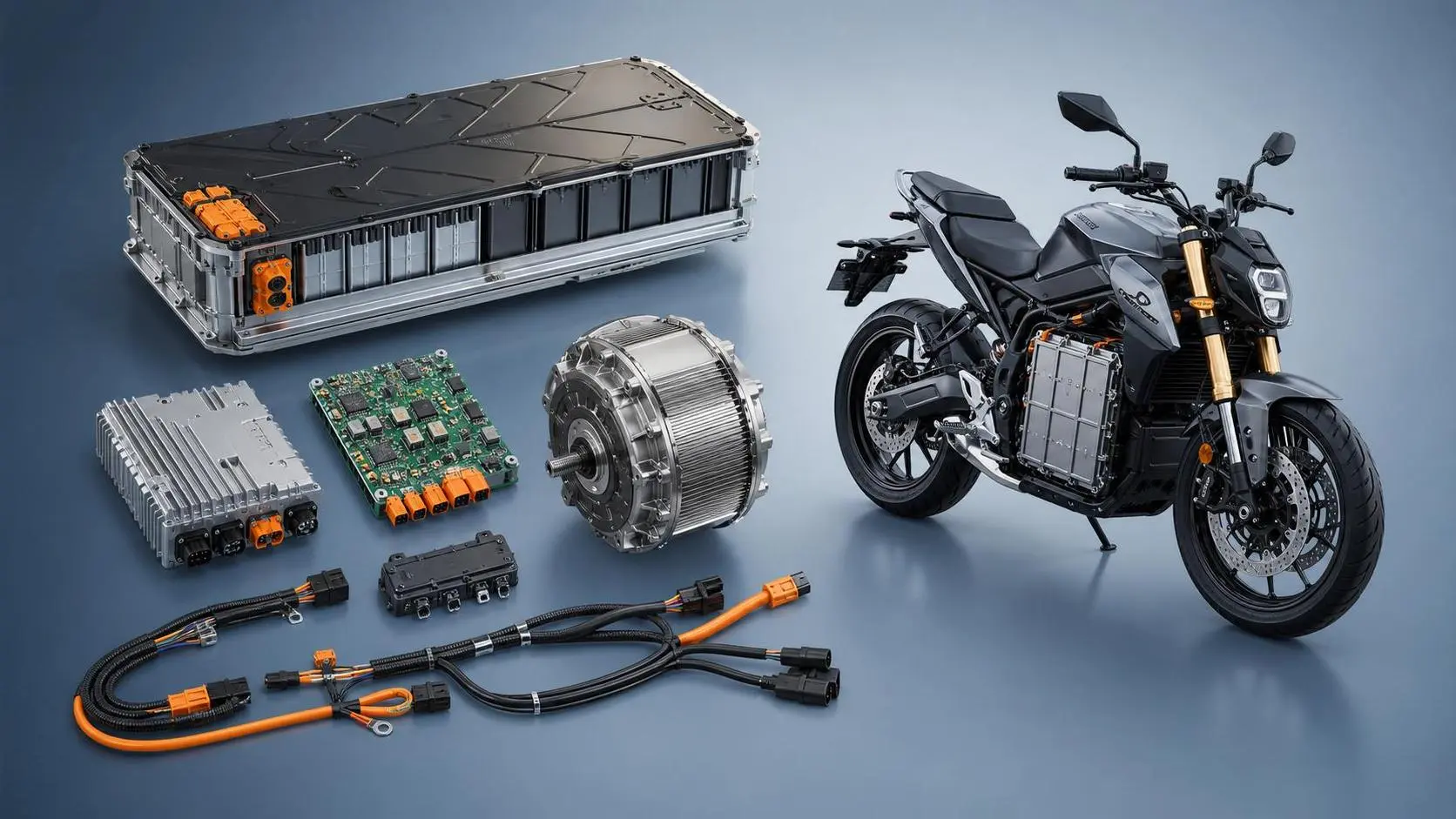
Electric Motorcycle Systems Price Breakdown: What Affects Cost From Battery to Controller?
Electric motorcycle systems price explained: see how battery, controller, motor, BMS, and wiring affect total cost, reliability, and sourcing value before you buy.
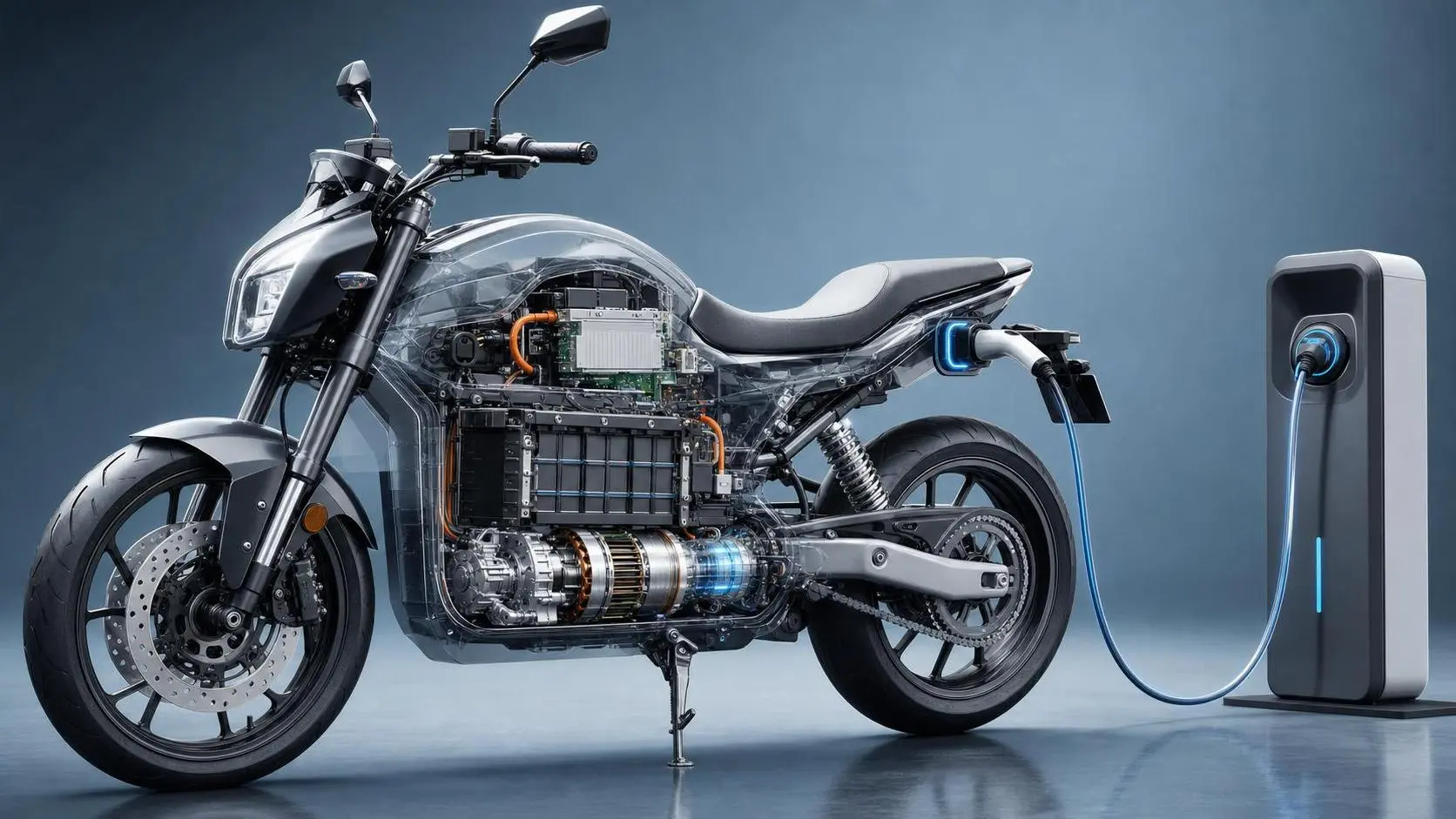
72V Electric Motorcycle Technology Explained: Motors, Controllers, Range, and Charging
Electric motorcycle technology 72V explained clearly: compare motors, controllers, range, battery design, and charging to choose a smoother, stronger, and smarter electric ride.

Where LED Urban Visibility Safety Systems Fit Best in Shared Scooters and City E-bikes
LED urban visibility safety systems deliver the most value in shared scooters and city e-bikes by improving multi-angle safety, fleet durability, and urban compliance across real-world routes.
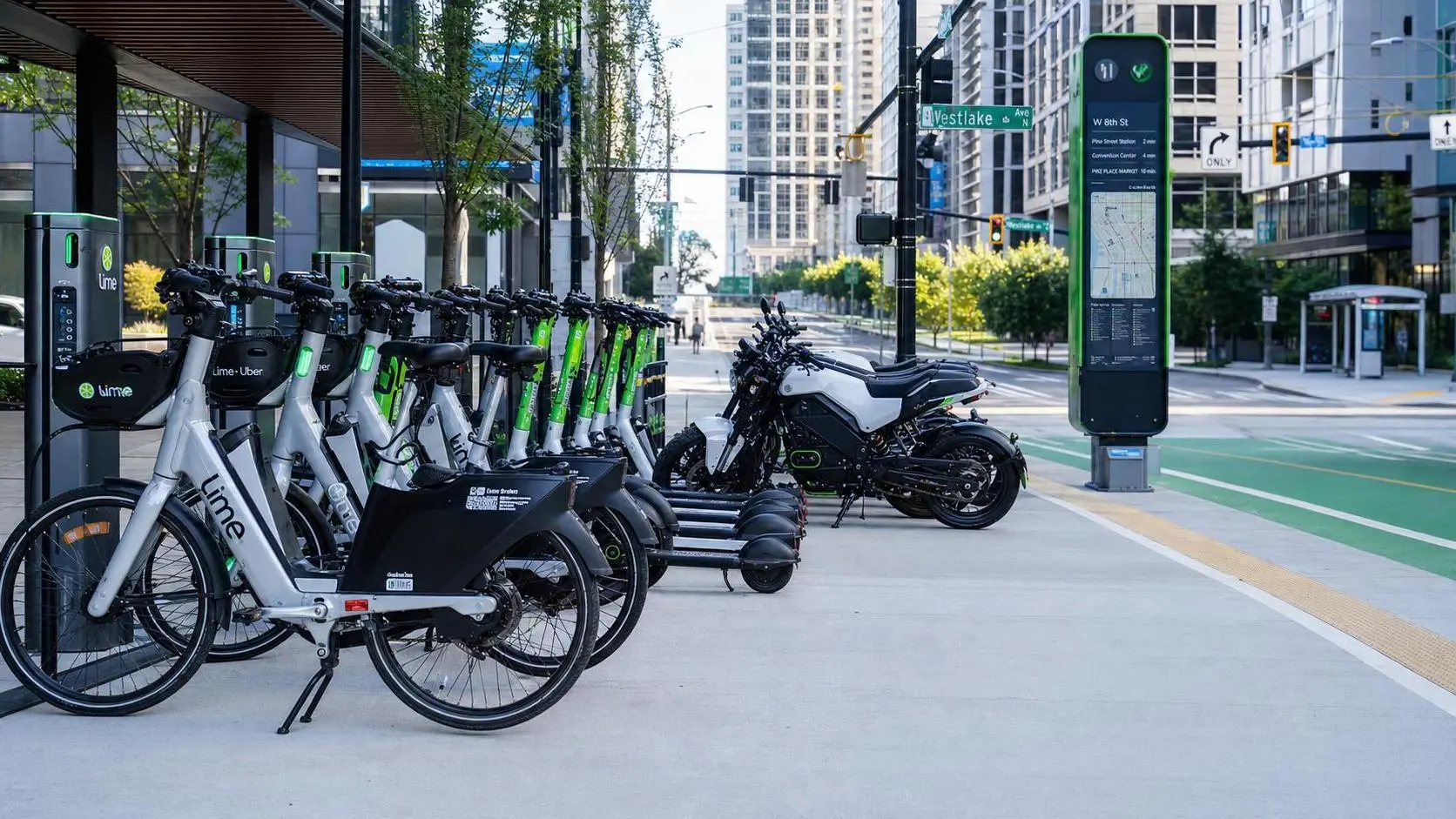
Intellectualization of Mobility in North America: What Is Driving Adoption Across Urban Transport?
Intellectualization of mobility North America is reshaping urban transport through data, smart fleets, and battery intelligence. Explore what is driving adoption and why cities and operators are accelerating now.
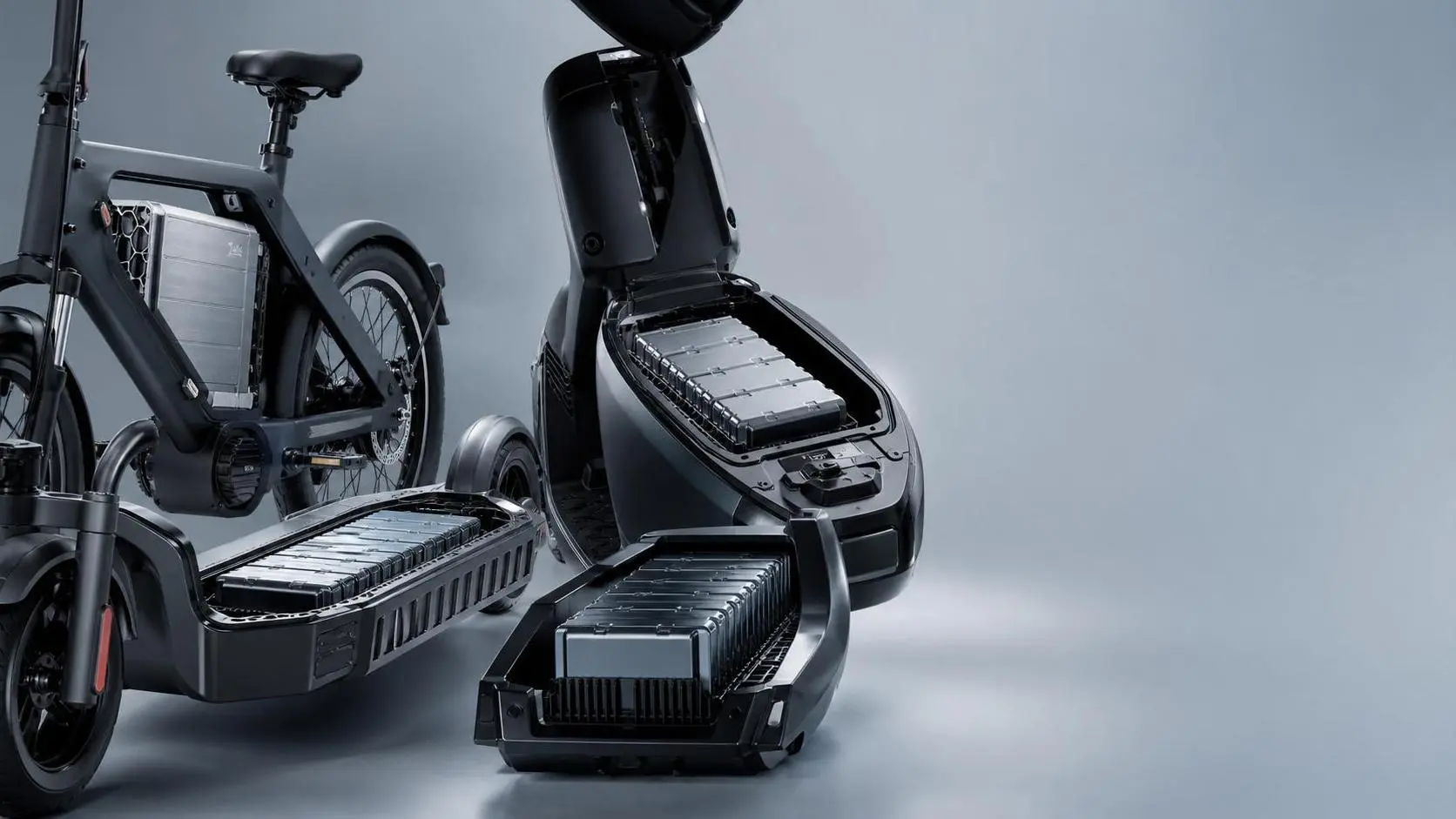
How to Choose a Compact Battery Pack: Size, Energy Density, Thermal Design, and Cycle Life
Compact battery pack selection starts with more than size. Learn how energy density, thermal design, and cycle life shape range, safety, and long-term value.
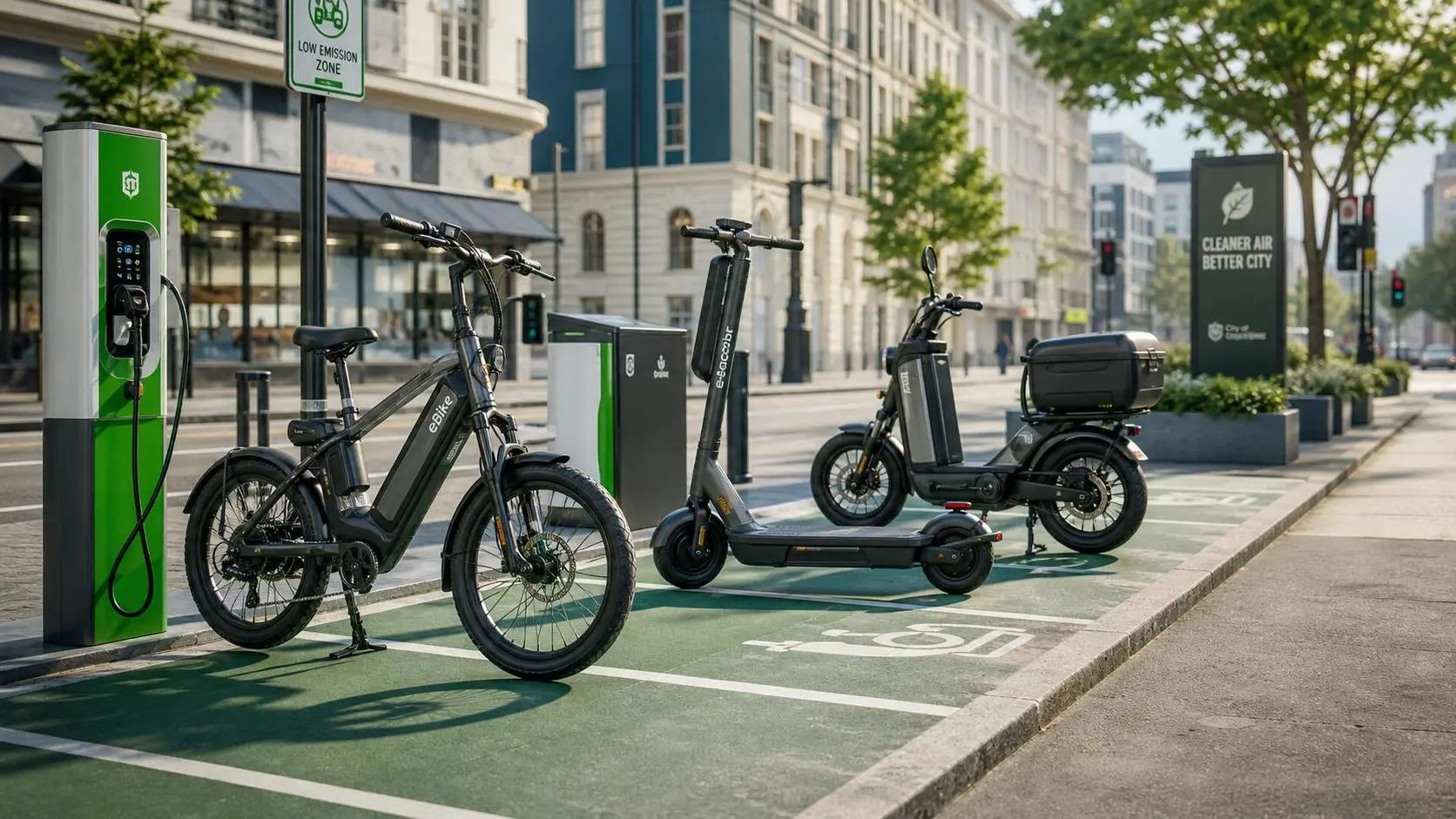
What Is Driving Green Two-wheelers Demand in Europe? Policy, Fuel Costs, and Buyer Segments
Green two-wheelers demand Europe is rising as policy support, fuel cost pressure, and diverse buyer segments reshape urban mobility. Explore the trends driving the next growth wave.