
Related News
- 00
0000-00
Electric Drivetrain Systems Factory Audit Checklist: Key Quality Points Before Sourcing - 00
0000-00
Electric Drivetrain Components Explained: Key Parts, Functions, and Failure Points - 00
0000-00
How to Evaluate a Drivetrain Architecture Provider for E-bike and Scooter Programs - 00
0000-00
Precision Drivetrain Tuning Explained: Key Adjustments for Smoother Shifting - 00
0000-00
Powertrain Heat Management Explained: Key Design Factors for EV Efficiency and Battery Life
Precision Drivetrain Architect
Weekly Insights
Stay ahead with our curated technology reports delivered every Monday.
How does a bicycle derailleur affect shifting accuracy?





A bicycle derailleur plays a decisive role in how accurately and smoothly your bike shifts under real riding conditions. For everyday riders, commuters, and operators, even small issues in derailleur alignment, cable tension, hanger position, or chain compatibility can lead to delayed shifts, chain rub, or missed gear changes. Understanding how this precision component guides the chain across the cassette helps you diagnose shifting problems faster, maintain drivetrain efficiency, and enjoy a safer, more responsive ride.
In modern urban micro-mobility, the bicycle derailleur is no longer just a small mechanical part on a rear dropout. It is a control point for rider confidence, energy efficiency, component life, and fleet operating cost. Whether fitted to a commuter bicycle, an e-bike used for delivery, or a performance urban bike, shifting accuracy affects how consistently power moves from the pedals to the rear wheel.
Why the Bicycle Derailleur Determines Shifting Accuracy
A bicycle derailleur moves the chain sideways across sprockets, but accurate shifting depends on far more than side movement. The derailleur must position the guide pulley within a narrow tolerance, often close to ±0.5 mm, while the chain is under changing load, vibration, and wheel movement.
For riders and operators, the result is practical. A well-adjusted bicycle derailleur delivers a crisp shift within one lever action. A poorly adjusted unit may hesitate for 1–3 crank rotations, skip under torque, or create noise that masks early drivetrain wear.
The 4 Mechanical Functions Behind a Clean Shift
A rear derailleur performs 4 essential functions at once: indexing, chain guidance, chain tension management, and sprocket clearance control. If one function is outside range, the entire system feels imprecise even if the shifter and cassette are new.
- Indexing aligns each click of the shifter with one cassette sprocket.
- The guide pulley steers the chain toward the target gear during the shift.
- The cage keeps chain slack controlled across small and large sprockets.
- The B-gap sets pulley-to-cassette clearance, commonly checked in millimeters.
How Real Riding Conditions Change Shift Quality
On a workshop stand, a bicycle derailleur may shift acceptably. On the road, accuracy is tested by mud, potholes, rider load, e-bike motor torque, and repeated stop-start acceleration. These conditions expose small setup errors quickly.
For delivery riders completing 40–80 gear changes per hour in dense traffic, delayed shifting is more than an inconvenience. It can increase fatigue, reduce cadence control, and accelerate chain and sprocket wear over a 2–4 week operating cycle.
The table below explains the main derailleur-related variables that commonly affect shift accuracy in urban, commuter, and e-bike applications.
The key conclusion is simple: accurate shifting is a system outcome. The bicycle derailleur is central, but its precision depends on hanger geometry, shifter indexing, cable condition, cassette design, chain wear, and rider load.
Common Causes of Inaccurate Shifting in Daily Operation
Most shifting problems are not caused by a complete derailleur failure. They are usually caused by small deviations that accumulate over time. A commuter may notice one noisy gear first, then two missed shifts, then chain skipping during a climb.
For fleet operators, identifying these patterns early reduces downtime. A 10-minute inspection can prevent a roadside issue that may cost 1–2 hours in retrieval, repair, and rider disruption.
Cable Tension, Housing Friction, and Index Drift
Mechanical shifting depends on cable movement. If housing is contaminated, compressed, or routed with tight bends, the bicycle derailleur may not return consistently. A quarter-turn at the barrel adjuster can sometimes restore accuracy, but only when the system is clean.
Cable stretch is often noticed during the first 100–300 km after installation. In humid or winter environments, corrosion and grit may increase friction sooner, especially on bikes stored outdoors or used for multi-stop urban delivery.
Bent Hangers and Misread Symptoms
A bent hanger is one of the most common causes of poor shifting accuracy. The bicycle derailleur may look normal from a distance, yet the guide pulley sits slightly off plane. This causes accurate shifting in some gears and poor shifting in others.
Operators should suspect hanger misalignment after a fall, side impact, transport damage, or rear wheel removal. On multi-speed e-bikes, even a minor bend can become more noticeable because motor assistance applies higher chain tension.
Quick Diagnostic Clues
- If shifting is slow toward larger sprockets, cable tension may be too low.
- If shifting overshoots toward larger sprockets, tension may be too high.
- If only 2–3 gears are noisy, check hanger alignment and cassette wear.
- If the chain skips under force, measure chain elongation before adjusting.
Chain, Cassette, and Compatibility Issues
A bicycle derailleur cannot compensate for incompatible drivetrain parts. A chain intended for 8-speed spacing will not behave correctly on many 11-speed or 12-speed drivetrains. Sprocket spacing, chain width, and pulley profile must match.
Chain elongation also matters. Many maintenance teams replace chains around 0.5% to 0.75% wear, depending on drivetrain type and operating conditions. Waiting too long can damage the cassette, multiplying replacement cost.
Mechanical, Electronic, and E-Bike Shifting Considerations
The bicycle derailleur has evolved from simple friction control to highly indexed mechanical systems and electronic shifting platforms. Each approach can deliver accuracy, but the maintenance logic and procurement criteria are different.
For urban mobility buyers, the best choice is not always the most expensive option. It is the system that matches rider skill, service capacity, duty cycle, battery strategy, and expected monthly mileage.
Comparing Shifting Systems for Operators
The following comparison helps users, workshop managers, and procurement teams evaluate derailleur systems based on operating environment rather than marketing claims.
The table shows that derailleur selection should be tied to operating risk. Mechanical systems favor easy field repair, while electronic systems can improve repeatability when riders or fleet teams follow charging and calibration routines.
Special Demands on E-Bikes
On an e-bike, the bicycle derailleur works under higher average torque. Shifting under motor assist can stress the chain and cassette if the rider does not reduce pedal pressure during gear changes.
Operators should train riders to shift before steep climbs, not during peak load. Even a 1-second easing of pedal force can improve shift quality and reduce impact noise in the drivetrain.
Practical E-Bike Setup Recommendations
- Use a derailleur capacity that matches the largest cassette sprocket and total chain wrap.
- Inspect chain wear every 500–1,000 km for high-torque utility bikes.
- Check hanger alignment after wheel removal, especially on rear-hub motor bikes.
- Confirm firmware, battery level, and micro-adjustment on electronic shifting systems.
Maintenance Workflow for Accurate, Repeatable Shifting
A systematic maintenance workflow is the fastest way to protect shifting accuracy. Random adjustment often hides the root cause, especially when chain wear, cable drag, and hanger alignment are present at the same time.
For a single commuter bike, a monthly 15-minute drivetrain check is usually enough. For commercial fleets, a staged inspection every 7–14 days may be more appropriate, depending on weather, distance, and rider turnover.
A 6-Step Field Check
- Clean the chain and derailleur pulleys before judging shift quality.
- Measure chain wear using a suitable gauge before replacing cables.
- Check the derailleur hanger for visible bending or abnormal pulley angle.
- Set high and low limit screws to prevent overshifting into the spokes or dropout.
- Adjust cable tension or electronic micro-indexing across the full cassette.
- Road test under light, moderate, and standing pedal force for confirmation.
Service Intervals That Reduce Downtime
Service intervals should reflect actual use. A leisure bike ridden 50 km per week does not need the same derailleur inspection schedule as a delivery e-bike covering 300–600 km per week.
A practical approach is to combine mileage and symptoms. If shifting noise increases, if the chain drops twice in one week, or if the rider reports delayed response, the bicycle derailleur should be checked immediately.
Maintenance Priorities by Usage Level
- Low use: inspect cable tension, chain lubrication, and pulley wear every 4–6 weeks.
- Medium use: inspect the full drivetrain every 2–4 weeks, especially after rain.
- High use: inspect derailleur alignment and chain wear every 500–1,000 km.
- Fleet use: document recurring faults to identify poor routing, weak hangers, or rider training gaps.
Selection Criteria for Riders, Operators, and Procurement Teams
Choosing a bicycle derailleur should involve more than speed count. Operators should assess cage length, maximum sprocket compatibility, spring tension, clutch design, service availability, and compatibility with the selected shifter and cassette.
For B2B buyers, a wrong specification can create repeated service tickets. A derailleur that works on a showroom bike may be unsuitable for heavy cargo loads, rental use, steep routes, or all-weather commuting.
5 Procurement Questions Before Standardizing a Derailleur
- What cassette range will the bike use, such as 11–34T, 11–42T, or wider?
- Will riders operate under high torque, motor assist, or frequent stop-start traffic?
- Can local service teams adjust the system within 10–20 minutes?
- Are replacement hangers, pulleys, cables, and batteries readily available?
- Does the derailleur match the chain width, shifter pull ratio, and speed count?
Risk Control for Urban Micro-Mobility Fleets
Fleet operators should standardize inspection records. A simple checklist can track mileage, chain wear percentage, hanger condition, cable replacement date, and customer complaints. Over 3 months, this data often reveals whether the issue is part quality, setup quality, or rider behavior.
For shared, rental, and delivery bikes, durability may matter more than low weight. A slightly heavier derailleur with stronger spring tension and a protective cage profile can reduce chain slap and improve service predictability.
Common Selection Mistakes
- Choosing by speed number only and ignoring cassette range.
- Using road derailleurs on utility e-bikes with large sprockets and high load.
- Mixing shifters and derailleurs with incompatible pull ratios.
- Skipping spare hanger planning for international bike deployments.
Frequently Asked Questions About Bicycle Derailleur Accuracy
Many riders adjust the barrel adjuster first, but accurate troubleshooting starts with symptoms. The bicycle derailleur may be blamed for problems actually caused by chain wear, cassette damage, or poor cable routing.
Can a derailleur be accurate but still noisy?
Yes. The derailleur may place the chain correctly while the chain, cassette, or chainline creates noise. Cross-chaining, dry lubrication, worn pulley teeth, or a contaminated chain can produce noise without major indexing failure.
How often should a bicycle derailleur be adjusted?
For private commuting, adjustment every 1–2 months may be sufficient if conditions are dry. High-mileage e-bikes or cargo bikes may need inspection every 500–1,000 km, especially in rain, dust, or winter road contamination.
Does electronic shifting eliminate derailleur problems?
No. Electronic shifting removes cable friction and improves repeatability, but it still depends on hanger alignment, chain condition, cassette compatibility, battery charge, and correct setup. It reduces some risks, not all risks.
When should the derailleur be replaced rather than adjusted?
Replacement is sensible when the cage is bent, pivots have excessive play, pulley teeth are badly worn, or the return spring is weak. If repeated tuning fails within a few rides, component wear should be investigated.
Turning Shifting Accuracy Into Riding and Operating Value
A bicycle derailleur affects shifting accuracy by controlling chain position, tension, clearance, and response timing. When setup is correct, the rider gets faster gear changes, lower drivetrain noise, and better cadence control across varied terrain.
For operators, accurate shifting also supports lower maintenance cost, fewer roadside failures, and longer drivetrain service life. The best results come from matching the derailleur to the cassette, chain, rider workload, and service environment.
UMMS helps mobility teams, component suppliers, and operators interpret drivetrain requirements within the wider urban micro-mobility ecosystem. To compare derailleur solutions, refine service standards, or assess e-bike drivetrain risks, contact us to discuss product details and get a tailored technical recommendation.
Related News
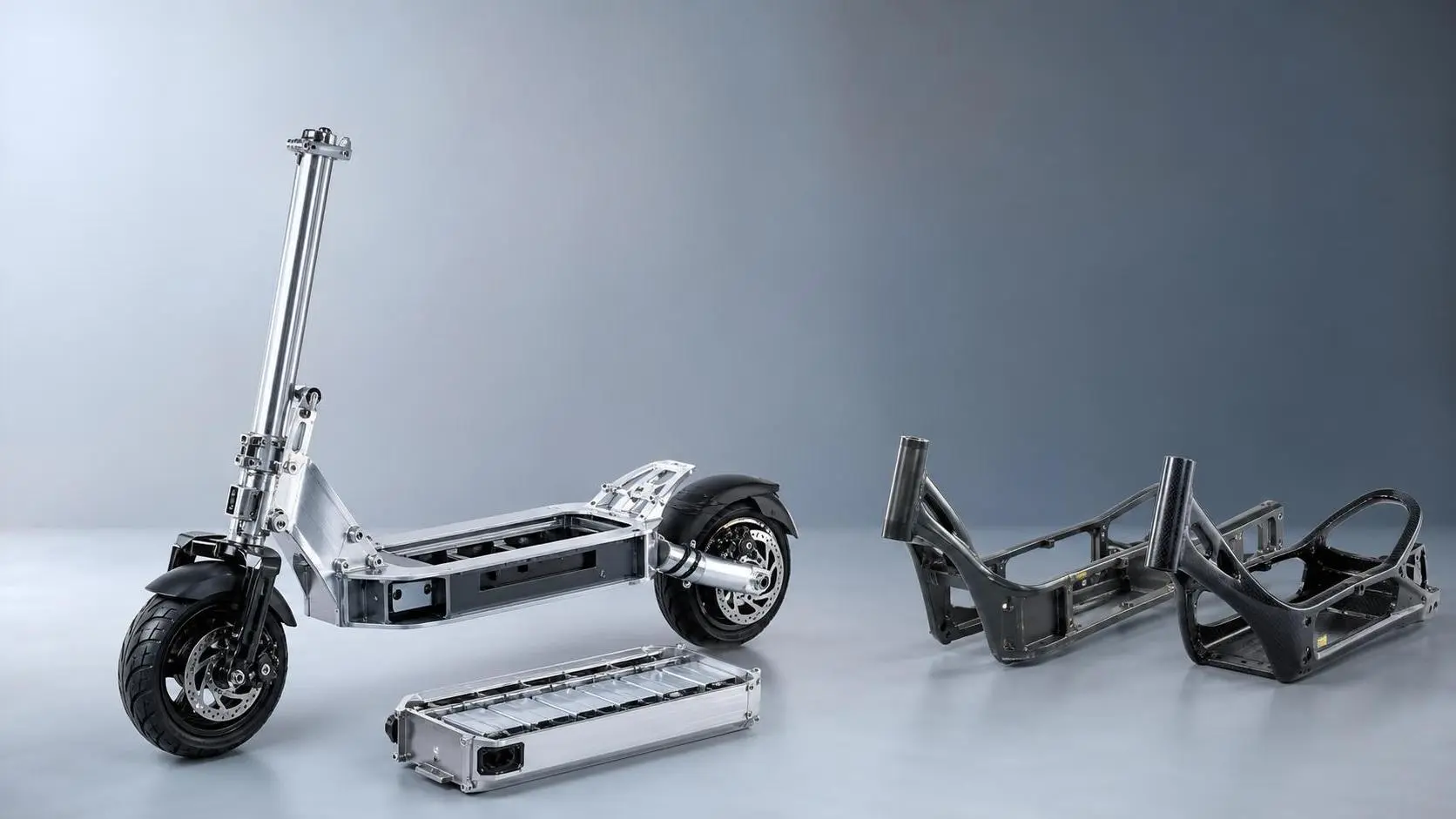
How to Choose Lightweight Scooter Frames in Europe: Materials, Standards, and Use Cases
Lightweight scooter frames Europe buyers need should balance materials, EN standards, durability, and real use cases. Discover how to choose safer, smarter, compliant frames.

What Is the Intellectualization of Mobility Platform and How Is It Applied in Shared Fleets?
Intellectualization of mobility platform is reshaping shared fleets with real-time data, predictive maintenance, and smarter compliance—learn how it boosts safety, uptime, and urban mobility efficiency.
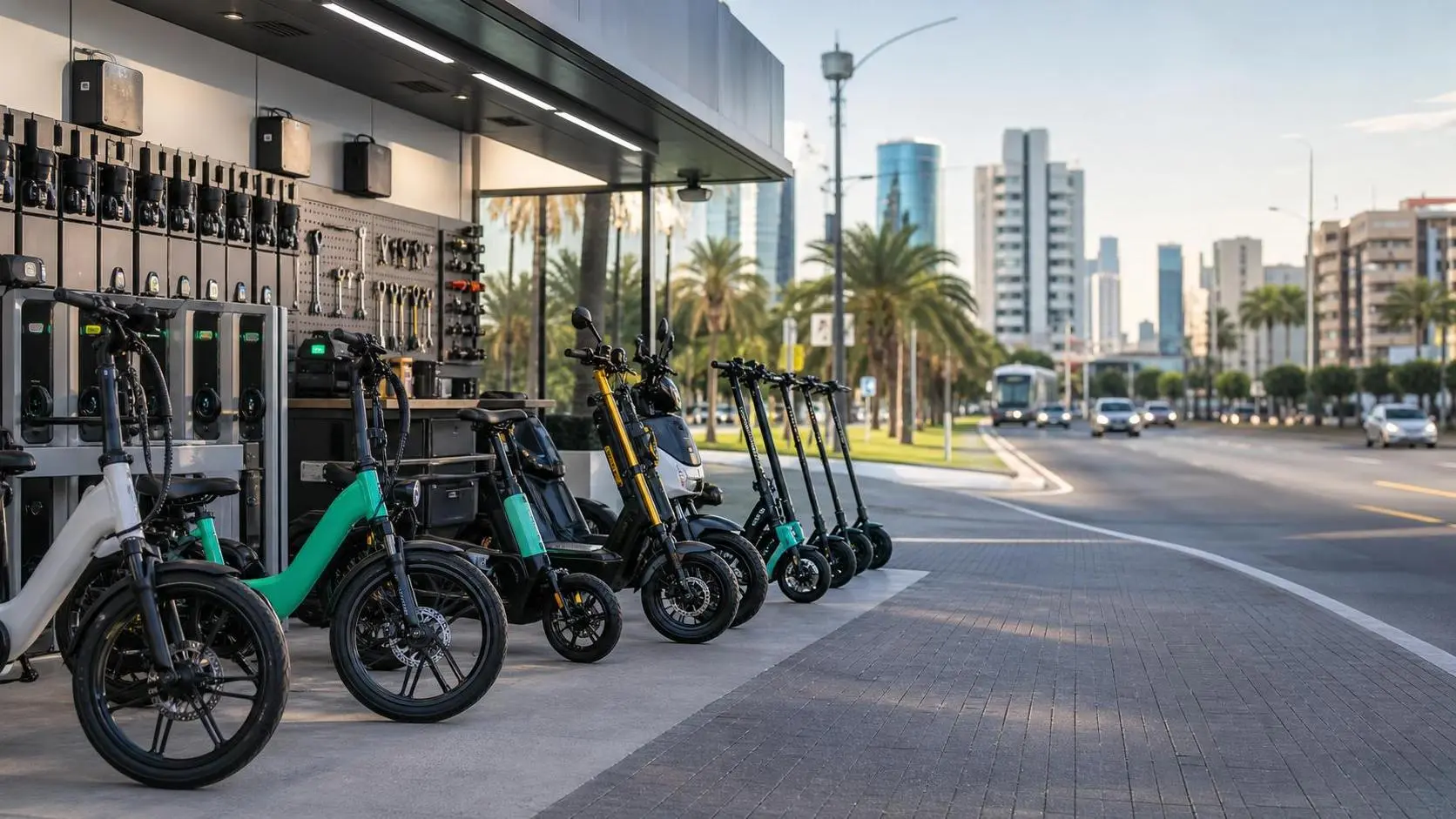
Urban Micro-Mobility Systems in Latin America: Key Market Drivers, Barriers, and Growth Segments
Urban micro-mobility systems Latin America are reshaping city transport. Explore key drivers, barriers, and high-growth segments to spot the region’s most investable opportunities.
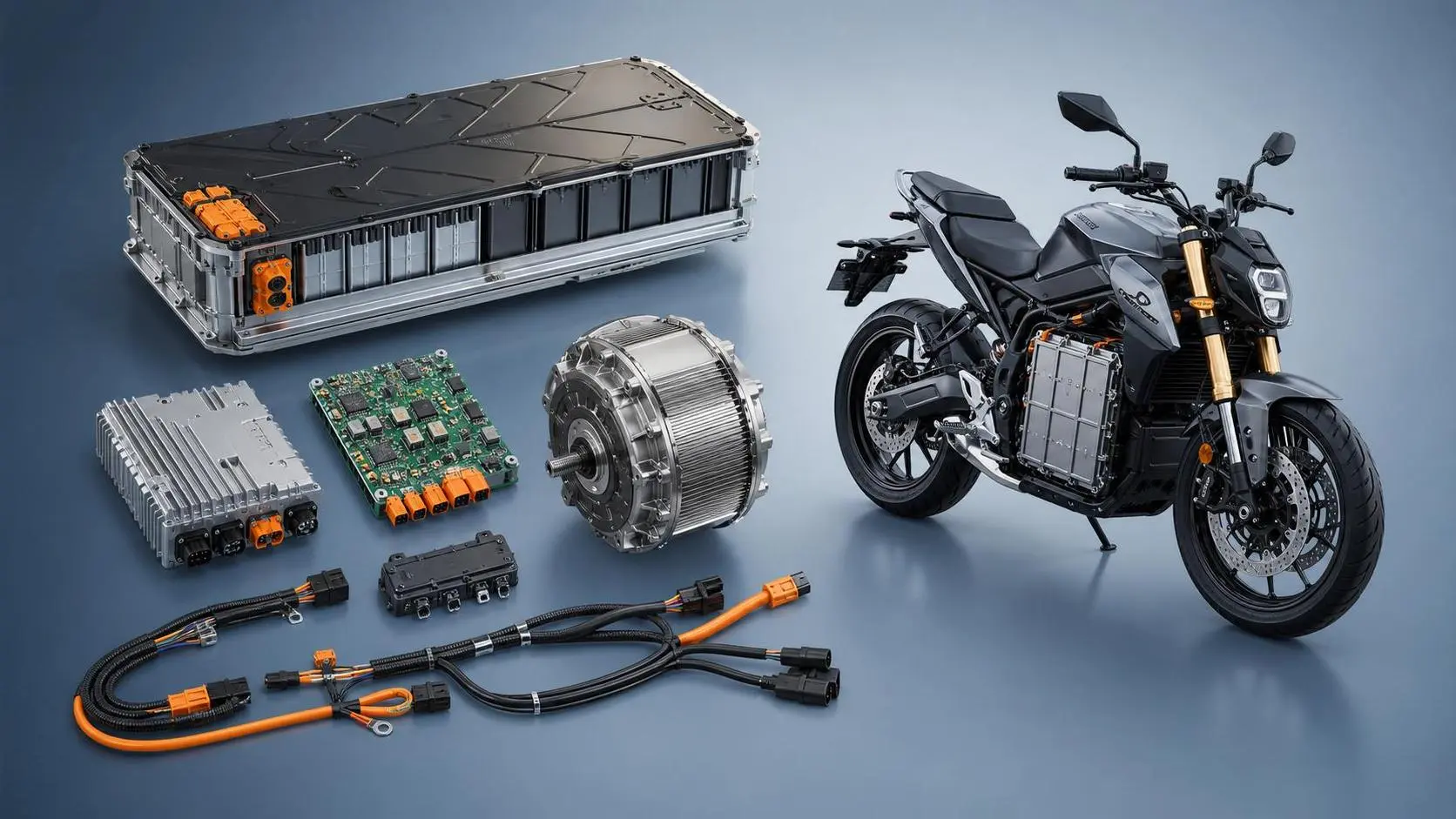
Electric Motorcycle Systems Price Breakdown: What Affects Cost From Battery to Controller?
Electric motorcycle systems price explained: see how battery, controller, motor, BMS, and wiring affect total cost, reliability, and sourcing value before you buy.
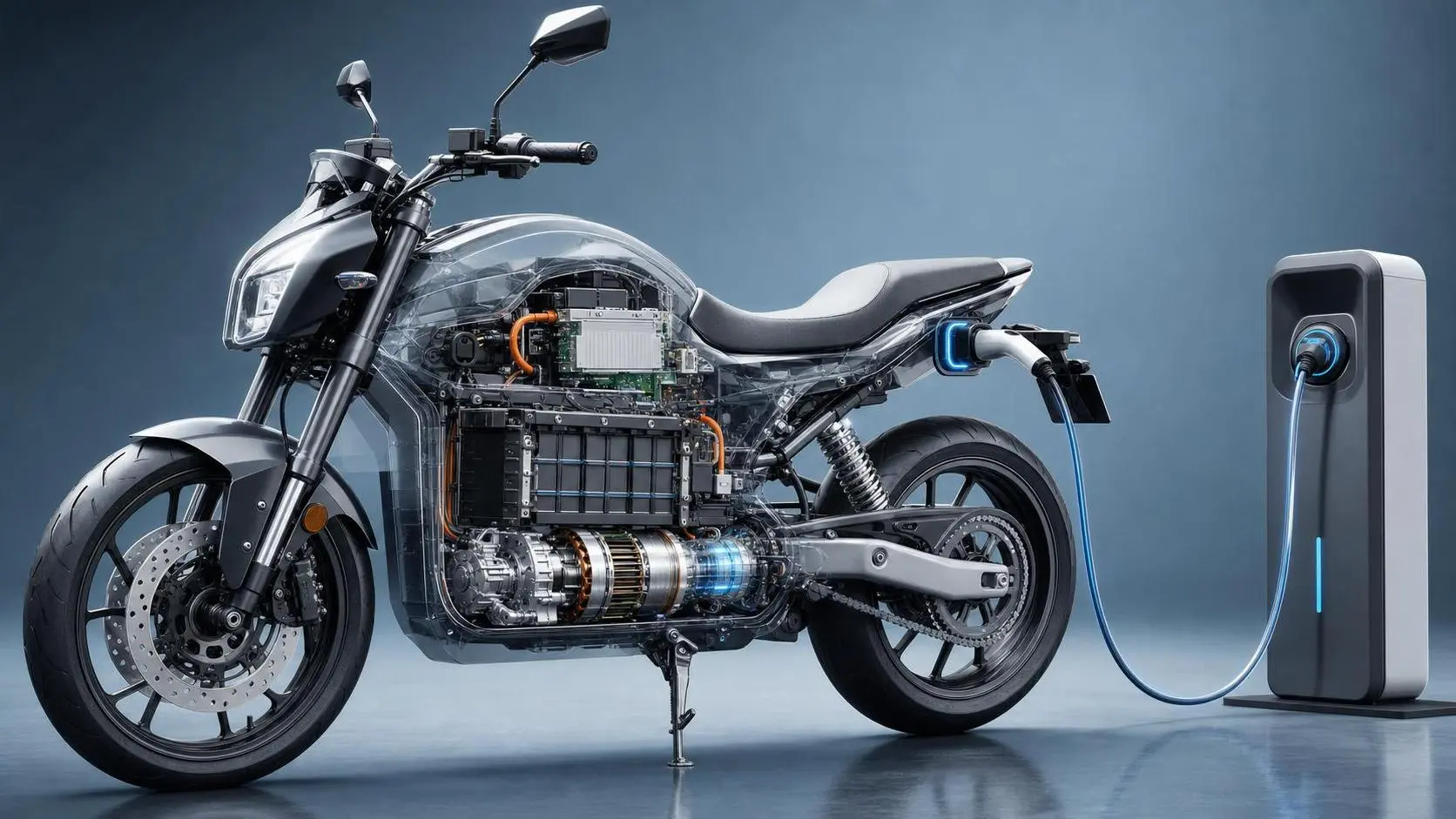
72V Electric Motorcycle Technology Explained: Motors, Controllers, Range, and Charging
Electric motorcycle technology 72V explained clearly: compare motors, controllers, range, battery design, and charging to choose a smoother, stronger, and smarter electric ride.

Where LED Urban Visibility Safety Systems Fit Best in Shared Scooters and City E-bikes
LED urban visibility safety systems deliver the most value in shared scooters and city e-bikes by improving multi-angle safety, fleet durability, and urban compliance across real-world routes.

Intellectualization of Mobility in North America: What Is Driving Adoption Across Urban Transport?
Intellectualization of mobility North America is reshaping urban transport through data, smart fleets, and battery intelligence. Explore what is driving adoption and why cities and operators are accelerating now.
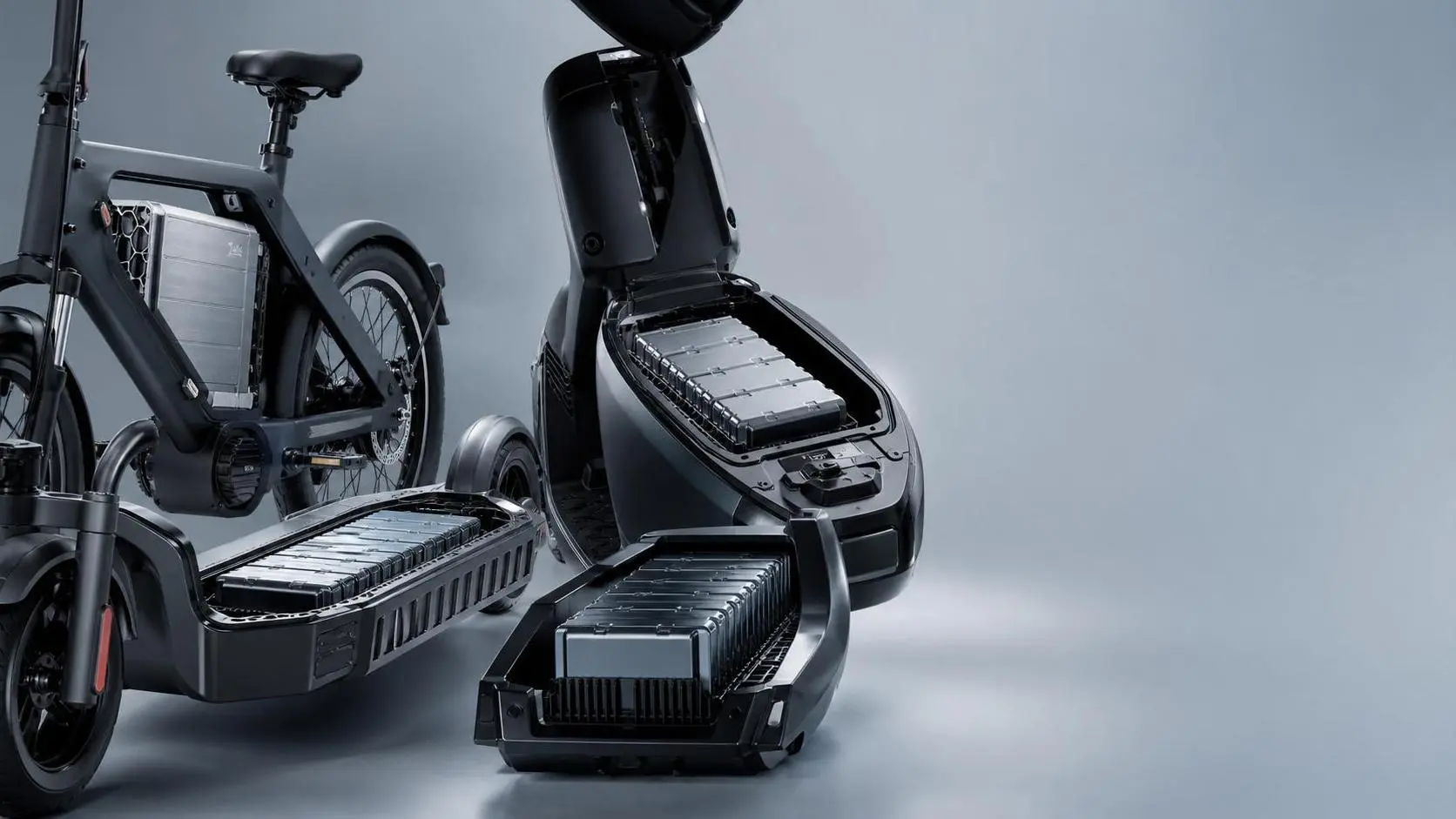
How to Choose a Compact Battery Pack: Size, Energy Density, Thermal Design, and Cycle Life
Compact battery pack selection starts with more than size. Learn how energy density, thermal design, and cycle life shape range, safety, and long-term value.
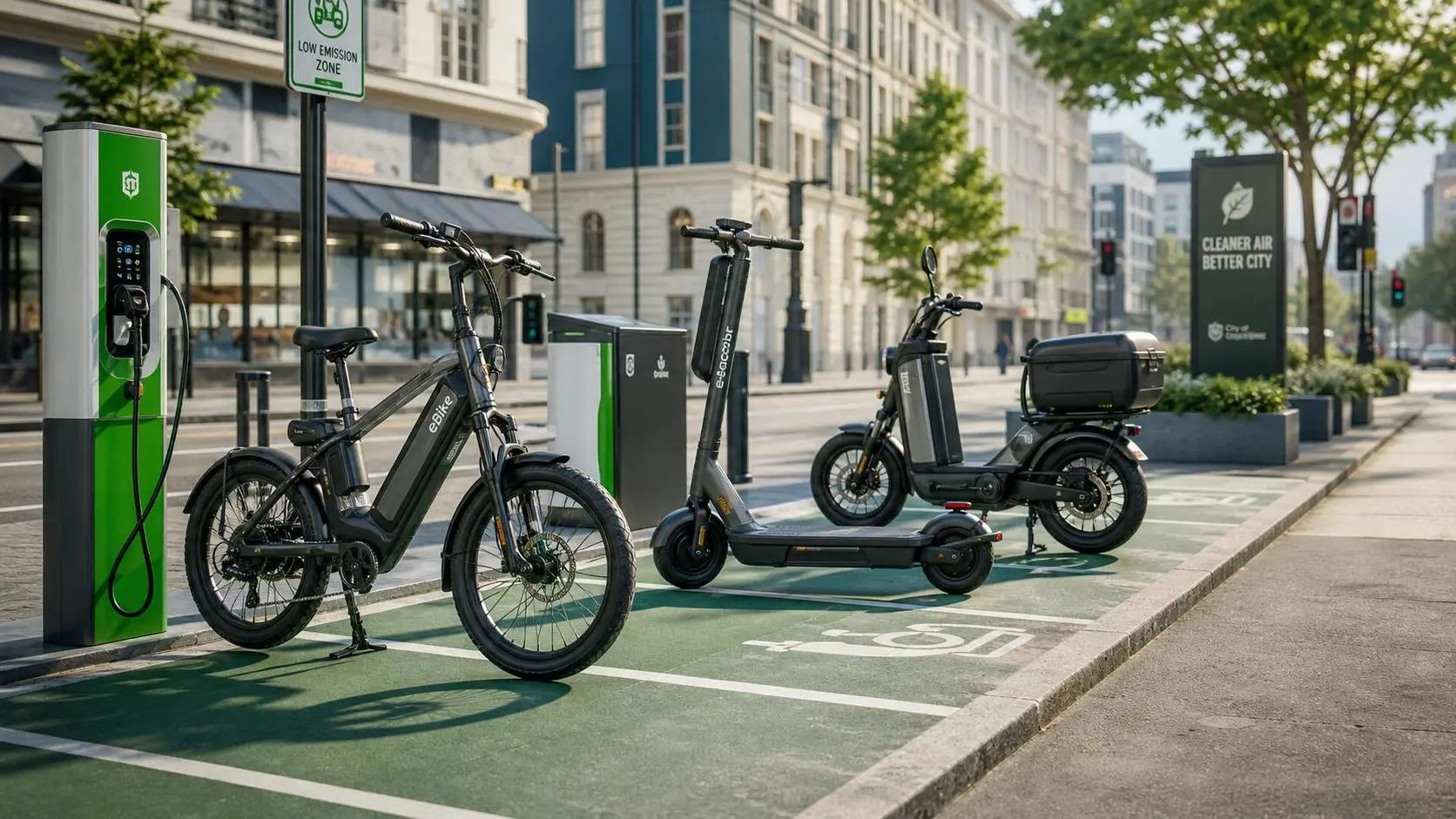
What Is Driving Green Two-wheelers Demand in Europe? Policy, Fuel Costs, and Buyer Segments
Green two-wheelers demand Europe is rising as policy support, fuel cost pressure, and diverse buyer segments reshape urban mobility. Explore the trends driving the next growth wave.