
Related News
- 00
0000-00
Electric Drivetrain Systems Factory Audit Checklist: Key Quality Points Before Sourcing - 00
0000-00
Electric Drivetrain Components Explained: Key Parts, Functions, and Failure Points - 00
0000-00
How to Evaluate a Drivetrain Architecture Provider for E-bike and Scooter Programs - 00
0000-00
Precision Drivetrain Tuning Explained: Key Adjustments for Smoother Shifting - 00
0000-00
Powertrain Heat Management Explained: Key Design Factors for EV Efficiency and Battery Life
Precision Drivetrain Architect
Weekly Insights
Stay ahead with our curated technology reports delivered every Monday.
How electromechanical transmission affects ride feel and upkeep





For technical evaluators in micro-mobility, electromechanical transmission is not just about moving torque from motor to wheel. It defines launch smoothness, pedal or throttle response, acoustic character, regenerative behavior, and long-term upkeep. In e-bikes, smart e-scooters, and high-speed e-motorcycles, the transmission layout also affects heat load, control calibration, and service intervals. A structured review helps compare systems beyond headline power and speed, especially when lifecycle efficiency and ride consistency matter.
Why a checklist matters when evaluating electromechanical transmission
Ride feel is often described subjectively, yet the causes are measurable. Gear reduction ratio, motor control logic, backlash, chain line, belt tension, clutch engagement, and sensor filtering all shape how an electromechanical transmission behaves on the road.
Without a checklist, evaluations can overvalue peak output and ignore low-speed precision, noise growth, vibration transfer, or wear sensitivity. Those neglected factors usually drive warranty cost, rider satisfaction, and real-world operating efficiency.
A checklist also creates a common language across mixed vehicle categories. That is useful in the broader micro-mobility sector, where transmission decisions must balance compact packaging, battery range, safety expectations, and practical maintenance access.
Core checklist for ride feel and upkeep
- Check torque delivery at launch, then compare how quickly the electromechanical transmission removes hesitation, limits jerk, and stabilizes traction on wet pavement, painted lines, and steep ramps.
- Measure response latency from pedal input or throttle request to wheel output, because sensor delay and control filtering often change perceived power more than peak motor rating.
- Inspect backlash through the driveline, including gearbox play, chain slack, spline clearance, and coupling compliance, since looseness directly softens ride feel and increases impact noise.
- Assess low-speed modulation in traffic, especially under stop-start conditions, where a refined electromechanical transmission should feel predictable rather than abrupt, surging, or digitally overcorrected.
- Compare acoustic behavior across load zones, noting gear whine, chain resonance, belt chirp, and motor switching noise, because sound quality strongly influences perceived system refinement.
- Track vibration paths from motor mount to frame contact points, since harshness at bars, deck, seat, or pegs can signal imbalance, poor isolation, or misaligned transmission hardware.
- Review thermal stability during climbs and repeated acceleration, because heat saturation changes controller output, lubricant condition, bearing life, and the consistency of the electromechanical transmission.
- Verify efficiency across realistic duty cycles instead of ideal laboratory points, as urban start-stop use can expose losses in gear meshes, bearings, chain articulation, and controller mapping.
- Examine maintenance access for tension adjustment, lubrication, seal inspection, and wear-part replacement, because poor serviceability often turns a durable design into a high-upkeep system.
- Confirm compatibility between transmission architecture and regenerative braking strategy, especially where freewheels, clutches, or reduction stages may limit energy recovery or create inconsistent deceleration feel.
- Inspect contamination resistance around gears, belts, chains, connectors, and sensors, because dust, water, de-icing chemicals, and road grit accelerate wear and distort transmission feedback.
- Map expected service intervals against actual use severity, then compare whether the electromechanical transmission maintains calibration and efficiency between inspections rather than only when freshly adjusted.
How electromechanical transmission behaves in different micro-mobility applications
E-bikes
In e-bikes, ride feel depends heavily on how the electromechanical transmission blends human input with motor assist. Mid-drive systems usually offer stronger climbing efficiency and better weight distribution, but they can amplify chain wear and shifting sensitivity.
Hub-driven layouts often reduce drivetrain stress and maintenance complexity. However, they may feel less natural during cadence transitions or steep starts if torque sensing, current ramping, and wheel traction control are not carefully tuned.
Smart e-scooters
For smart e-scooters, compactness and simplicity usually dominate. Many systems avoid multi-stage mechanical complexity, yet the effective electromechanical transmission still includes controller mapping, hub torque delivery, and vibration transfer through a short wheelbase.
Because scooters operate in dense stop-start traffic, smooth launch calibration matters more than aggressive peak output. Small errors in motor control can feel exaggerated, especially when deck stiffness and tire diameter transmit every torque pulse.
High-speed e-motorcycles
High-speed e-motorcycles place greater stress on the electromechanical transmission through sustained loads, stronger regenerative braking, and higher thermal demands. At this level, reduction gearing, bearing durability, lubrication quality, and sealing become core ride and upkeep issues.
A well-sorted system should deliver immediate torque without driveline shock. It should also remain quiet and stable at cruising speed, where tonal gear noise and heat-induced efficiency loss become more noticeable over long distances.
Precision bicycle drivetrain components
In advanced bicycle systems, electromechanical transmission extends into electronic shifting precision. While this differs from motor drive architecture, both domains share sensitivity to alignment, response timing, contamination, and long-term calibration drift.
That overlap matters in hybrid mobility platforms, where riders expect seamless interaction between assist delivery and gear selection. Poor coordination can make even an efficient transmission feel rough, noisy, or energy-wasteful.
Commonly overlooked factors and risk alerts
Ignoring partial-load behavior
Many evaluations focus on hard acceleration. Yet daily urban riding occurs mostly at partial load, where weak calibration makes the electromechanical transmission feel twitchy, delayed, or inefficient.
Underestimating alignment drift
Small frame tolerances, axle seating variation, and repeated curb impacts can shift alignment. That increases friction, noise, and uneven wear long before a visible failure appears.
Treating software and hardware separately
A transmission can be mechanically sound but still unpleasant if torque ramps, cut-off thresholds, or regenerative blending are poorly tuned. Ride feel is a system result, not a parts result.
Overlooking service environment
Rain, dust, salt, and high-frequency urban shocks change upkeep needs dramatically. A promising bench design may become maintenance-heavy once exposed to real commuting conditions.
Practical execution steps for better assessment
- Run repeatable low-speed launch tests on dry and wet surfaces, then log latency, jerk, wheel slip, and acoustic signatures under matched battery state and payload conditions.
- Record drivetrain temperature before and after hill climbs, sustained cruising, and regenerative events to identify whether the electromechanical transmission degrades as heat accumulates.
- Inspect wear points after vibration, splash, and contamination exposure, focusing on bearings, seals, chain articulation, connectors, and adjustment retention rather than cosmetic condition alone.
- Compare service tasks by actual labor time, tool access, and recalibration difficulty, since maintainability often determines true operating cost more accurately than component price.
Conclusion and next action
An electromechanical transmission shapes far more than power delivery. It influences confidence in traffic, comfort over rough surfaces, noise perception, range consistency, and the frequency of hands-on service. In micro-mobility, that makes transmission assessment a strategic technical task, not a secondary specification check.
Use the checklist above to compare systems under realistic duty cycles, not isolated test claims. Prioritize low-speed control, thermal stability, contamination resistance, and maintenance access. When those factors are examined together, the real quality of an electromechanical transmission becomes much easier to judge and much harder to misread.
Related News
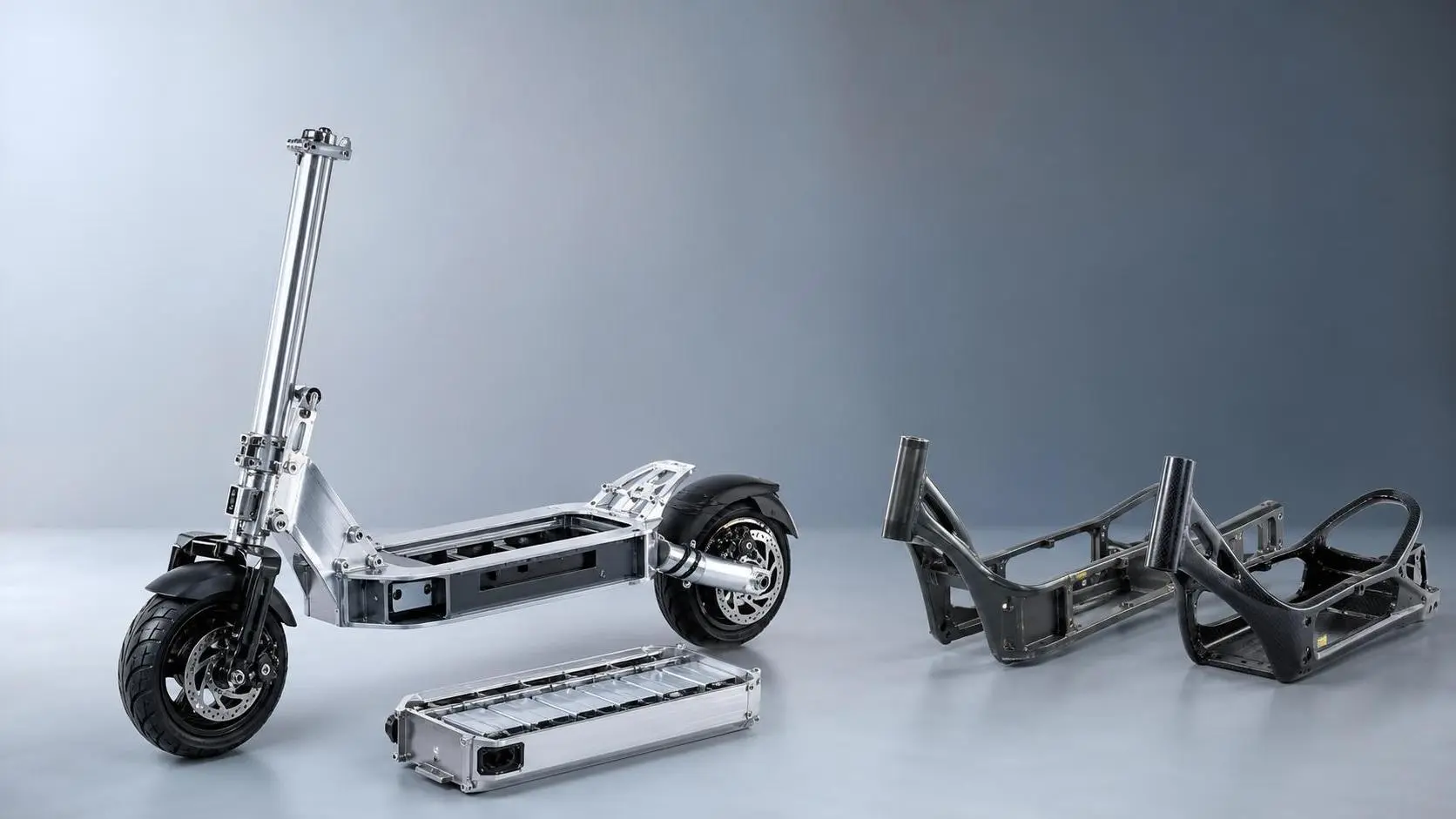
How to Choose Lightweight Scooter Frames in Europe: Materials, Standards, and Use Cases
Lightweight scooter frames Europe buyers need should balance materials, EN standards, durability, and real use cases. Discover how to choose safer, smarter, compliant frames.

What Is the Intellectualization of Mobility Platform and How Is It Applied in Shared Fleets?
Intellectualization of mobility platform is reshaping shared fleets with real-time data, predictive maintenance, and smarter compliance—learn how it boosts safety, uptime, and urban mobility efficiency.
Urban Micro-Mobility Systems in Latin America: Key Market Drivers, Barriers, and Growth Segments
Urban micro-mobility systems Latin America are reshaping city transport. Explore key drivers, barriers, and high-growth segments to spot the region’s most investable opportunities.
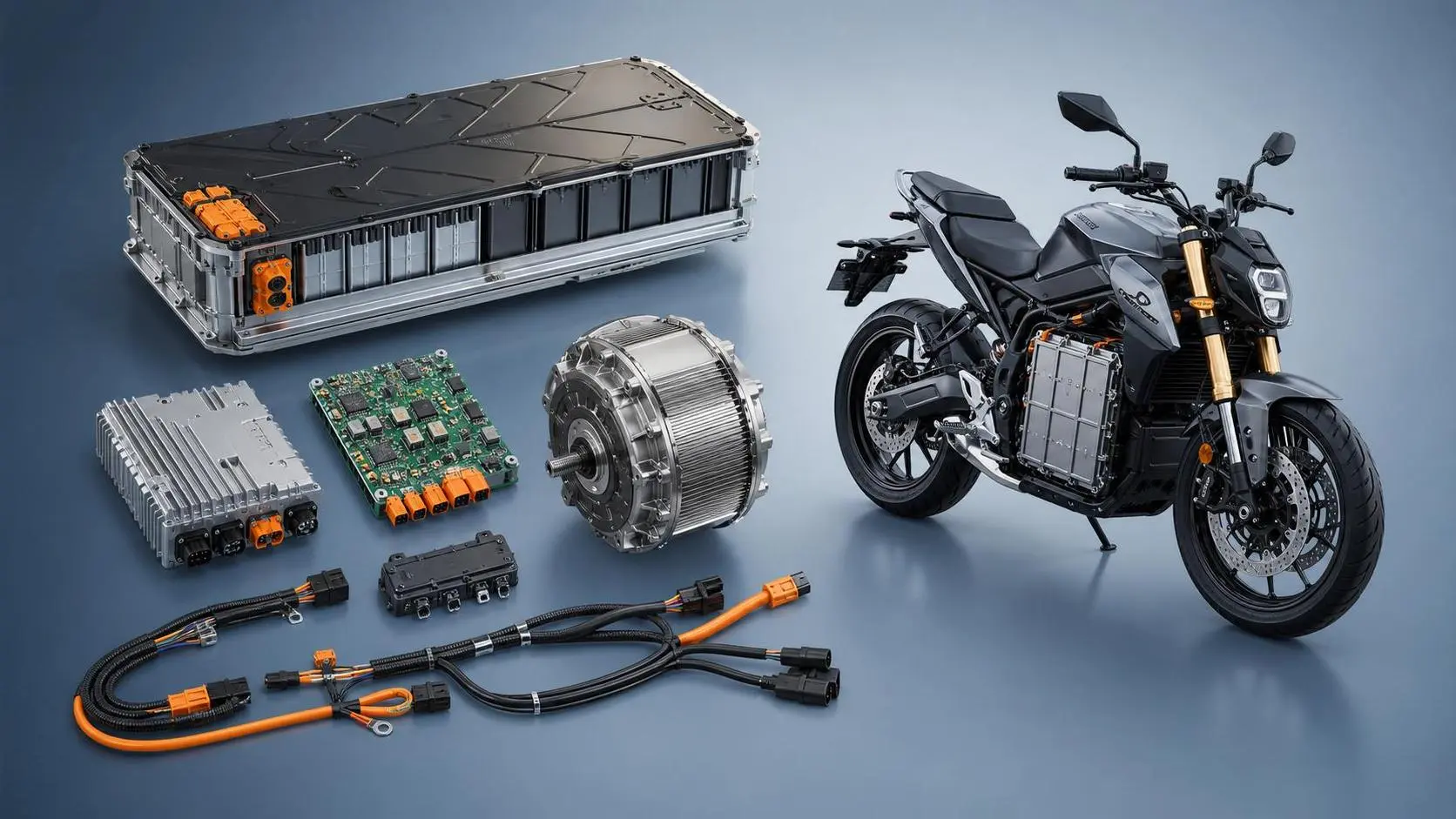
Electric Motorcycle Systems Price Breakdown: What Affects Cost From Battery to Controller?
Electric motorcycle systems price explained: see how battery, controller, motor, BMS, and wiring affect total cost, reliability, and sourcing value before you buy.
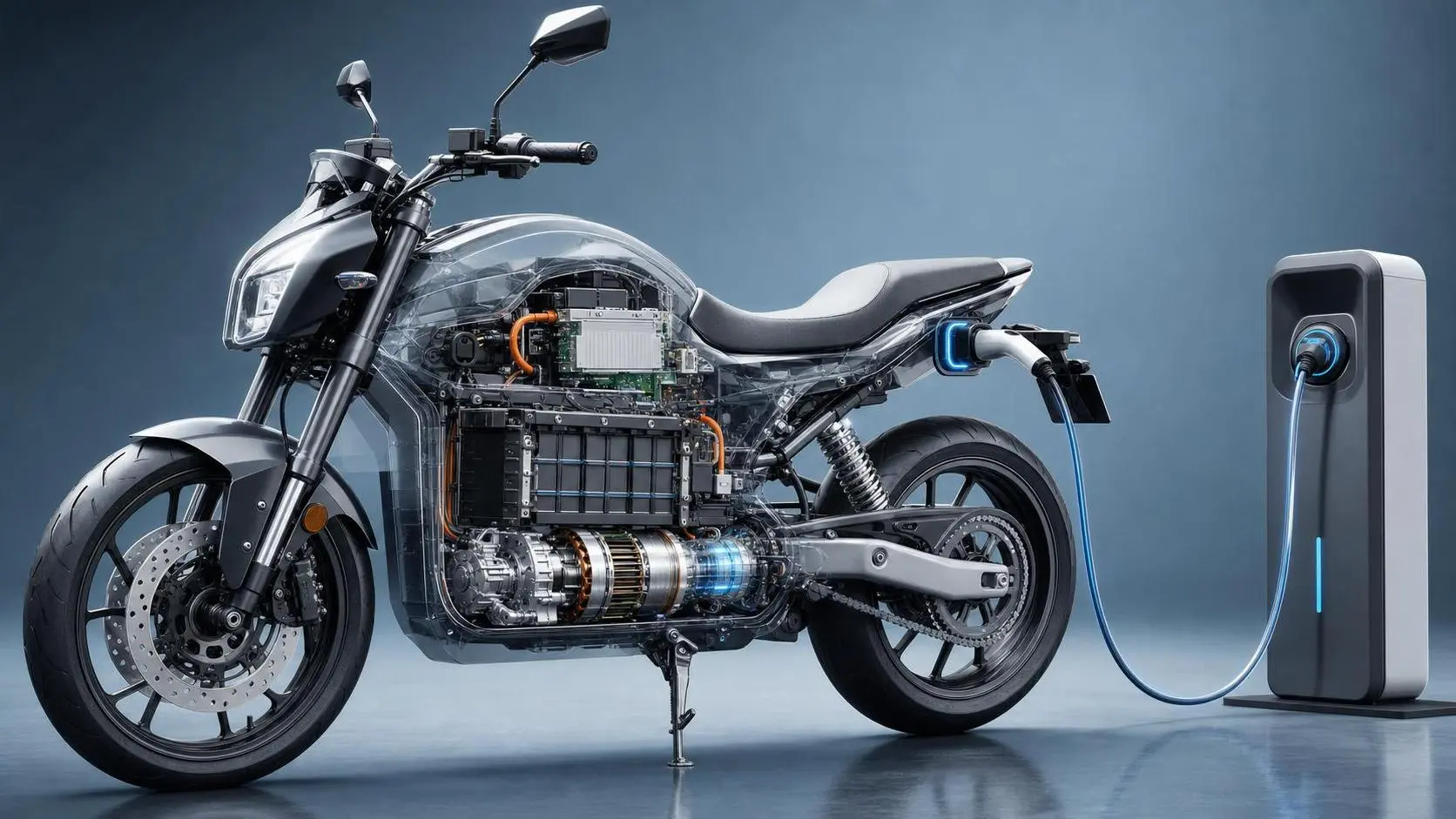
72V Electric Motorcycle Technology Explained: Motors, Controllers, Range, and Charging
Electric motorcycle technology 72V explained clearly: compare motors, controllers, range, battery design, and charging to choose a smoother, stronger, and smarter electric ride.

Where LED Urban Visibility Safety Systems Fit Best in Shared Scooters and City E-bikes
LED urban visibility safety systems deliver the most value in shared scooters and city e-bikes by improving multi-angle safety, fleet durability, and urban compliance across real-world routes.

Intellectualization of Mobility in North America: What Is Driving Adoption Across Urban Transport?
Intellectualization of mobility North America is reshaping urban transport through data, smart fleets, and battery intelligence. Explore what is driving adoption and why cities and operators are accelerating now.
How to Choose a Compact Battery Pack: Size, Energy Density, Thermal Design, and Cycle Life
Compact battery pack selection starts with more than size. Learn how energy density, thermal design, and cycle life shape range, safety, and long-term value.
What Is Driving Green Two-wheelers Demand in Europe? Policy, Fuel Costs, and Buyer Segments
Green two-wheelers demand Europe is rising as policy support, fuel cost pressure, and diverse buyer segments reshape urban mobility. Explore the trends driving the next growth wave.