
Related News
- 00
0000-00
Electric Mobility for Logistics: How to Choose the Right Vehicle for Last-mile Delivery - 00
0000-00
Electric Torque for Ebikes Explained: What Power Delivery Means for Climbing and Cargo - 00
0000-00
Electric Powertrain vs Hub Motor: Which Setup Fits Cargo E-bikes Better? - 00
0000-00
What last mile logistics needs from electric fleets - 00
0000-00
High-Density Battery Trade-Offs for Cargo E-Bikes
Micro-Mobility Strategist
Weekly Insights
Stay ahead with our curated technology reports delivered every Monday.
Decarbonization Technology and the Future of Cargo E-bikes





As cities and logistics networks race toward lower emissions, decarbonization technology is becoming a measurable business lever for cargo e-bikes—not just a sustainability slogan. For financial decision-making, it supports cost control, regulatory alignment, and stronger long-term asset value in urban last-mile mobility.
Cargo E-bikes Are Moving From Niche Tools to Urban Freight Infrastructure
The urban freight model is changing quickly. Congestion charges, low-emission zones, and stricter delivery windows are reshaping fleet economics across major cities.
In that shift, cargo e-bikes are no longer experimental vehicles. They are becoming infrastructure assets for parcel, food, service, and municipal operations.
This transition is closely tied to decarbonization technology. Better batteries, efficient motors, telematics, and circular maintenance models now improve both emissions performance and operational reliability.
For the broader micro-mobility ecosystem, this matters beyond logistics. It influences battery strategy, drivetrain design, digital fleet systems, and policy intelligence across connected urban transport sectors.
The Strongest Trend Signals Point to Practical Decarbonization Technology
Several signals show why decarbonization technology is now central to cargo e-bike growth, rather than a secondary environmental add-on.
- Urban regulations increasingly reward low-emission delivery assets with better access and fewer restrictions.
- Fleet operators want lower total cost of ownership, especially where van utilization is falling in dense zones.
- Battery energy density and charging flexibility are improving route stability for heavier payloads.
- Digital diagnostics now reduce downtime and support preventive maintenance across distributed fleets.
- Corporate carbon reporting is pushing transport decisions toward assets with measurable emissions reductions.
These signals reveal a wider market truth. Urban logistics is no longer choosing only between speed and sustainability. It is increasingly choosing systems that deliver both.
Why Decarbonization Technology Is Advancing Faster in Cargo E-bikes
Cargo e-bikes sit at the intersection of electrification, lightweight engineering, and route optimization. That makes them ideal platforms for fast operational decarbonization.
Unlike larger commercial EVs, cargo e-bikes need less charging infrastructure, less parking space, and lower capital commitment. That makes decarbonization technology easier to implement at scale.
The Technology Stack Is Expanding Beyond the Vehicle Itself
The future of cargo e-bikes will not be defined by motors alone. The next competitive gap will come from integrated decarbonized operating systems.
Battery intelligence is becoming a core control point
Smart battery management systems improve charge cycles, temperature control, and state-of-health visibility. These functions extend asset life and reduce replacement timing uncertainty.
Precision drivetrains support energy efficiency under real loads
Urban stop-start riding creates uneven power demand. Efficient motors, refined torque sensors, and durable transmission components help maintain stable energy use in delivery conditions.
Connected maintenance lowers hidden carbon and cost
Predictive service reduces waste from premature part replacement. It also avoids unplanned vehicle recovery, extra standby assets, and inefficient emergency routing.
This is where UMMS-style intelligence becomes valuable. Market visibility across batteries, e-bikes, drivetrain components, and urban policy creates a fuller view of decarbonization technology outcomes.
The Impact Reaches Multiple Business Links at Once
The adoption of decarbonization technology in cargo e-bikes changes more than tailpipe emissions. It alters planning assumptions across procurement, maintenance, finance, and city access strategy.
- Operations gain more route flexibility in dense districts with access restrictions.
- Finance sees lower fuel exposure, reduced parking costs, and better utilization in short-route service models.
- Maintenance teams benefit from modular components and remote diagnostics.
- Brand and compliance functions gain cleaner carbon accounting and stronger ESG evidence.
- Urban partnerships become easier where cities prioritize zero-emission delivery pilots.
The strongest value appears when cargo e-bikes replace inefficient van trips, not when they are added without route redesign. Decarbonization works best when paired with operational restructuring.
What Deserves Close Attention Over the Next Three Years
Not every cargo e-bike program will create the same result. The difference will depend on how deeply decarbonization technology is embedded into deployment choices.
- Battery lifecycle data: Monitor degradation, second-life options, and recycling pathways before scaling fleets.
- Payload-specific efficiency: Test energy use under actual cargo weights, slopes, and stop density.
- Thermal performance: Review operation stability in hot summers, cold winters, and high-frequency charging cycles.
- Component durability: Focus on brakes, drivetrains, tires, and wheels in high-mileage duty cycles.
- Software interoperability: Ensure telematics can connect with dispatch, maintenance, and emissions reporting tools.
- Policy volatility: Track subsidy changes, right-of-way rules, and urban safety requirements continuously.
These checkpoints matter because the market is moving from pilot enthusiasm to performance accountability. Future winners will prove measurable efficiency, not just low-emission intent.
A Practical Framework for Evaluating the Future of Cargo E-bikes
This framework helps convert decarbonization technology from a broad goal into a repeatable operational decision. That is critical as cargo e-bikes mature into strategic fleet assets.
The Next Step Is to Treat Decarbonization Technology as a System Decision
The future of cargo e-bikes will be shaped by cities, batteries, software, and component engineering at the same time. Success will come from connecting those layers early.
A useful next step is to audit urban routes, charging patterns, component wear, and carbon reporting requirements together. That reveals where decarbonization technology can create the fastest operational advantage.
For organizations following micro-mobility transformation, the question is no longer whether cargo e-bikes matter. The question is how quickly integrated decarbonized systems can turn them into durable urban logistics infrastructure.
Related News
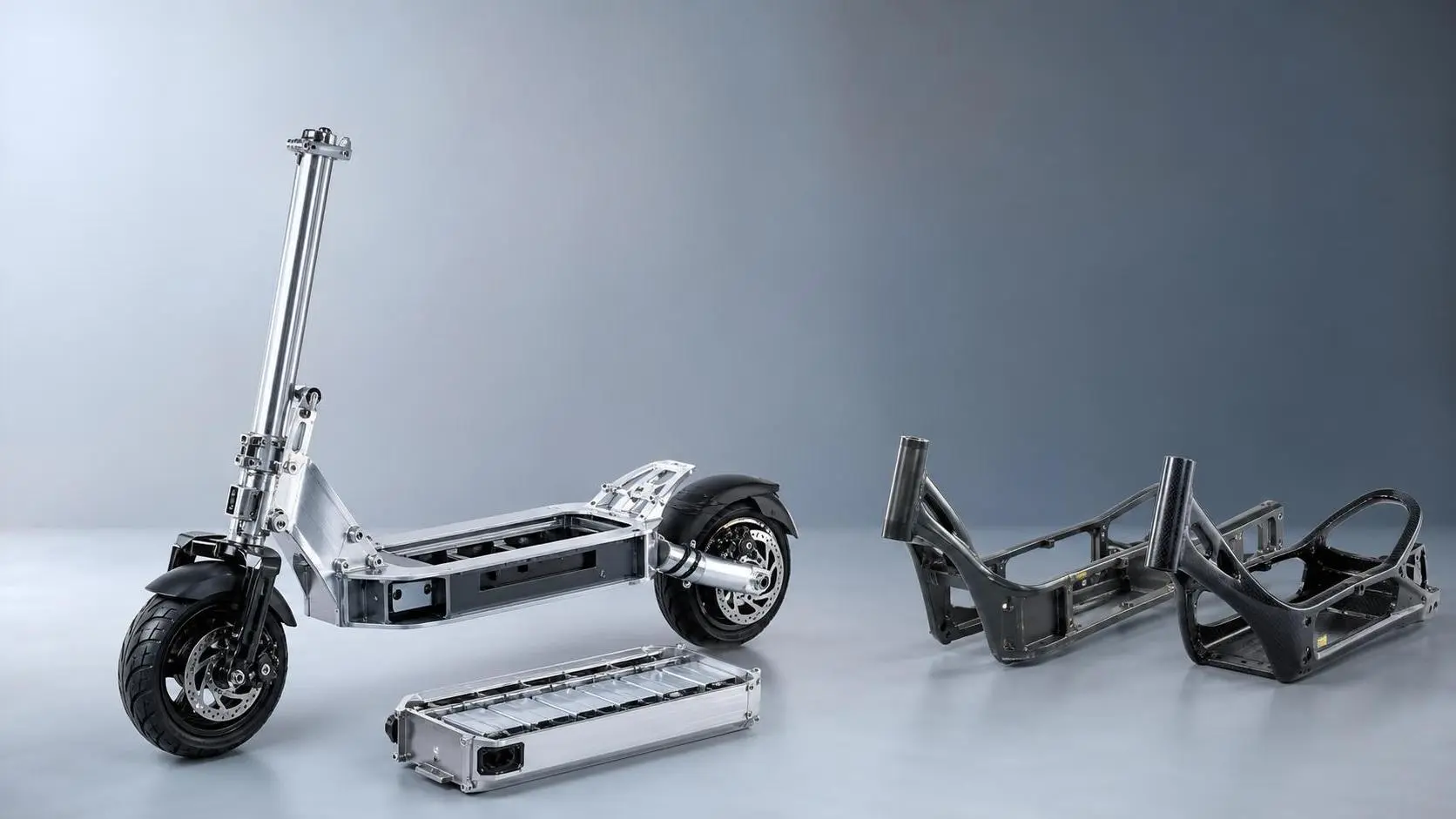
How to Choose Lightweight Scooter Frames in Europe: Materials, Standards, and Use Cases
Lightweight scooter frames Europe buyers need should balance materials, EN standards, durability, and real use cases. Discover how to choose safer, smarter, compliant frames.
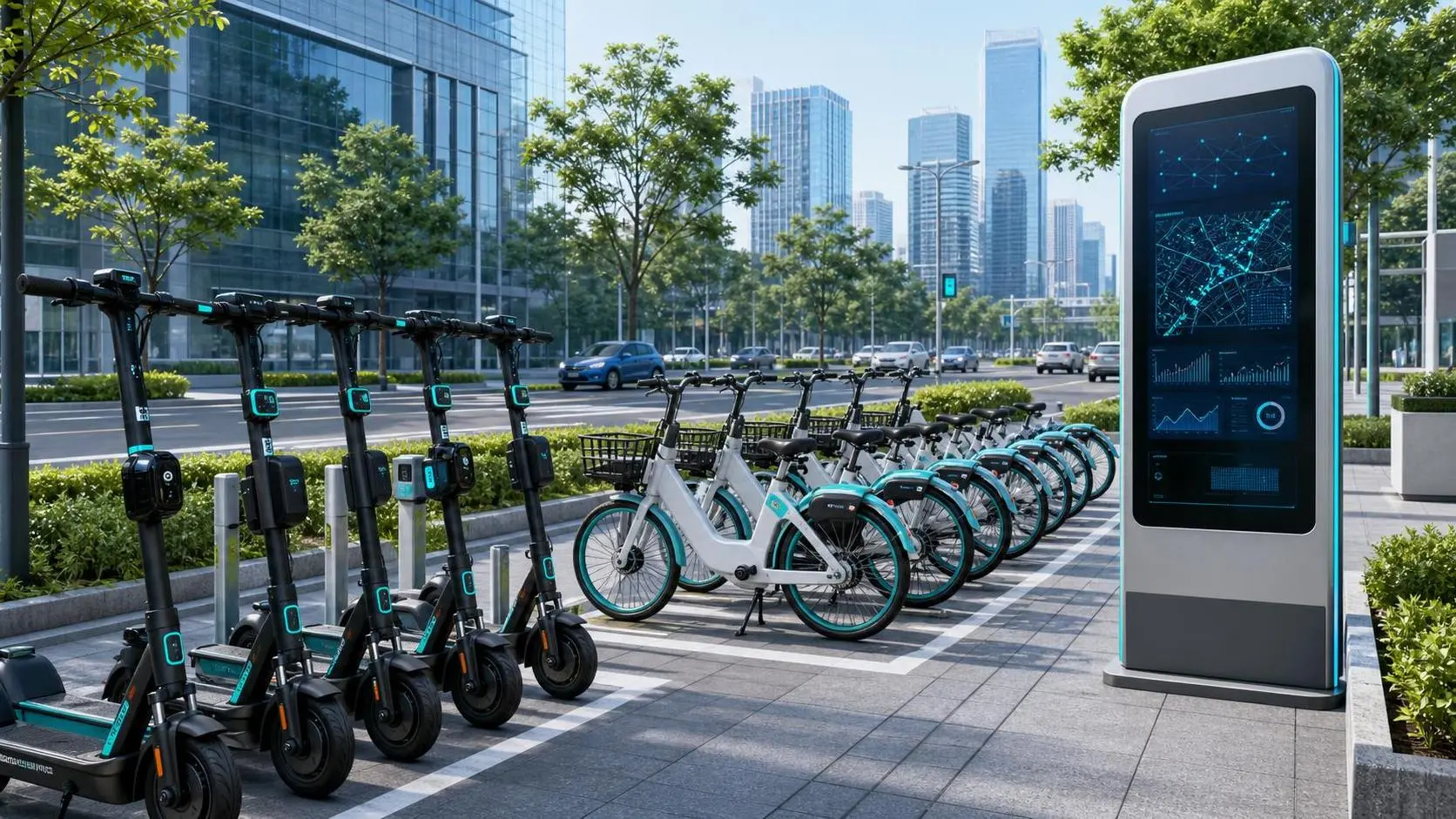
What Is the Intellectualization of Mobility Platform and How Is It Applied in Shared Fleets?
Intellectualization of mobility platform is reshaping shared fleets with real-time data, predictive maintenance, and smarter compliance—learn how it boosts safety, uptime, and urban mobility efficiency.
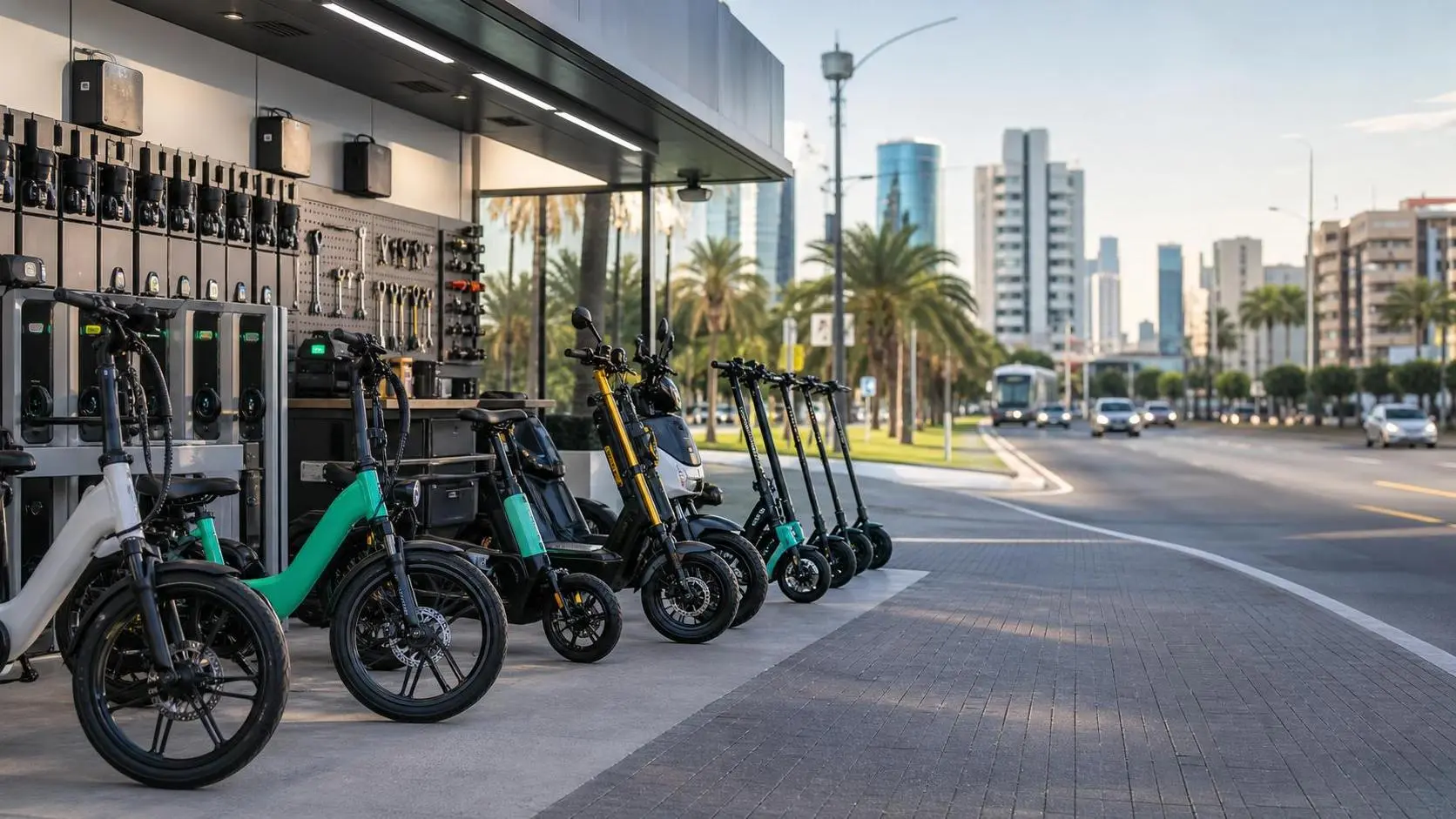
Urban Micro-Mobility Systems in Latin America: Key Market Drivers, Barriers, and Growth Segments
Urban micro-mobility systems Latin America are reshaping city transport. Explore key drivers, barriers, and high-growth segments to spot the region’s most investable opportunities.
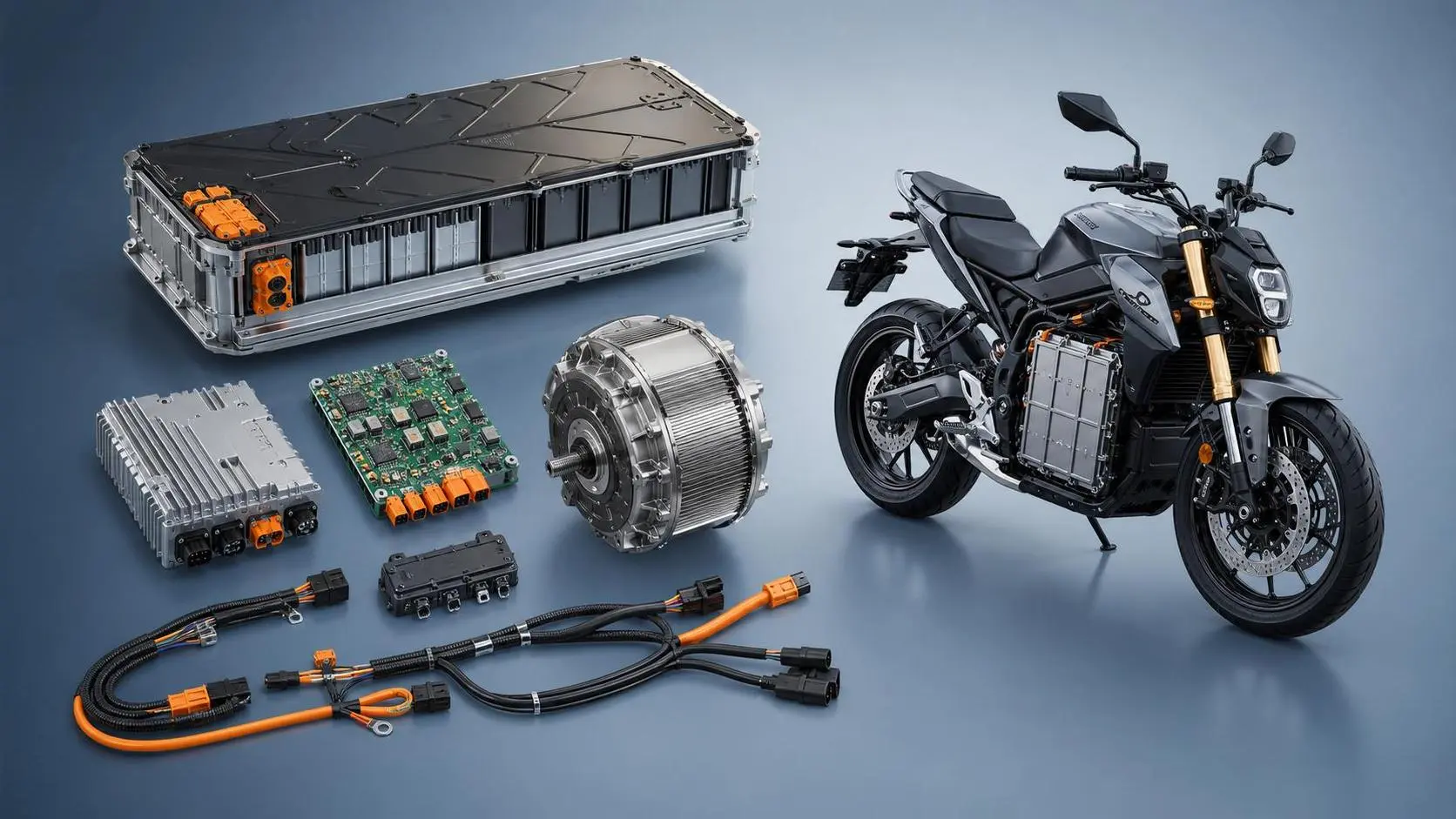
Electric Motorcycle Systems Price Breakdown: What Affects Cost From Battery to Controller?
Electric motorcycle systems price explained: see how battery, controller, motor, BMS, and wiring affect total cost, reliability, and sourcing value before you buy.
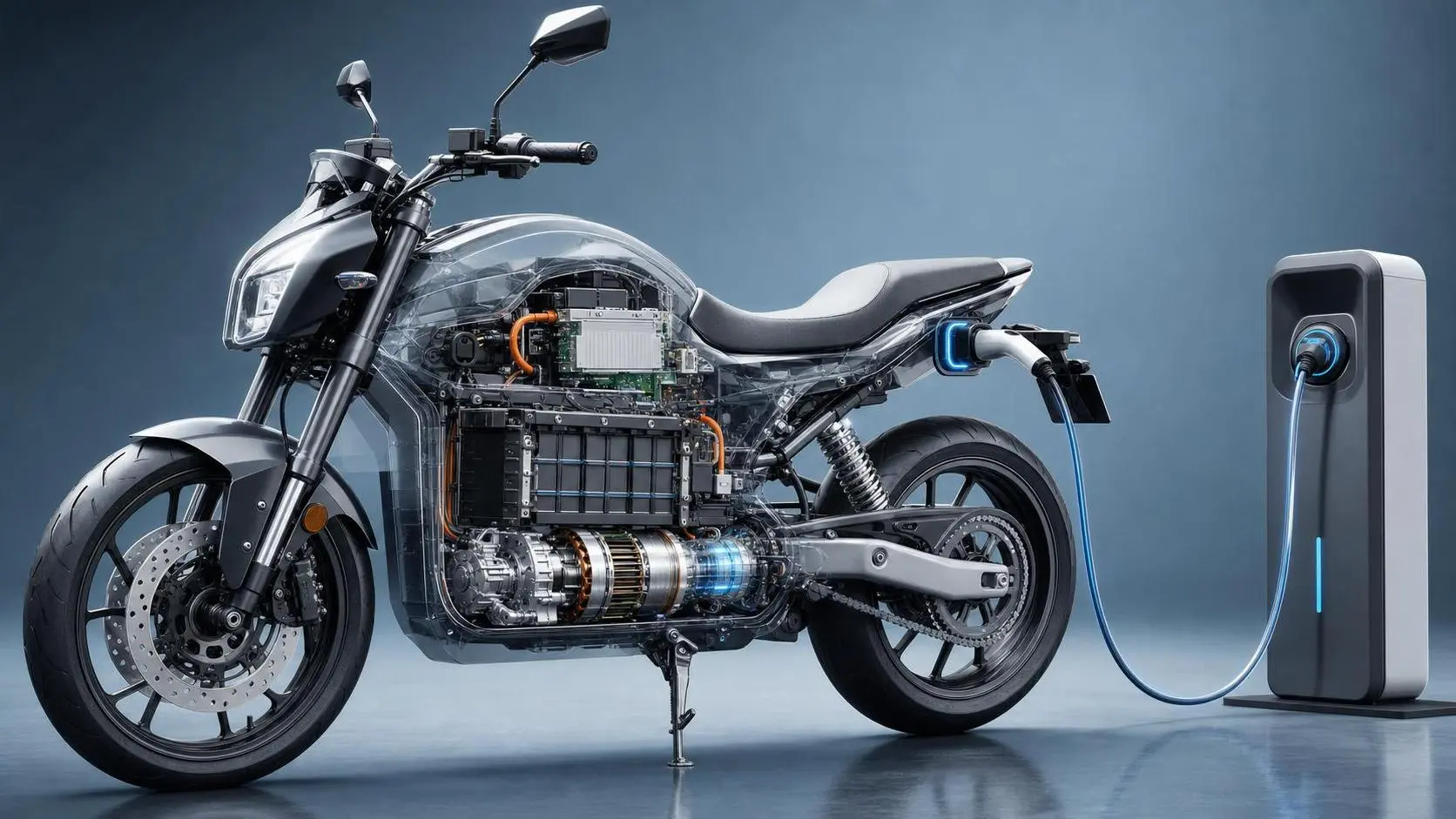
72V Electric Motorcycle Technology Explained: Motors, Controllers, Range, and Charging
Electric motorcycle technology 72V explained clearly: compare motors, controllers, range, battery design, and charging to choose a smoother, stronger, and smarter electric ride.
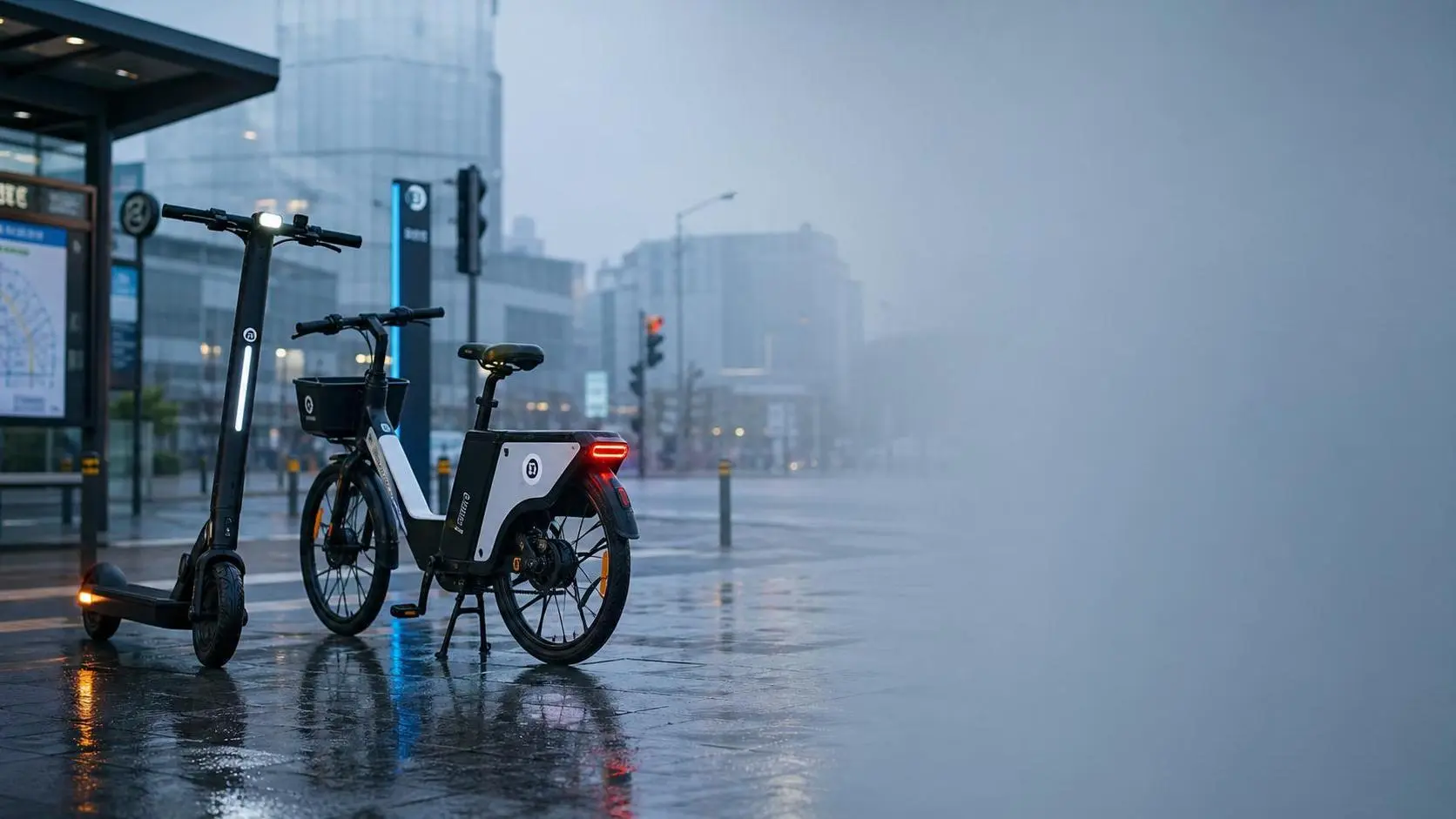
Where LED Urban Visibility Safety Systems Fit Best in Shared Scooters and City E-bikes
LED urban visibility safety systems deliver the most value in shared scooters and city e-bikes by improving multi-angle safety, fleet durability, and urban compliance across real-world routes.
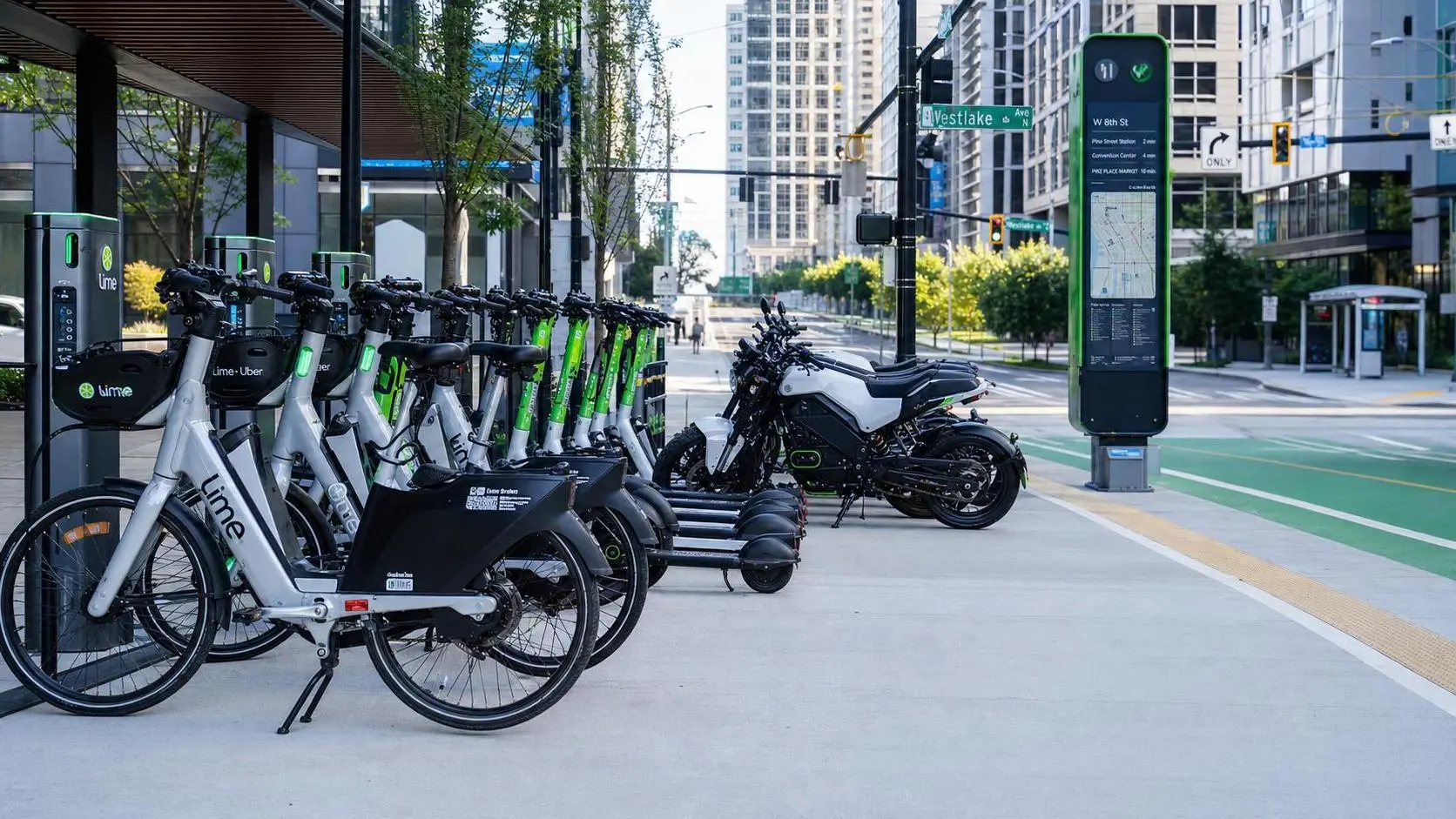
Intellectualization of Mobility in North America: What Is Driving Adoption Across Urban Transport?
Intellectualization of mobility North America is reshaping urban transport through data, smart fleets, and battery intelligence. Explore what is driving adoption and why cities and operators are accelerating now.
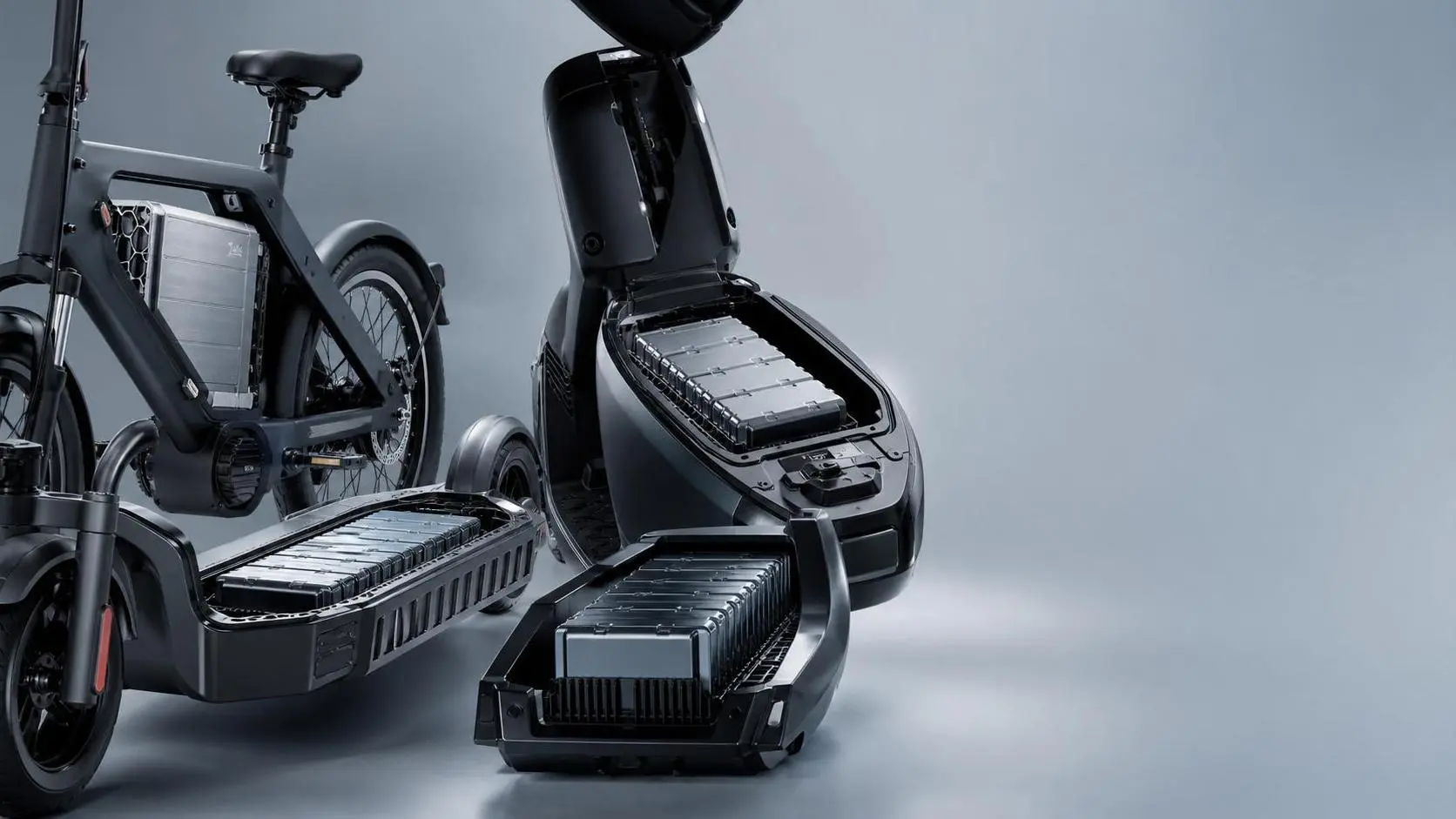
How to Choose a Compact Battery Pack: Size, Energy Density, Thermal Design, and Cycle Life
Compact battery pack selection starts with more than size. Learn how energy density, thermal design, and cycle life shape range, safety, and long-term value.
What Is Driving Green Two-wheelers Demand in Europe? Policy, Fuel Costs, and Buyer Segments
Green two-wheelers demand Europe is rising as policy support, fuel cost pressure, and diverse buyer segments reshape urban mobility. Explore the trends driving the next growth wave.